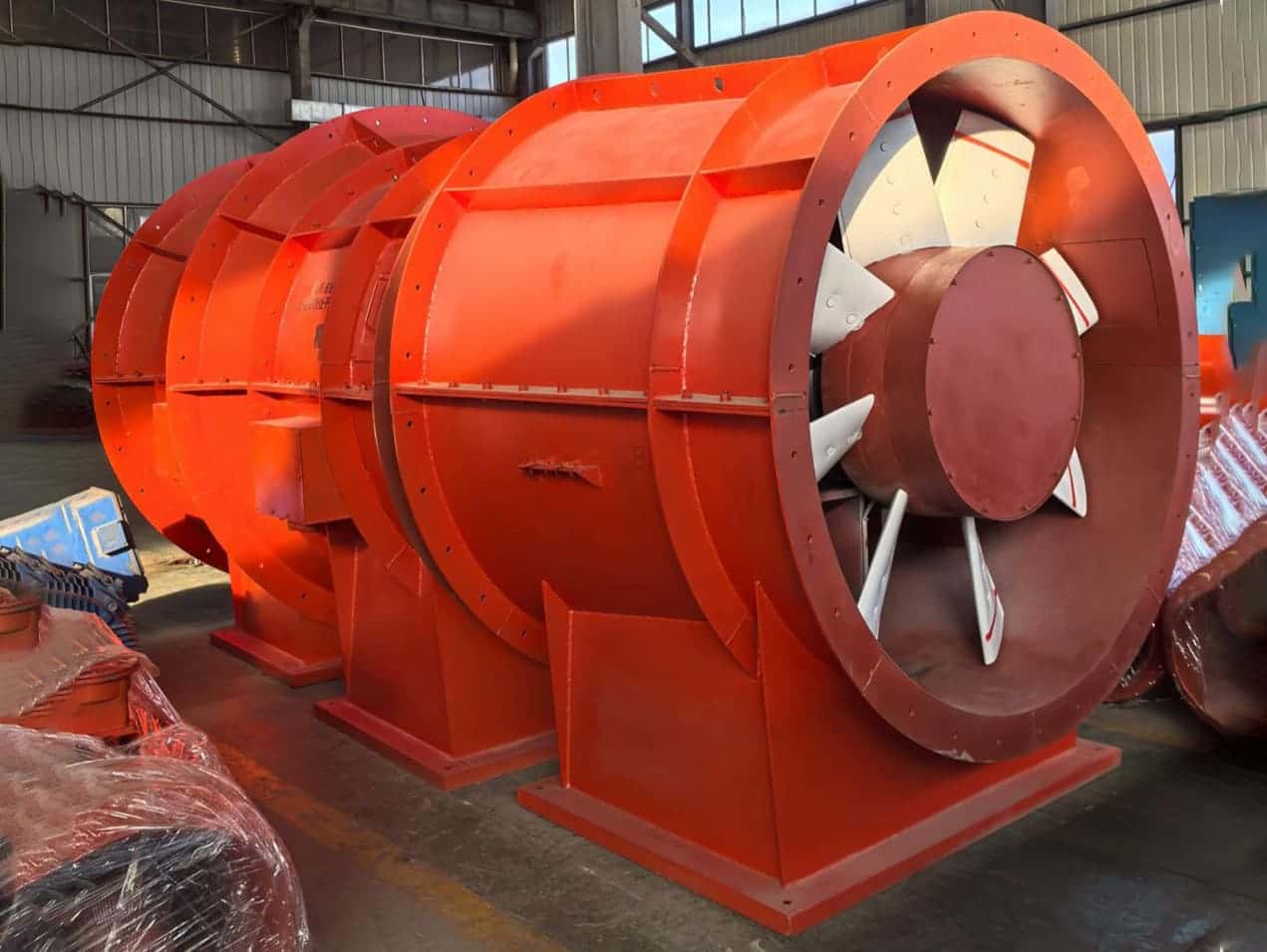
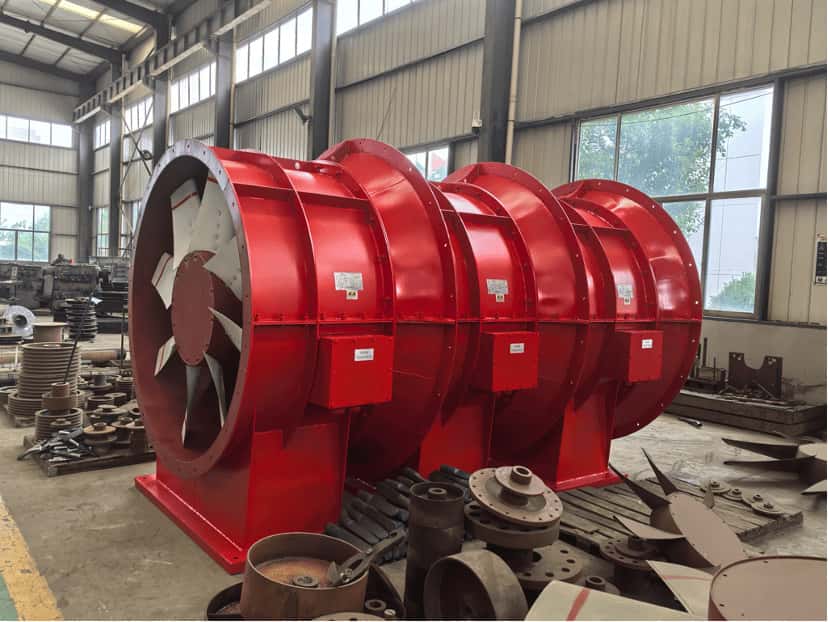
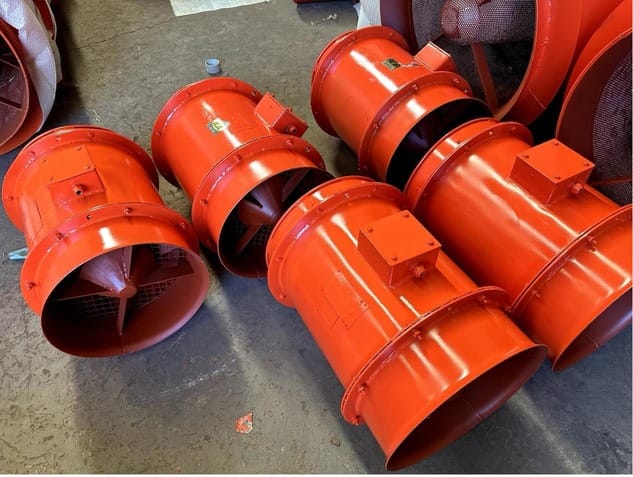
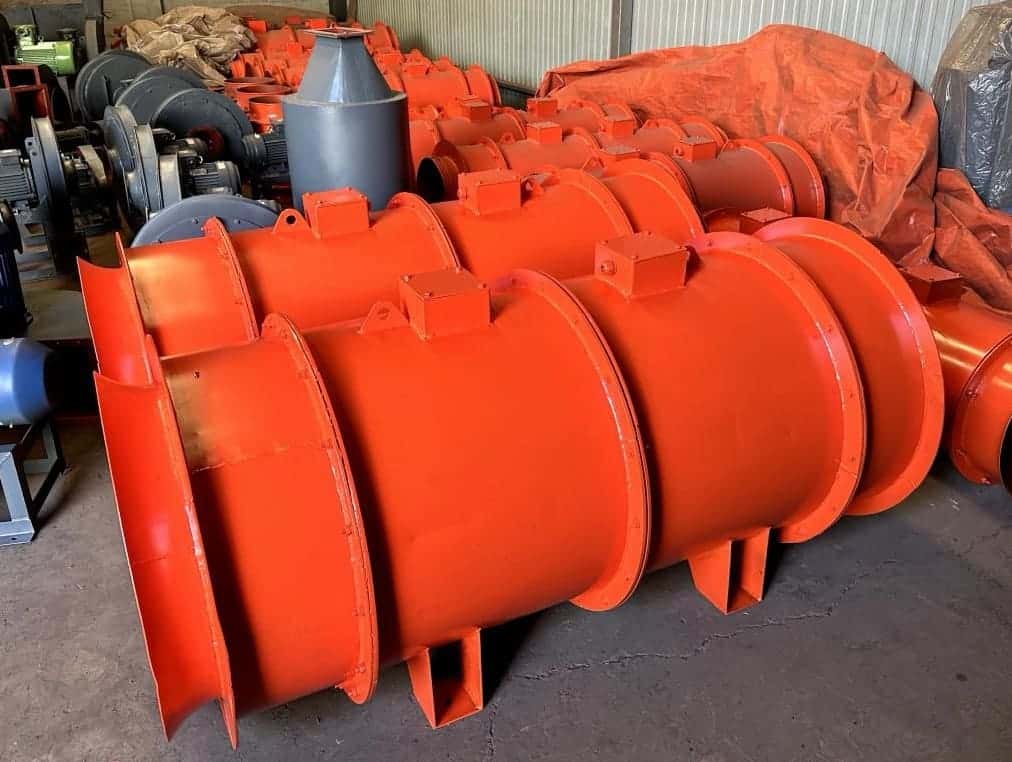
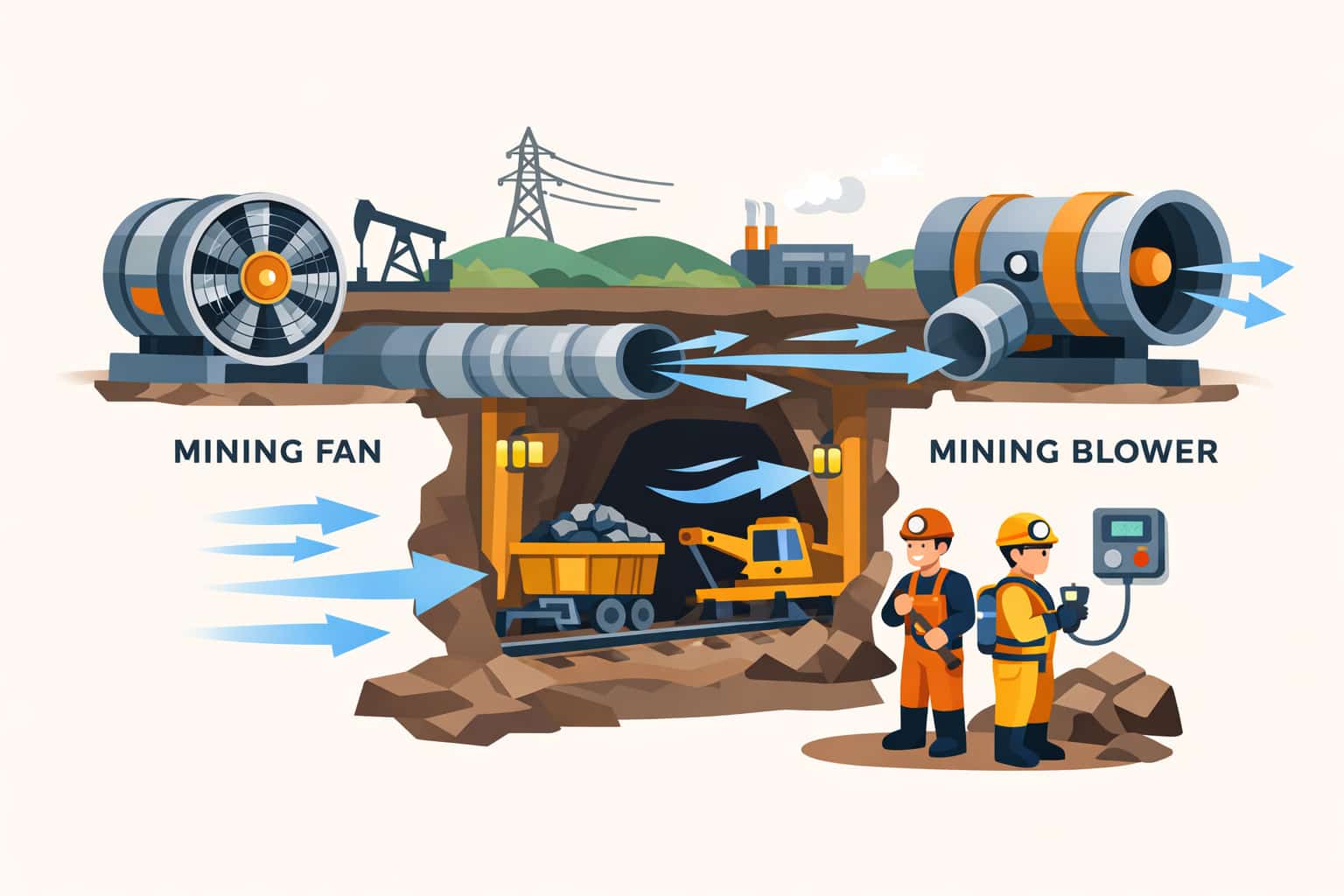
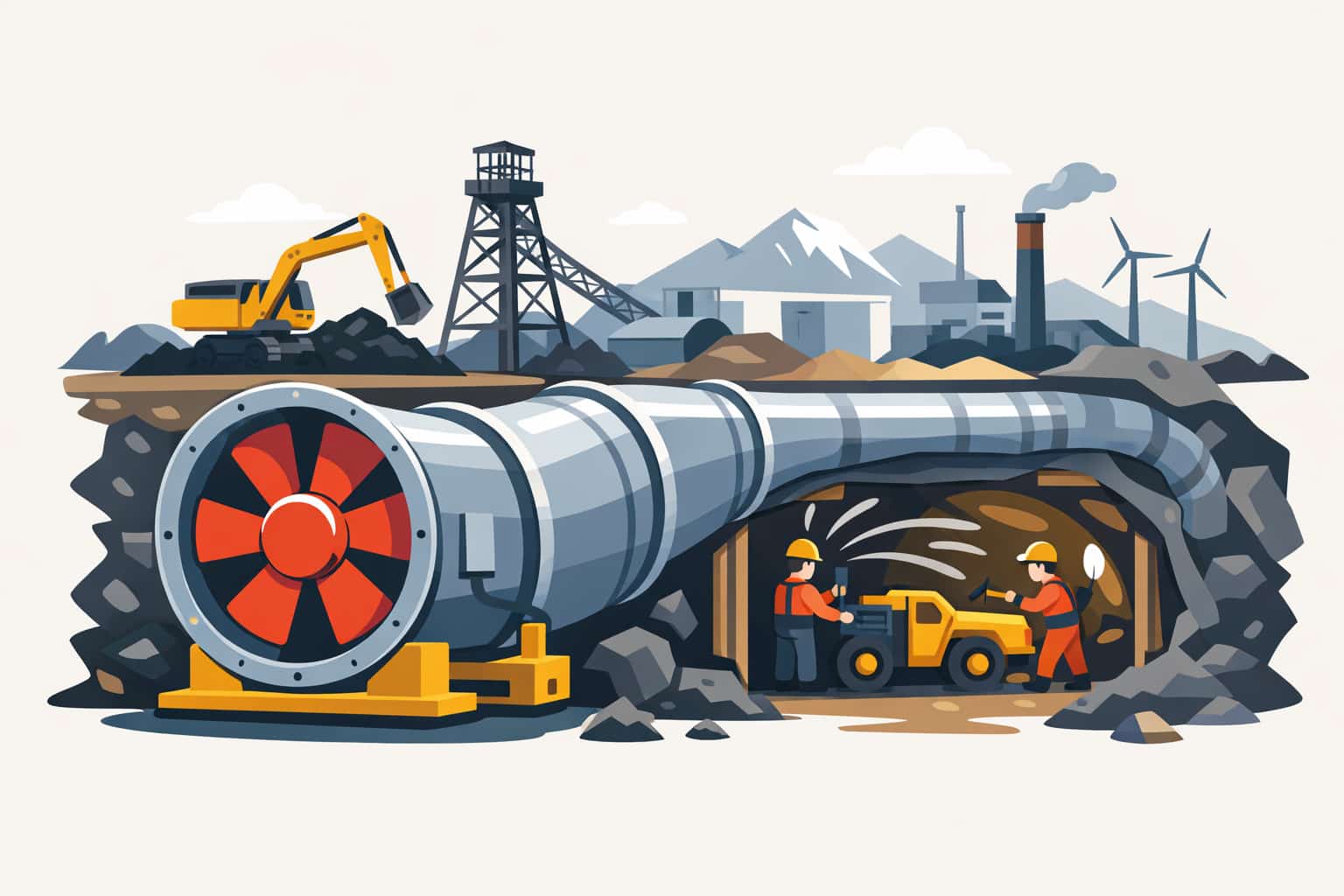
An exhaust fan is a machine designed to remove air from a space and discharge it to a safe location. Whether it is a small wall fan in a workshop or a large industrial or mining exhaust fan on a duct or shaft, the basic components are similar. Understanding these components helps with selection, installation and maintenance of exhaust systems.
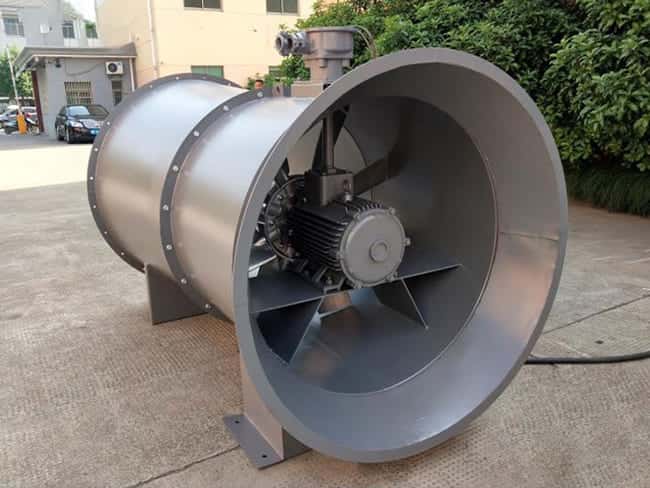
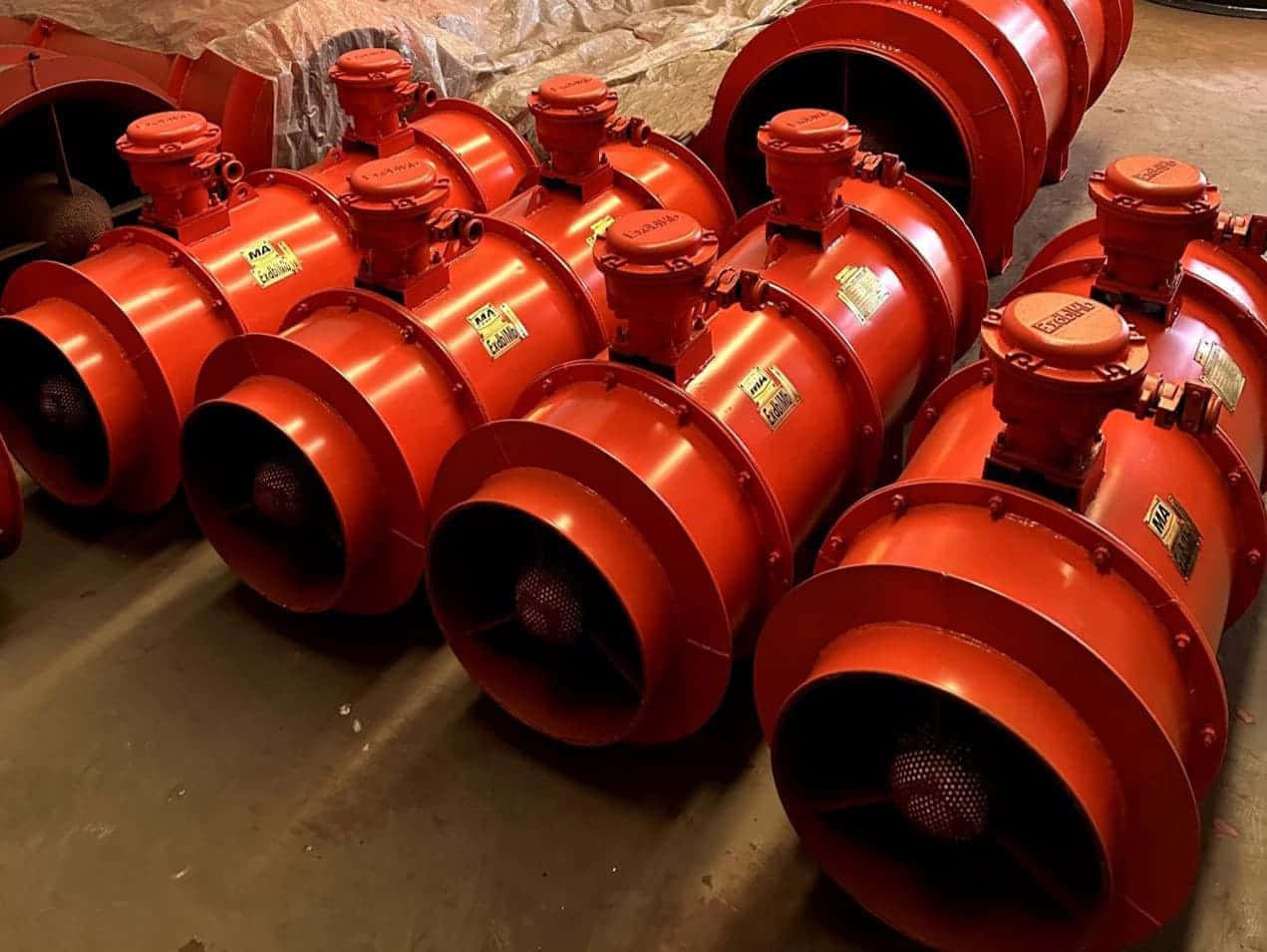
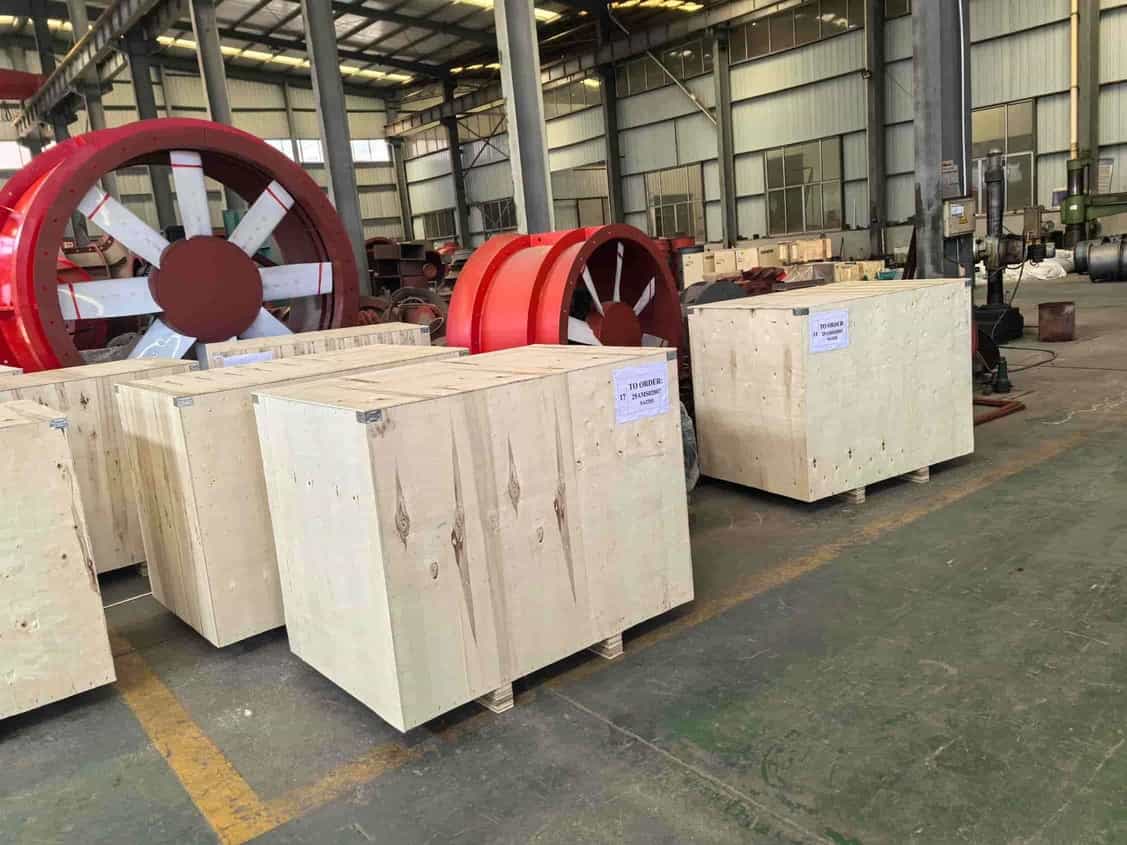
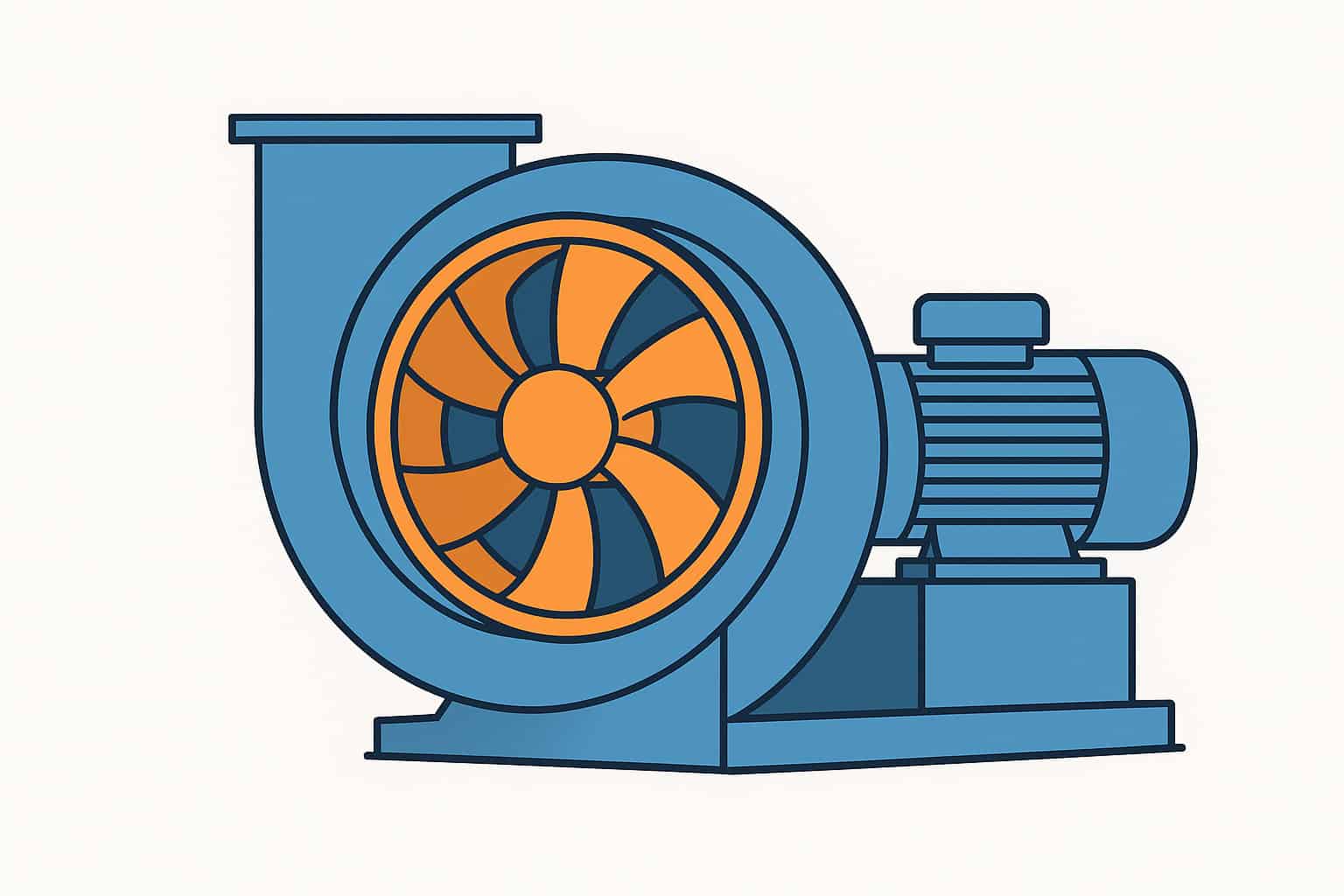
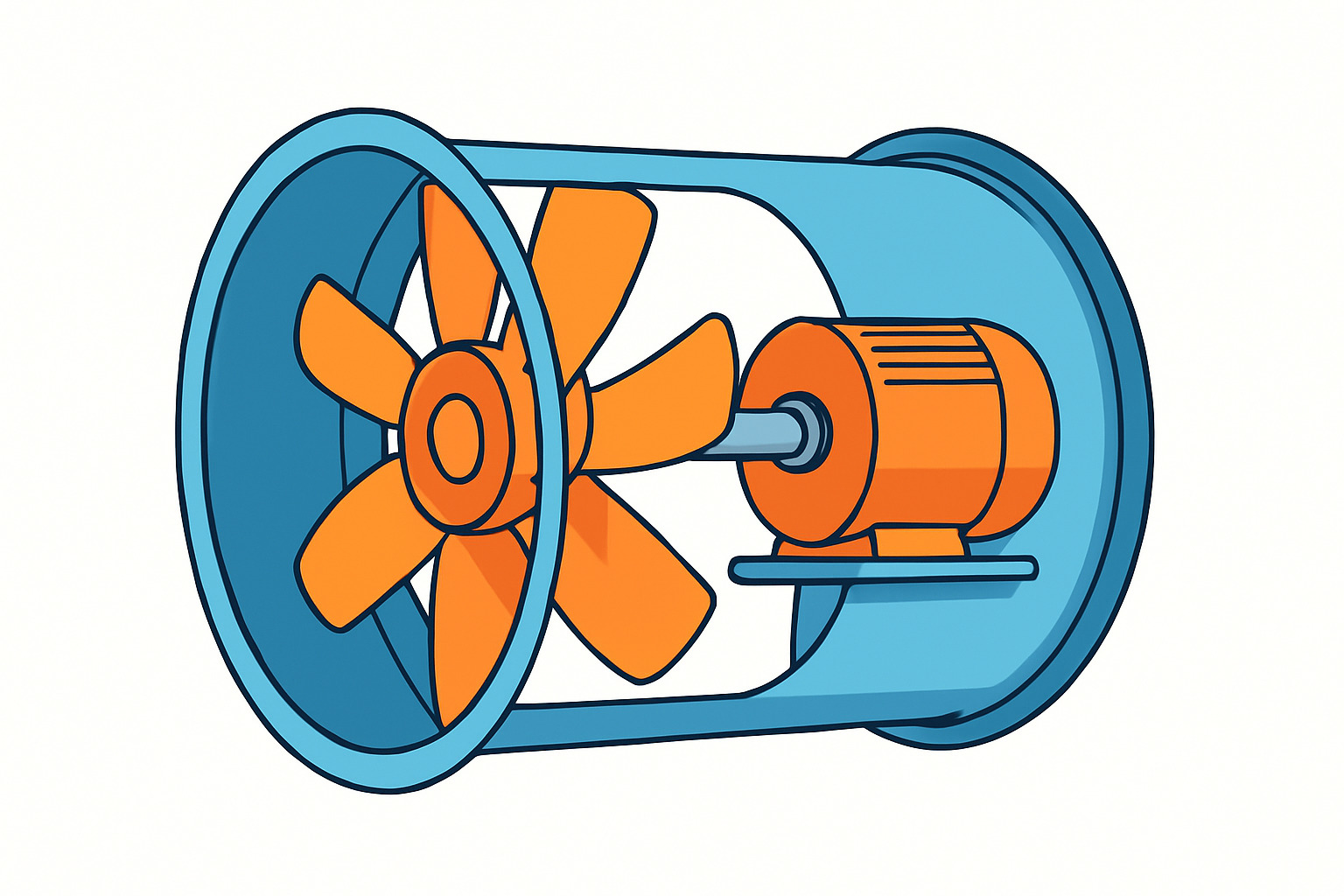
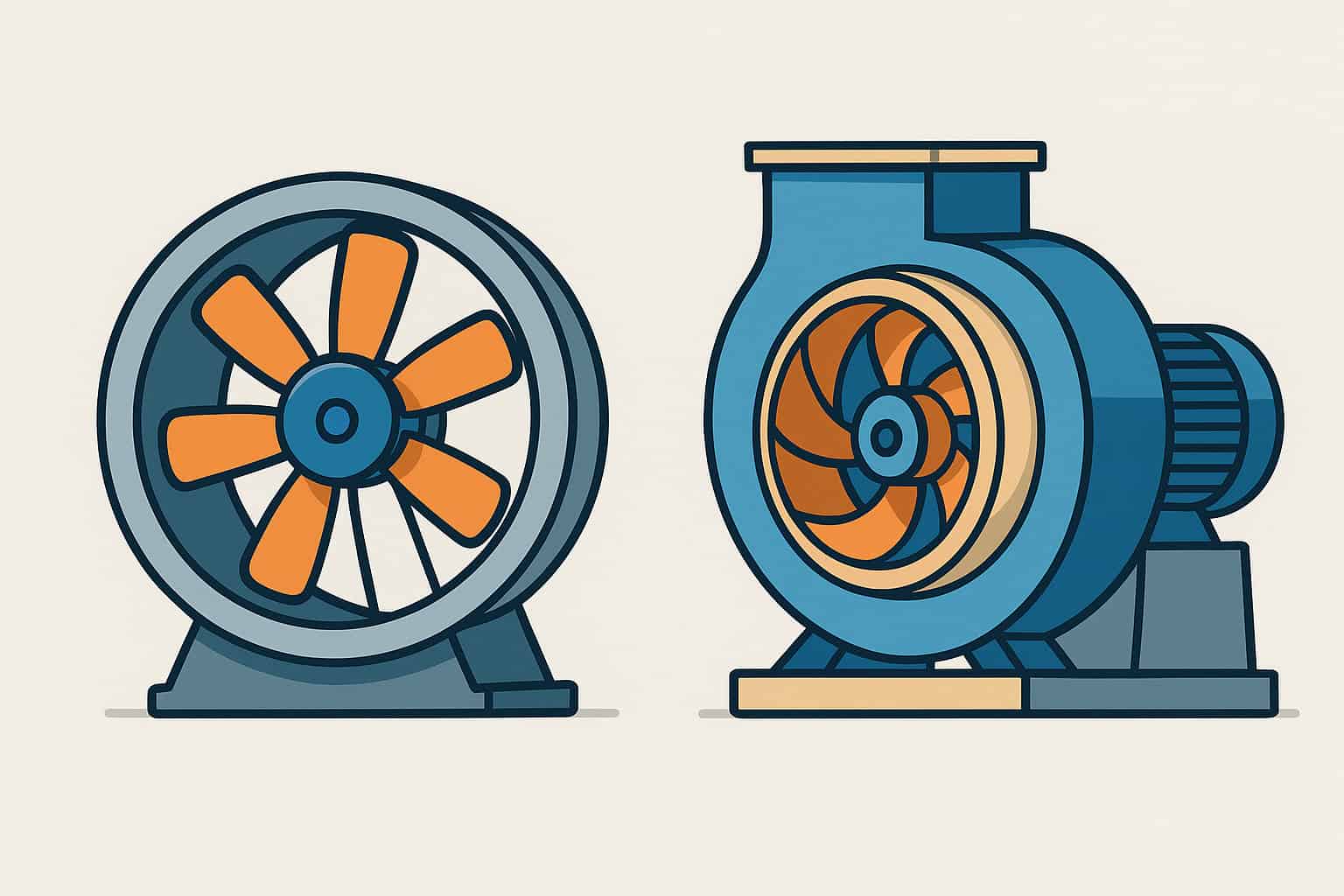
At the heart of the exhaust fan is the impeller, also called the fan wheel or rotor. In axial exhaust fans the impeller looks like a propeller and moves air parallel to the shaft. In centrifugal exhaust fans the impeller is a wheel with blades that throw air radially into a volute casing. The shape and angle of the blades determine the fan’s pressure and efficiency. Impellers are usually made of steel or aluminium for industrial and mining applications, sometimes with protective coatings for corrosive gases or abrasive dust.
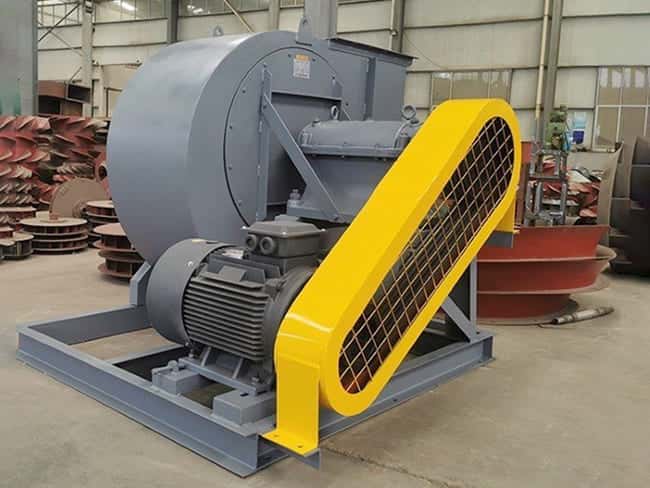
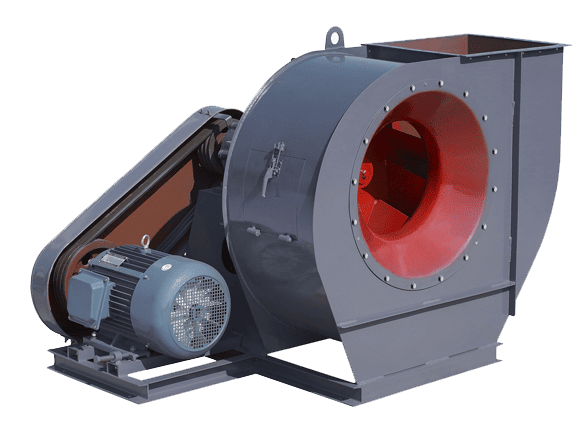
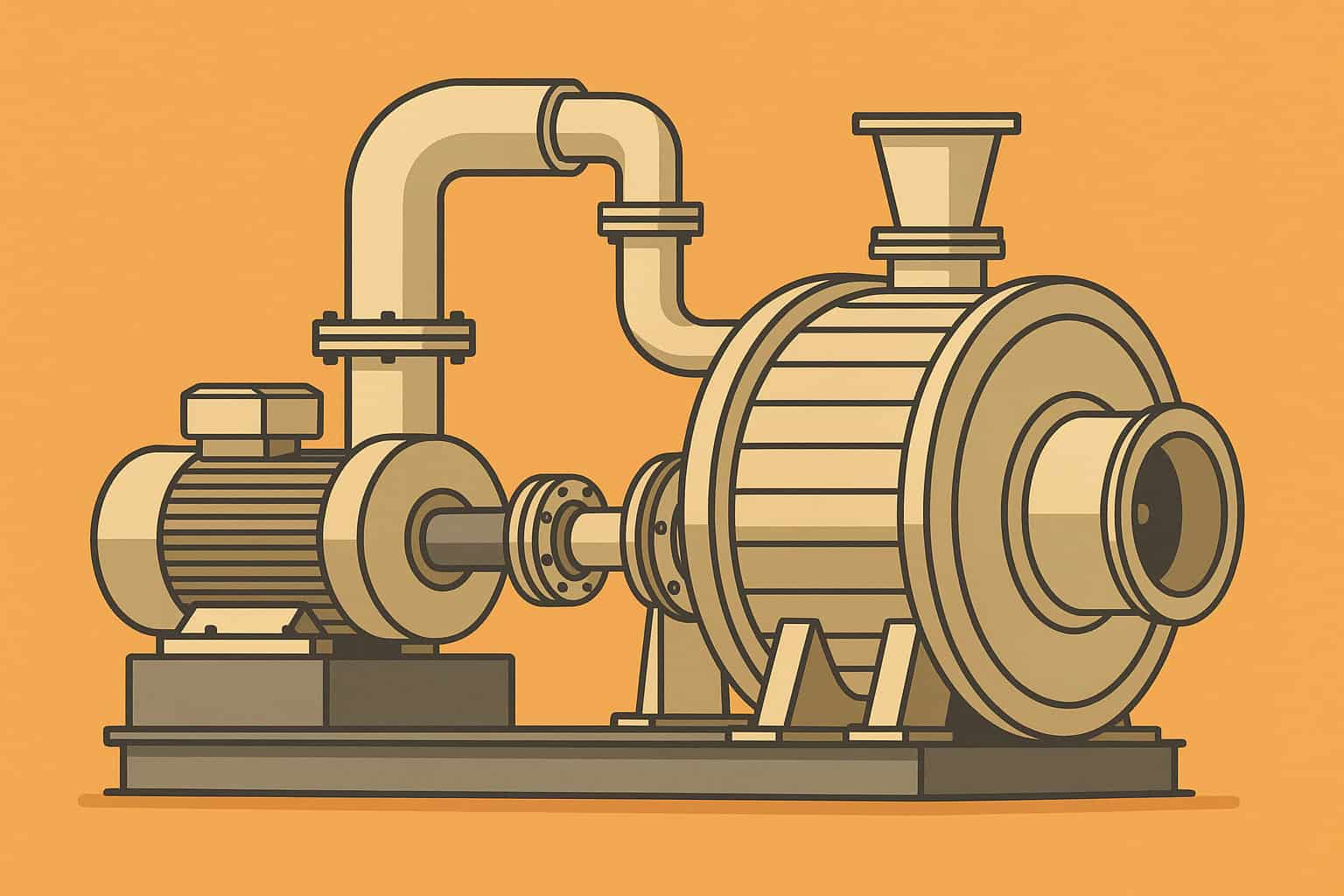
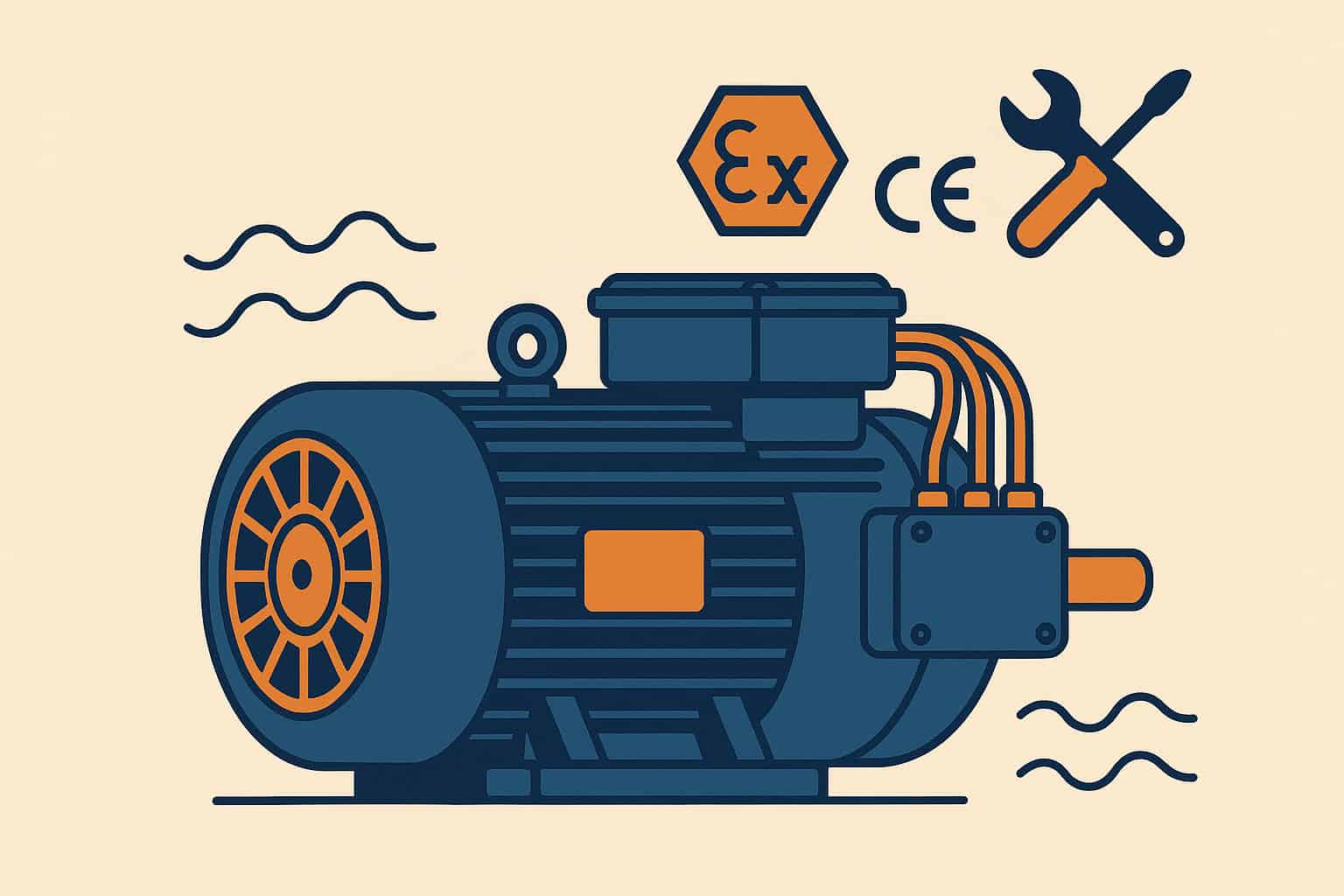
The impeller is driven by the motor and shaft assembly. The motor converts electrical power into rotation, and the shaft transmits this torque to the impeller. Depending on the design, the motor may be installed in-line with the impeller (direct drive) or connected via belts and pulleys (belt drive). Direct drive exhaust fans are compact and low-maintenance, while belt drive designs allow speed adjustment and keep the motor outside the gas stream.
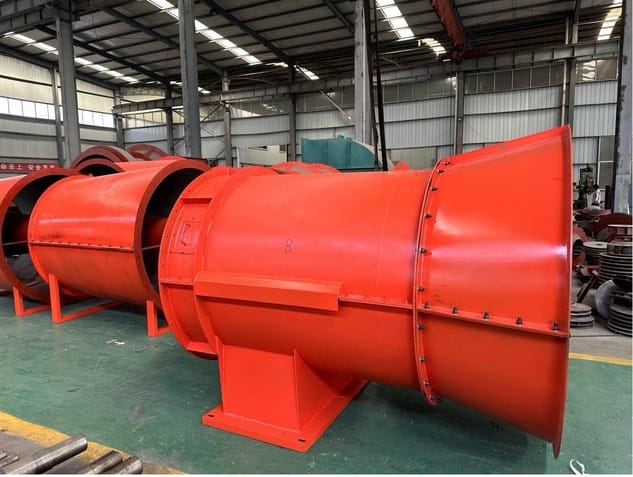
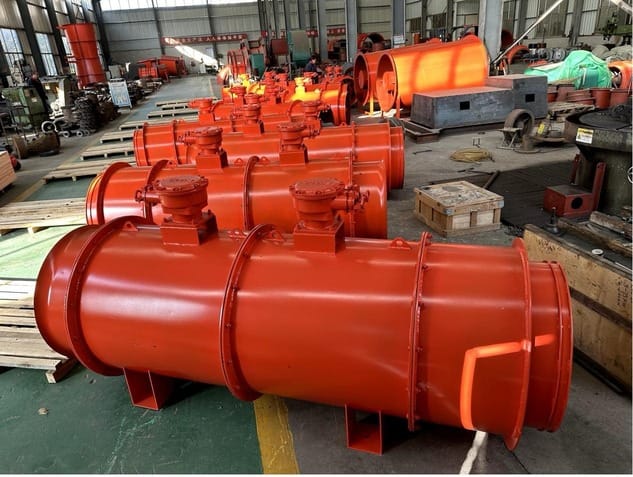
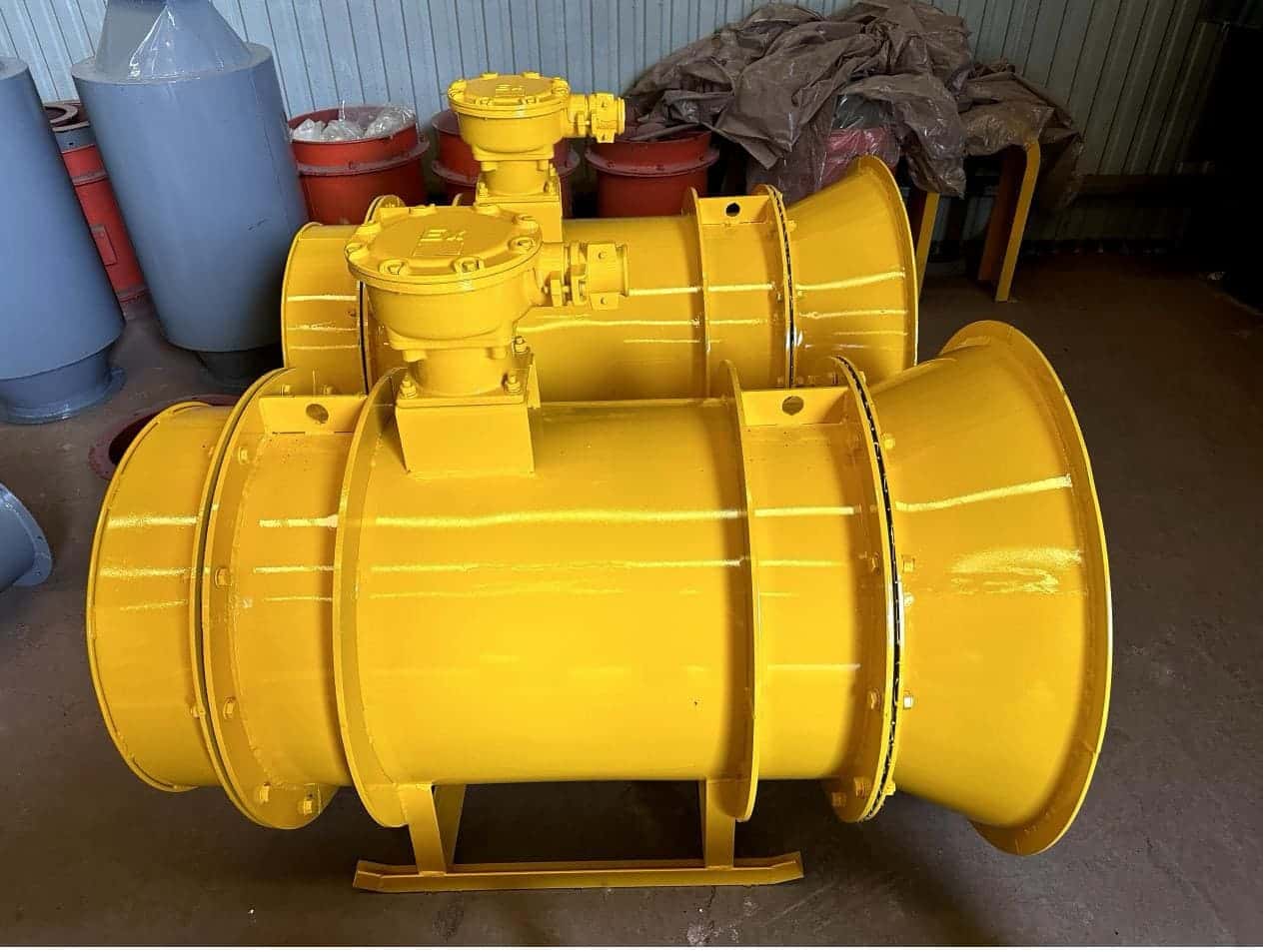
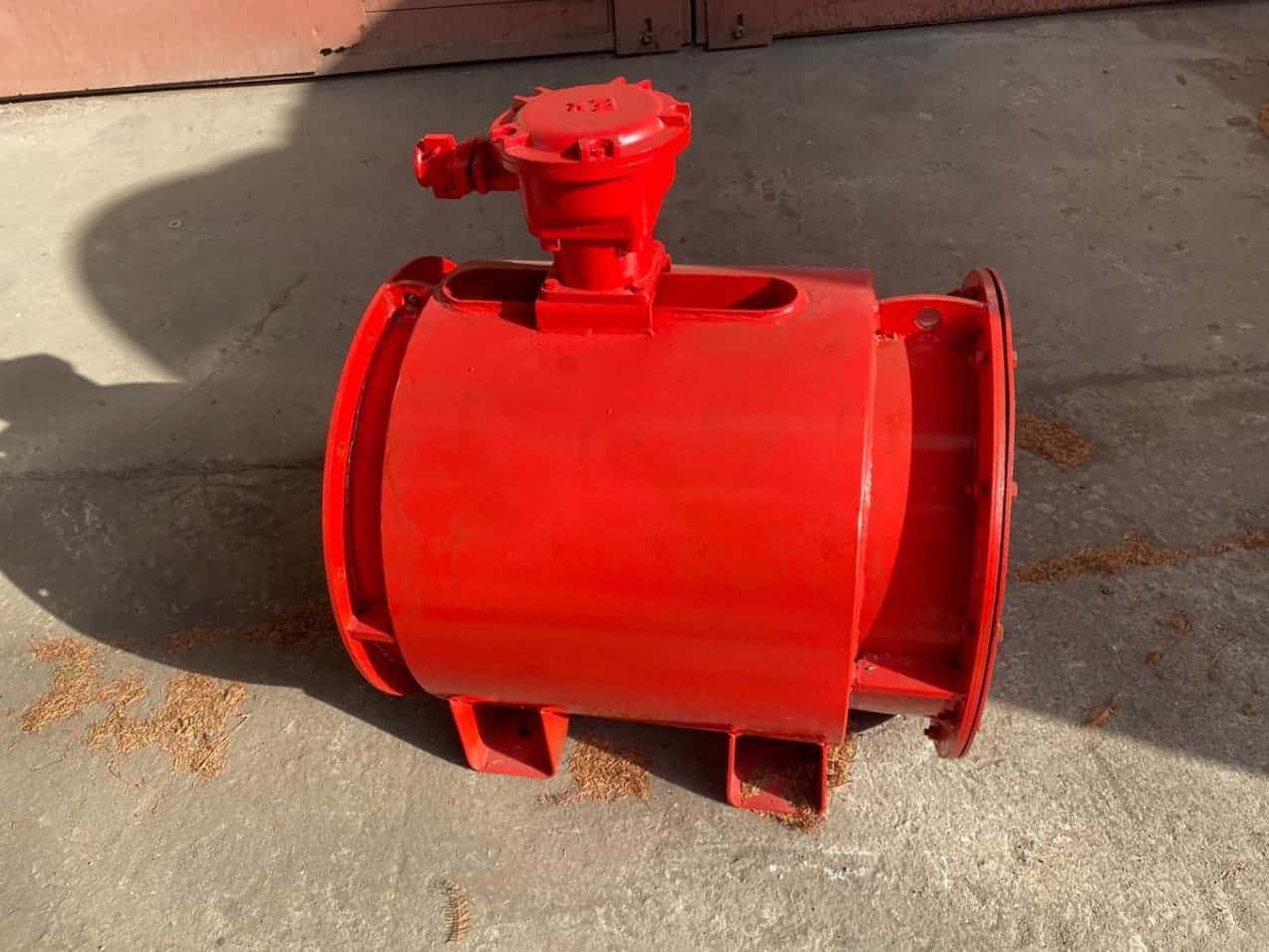
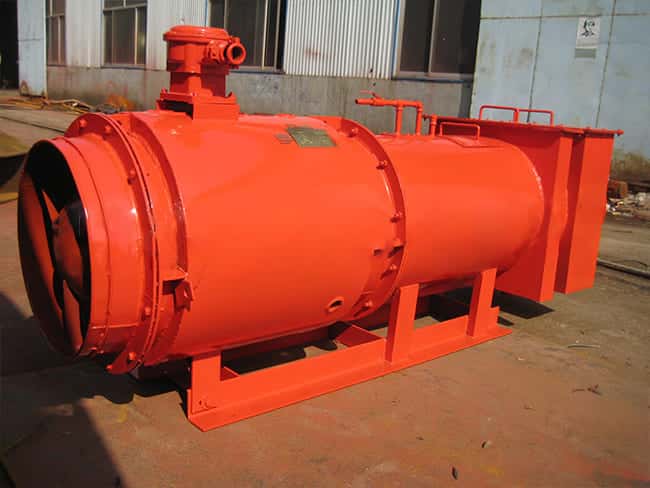
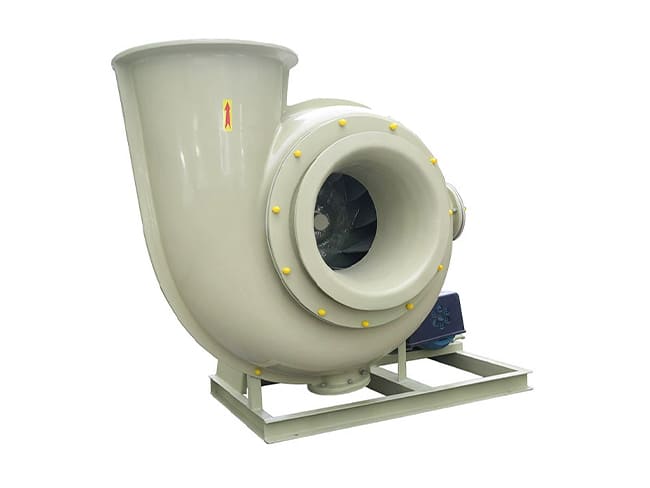
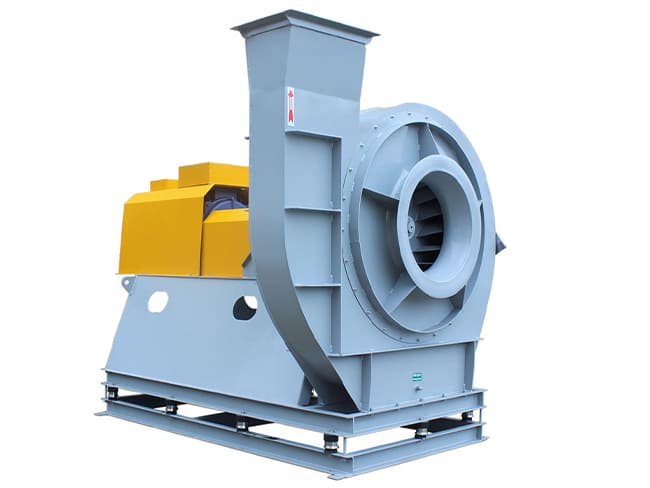
Surrounding the impeller is the casing or housing. In axial exhaust fans this is usually a cylindrical tube or square panel mounting ring that guides air and allows the fan to be mounted in a wall, duct or bulkhead. In centrifugal exhaust fans the casing is a scroll or volute that collects the air thrown off the impeller and directs it toward the outlet. The casing also protects moving parts and helps control noise and leakage. For heavy-duty industrial and mine exhaust fans, the casing is typically made from thick steel plate and reinforced with stiffeners.
The impeller and shaft are supported by bearings and support structures. Bearings allow the shaft to rotate with minimal friction while carrying radial and axial loads. They are housed in bearing pedestals or end shields and require proper lubrication and alignment. In larger exhaust fans, separate bearing housings with temperature and vibration monitoring are common, because reliable bearing performance is critical for continuous operation.
Exhaust fans also include inlet and outlet accessories. Inlets may be fitted with cones, bells or guards to improve airflow and protect against foreign objects. Outlets may connect to duct flanges, transition pieces, dampers or discharge stacks. Smaller wall or roof exhaust fans often have gravity shutters or backdraft dampers that close when the fan is off to prevent reverse flow. Industrial systems may include silencers to reduce noise and flexible connectors to limit vibration transmission to ductwork.
Finally, there are electrical and mounting components. The motor terminal box provides a protected location for power and control connections. Junction boxes, cable glands and earth lugs ensure safe wiring. Mounting frames, base plates, brackets and vibration isolators allow the exhaust fan to be securely fixed to walls, roofs, foundations or duct structures while limiting vibration and noise.
In summary, the main components of an exhaust fan are the impeller, motor and shaft, bearings and supports, casing or housing, inlet and outlet fittings, guards, shutters or dampers, and electrical and mounting hardware. Each part plays a role in ensuring that the fan can reliably remove hot, dusty or contaminated air from industrial buildings, tunnels and mines.