
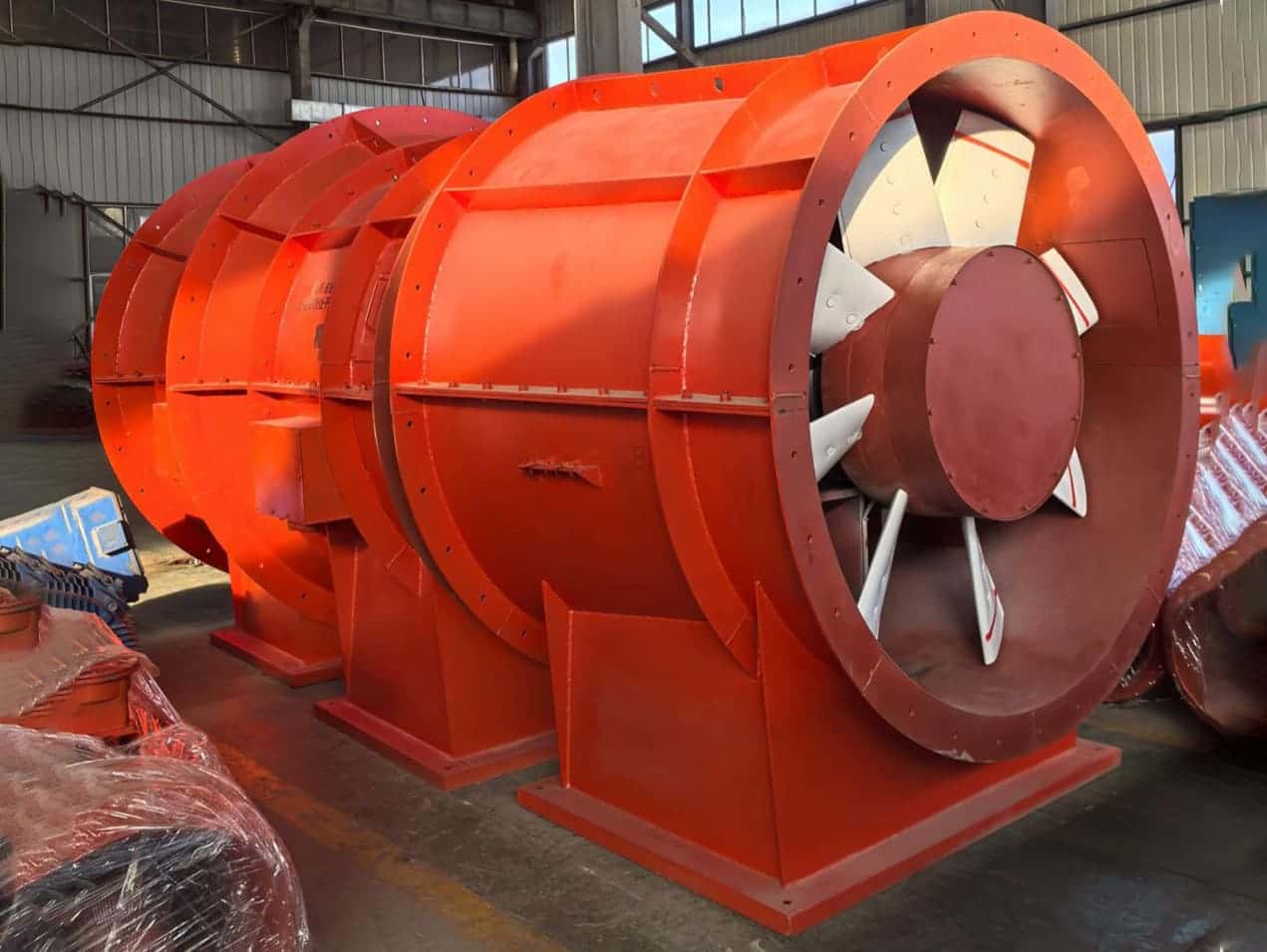
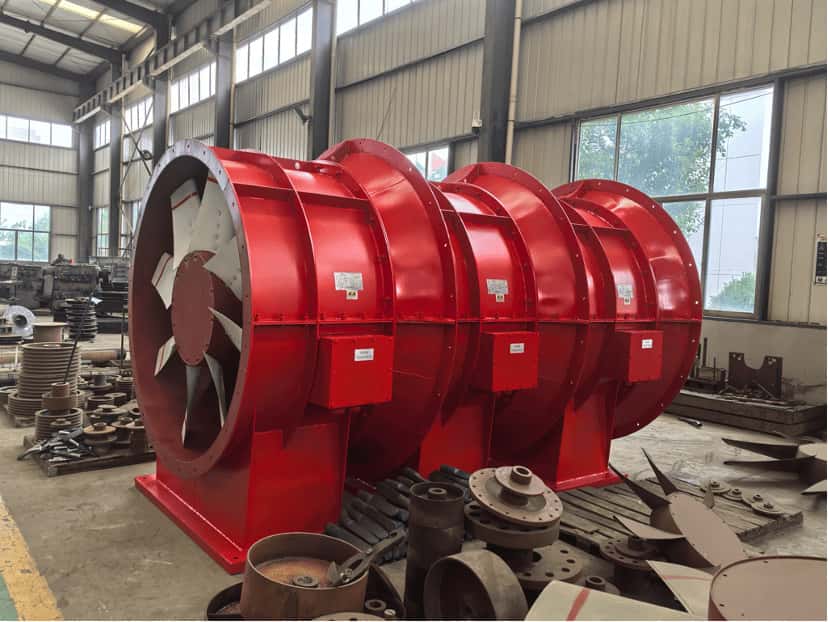
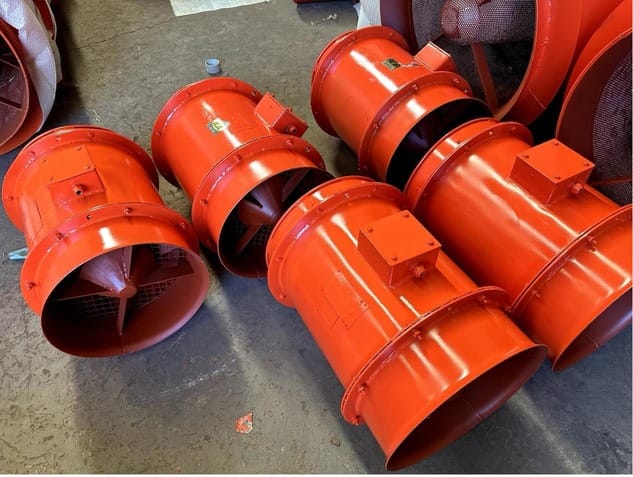
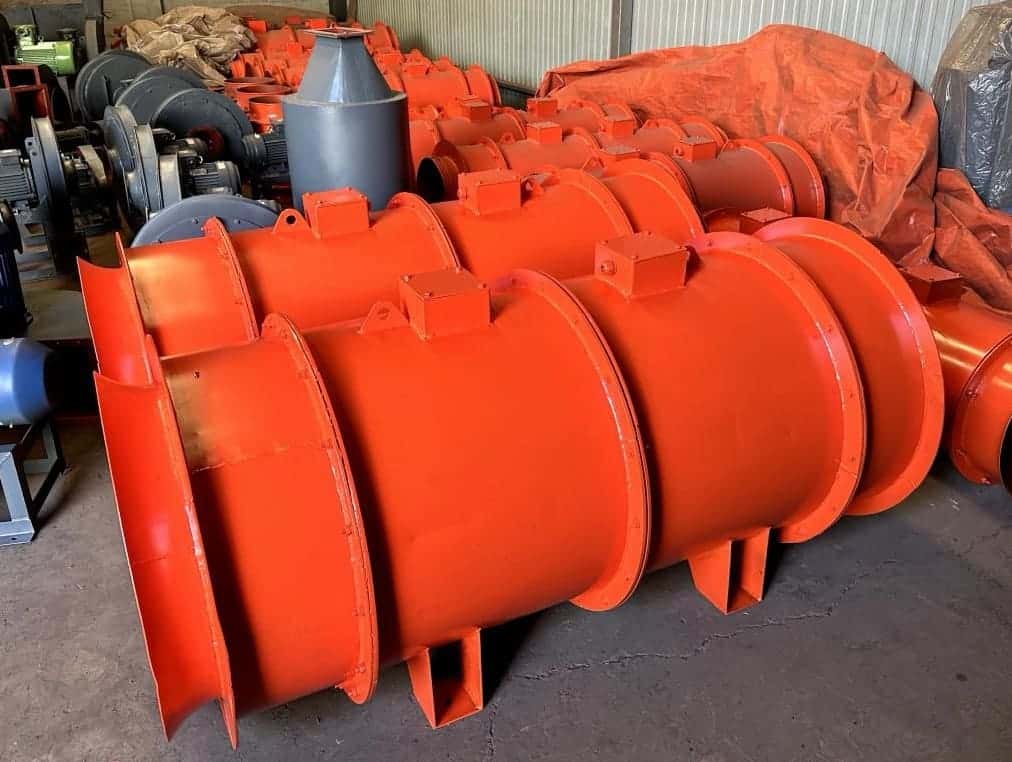

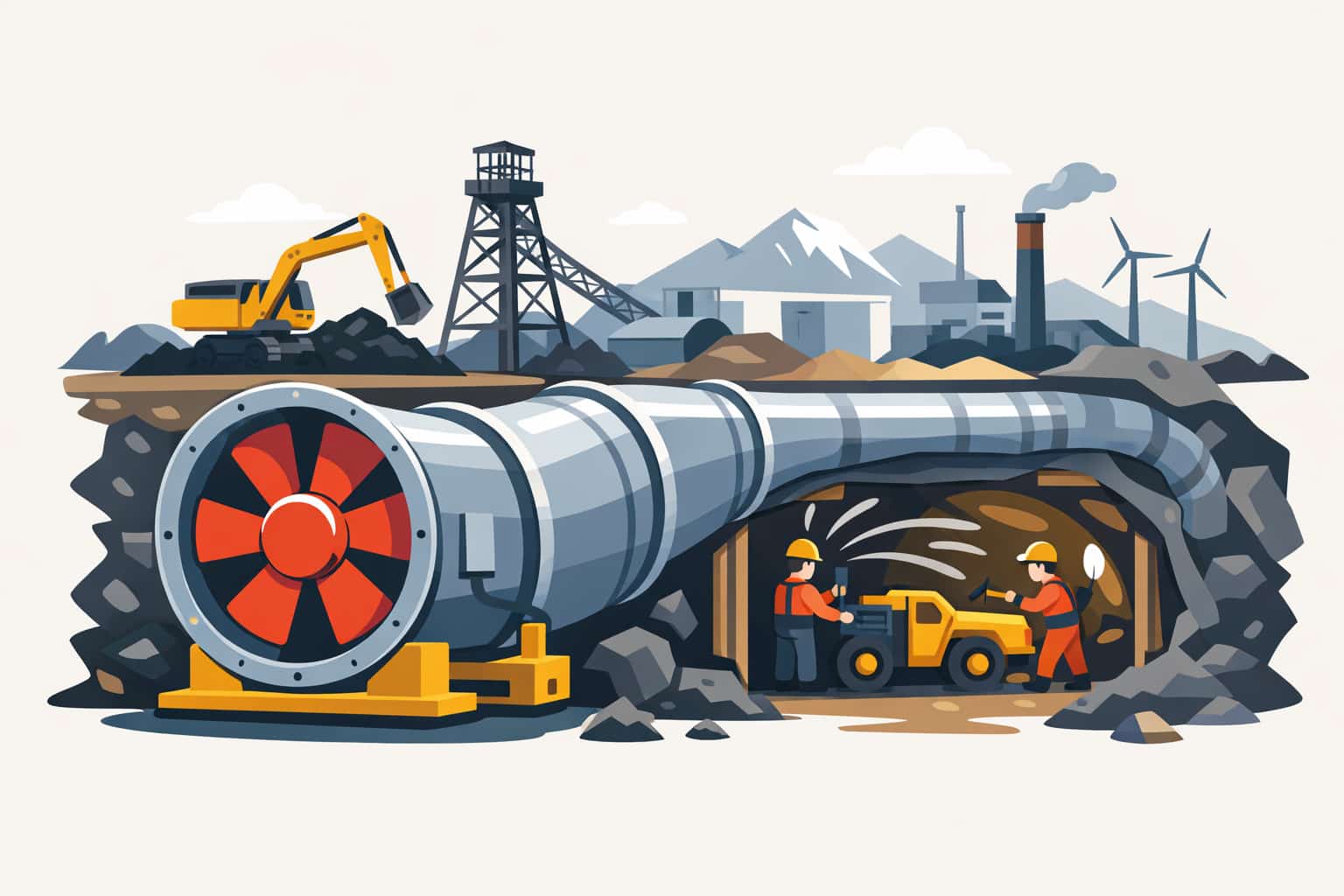

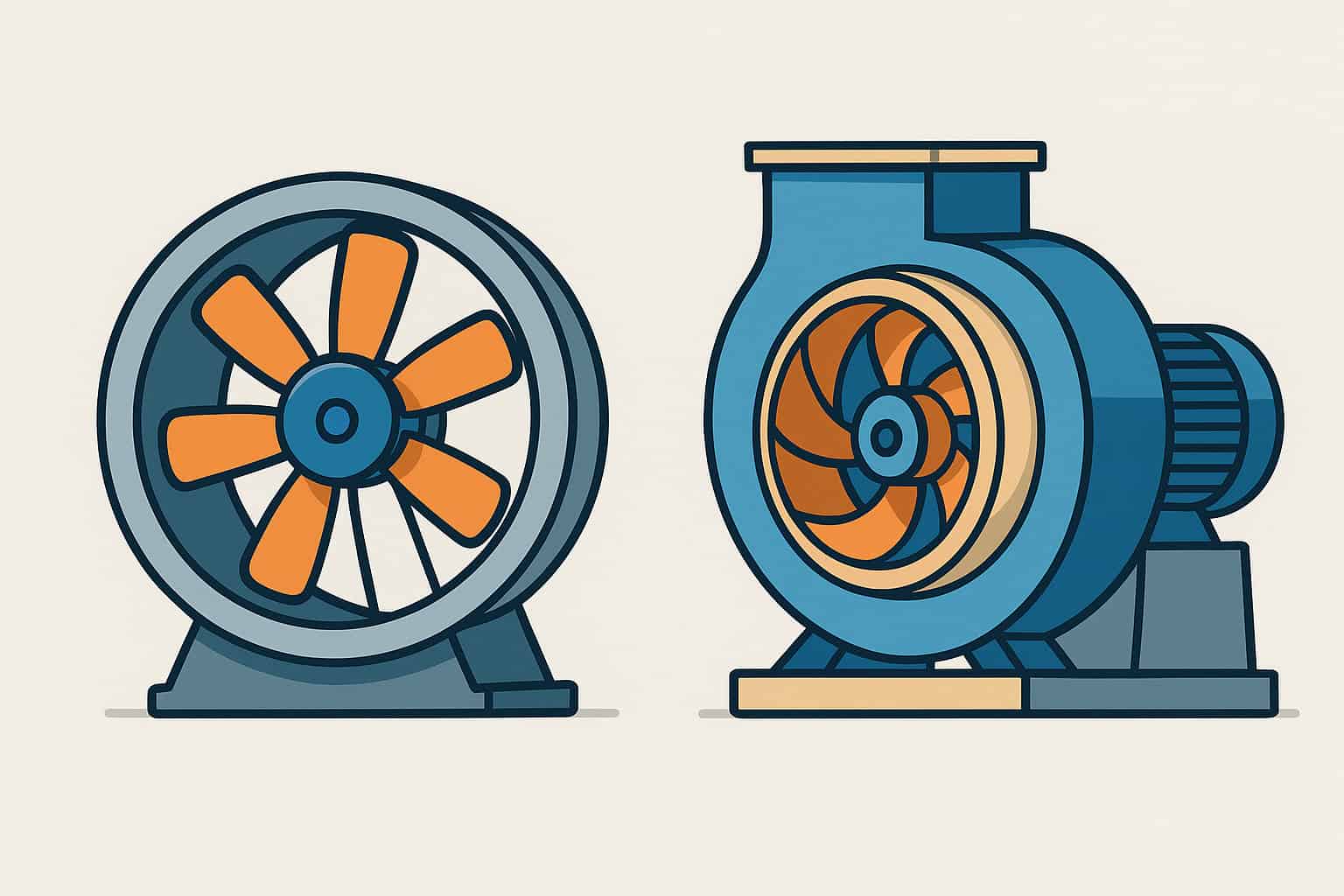
An axial fan moves air in a straight line along its axis, much like a propeller. To do this reliably in an industrial plant or mine, it is built from several key components that work together as a system. Understanding the main components of an axial fan helps operators choose, install and maintain the right equipment for their ventilation needs.
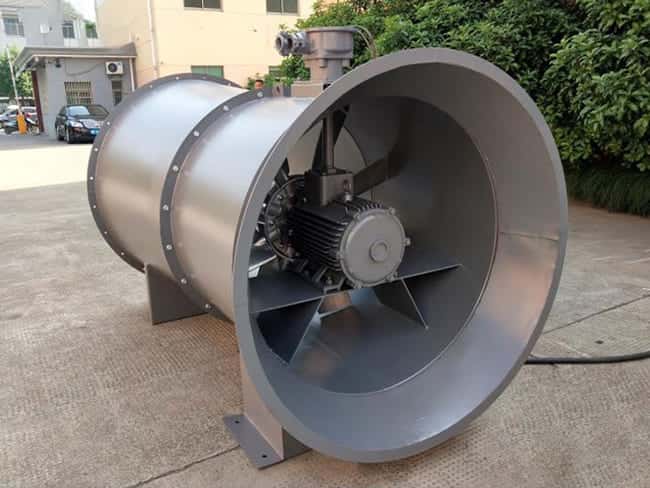
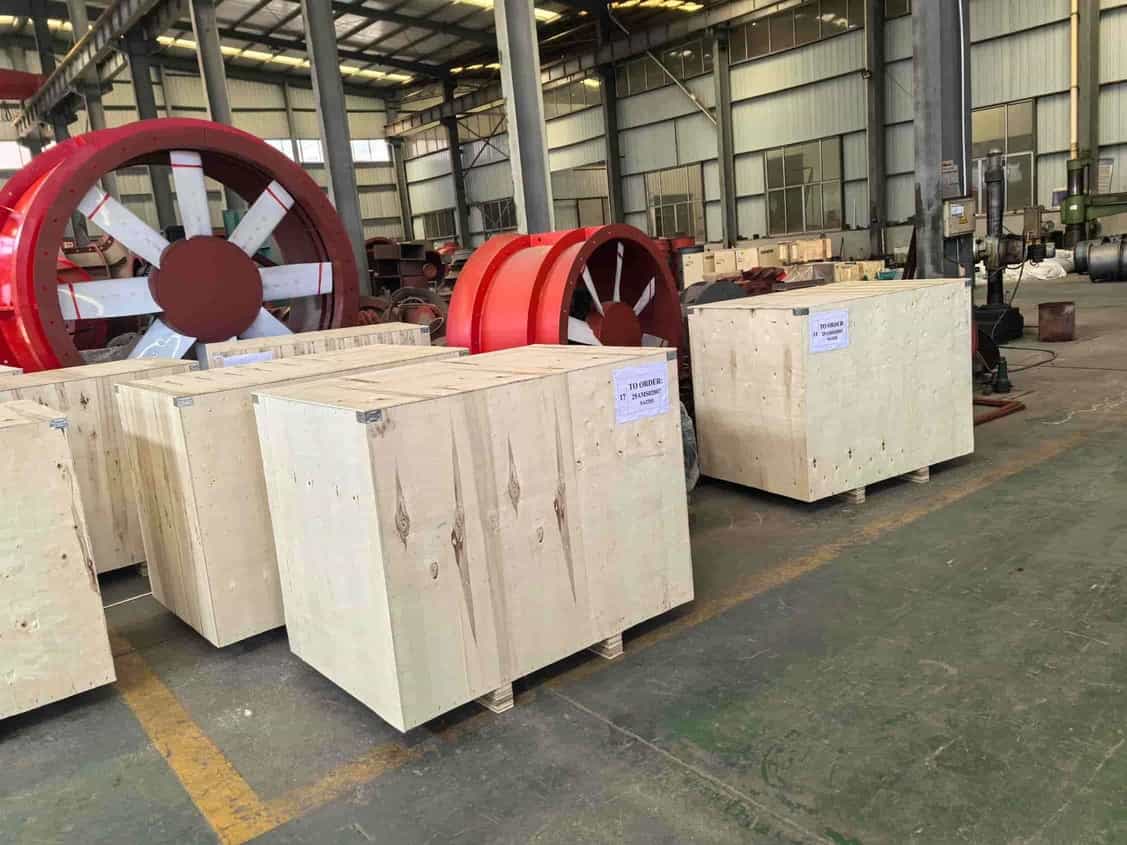
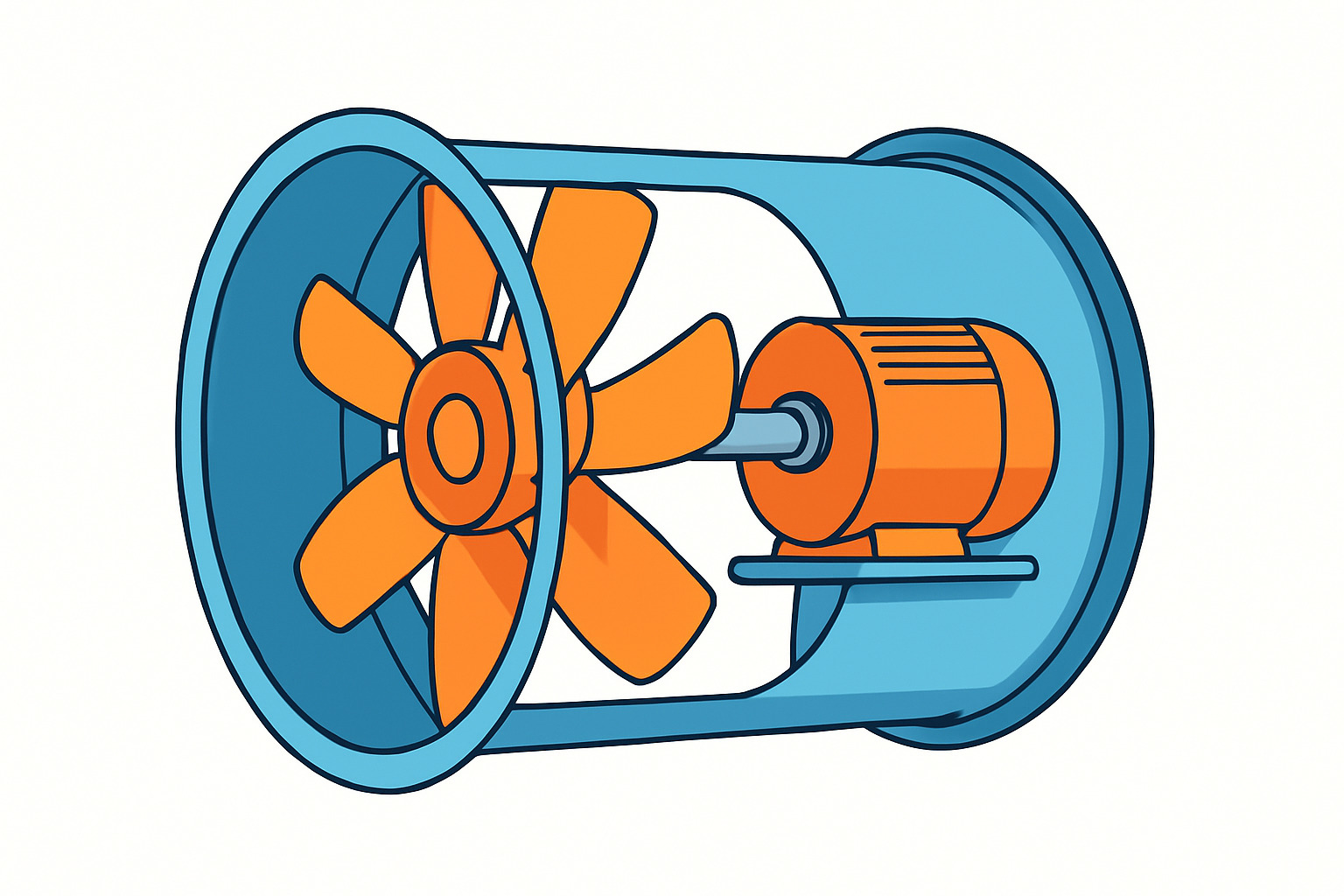
At the centre of the fan is the hub, a solid body mounted on the rotating shaft. The blades are attached to the hub and are shaped like small airfoils. Their angle and profile determine how much airflow and pressure the fan can generate. In many industrial and mining fans, the blades are made from steel or aluminium; in some cases, composite materials are used for weight reduction or corrosion resistance. On adjustable-pitch designs, the blade angle can be changed to fine-tune performance.
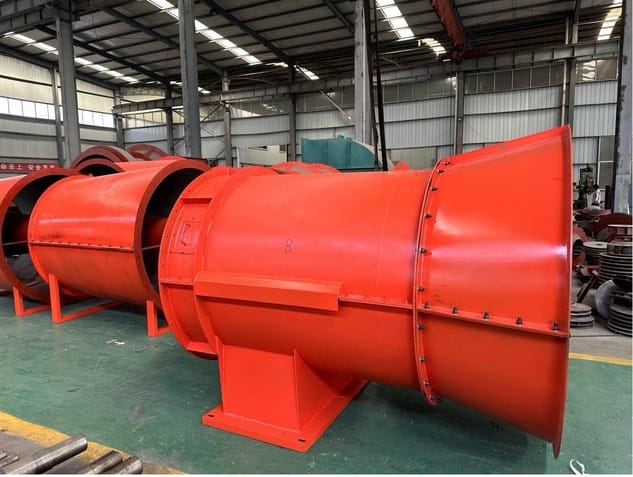
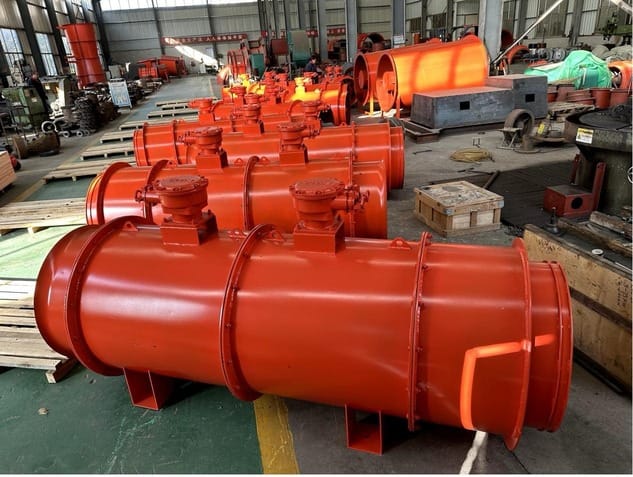
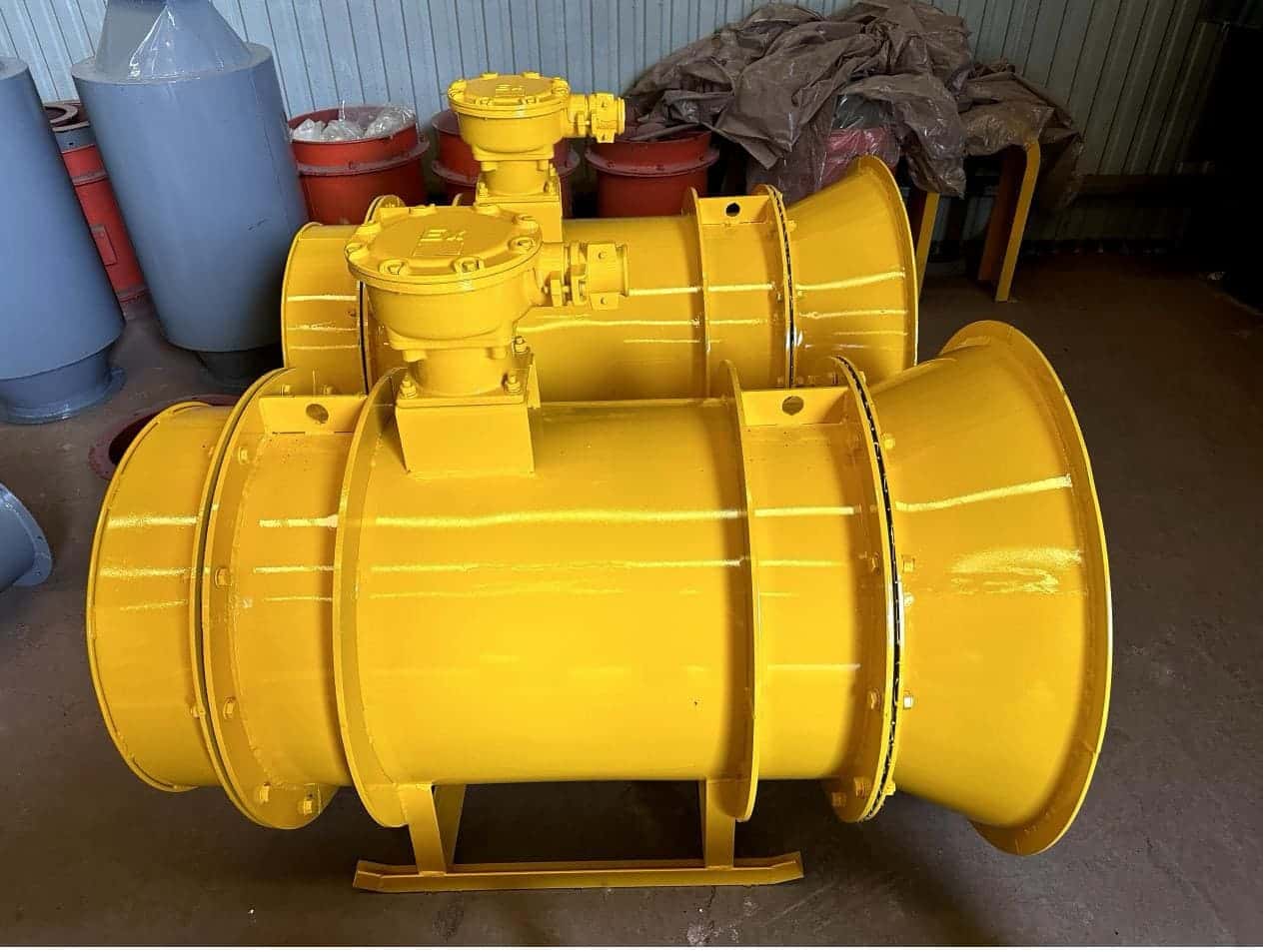
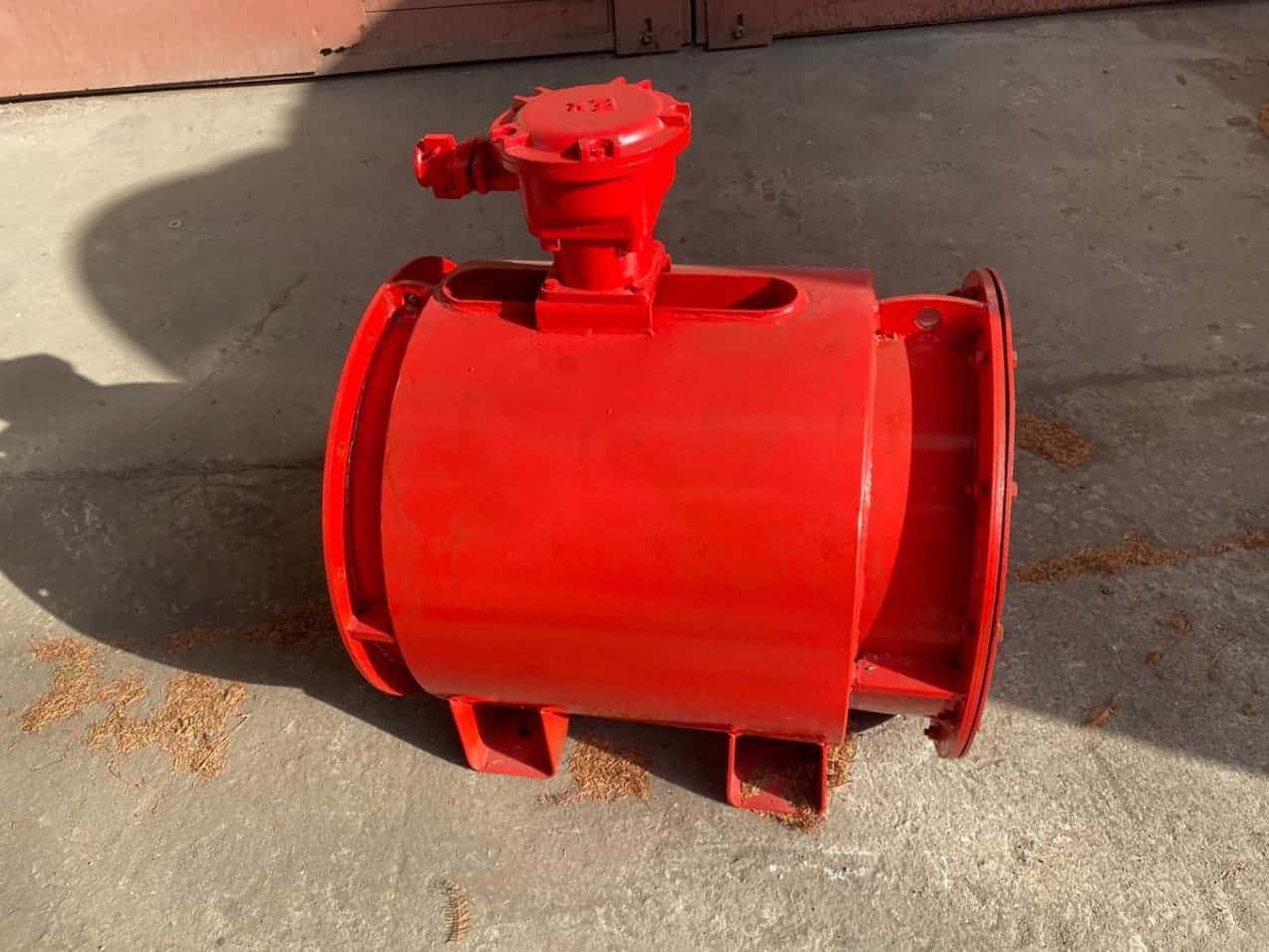
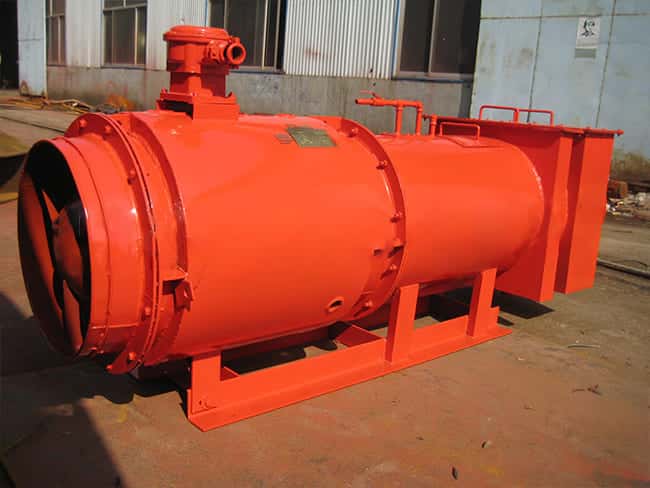
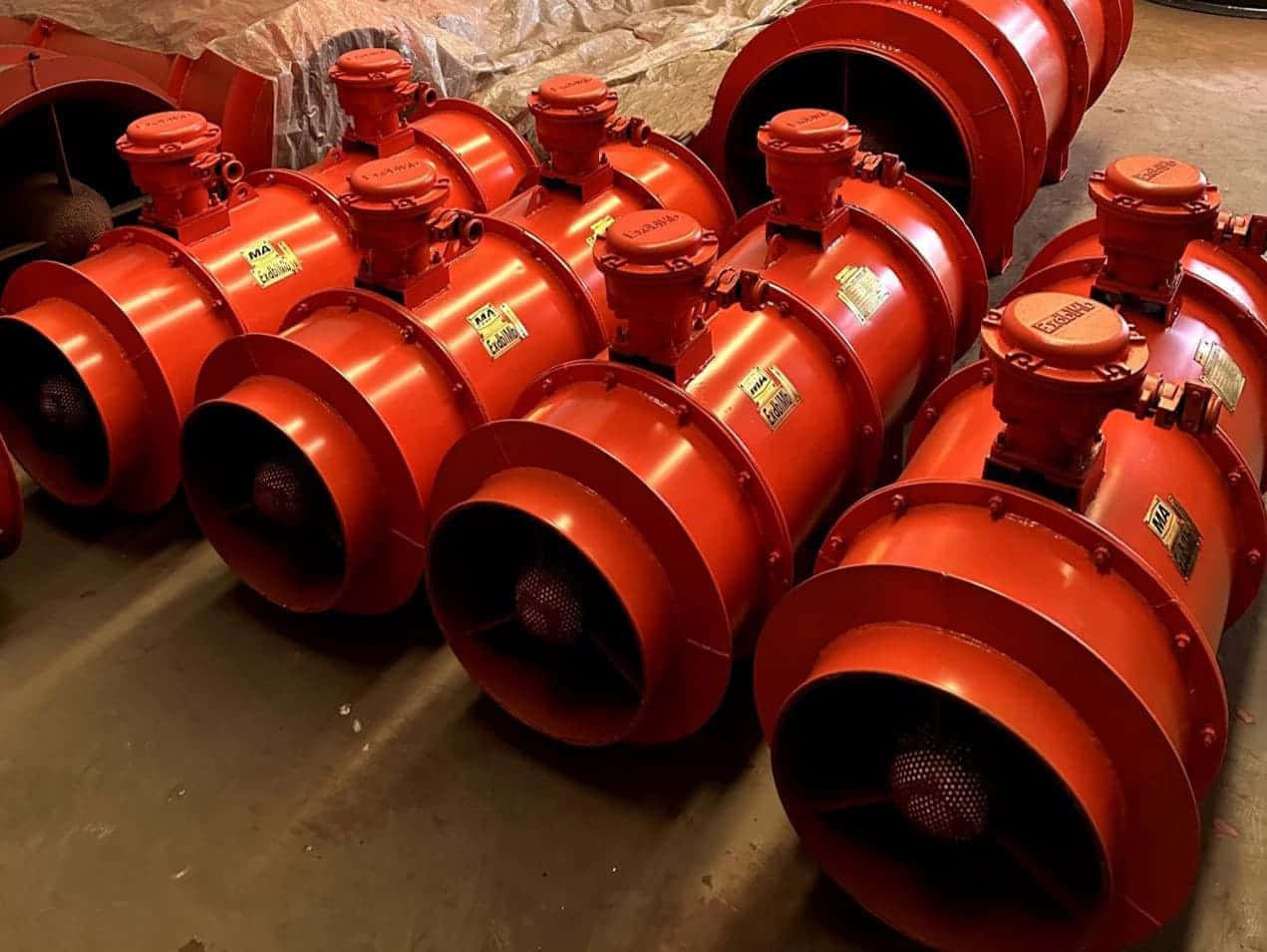
Surrounding the impeller (hub plus blades) is the casing or fan housing. For ducted axial fans, the casing is a cylindrical shell that guides air into and out of the impeller with minimal loss. In mine and tunnel fans, the casing may include flanges for connecting to ducts or concrete shafts, as well as inspection doors and lifting lugs. Many designs use a bellmouth inlet at the suction side to provide smooth acceleration of air and reduce turbulence and noise.
The impeller is driven by a motor and shaft assembly. The shaft connects the motor to the hub, either directly (direct drive) or via belts and pulleys (belt drive). Bearings support the shaft, allowing it to rotate with low friction and controlled alignment. In heavy-duty mining fans, bearings are often mounted in external housings with temperature and vibration monitoring to ensure reliable, continuous operation.
Many axial fans also include guide vanes or straightening vanes. Inlet guide vanes can pre-swirl the airflow to improve efficiency or control capacity, while outlet guide vanes remove swirl from the air leaving the impeller, converting more of the air’s kinetic energy into useful pressure. Optional silencers at the inlet and discharge use acoustic baffles and absorbent materials to reduce noise without stopping airflow.
Additional components may include guards and screens for safety, vibration isolators between the fan and structure, temperature and vibration sensors for condition monitoring, and weather hoods or louvers to protect outdoor installations. Together, the hub, blades, casing, inlet, motor, shaft, bearings and accessories form a complete axial fan unit capable of delivering high-volume airflow for industrial and mining ventilation.