
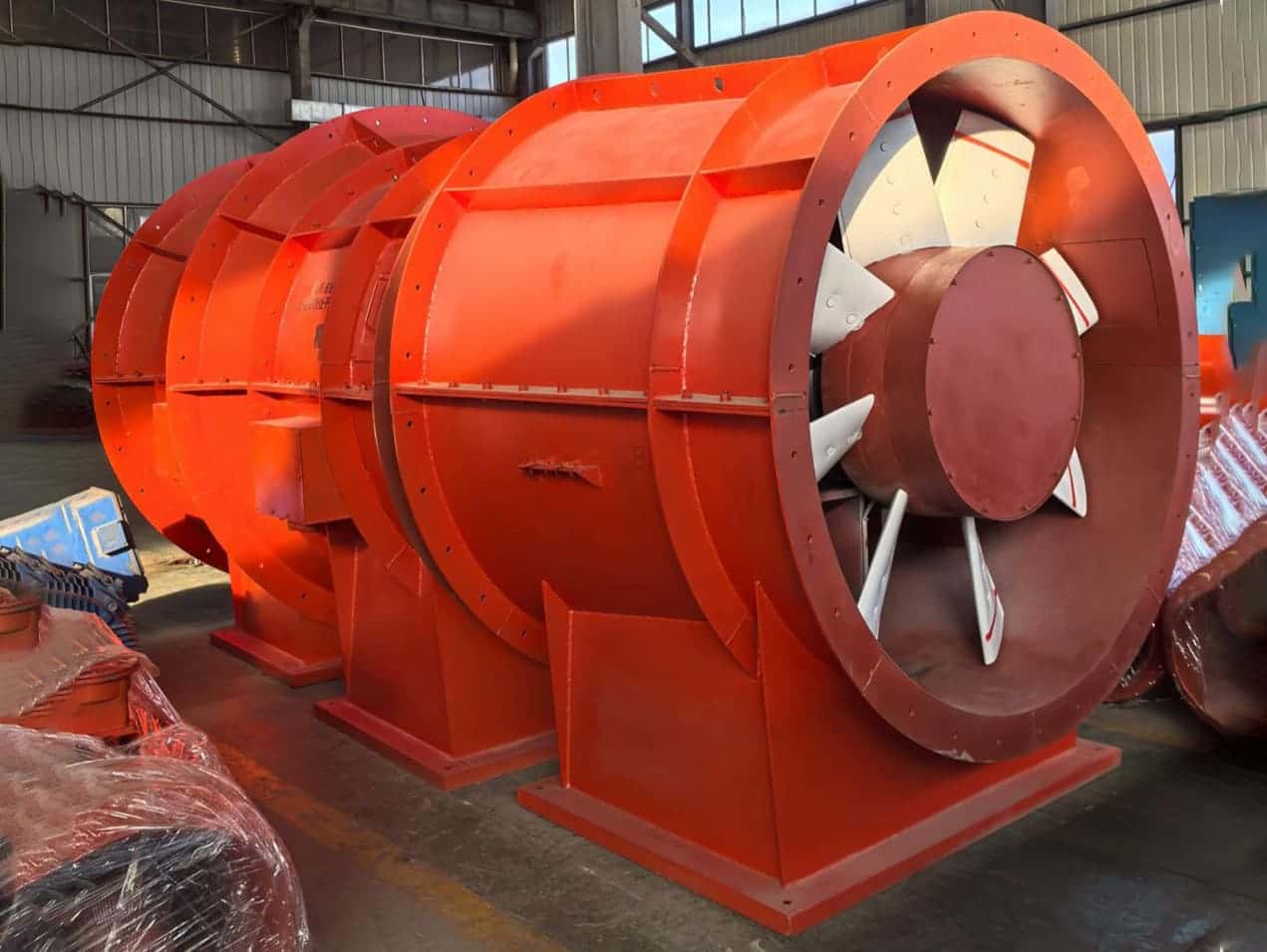
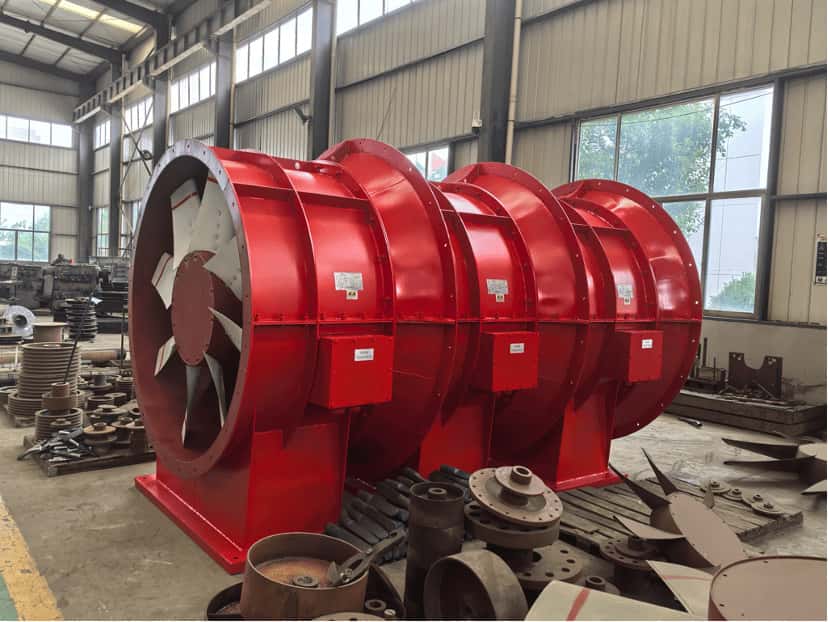
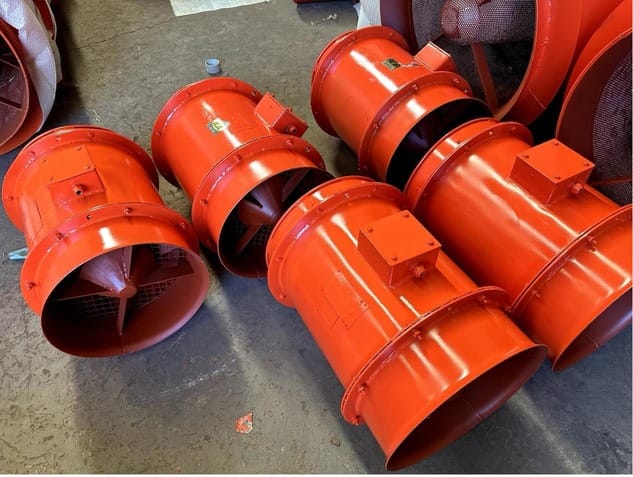
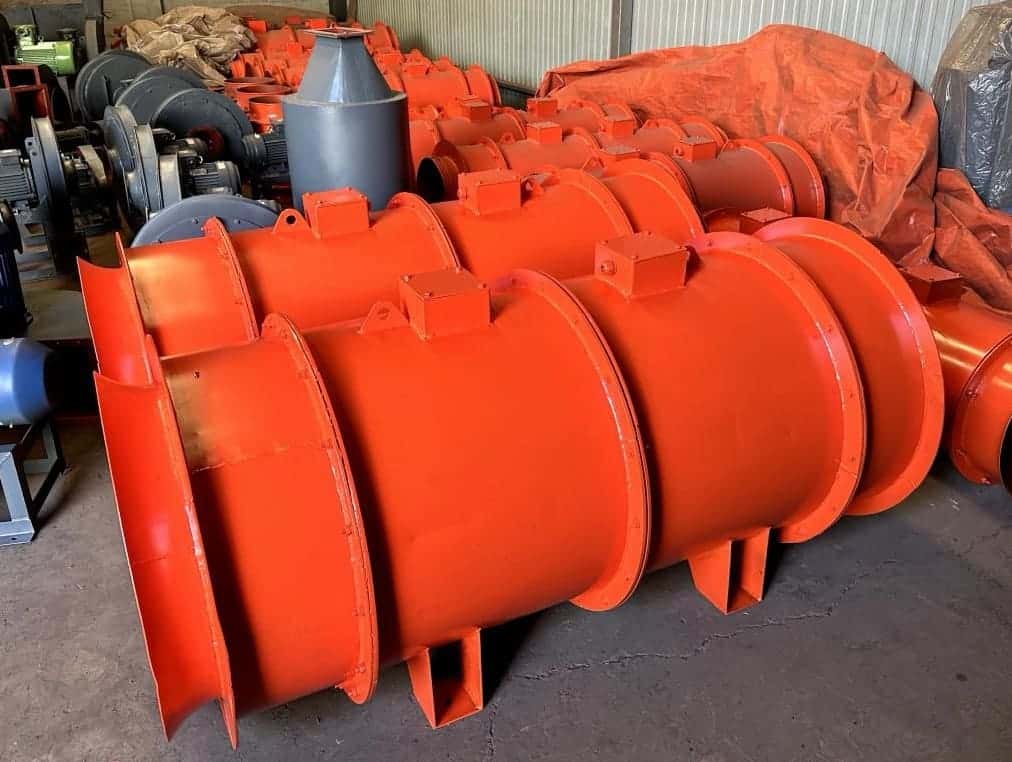

Different types of air vents are used to control how air enters and leaves rooms, ducts and industrial spaces. In building HVAC systems, factories and even mines, vents are the visible openings that connect occupied areas to the hidden network of ducts and fans. Each type has a specific role in directing, spreading or collecting airflow.
The most basic distinction is between supply vents, return vents and exhaust vents. Supply vents deliver conditioned or fresh air into a space. Return vents draw room air back to the air-handling unit for recirculation or filtration. Exhaust vents discharge air to the outside, removing heat, odours, fumes or dust. In a well-designed system, supply and return vent locations support good circulation and avoid dead zones.
Common supply and return openings include grilles, registers and diffusers. A grille is a simple cover with fixed blades or bars that allow air to pass while protecting the duct opening. A register is a grille with an integrated damper that can be opened or closed to adjust flow. A diffuser is designed to spread air more evenly, often in multiple directions, to avoid drafts and provide uniform comfort in offices or industrial control rooms. Ceiling diffusers are widely used in HVAC to distribute supply air across a room.
Exhaust grilles are similar to supply grilles but connected to exhaust ducts or fans. They are often placed high on walls or ceilings where hot, contaminated or humid air accumulates. In industrial settings, local exhaust hoods and grilles are located close to processes—such as welding booths, paint spraying or chemical mixing—to capture contaminants before they spread.
For external building openings, louvers are a common type of vent. Louvers have slanted blades that allow airflow while helping to keep rain, snow and debris out. They are installed on walls or roofs where ductwork passes through the building envelope. In mining and heavy industry, large intake and exhaust louvers protect ventilation openings for main fans and air intakes.
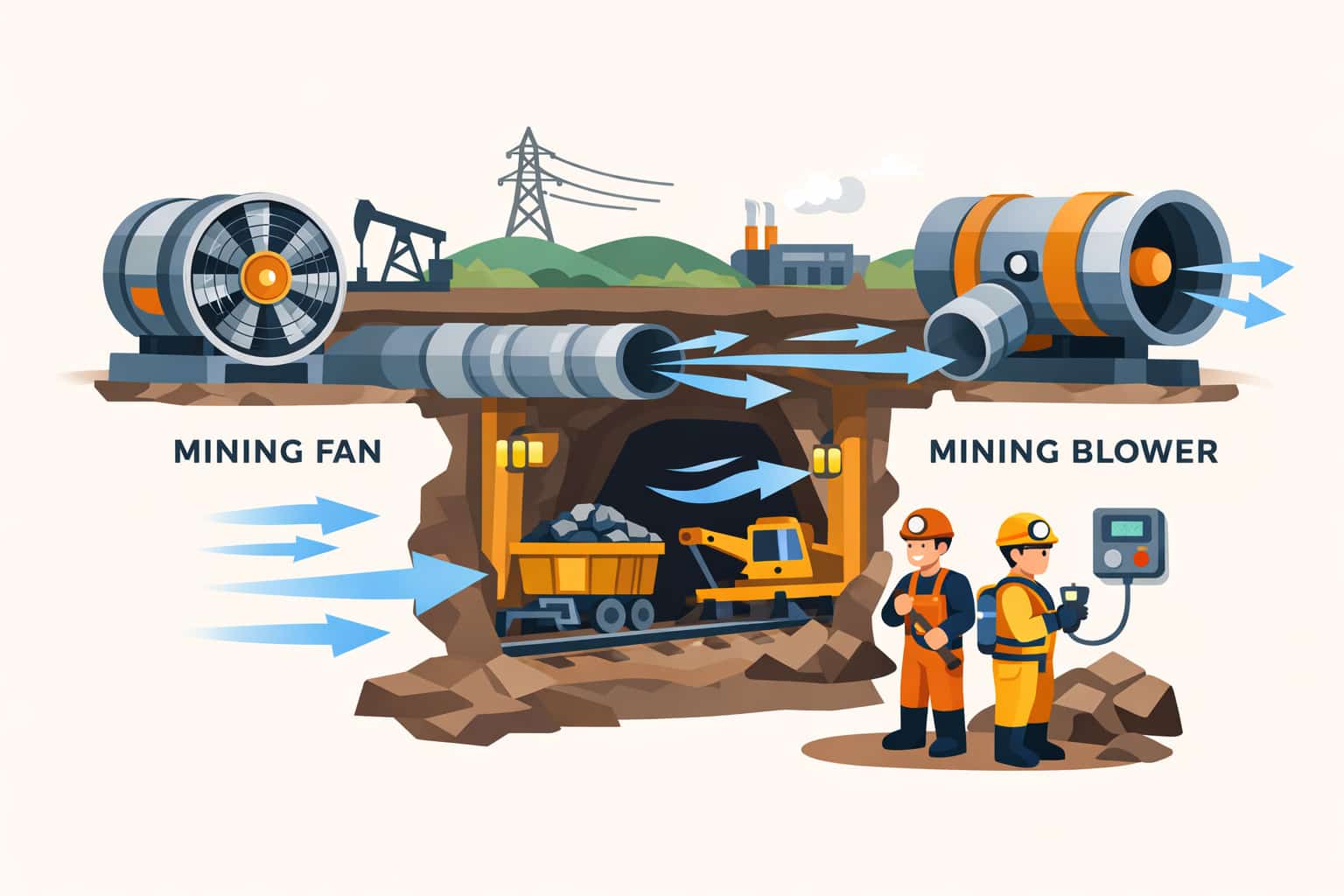
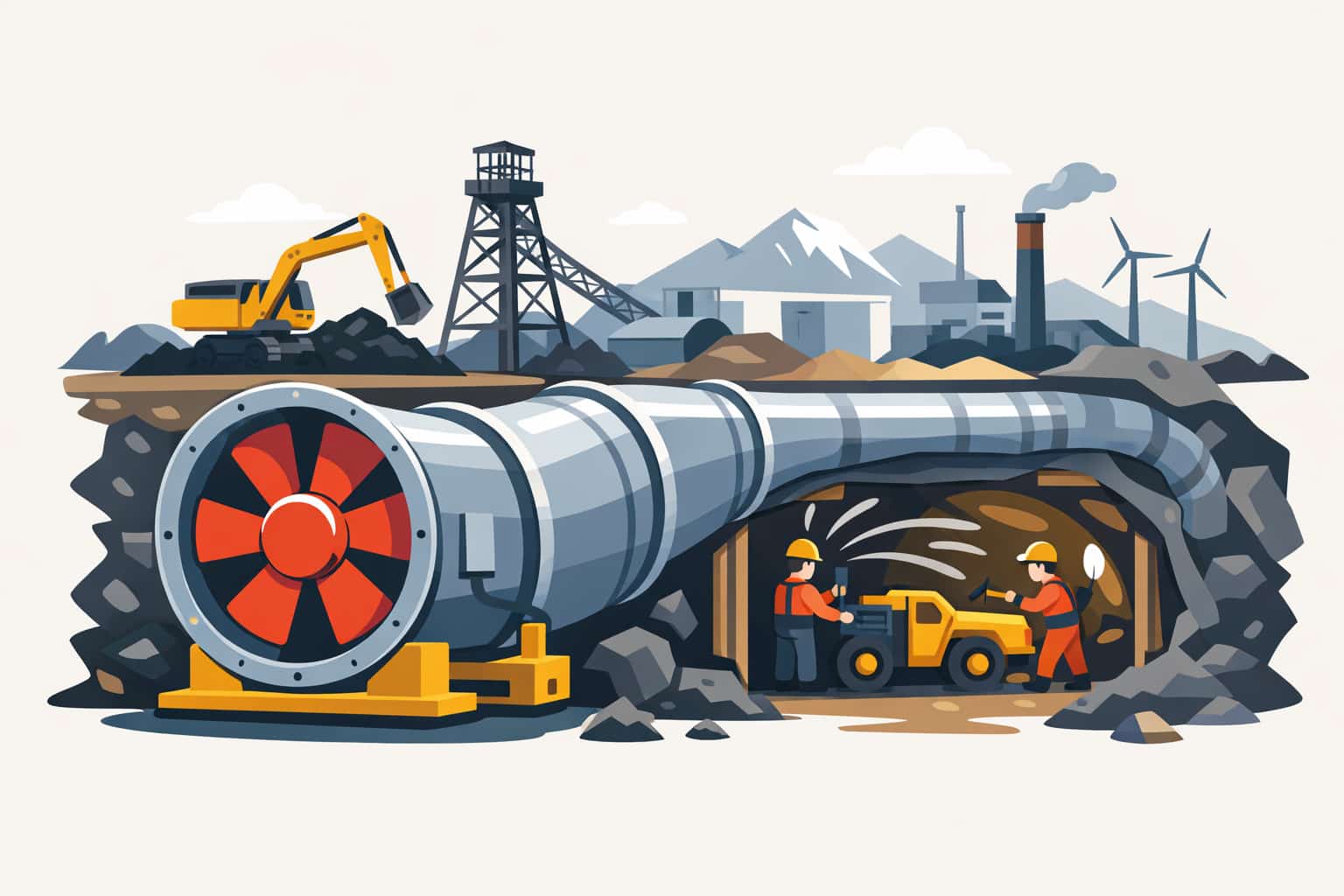
In underground mines and tunnels, the term vent is also used for major airways and openings, such as ventilation shafts, raises and adits. While these are much larger than building vents, their function is similar: they allow fresh air to enter and return air to leave the mine, working together with main fans and auxiliary fans.
In summary, the main types of air vents are supply grilles and registers, diffusers, return grilles, exhaust grilles and external louvers, plus large-scale ventilation openings in mining. Each type shapes airflow in a specific way to support comfort, safety and efficient operation of the overall ventilation system.