












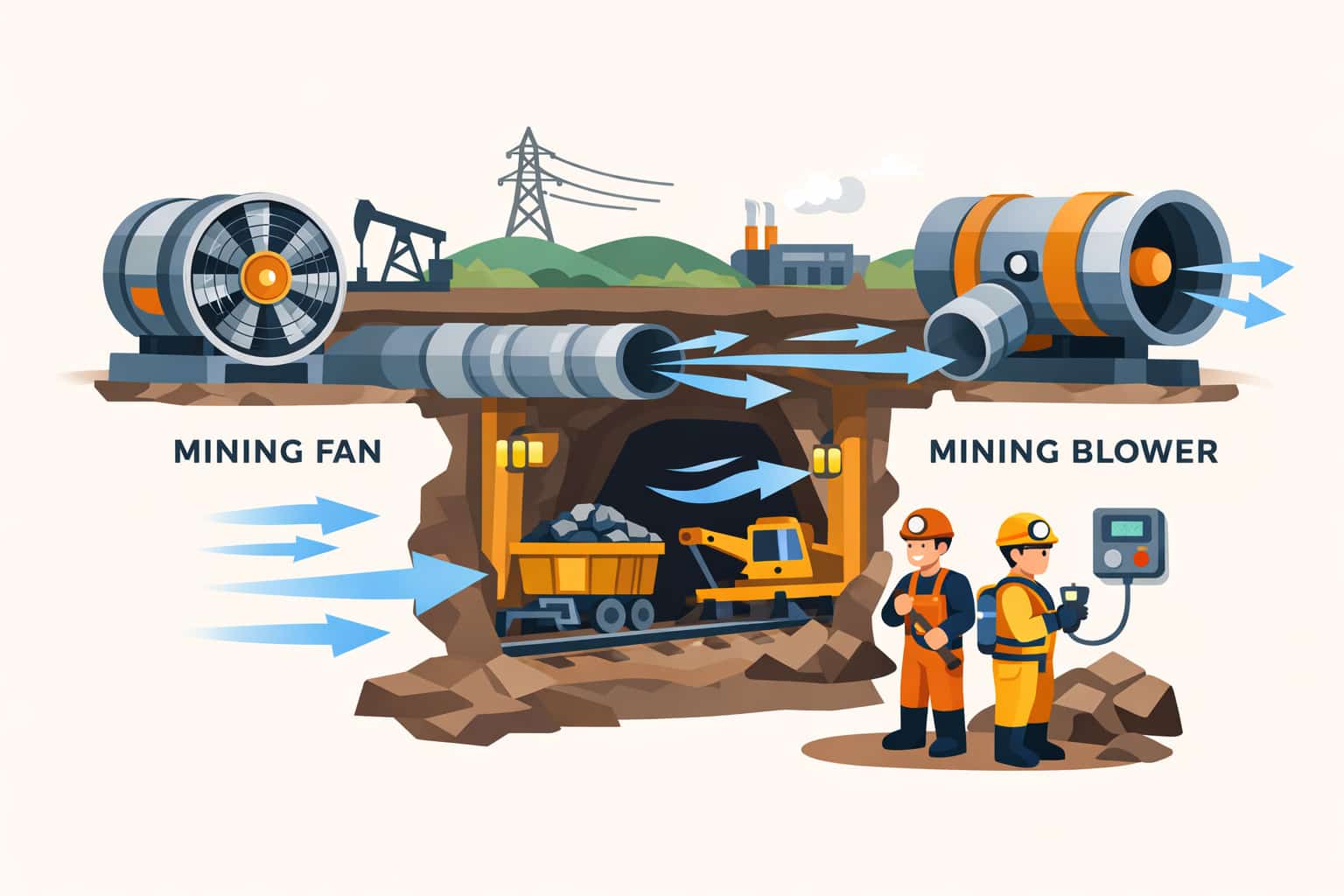
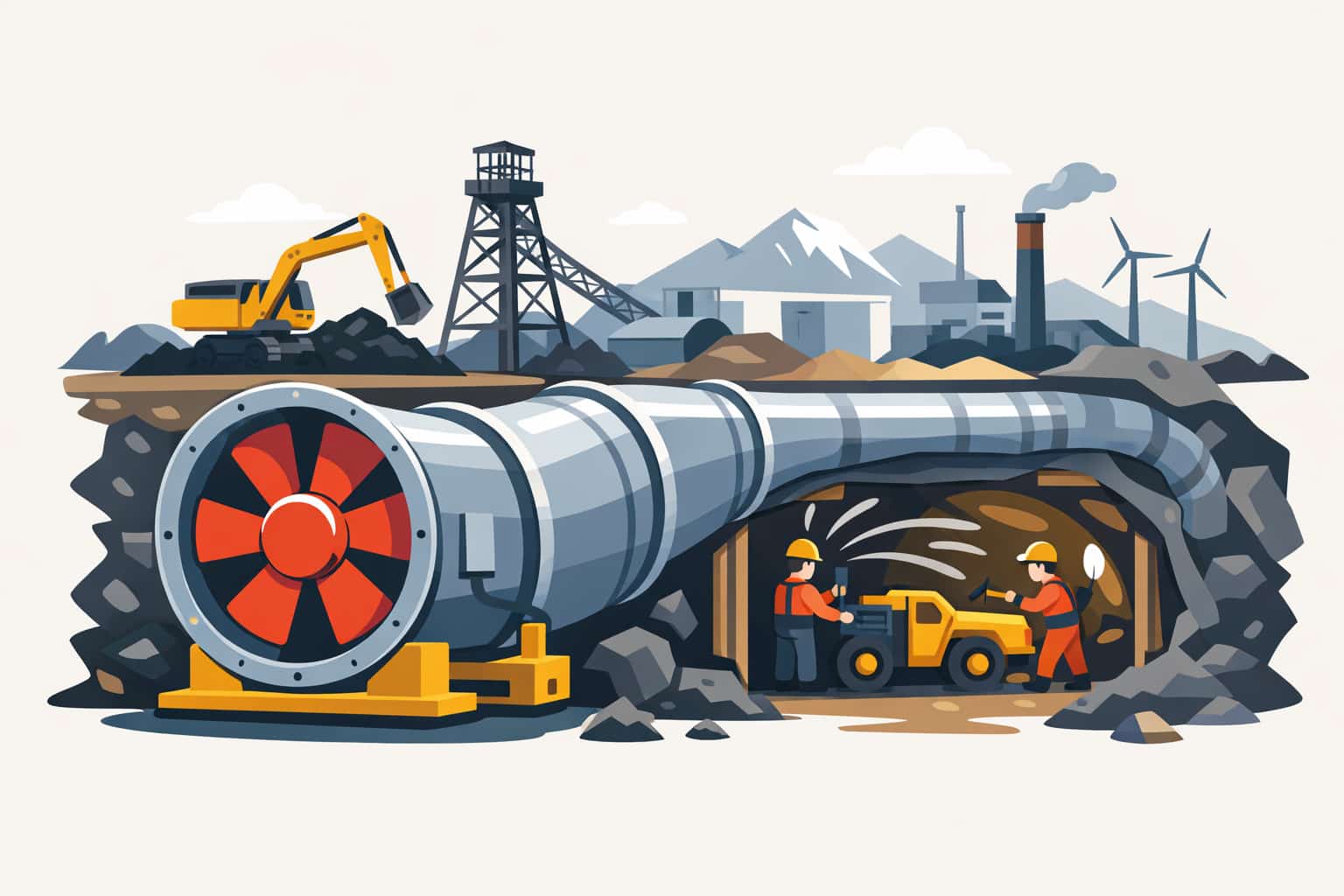
“Mine fans” is a broad term that covers several fan categories used to move air through underground mines, surface facilities, and associated tunnels. The most practical way to classify mine fans is by their role in the ventilation system, and then by their aerodynamic type (axial vs centrifugal). Understanding both helps you choose the right fan for airflow, pressure, energy use, and operational reliability.
1) By function (where they sit in the ventilation network)
- Main fans (primary ventilation fans): These are the “heart” of the mine ventilation system. A main fan station typically operates continuously and provides the pressure difference that drives air through the entire mine network. Main fans can be configured as forcing, exhausting, or combined arrangements depending on the mine design.
- Booster fans: Booster fans are installed within the mine ventilation circuit to increase pressure and airflow in specific branches or districts, especially in deep mines or long airways where resistance becomes high. Because booster fans can change pressure distribution and potentially create recirculation risks, they require careful engineering, monitoring, and control.
- Auxiliary fans: Auxiliary fans provide local ventilation at headings and blind ends, usually via ducting. They support development and production faces where main airflow alone is insufficient or poorly directed.
- Secondary/support fans: Depending on the site, this can include fans for workshops, refuge areas, electrical rooms, shafts, raises, and localized exhaust or intake needs.
2) By fan type (how the fan generates pressure and airflow)
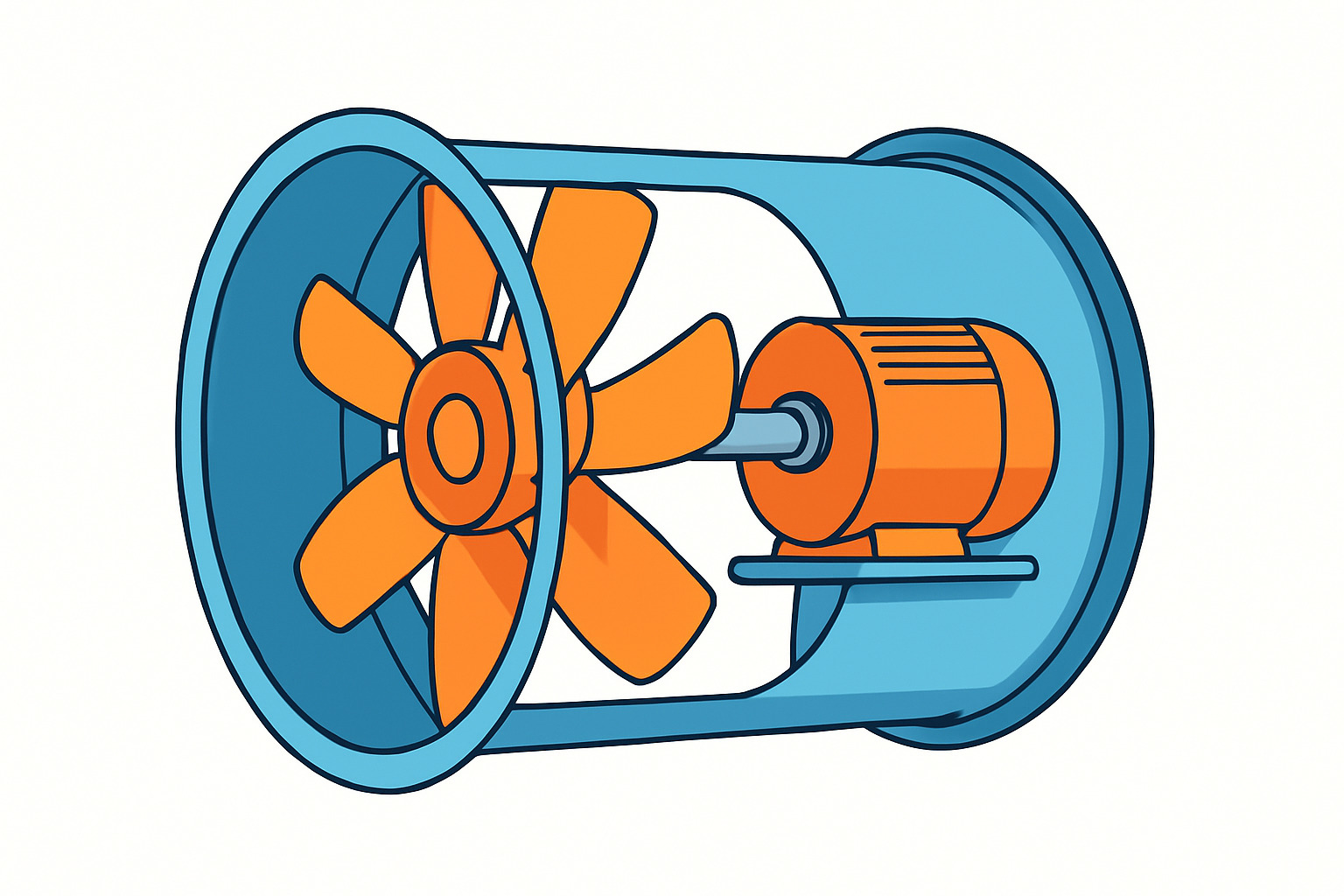
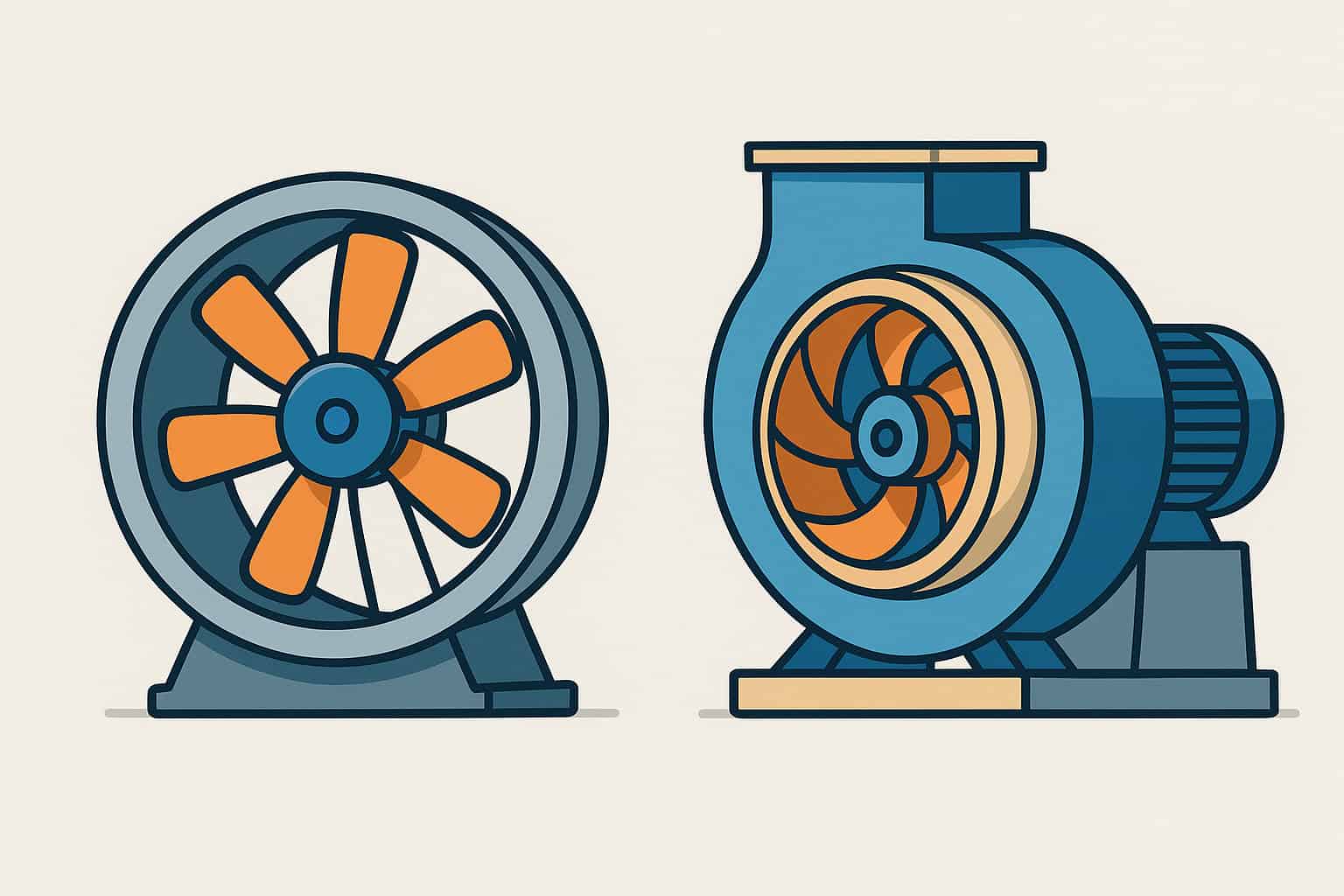
- Axial flow fans: Axial fans move air mainly along the fan axis and are often preferred for high airflow at moderate pressure. In mining, axial fans are common for main fan stations (large diameter, efficient at high volume) and for some auxiliary ventilation duties where duct resistance is not extreme. Modern axial fans may include adjustable pitch blades to match changing operating conditions.
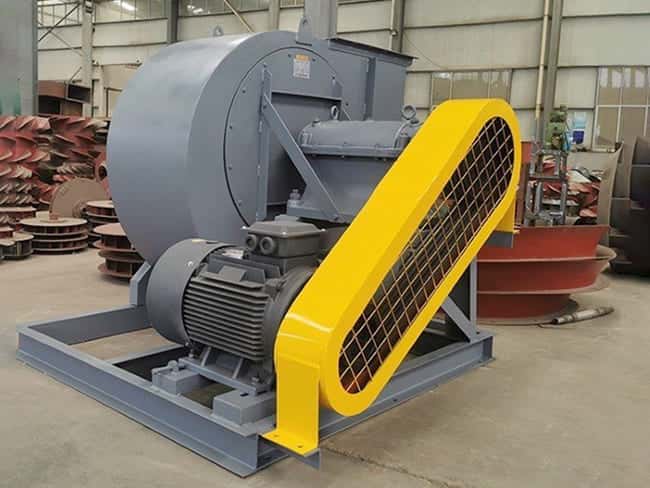
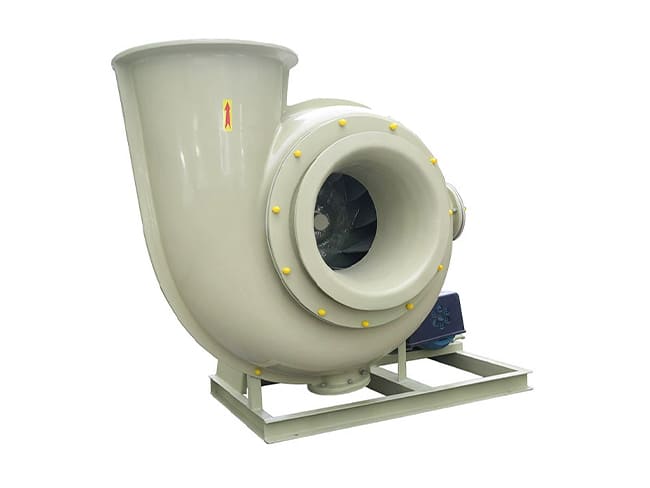
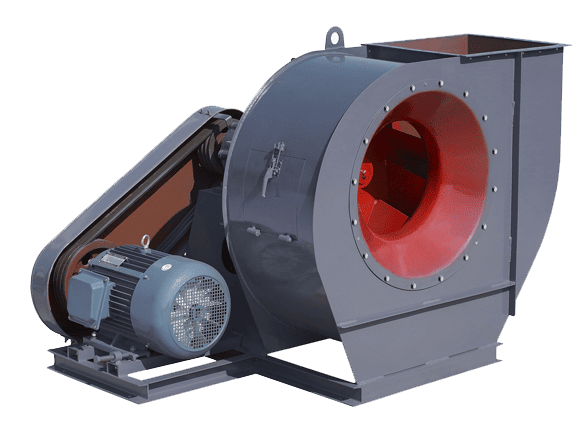
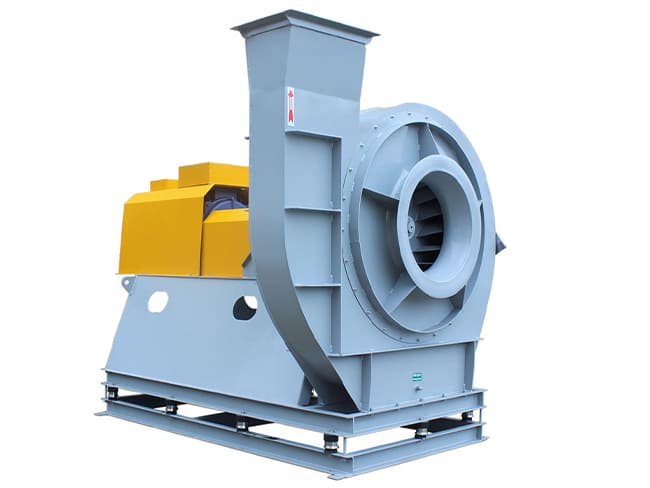
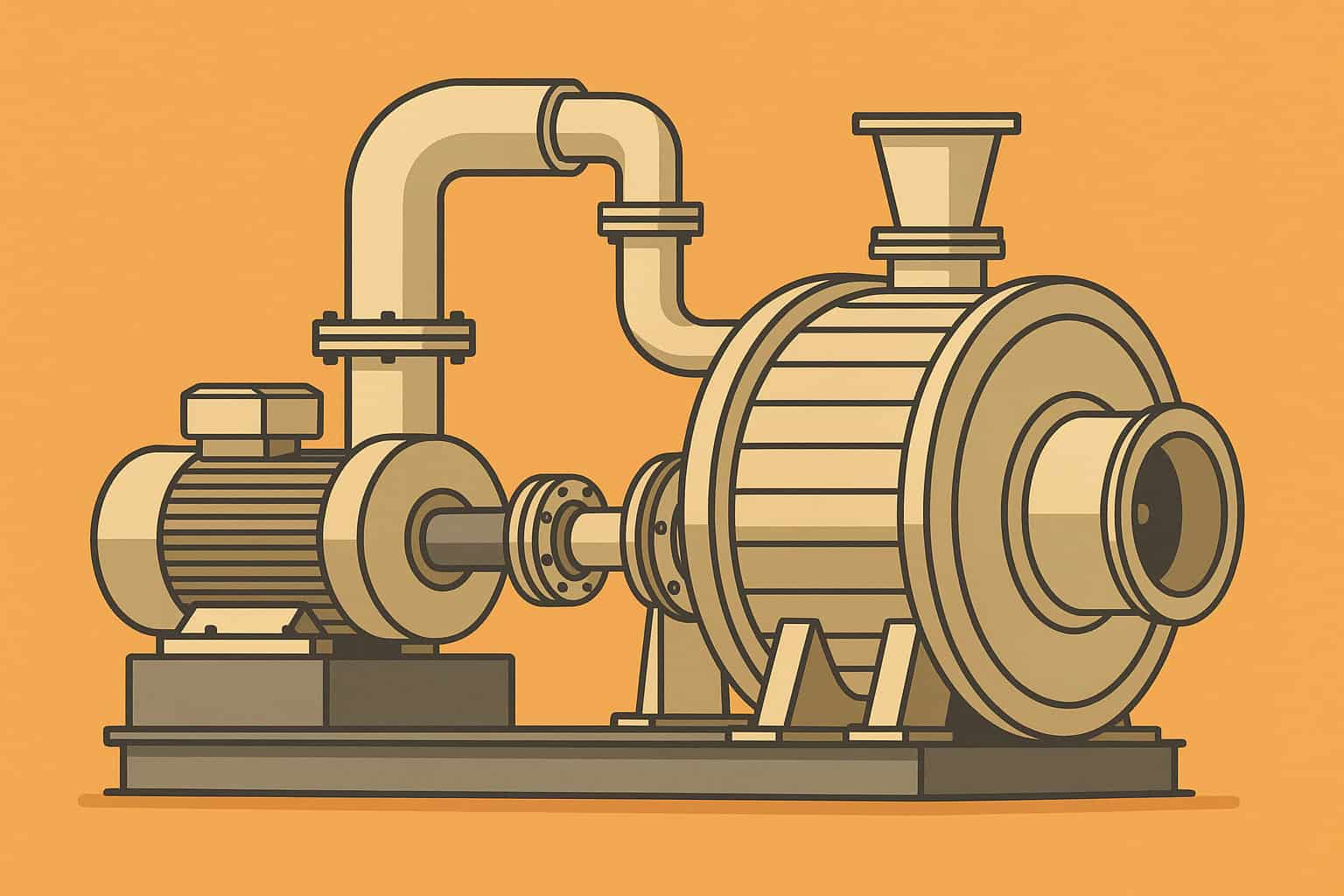
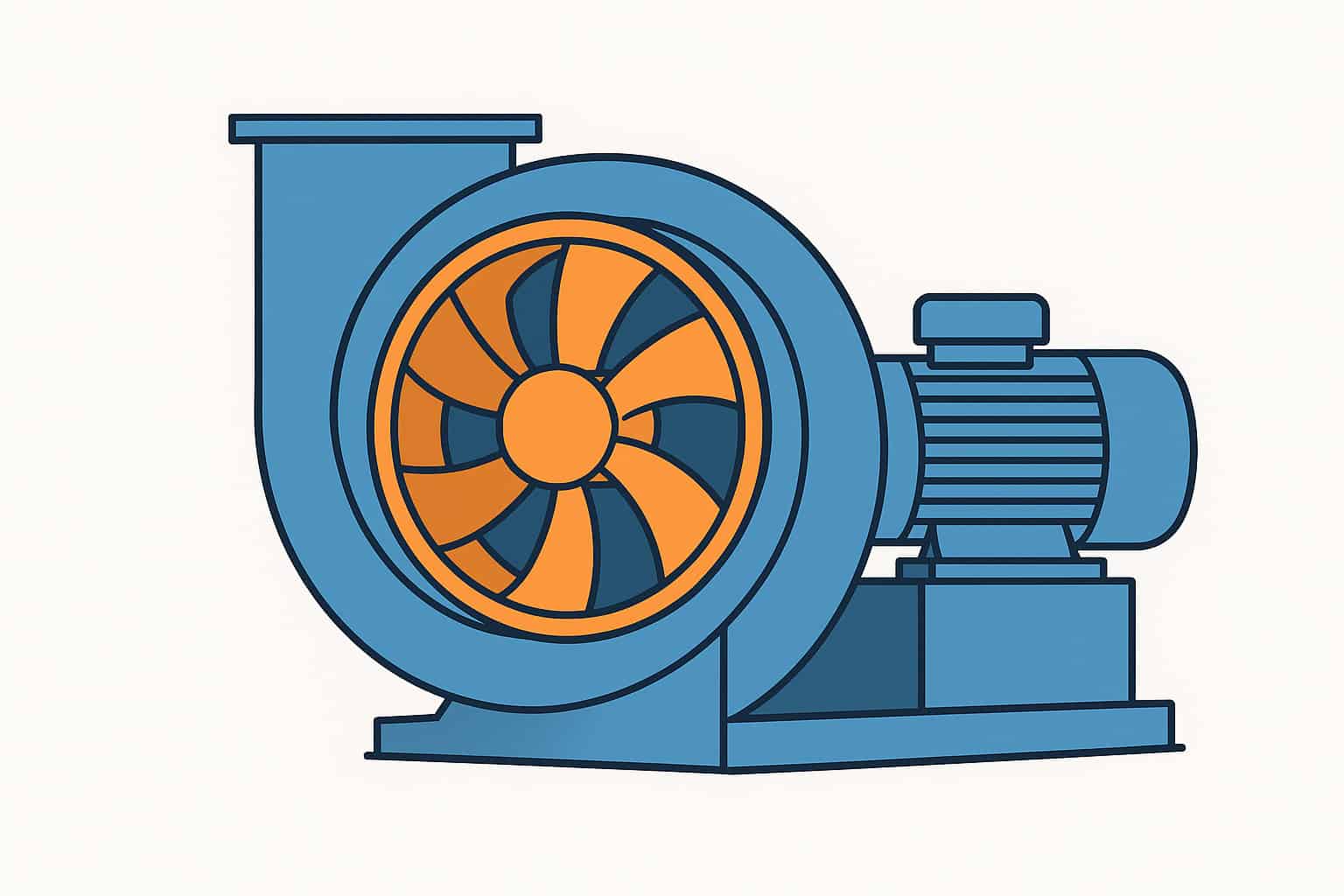
- Centrifugal fans: Centrifugal fans accelerate air radially and convert velocity into pressure in the casing. They are widely used where higher static pressure is needed, such as long duct runs, higher resistance networks, or specific industrial exhaust applications in mining-related plants. They can be robust choices when pressure requirements dominate.
3) Common engineering sub-classifications
- Forcing vs exhausting systems: describes whether the fan pushes fresh air into the mine or pulls air out to surface. The choice affects leakage patterns, contaminant pathways, and emergency management strategy.
- Fixed-speed vs variable-speed (VFD) fans: VFD control can reduce energy consumption and help manage ventilation on demand, especially when airflow requirements vary by shift or production zone.
- Single-inlet vs double-inlet, single-stage vs multi-stage: used to match capacity, pressure, and installation constraints.
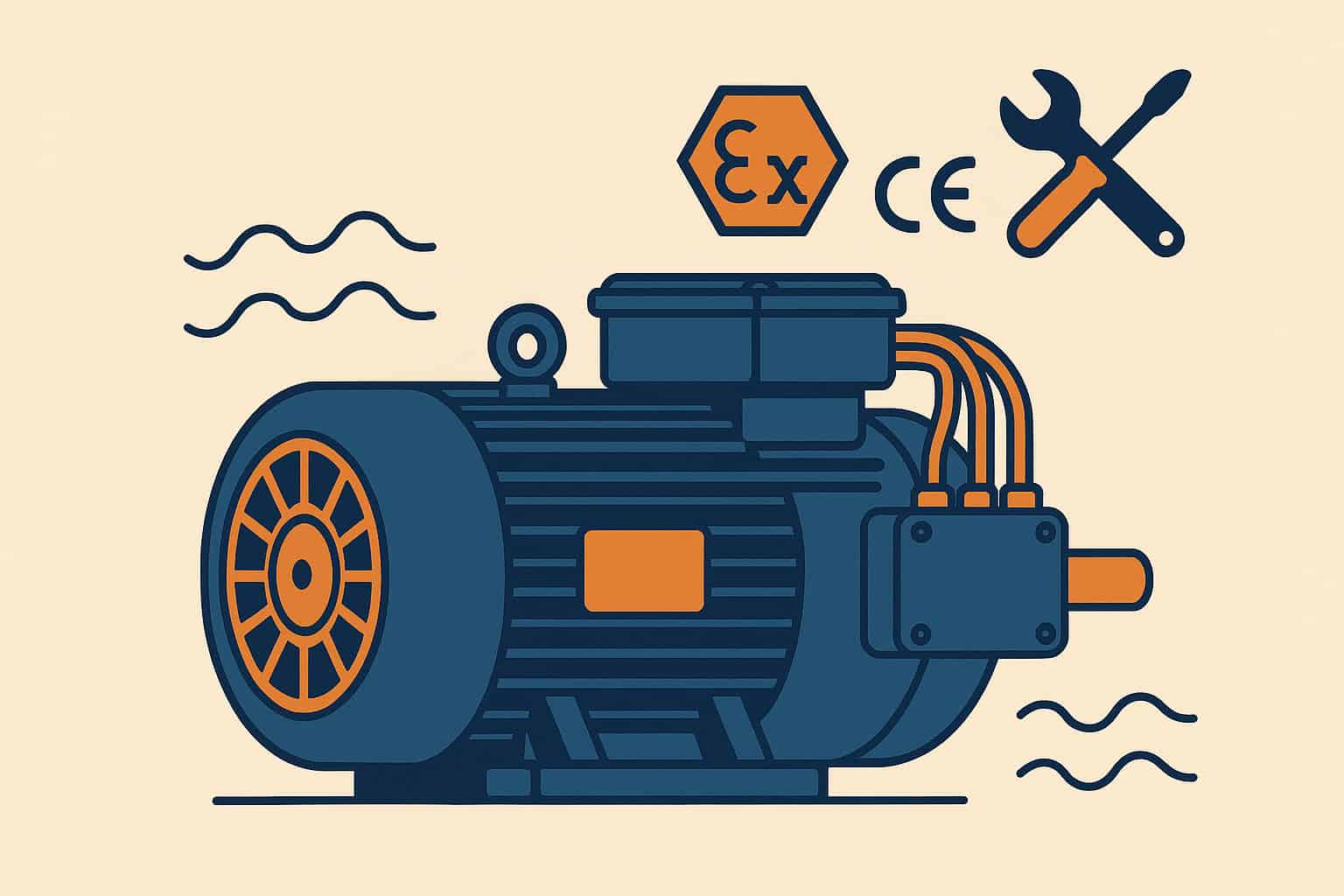
In real projects, the “best” mine fan type is determined by the duty point (required airflow and pressure), the mine’s resistance network, operating hours, safety requirements (including explosion-proof needs where applicable), and maintainability. A good selection process starts with airflow targets for each district, estimates/measurements of resistance, then chooses a fan whose performance curve meets the duty point with margin for future expansion.
