
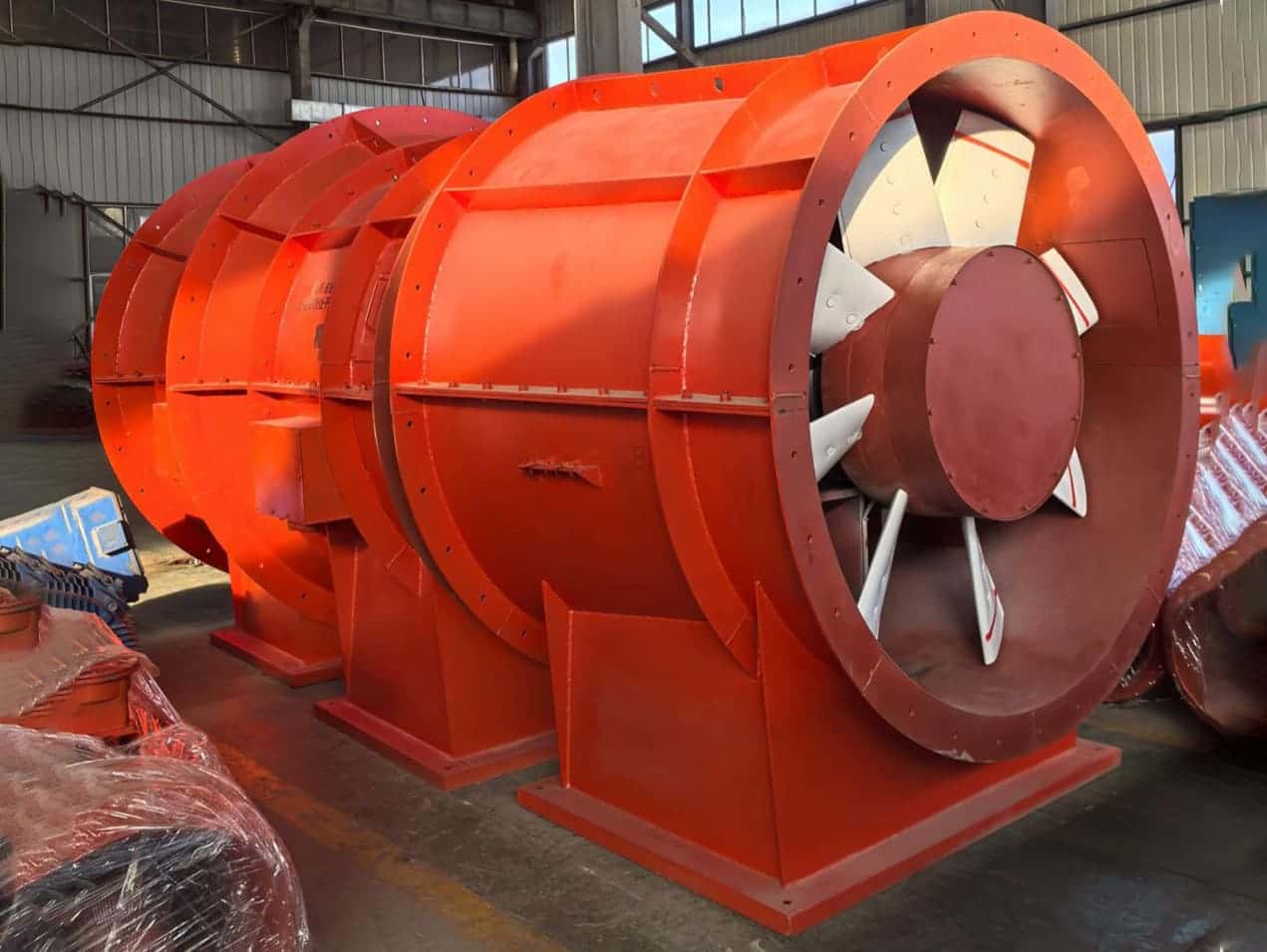
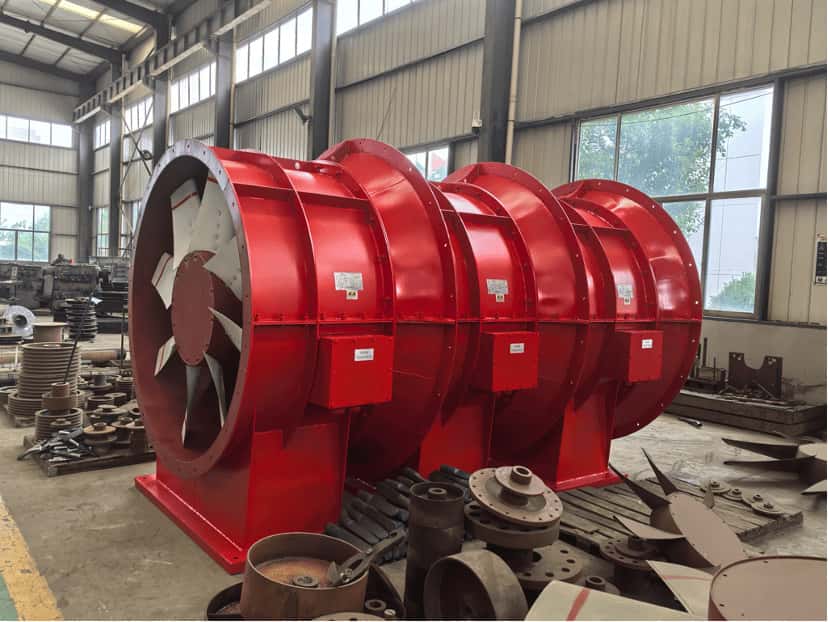
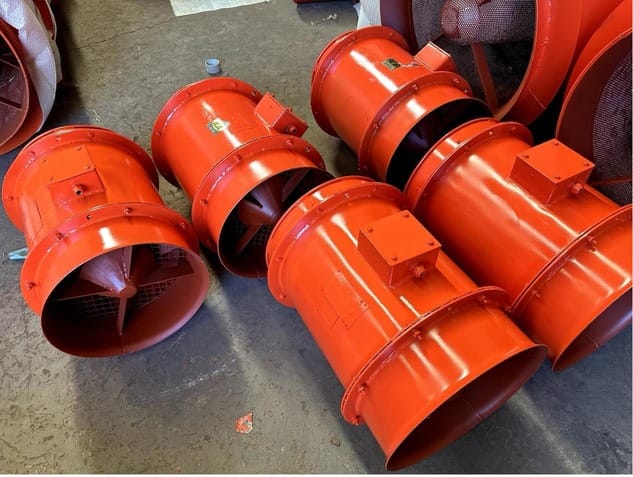
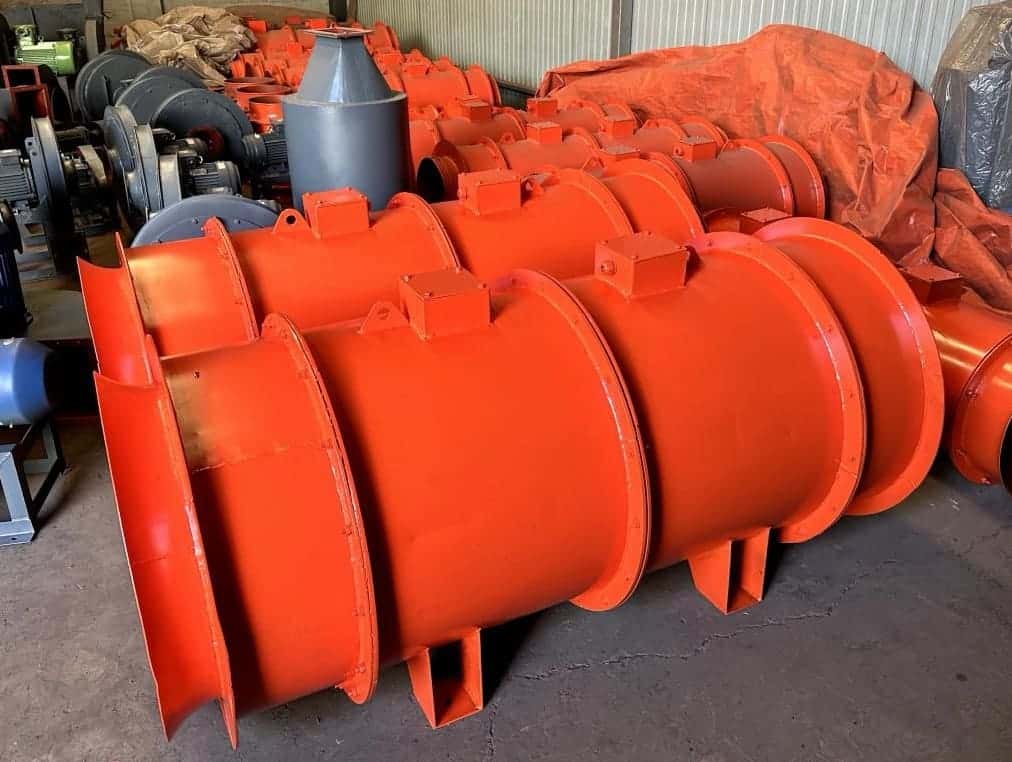
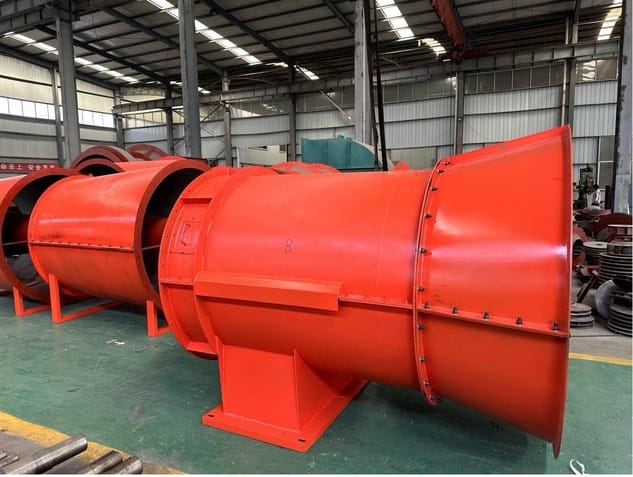
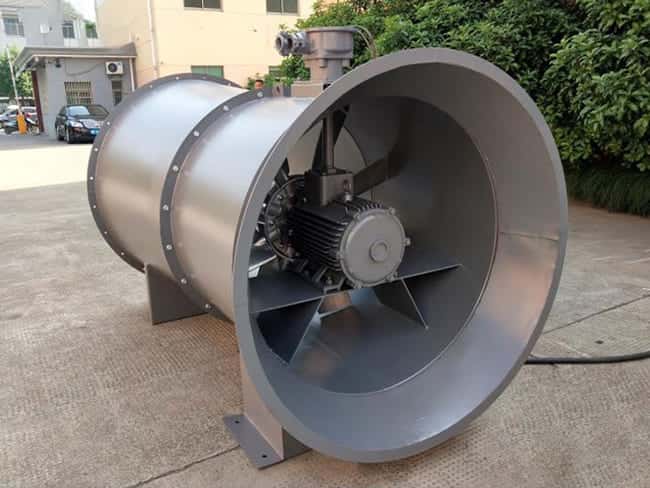
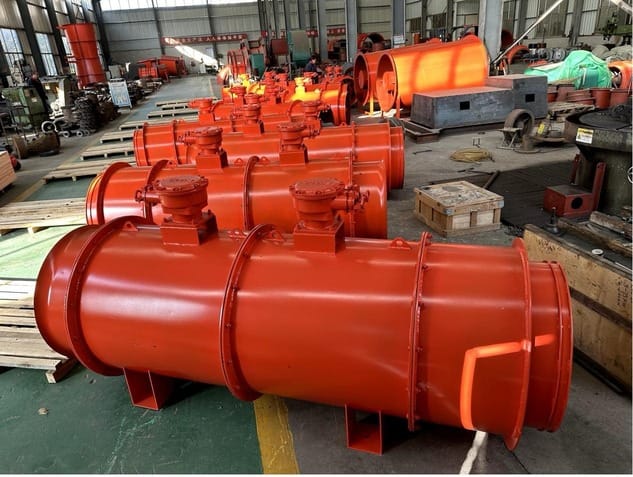
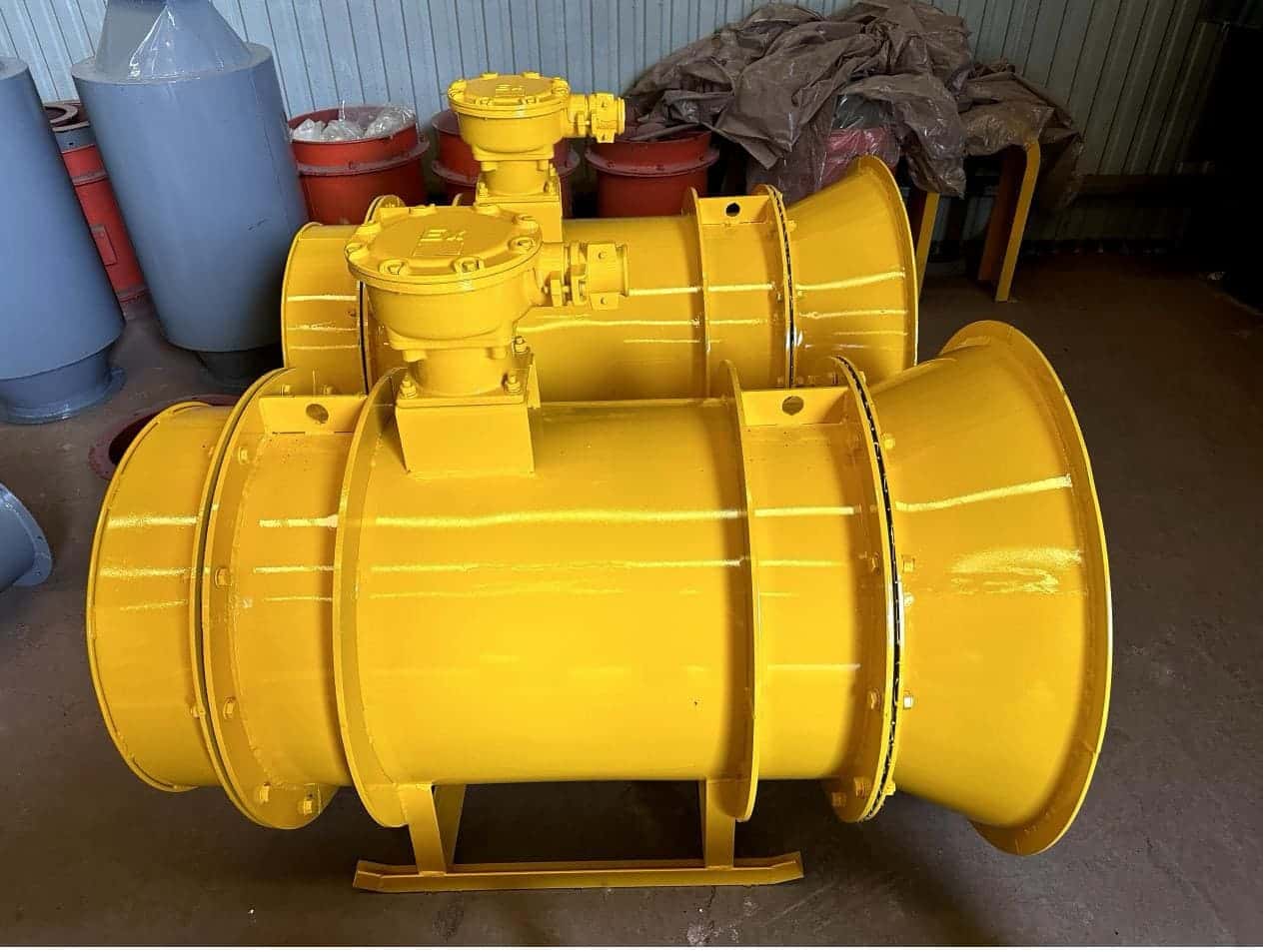
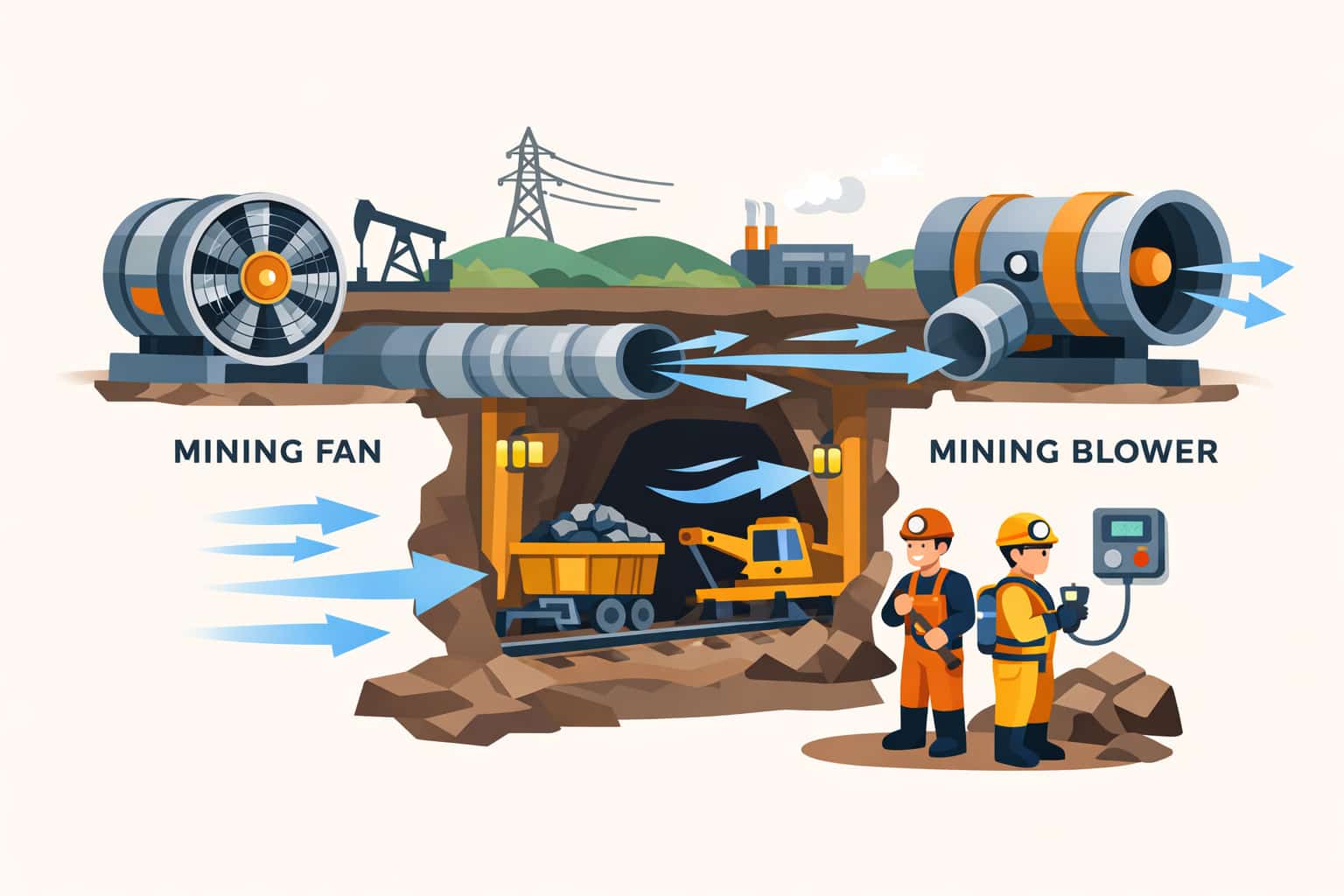
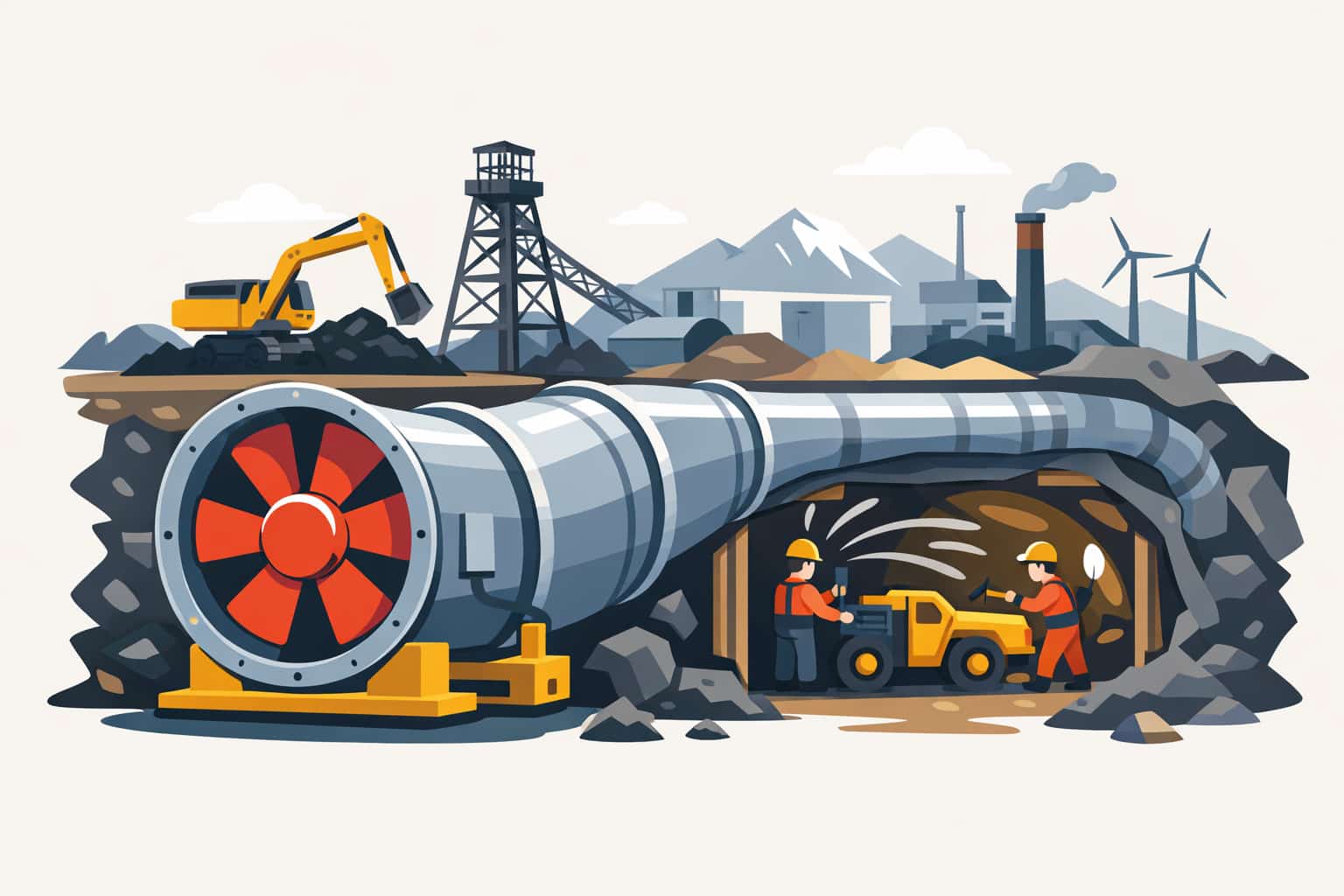
Mine ventilation fans can be grouped in two useful ways: by their function in the ventilation system (main, booster, auxiliary) and by aerodynamic design (axial or centrifugal). Both classifications matter because ventilation is a network problem: the fan type must match airflow and pressure needs, and the fan’s role determines how it affects the mine’s overall airflow distribution.
1) Main (primary) ventilation fans
Main fans provide the primary pressure difference that drives air through the mine. They are typically installed at surface fan stations connected to shafts or portals, often with redundancy (duty/standby units) to support continuous operation. Main fans may be configured as:
- Exhausting (pull) systems: the fan extracts air from the mine to surface, drawing fresh air in through intakes.
- Forcing (push) systems: the fan pushes fresh air into the mine, and air exits through returns.
- Mixed/combined systems: used in complex layouts where both forcing and exhausting are applied strategically.
2) Booster fans
Booster fans are installed within the mine ventilation circuit to add pressure and increase airflow in targeted districts. They are used in deep mines, long airway systems, or where resistance is high. Booster fans require careful integration because they influence pressure relationships across multiple branches, so monitoring and operational controls are important for stable airflow and to avoid unwanted recirculation.
3) Auxiliary (local) ventilation fans
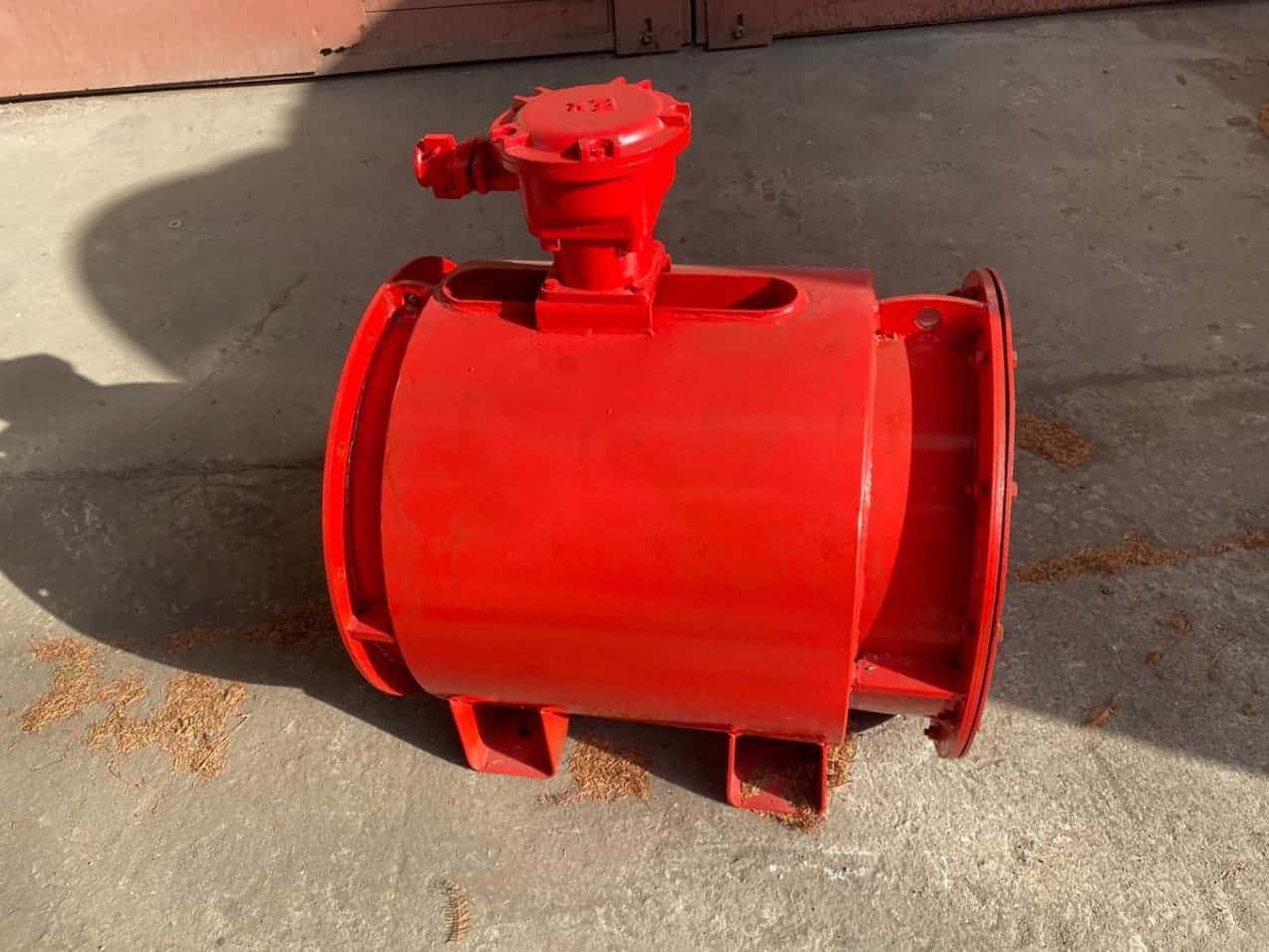
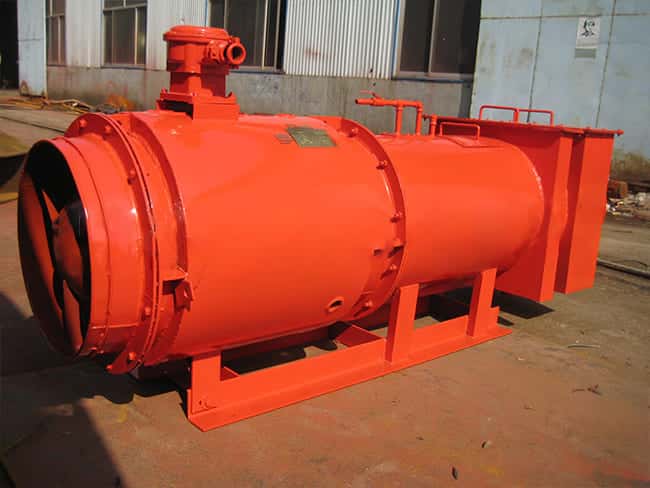
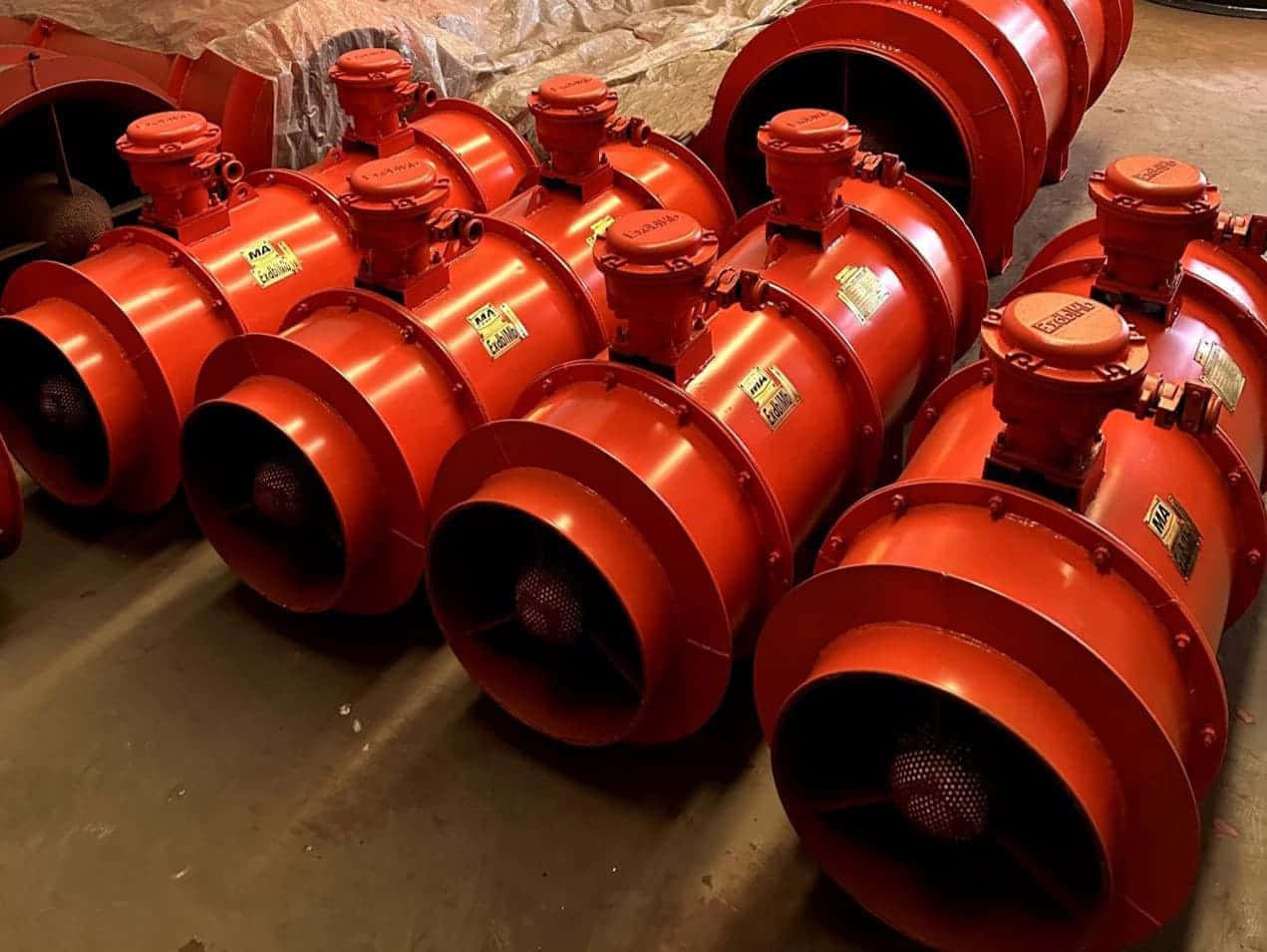
Auxiliary fans serve headings and blind ends, typically via ducting. These fans can be configured for:
- Forcing auxiliary ventilation: pushing fresh air through ducting to the face.
- Exhaust auxiliary ventilation: extracting contaminated air from the face through ducting to a return airway.
Auxiliary fans are selected heavily based on duct resistance, leakage potential, and the need to maintain airflow at the face as the heading advances.
4) Axial vs centrifugal ventilation fans
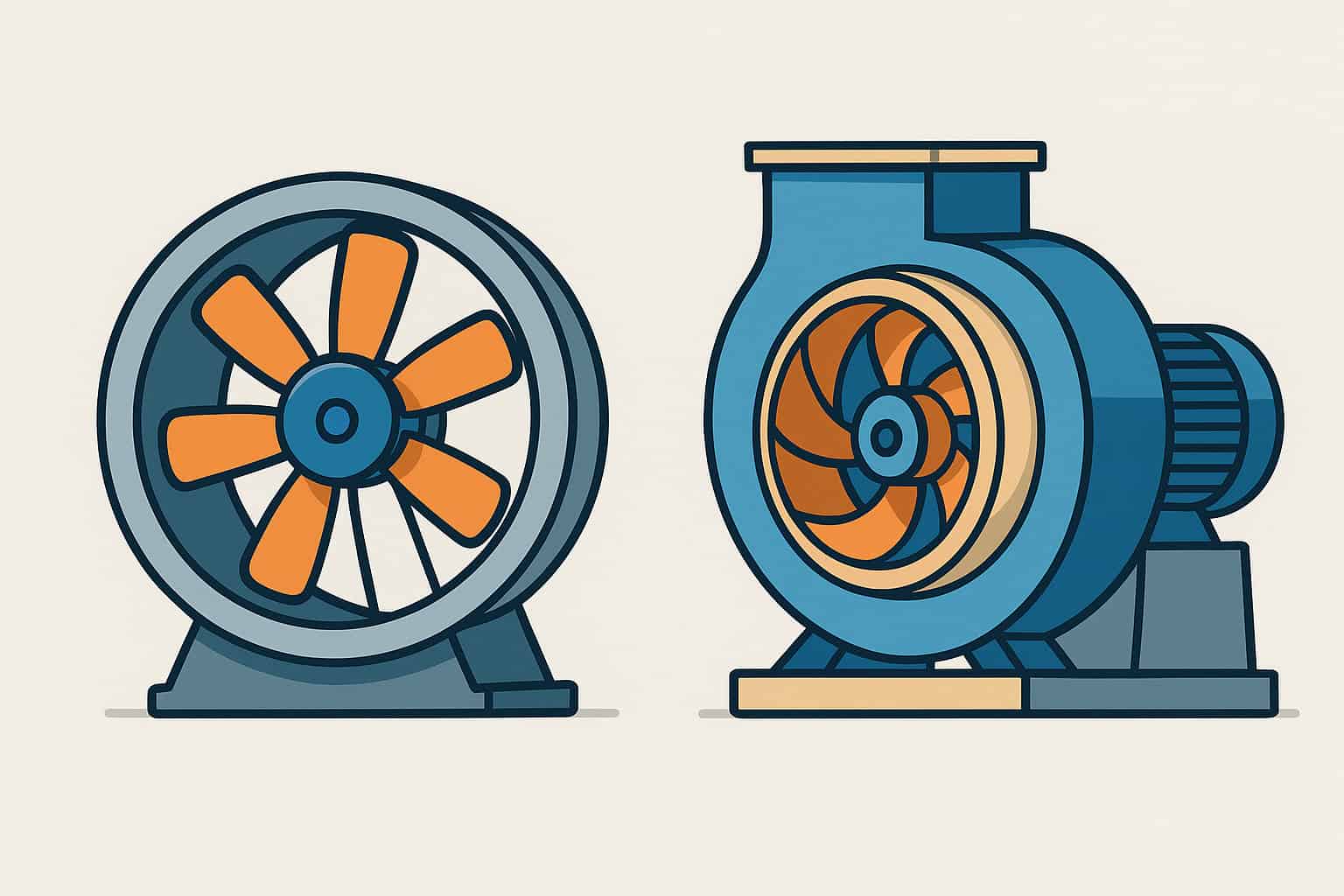
Across main, booster, and auxiliary applications, the aerodynamic design typically falls into two families:
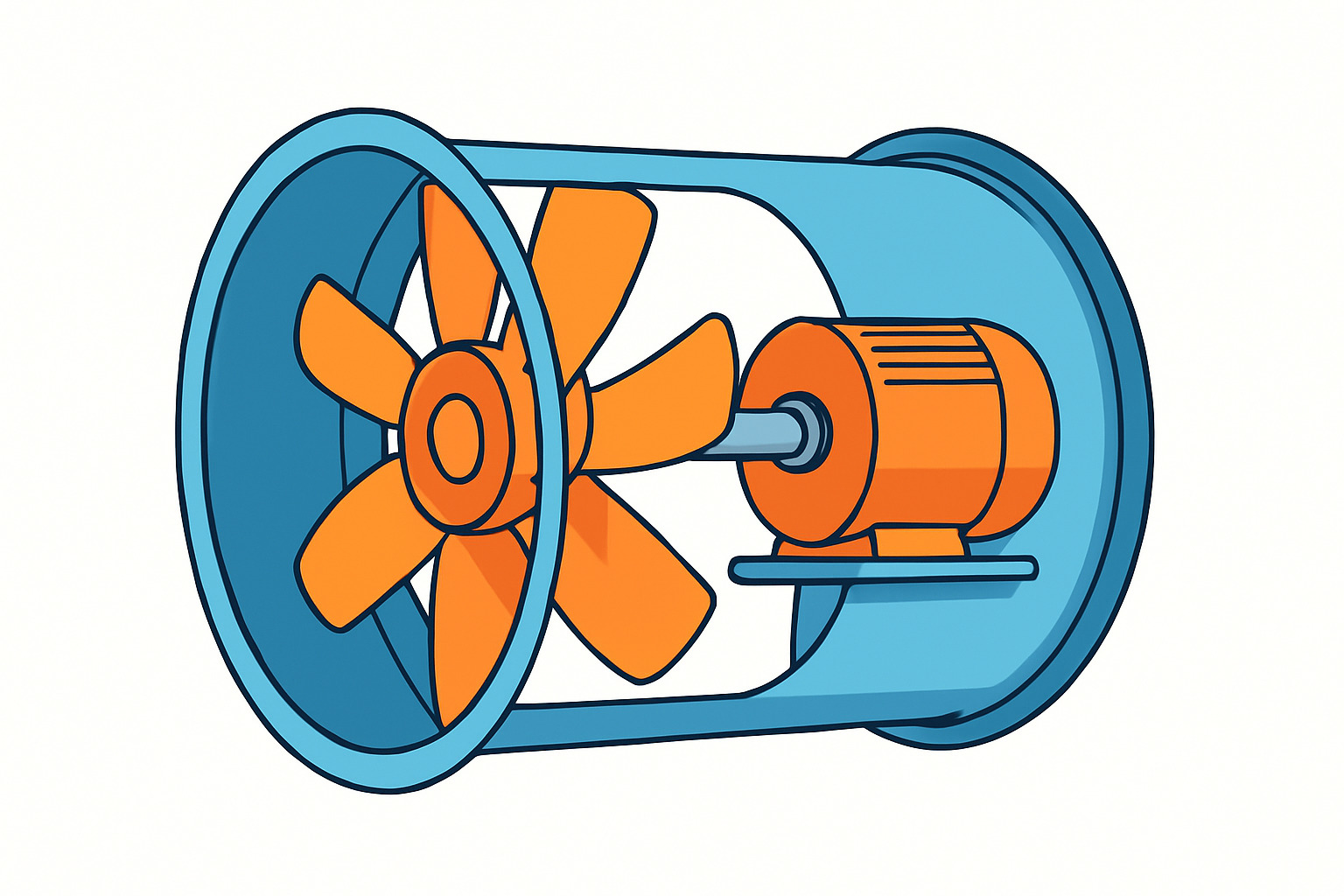
- Axial fans: move air parallel to the fan axis, commonly chosen for high airflow applications with good efficiency. Variants include tube-axial and vane-axial designs, and some systems use adjustable pitch blades for flexibility.
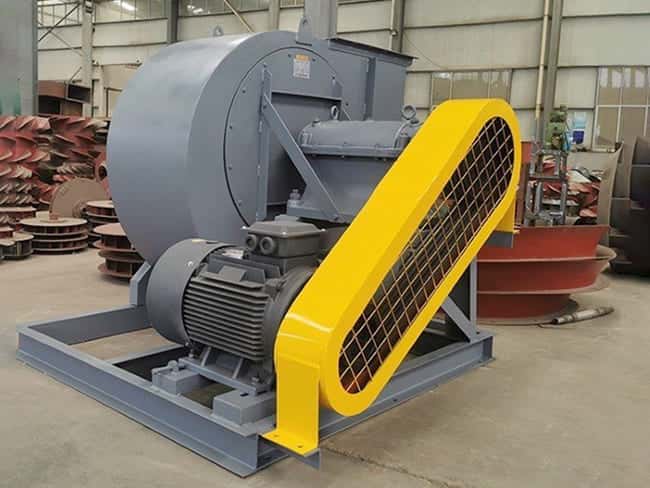
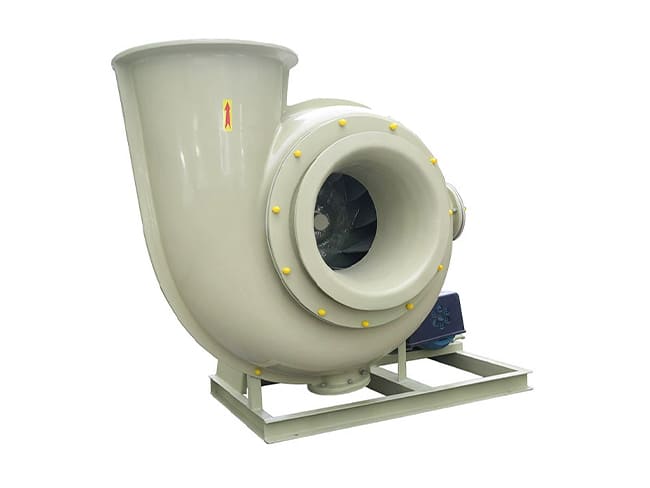
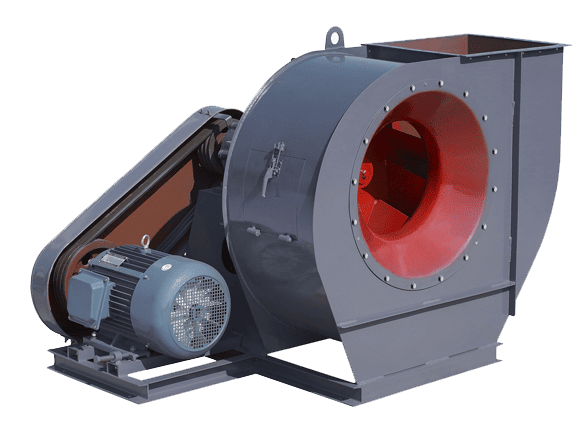
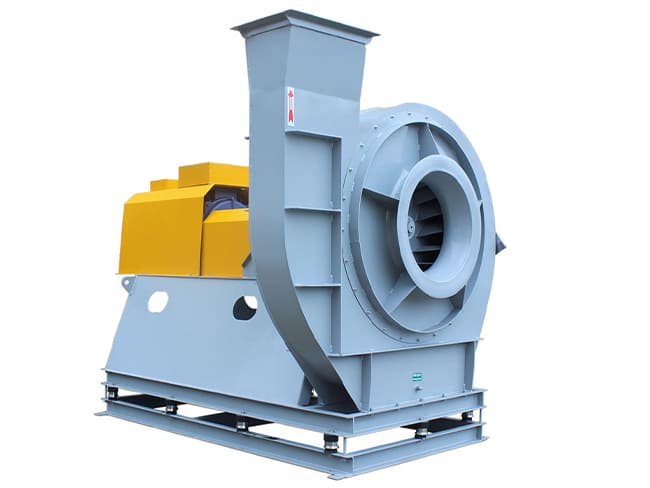
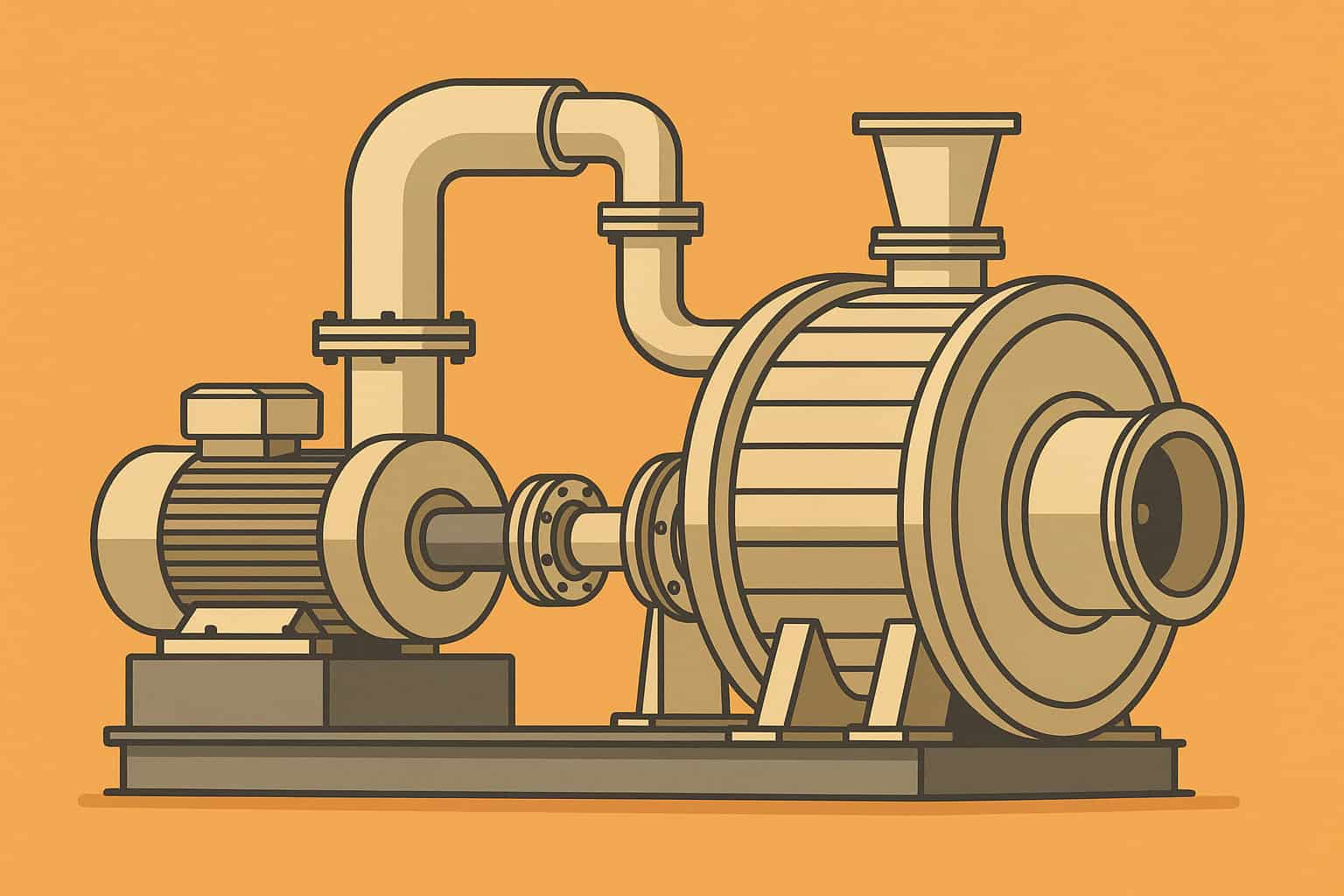
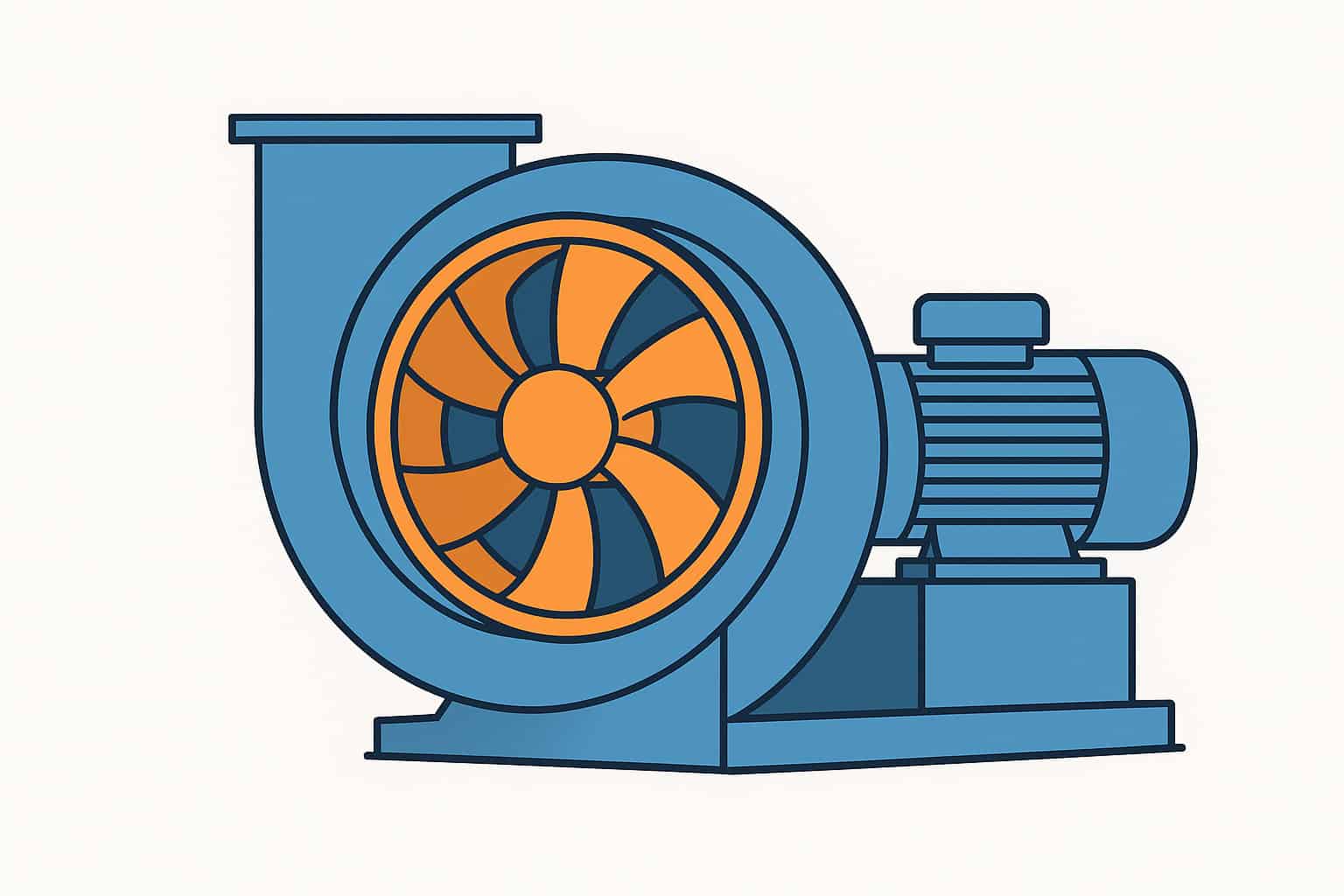
- Centrifugal fans: move air radially and convert velocity to pressure, often chosen when higher static pressure is needed or when the network/duct system has higher resistance.
5) Selection factors that determine the “type” you need
In mining ventilation work, the fan type is rarely chosen by name alone. The correct choice is driven by:
- Duty point: required airflow and static pressure at operating conditions.
- Network behavior: how the fan will affect airflow splits, leakage, and district pressures.
- Control strategy: fixed speed vs VFD, adjustable pitch for axial fans, and how the mine will manage ventilation over time.
- Reliability and environment: dust, moisture, temperature, and maintenance access.
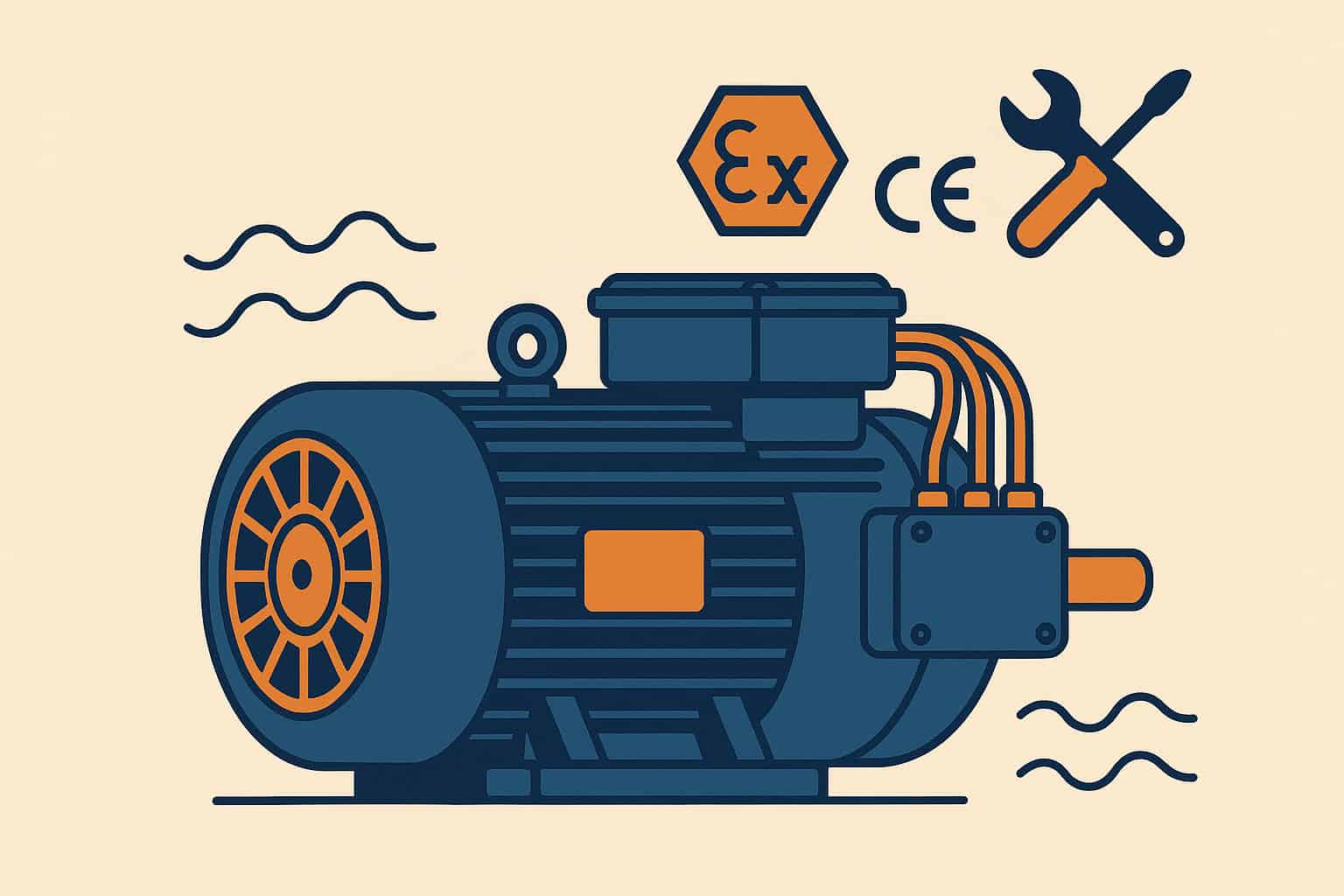
- Safety requirements: electrical protections and any required hazardous area ratings where applicable.
In summary, the different types of mine ventilation fans include main fans for the overall mine circuit, booster fans for district pressure support, and auxiliary fans for headings and local ventilation. These roles are implemented using axial and centrifugal fan designs, selected to meet the mine’s airflow, pressure, and control needs safely and efficiently.
