


There are several different types of tunnel ventilation systems, and the best choice depends on tunnel length, use, traffic, fire strategy and cost. In road, rail and mining tunnels, the most common systems are longitudinal, transverse, semi-transverse and jet fan based arrangements. Each uses a different airflow pattern and combination of fans, ducts and shafts to control gases, heat and smoke.
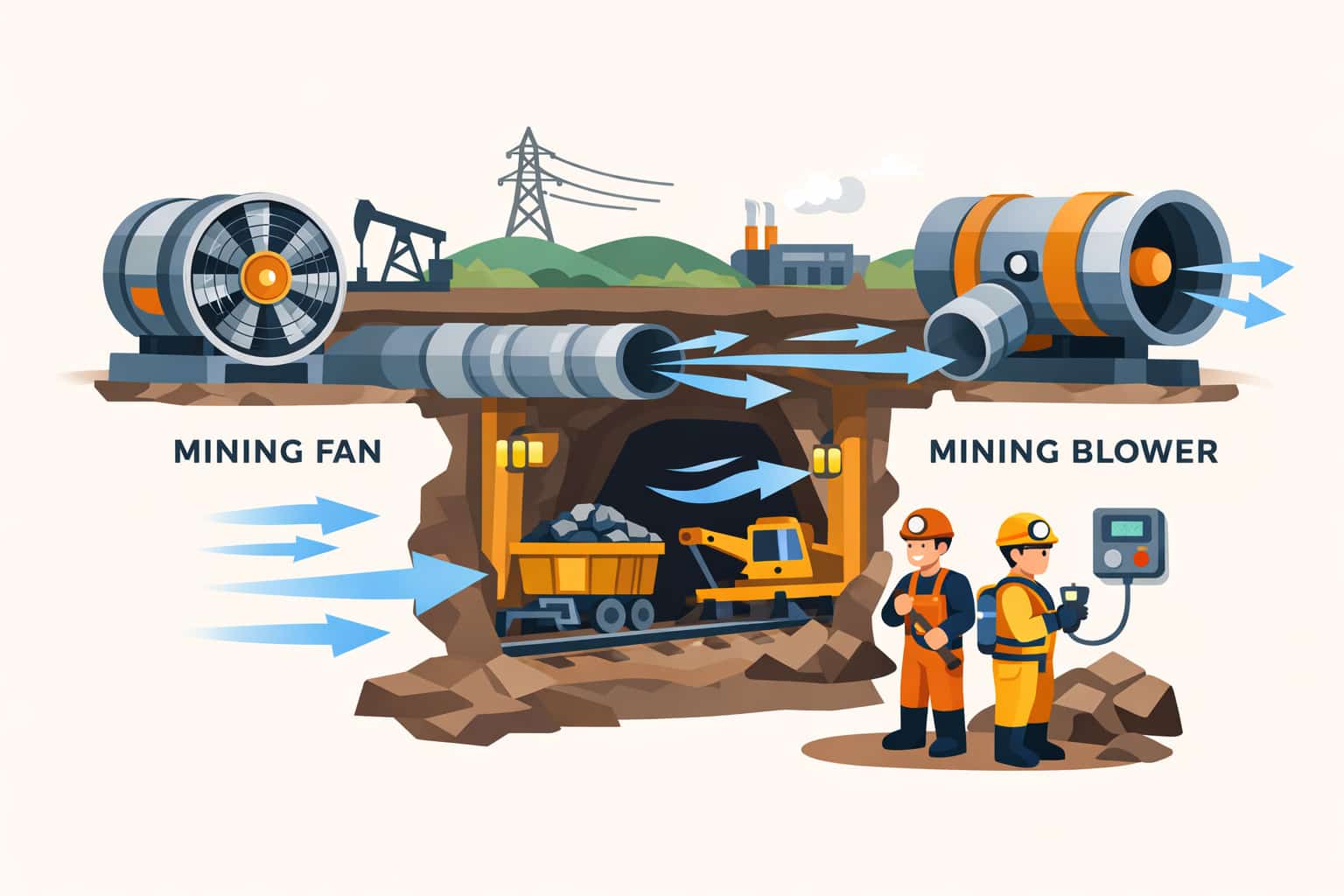
The simplest and most widely used option is longitudinal ventilation. In this system, air flows along the length of the tunnel from one portal to the other, driven by portal fans, jet fans mounted under the roof, or both. Longitudinal systems are popular in road and rail tunnels because they are relatively easy to build and operate. They are also used in mining access tunnels where the primary goal is to move air along a single direction toward the workings or the return.
In a transverse ventilation system, fresh air is supplied and exhausted through ducts that run parallel to the tunnel, usually in the crown or in side galleries. Fresh air is introduced into the traffic or service space through a series of evenly spaced supply vents, while polluted air is removed through separate exhaust vents connected to an exhaust duct. Airflow across the tunnel is more uniform than in a purely longitudinal system, which can improve air quality and smoke control, but construction and operating costs are higher because of the extensive ductwork.
Semi-transverse systems combine features of both longitudinal and transverse approaches. For example, fresh air might be distributed through a supply duct with vents, while exhaust gases are removed mainly in the longitudinal direction by jet fans and portals. Alternatively, exhaust may be collected in ducts while fresh air moves longitudinally. Semi-transverse systems are often used when designers need better smoke control or air distribution than simple longitudinal ventilation can provide, but want to limit the cost of full transverse ducting.
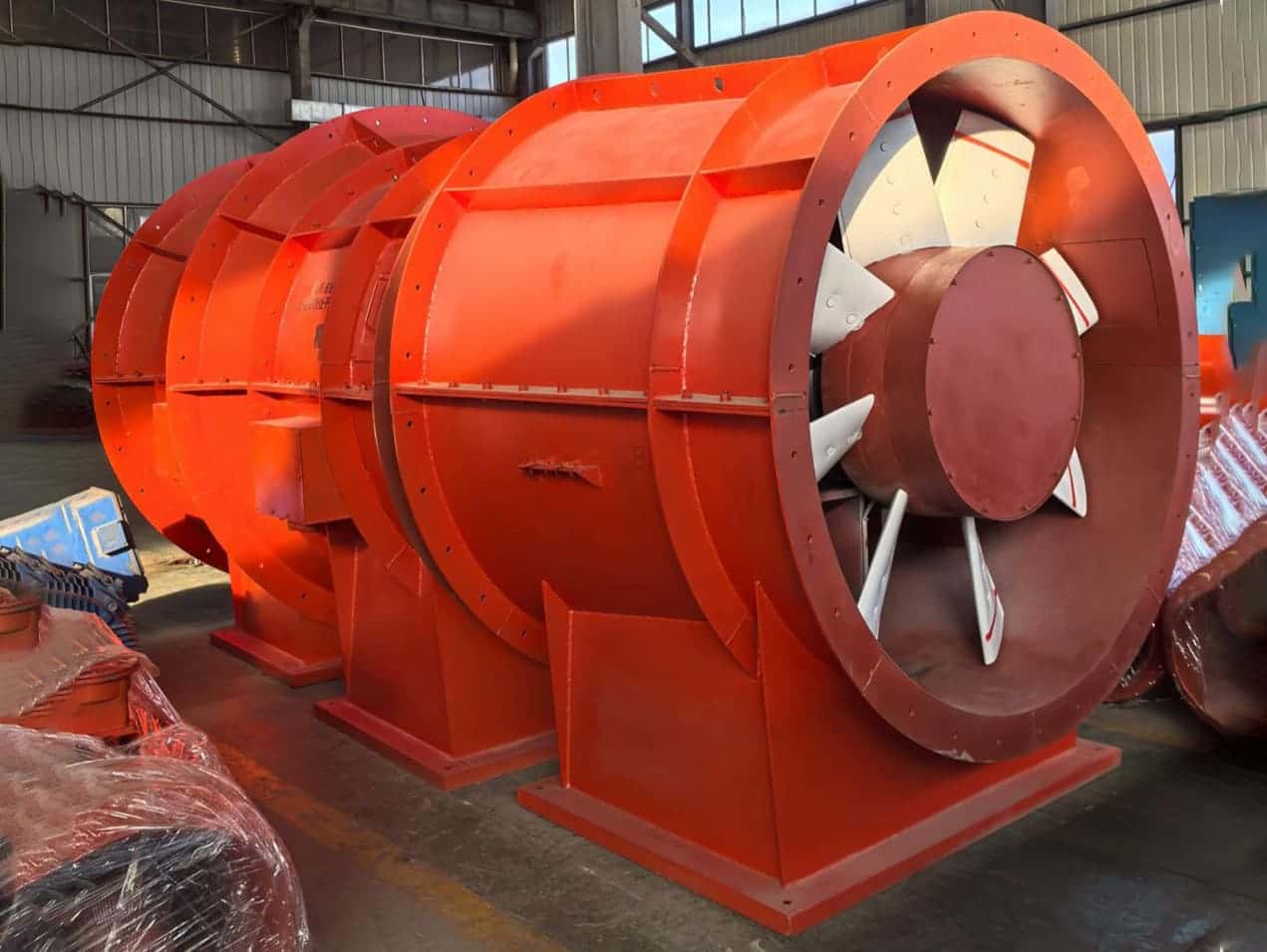
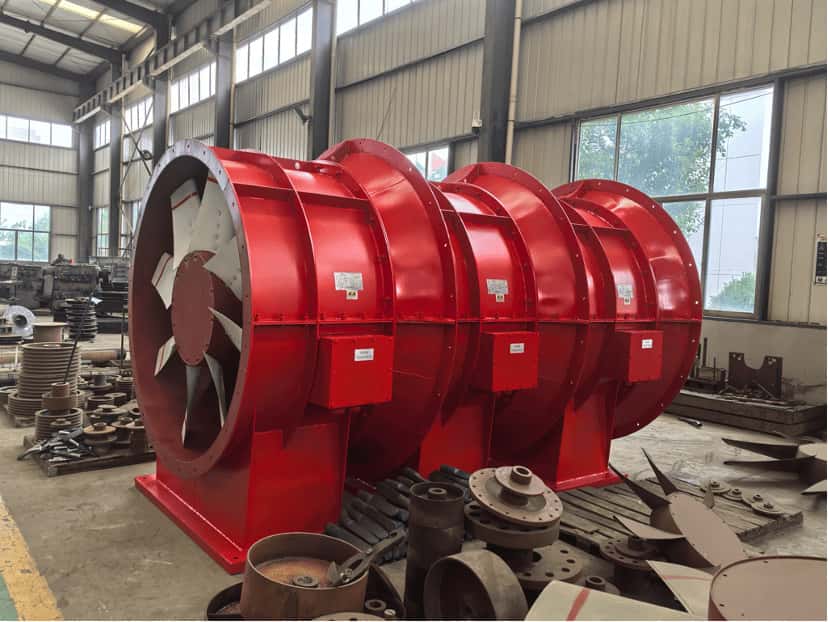
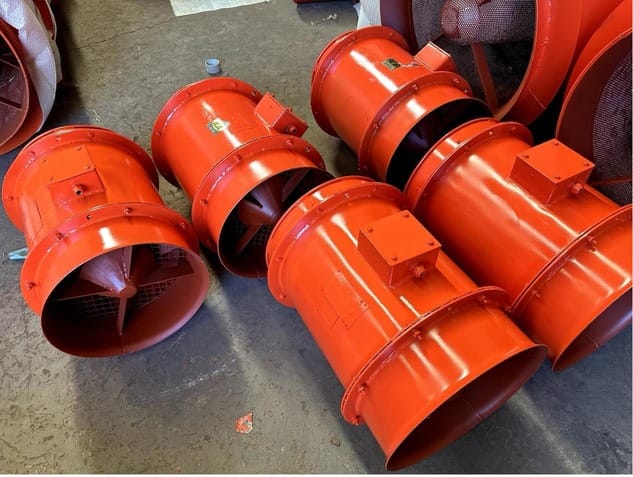
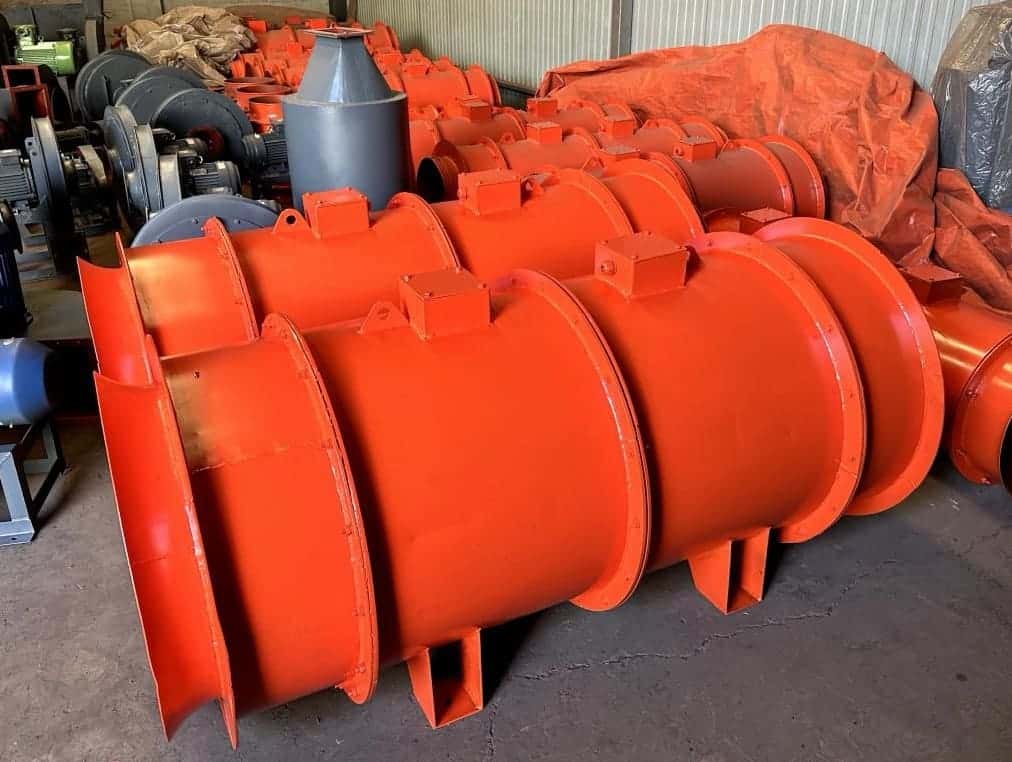
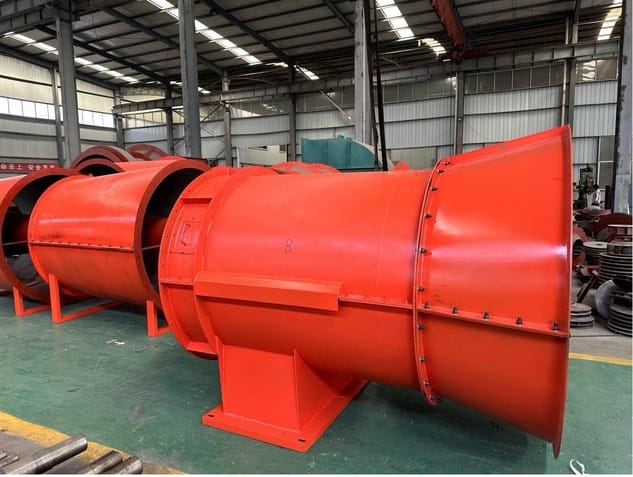
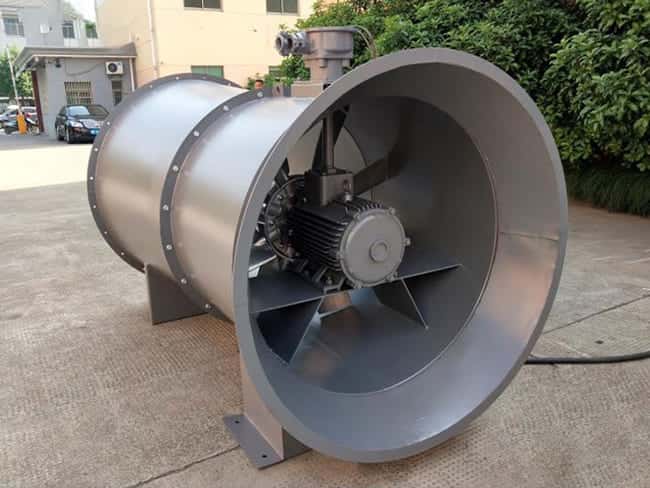
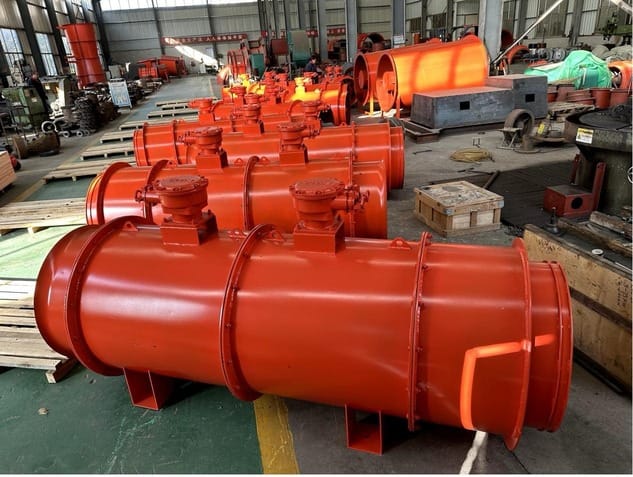
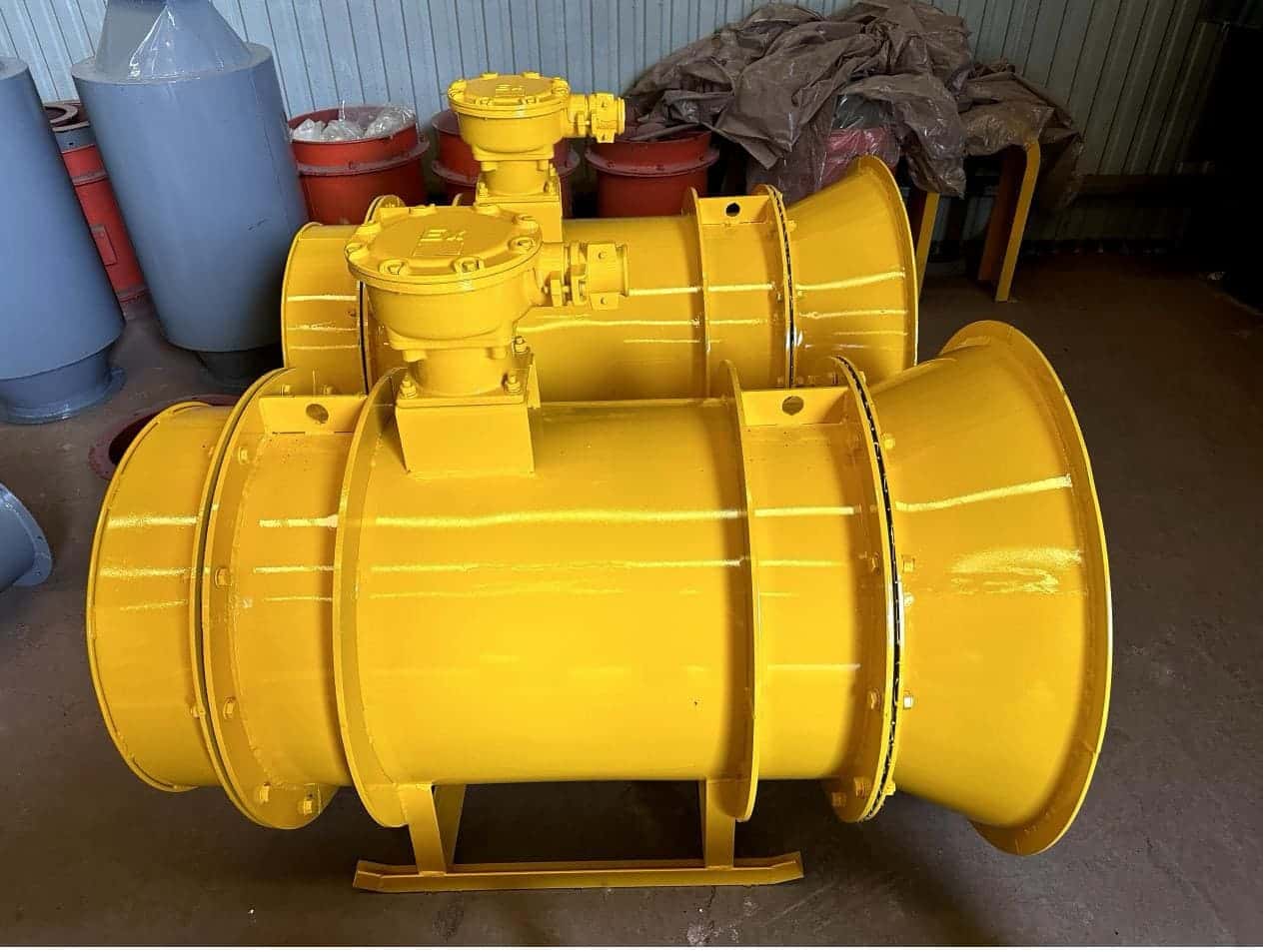
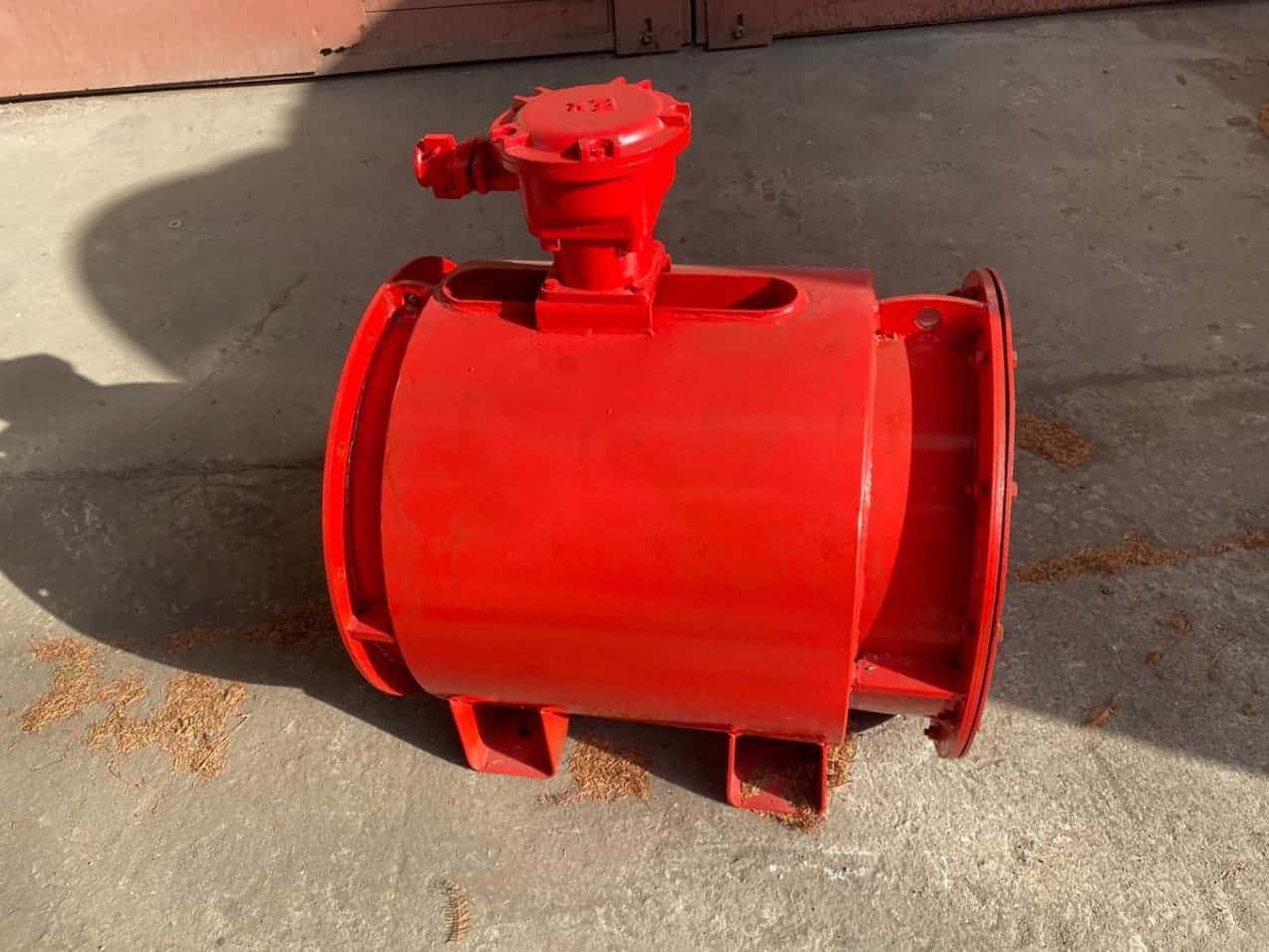
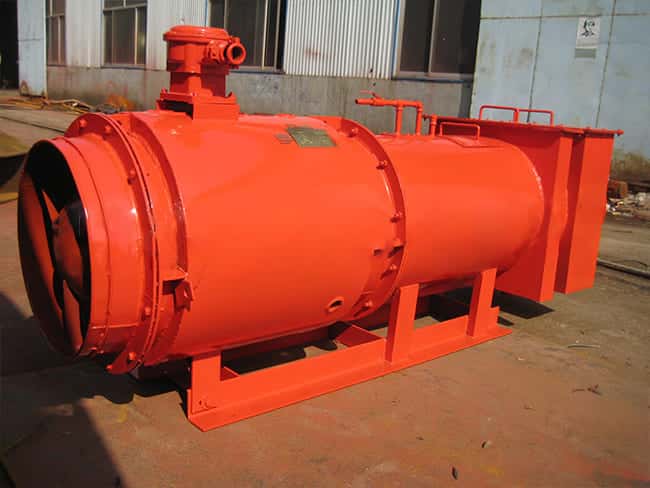
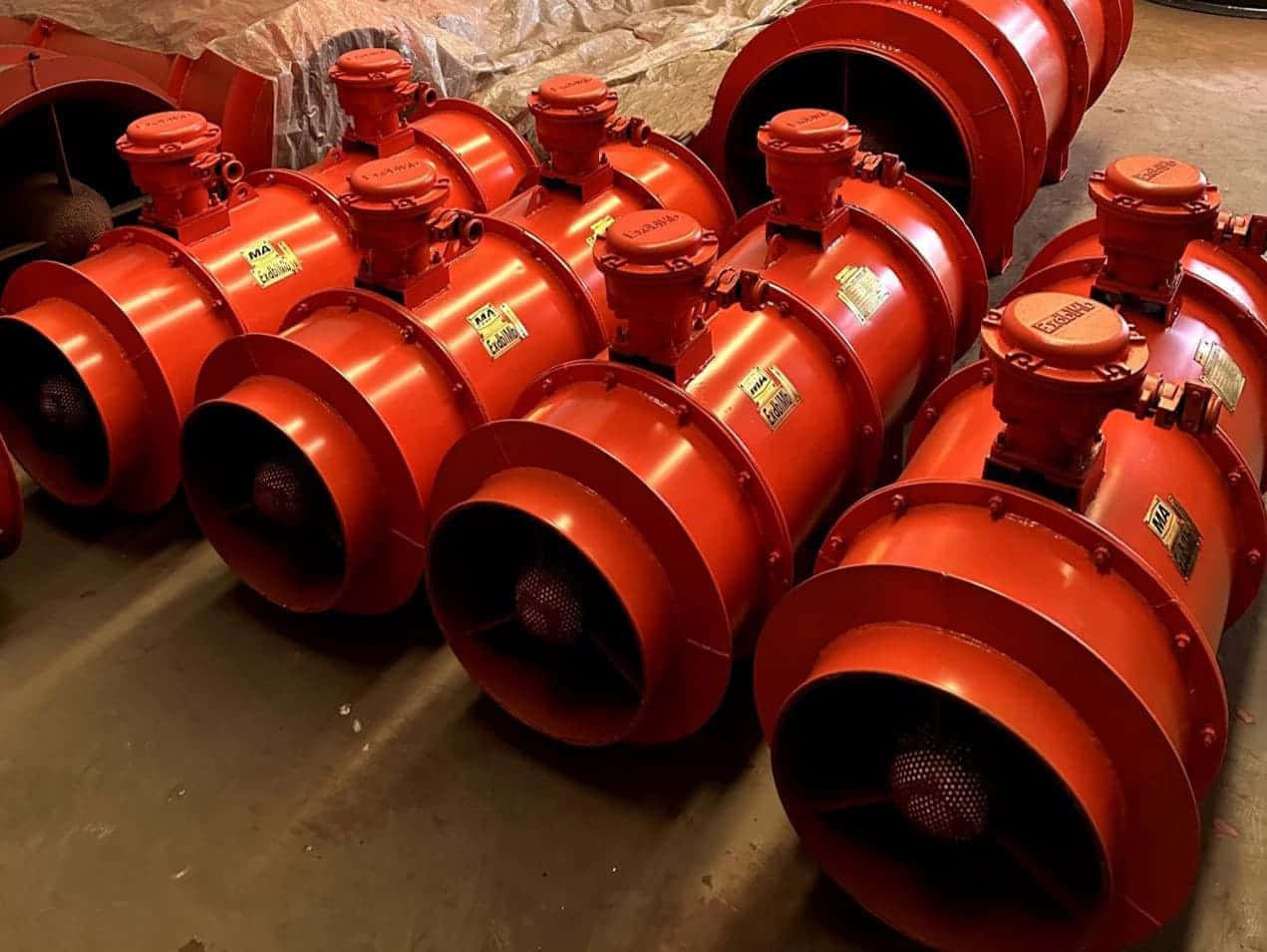
Many modern tunnels use jet fan systems as a practical implementation of longitudinal ventilation. Jet fans installed in the tunnel crown blow air along the tunnel, using the momentum of high-velocity jets to induce and maintain airflow. They can be arranged in groups and controlled individually to respond to different operating conditions, such as normal traffic, congestion or fire events. Jet fans eliminate the need for large in-tunnel ducts, which is often advantageous where space is limited.
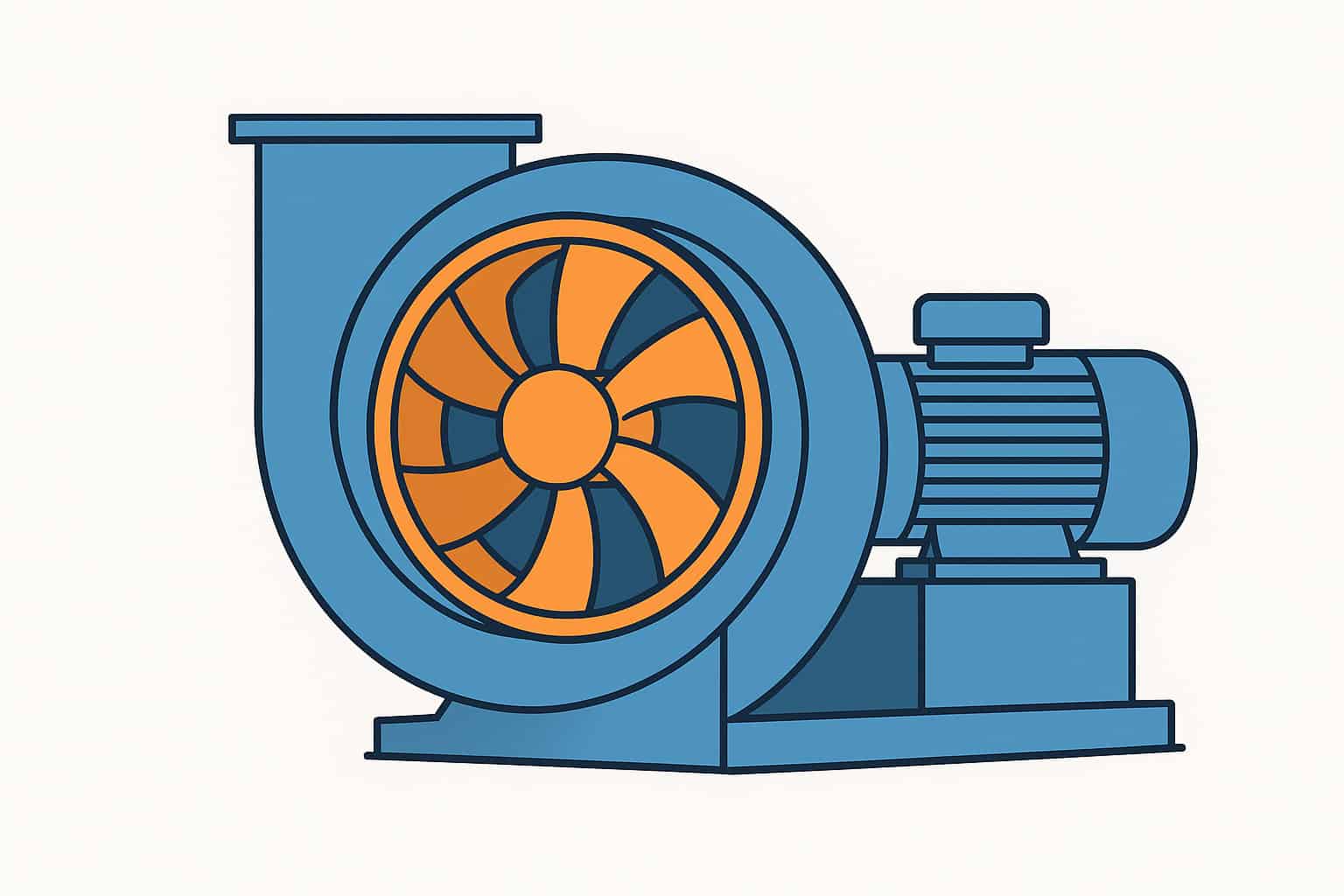
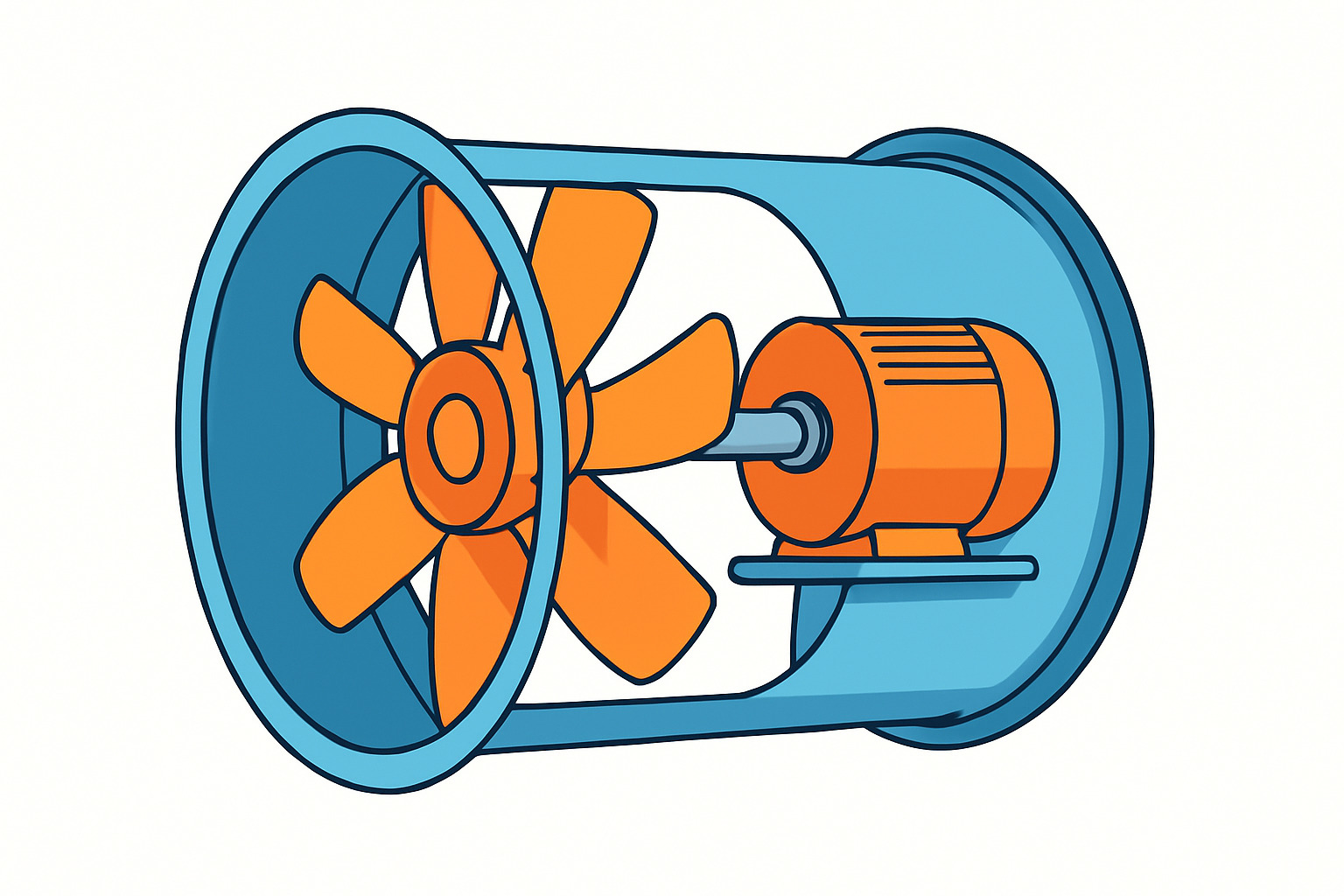
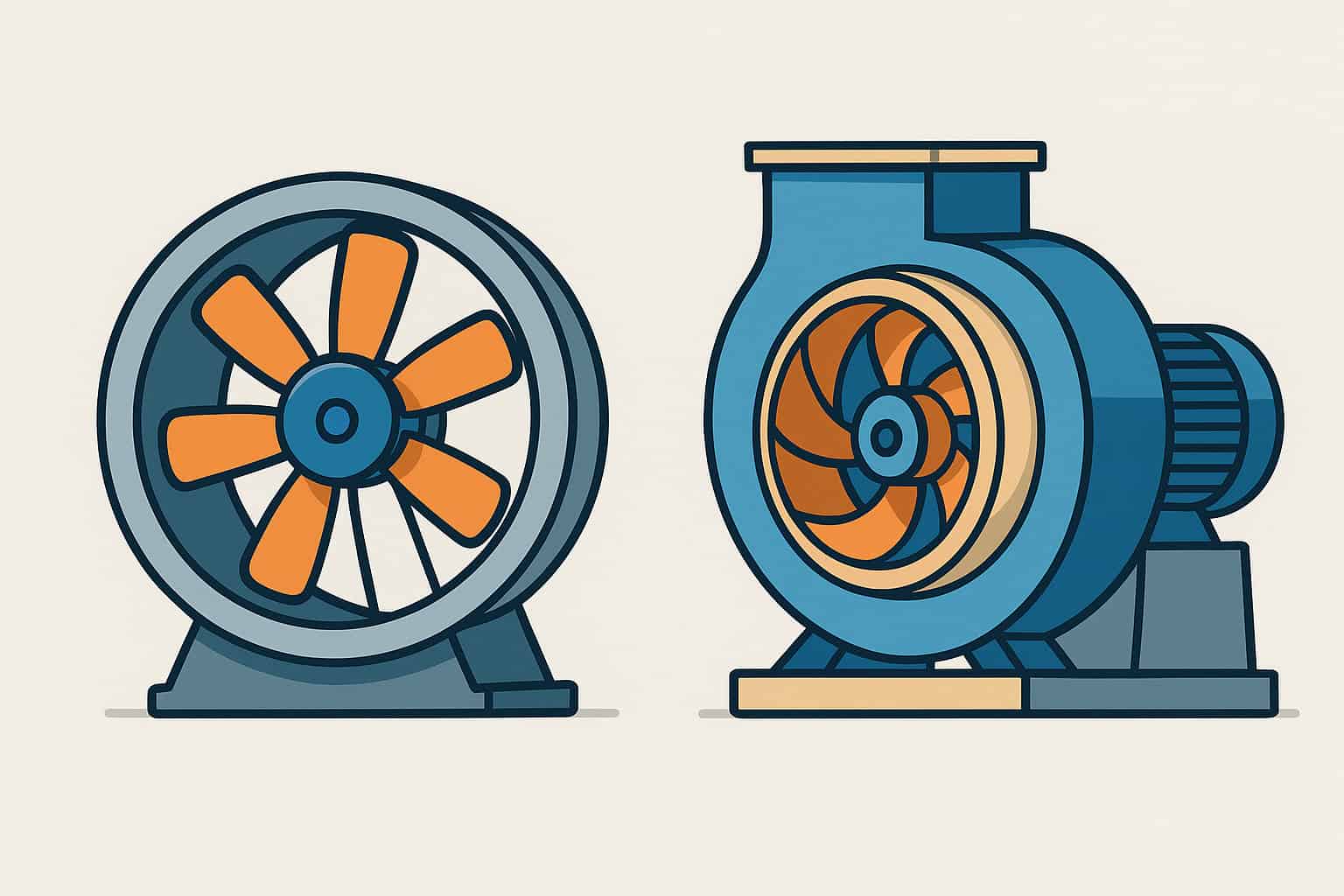
In mining and long industrial tunnels, designers may also use shaft-based systems where axial or centrifugal fans are installed at vertical shafts connected to the tunnel. These fans either push fresh air into the tunnel or pull exhaust air out, sometimes in combination with jet fans and local ducts. Special smoke extraction systems with high-capacity fans and dedicated ducts may be added for emergency fire scenarios.
In summary, the main types of tunnel ventilation systems are longitudinal, transverse, semi-transverse, jet fan based and shaft-based combinations. Each type offers different advantages in terms of cost, complexity, air quality and smoke control, and the final design is tailored to the specific tunnel project.
