
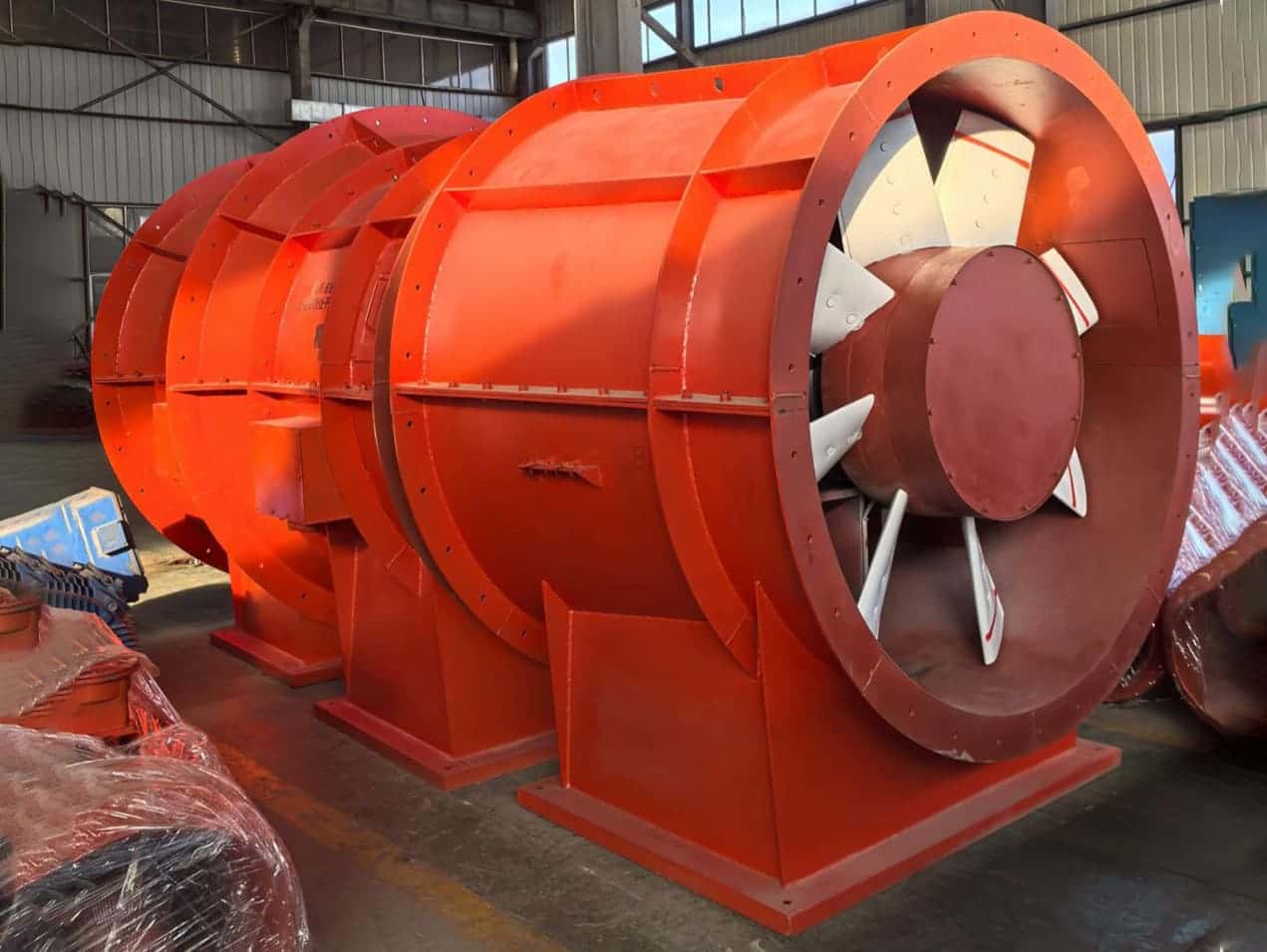
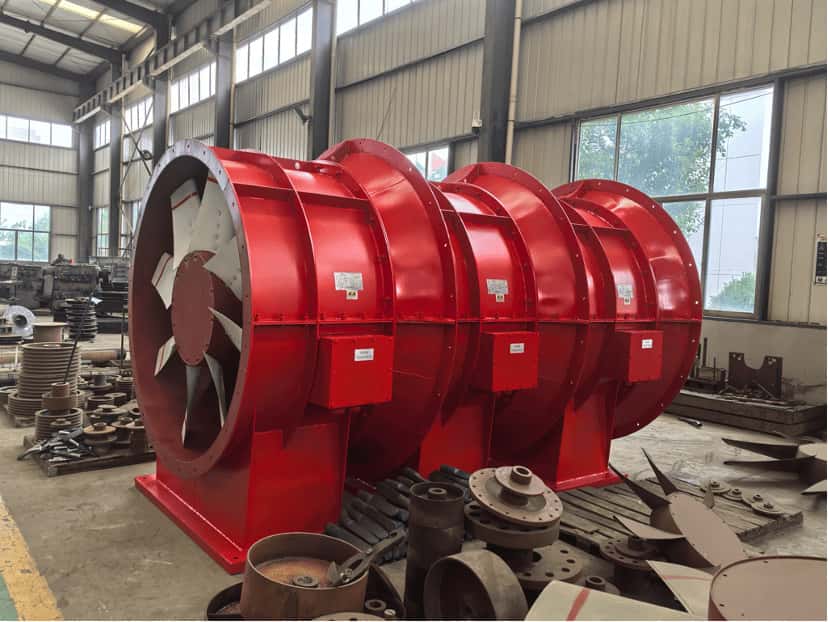
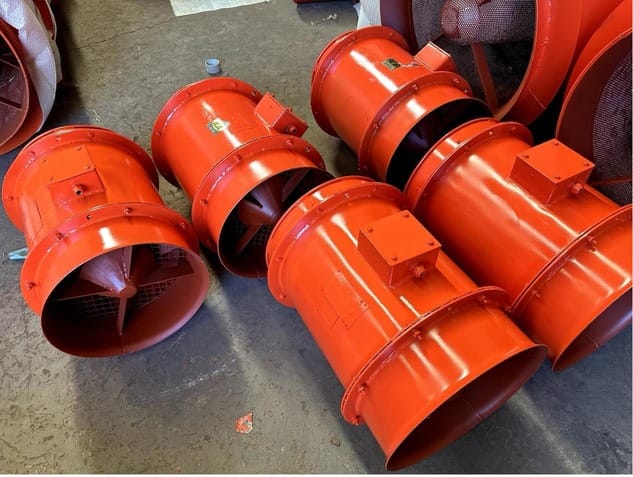
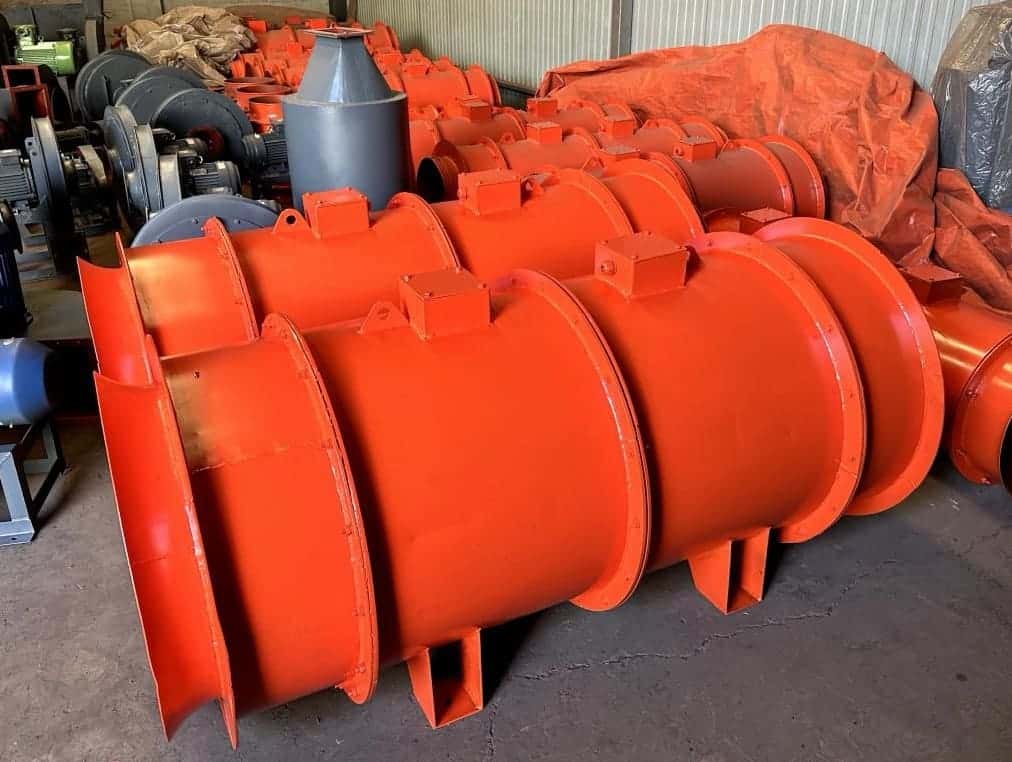
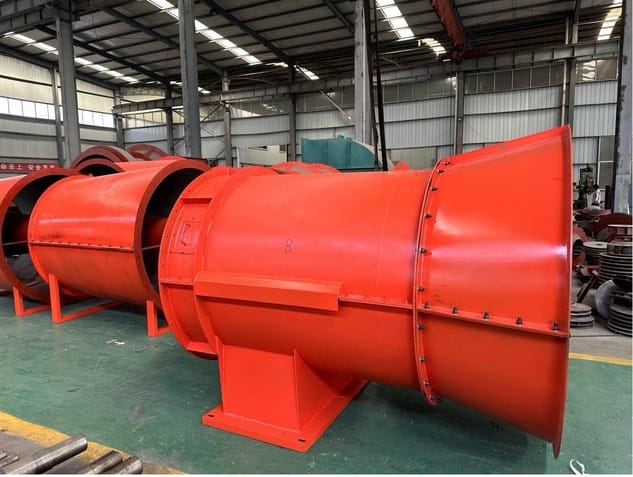
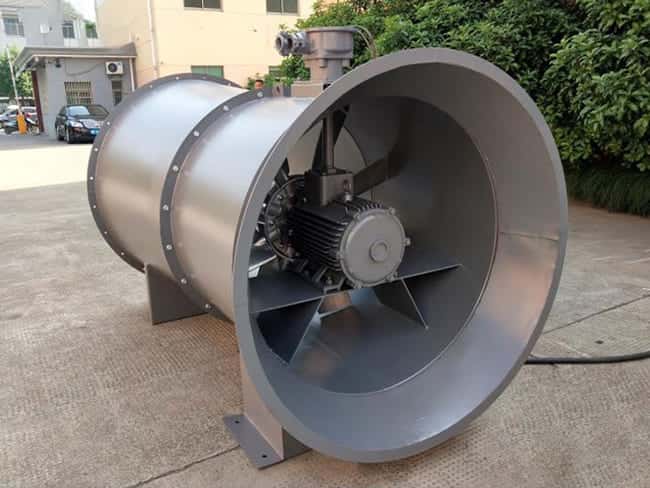
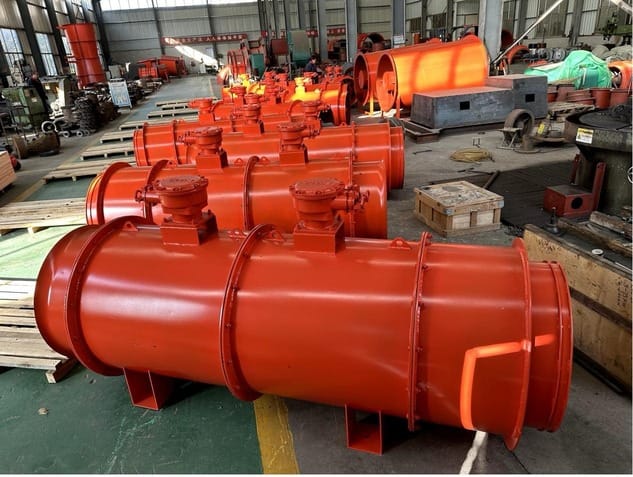
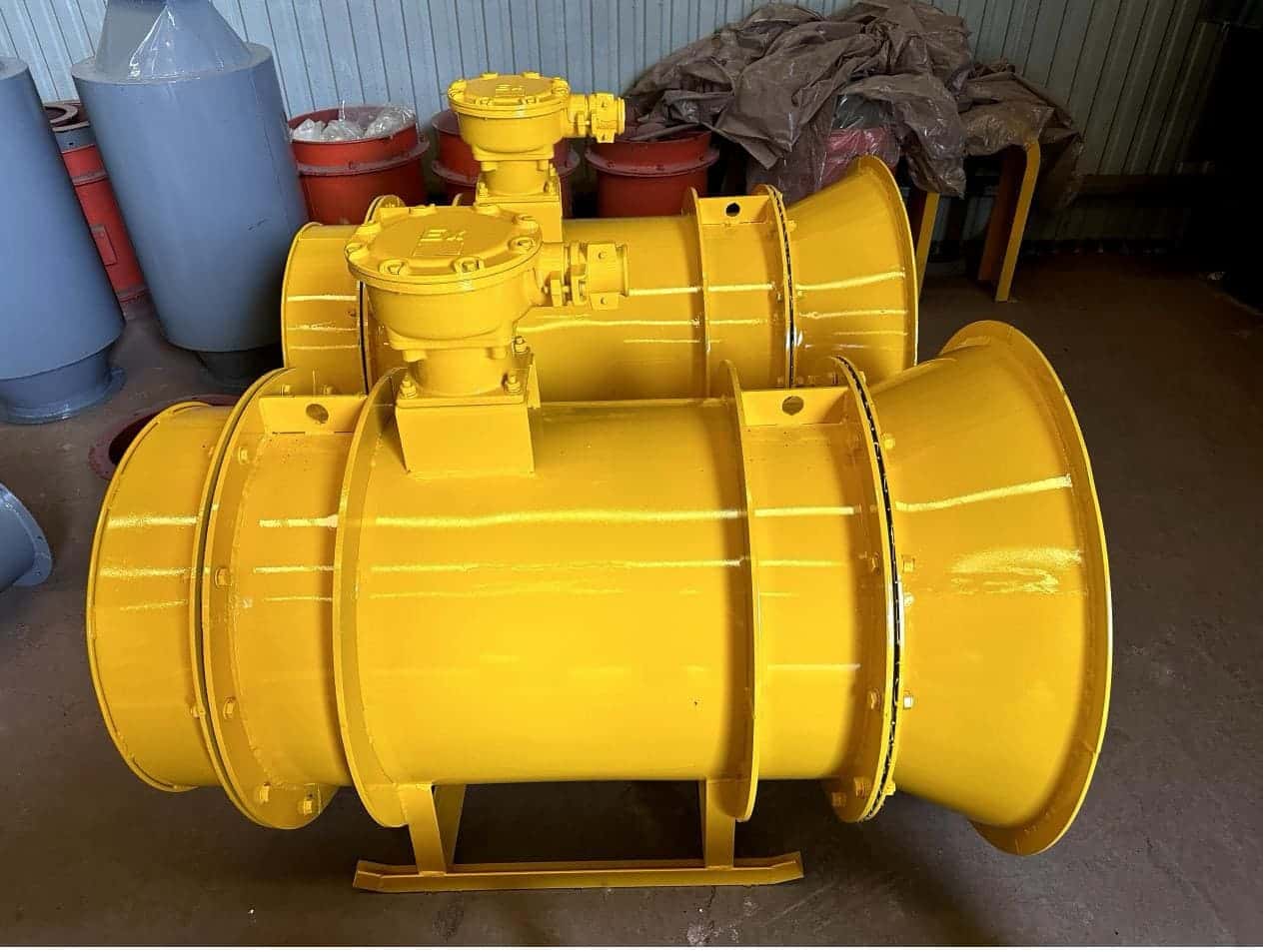

The different types of tunnel vents are the openings and structures that allow air to enter and leave a tunnel so that pollution, heat and smoke can be controlled. In road, rail and mining tunnels, ventilation is not just created by fans; it also depends on how vents and shafts are positioned along the route. Good vent design ensures that fresh air enters where it is needed and contaminated air is discharged safely to the atmosphere.
The most basic type is the portal vent at each end of the tunnel. The tunnel portals themselves act as large ventilation openings where air can flow in or out under the action of tunnel fans, jet fans and the piston effect of traffic. In short tunnels with moderate traffic, portals may provide a large part of the ventilation, with mechanical fans used only in congestion or emergency situations.
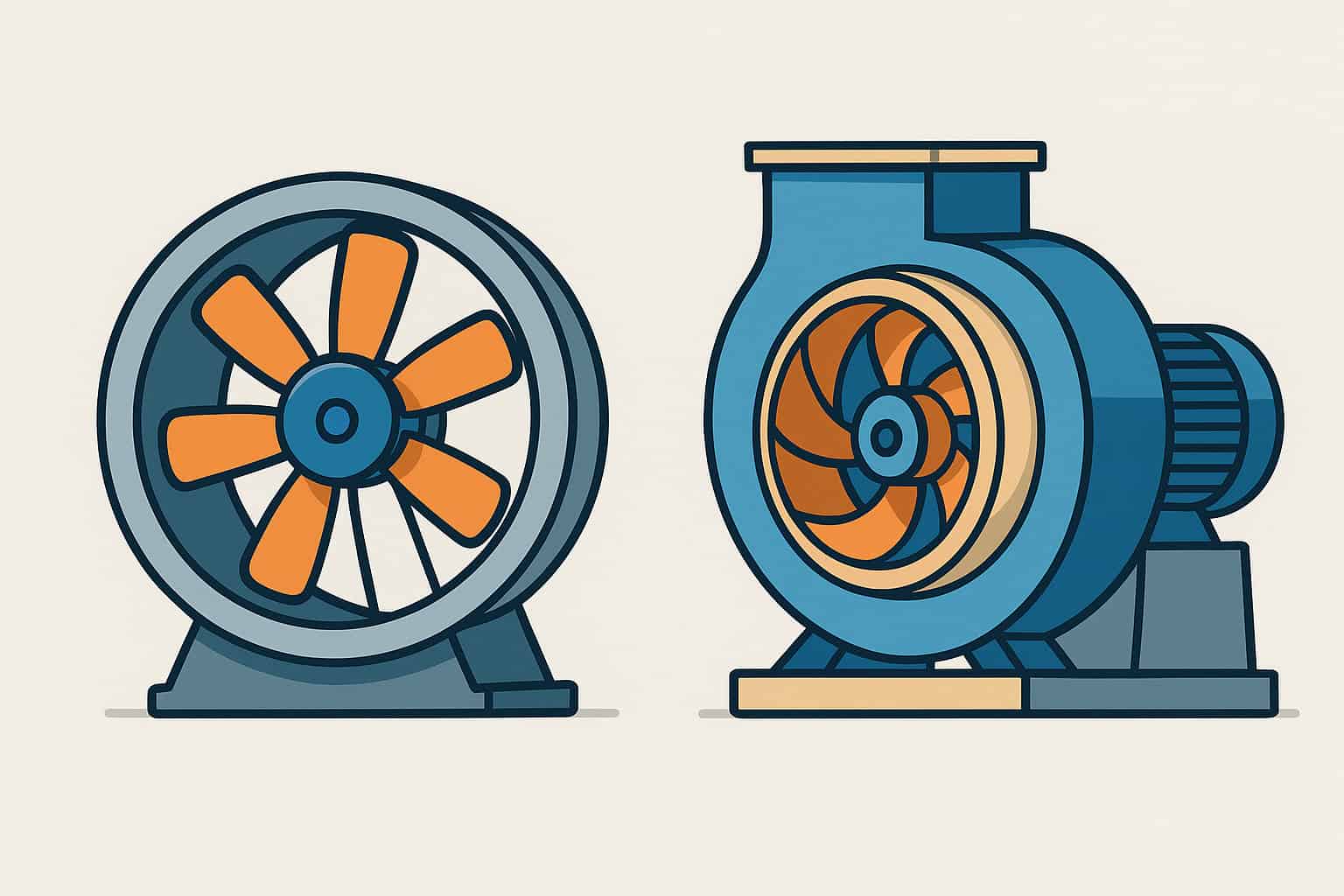
Longer tunnels typically use vertical ventilation shafts as additional vents. These are concrete or steel-lined shafts drilled from the surface down to the tunnel crown. Some shafts are designed as fresh air inlets equipped with axial or centrifugal supply fans, while others are exhaust shafts with extraction fans and silencers. By placing multiple shafts along the tunnel, designers can control where fresh air is introduced and where exhaust gases and smoke are released.
Another group of tunnel vents consists of distributed openings along ducts. In transverse or semi-transverse ventilation systems, fresh air flows through distribution ducts and enters the traffic space through regularly spaced supply vents in the sidewalls or ceiling. Exhaust ducts collect polluted air through similar vent openings. The size and spacing of these vents are carefully calculated so that air quality and velocity stay within design limits along the entire tunnel length.
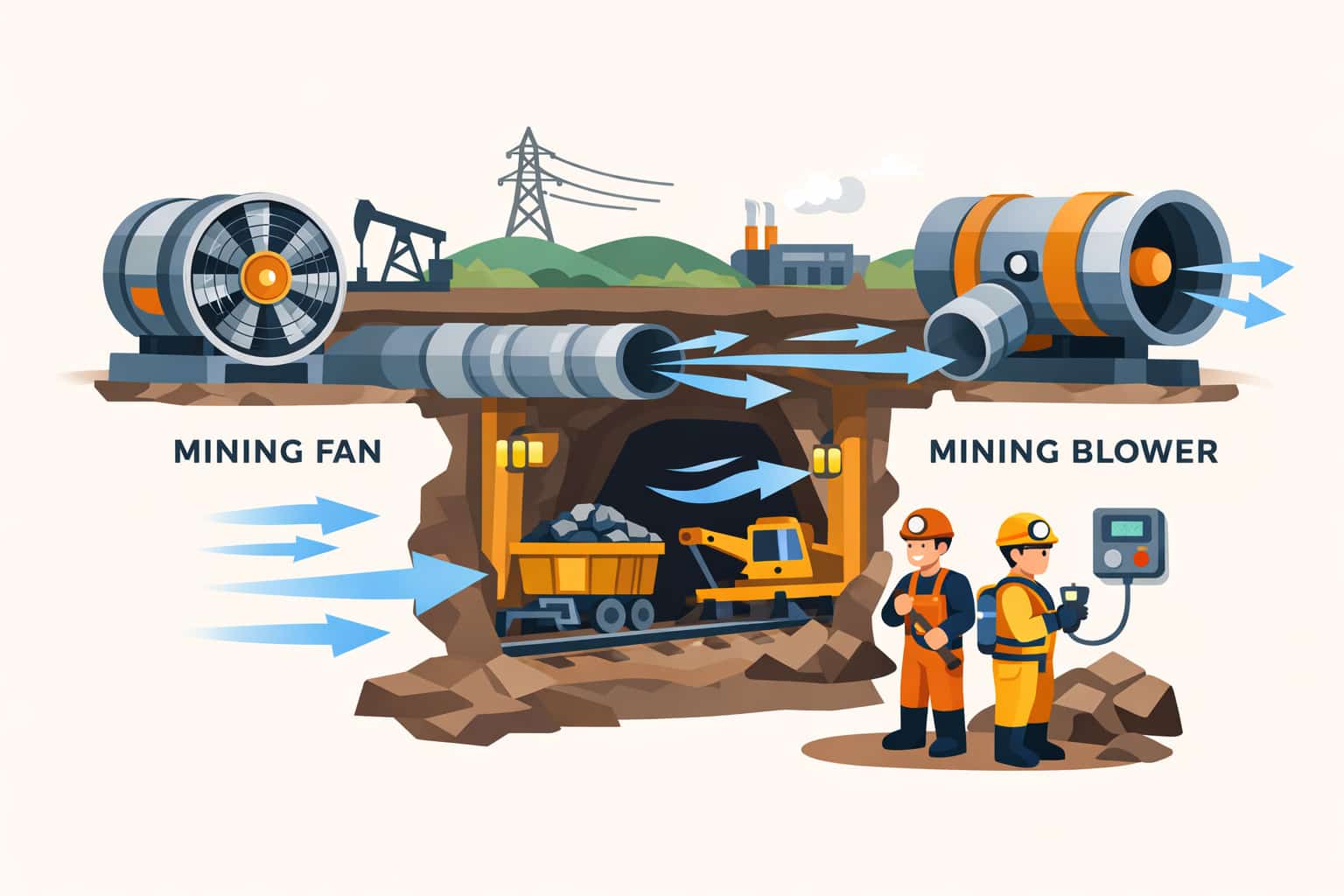
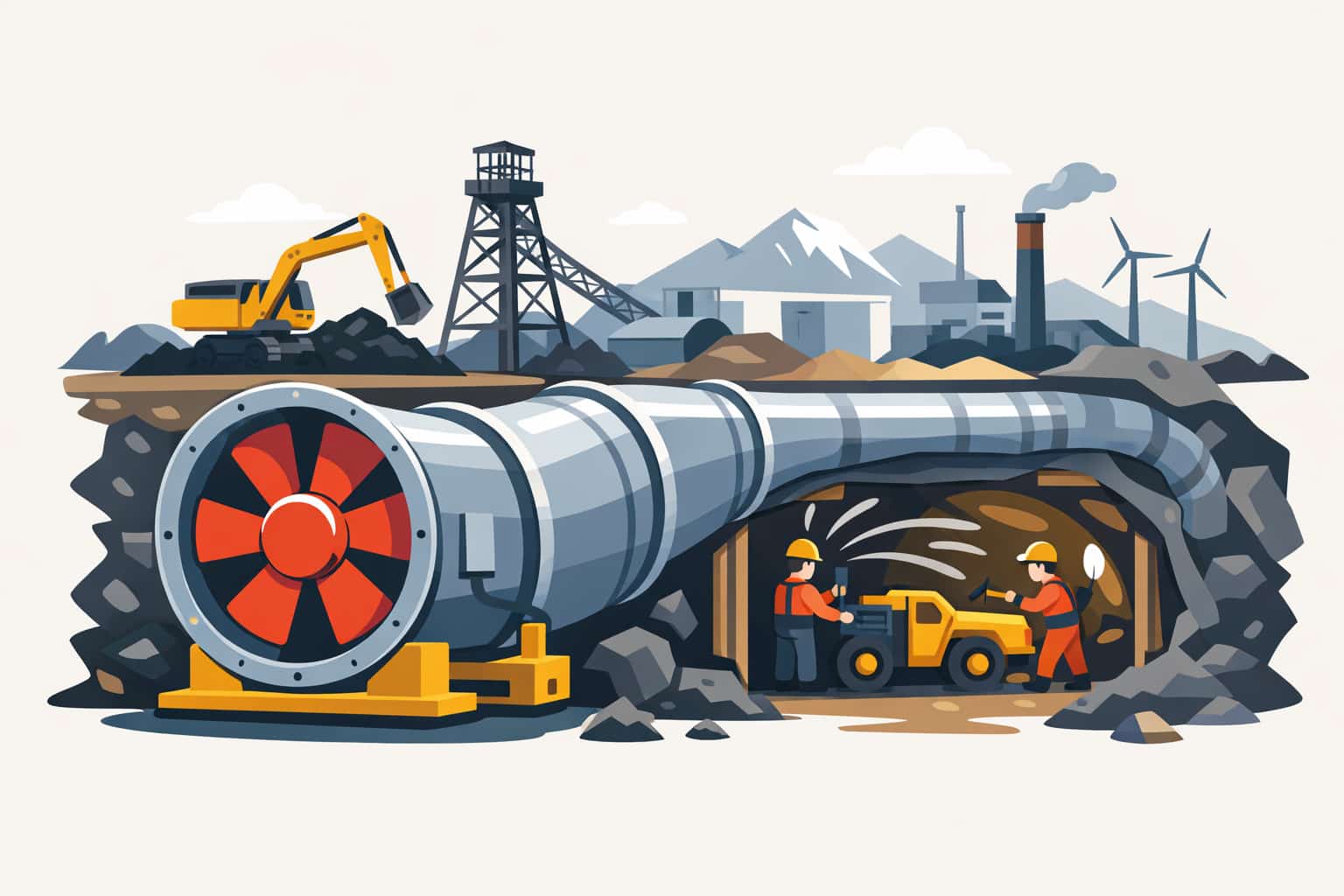
Some tunnels also use jet fan niches and recesses that act as small localized vents when combined with jet fans. Jet fans mounted near the crown blow air along the tunnel, and recesses or small shafts near these locations may be used to introduce outside air or to relieve excess pressure. In mining access tunnels, flexible duct outlets at faces can also be considered a form of tunnel vent, bringing fresh air close to working areas.
Finally, special emergency vents and smoke extraction points may be included. These vents, often equipped with high-capacity exhaust fans and dampers, are designed to operate mainly during fires or accidents. They can rapidly remove smoke from the tunnel or exhaust it in a controlled direction while keeping escape routes and cross passages as clear as possible.
In summary, the different types of tunnel vents include portals, vertical ventilation shafts, supply and exhaust vents connected to ducts, jet fan niches and dedicated smoke extraction vents. Together with tunnel fans and control systems, they form a complete ventilation system that supports safe traffic and effective emergency response.