












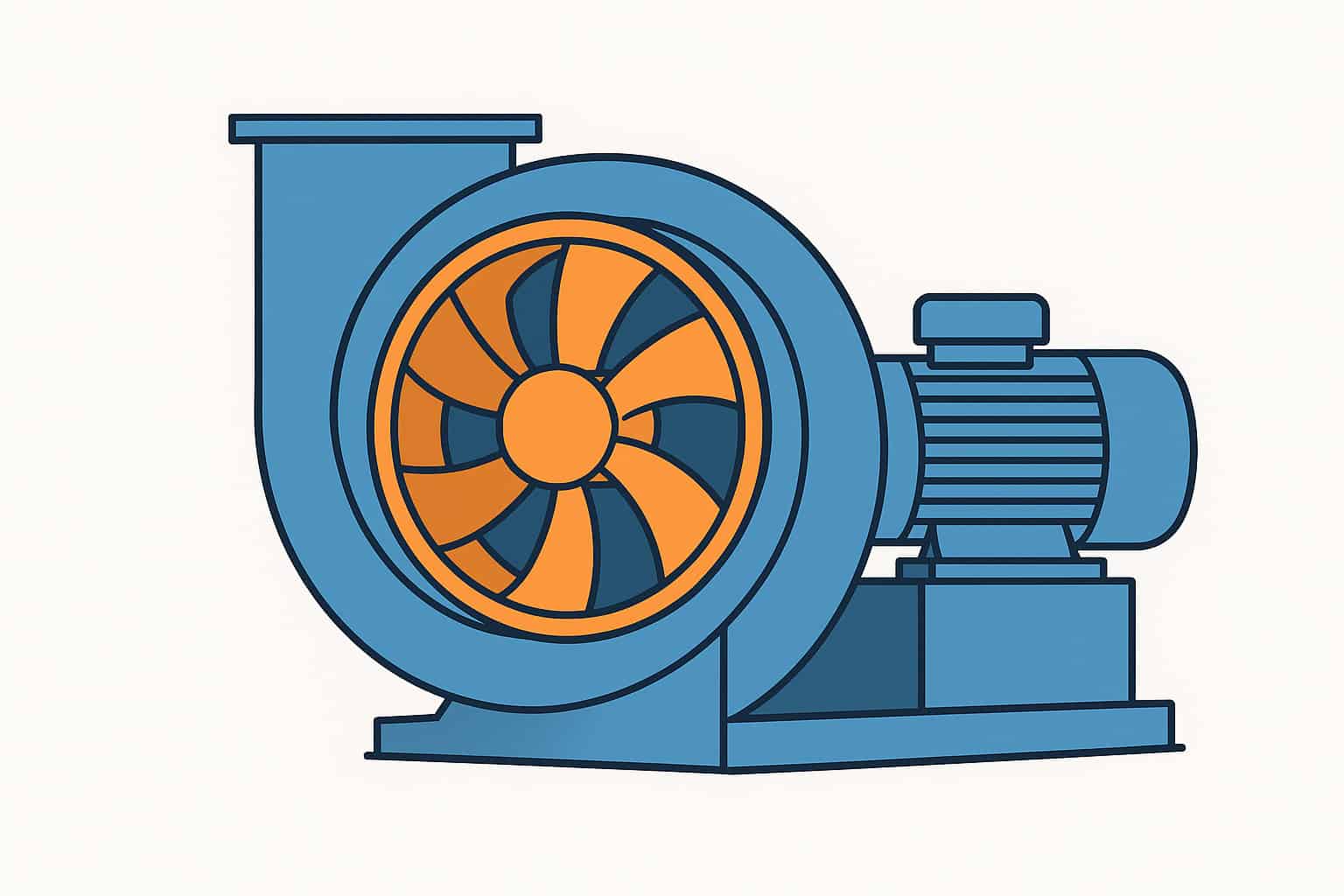
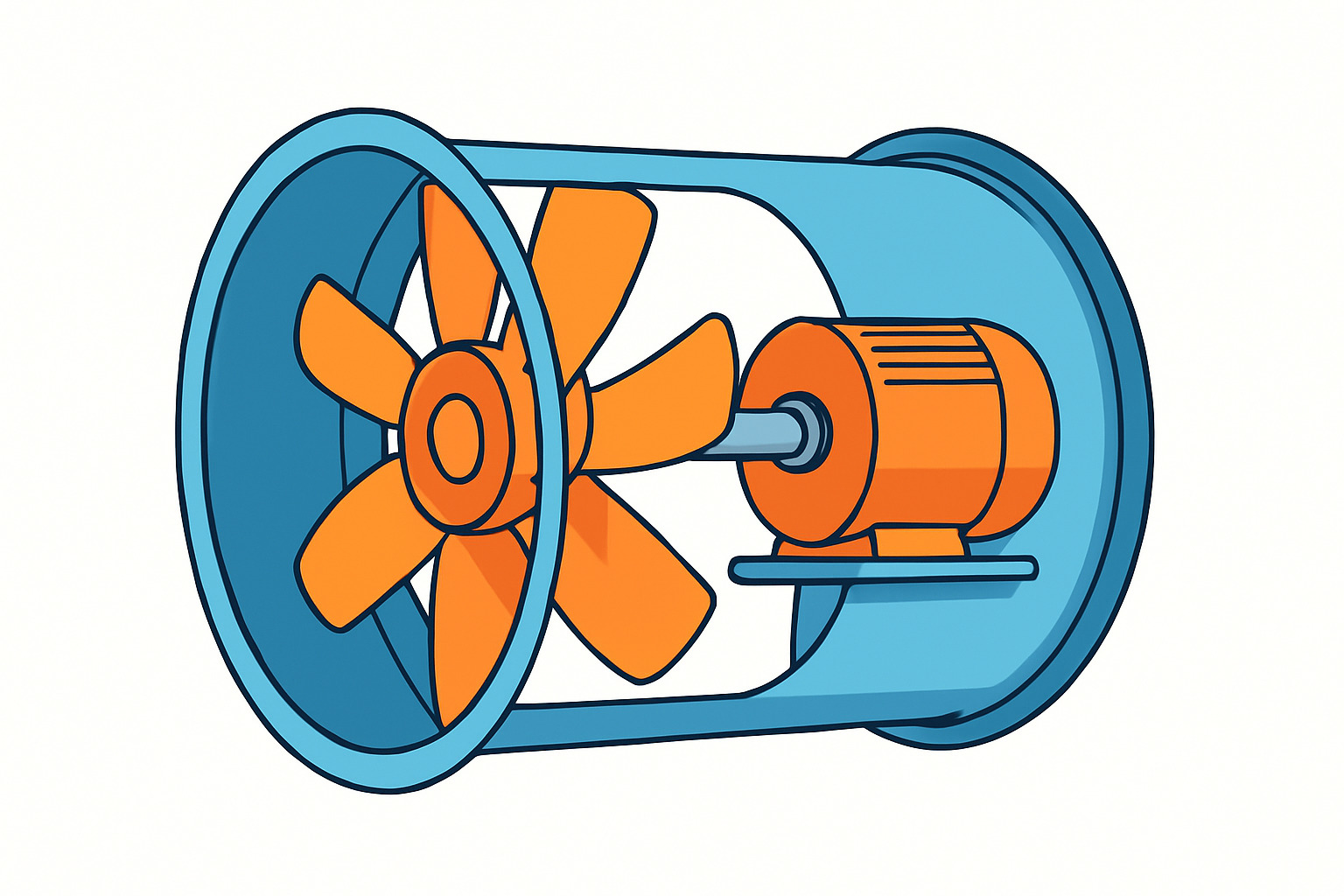
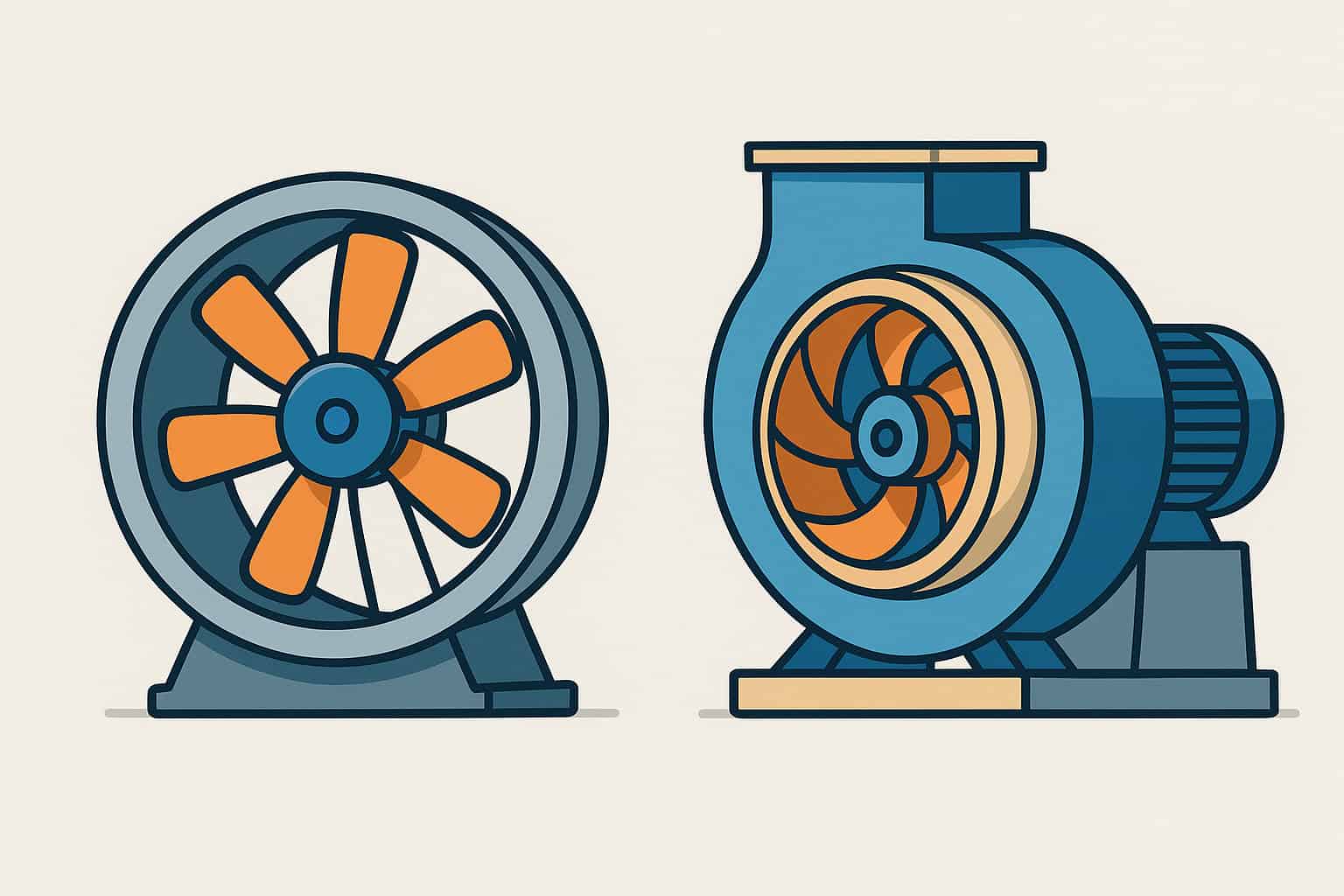
The different types of ventilation in mines are usually described by how air is generated, how it is distributed, and what part of the mine it serves. In practice, most underground operations use several ventilation types at the same time to keep air clean, cool, and compliant with safety regulations in all workings.
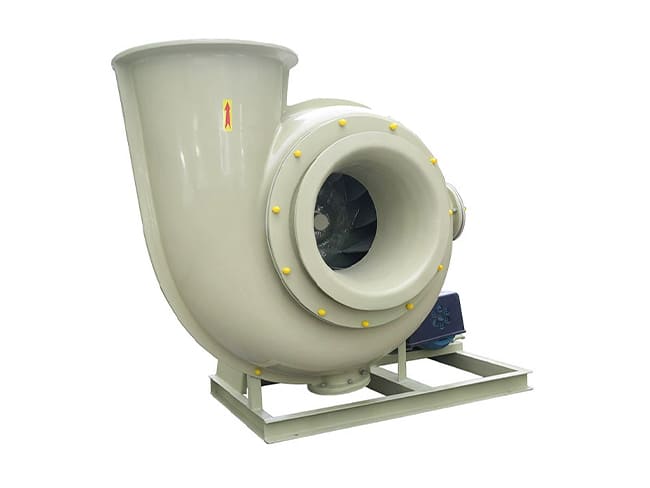
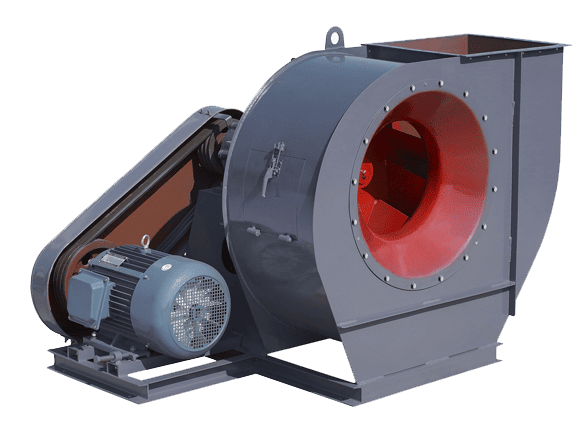
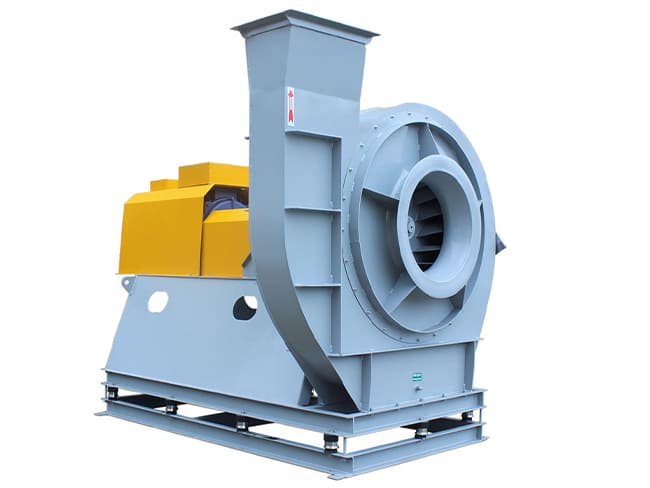
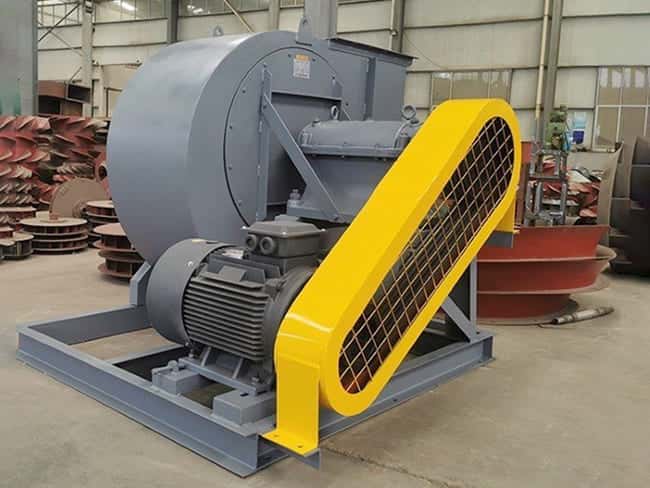
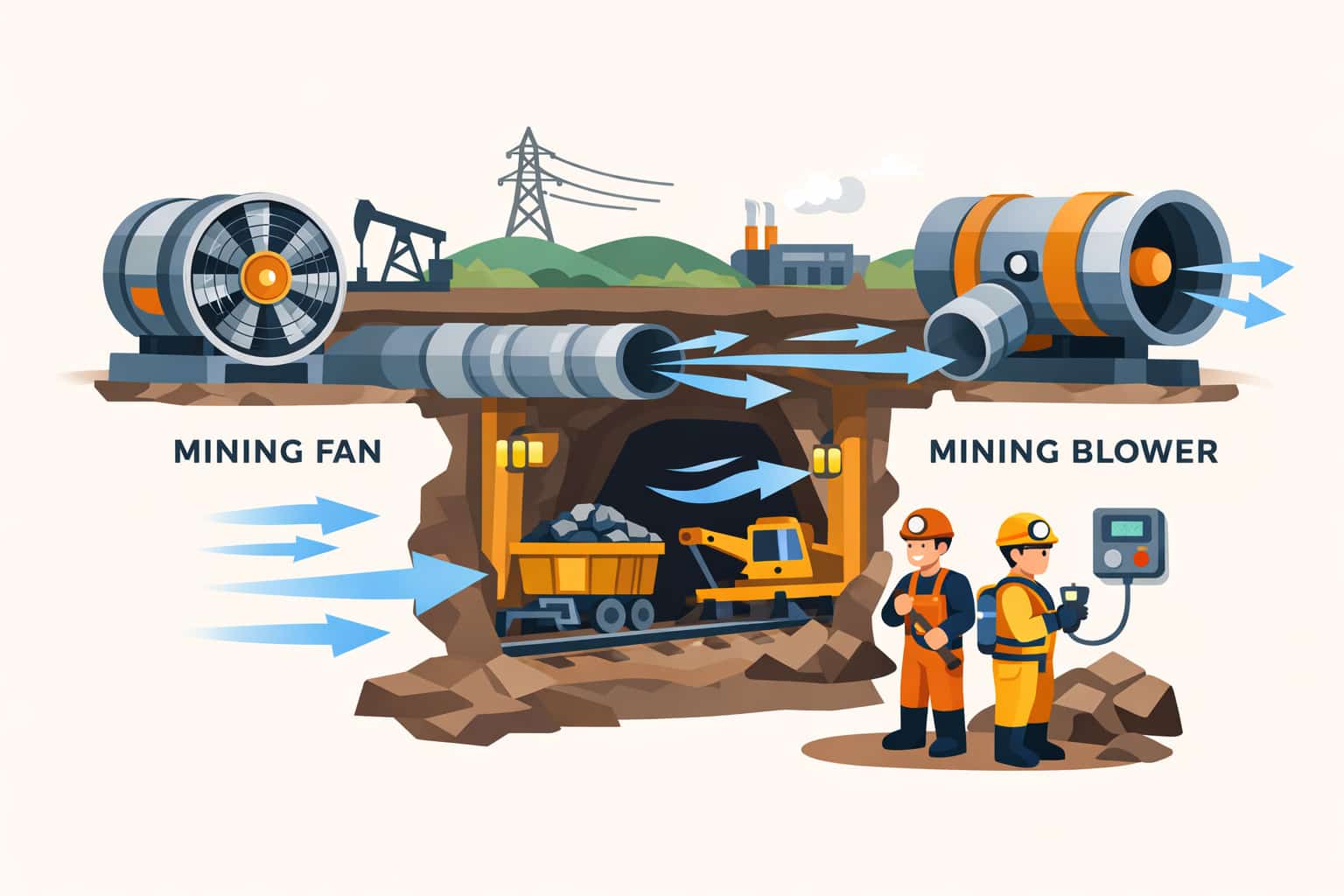
The broadest distinction is between natural and mechanical ventilation. Natural ventilation relies on temperature and pressure differences between surface openings to create airflow, but it is weak and unpredictable. Modern mines therefore depend on mechanical ventilation, where ventilation plant and air-moving equipment provide the pressure needed to move air through shafts, declines, and drifts in a controlled way.
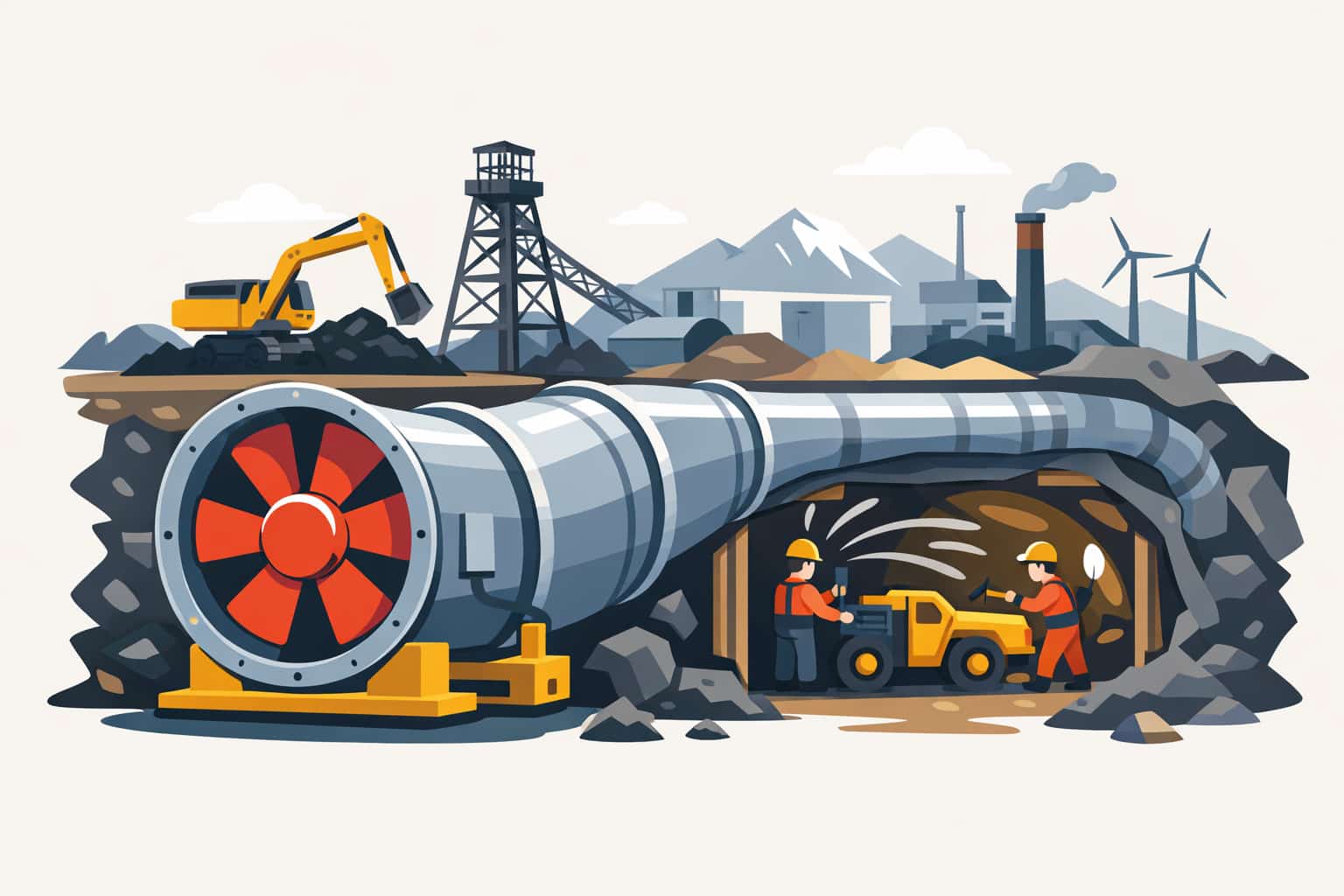
Within mechanical ventilation, engineers talk about primary (or main) ventilation and secondary (or auxiliary) ventilation. Primary ventilation is the mine-wide system driven by main ventilation installation and major intake and return airways. It supplies fresh air to all levels and districts and removes used air back to the surface. Secondary (auxiliary) ventilation extends airflow into headings and blind ends using local ventilation units and ducting.
Another way to classify mine ventilation is by airflow arrangement: forcing, exhaust, or mixed systems. In a forcing system, intake fans push fresh air into the mine, raising pressure in intake airways. In an exhaust system, fans pull air out of return airways, creating a slight negative pressure underground. Mixed systems use combinations of intake and exhaust fans at different shafts or raises to shape the overall pressure distribution and airflow patterns.
Ventilation can also be described by air distribution methods. In main airways, airflow generally follows the development of the mine, running through drifts, ramps, and raises. In local headings, ducted auxiliary ventilation is common. Flexible or steel ducts connected to auxiliary fans either push fresh air to the face (forcing auxiliary ventilation) or pull contaminated air away from the face (exhaust auxiliary ventilation). The choice depends on gas behavior, dust control needs, and practical layout constraints.
As mines become larger and more automated, some operations implement ventilation on demand. This is still mechanical ventilation, but fan speeds and regulators are adjusted dynamically based on real-time data about where people and equipment are working. It is often layered on top of the primary and auxiliary systems to save energy while keeping safety margins.
In summary, the main types of ventilation in mines can be grouped as natural versus mechanical, primary versus auxiliary, forcing versus exhaust, and traditional fixed-flow versus ventilation on demand. A well-designed mining ventilation system combines these approaches so that each part of the mine receives the air quality and quantity it needs.
