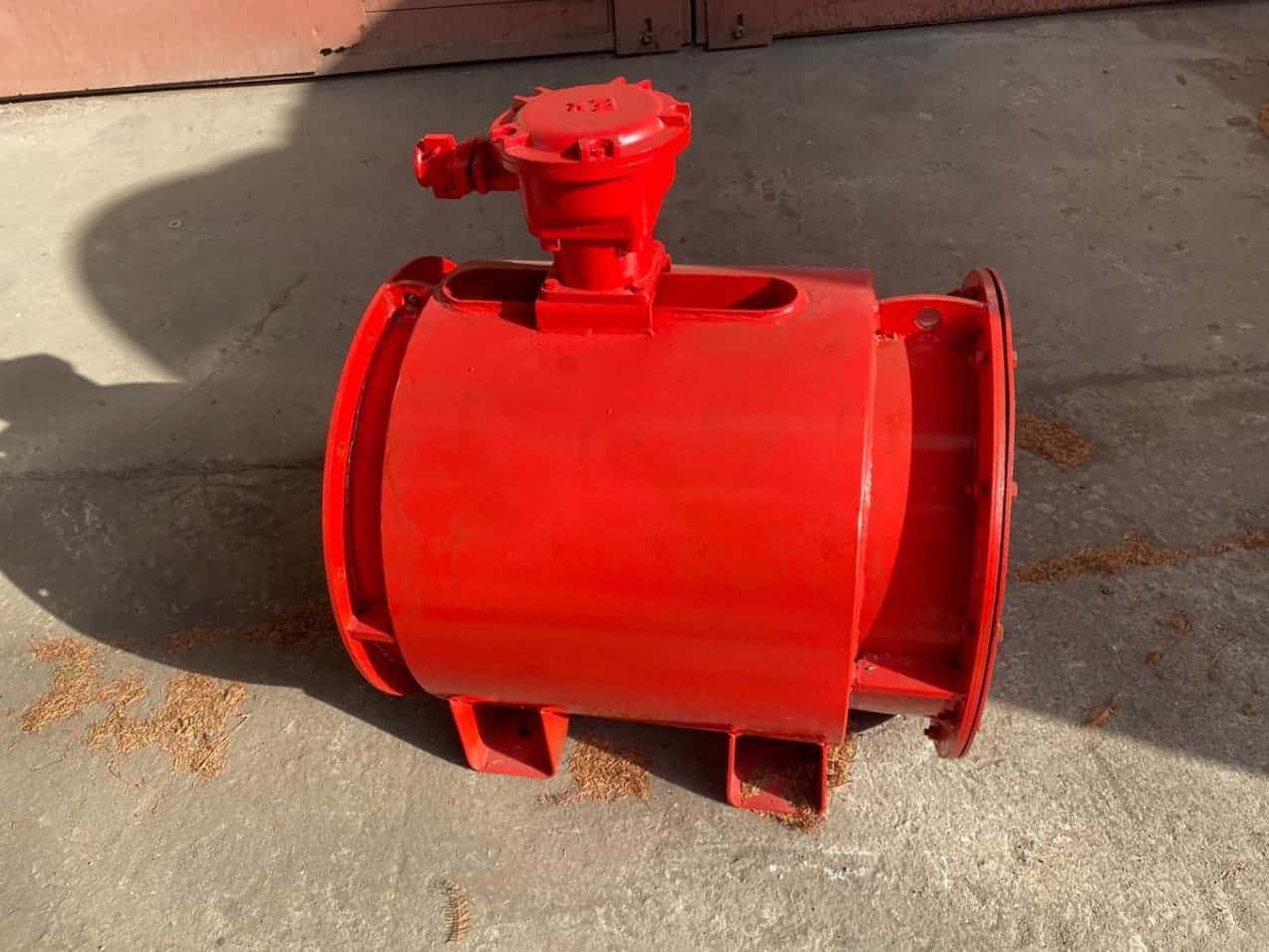
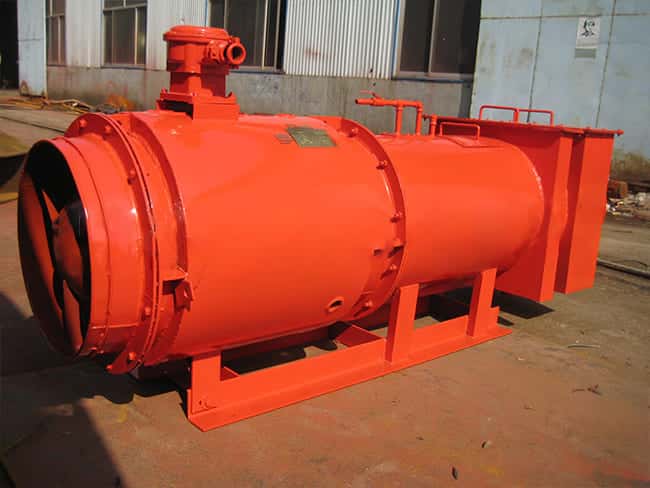
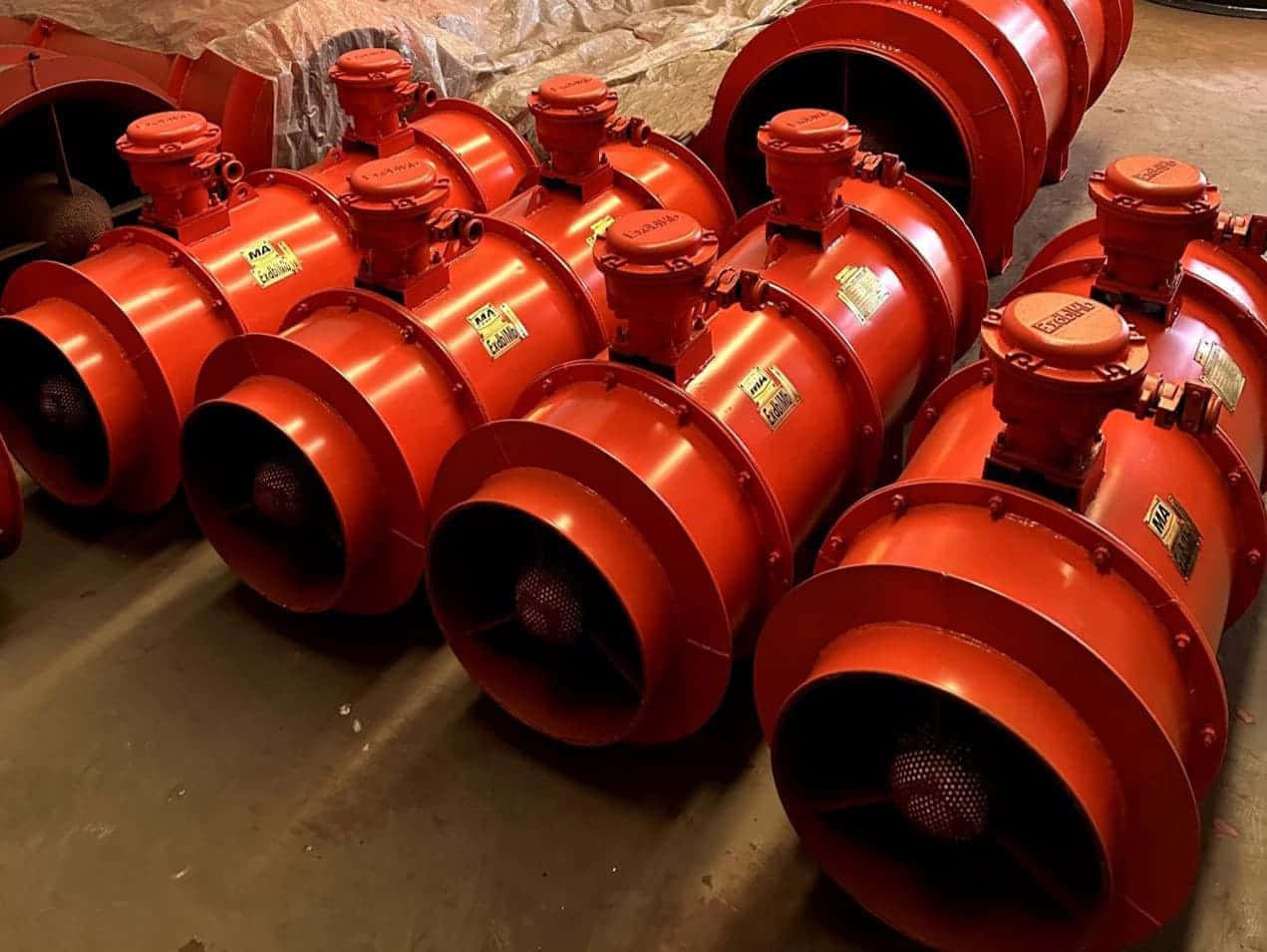
A heat blower—a unit that combines a heater with a blower fan—can be very useful for quickly warming work areas, equipment and temporary enclosures. However, in industrial and mining environments it also has important disadvantages that must be understood before using it as a primary solution for temperature control or ventilation.
The first disadvantage is high energy consumption. Electric or fuel-fired heat blowers concentrate heat in a relatively small air stream, which can be convenient but energy intensive. If used for long periods or to heat large spaces, operating costs can become significant compared with well-designed central heating or properly sized ventilation heating systems. In mines and large plants, relying heavily on portable heat blowers can lead to very high power demand and uneven temperature distribution.
Another drawback is uneven and localised heating. A heat blower delivers a strong jet of hot air in one direction. People and equipment directly in the stream may become very warm, while the rest of the room remains cool. This can create uncomfortable temperature gradients and poor overall thermal comfort. In underground headings, it may also lead to hot spots close to the blower while remote areas remain cold.
Heat blowers can also cause low humidity and dry air. Continuous hot air blowing can reduce relative humidity in enclosed spaces, leading to dry skin, throat irritation and static electricity problems. In some processes, very dry air can increase dustiness or affect material properties. Additional humidification or ventilation may be required to maintain acceptable air quality.
Noise and air movement are further disadvantages. Heat blowers often use high-speed fans to push air through heaters, which can generate significant noise and drafts. This may be acceptable for short-term use, but in continuous operation it can be tiring for workers and may violate workplace noise limits unless acoustic treatment or distance is used.
There are also safety and air quality risks. Fuel-fired heat blowers can produce combustion products such as carbon monoxide and nitrogen oxides. If they are used in confined spaces without adequate fresh-air supply and exhaust, dangerous gas concentrations can build up. Even electric heat blowers can overheat or ignite nearby combustible materials if placed too close to plastics, dust deposits, packaging or textiles. Proper clearances, ventilation and regular maintenance are essential.
Finally, heat blowers can disturb airflow patterns in controlled ventilation systems. A strong hot jet can interfere with planned air distribution, short-circuiting exhaust paths or carrying dust into sensitive areas. In mines and process plants, using portable heat blowers without considering the overall ventilation design can reduce the effectiveness of dust and fume control.
In summary, the disadvantages of a heat blower include high energy use, localised and uneven heating, dry air, noise, draft, potential safety hazards and possible disruption of ventilation patterns. Heat blowers are best used as temporary or local supplements to a well-designed industrial or mining ventilation and heating system, not as the only solution.