

While a well-designed ventilation system is essential for safety and comfort, it also has several disadvantages and drawbacks that building owners, industrial operators and mine managers must consider. These disadvantages do not mean ventilation should be avoided, but they highlight the need for good design, careful installation and ongoing maintenance.
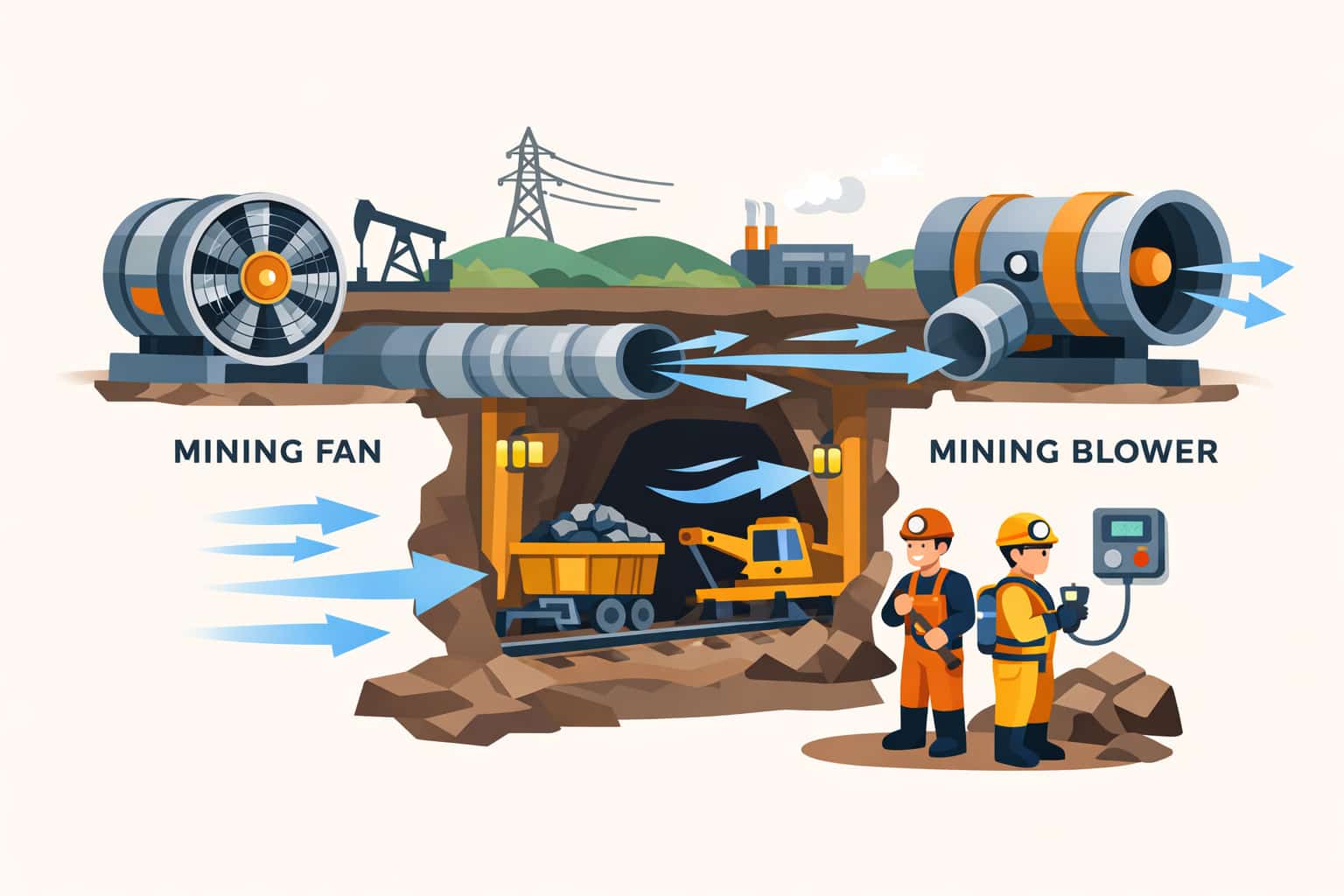
One of the main disadvantages is energy consumption. Mechanical ventilation relies on fans, motors and sometimes air-conditioning equipment to move and condition large volumes of air. In industrial plants and underground mines, main fans can be very powerful and run continuously, consuming substantial electrical energy. Poorly designed ductwork, excessive pressure losses and inefficient fan selection can all increase energy use and operating costs.
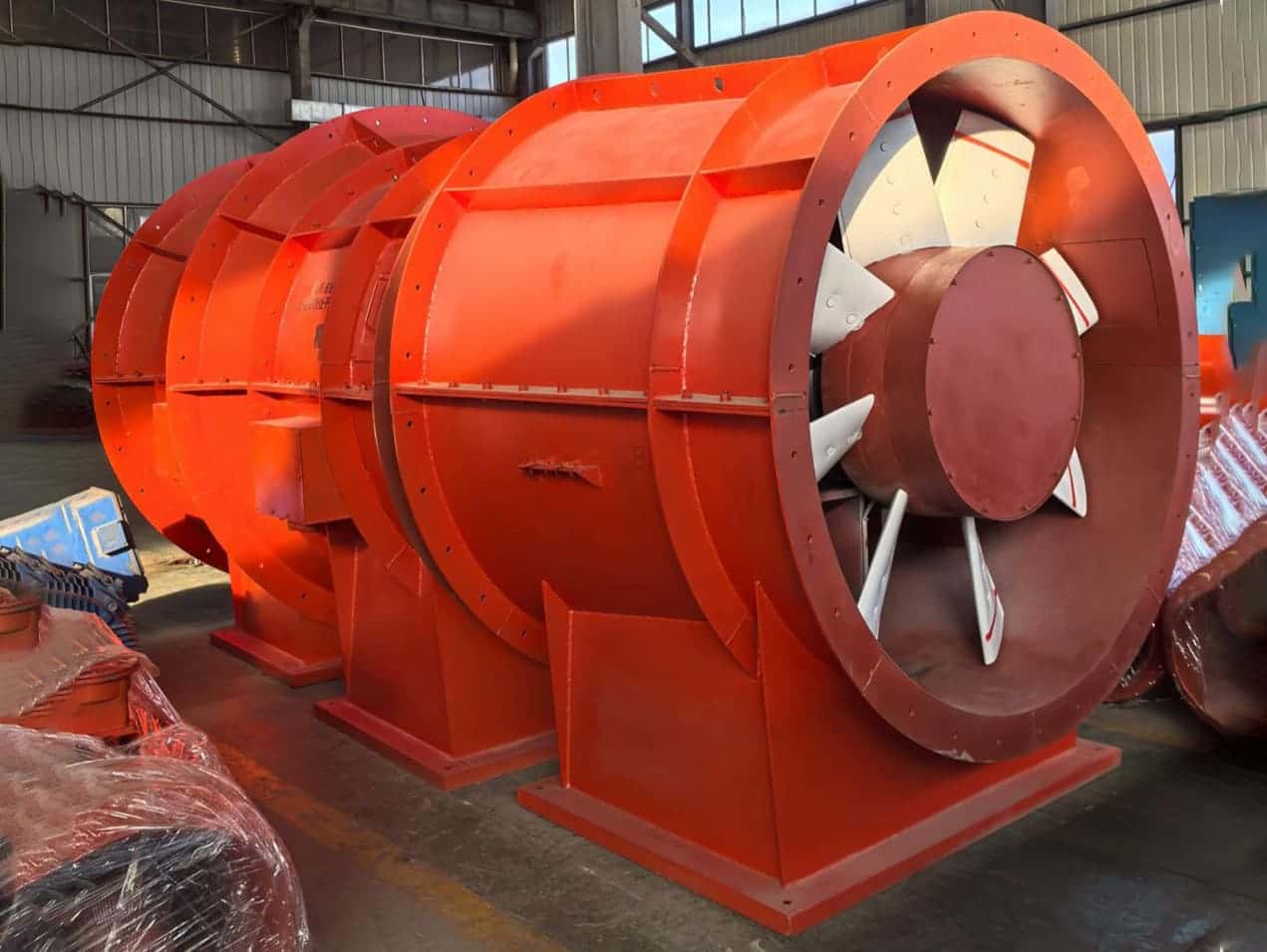
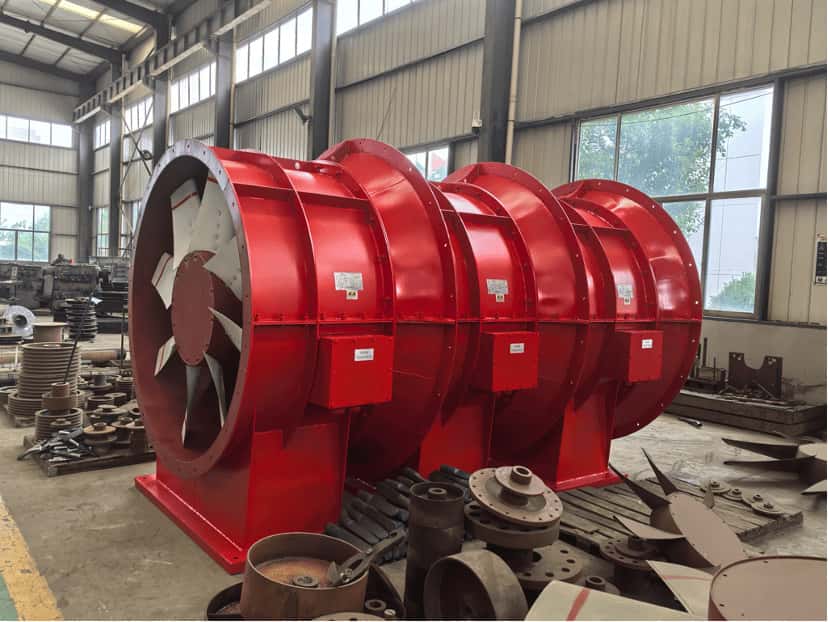
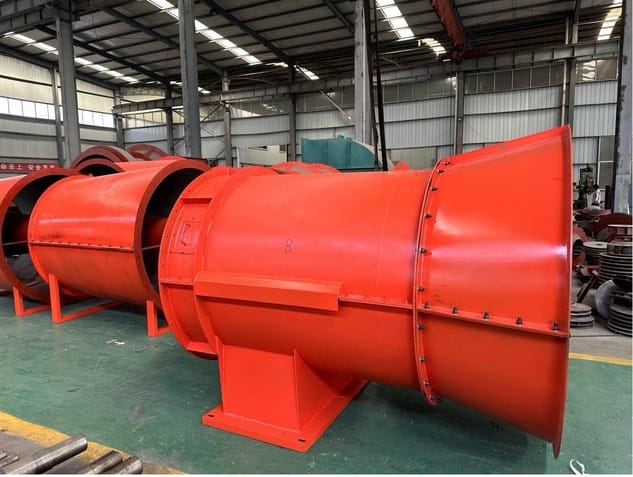
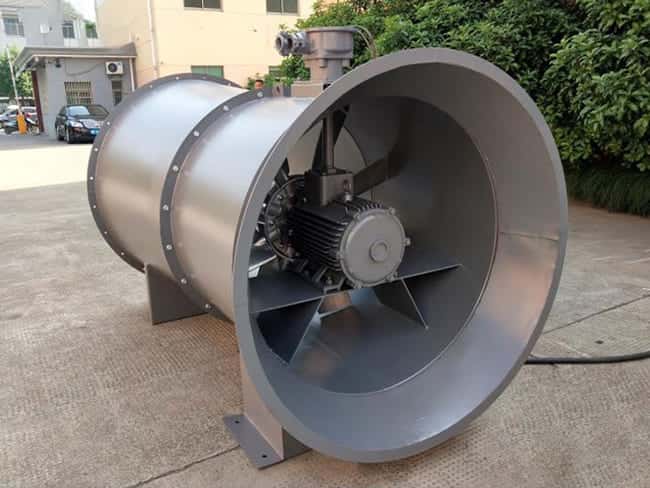
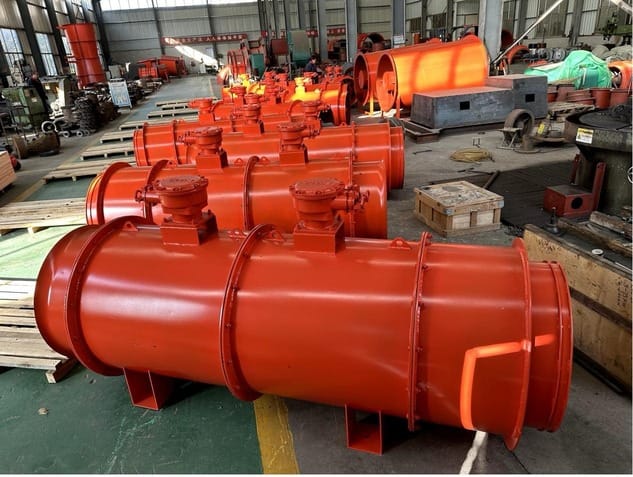
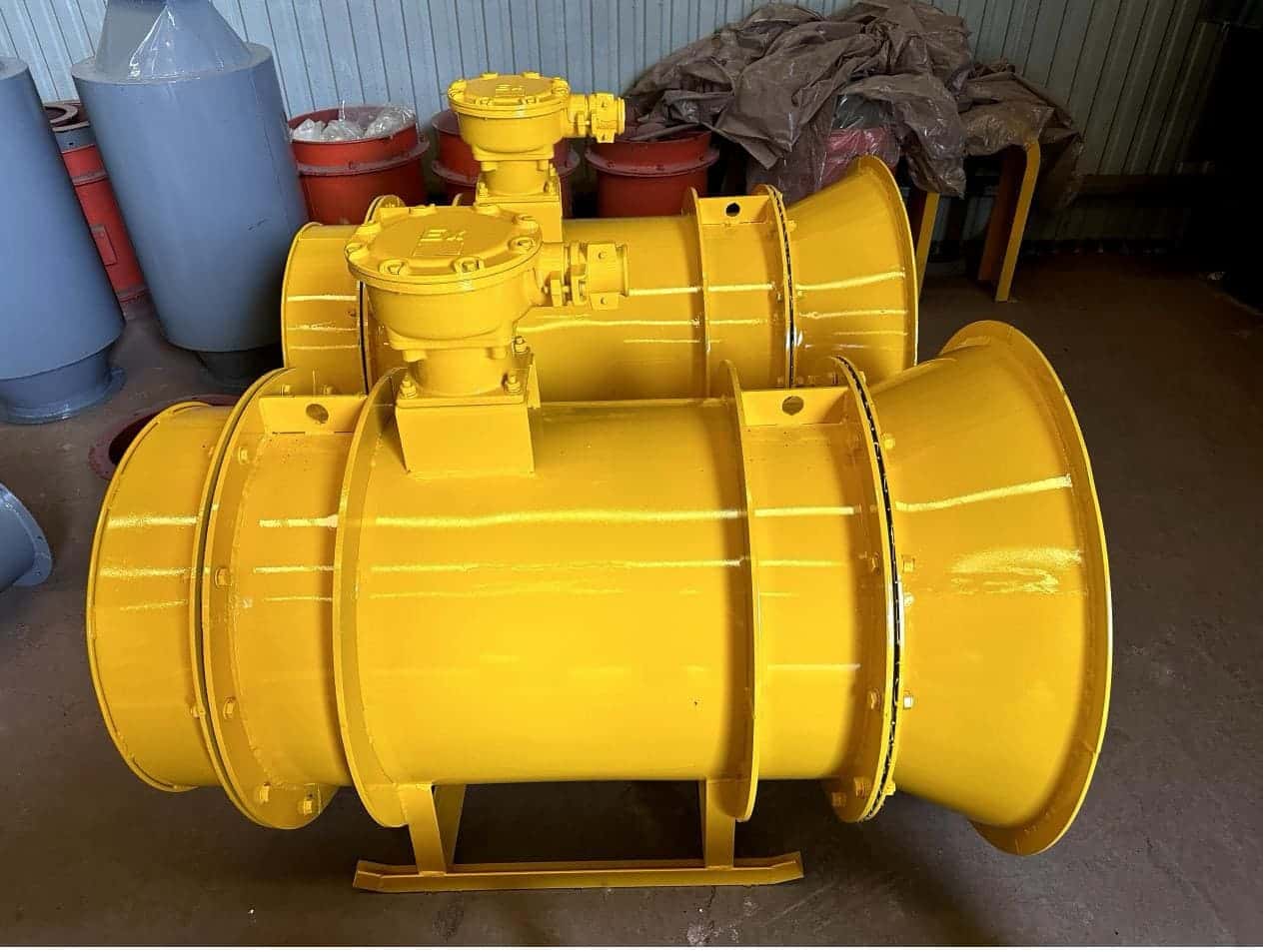
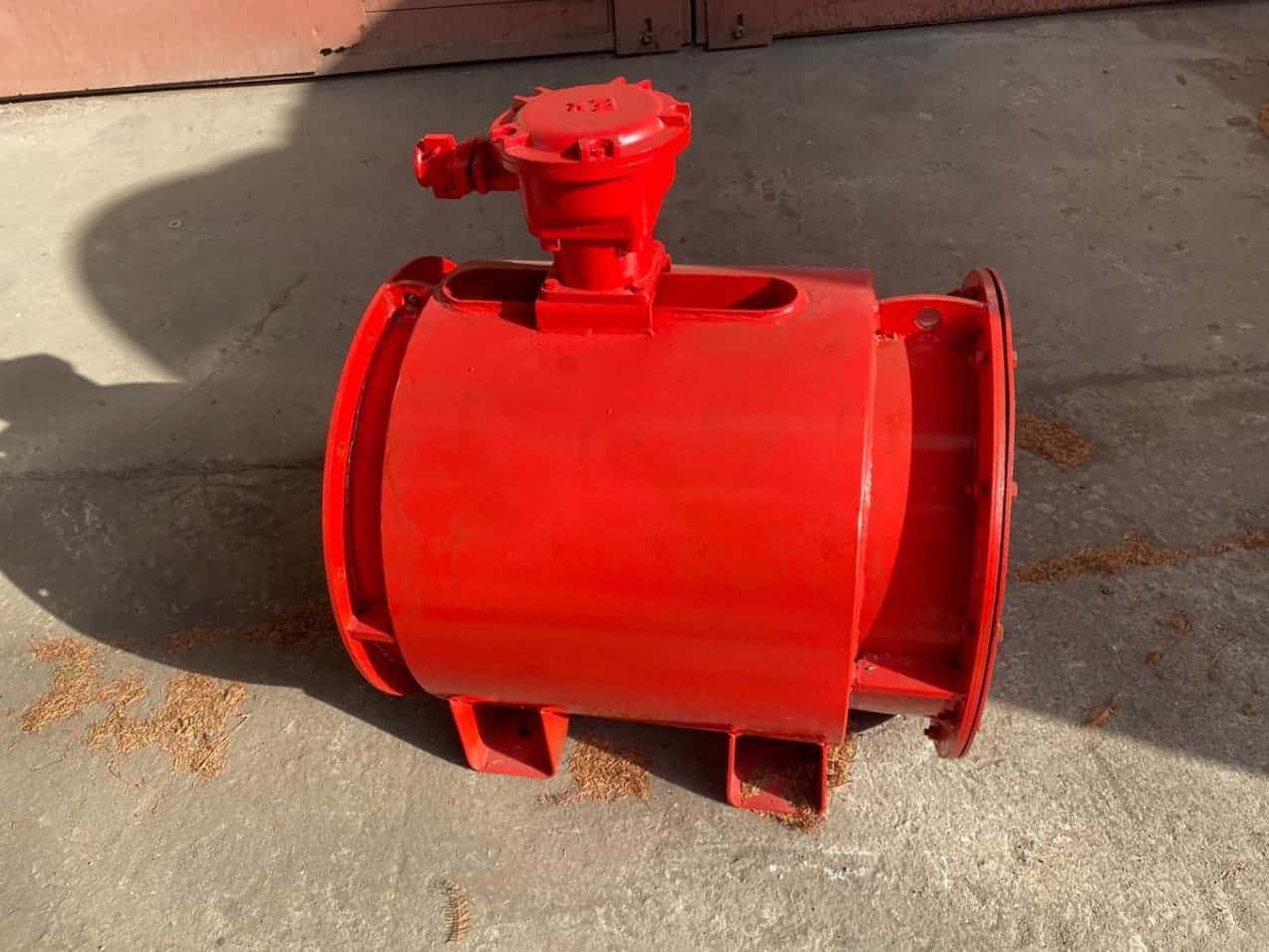
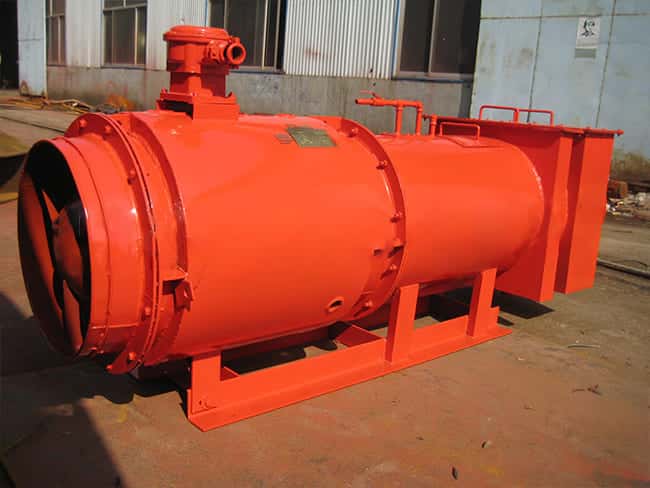
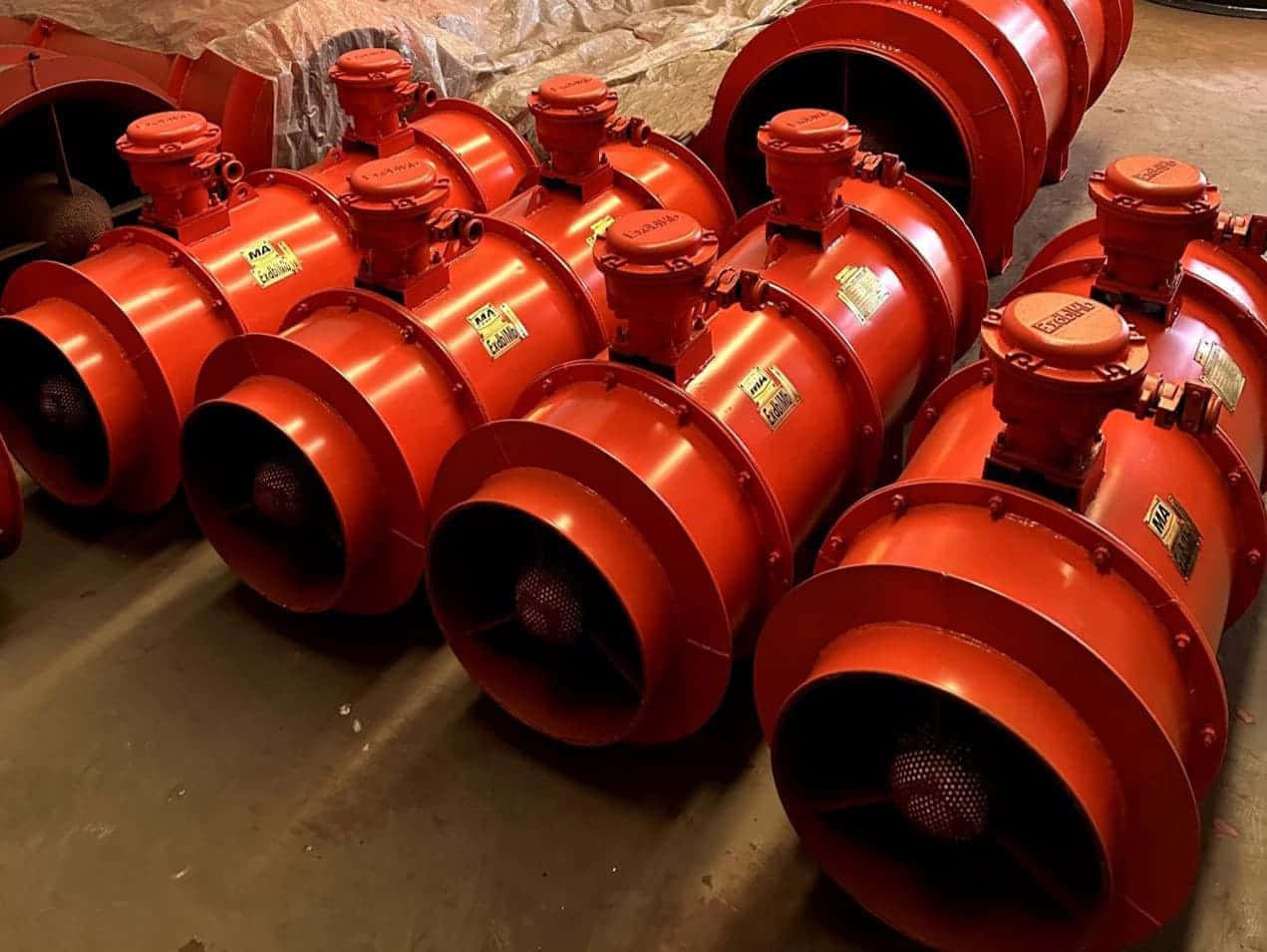
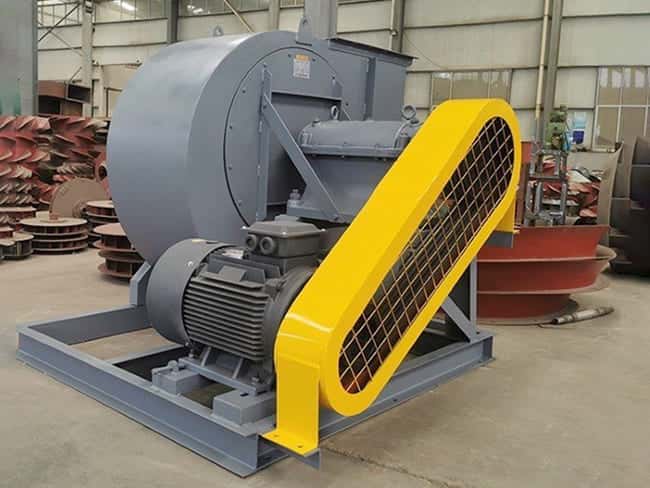
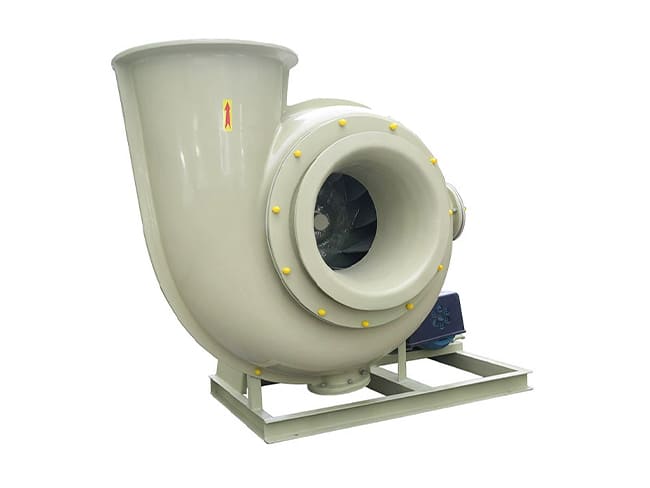
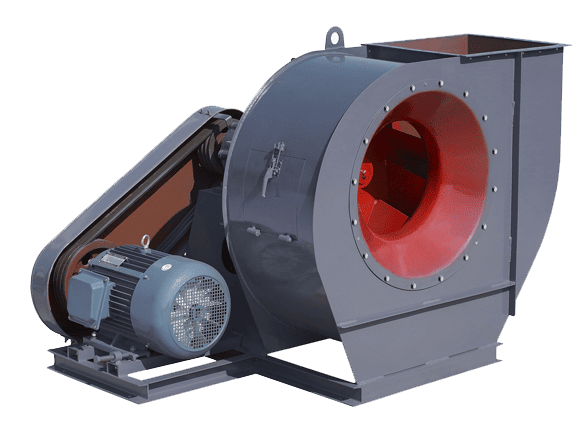
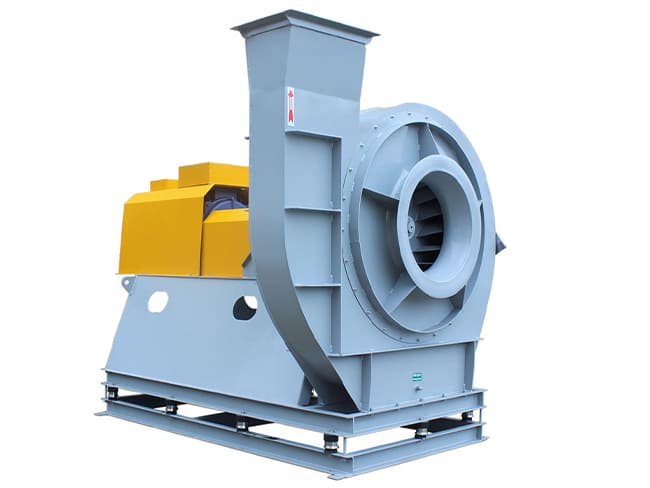
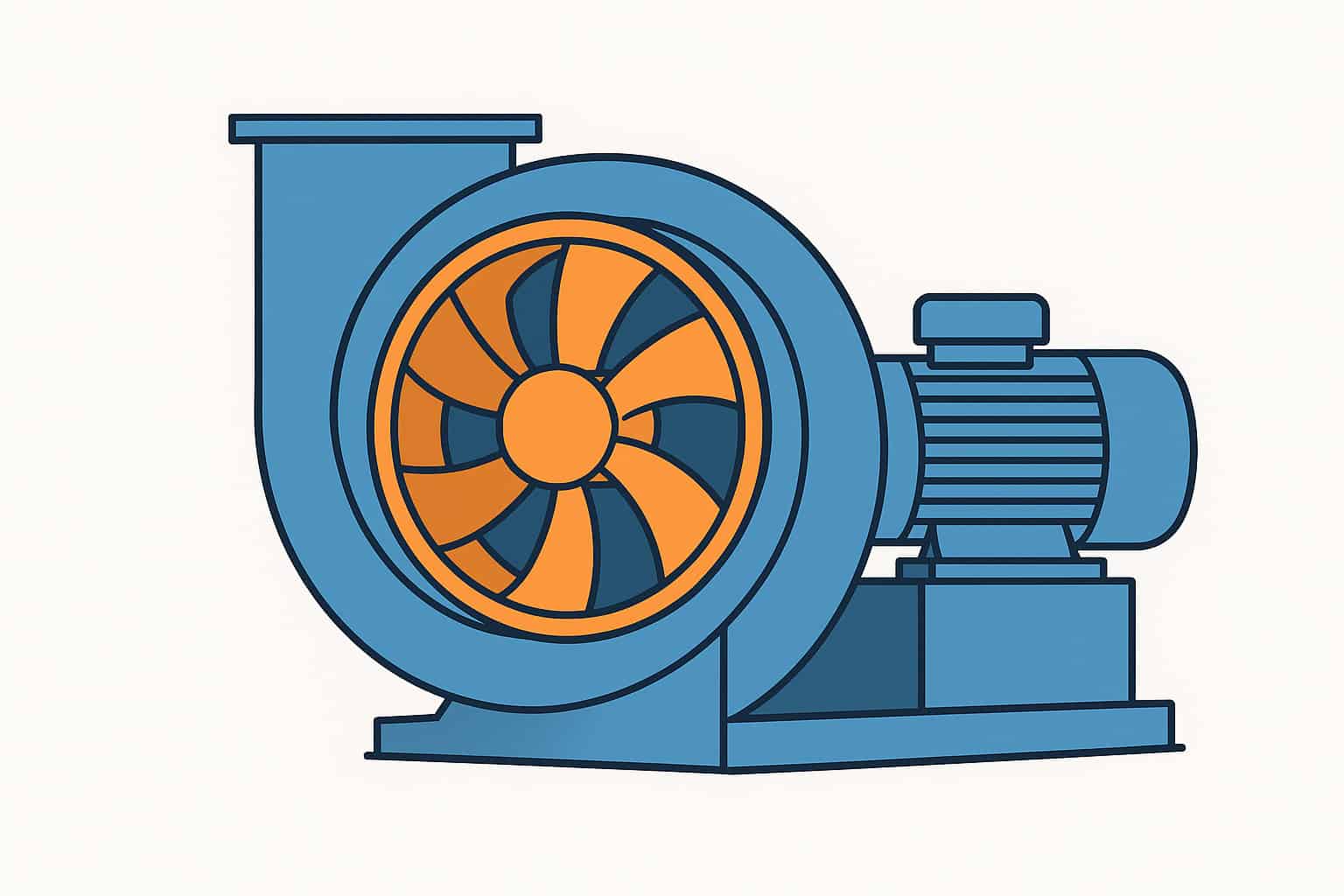
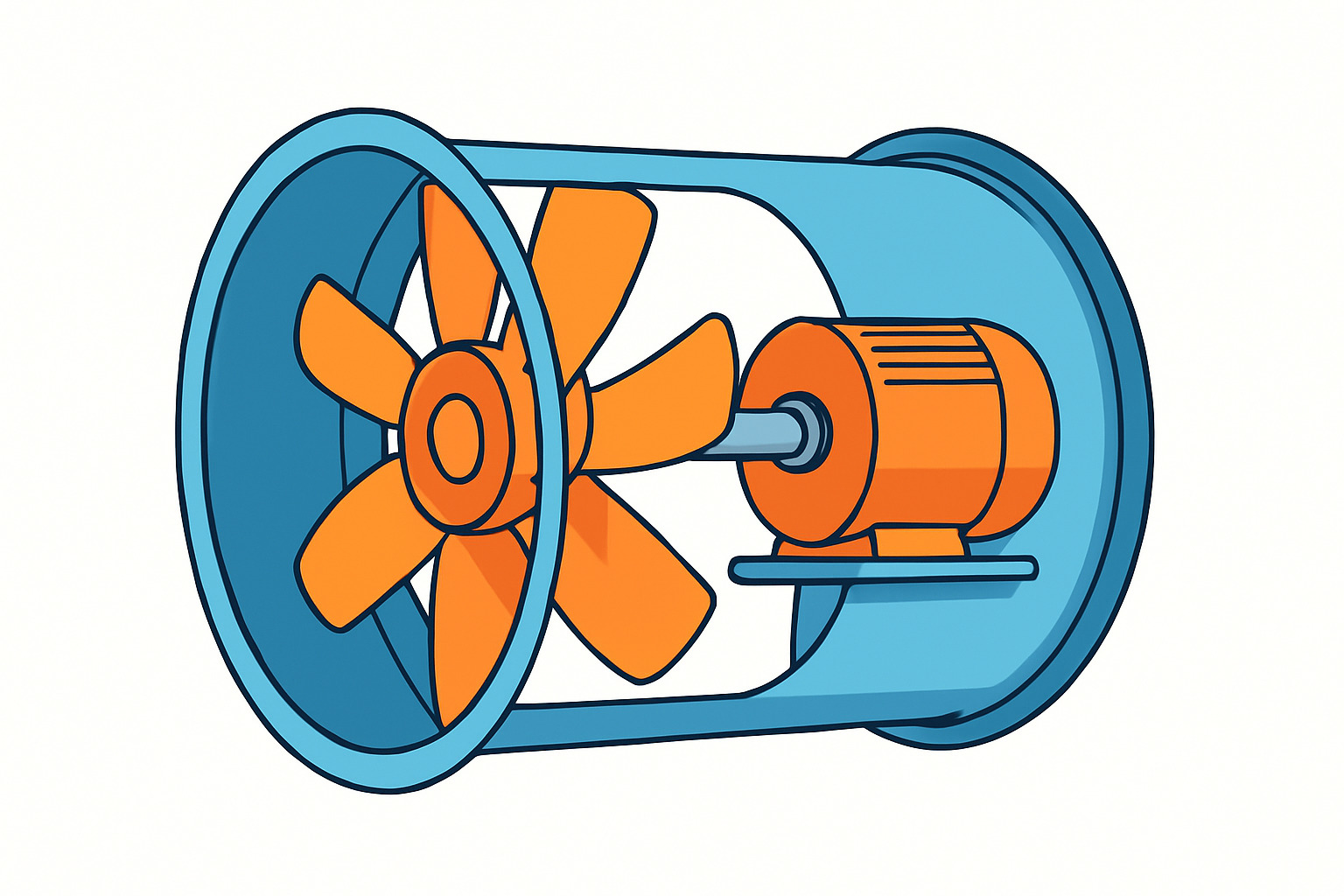
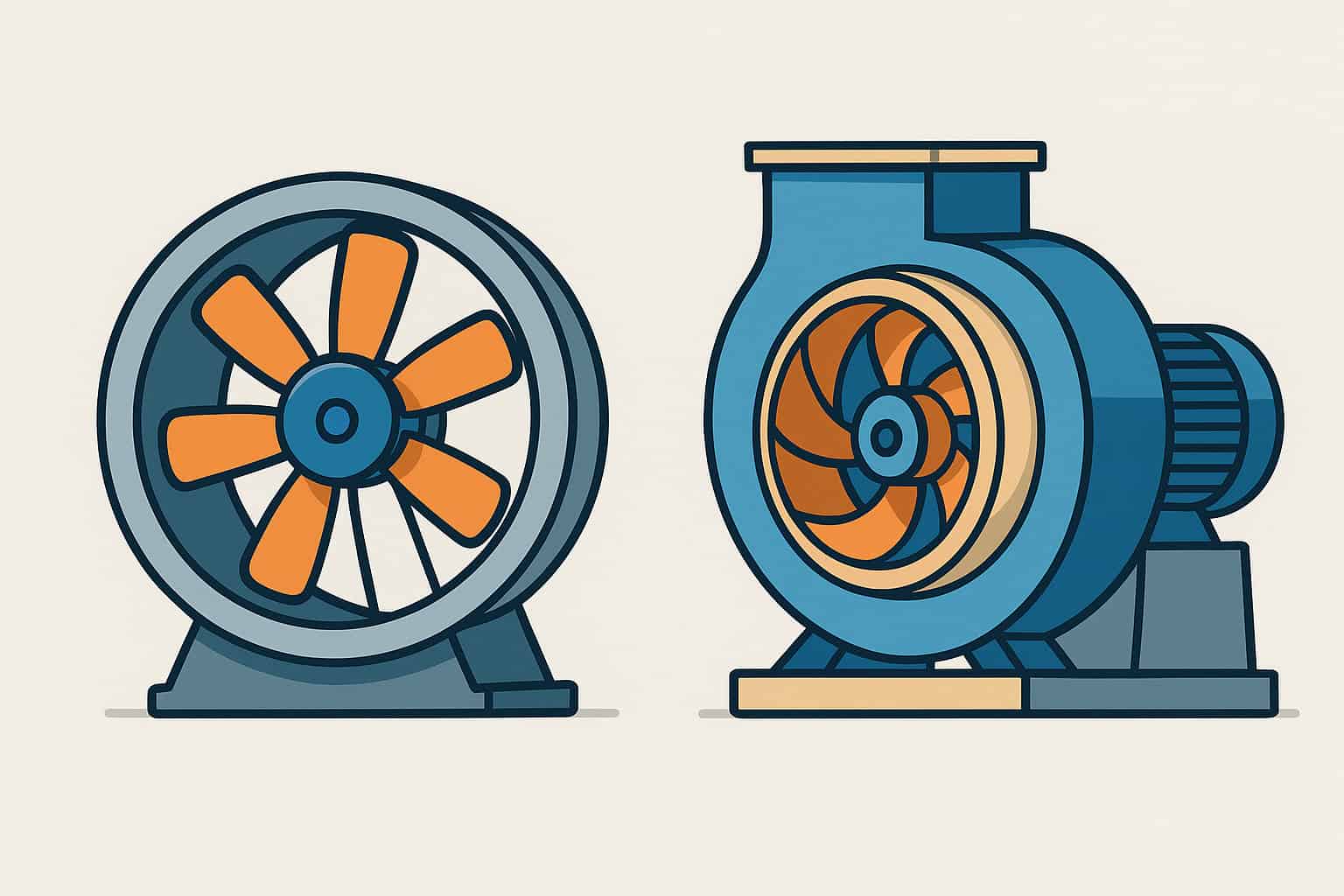
Another common drawback is noise. Fans, airflow through ducts and air rushing through vents can generate sound that is annoying to occupants or workers. Large axial or centrifugal fans, especially at high speed, may require silencers, acoustic enclosures or special foundations to control noise and vibration. Without these measures, ventilation noise can affect comfort, communication and even neighbouring properties.
Ventilation systems can also create drafts and temperature discomfort if not designed correctly. High-velocity jets from poorly placed diffusers, or cold air introduced directly into occupied zones, can cause people to feel chilled even when the average room temperature is acceptable. In mines and large workshops, strong airflow may stir up dust or create uncomfortable wind in some areas while other areas remain stagnant.
Another disadvantage is complexity and maintenance requirements. Modern ventilation systems often include multiple fans, dampers, filters, controls and monitoring devices. Keeping these components clean, adjusted and working correctly demands regular inspections and skilled technicians. Filters must be replaced, belts and bearings maintained, dampers tested and control systems calibrated. Neglecting maintenance not only reduces performance but can actually turn the ventilation system into a source of contamination or failure.
There is also the risk that a ventilation system may spread contaminants if it is not designed or operated properly. For example, if return air from a contaminated area is recirculated without adequate filtration, pollutants can be distributed throughout a building. In mines or process plants, incorrect airflow patterns may carry dust, smoke or gases into areas that are supposed to remain clean. This is why ventilation design must consider airflow direction, zoning and pressure relationships carefully.
Initial capital cost and space requirements can also be disadvantages. Ducts, shafts, equipment rooms and external louvers all require space in the building or mine layout. Large main fans, especially for underground ventilation, involve significant investment in foundations, electrical infrastructure and control systems. Retrofitting ventilation into existing structures can be challenging due to limited space and structural constraints.
In summary, the disadvantages of a ventilation system include higher energy consumption, noise, potential drafts, complexity, maintenance demands and the possibility of spreading contaminants if the system is not carefully designed and managed. Recognising these drawbacks early allows designers and operators to mitigate them while still reaping the essential benefits of proper ventilation.
