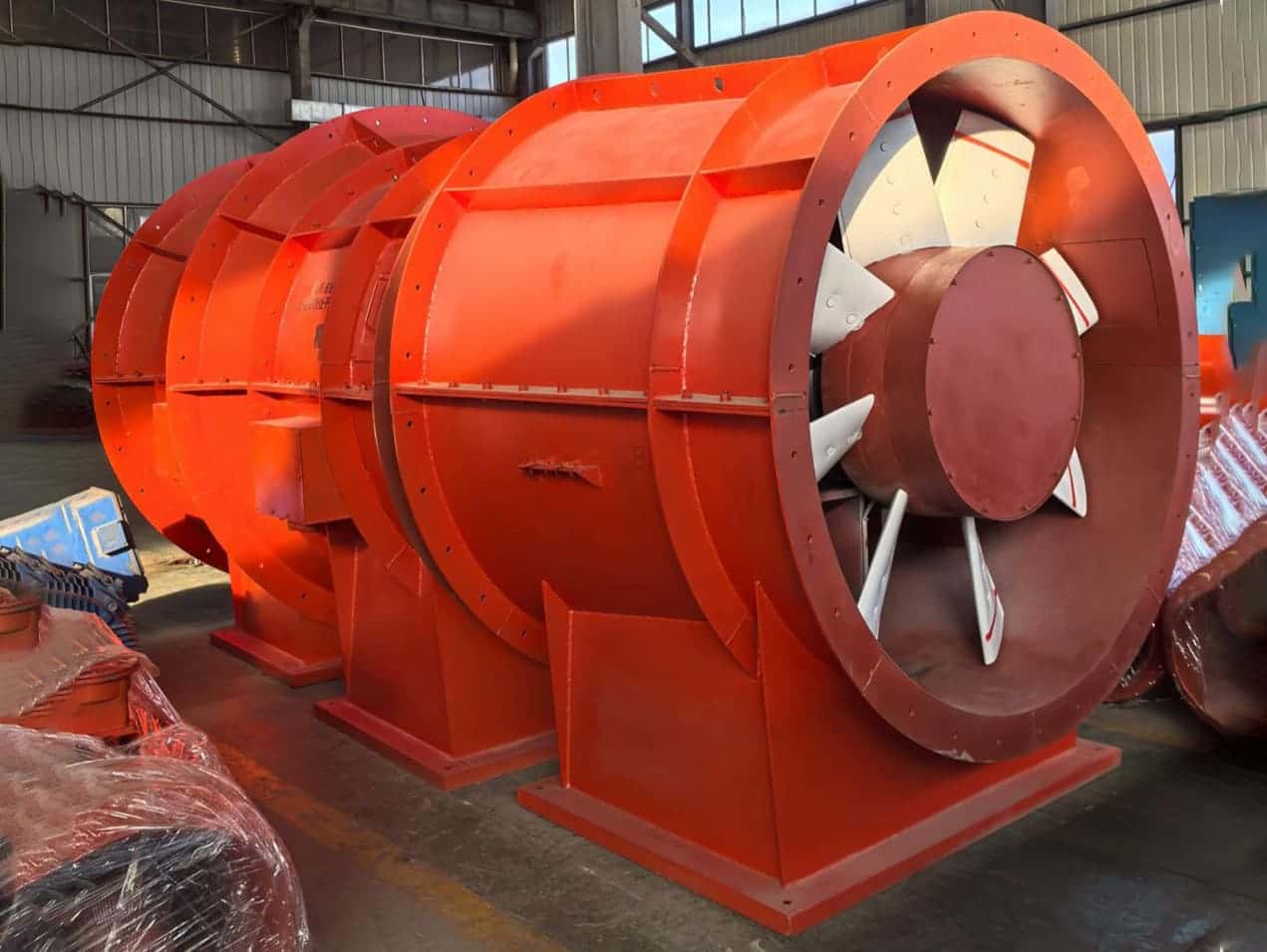
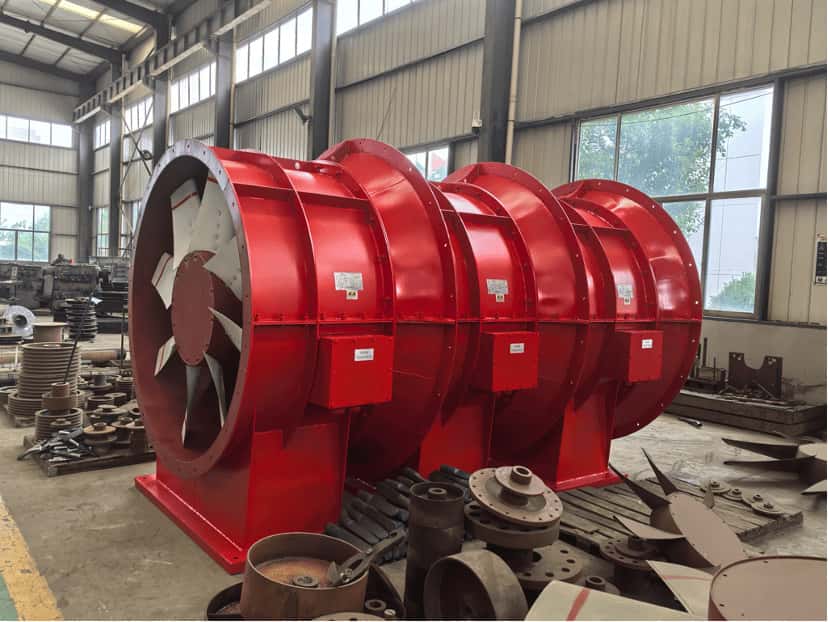
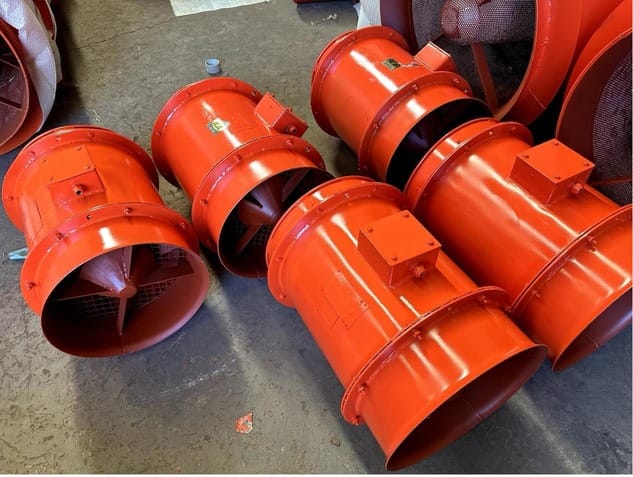
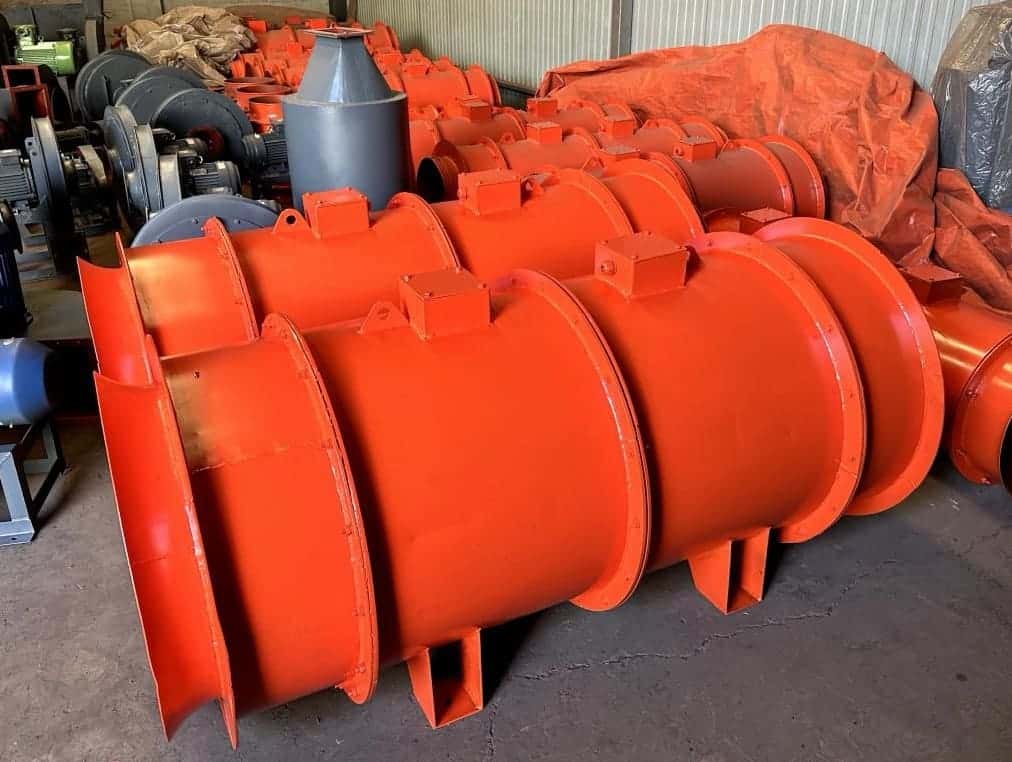
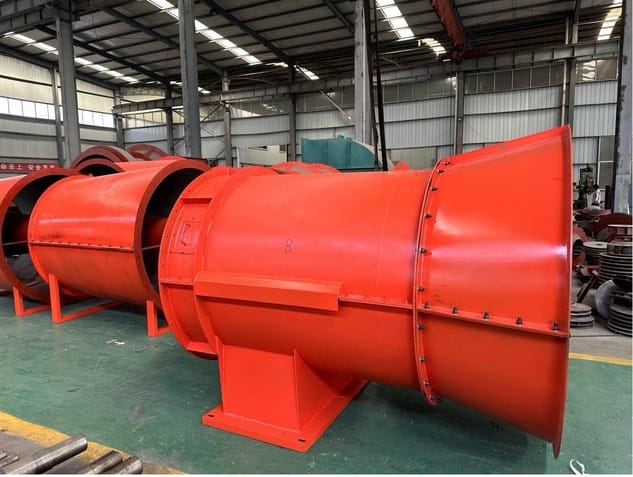
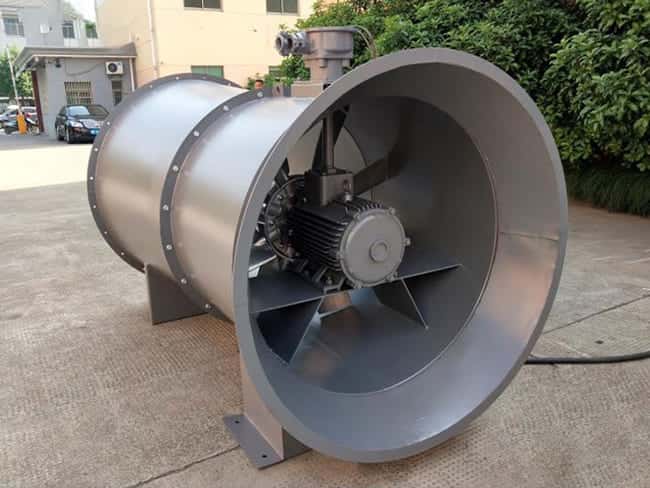
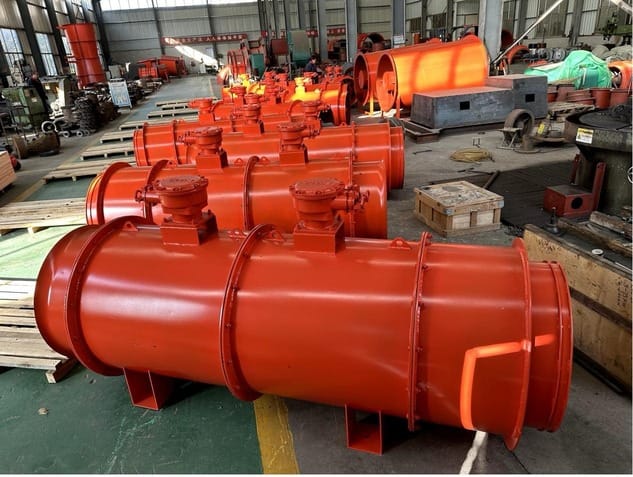
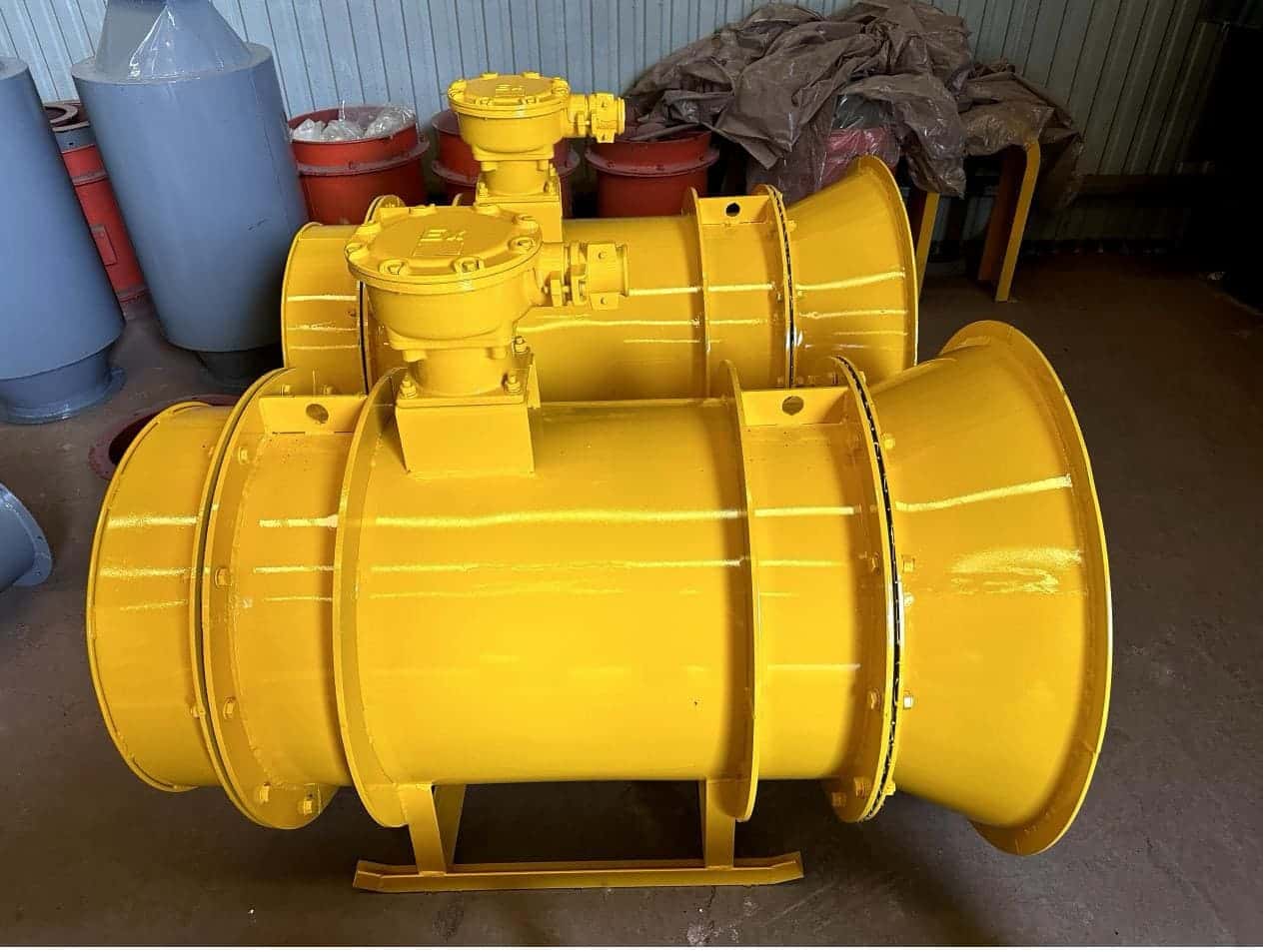
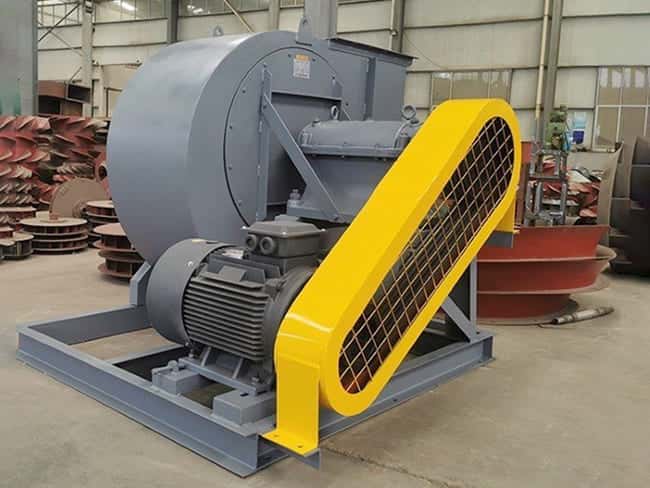
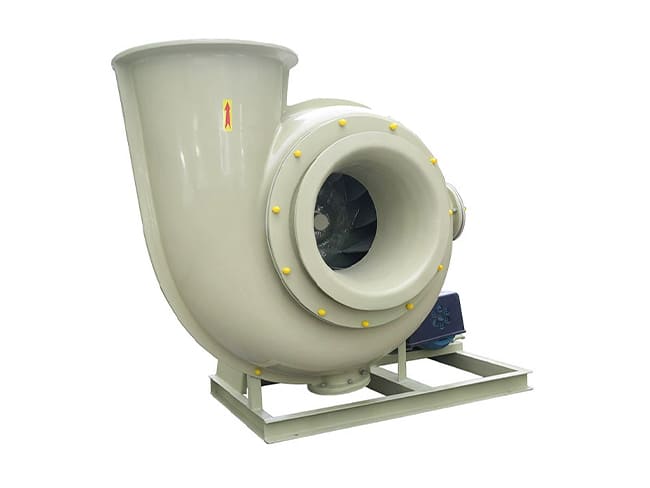
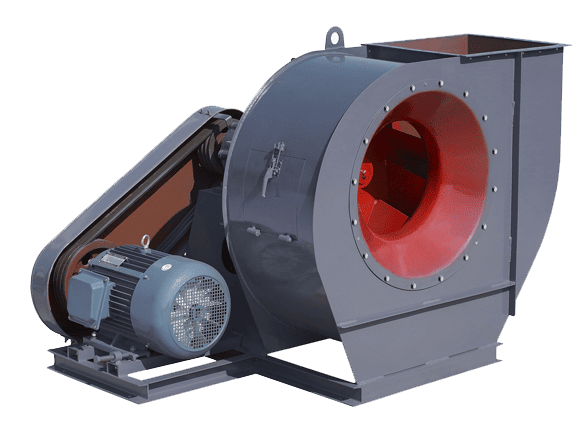
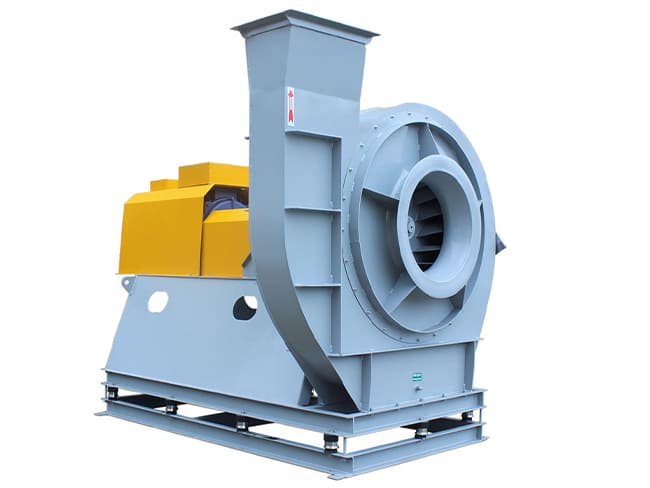
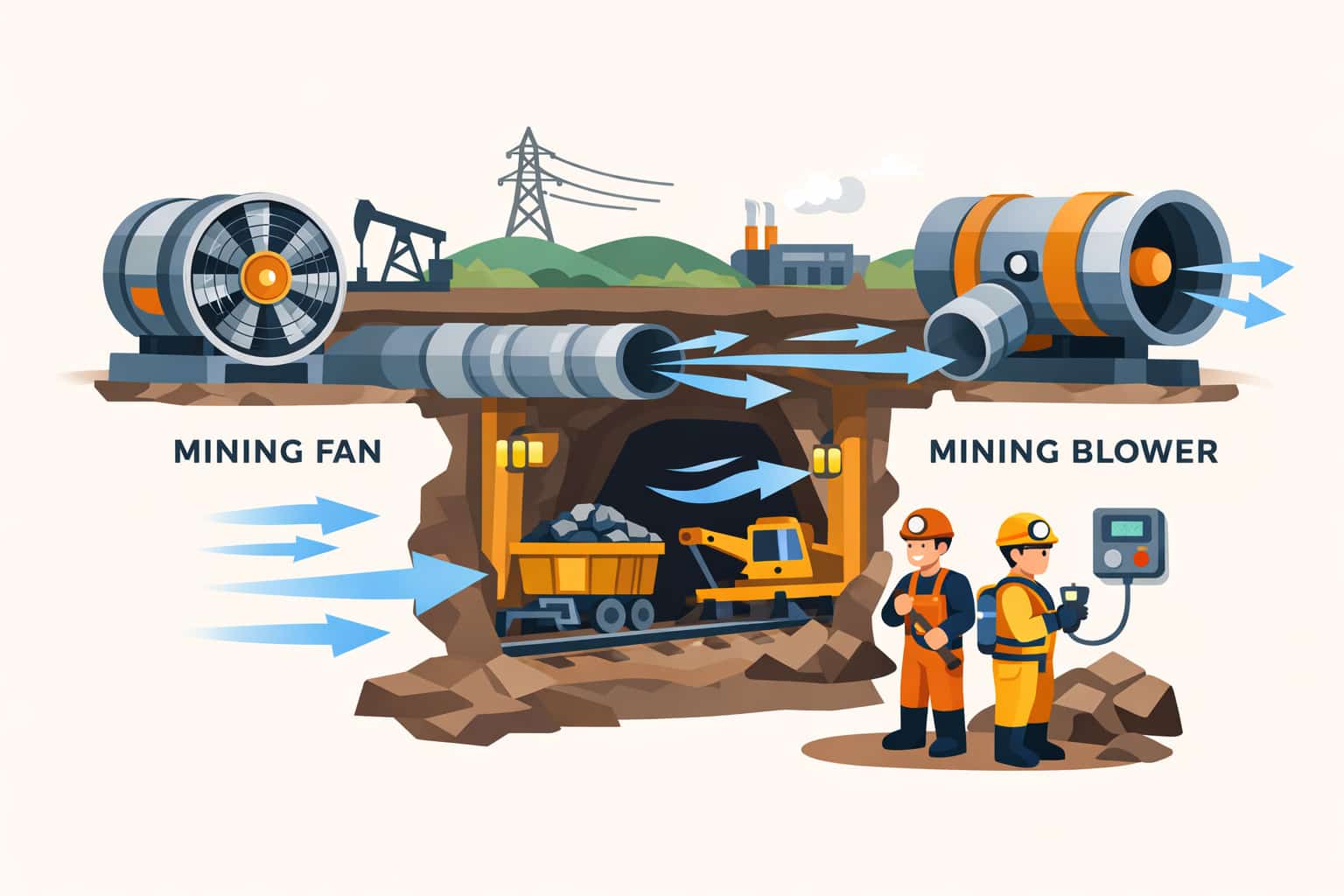
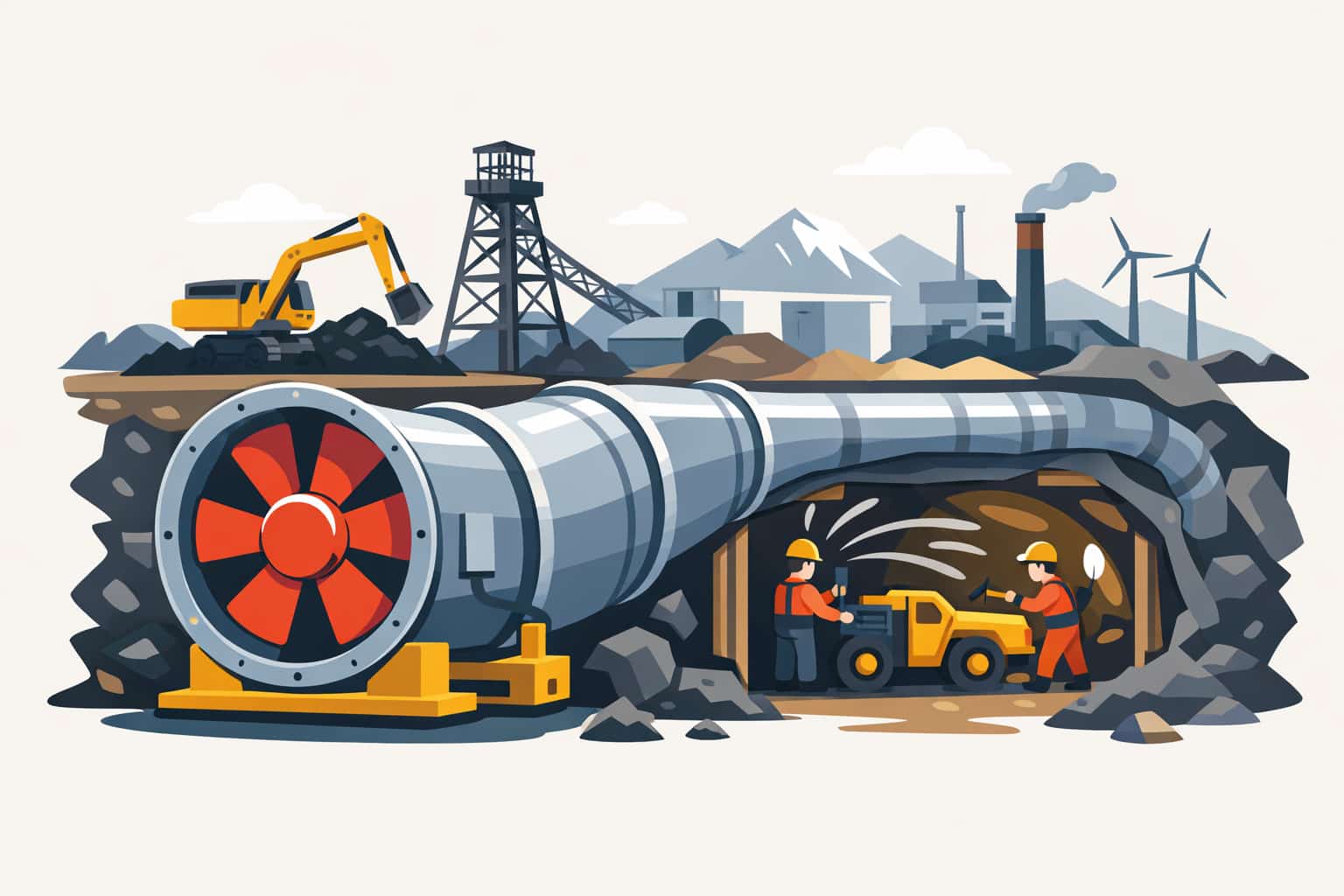
Exhaust fans are an essential part of many industrial, commercial and mining ventilation systems, but they also have disadvantages that must be understood during design and operation. If exhaust fans are applied without a complete ventilation strategy, they can create drafts, negative pressure, noise and recirculation problems that reduce comfort and even compromise safety.
One major disadvantage is the risk of uncontrolled negative pressure. An exhaust fan removes air from a room, building or mine roadway. If equivalent fresh air is not supplied by intake fans, openings or make up air systems, the area can become depressurised. This may cause doors to slam or be difficult to open, draw in unfiltered air through cracks, reduce combustion air to fuel burning equipment or disturb the flow of air in nearby ventilation circuits. In underground mines, poorly balanced exhaust fans can pull exhaust air toward intakes or refuge areas if regulators and doors are not set correctly.
Another common drawback is noise. Exhaust fans, especially small high speed units and large industrial fans without silencers, can generate significant sound levels. Noise is produced by both the fan itself and the turbulent exhaust jet leaving the outlet. If exhaust fans are mounted in thin walls or lightly built rooftops, vibration can be transmitted into occupied spaces. Without silencers, acoustic lining and proper supports, exhaust fans may become a nuisance to workers or neighbours.
Exhaust fans can also cause energy inefficiency when they are poorly sized or controlled. If a fan runs at full speed when only a small amount of exhaust is needed, it wastes electricity. If hot or conditioned air is exhausted without adequate heat recovery, heating or cooling systems must work harder to replace it. In some plants, multiple local exhaust fans run independently with no coordination, leading to unnecessary power consumption and unstable building pressure.
There is also the risk of recirculation and cross contamination. If an exhaust outlet is located too close to an intake, or if winds around buildings and mine portals are not considered, contaminated exhaust air may be drawn back into the fresh air system. This can spread odours, dust or fumes instead of removing them. Poorly designed exhaust systems may also remove air effectively near the fan but leave dead zones with stagnant air elsewhere.
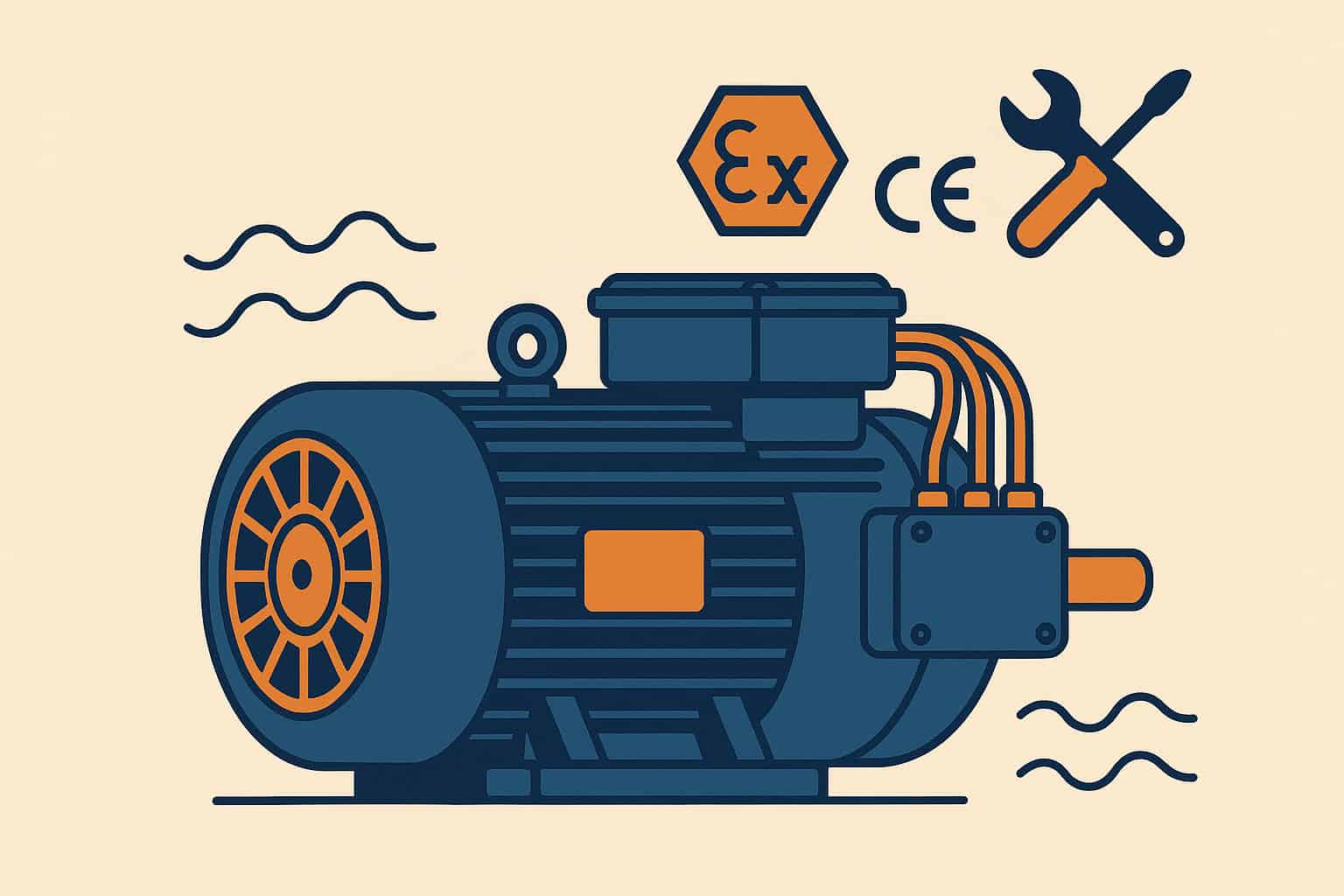
Maintenance related disadvantages should not be overlooked. Exhaust fans handling greasy, dusty or corrosive air can suffer from build up, corrosion and wear. If access for cleaning and inspection is poor, performance will degrade over time and the fan may become noisy or unbalanced. In explosive or flammable atmospheres, an exhaust fan that is not correctly specified or maintained can become an ignition source.
In summary, exhaust fans have disadvantages including potential negative pressure, noise, energy waste, recirculation, uneven ventilation and maintenance challenges. These drawbacks can be managed by proper system design, correct fan selection, good placement of intakes and outlets, appropriate controls and regular inspection, ensuring that exhaust fans support safe, efficient ventilation rather than creating new problems.