
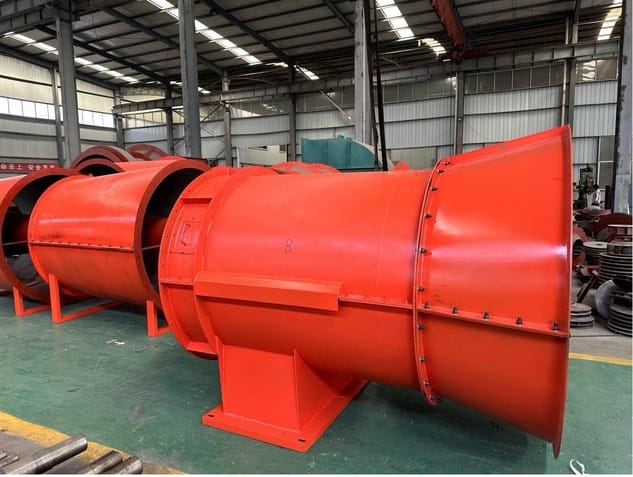
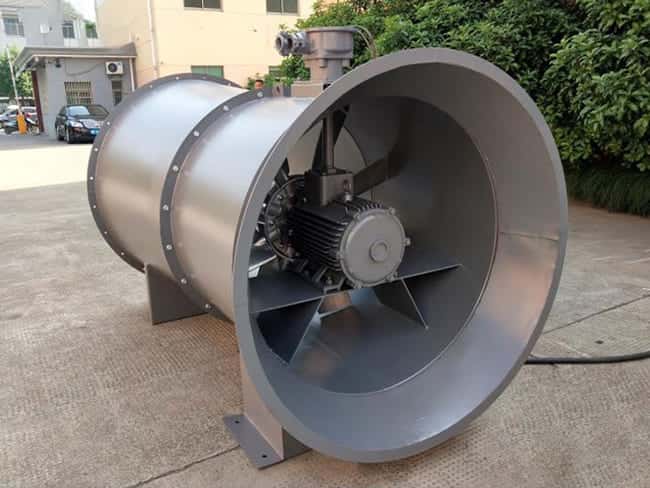
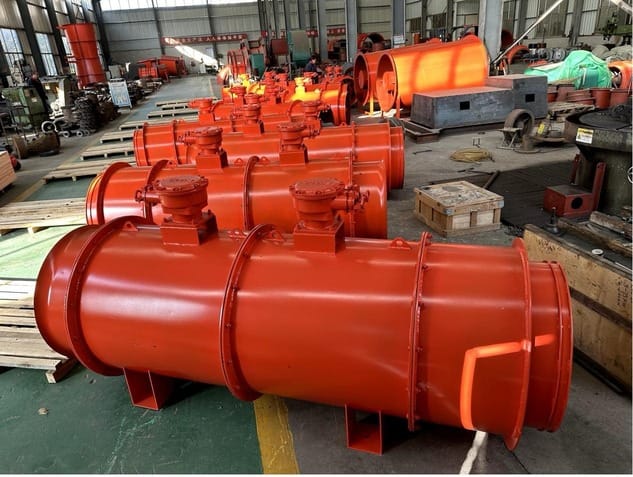
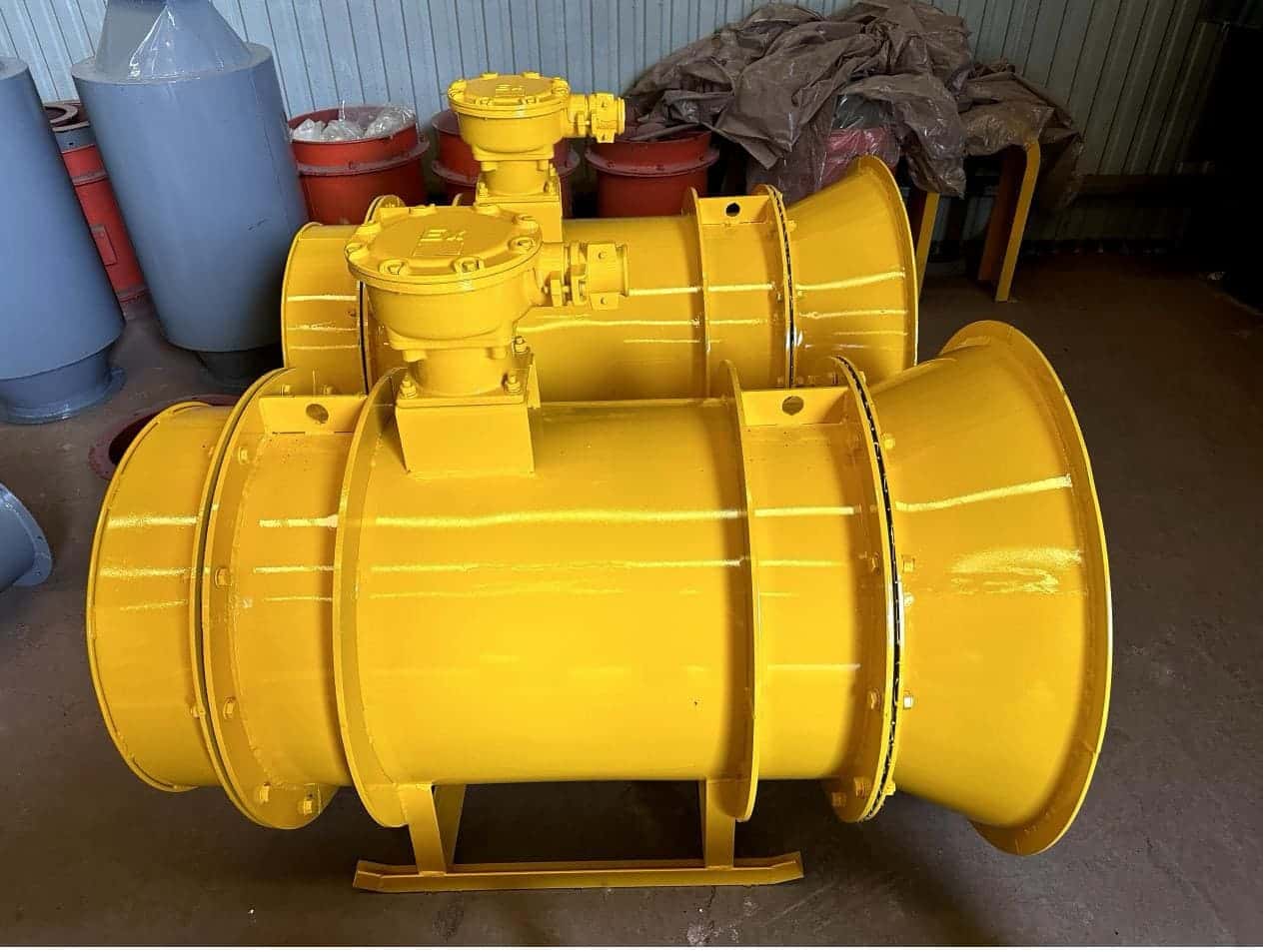
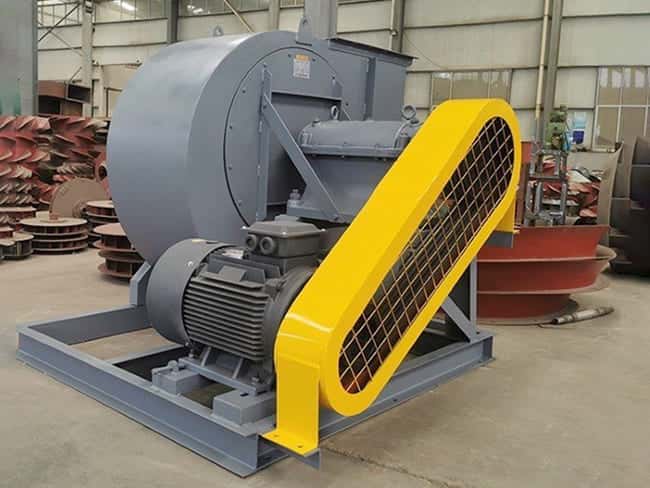
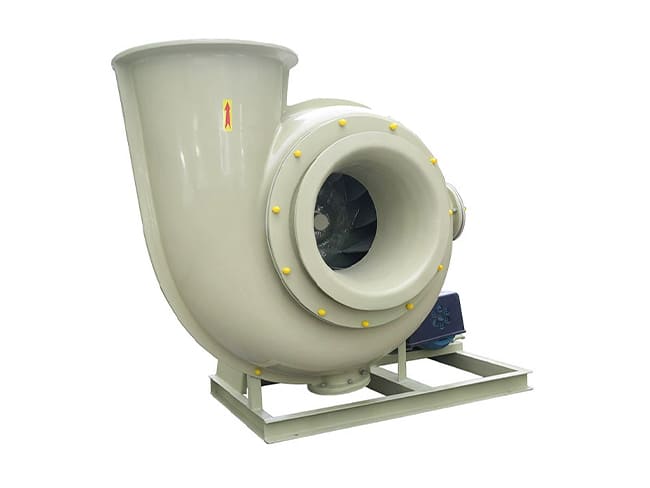
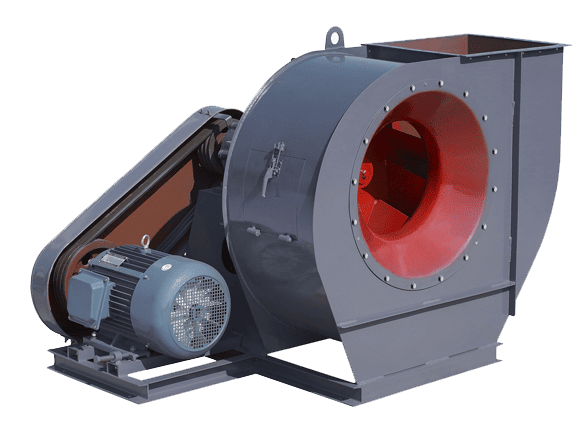
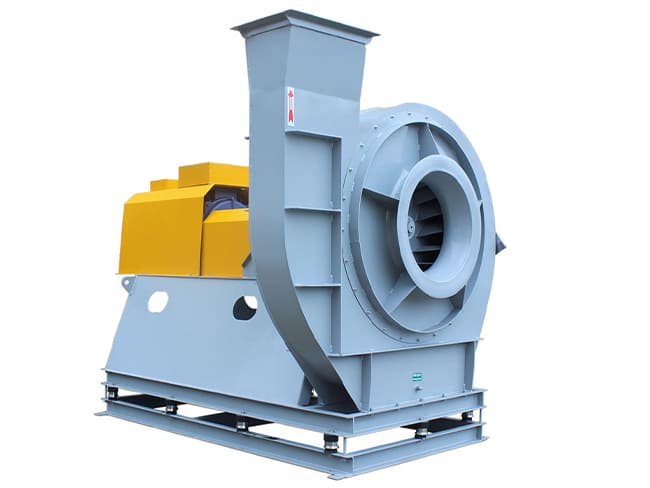
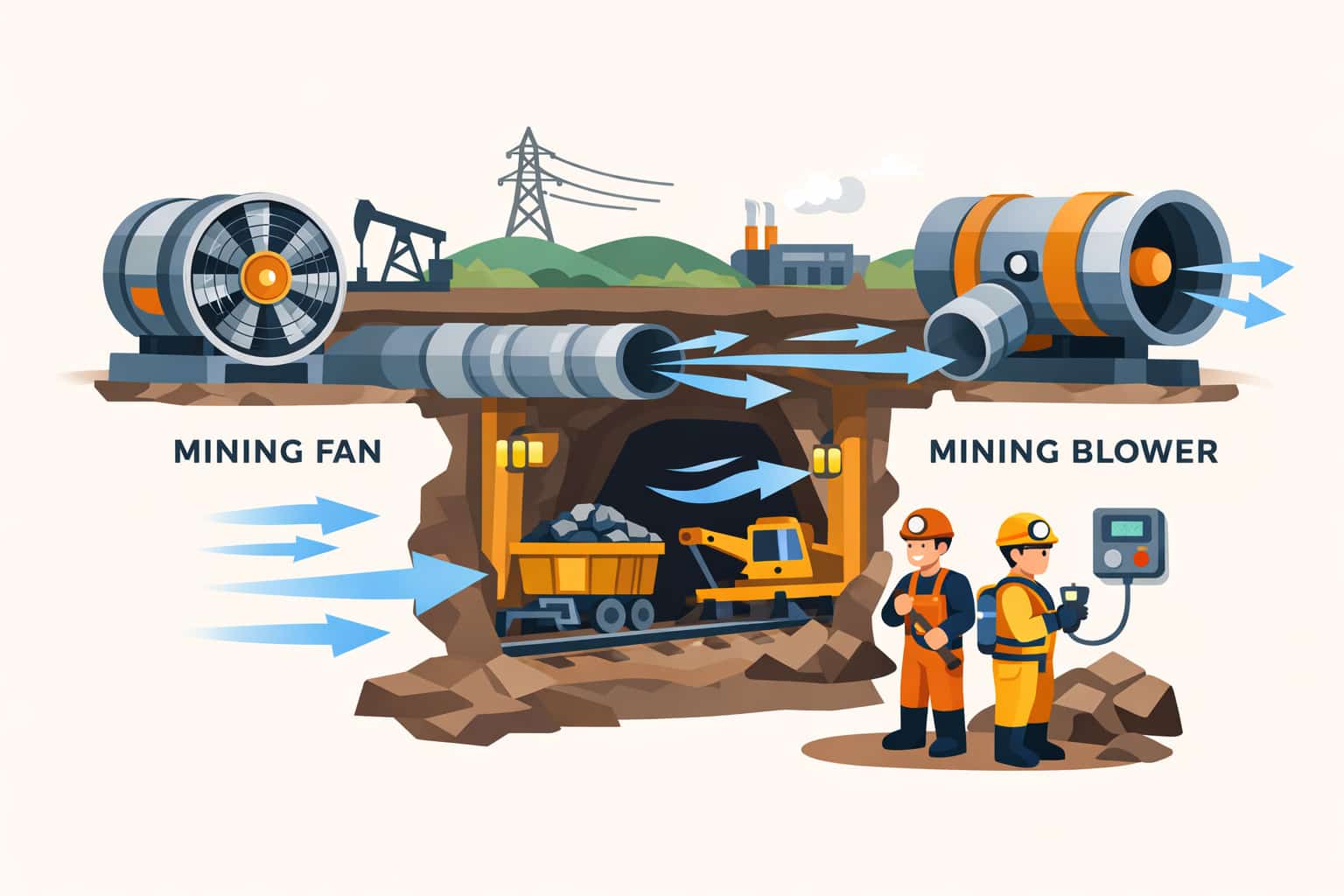
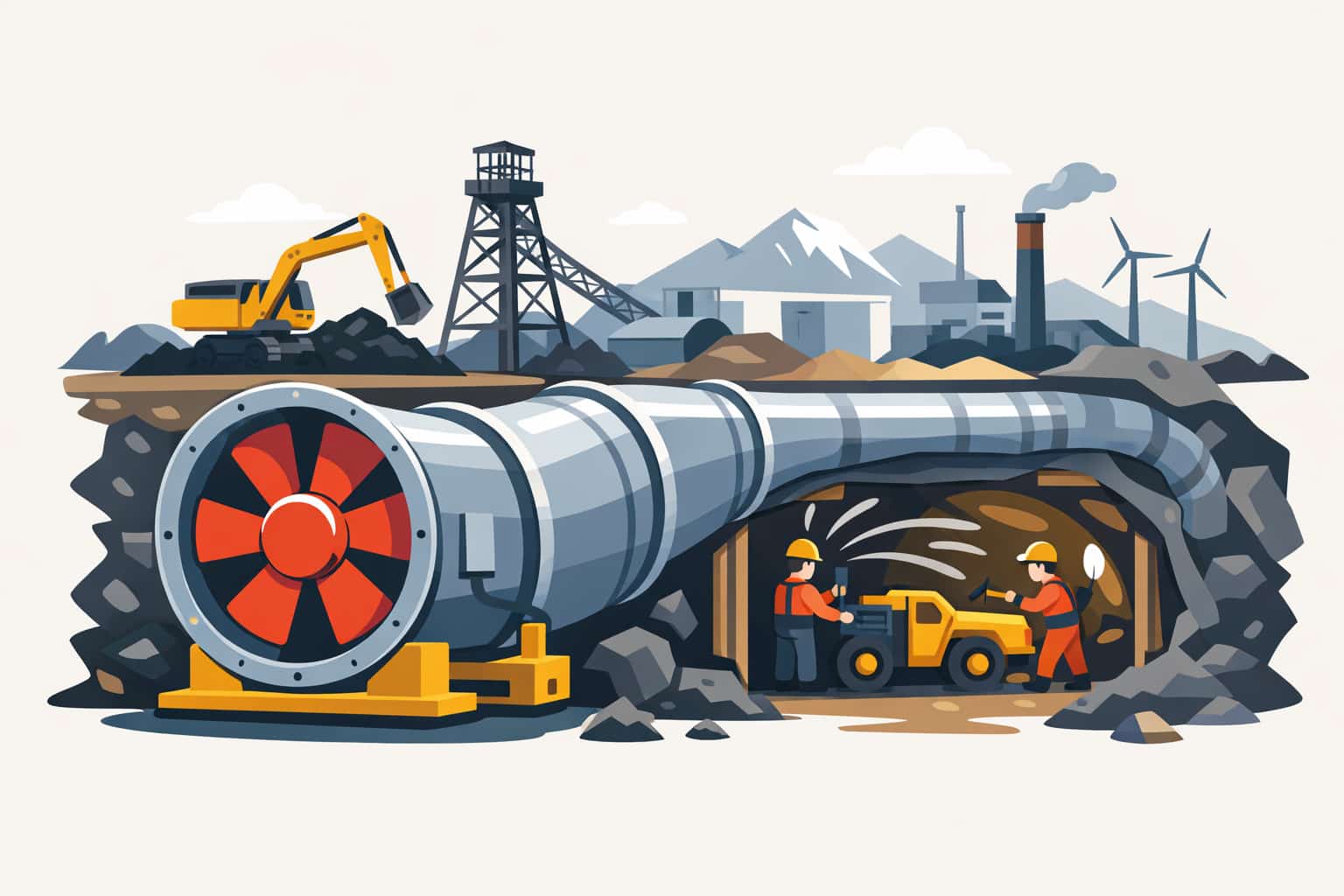
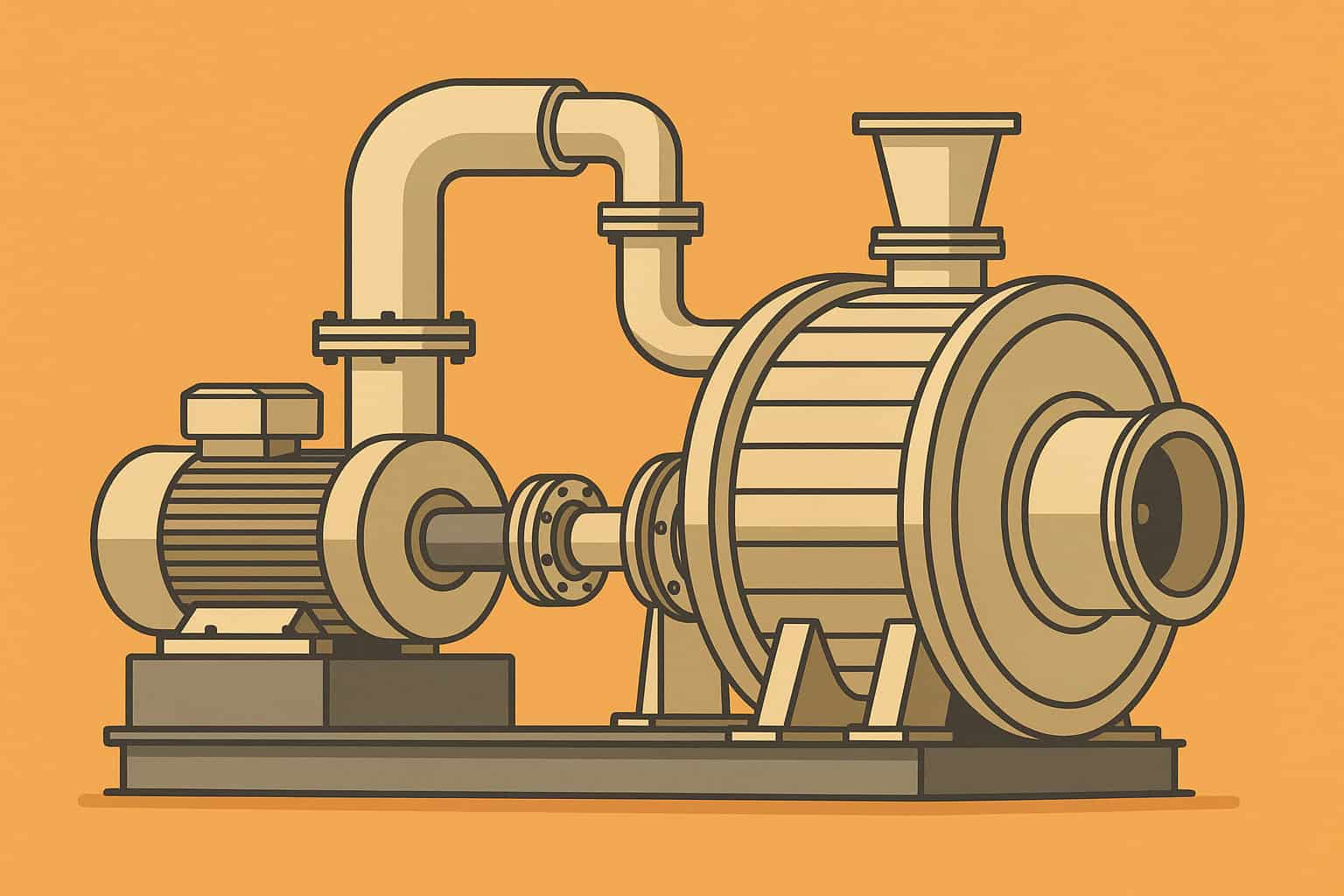
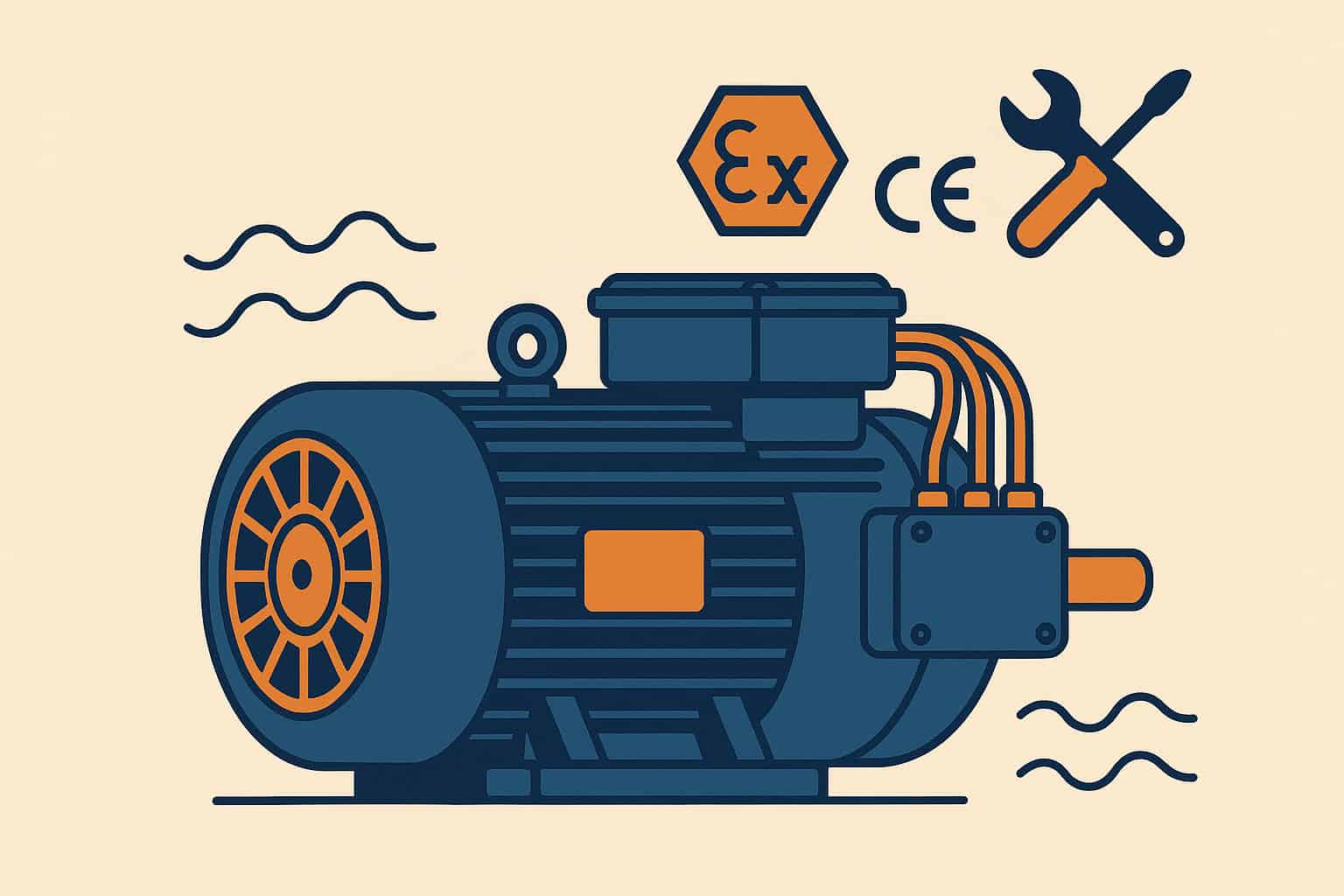
Industrial fans are essential for safe and comfortable working conditions, but they do have disadvantages that must be managed through good design and operation. Understanding these drawbacks helps engineers and operators improve reliability, reduce costs and avoid common ventilation problems in factories and mines.
One of the main disadvantages is energy consumption. Large industrial and mining fans can be some of the biggest electricity users on a site. If they are oversized, run continuously at full speed or controlled only with dampers instead of variable-frequency drives, they may waste significant energy. Poorly designed ducting and high system resistance also force fans to work harder than necessary, increasing power demand and operating cost.
Noise and vibration are another common issue. High speeds, turbulent flow, poor inlet and outlet conditions and mechanical imbalance can all make industrial fans loud. Excessive noise affects worker comfort and may violate regulations. Vibration can damage bearings, foundations and connected ductwork. Noise control measures and proper selection can reduce these disadvantages, but they add complexity and cost.
Industrial fans also require regular maintenance. Bearings need lubrication or replacement, belts must be tensioned and renewed, filters and ducts must be cleaned, and impellers must be inspected for wear, corrosion or buildup. In dusty mines and process plants, maintenance intervals can be short. If maintenance is neglected, efficiency drops, vibration rises and unplanned failures become more likely.
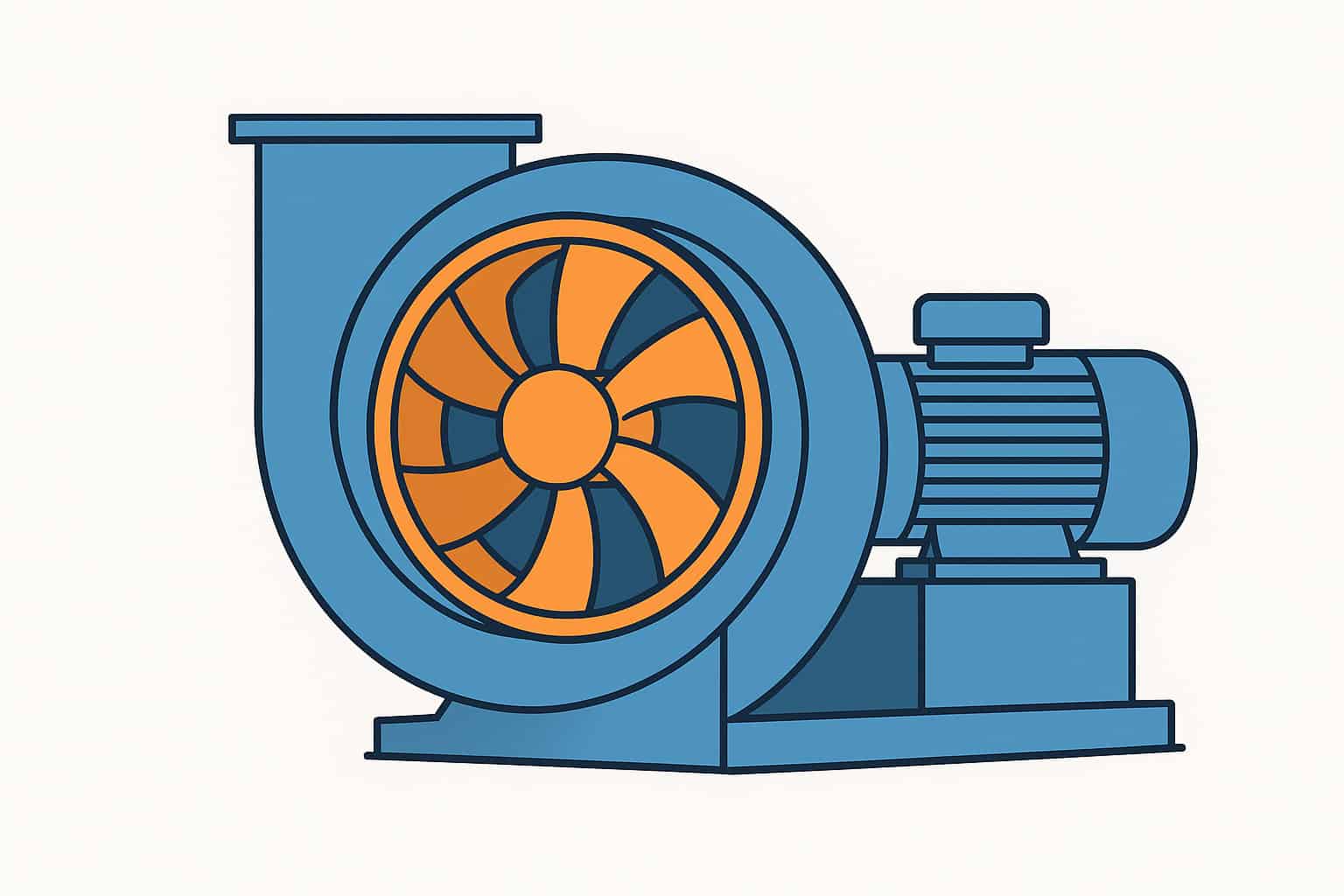
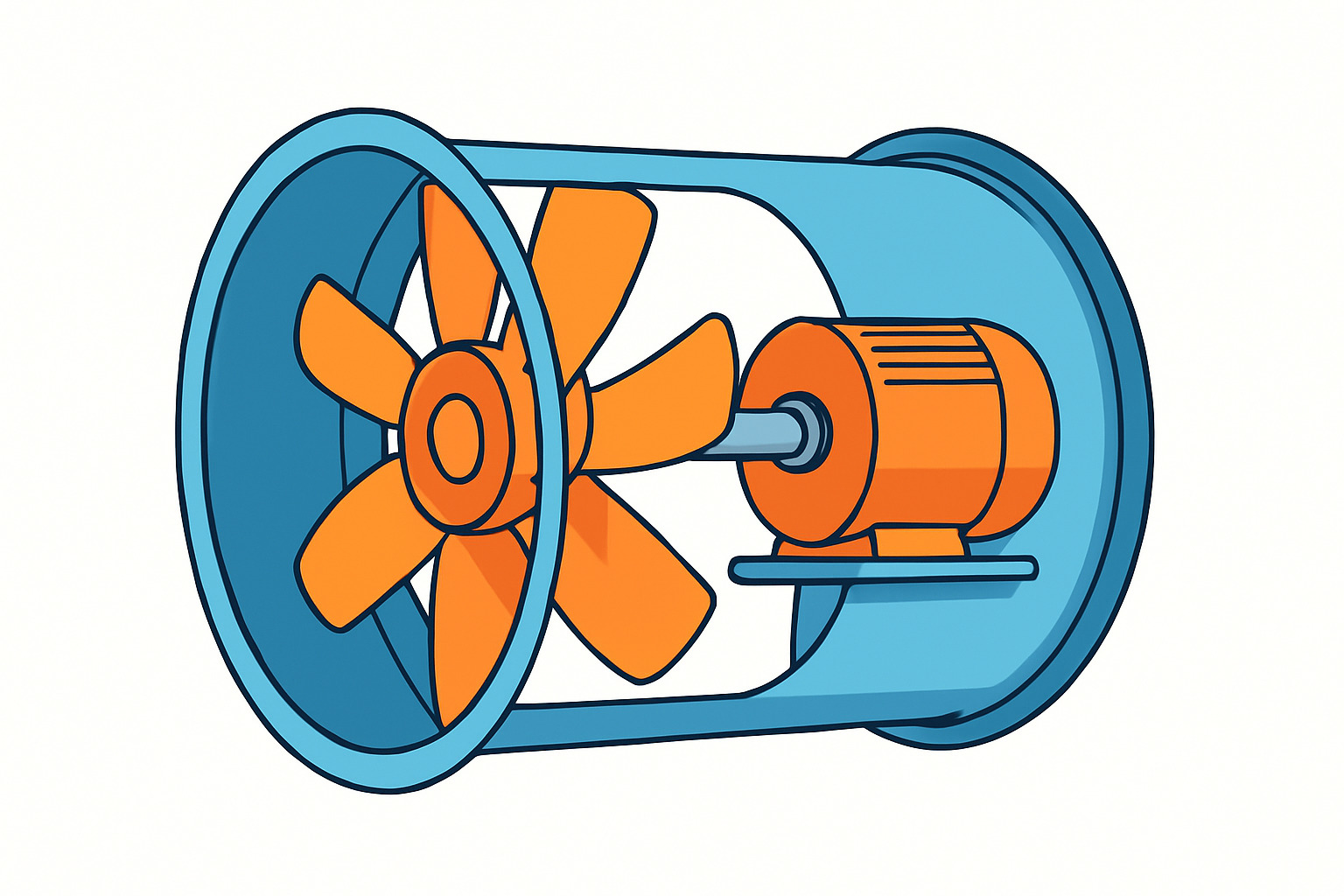
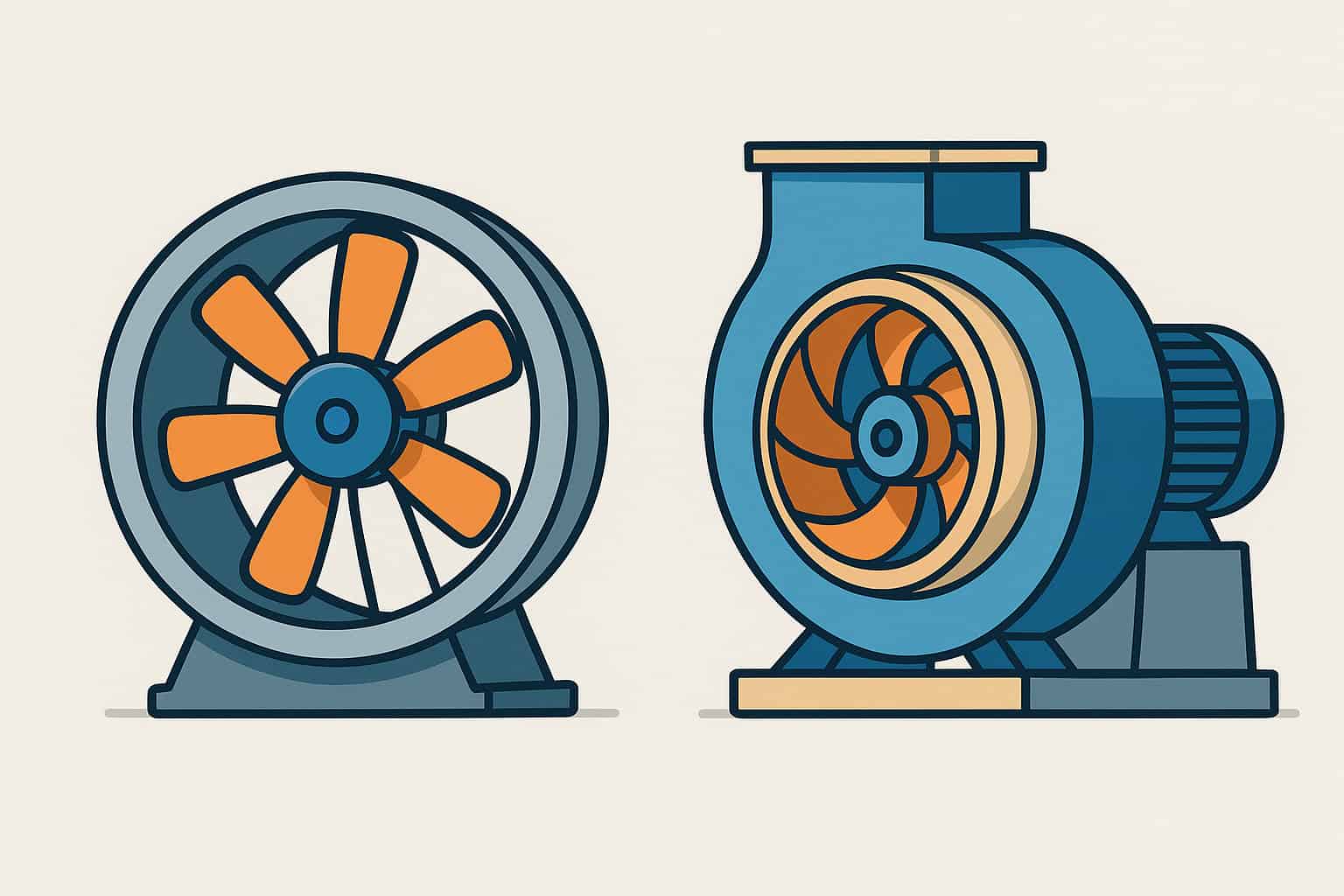
Space and installation constraints can be problematic. Large axial or centrifugal fans need substantial floor or structural space, clearances for inlet and outlet flow, and access for maintenance and lifting. In cramped existing plants or underground workings, finding the space for ideal layouts is not always possible, leading to compromises that may increase losses and noise.
Another disadvantage is the potential for performance problems when fans are poorly selected or applied. A fan chosen without proper analysis may deliver too little airflow, too much pressure, unstable operation, or excessive noise. Changes in duct layout, mine development or process equipment can shift the operating point away from the design duty. Without ongoing assessment, the ventilation system may underperform even though the fans are running.
Finally, there are safety considerations. Fans in explosive or toxic environments must meet strict standards. Failure of a critical mine fan can make areas unsafe, requiring evacuation. Fan components can also be hazards if guards are missing or if high-speed parts fail catastrophically.
In summary, disadvantages of industrial fans include high energy use, noise, vibration, maintenance demands, space and installation challenges, and potential performance and safety issues if they are not correctly selected and maintained. However, with careful design and management, these disadvantages can be controlled while taking full advantage of the benefits of mechanical ventilation.