
Natural ventilation uses wind and temperature differences instead of fans to move air through buildings, tunnels or shaft systems. It has clear advantages in simplicity and low energy use, but it also has important disadvantages, especially in industrial plants and underground mines where airflow must be reliable and controllable.
The first disadvantage is that natural ventilation is highly dependent on weather. Wind speed, wind direction and outdoor temperature all change throughout the day and with the seasons. When wind is weak or temperatures inside and outside are similar, the driving forces for natural airflow are small. This can result in very low ventilation rates just when good air exchange is most needed, for example on hot, still days.
Another major drawback is limited control and predictability. With natural ventilation, you cannot easily adjust airflow to match production levels, occupancy or contaminant generation. Opening or closing windows and vents helps, but the actual flow still depends on external conditions. In industrial and mining environments where fumes, dust or gases are produced, relying on natural ventilation can lead to periods of inadequate dilution and unsafe concentrations.
Natural ventilation often produces uneven airflow and dead zones. Some areas near openings may be well ventilated, while inner rooms, corners or dead-end headings receive little fresh air. Without fans and ducts to distribute air, pockets of hot, humid or contaminated air can remain, making work conditions uncomfortable or hazardous.
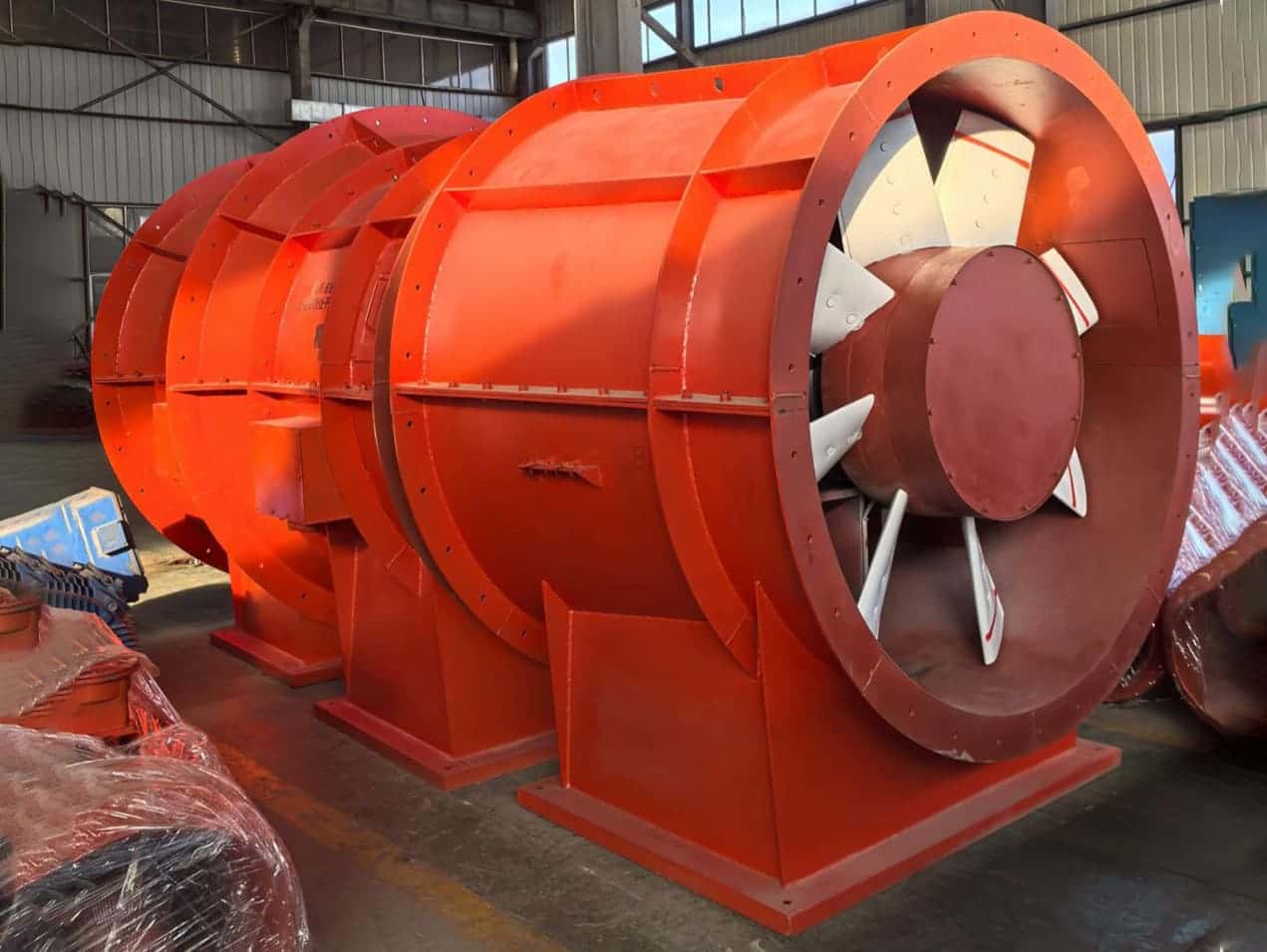
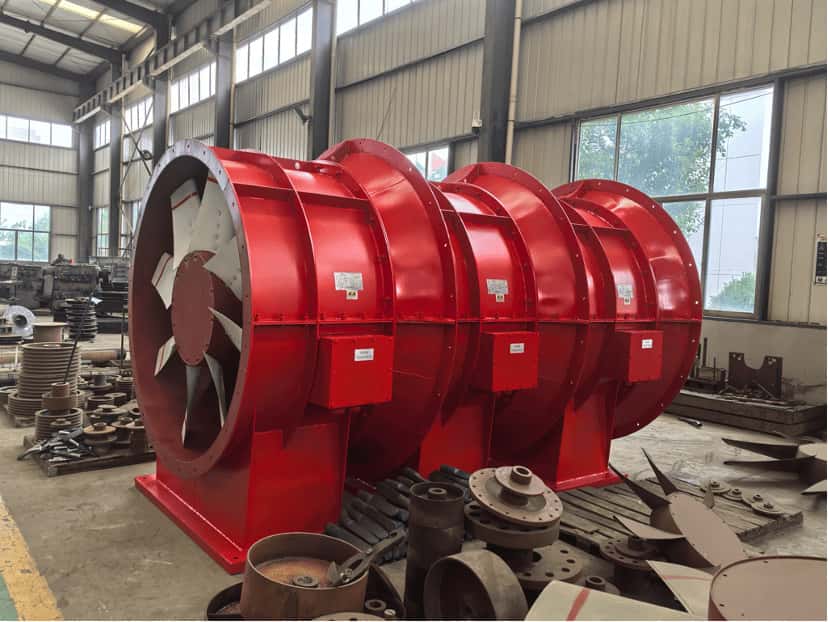
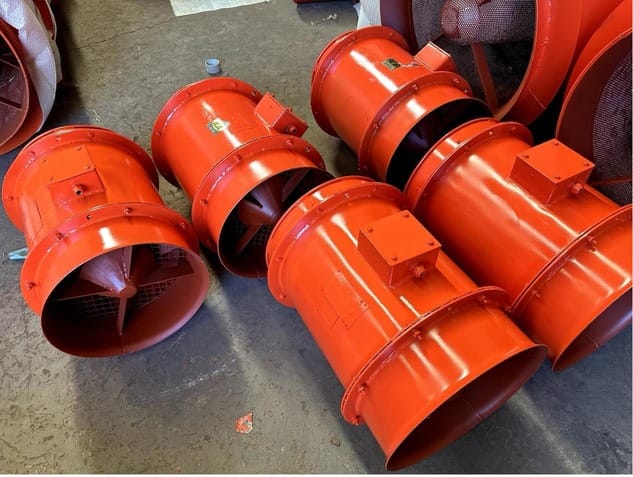
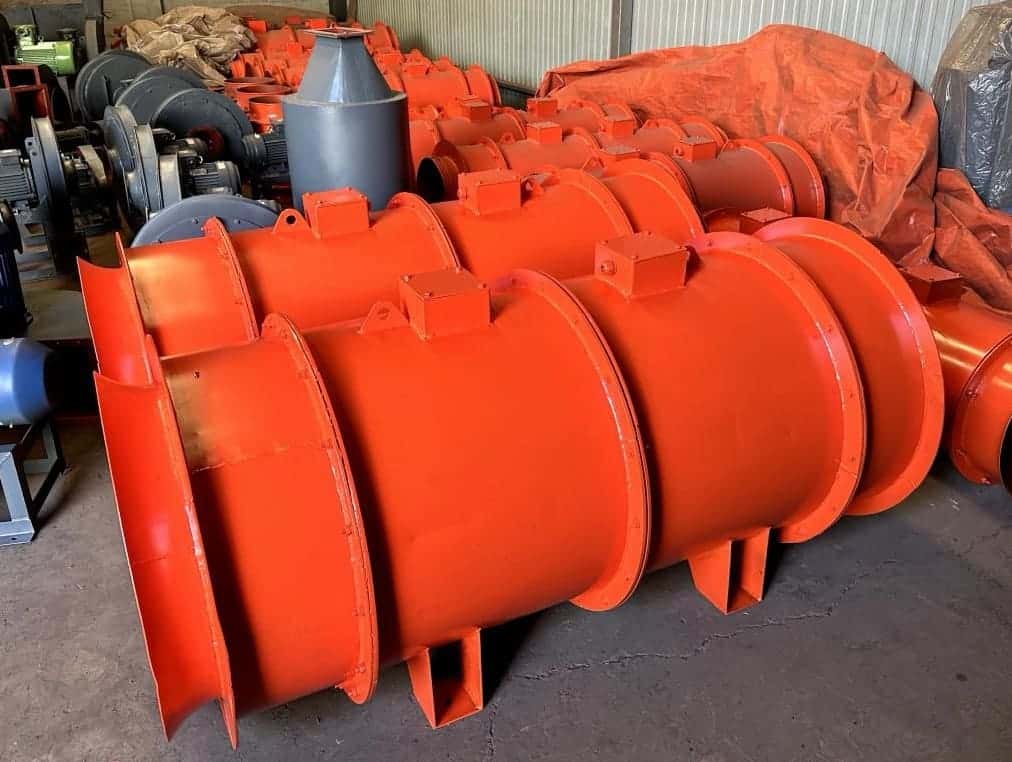
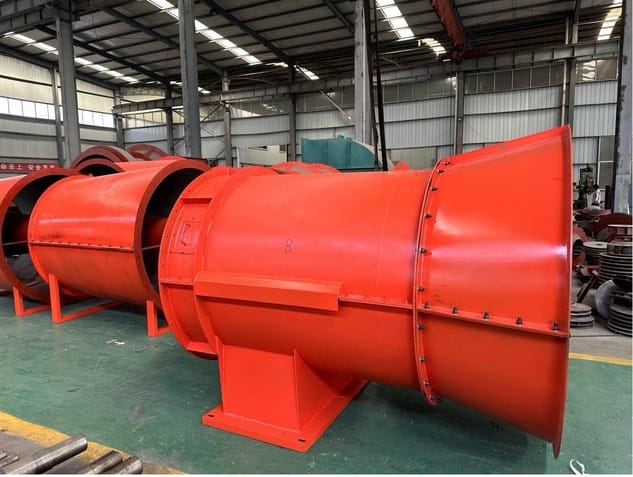
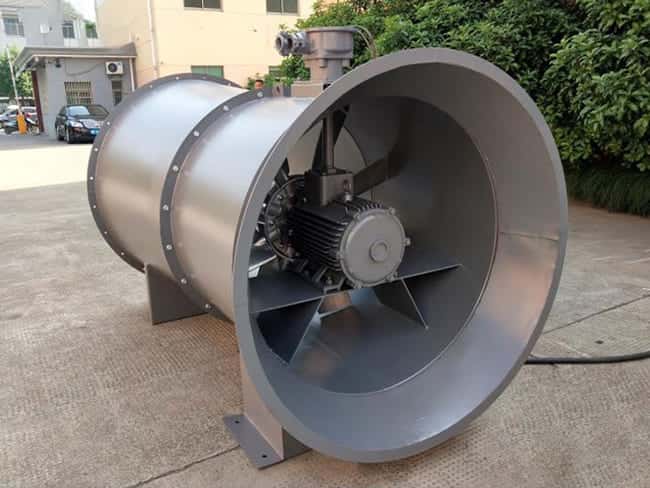
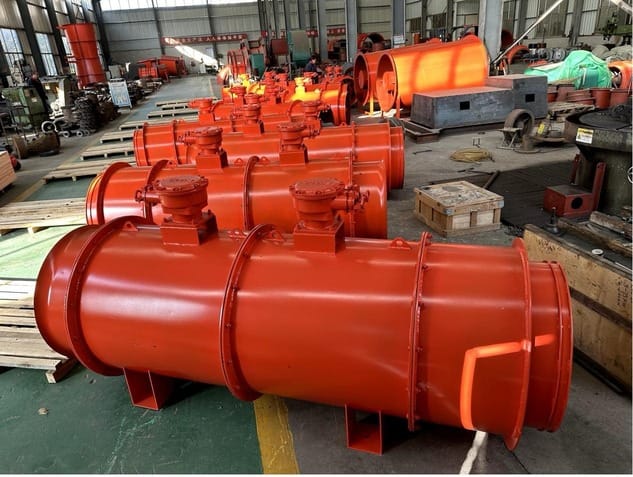
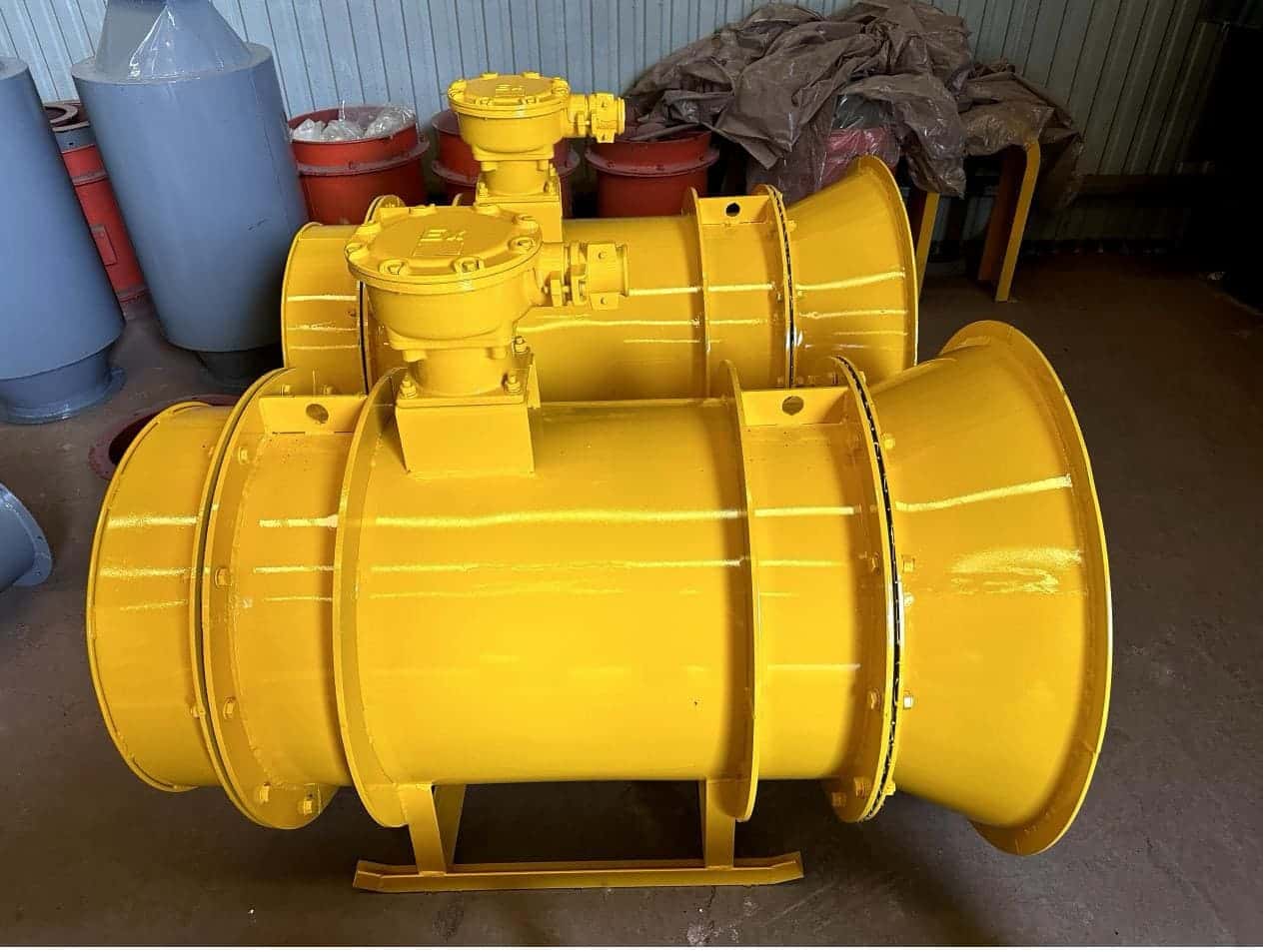
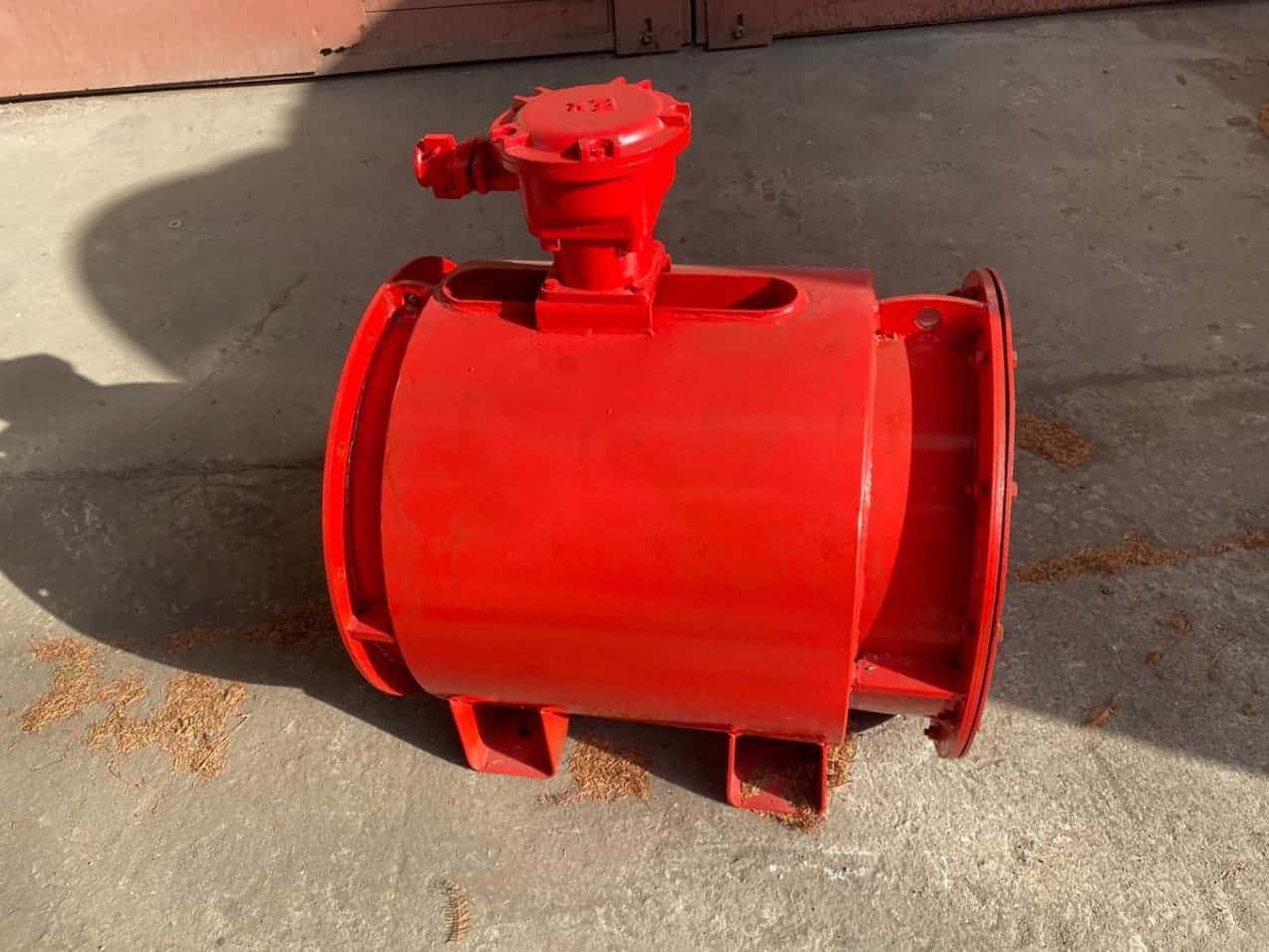
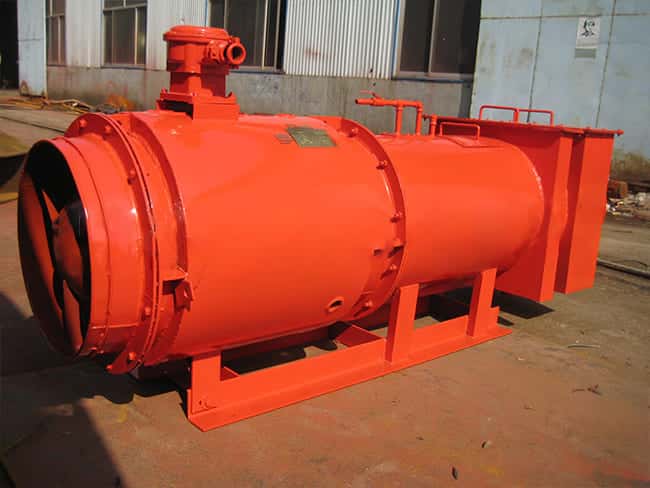
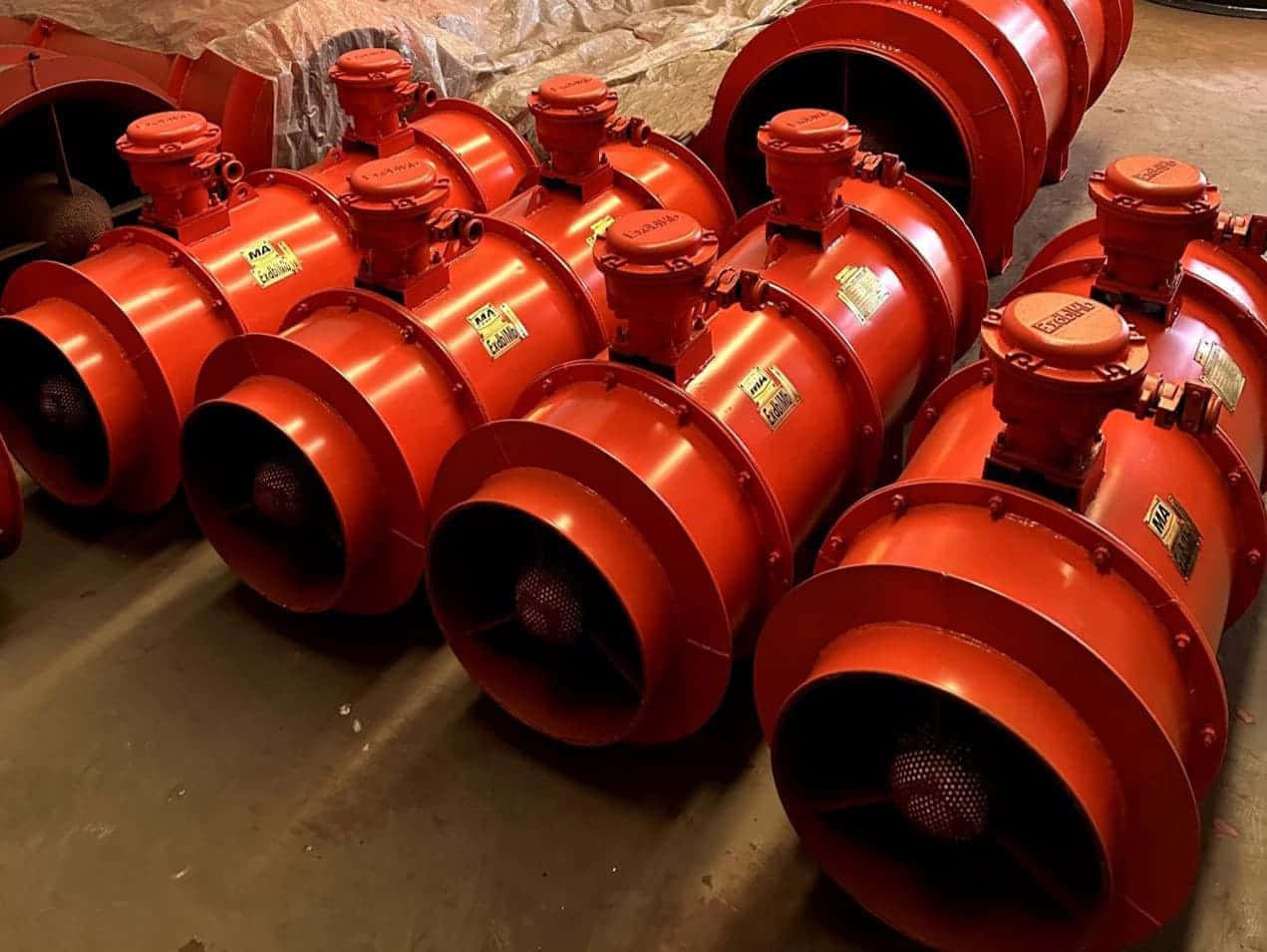
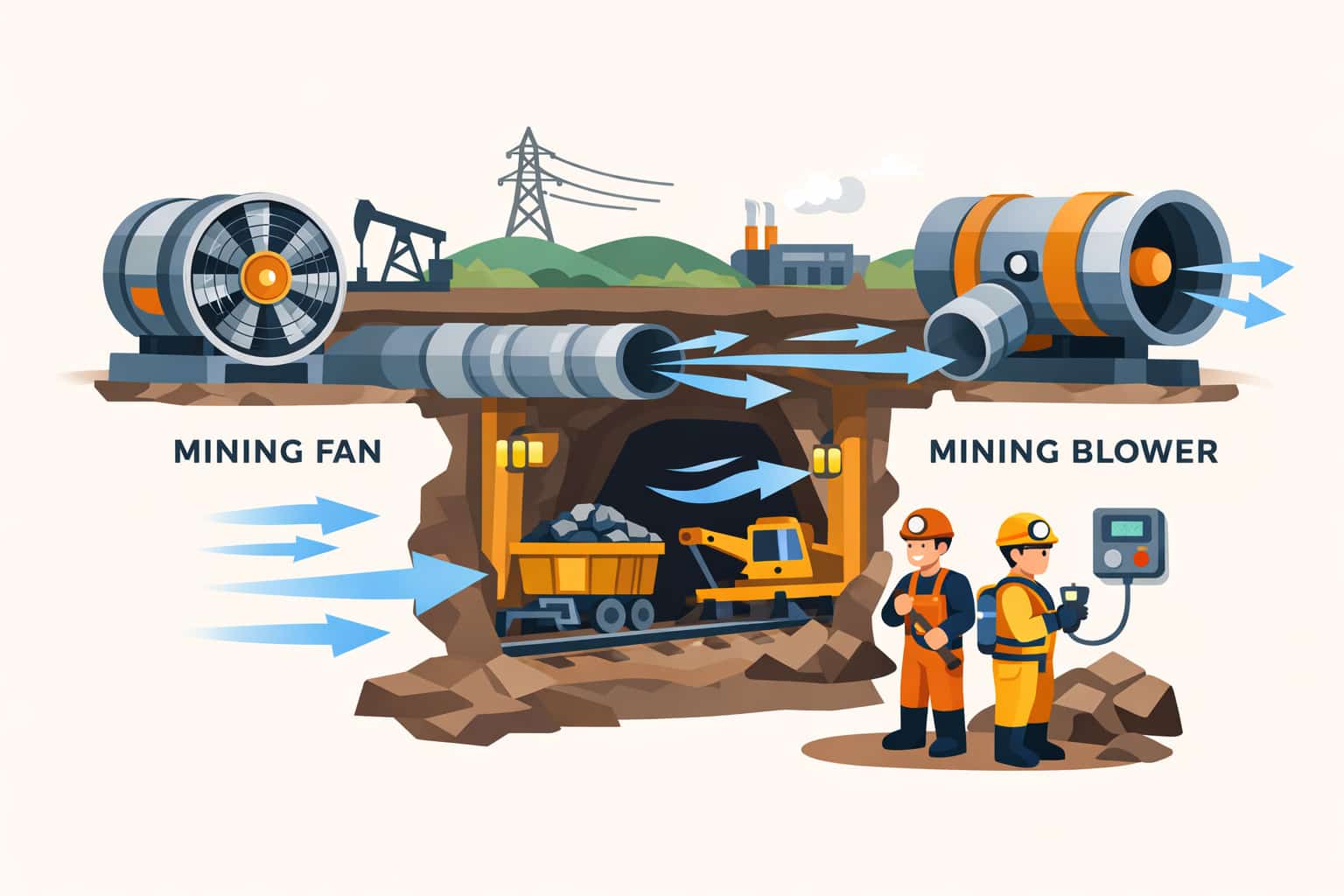
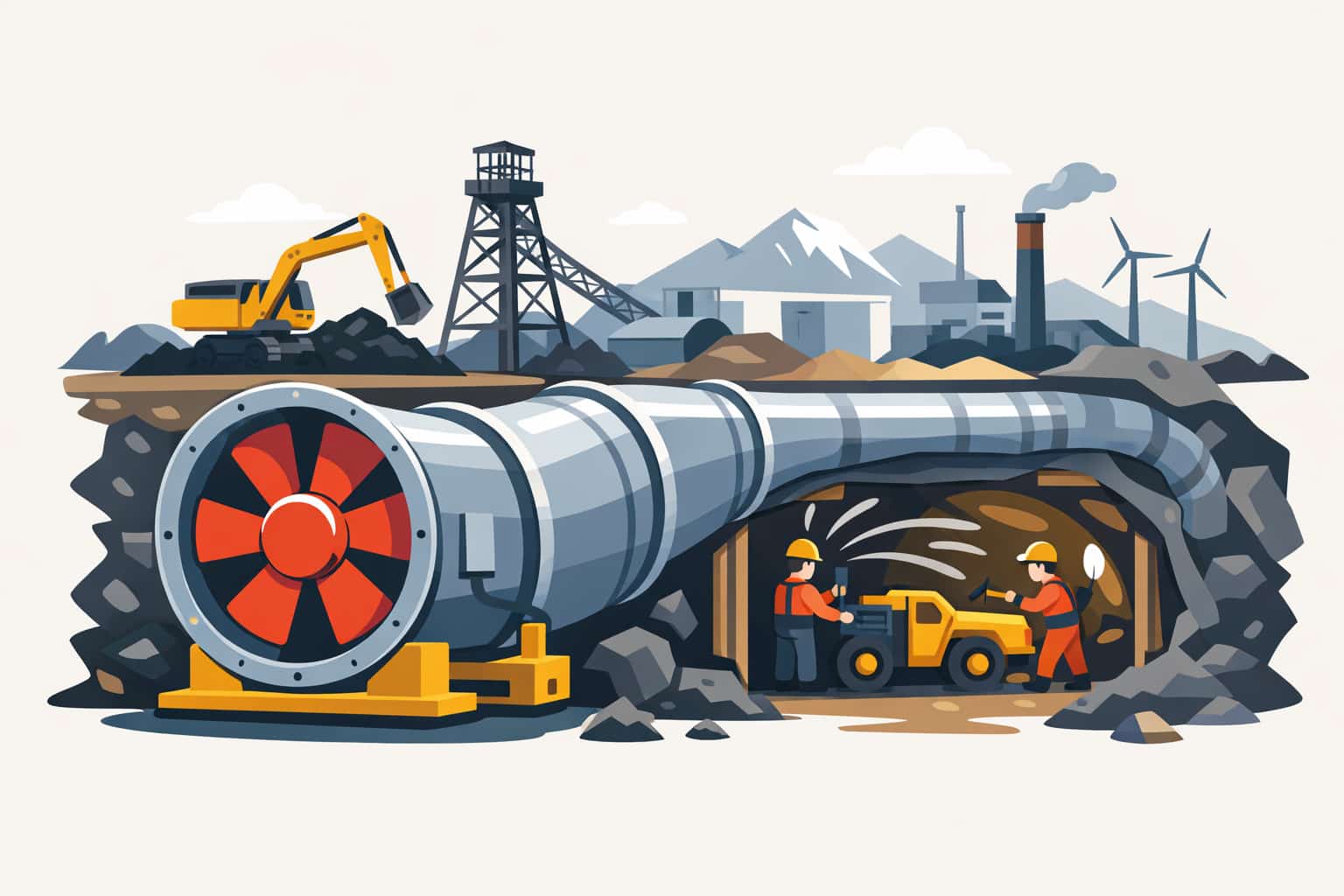
In underground mines and tunnels, natural ventilation has additional disadvantages. The depth, geometry and resistance of airways mean that wind and buoyancy alone rarely deliver enough air quantity to meet modern safety standards. Gas layering, dust buildup and heat problems become severe. For these reasons, most mines use mechanical ventilation with main fans, booster fans and auxiliary fans rather than rely solely on natural airflow, although natural pressure differences are sometimes used to reduce fan power.
Natural ventilation can also be incompatible with environmental and noise control. Open windows, doors and vents may allow noise and odours to escape uncontrolled, affecting neighbours. In cold or hot climates, uncontrolled openings can waste energy, making it difficult to maintain stable indoor temperatures and humidity.
Finally, natural ventilation complicates emergency planning. Smoke, gas or dust movement during a fire or accidental release is harder to predict and control if airflow depends only on wind and temperature. Mechanical ventilation systems with fans, dampers and control logic provide much more reliable smoke and gas management strategies.
In summary, natural ventilation saves energy and can work well for some simple buildings, but its disadvantages—weather dependence, lack of control, uneven airflow, poor suitability for industrial and mining conditions and limited emergency control—mean that mechanical ventilation with fans is usually required wherever safety and process reliability are critical.