
Ventilation equipment includes all of the devices used to move, distribute, clean and control air in buildings, factories and mines. While fans are the most visible components, a complete ventilation system relies on many other pieces of equipment to work properly and safely.
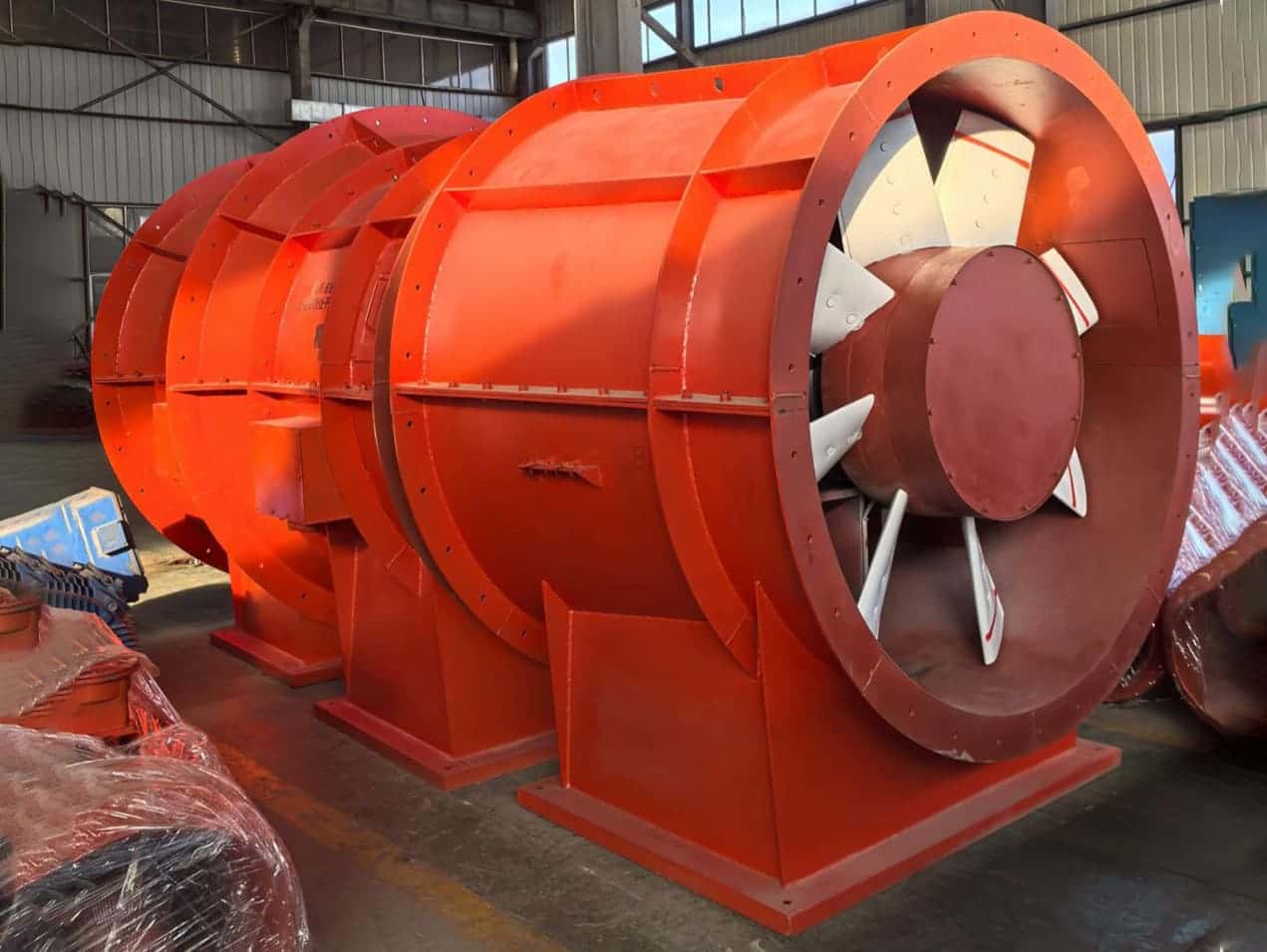
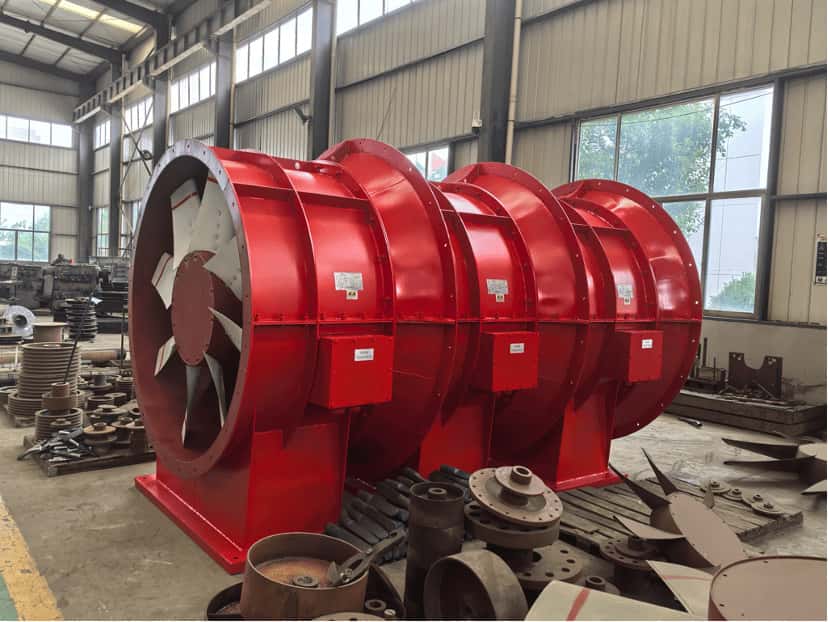
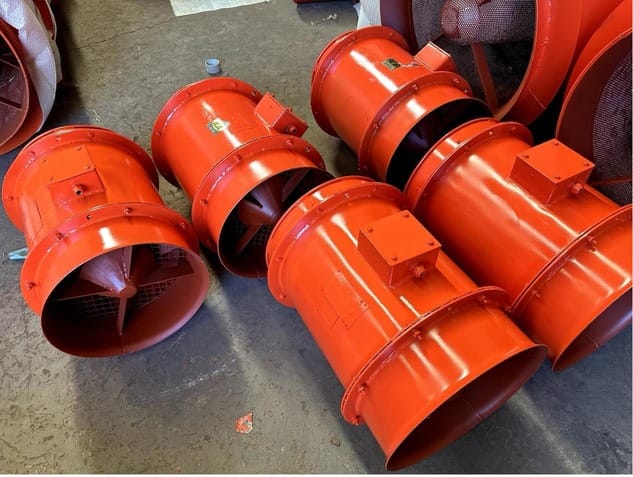
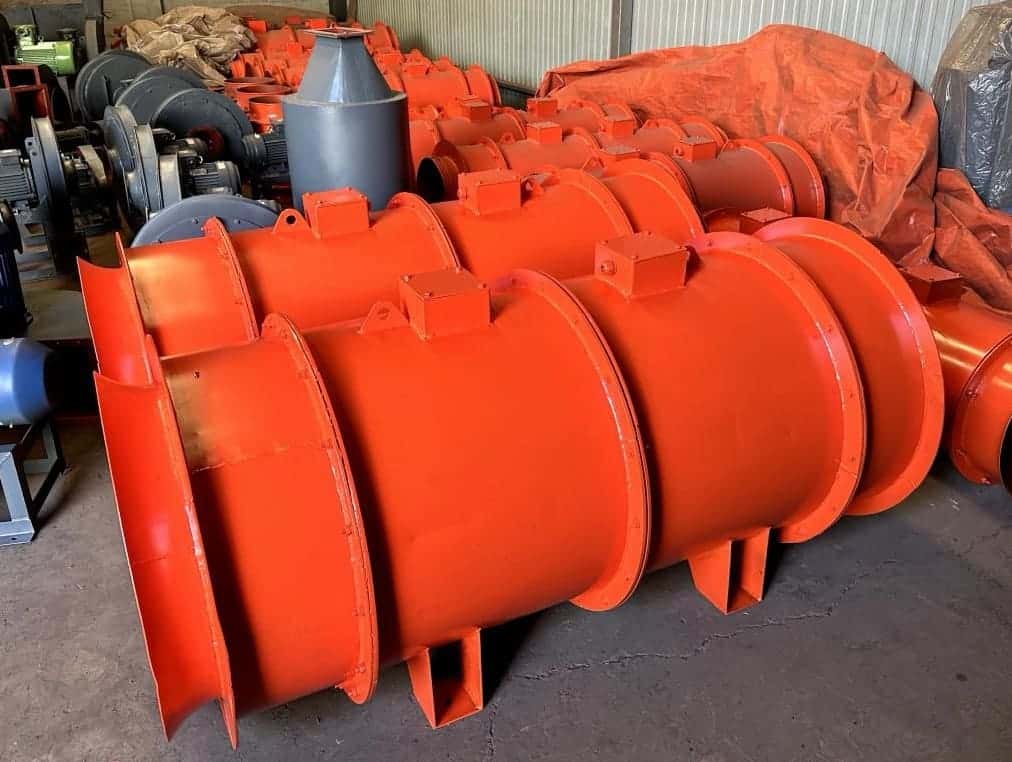
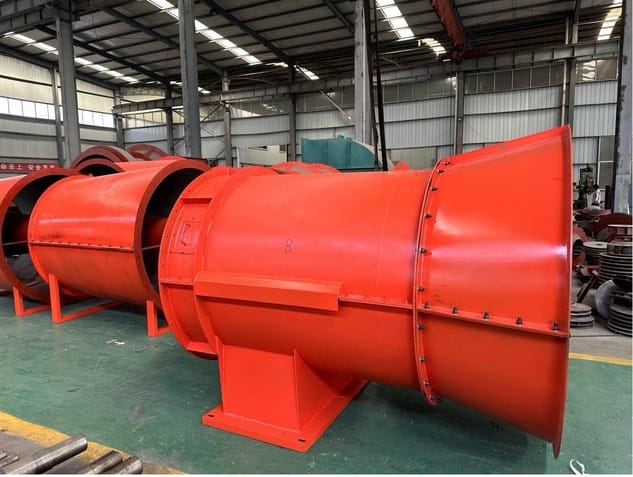
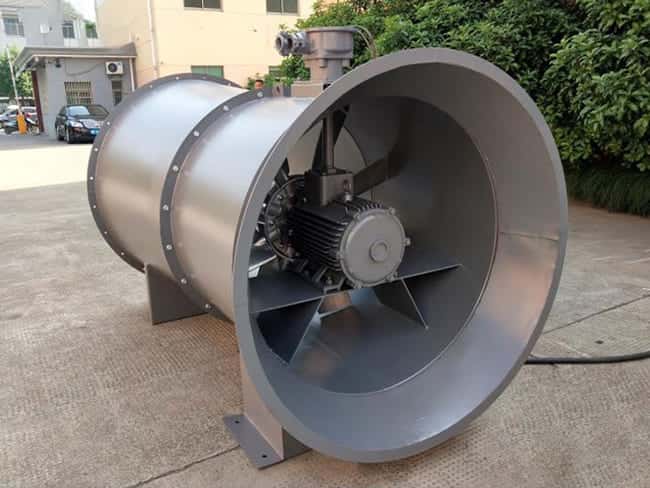
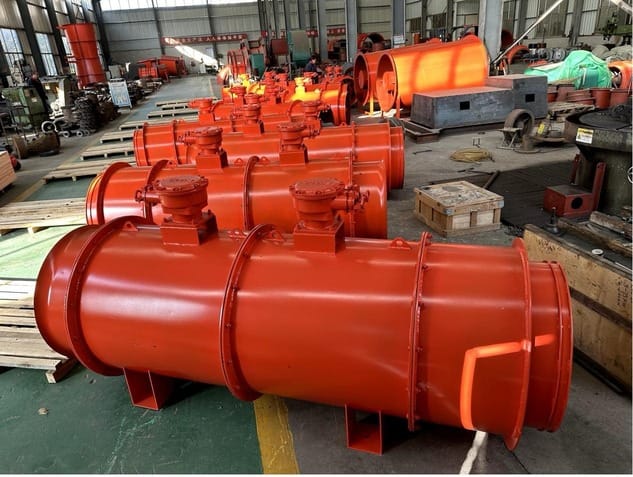
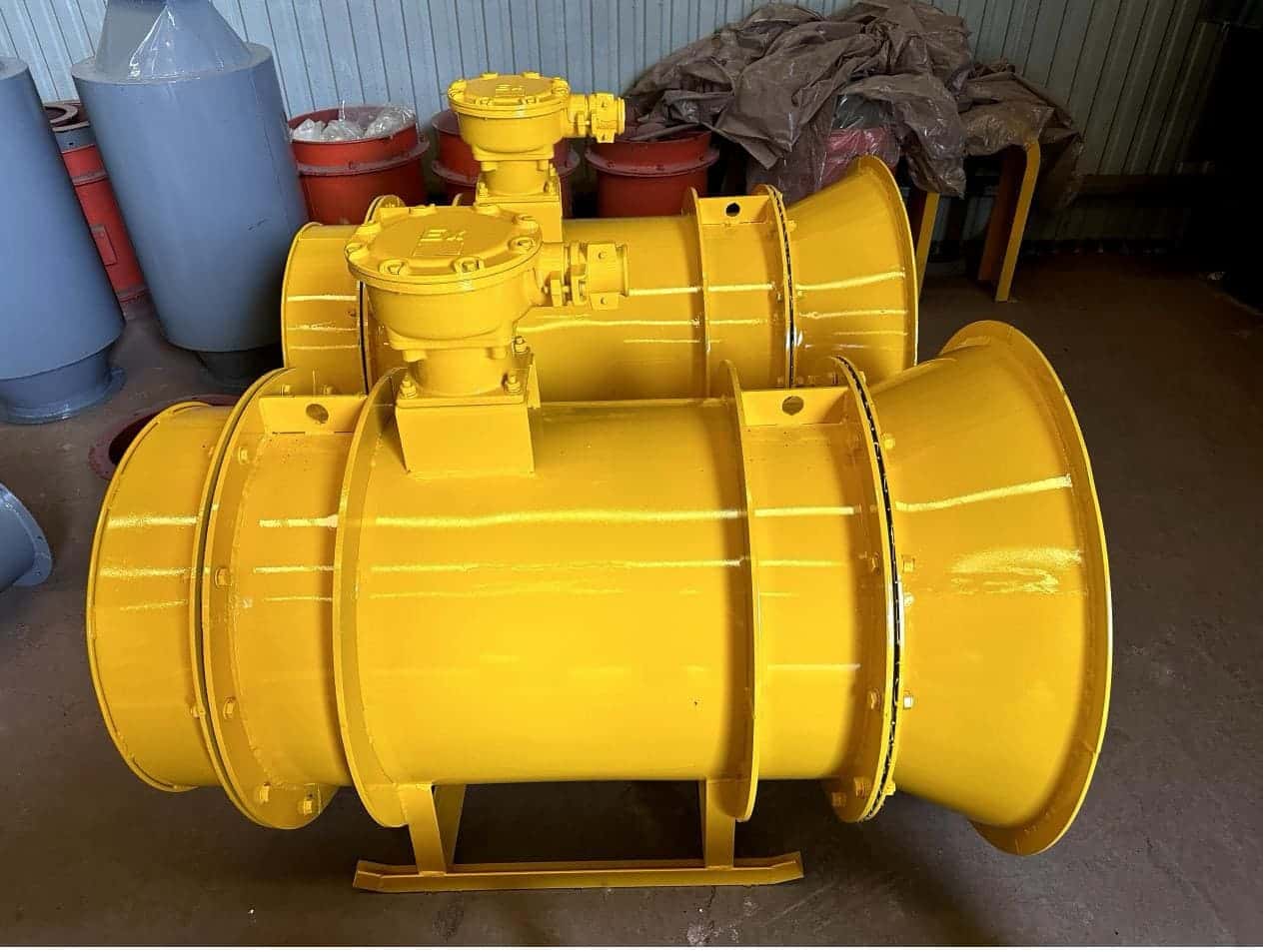
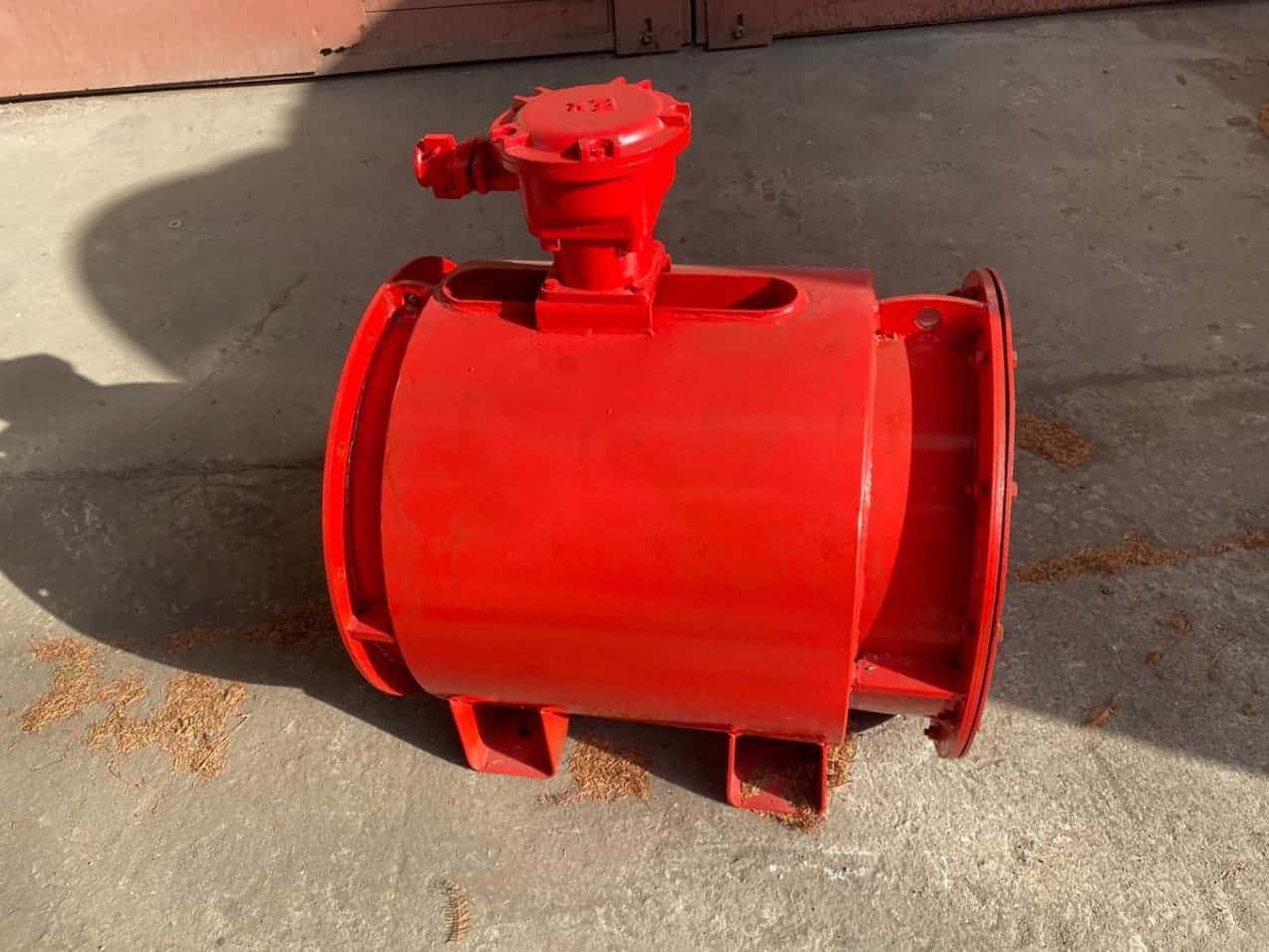
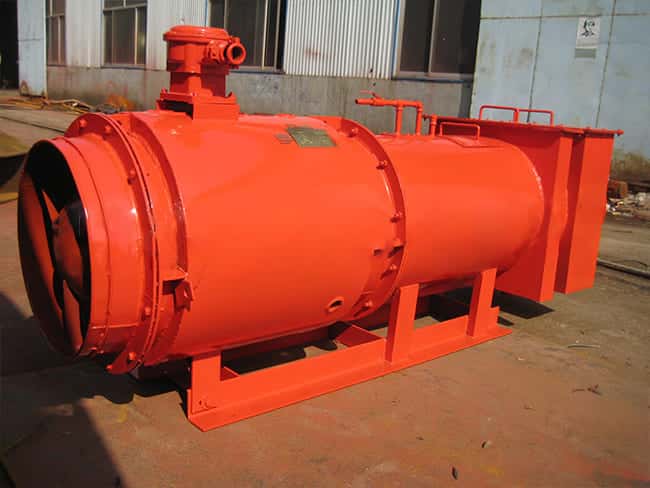
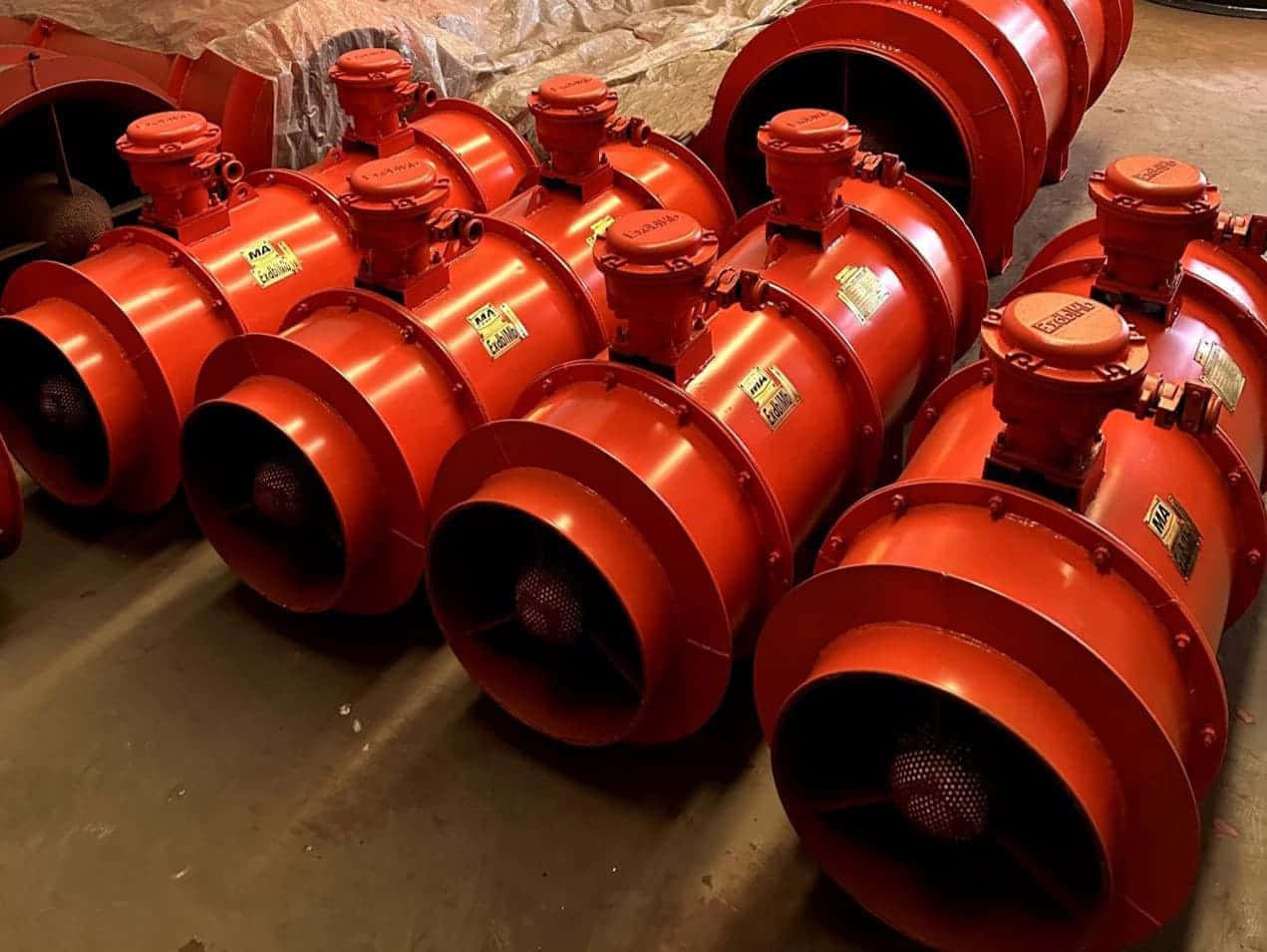
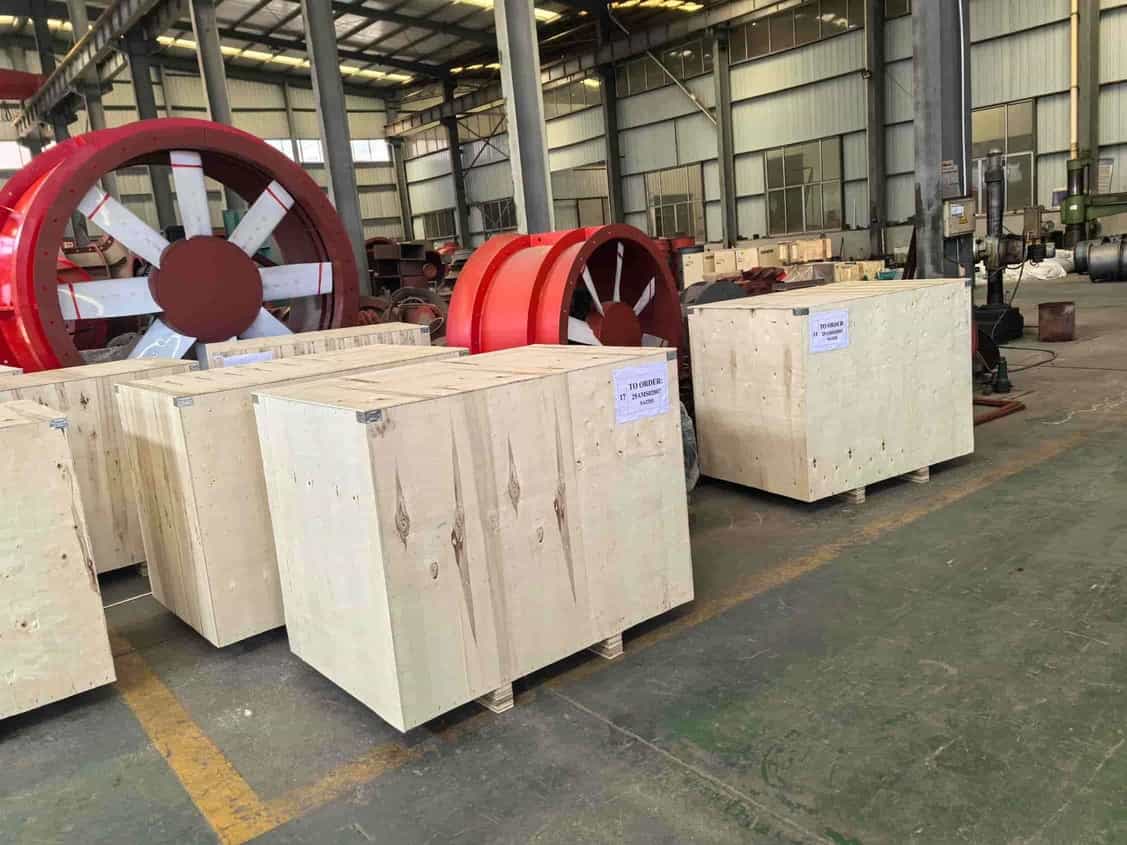
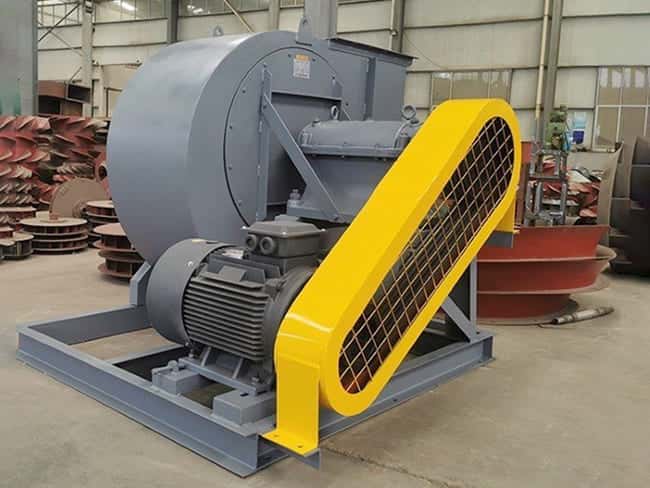
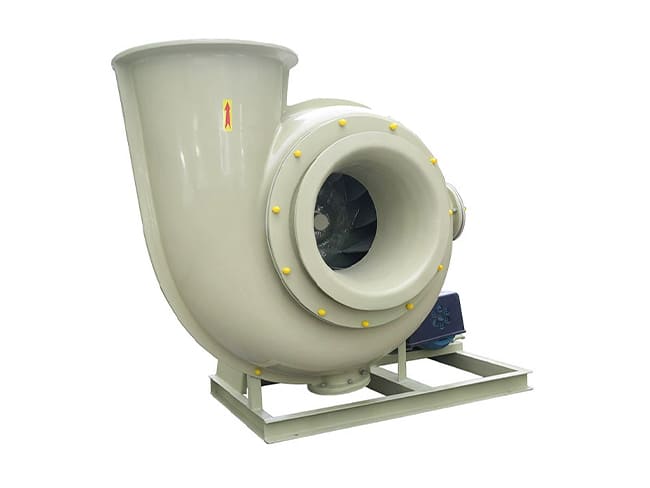
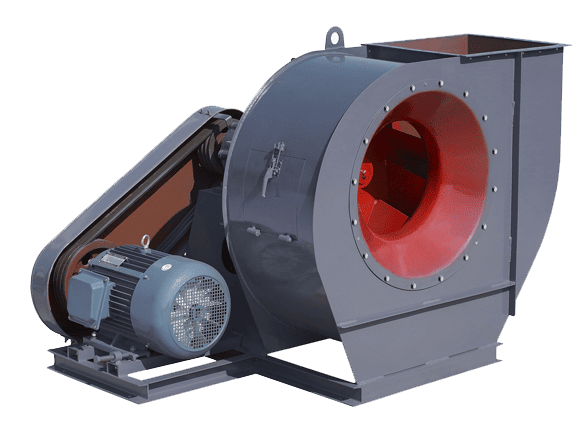
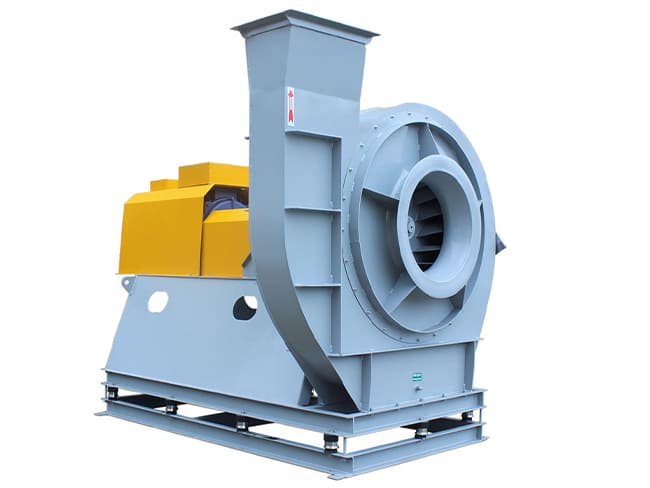
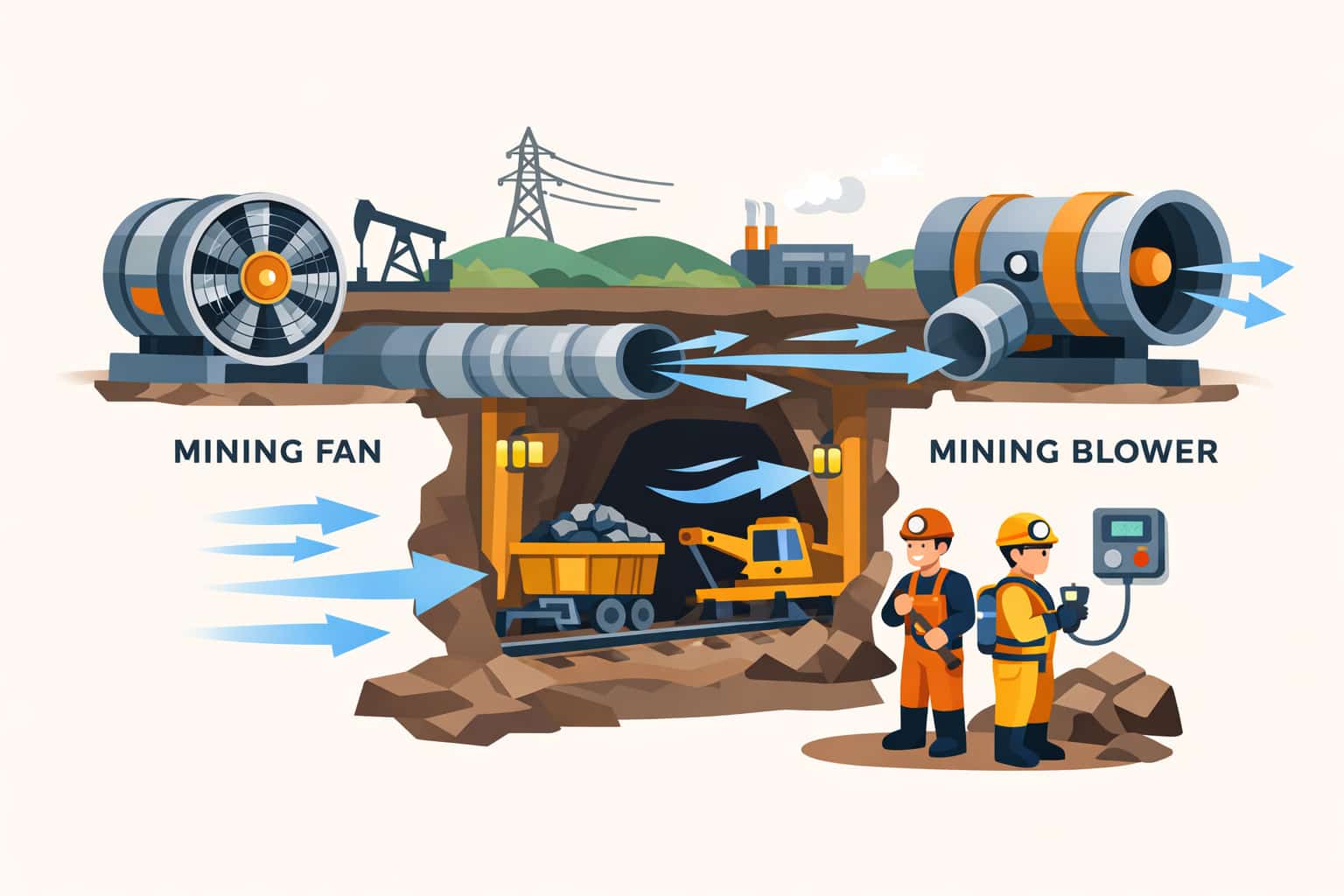
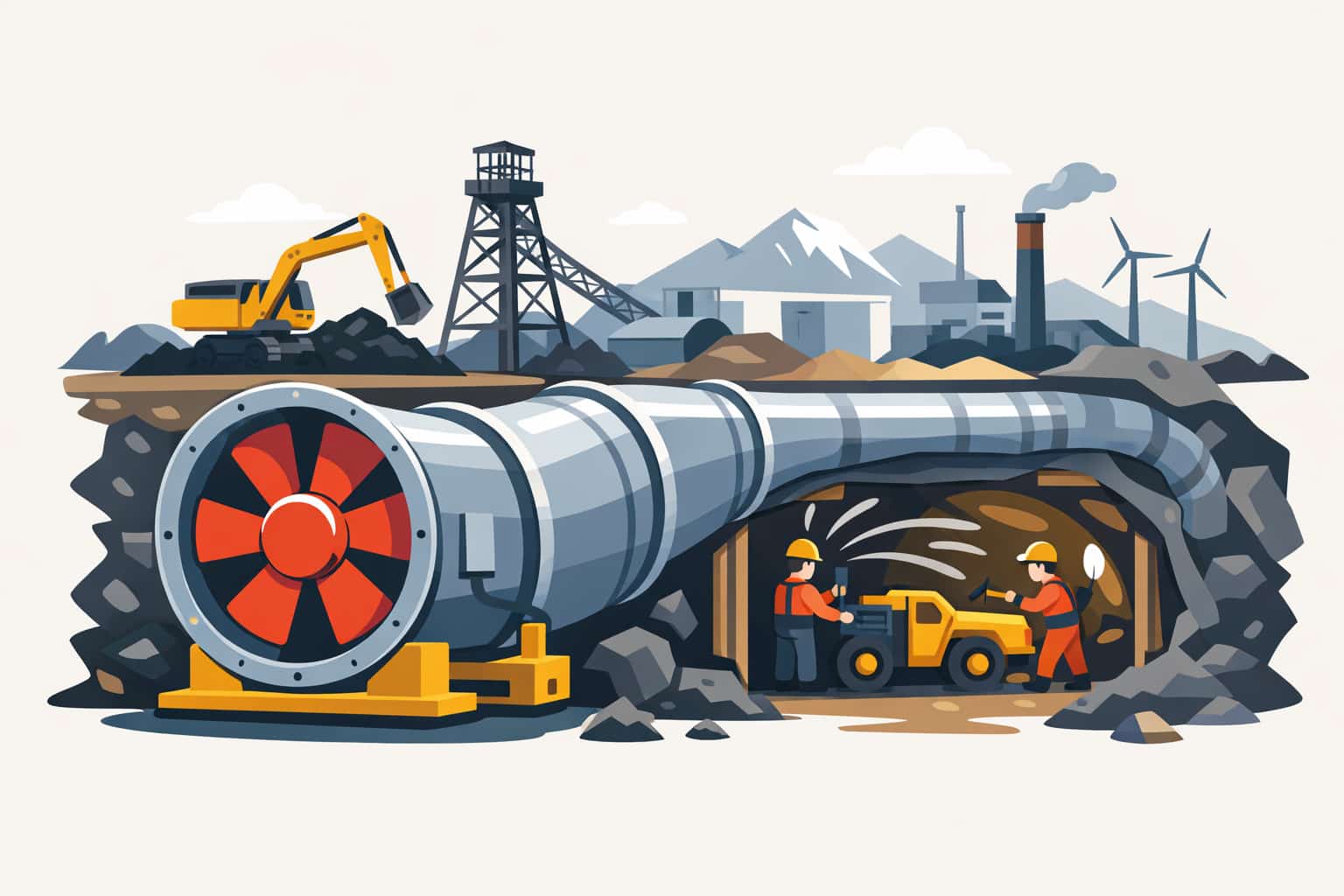
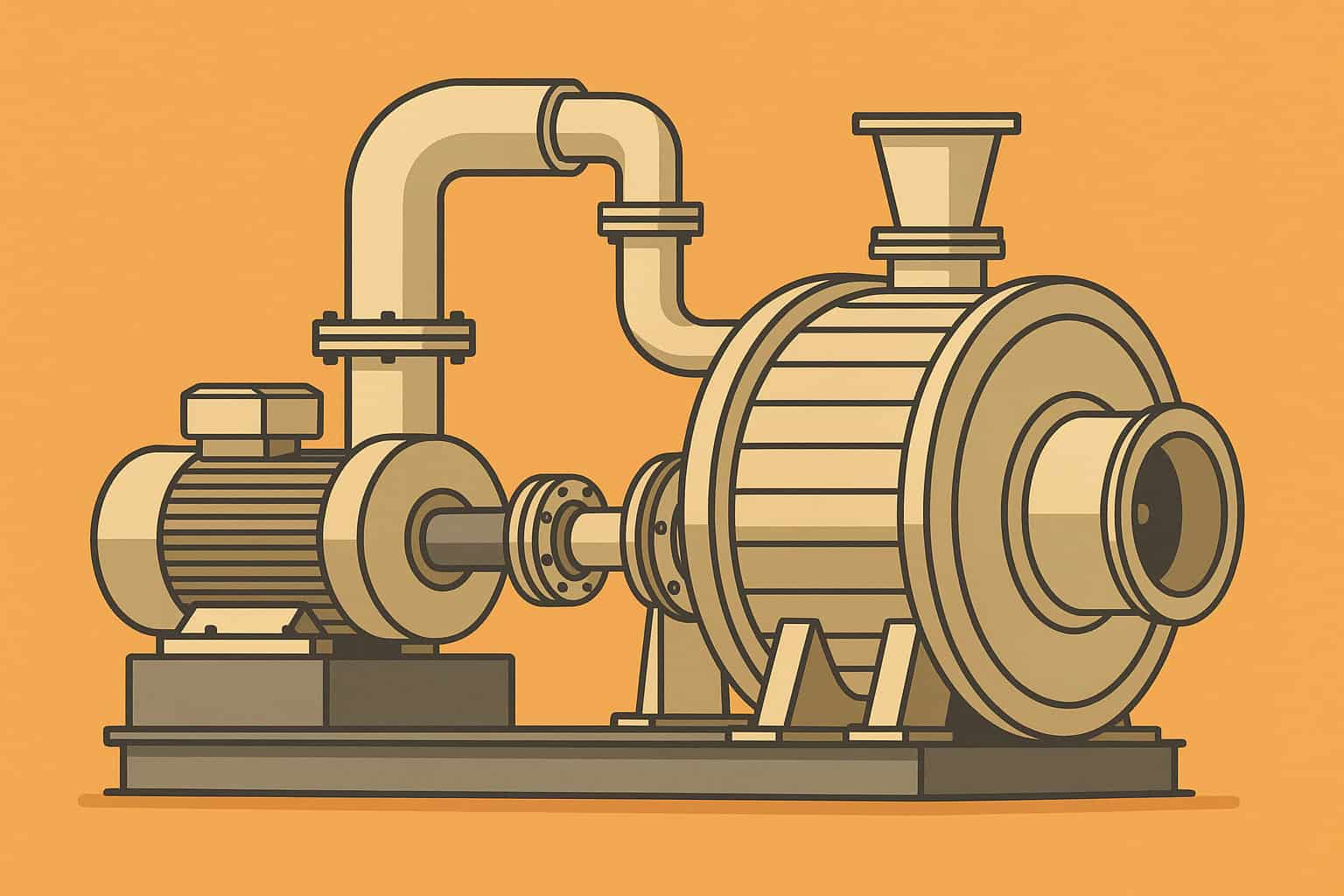
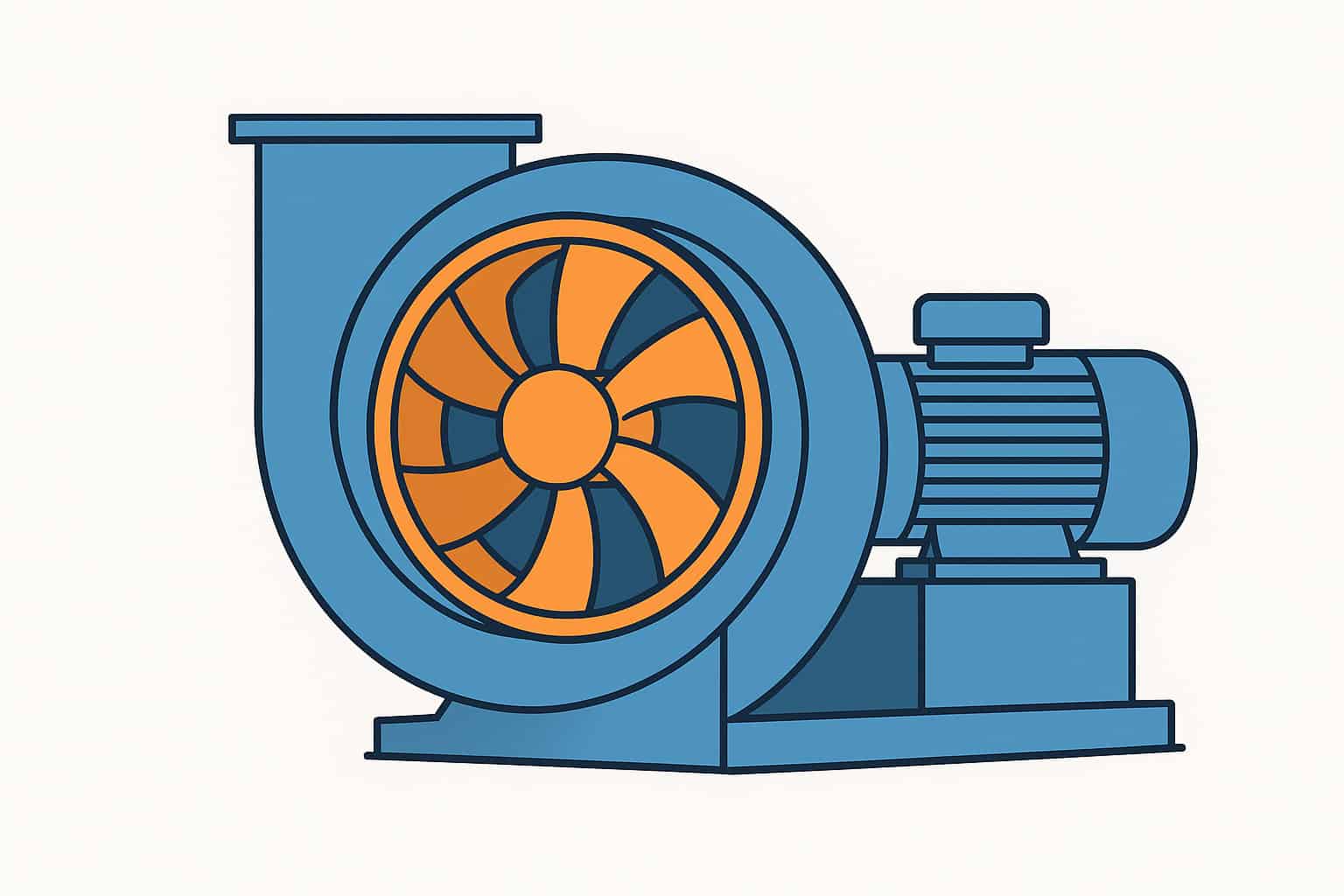
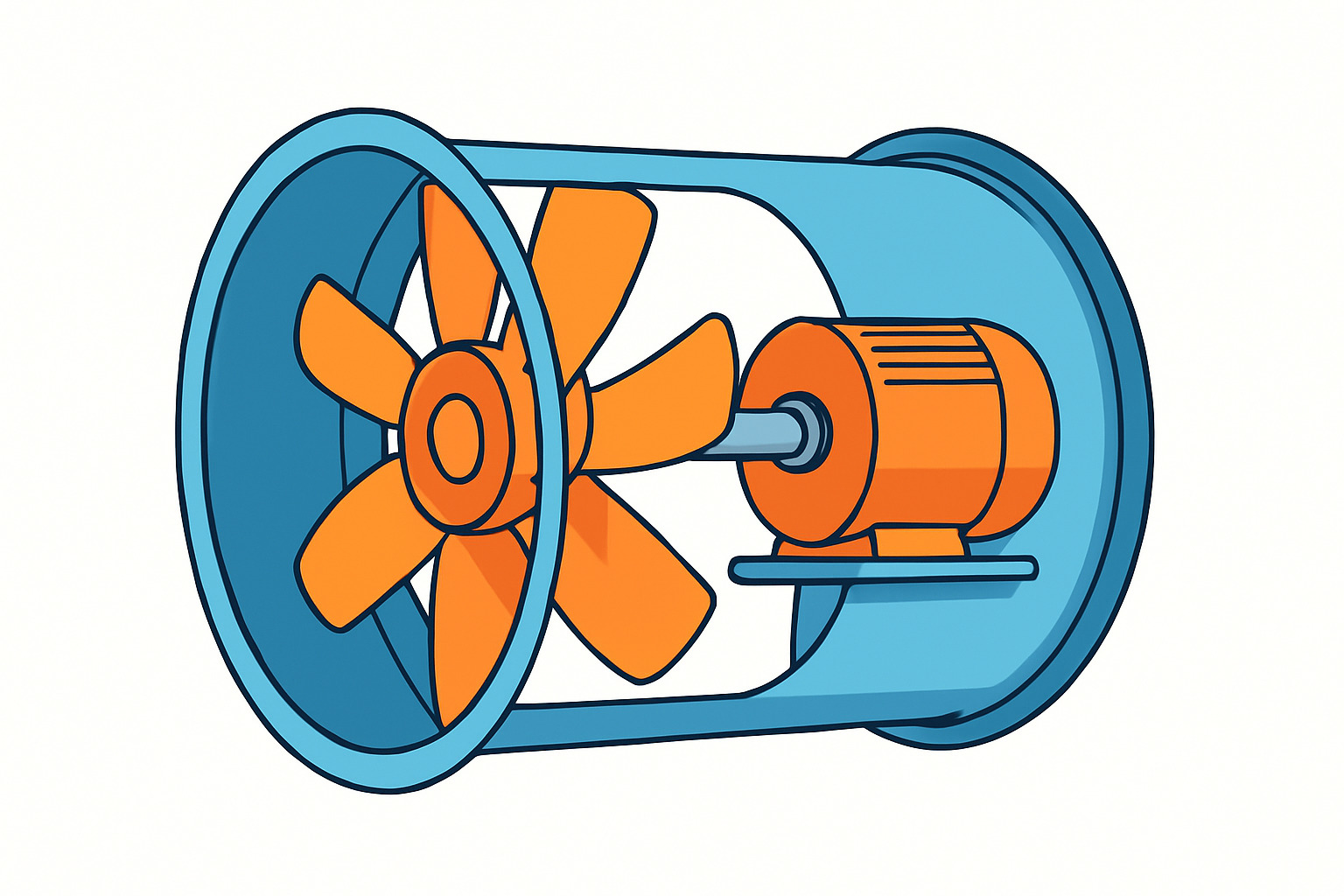
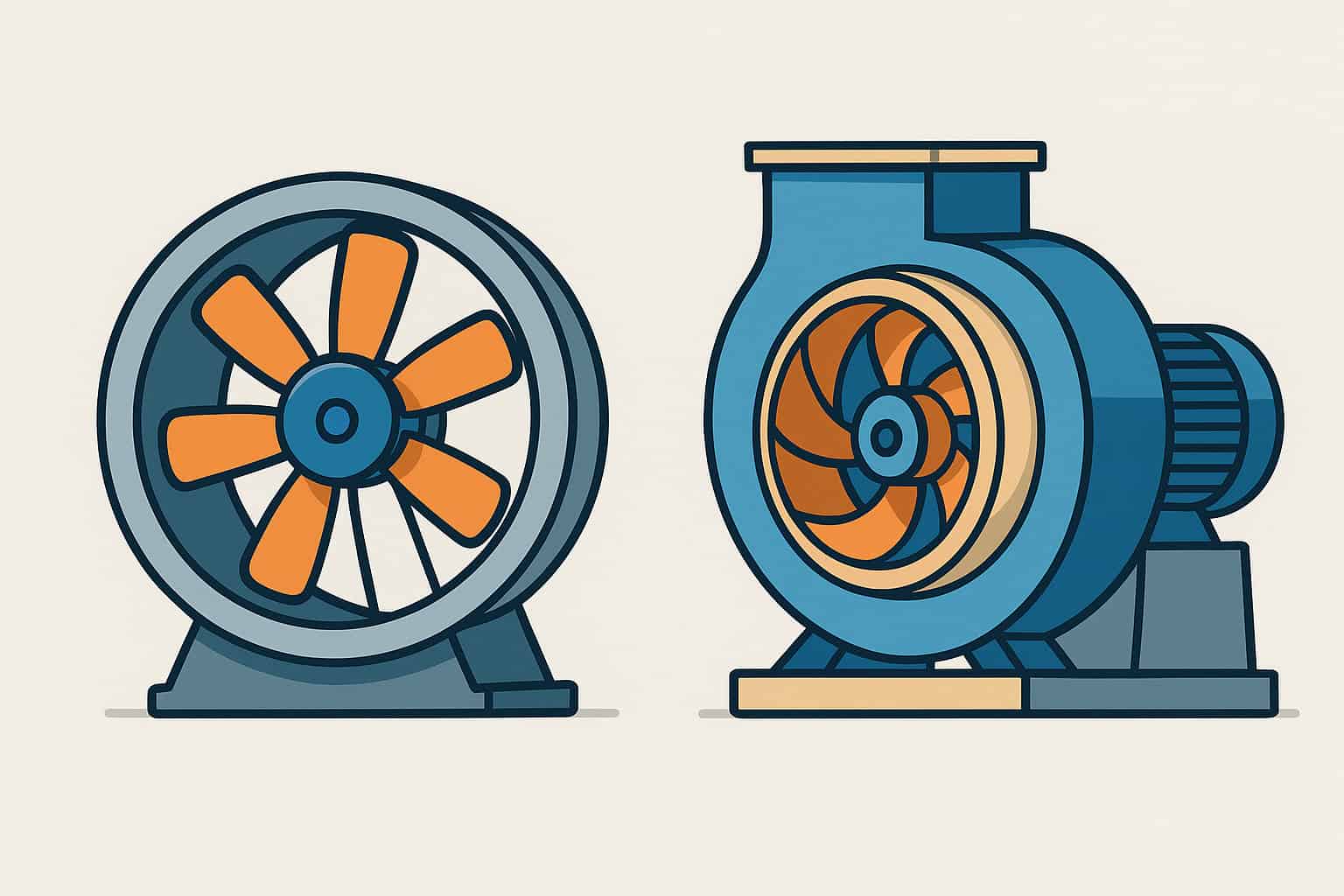
The most obvious examples are ventilation fans. These include axial fans (such as wall fans, duct fans, tunnel fans and mine main fans) and centrifugal fans (used for ducted systems, dust collectors, scrubbers and process exhaust). Fans provide the pressure needed to overcome system resistance and move air through ducts, rooms and underground airways.
Ductwork and fittings are another key category. Sheet metal ducts, flexible ducts, connectors, elbows, transitions, plenums and manifolds form the network that carries air to and from different areas. In mines, steel or plastic ducts and ventilation pipes connect auxiliary fans to headings and working faces. Good duct design is essential for efficient airflow and low pressure losses.
Air filtration and treatment equipment includes pre-filters, fine filters, HEPA filters, bag filters, cyclones, scrubbers and dust collectors. These devices remove dust, fumes and other contaminants from the air. In some systems, there are also heating coils, cooling coils, dehumidifiers and humidifiers that control temperature and humidity. In hot mines, air coolers and refrigeration plants are part of the ventilation equipment that makes working conditions acceptable.
Dampers and air control devices regulate flow and pressure within the system. Volume control dampers, fire dampers, backdraft dampers, regulators and variable air volume (VAV) boxes allow engineers to balance airflow between branches, shut off sections for maintenance and protect against fire spread. In mine ventilation, regulators and doors in airways serve similar purposes, directing flow to priority areas.
Other important examples are inlets, outlets and distribution devices. Louvers, grilles, diffusers and jet nozzles control how air enters and leaves rooms and tunnels. Roof ventilators and ridge vents help exhaust hot air from industrial buildings. In underground mines, stoppings, overcasts and undercasts act as structural ventilation devices that separate intake and return airways.
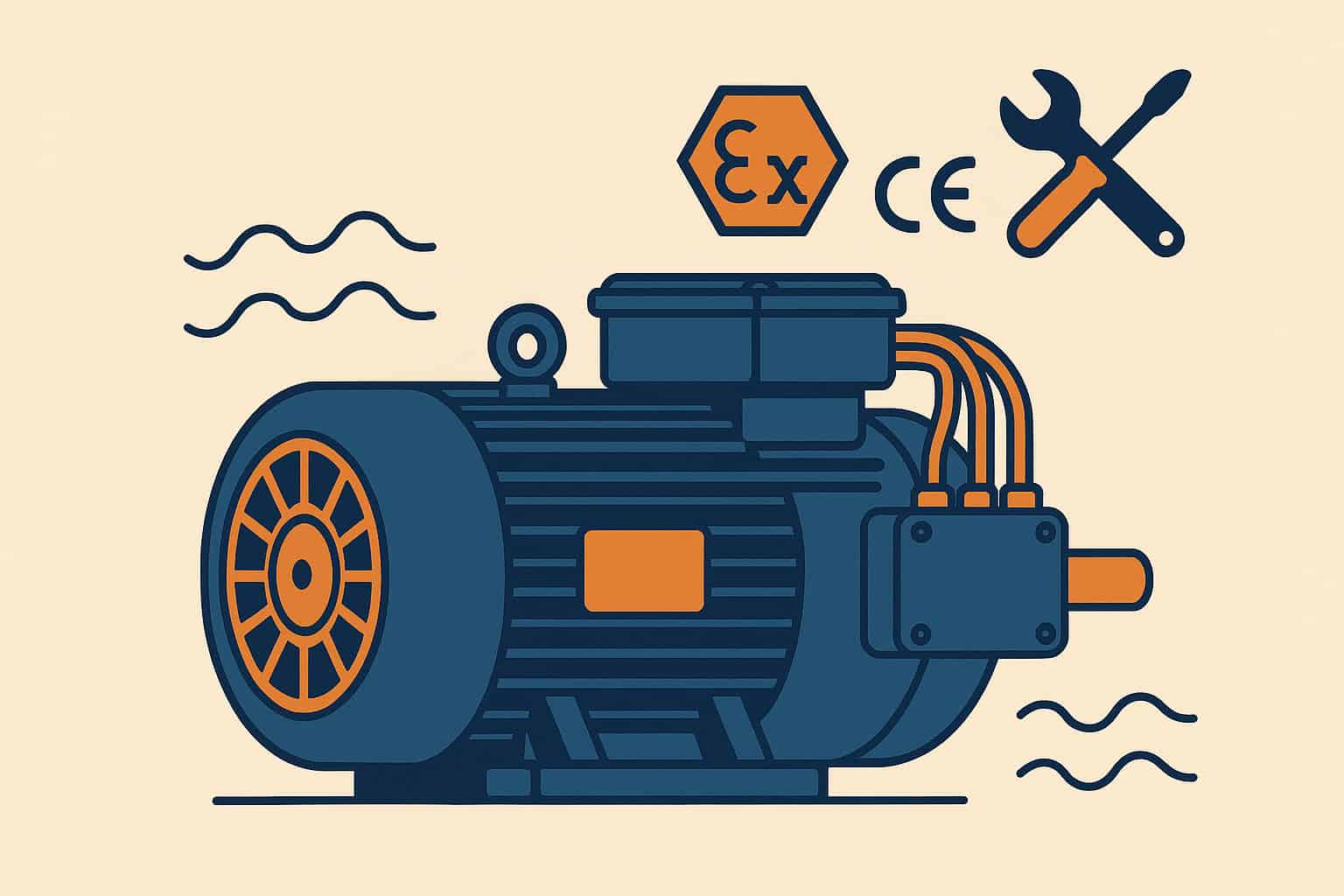
Finally, modern systems rely heavily on controls and monitoring instruments. Pressure sensors, anemometers, gas detectors, temperature and humidity sensors, and variable-frequency drives form the control layer. They ensure that ventilation equipment responds correctly to changing conditions and meets legal and safety requirements.
In summary, examples of ventilation equipment include fans, ductwork, filters, air treatment units, dampers, inlets and outlets, structural ventilation elements and the control and monitoring devices that tie everything together into a working system.