
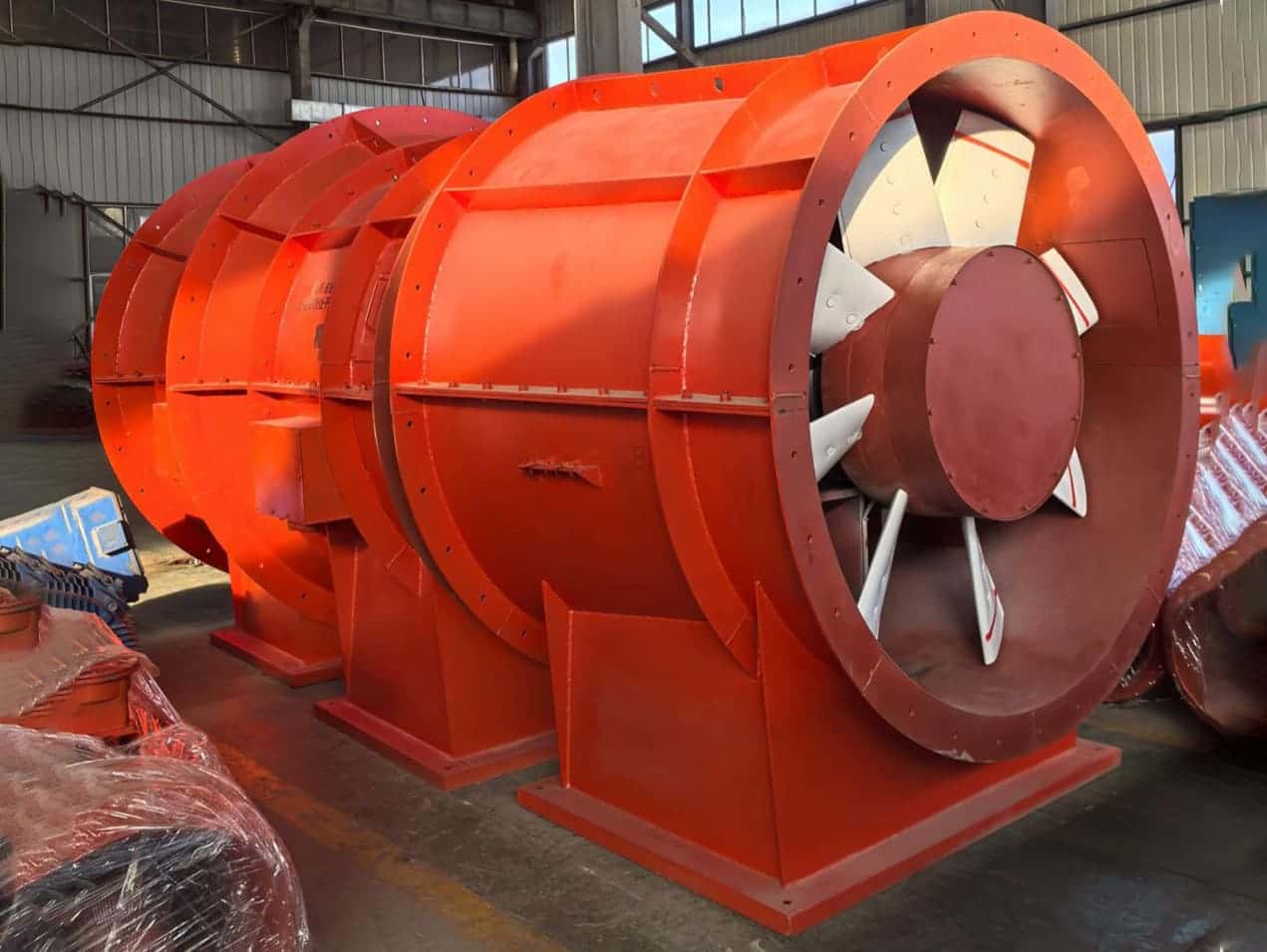
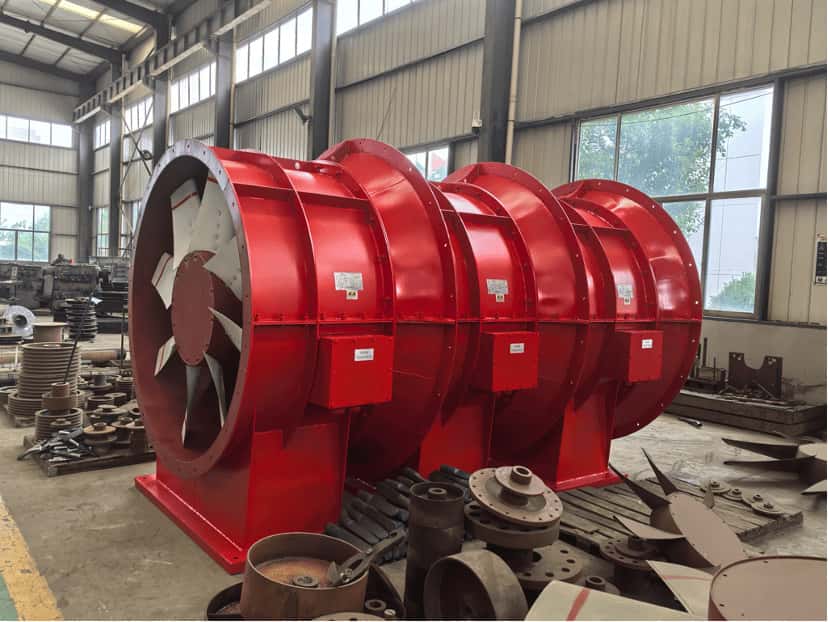
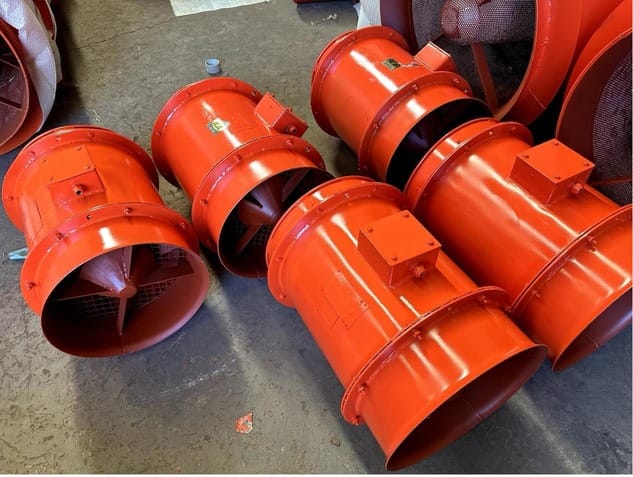
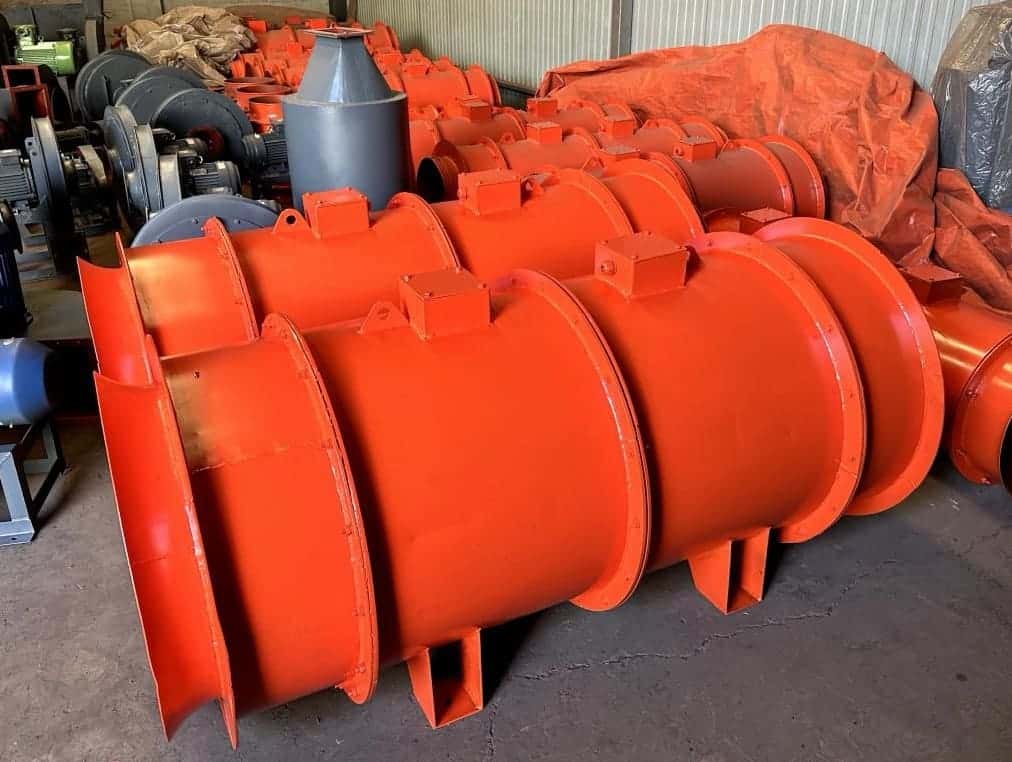
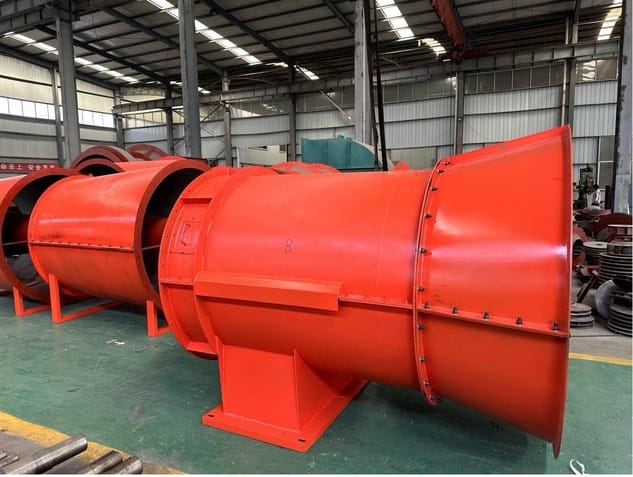
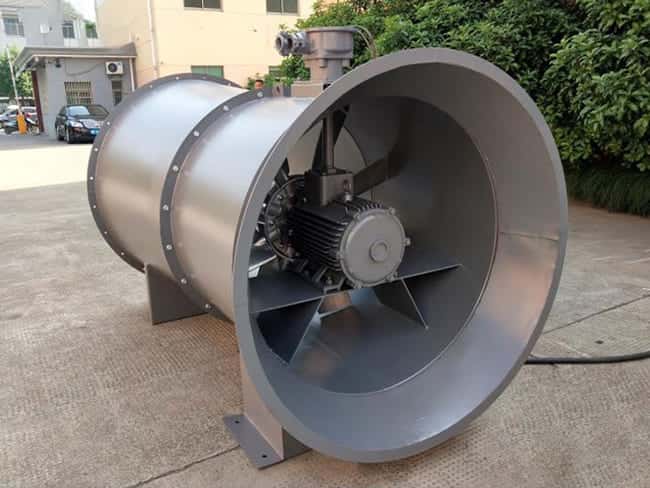
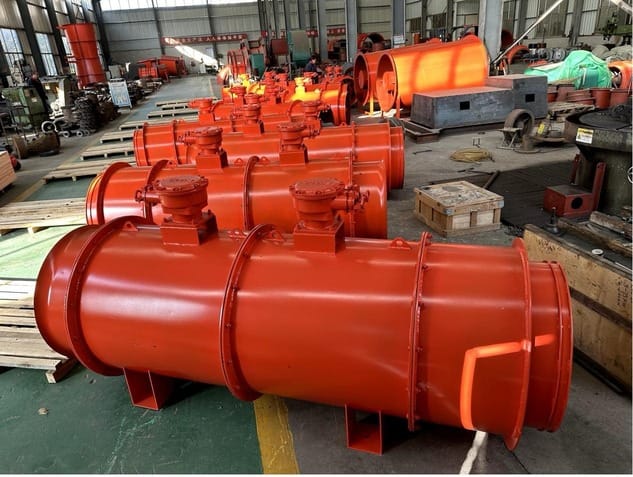
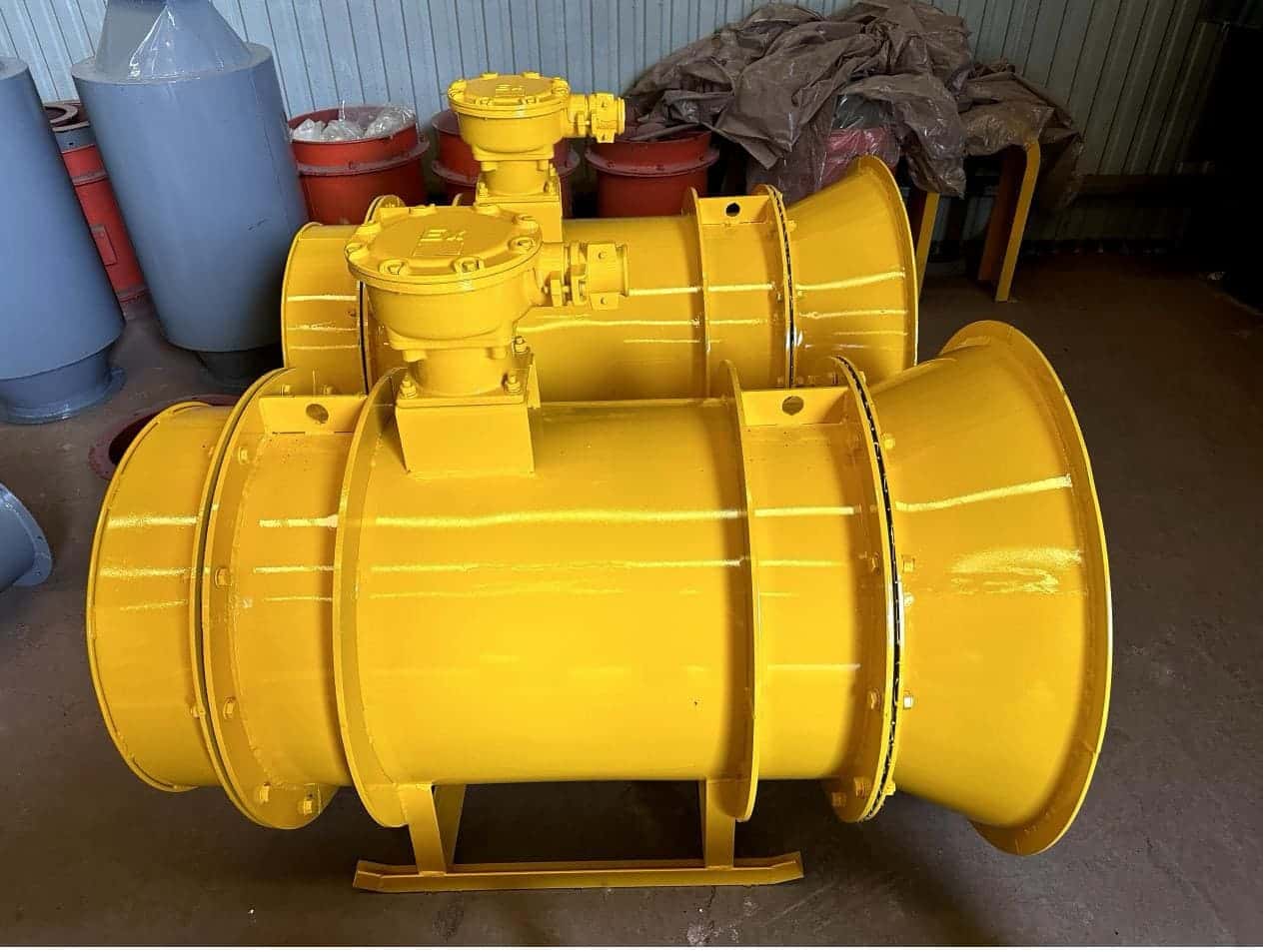
The importance of ventilation goes far beyond simply making a room feel less stuffy. In industrial plants, commercial buildings and underground mines, proper ventilation is a basic safety and performance requirement. While there are many benefits, five key reasons stand out and apply across most applications.
1. Fresh air and oxygen supply
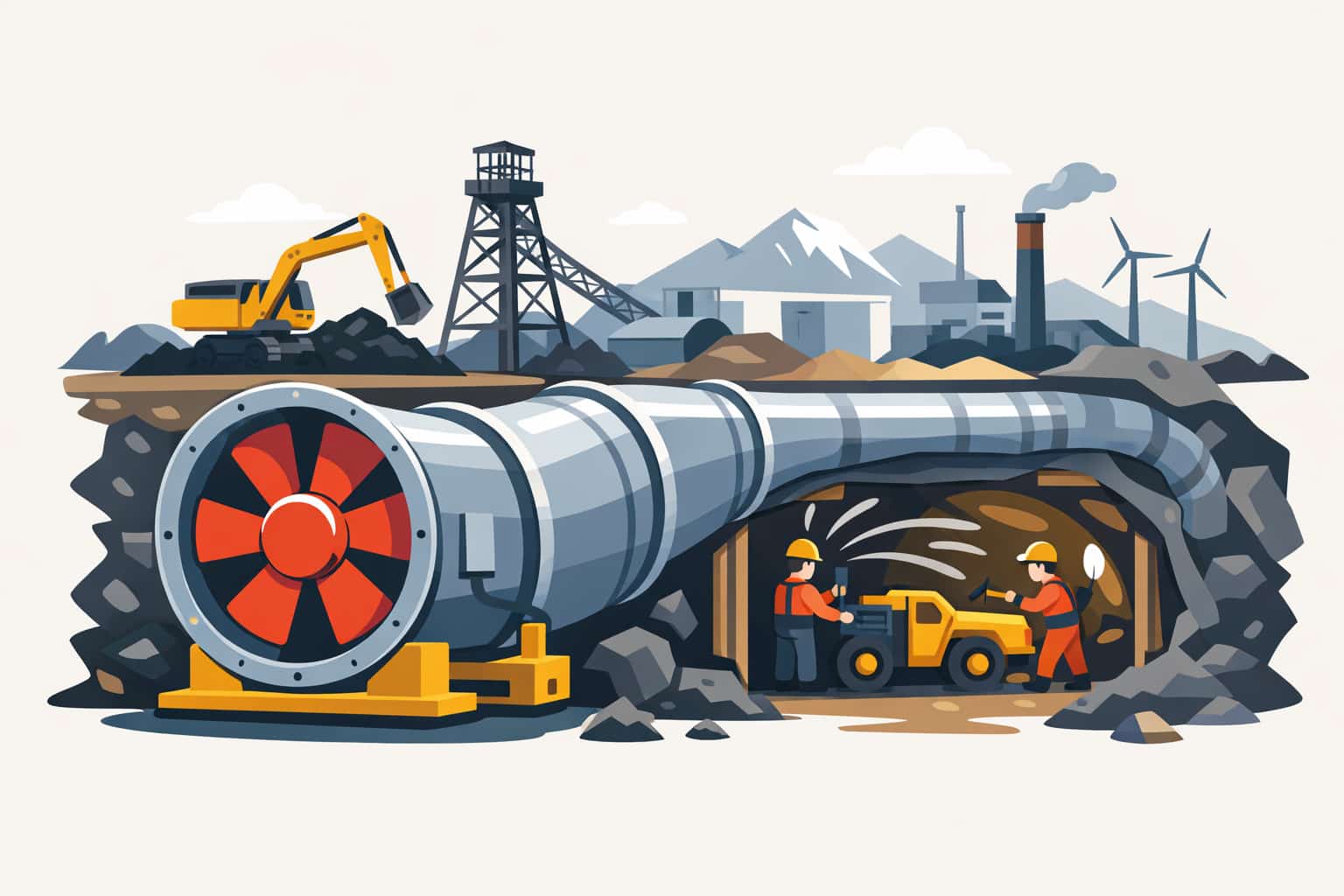
First, ventilation is essential to provide a reliable supply of fresh air and oxygen. In underground mines and confined industrial spaces, oxygen can be consumed by workers, diesel engines and combustion processes. Without fresh air delivered by main fans, auxiliary fans and ducts, oxygen levels can drop below safe limits. Even in buildings, a continuous flow of outdoor air is needed to replace stale indoor air and carbon dioxide from occupants.
2. Dilution and removal of contaminants
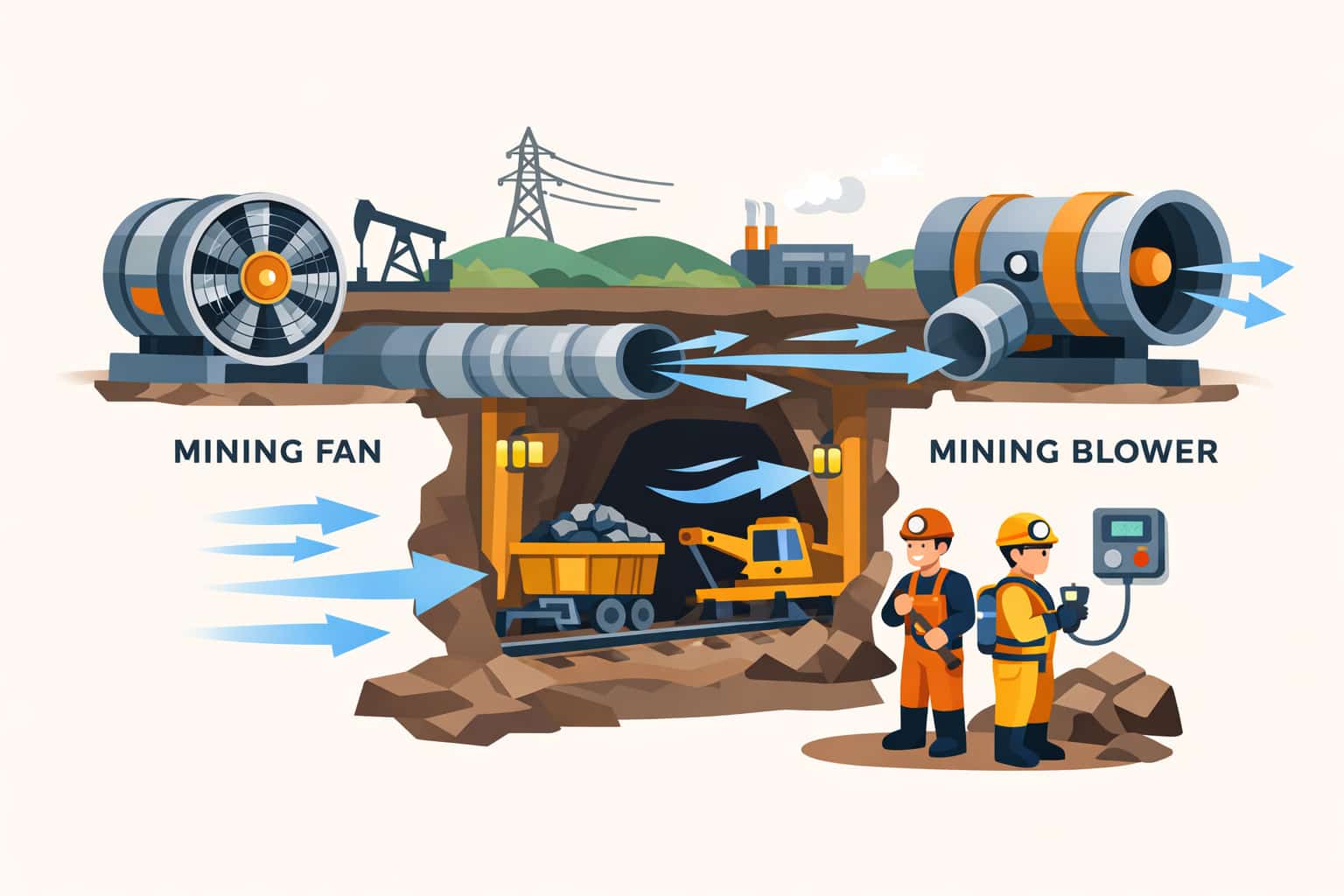
Second, ventilation dilutes and removes harmful contaminants such as dust, welding fumes, exhaust gases, vapours and microorganisms. In mines, ventilation fans move air through headings and stopes to sweep away diesel exhaust, blasting fumes and naturally occurring gases. In factories, local exhaust hoods and general ventilation systems work together to keep contaminant concentrations below occupational exposure limits. Without adequate airflow, these substances would accumulate to dangerous levels.
3. Heat and moisture control
Third, ventilation helps control heat and moisture. Equipment, processes and people all generate heat. In deep mines and heavy industrial plants, temperatures can rise quickly if air is not moving. Ventilation carries heat away from hot zones and can be combined with cooling systems for additional temperature reduction. At the same time, moving air removes moisture, helping to prevent condensation, corrosion and mould growth on structures and equipment.
4. Comfort and productivity
Fourth, ventilation contributes directly to comfort and productivity. Workers who breathe clean, moderately cool air feel less fatigue and can focus better on their tasks. Good airflow reduces odours, clears haze and improves visibility. In poorly ventilated areas, people may suffer headaches, drowsiness and reduced concentration, which can lead to accidents and lower production.
5. Protection of buildings and equipment
Fifth, ventilation helps protect buildings and equipment. Removing heat and moisture reduces corrosion and prolongs the life of electrical components, motors and structural steel. Controlled air movement can limit the spread of corrosive fumes or aggressive gases, keeping them away from sensitive areas. In mines, proper ventilation reduces the risk of gas layering and explosive atmospheres, protecting both infrastructure and personnel.
Taken together, these five factors—fresh air, contaminant control, heat and moisture management, comfort and equipment protection—show why ventilation is a critical design priority in any industrial or mining project, not an optional extra.