
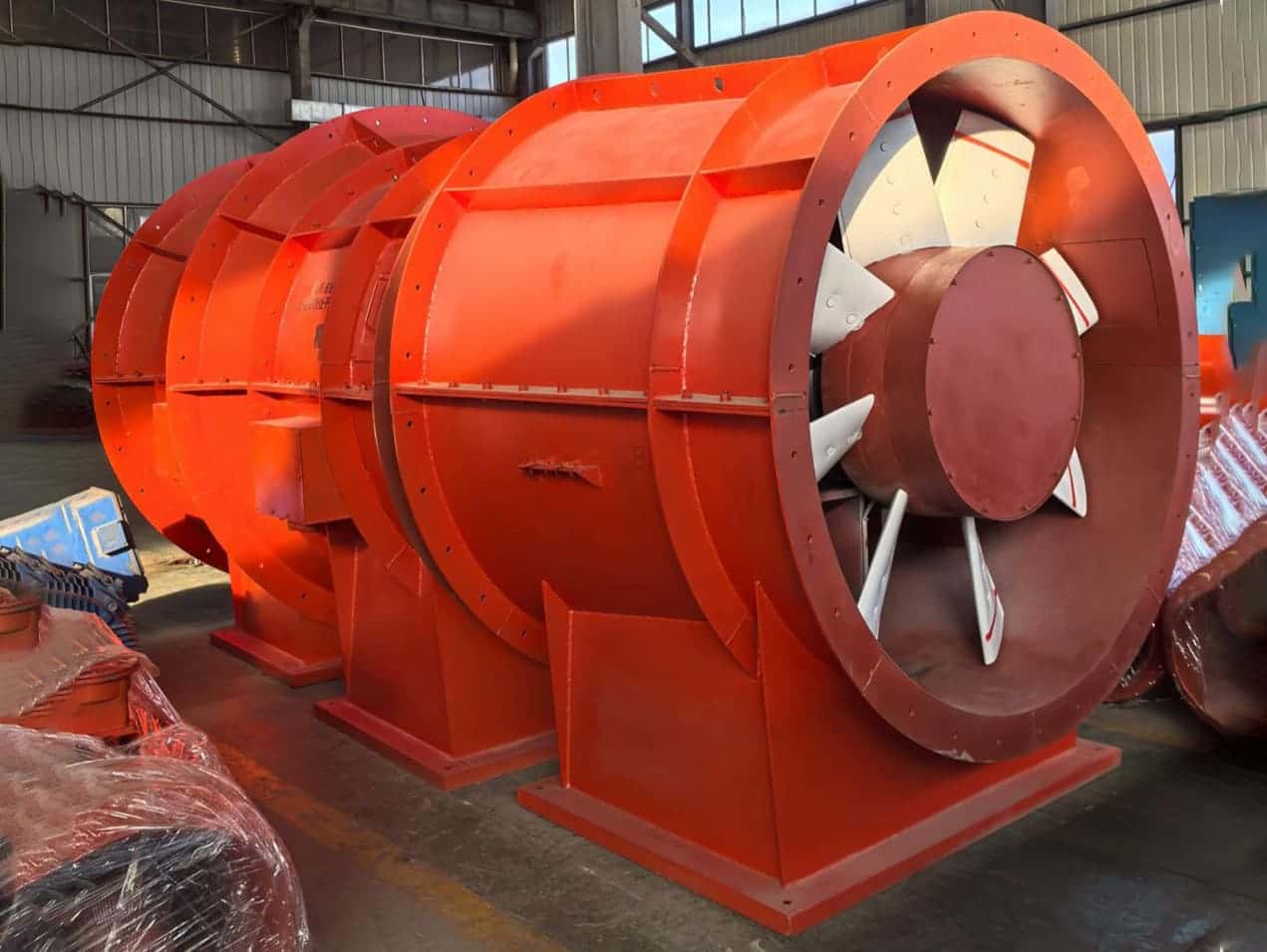
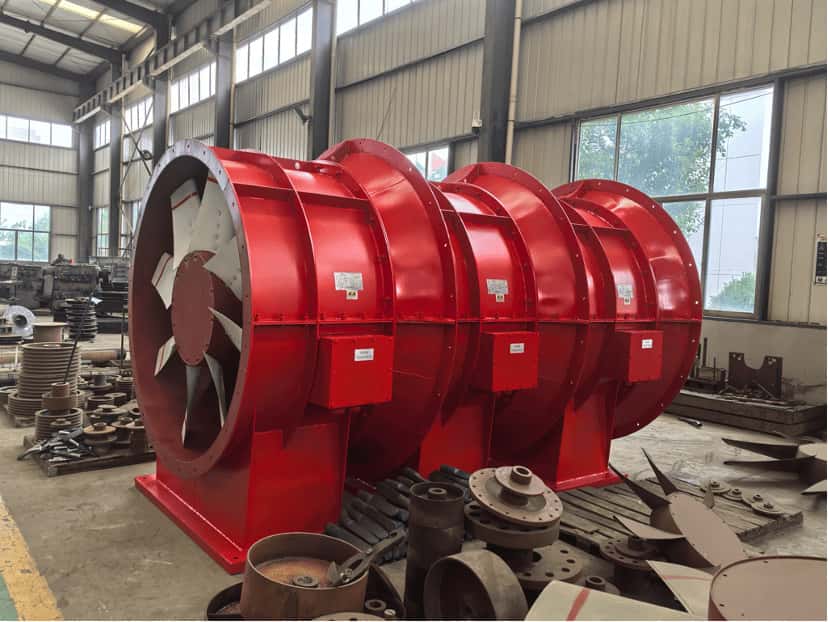
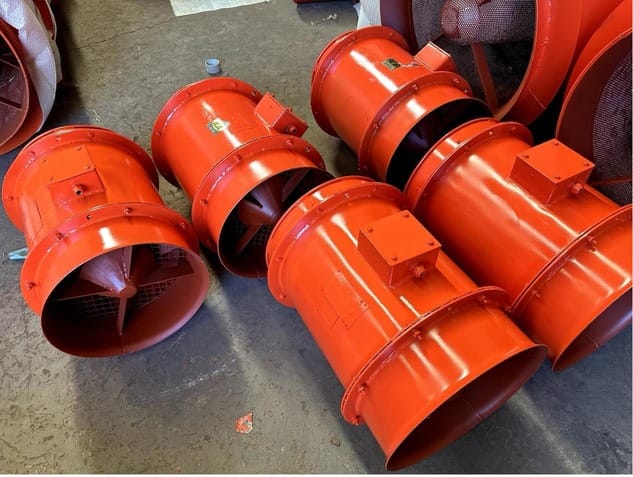
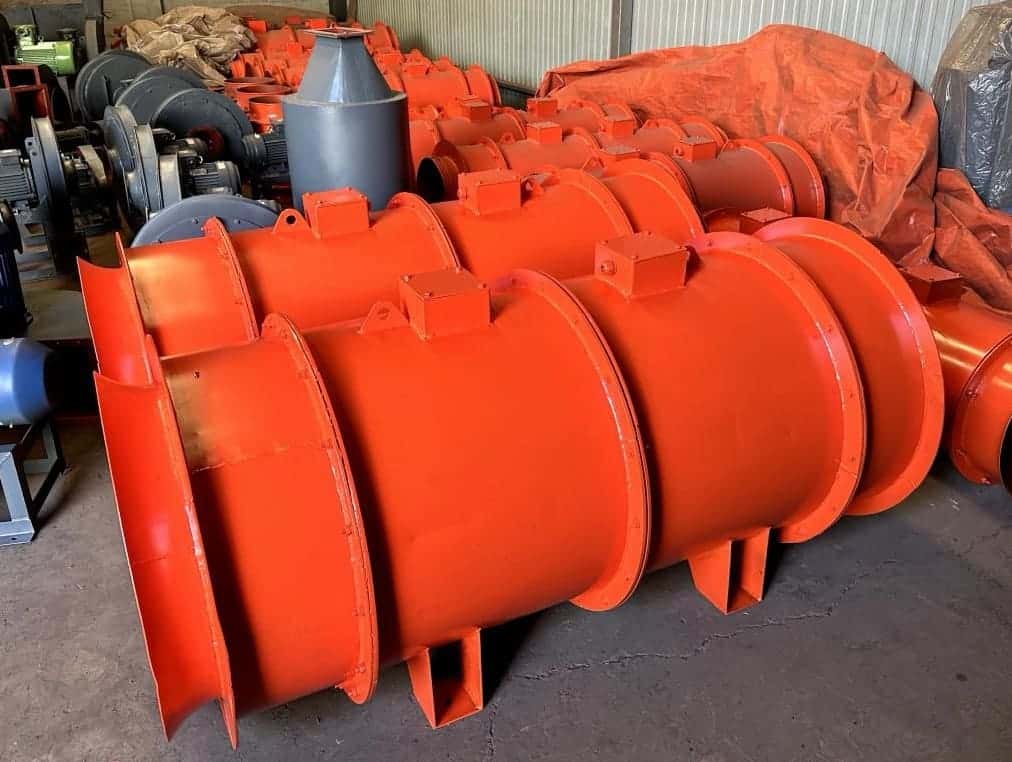
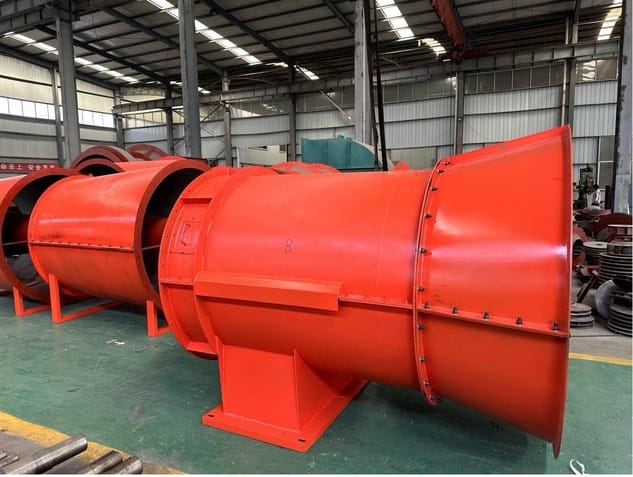
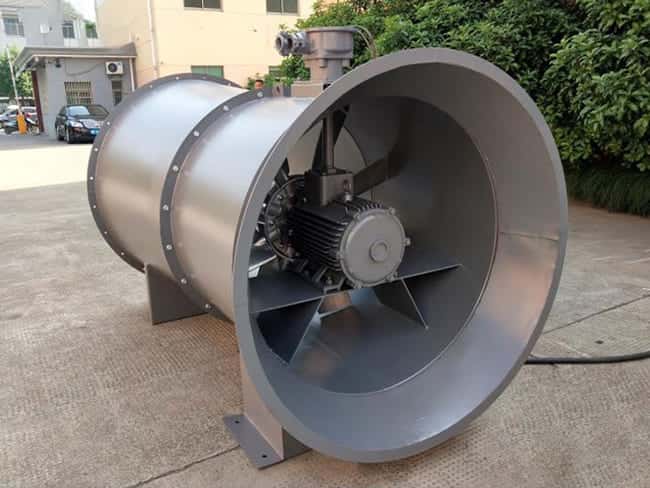
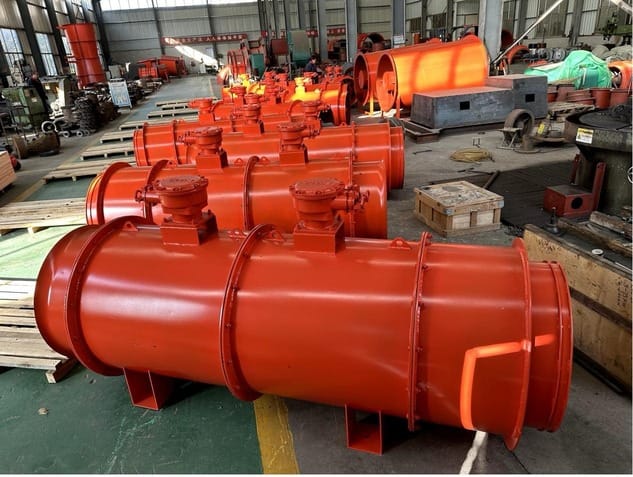
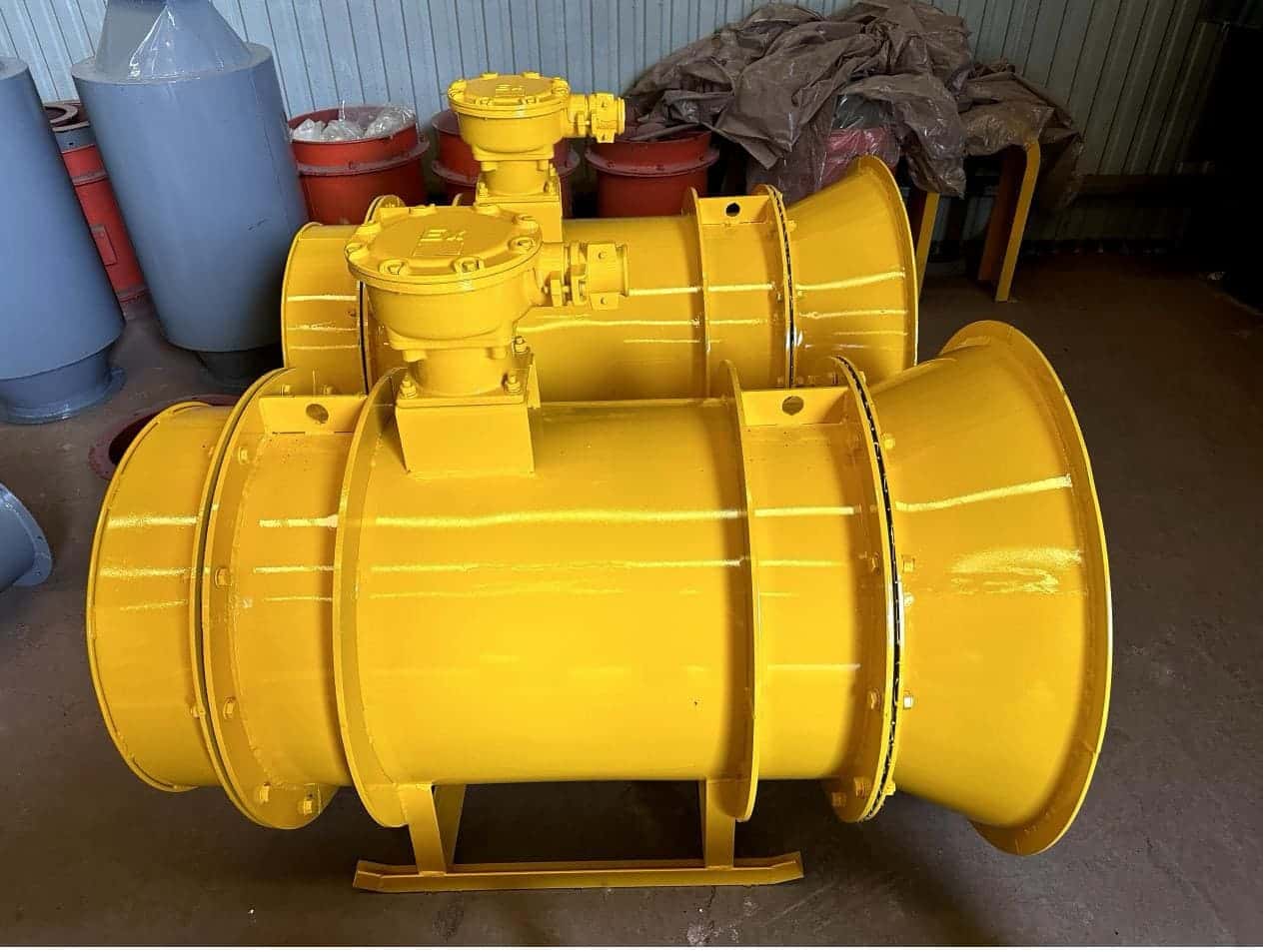
When we talk about the four types of mechanical ventilation, we are usually referring to how fans and ducts are arranged to move air into and out of a building, plant or underground facility. In most guidelines, the main categories are exhaust-only, supply-only, balanced supply and exhaust, and heat or energy recovery ventilation. All four approaches use mechanical fans, but they differ in pressure balance, energy performance and typical applications.
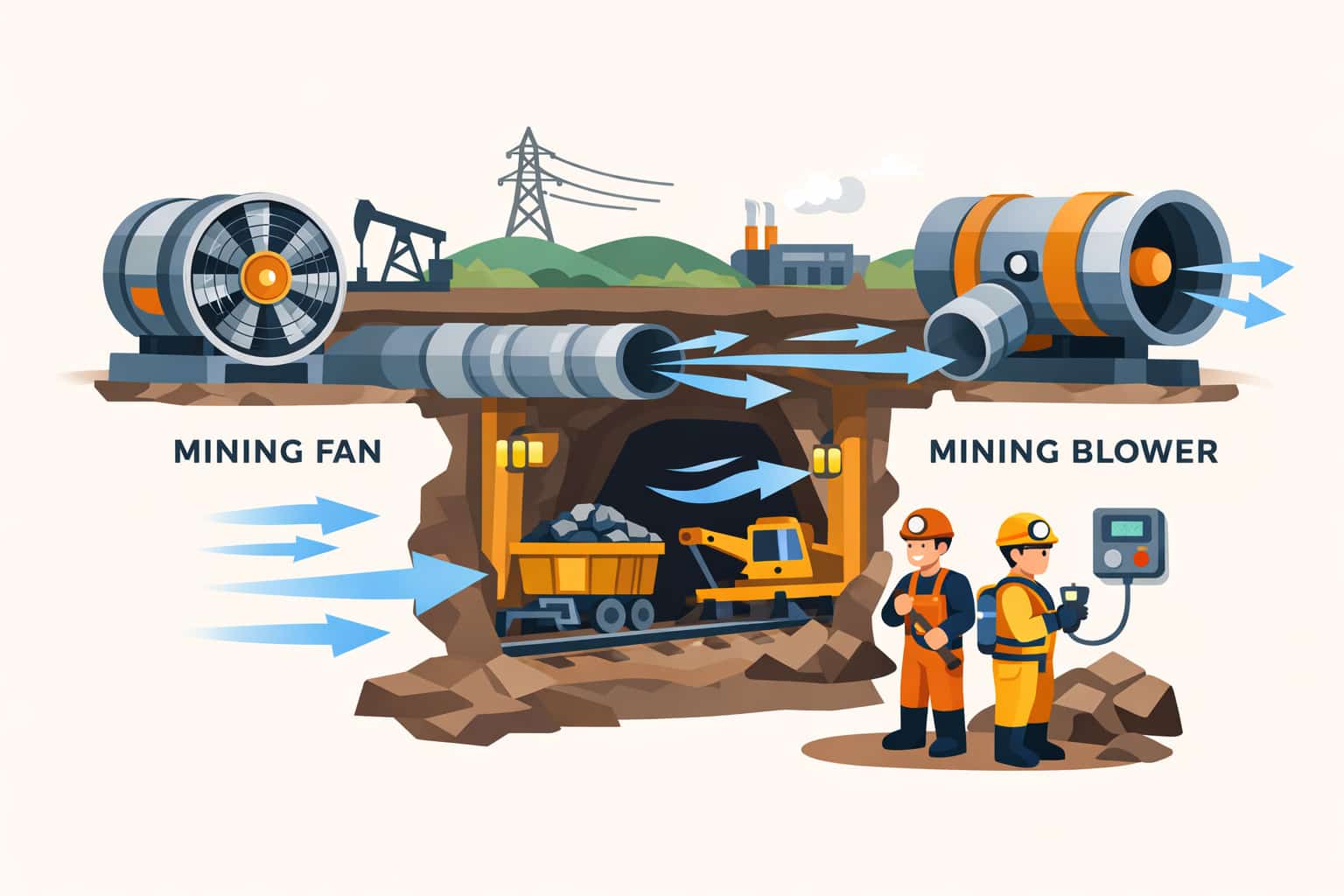
1. Exhaust-only mechanical ventilation. In this type, mechanical fans are used only to remove air from the space. Wall or roof exhaust fans pull out hot, humid or contaminated air, creating a slight negative pressure. Replacement air enters through deliberate openings or leakage paths. This approach is simple and common in small industrial rooms, toilets, local exhaust systems and some auxiliary mine headings where a fan and duct are used to extract fumes and dust.
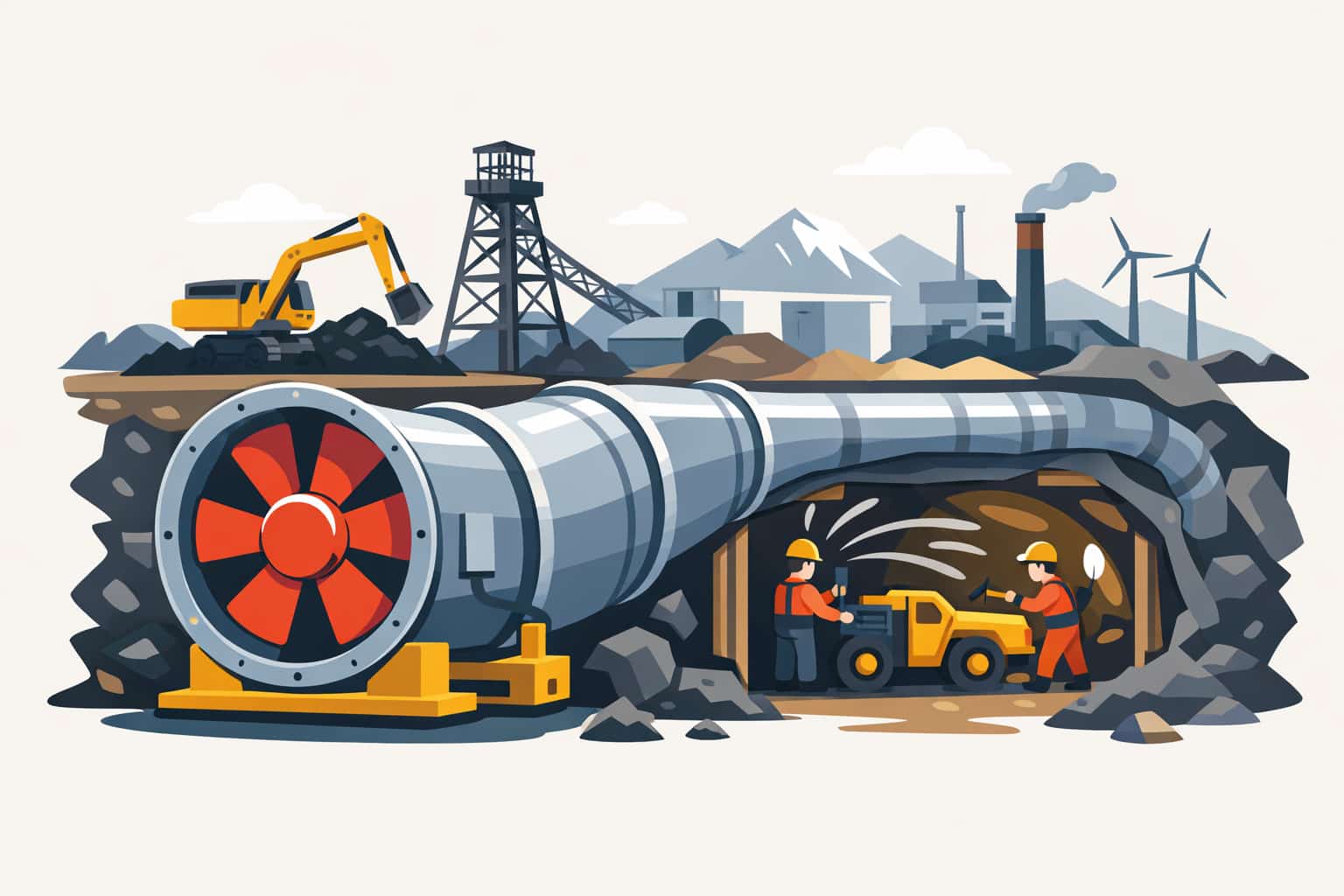
2. Supply-only mechanical ventilation. Here, fans are installed to push fresh air into the building or underground space. The resulting positive pressure forces stale air out through vents, louvers and leakage paths. Supply-only systems are used where it is important to keep contaminants out of a room—such as control rooms near dusty plants—or to ensure that fresh air reaches specific areas in a mine or factory. In underground headings, a forcing auxiliary fan blowing into a duct is a supply-only system.
3. Balanced supply and exhaust ventilation. A balanced system uses both supply fans and exhaust fans so that the amount of air brought in and taken out is deliberately controlled. This allows designers to manage pressure zones, prevent uncontrolled infiltration and ensure that fresh air is delivered where needed and stale air is removed from critical points. In many industrial facilities and mines, the overall ventilation strategy is balanced: main intake fans and main exhaust fans are sized together, and internal stoppings, regulators and duct fans shape the airflow pattern.
4. Heat or energy recovery ventilation (HRV/ERV). In this mechanical system, supply and exhaust air streams pass through a heat or energy recovery device, such as a plate exchanger or rotary wheel. This allows heat (and in ERV systems, some moisture) to be transferred between outgoing and incoming air, reducing heating or cooling loads while maintaining fresh air supply. HRV/ERV systems are common in energy-conscious buildings and can also be applied in industrial plants where exhaust air contains useful energy that would otherwise be wasted.
In mining and heavy industry, the same principles apply even if the terminology is slightly different. Main fans, booster fans and auxiliary fans can be arranged in exhaust-only, supply-only or balanced configurations, and heat recovery concepts are sometimes used on large exhaust streams to improve energy efficiency. Understanding these four types of mechanical ventilation helps designers choose the right fan and duct arrangement for safety, air quality and energy performance.