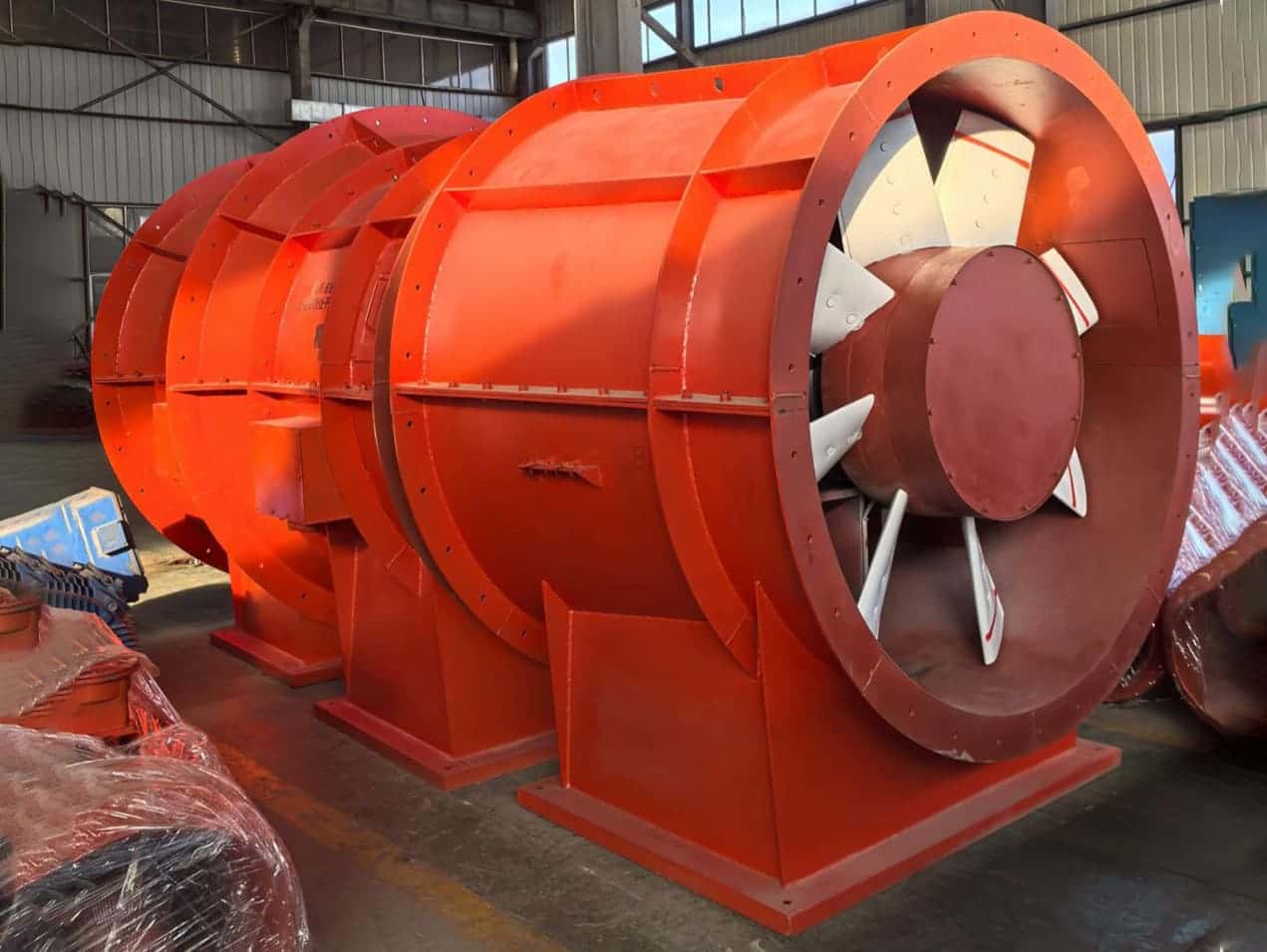
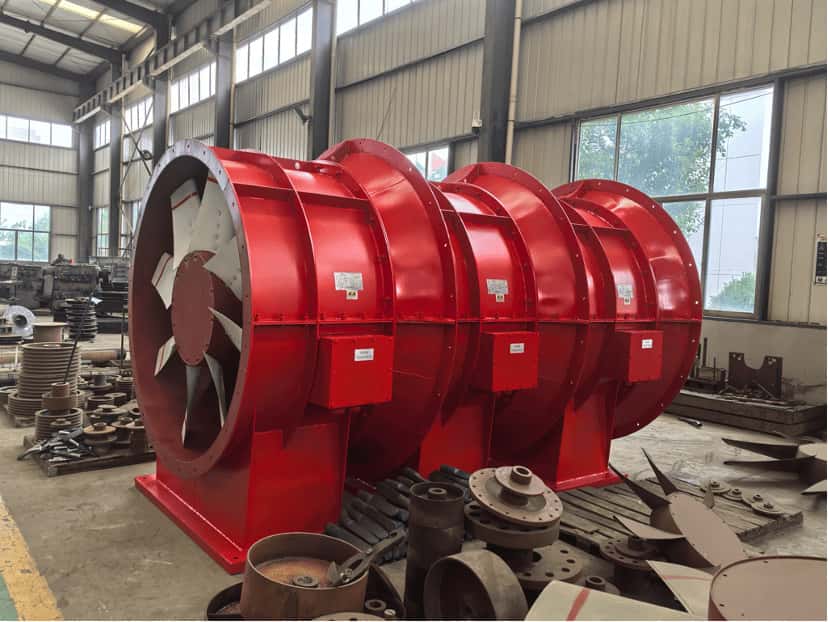
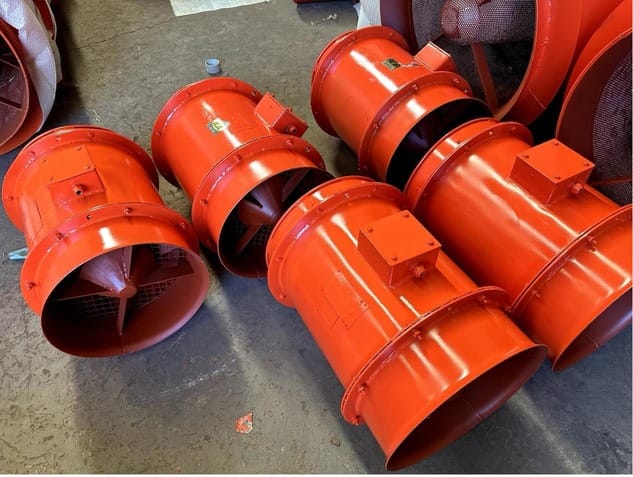
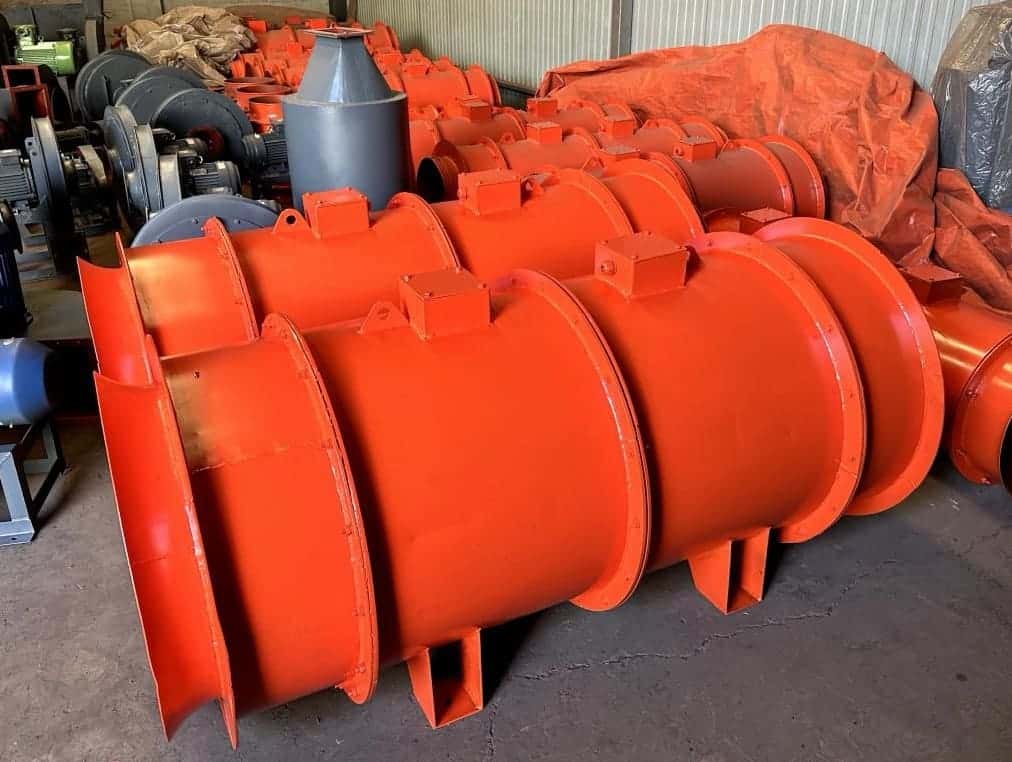
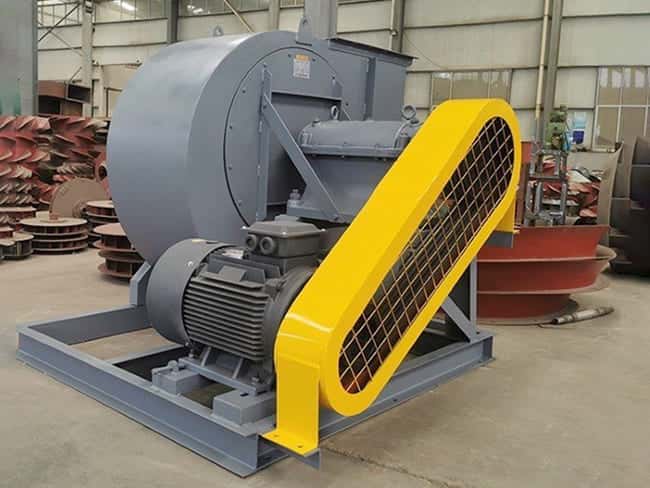
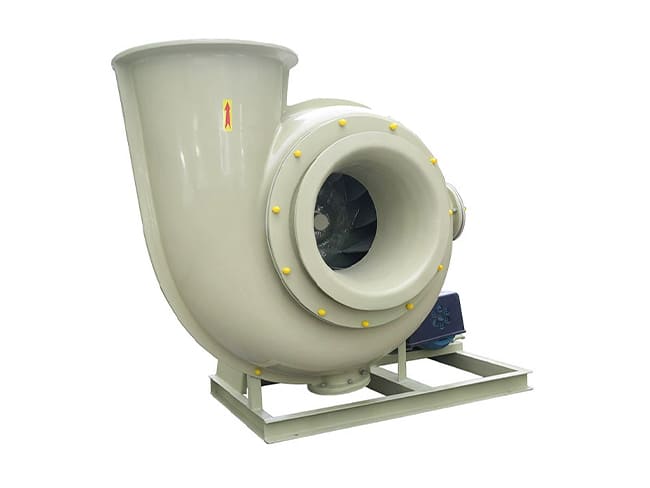
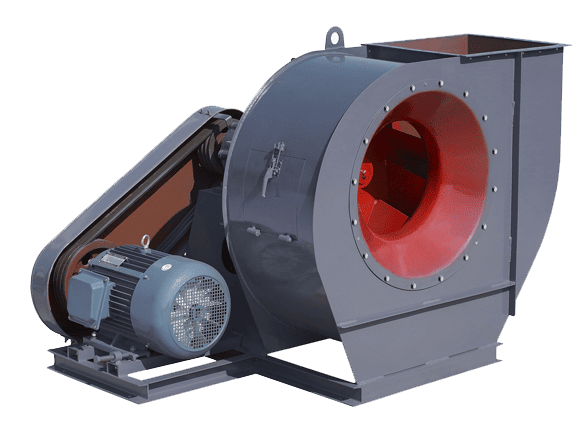
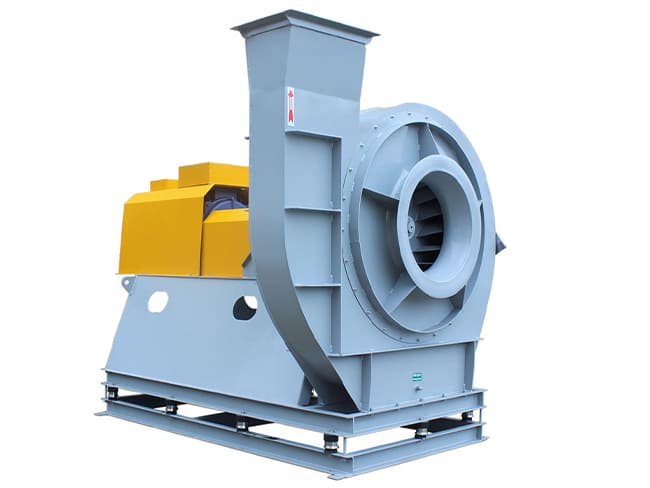
When people talk about the four types of ventilation, they usually refer to natural ventilation, mechanical supply ventilation, mechanical exhaust ventilation and balanced or mixed-mode ventilation. These categories describe how air is moved into and out of a space, whether it is a building, a tunnel or an underground mine. In practice, mining and industrial ventilation systems often combine several of these types to achieve safe and efficient air quality control.
Natural ventilation uses wind and temperature differences to move air without fans. Openings at different heights, such as shafts, windows or vents, create pressure differences that drive airflow. In mines, this is known as natural ventilation pressure and can help or hinder mechanical ventilation depending on season and layout. On its own, natural ventilation is rarely sufficient for modern underground mines, but it still influences airflow patterns and must be considered in design.
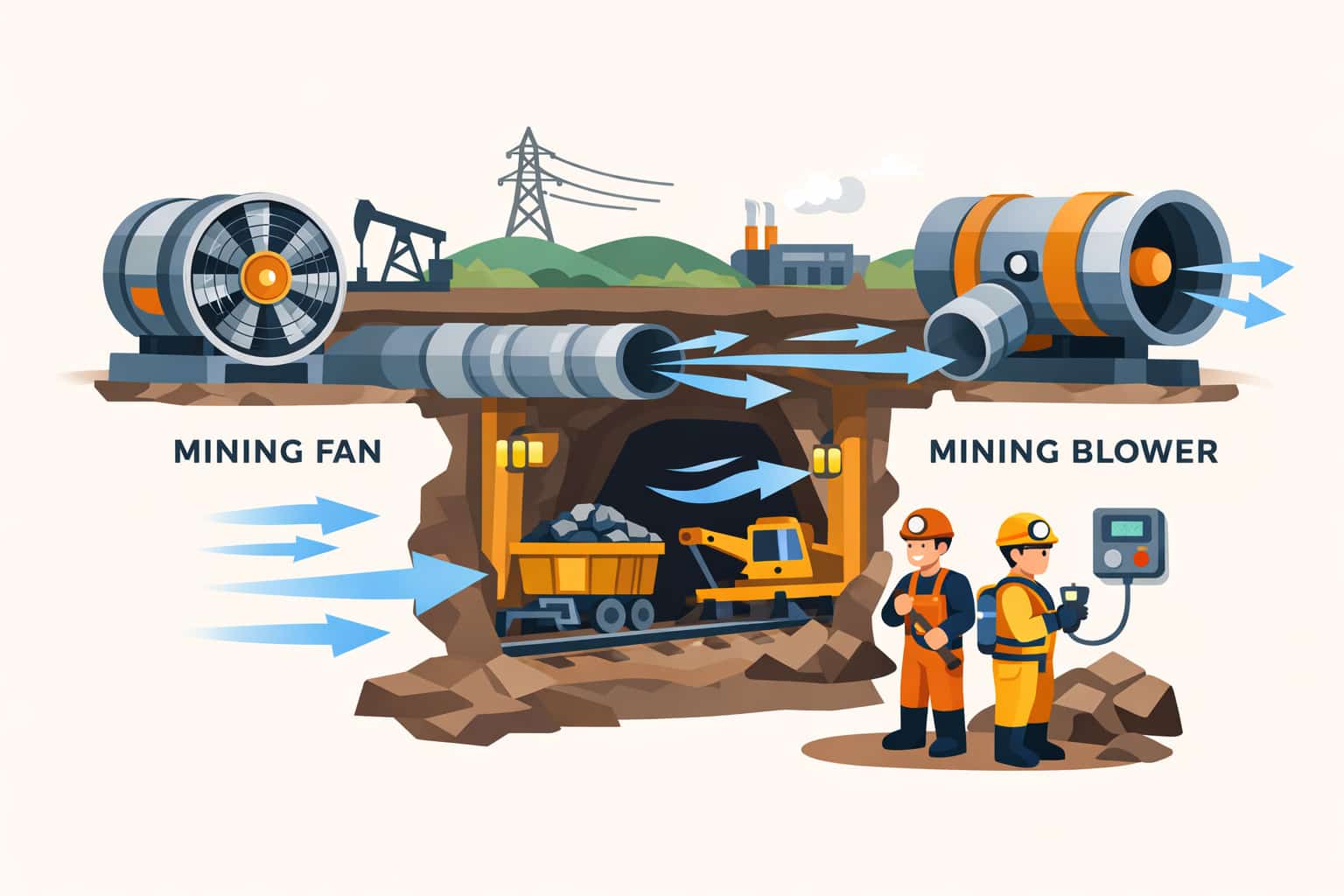
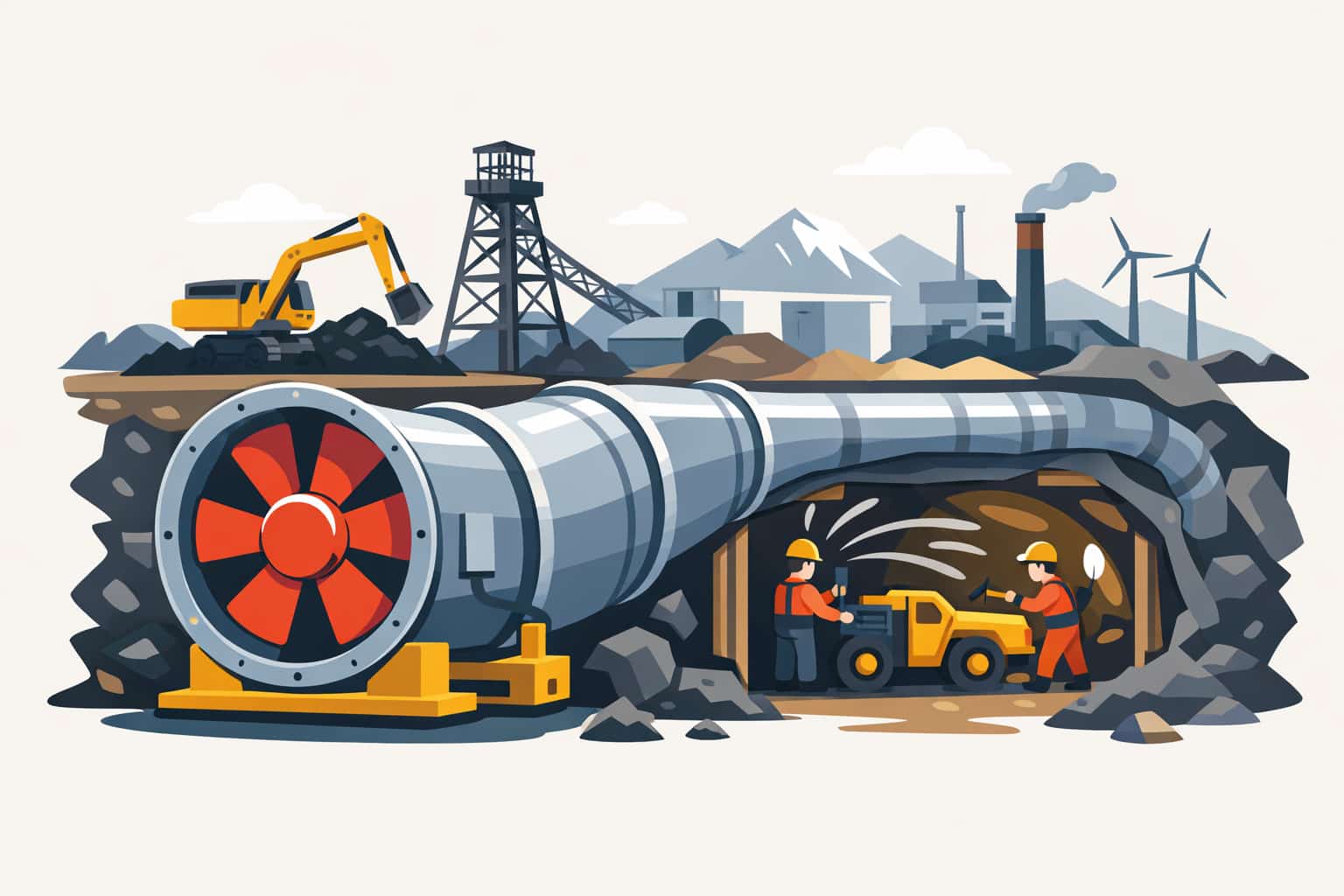
Mechanical supply ventilation uses fans to blow fresh air into a space. The interior becomes slightly pressurised, and air escapes through leaks or designated exhaust points. In underground mining, forcing auxiliary systems are a form of mechanical supply ventilation, where auxiliary fans push fresh air down ducts to the face. On surface, supply fans may deliver air to buildings, workshops or process areas.
Mechanical exhaust ventilation uses fans to remove air from a space, creating a slight negative pressure so that fresh air is drawn in through openings. Many mine ventilation systems are based on this principle, with main fans installed on exhaust shafts pulling air through the workings. Exhaust auxiliary systems on headings, where fans suck contaminated air through ducts from the face, are another example.
Balanced or mixed-mode ventilation combines supply and exhaust fans so that intake and extract flows are roughly equal and controlled. In buildings and tunnels, balanced systems can include heat recovery and filtration. In mining, a balanced approach may use main fans on both intakes and returns, or combinations of main and booster fans, to precisely manage airflow, pressure and recirculation risks. Mixed-mode systems may also blend natural and mechanical forces, using fans only when natural ventilation is insufficient.
In real designs, engineers choose and combine these four types of ventilation to meet specific requirements for gas control, dust reduction, temperature management and energy efficiency. Underground mines rely primarily on mechanical exhaust and supply, supported by balanced control and influenced by natural forces, to maintain safe working conditions.