
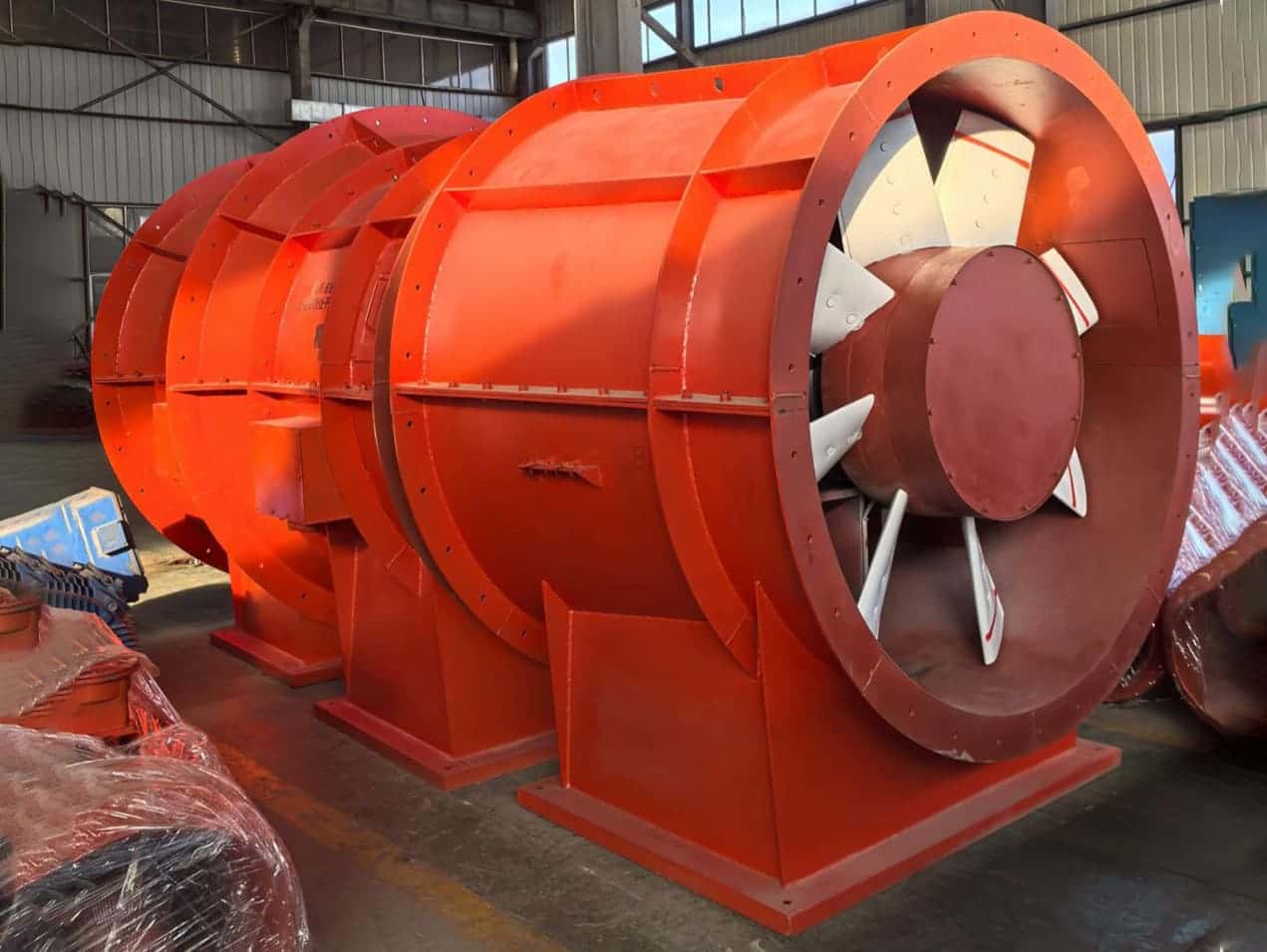
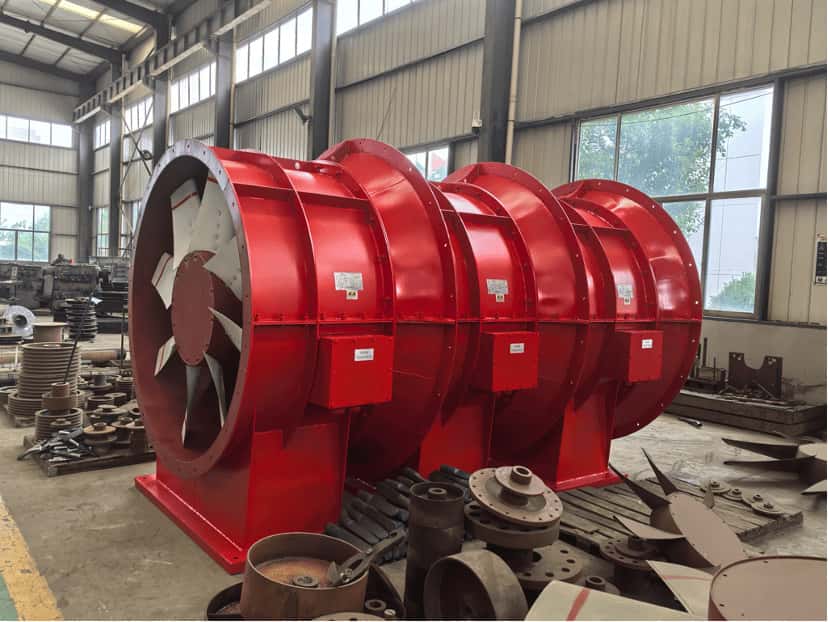
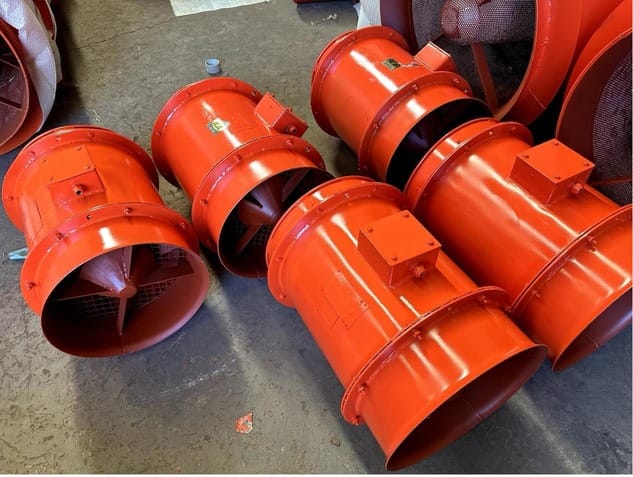
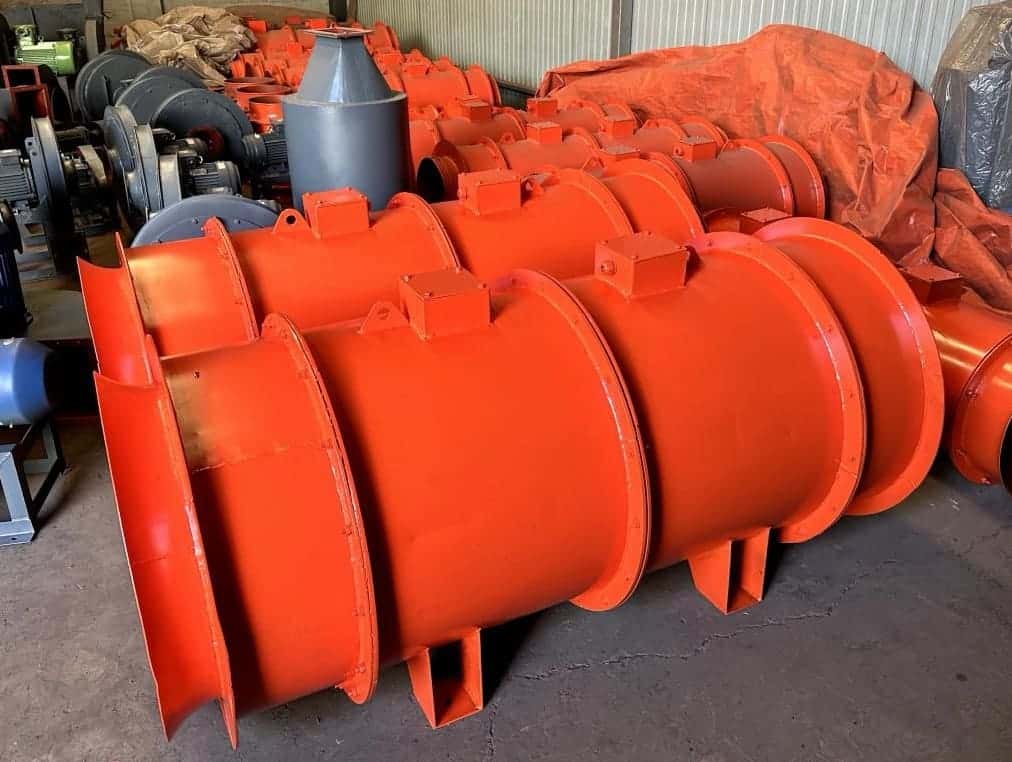
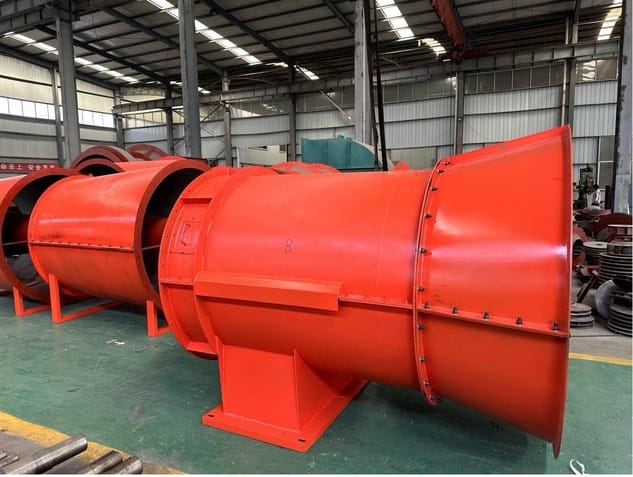
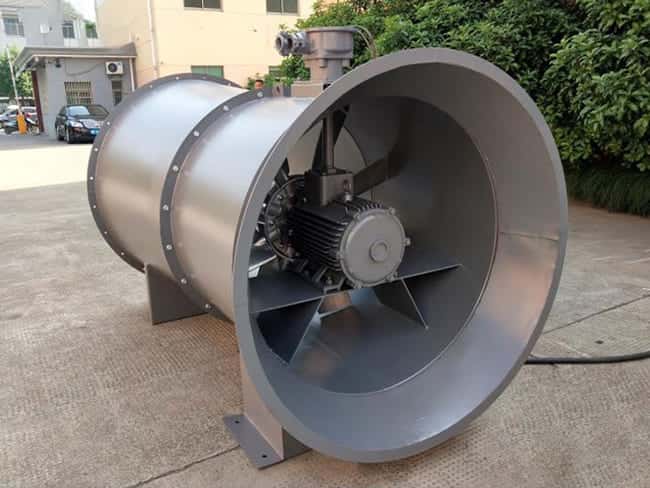
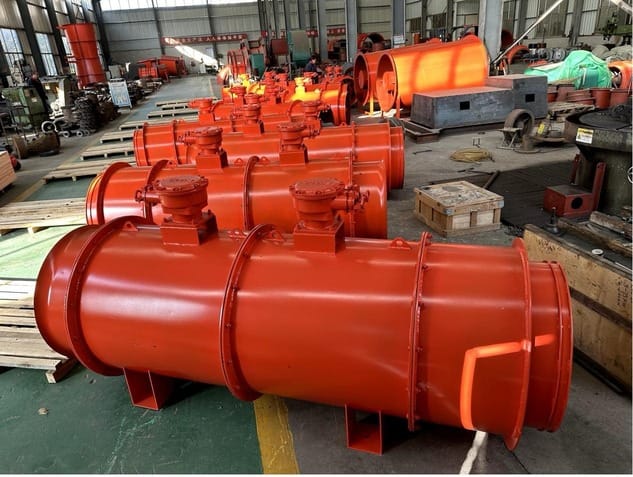
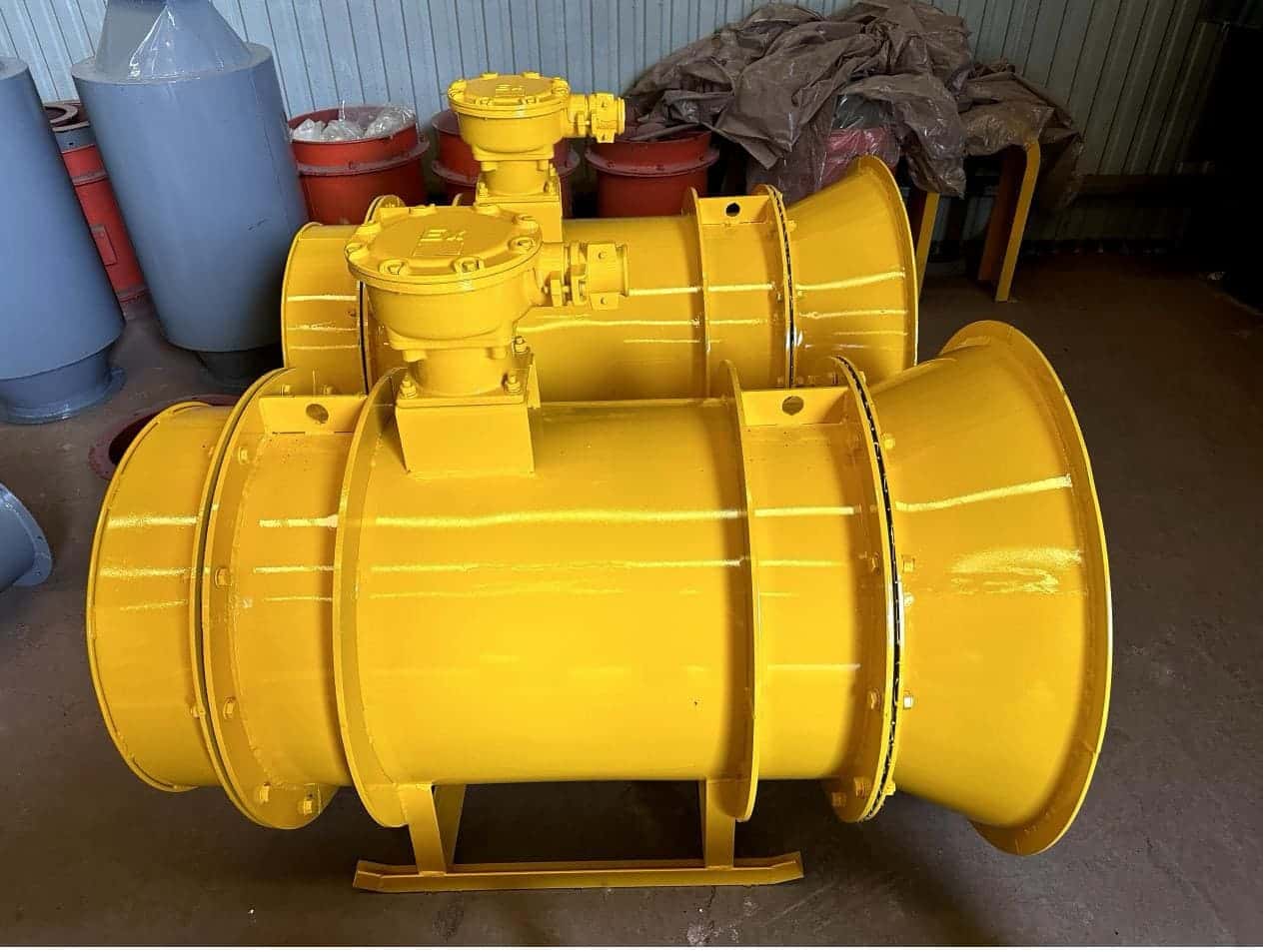
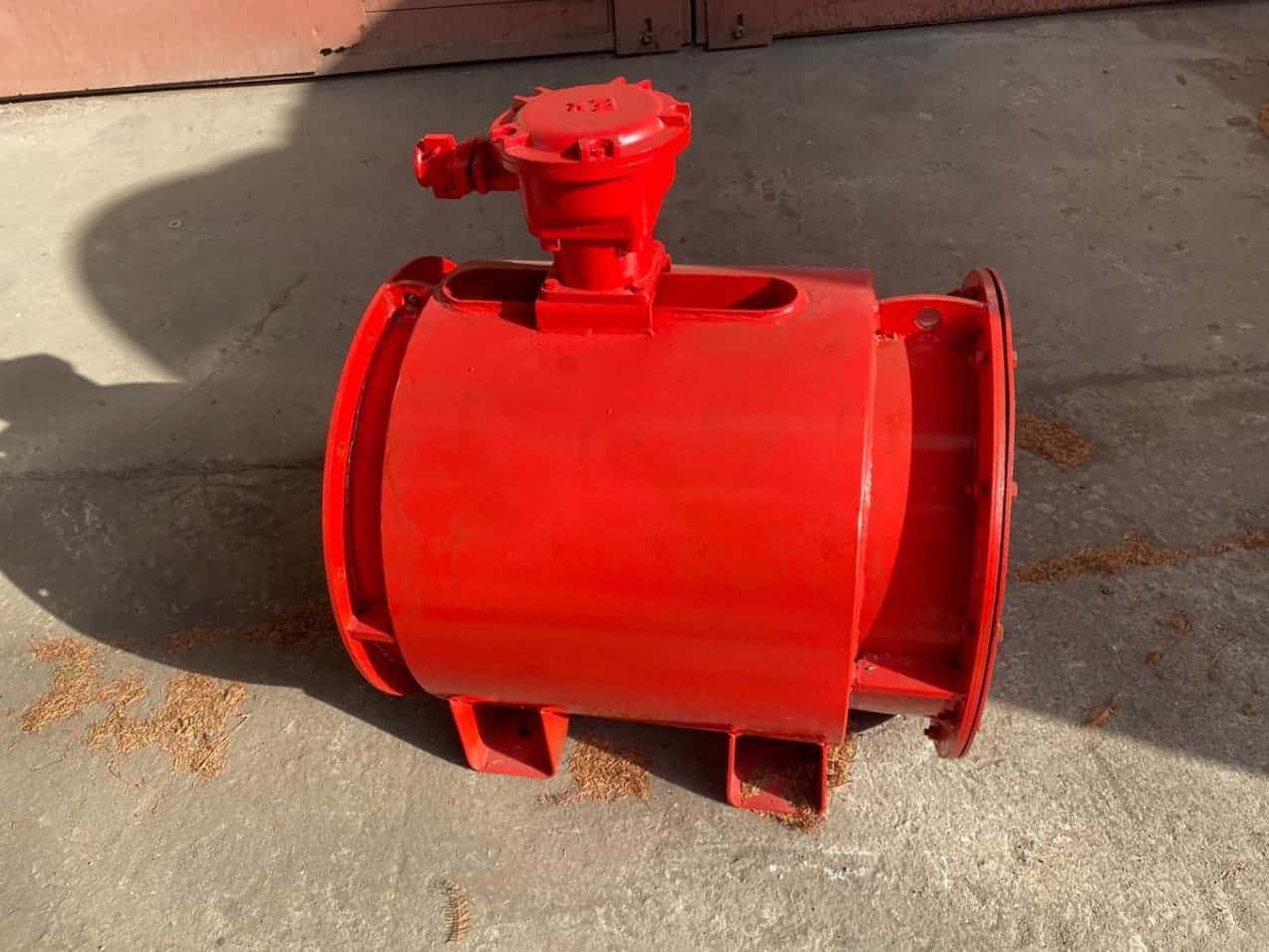
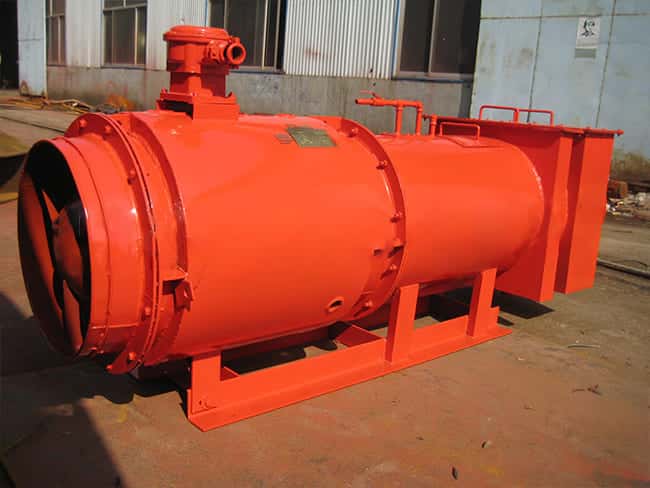
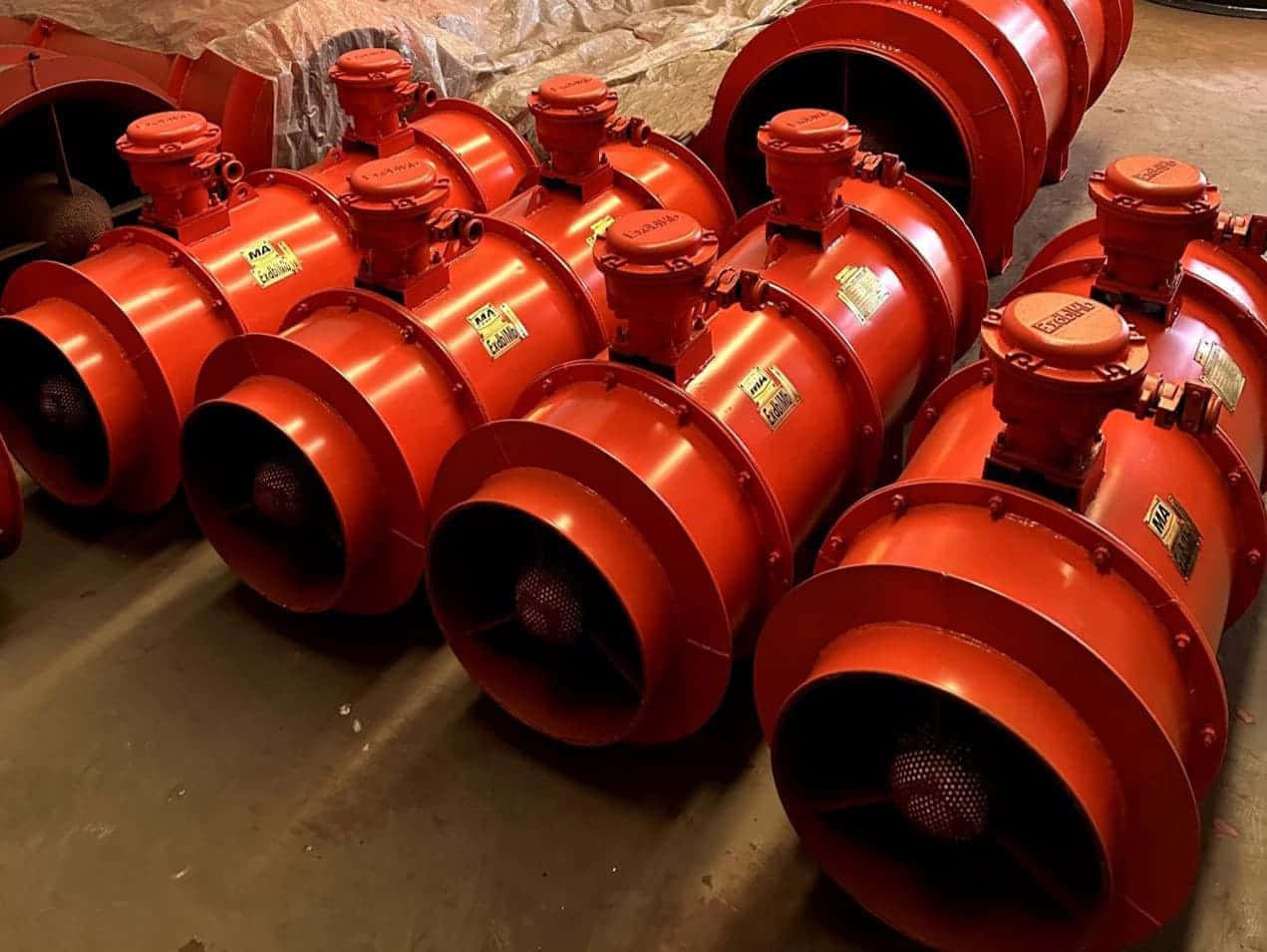
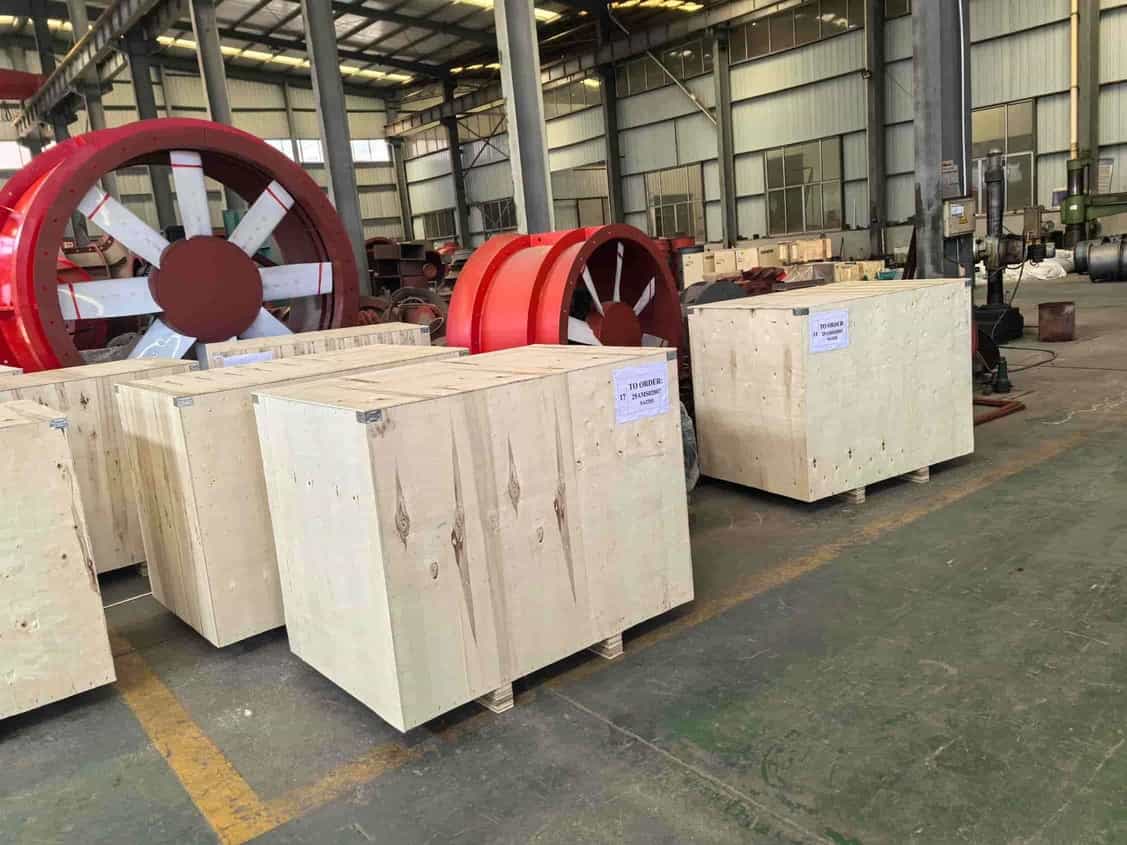
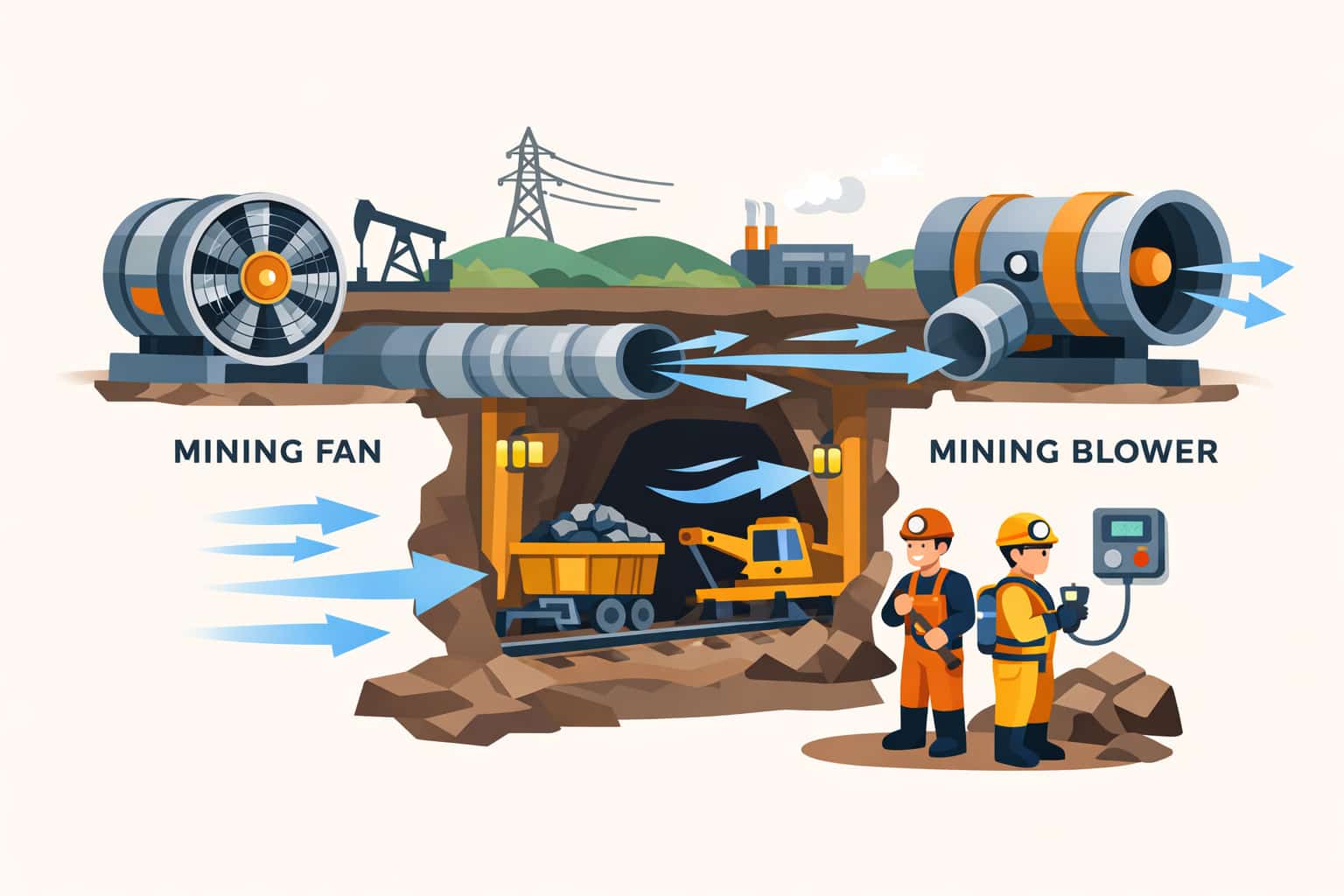
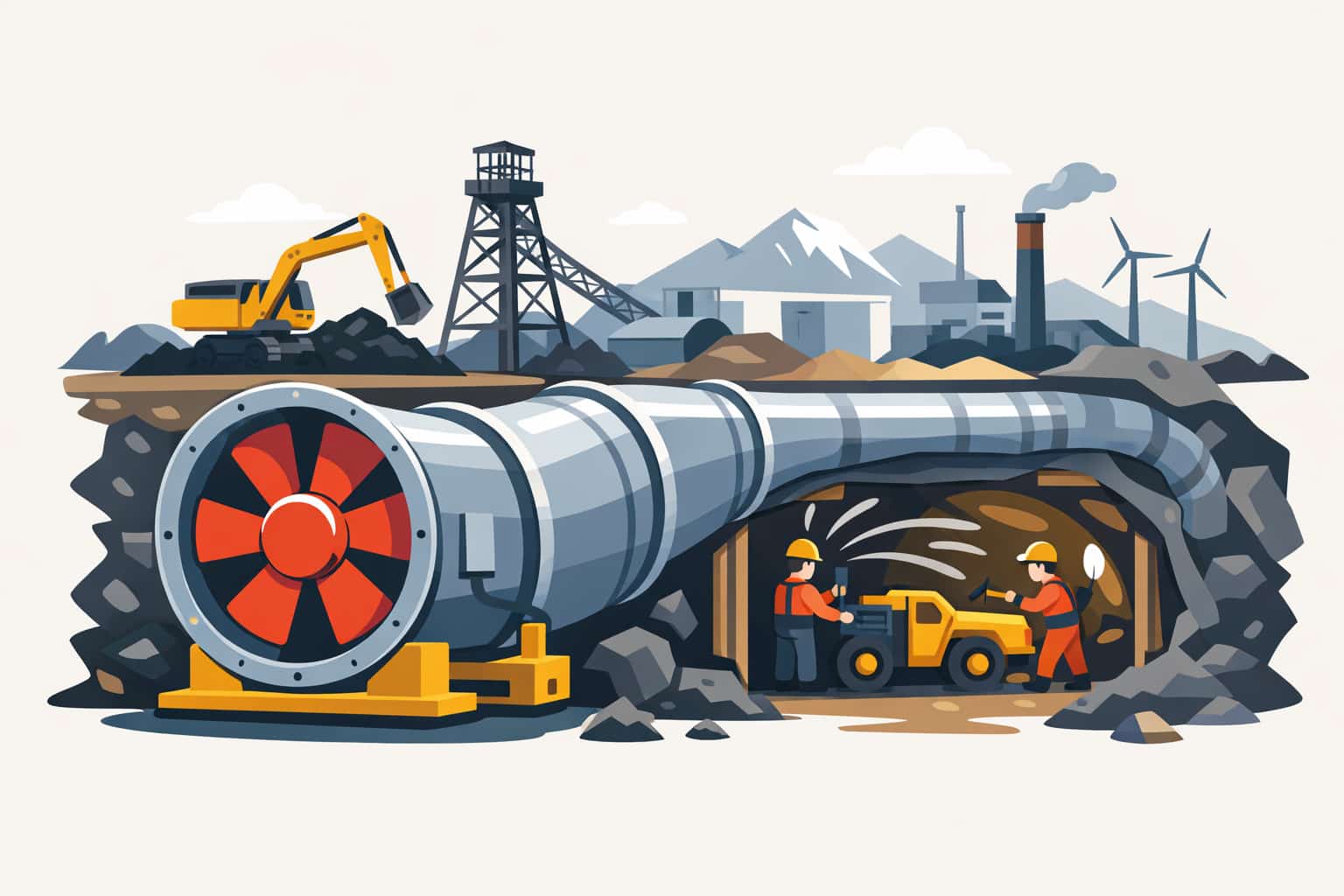

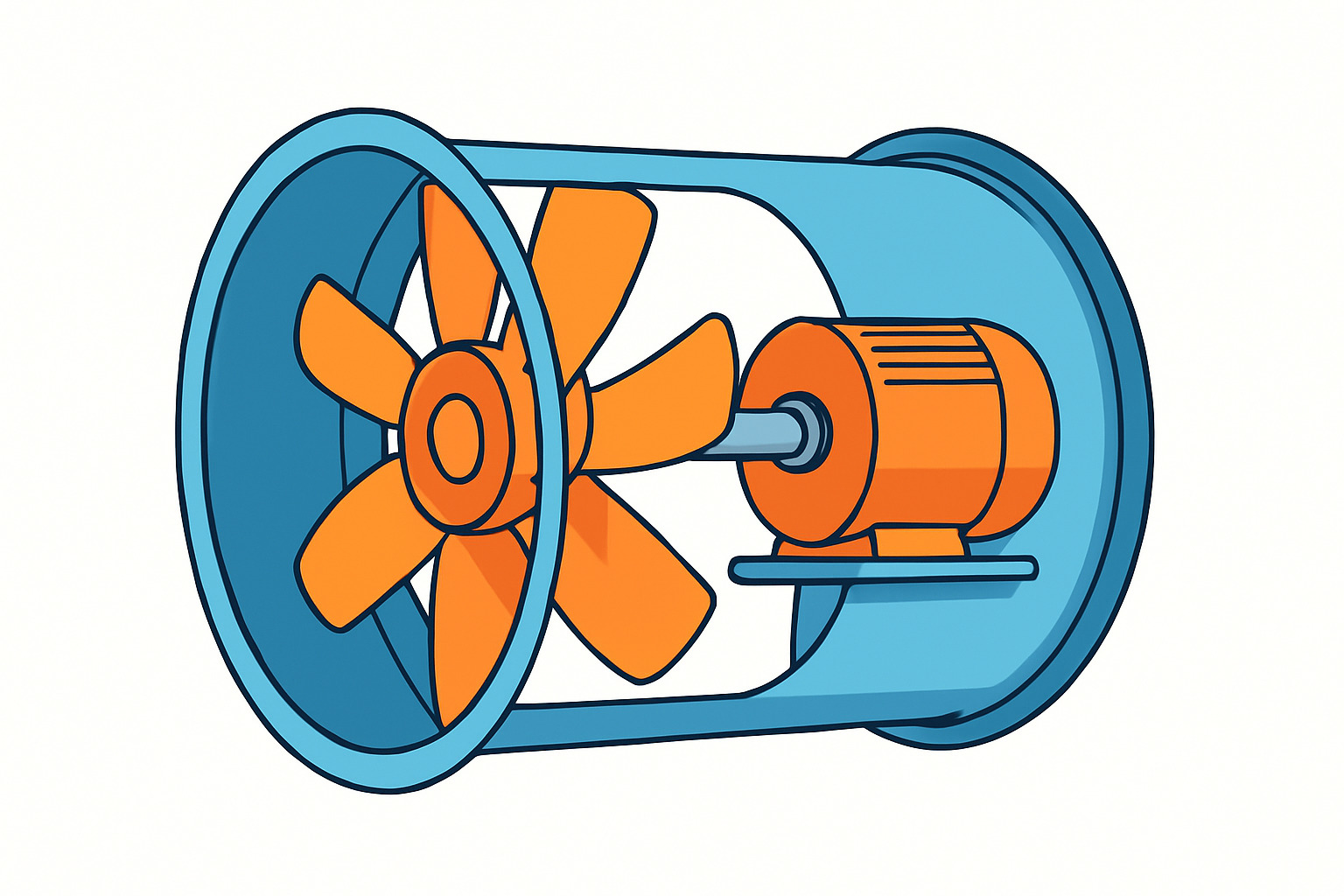
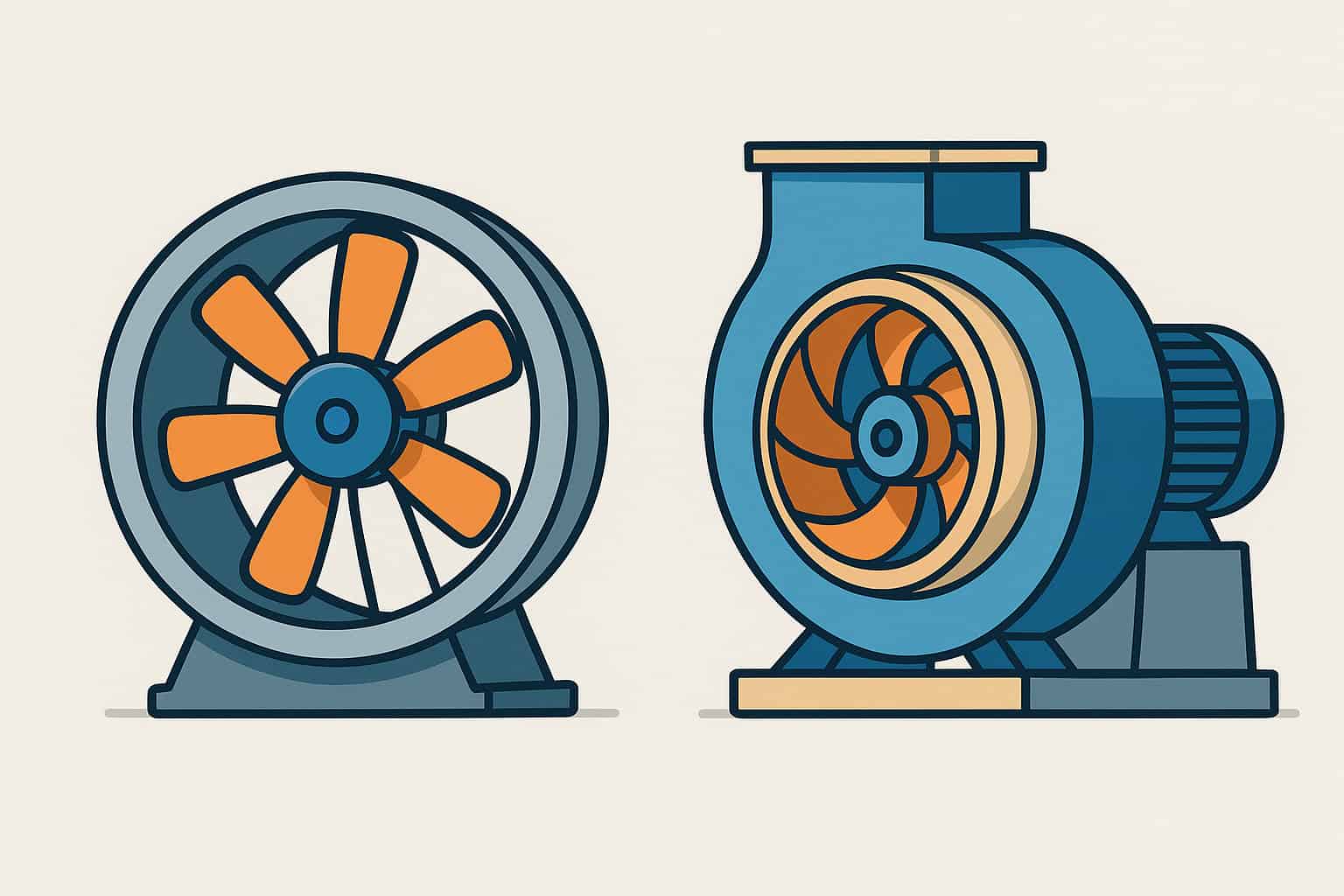
The main types of ventilation systems in tunnels are designed to move air in controlled patterns so that exhaust gases, dust, and smoke are managed effectively along the tunnel. While each project has unique features, tunnel ventilation is usually classified into three principal systems: longitudinal, transverse, and semi-transverse. All of these rely on heavy-duty tunnel ventilation fans, often in axial jet-fan configurations, to generate and control airflow.
Longitudinal ventilation systems are the most common for road tunnels and many mining access tunnels. In this arrangement, air flows mainly along the axis of the tunnel from one portal to the other. Jet fans mounted in the tunnel ceiling or walls induce the airflow, while larger axial fans at portals or shafts supply or exhaust air as needed. Longitudinal systems are relatively simple, cost-effective, and well suited to tunnels with uniform cross sections and moderate lengths.
Transverse ventilation systems supply and remove air across the tunnel cross-section using ducts that run parallel to the tunnel. Fresh air is delivered into the traffic space through slots or vents, and contaminated air is extracted through separate slots connected to an exhaust duct. Large axial or centrifugal fans drive airflow in the supply and exhaust ducts. Transverse systems provide very uniform air distribution and are often used in long or heavily trafficked tunnels, but they are more complex and expensive to construct.
Semi-transverse ventilation systems combine features of both approaches. For example, fresh air may be supplied uniformly along the tunnel through a duct and vents, while exhaust gases are removed mainly in the longitudinal direction using jet fans and exhaust shafts. Alternatively, the system may use longitudinal supply with transverse exhaust. Semi-transverse designs offer flexibility, allowing engineers to tailor airflow patterns and smoke control strategies to tunnel geometry, traffic patterns, and safety requirements.
In addition to these basic categories, tunnel ventilation systems may use natural ventilation in shorter or low-traffic tunnels, relying on pressure differences from wind and traffic-induced piston effects. However, for most modern road, rail, and mining tunnels, mechanical ventilation with axial tunnel fans and jet fans is essential for reliable air quality control and smoke management.
When selecting between these types of ventilation systems, designers consider tunnel length, traffic volume, gradient, expected fire scenarios, and local regulations. The choice of fan type, size, temperature rating, and control logic must match the selected ventilation concept so that the system can perform both under daily operating conditions and during emergencies.