
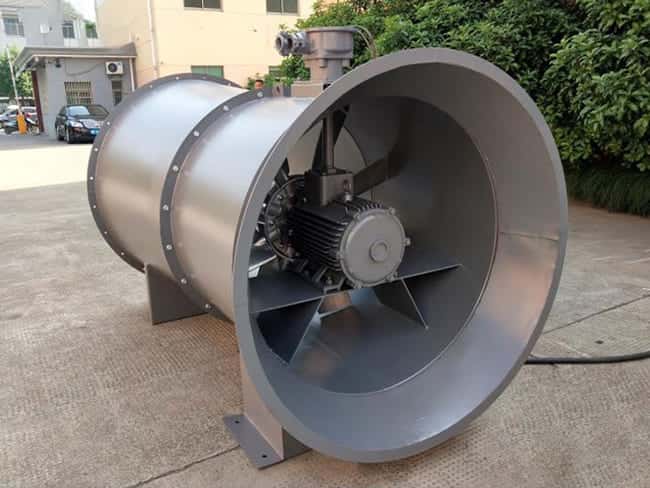
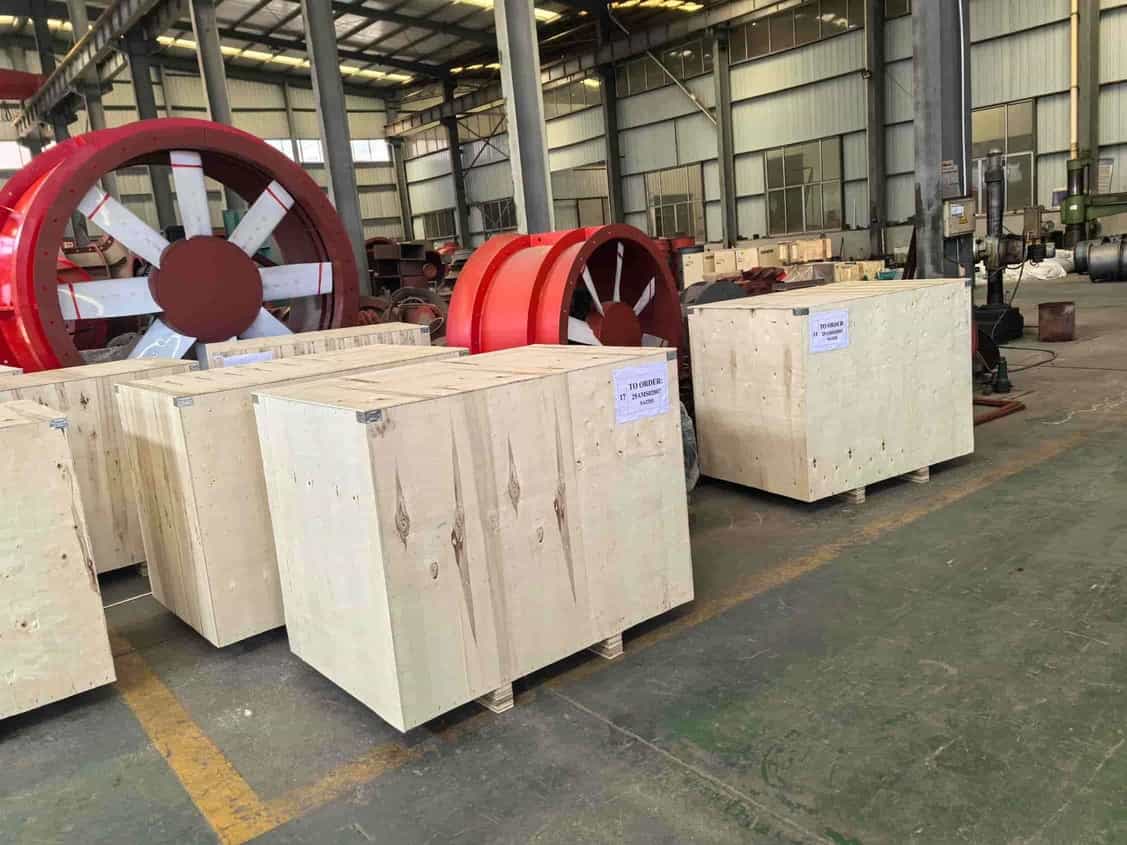

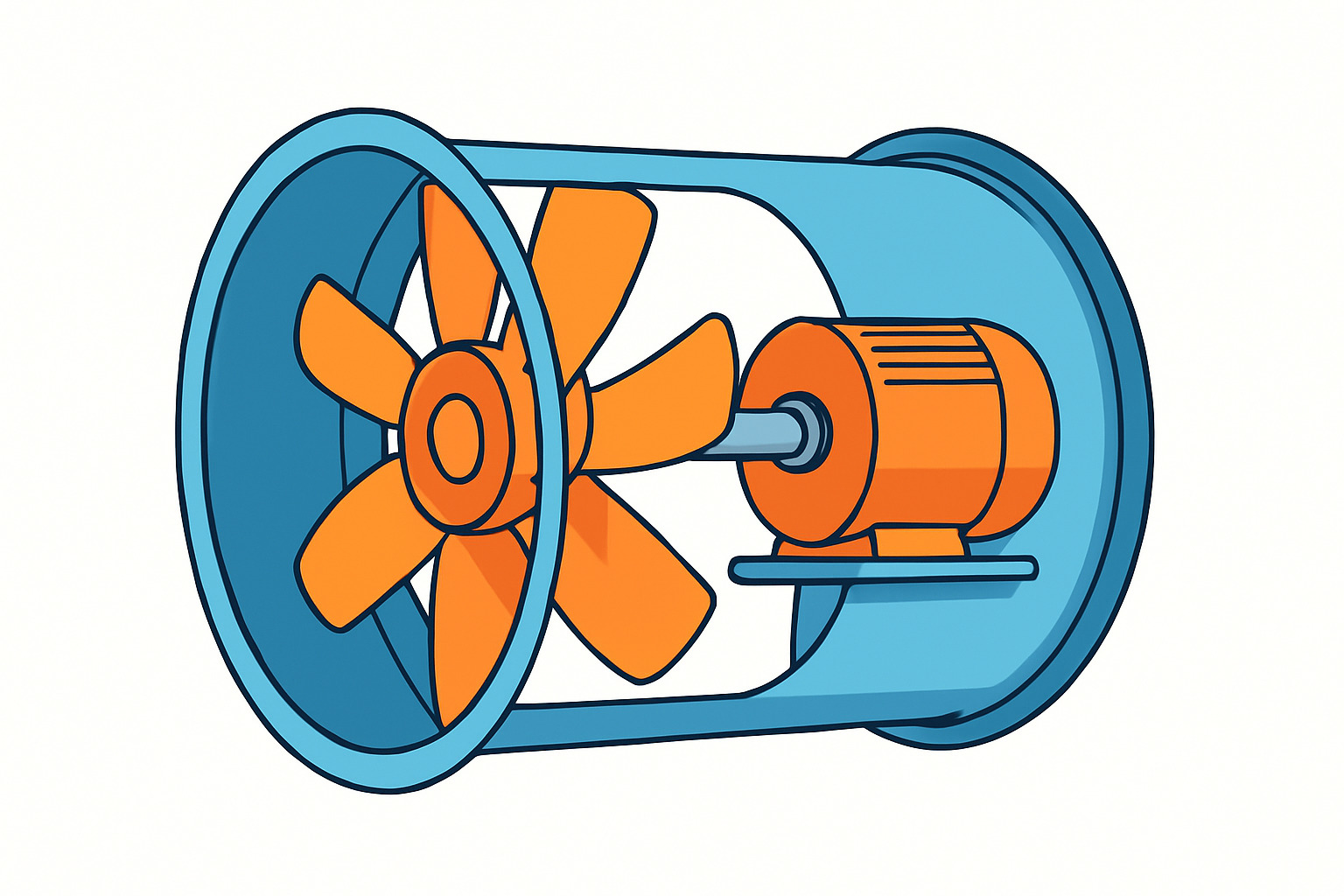
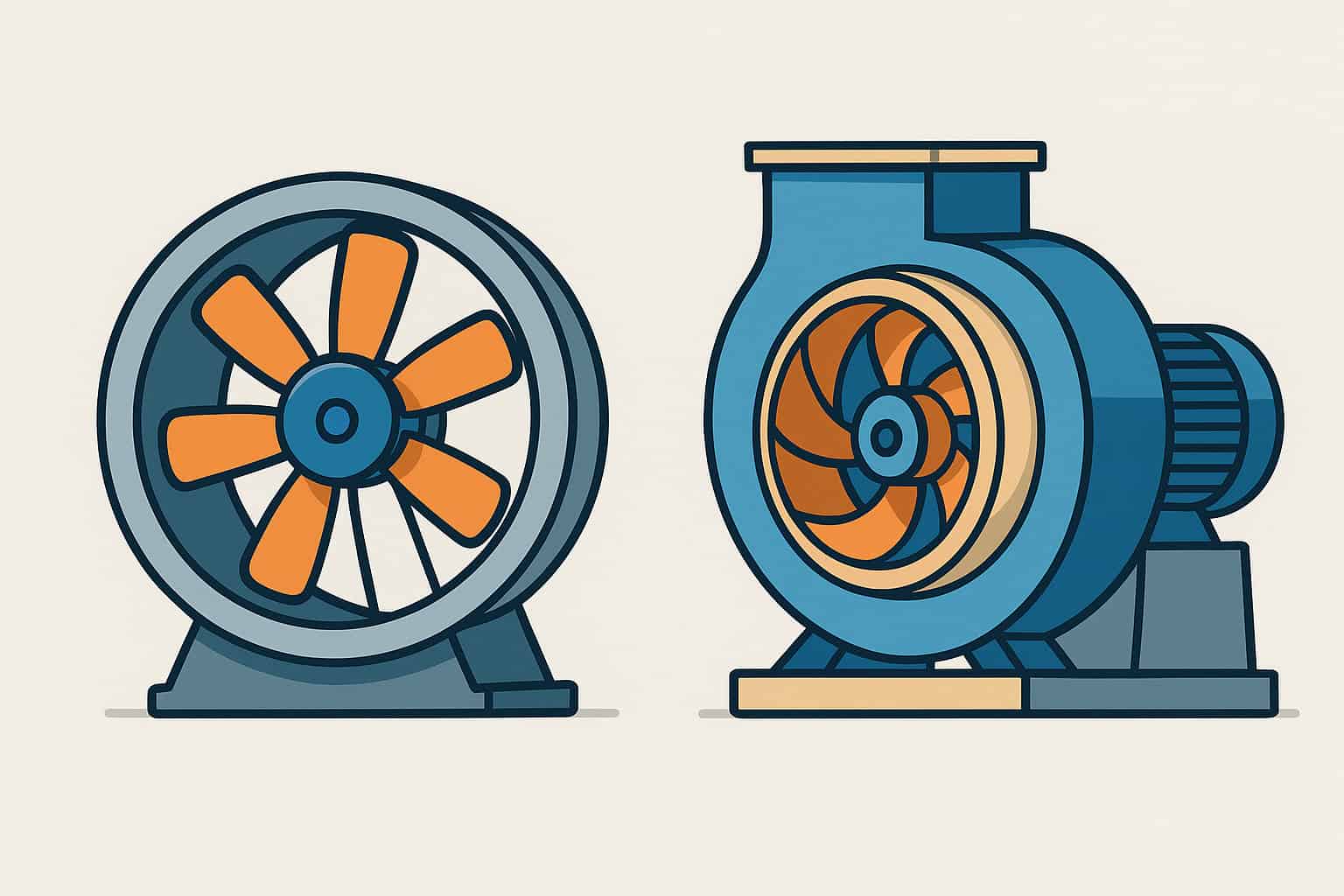
Axial fans are used in a wide range of real-life applications wherever large volumes of air must be moved at relatively low pressure. Their simple, propeller-like design and in-line airflow make them extremely versatile in industry, infrastructure and buildings.
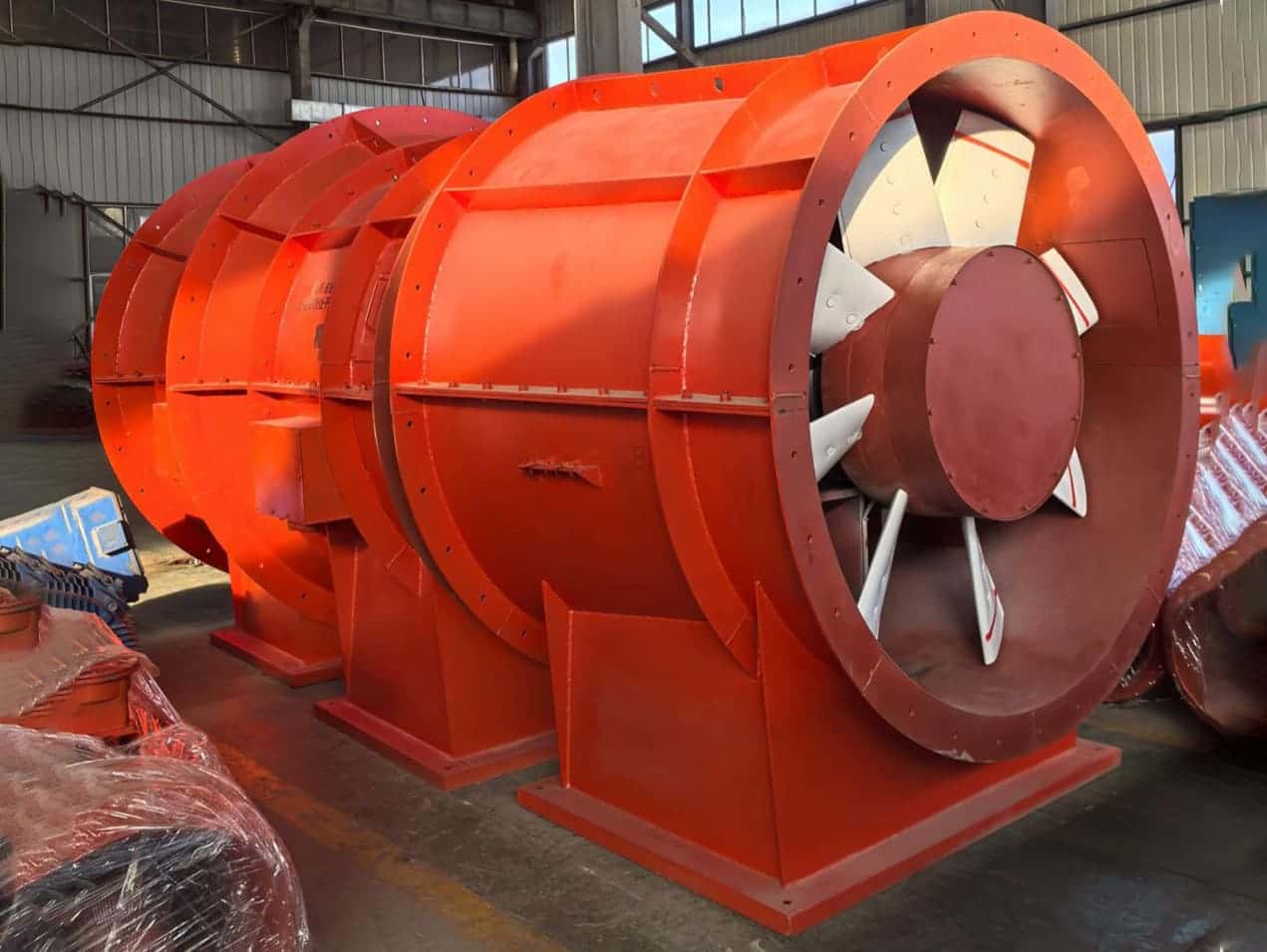
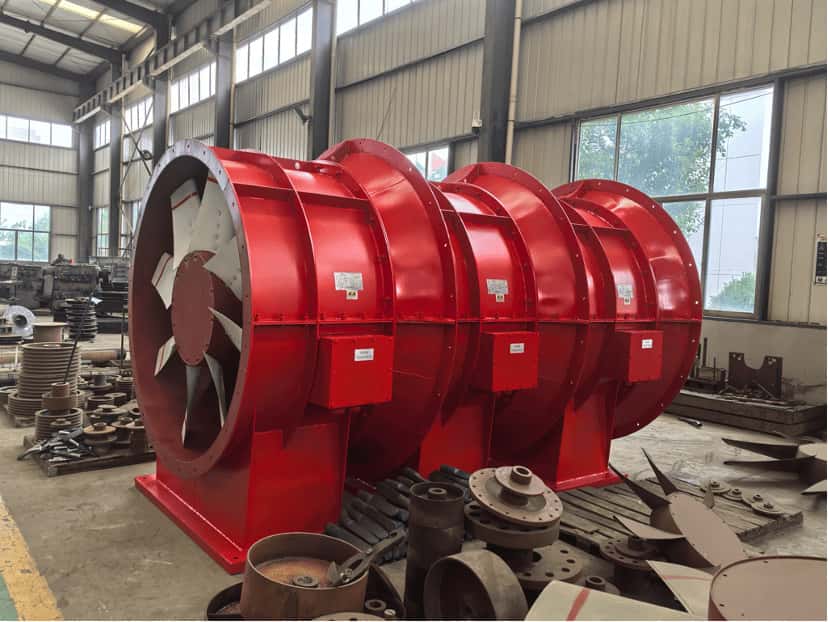
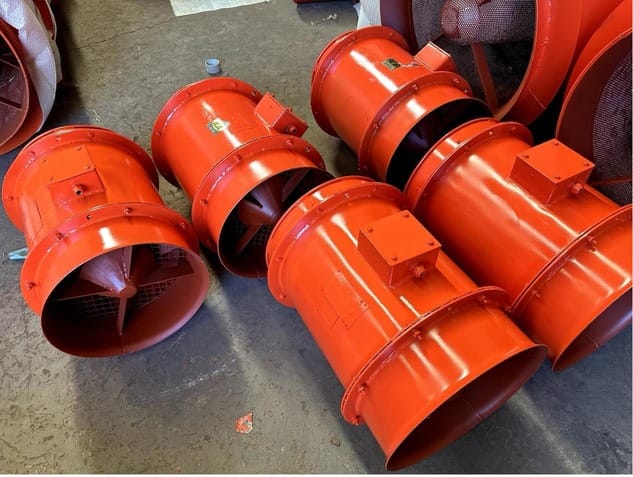
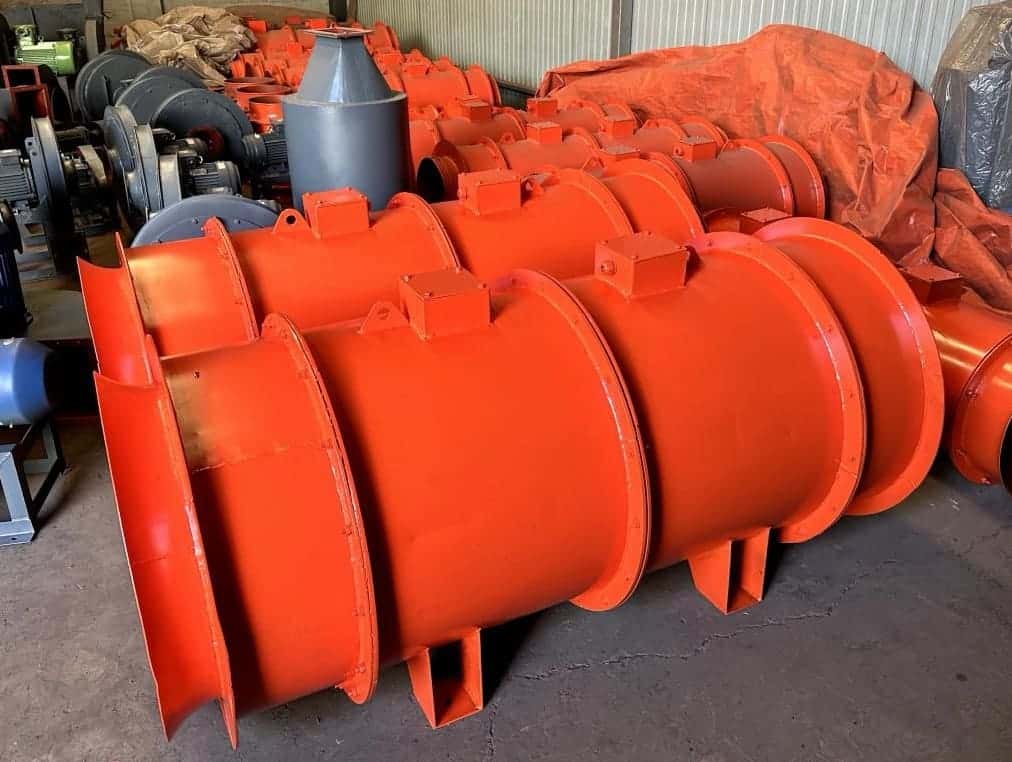
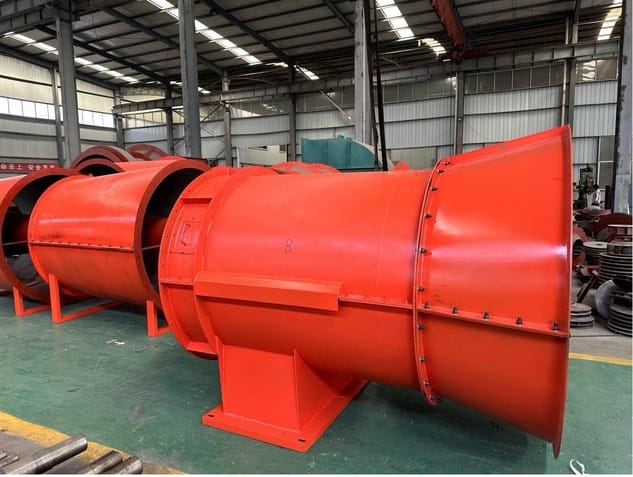
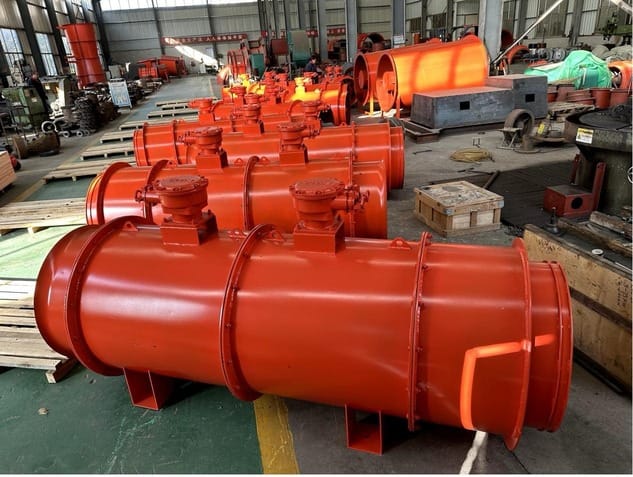
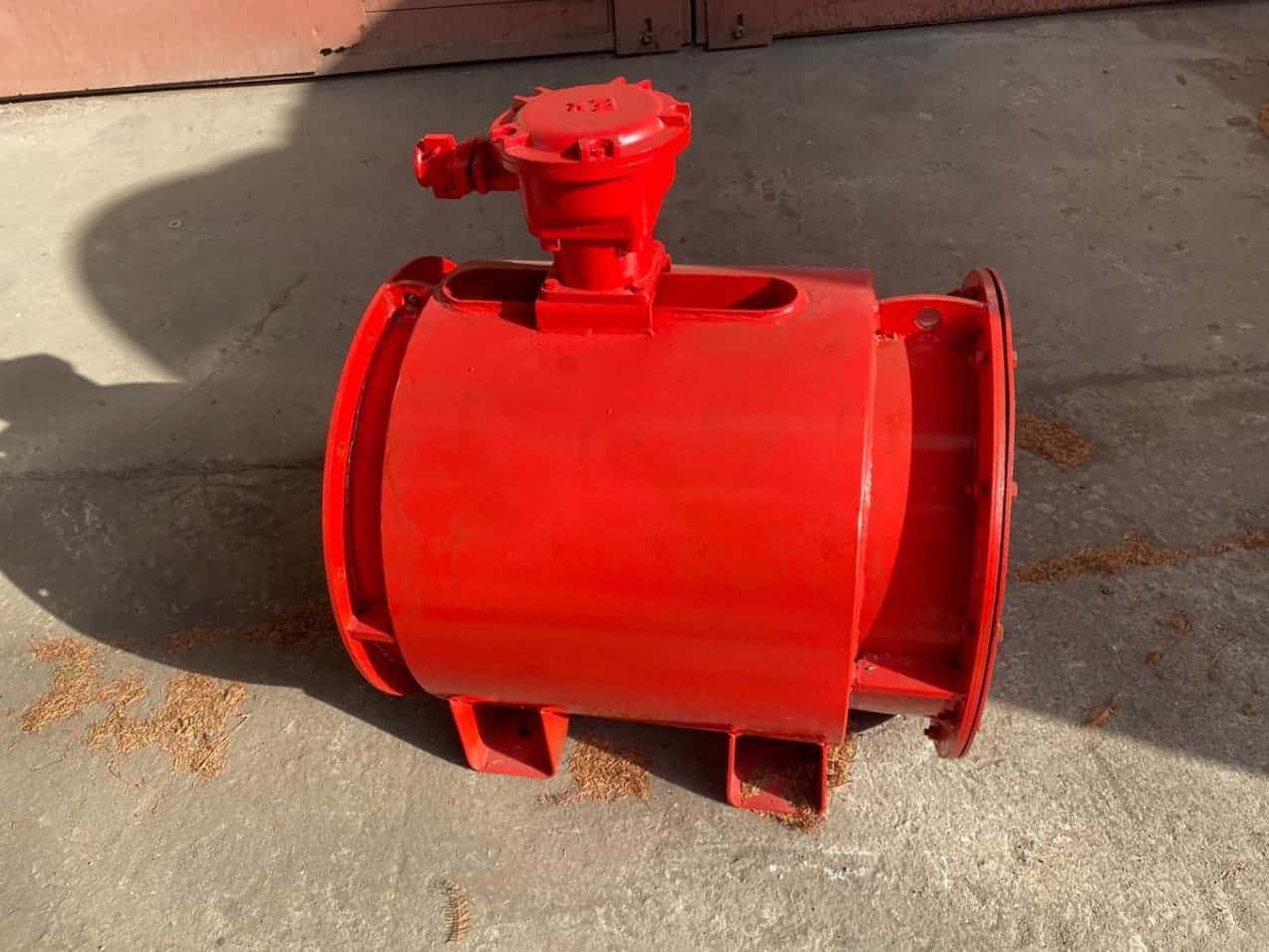
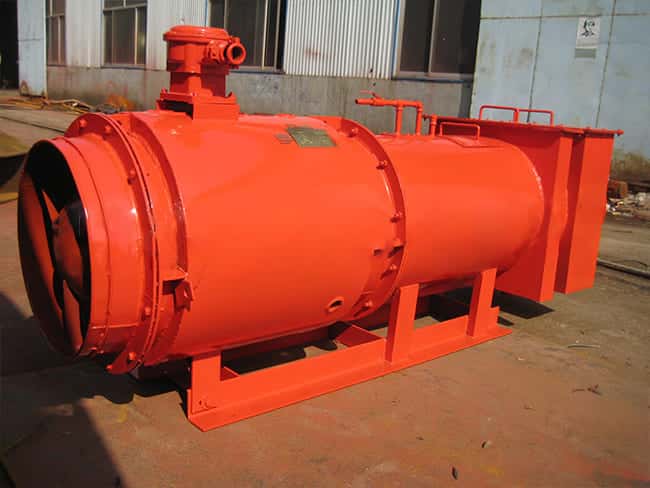
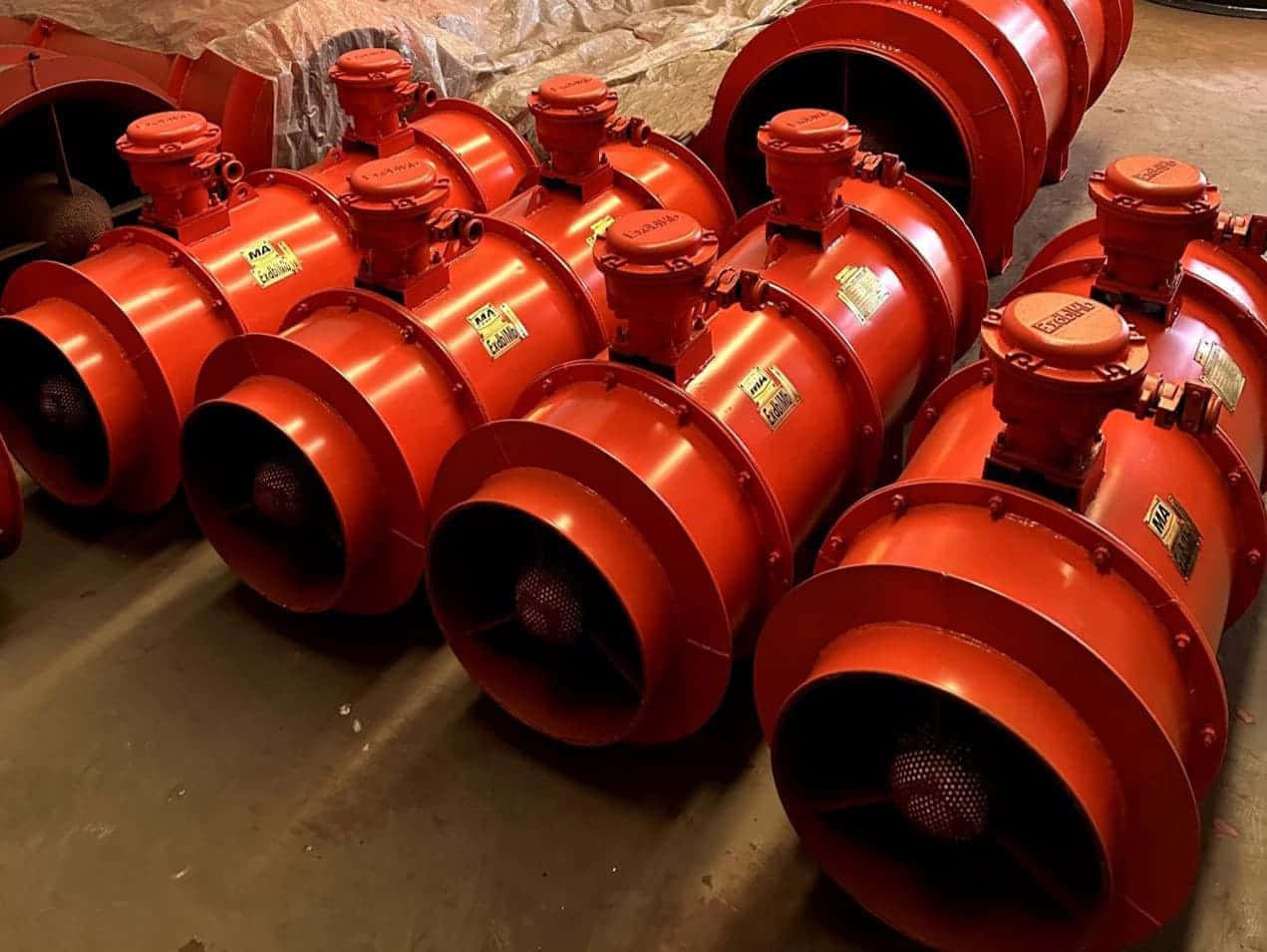
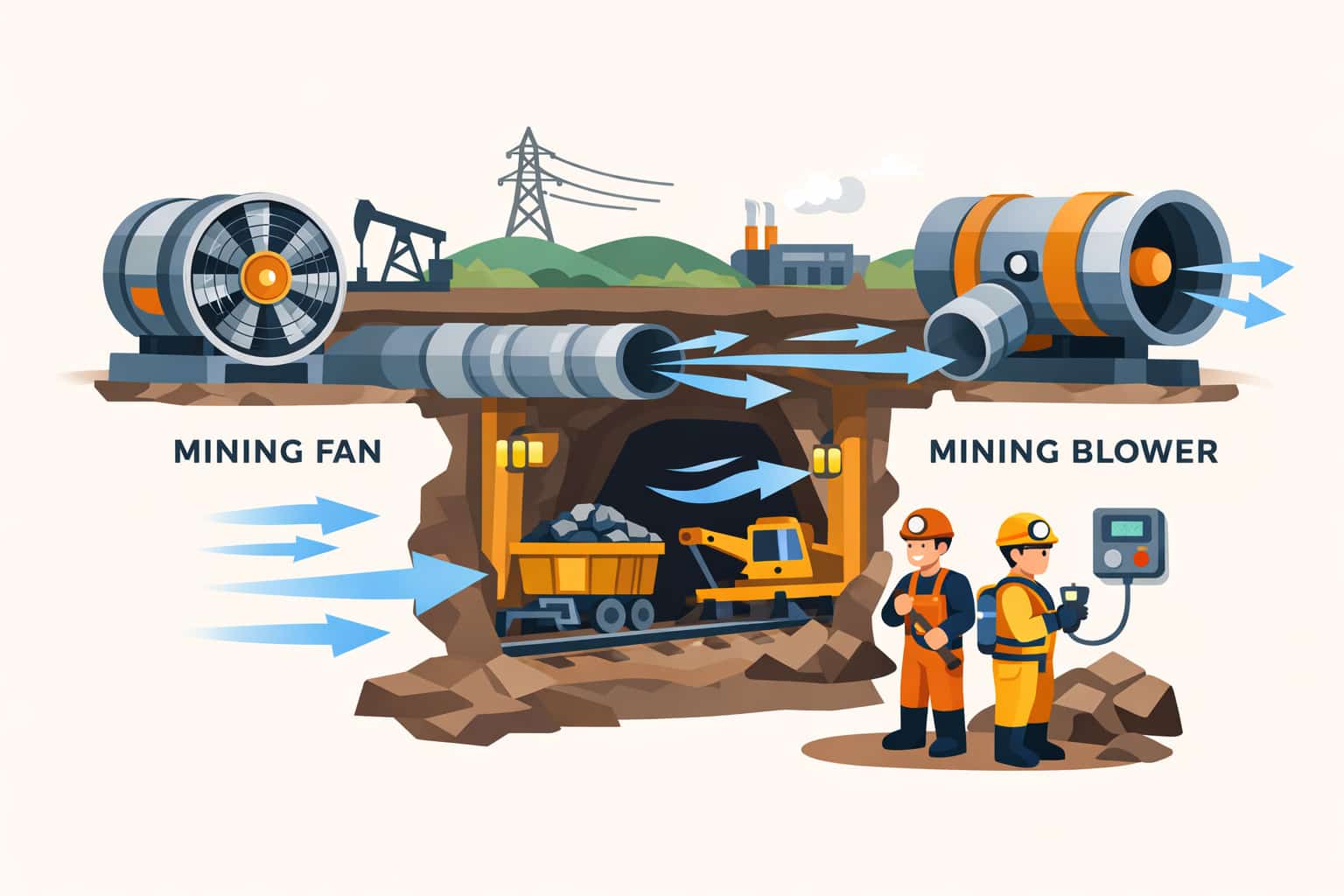
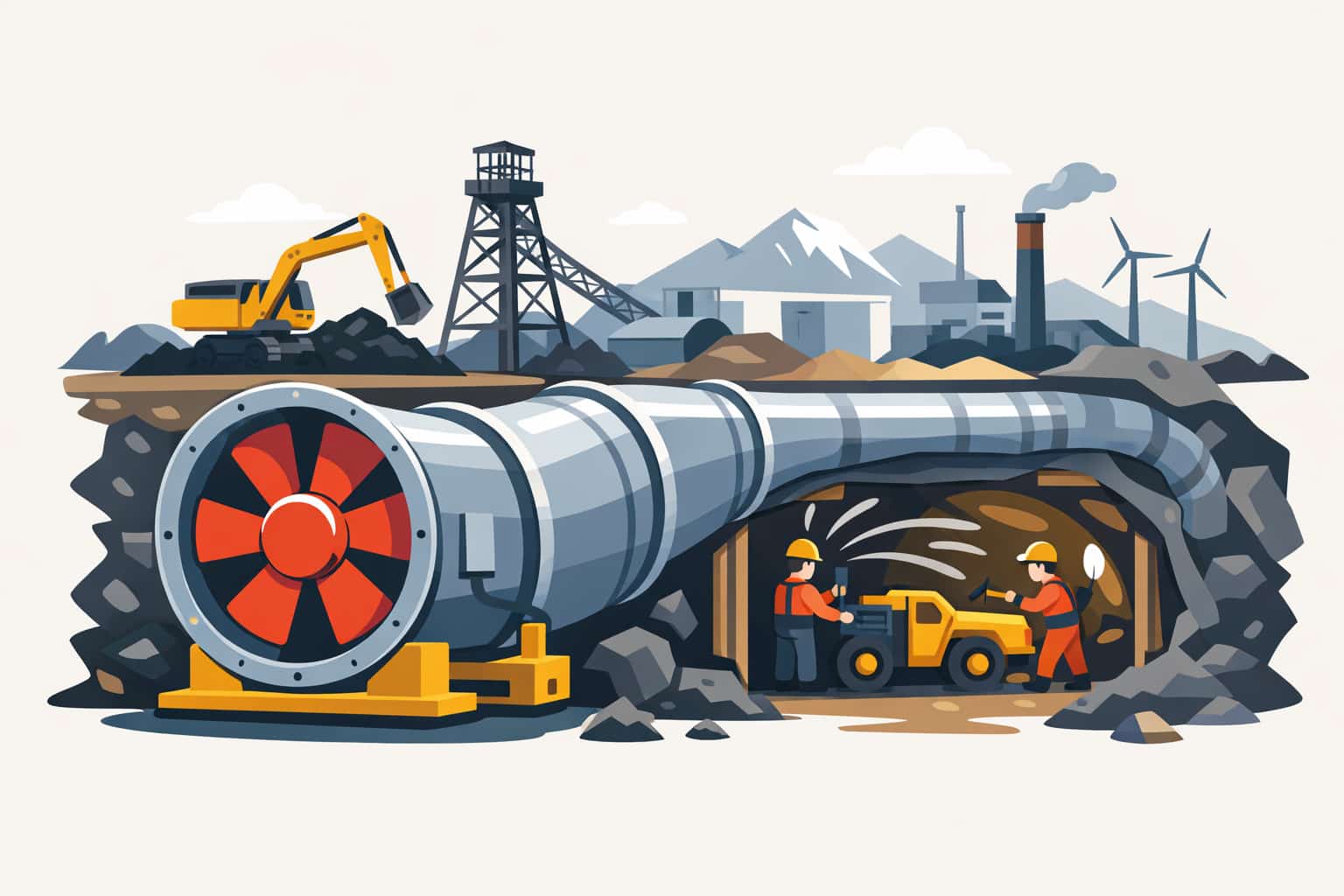
One of the most important applications is tunnel and mining ventilation. Large axial fans are installed at tunnel portals and mine shafts to supply fresh air and exhaust fumes, dust and gases. In road tunnels, axial jet fans mounted on the ceiling control smoke and emissions. In underground mines, axial main fans and auxiliary fans provide the primary airflow along roadways and headings, ensuring safe working conditions.
Axial fans are also widely used in power generation and process cooling. Cooling tower fans, condenser fans and air-cooled heat exchanger fans are typically axial because they must move enormous volumes of air across heat transfer surfaces with modest pressure drop. In these applications, the efficiency and compact form of axial fans help keep power plant size and energy consumption under control.
In HVAC and building services, axial fans appear in roof units, wall fans, inline duct fans and make-up air units. They provide fresh air to offices, warehouses, workshops, car parks and commercial buildings, and they help remove heat, smoke and odours. For large open spaces such as sports arenas, exhibition halls and production plants, axial fans can deliver high airflow for general ventilation and comfort cooling.
Many industrial processes rely on axial fans for air movement and cooling. Examples include drying systems, kilns, ovens, paint booths, electronic equipment cooling, transformer cooling and exhaust for machinery rooms. In these cases, axial fans help control temperature, remove heat from equipment and maintain safe operating conditions.
On a smaller scale, everyday equipment uses axial fans too. Computer and electronics cooling fans, domestic extractor fans, portable ventilators and some air purifiers all rely on small axial impellers to move air through housings and across components. The same basic principles apply as in large industrial fans, just at a smaller size and lower power.
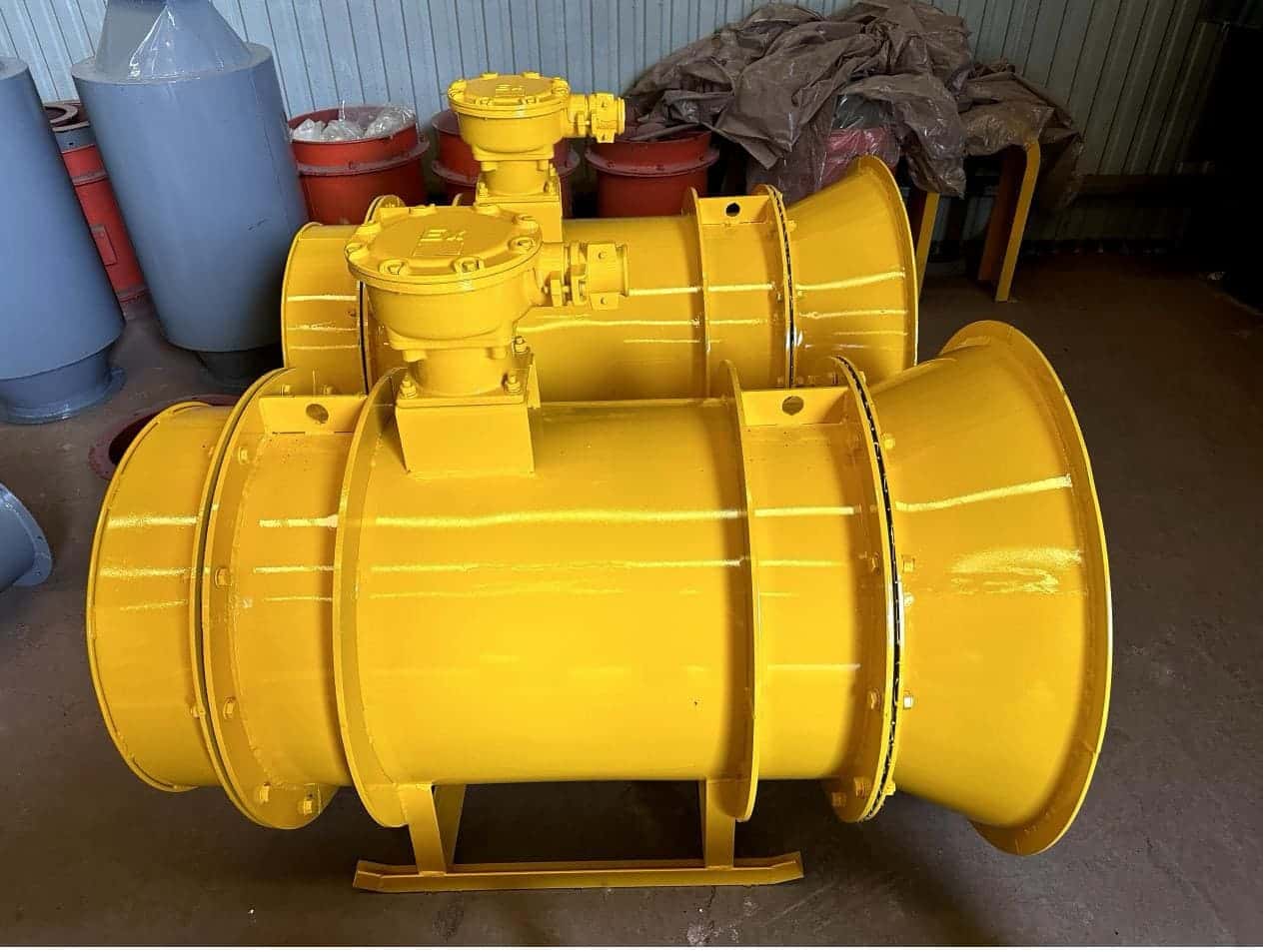
With appropriate materials and design, axial fans are also used in corrosive or hazardous environments, such as chemical plants, offshore platforms and certain mining areas. Special coatings, stainless steel construction and explosion-proof motors allow axial fans to operate safely where ordinary equipment would not survive.
In summary, real life applications of axial fans include tunnel and mine ventilation, power plant and process cooling, HVAC and building ventilation, industrial process air movement, equipment cooling and many everyday devices. Wherever high airflow is needed with modest pressure, an axial fan is often the most practical and efficient solution.