
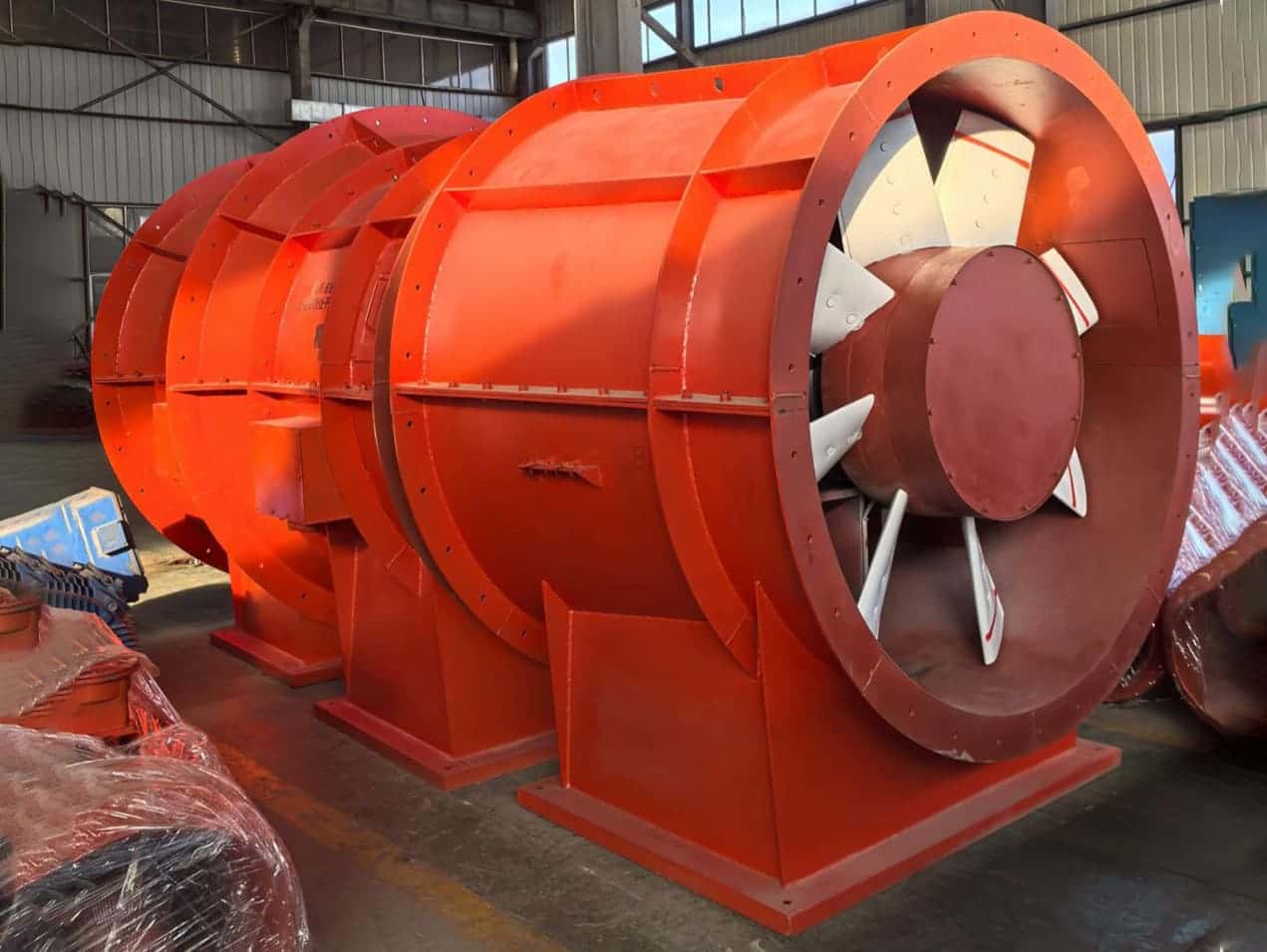
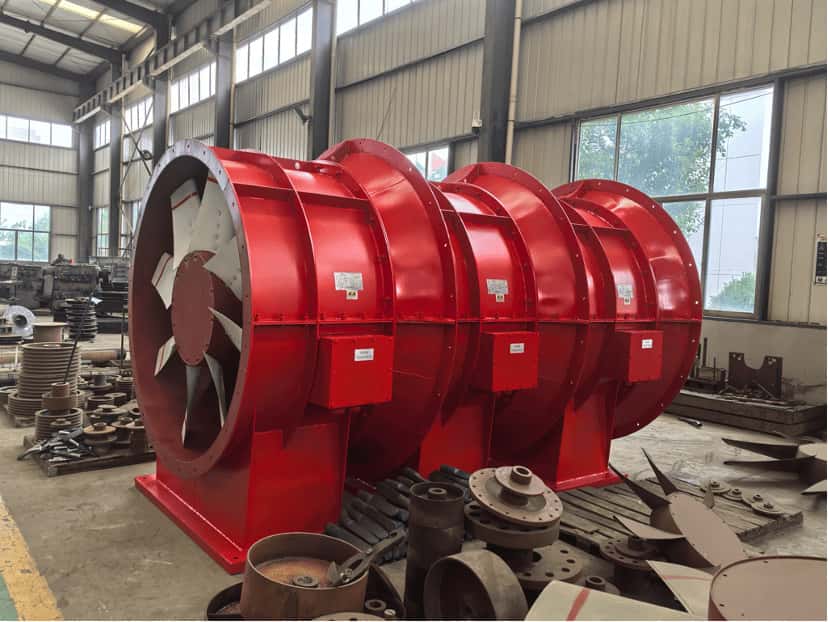
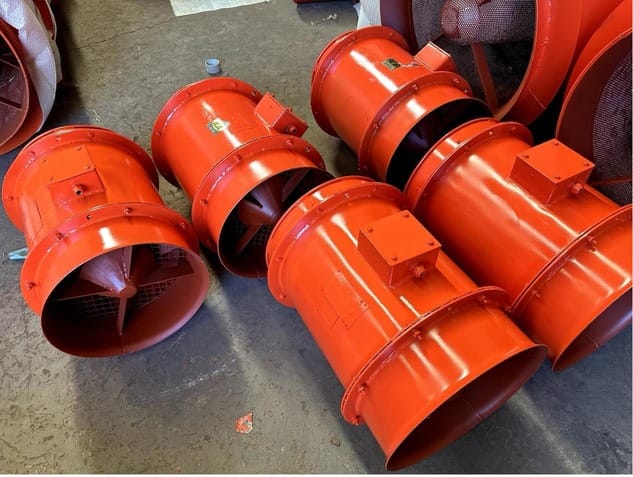
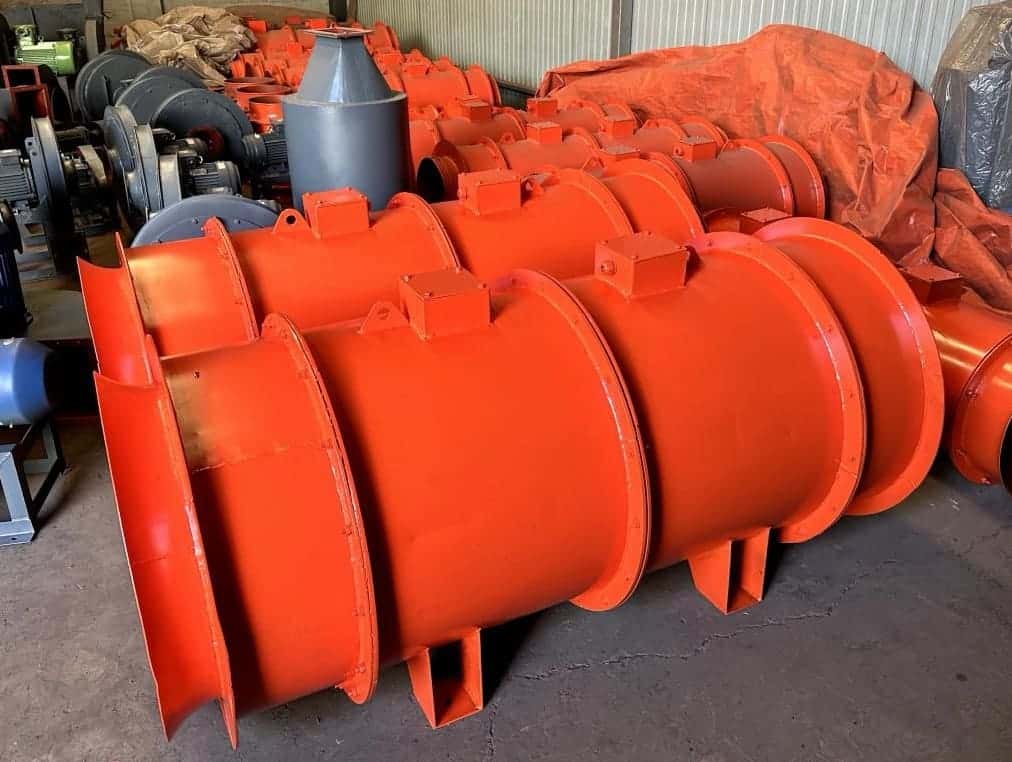
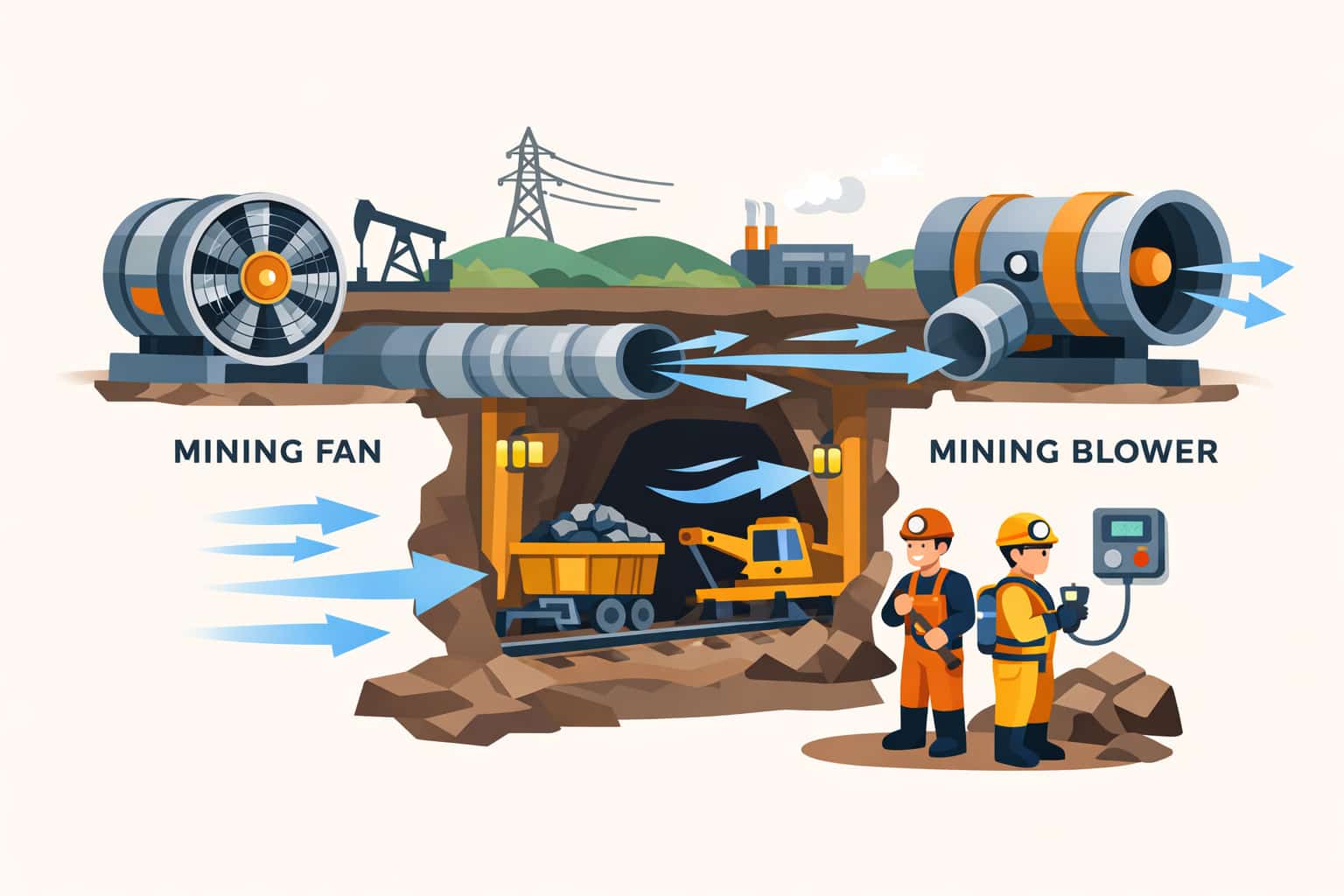
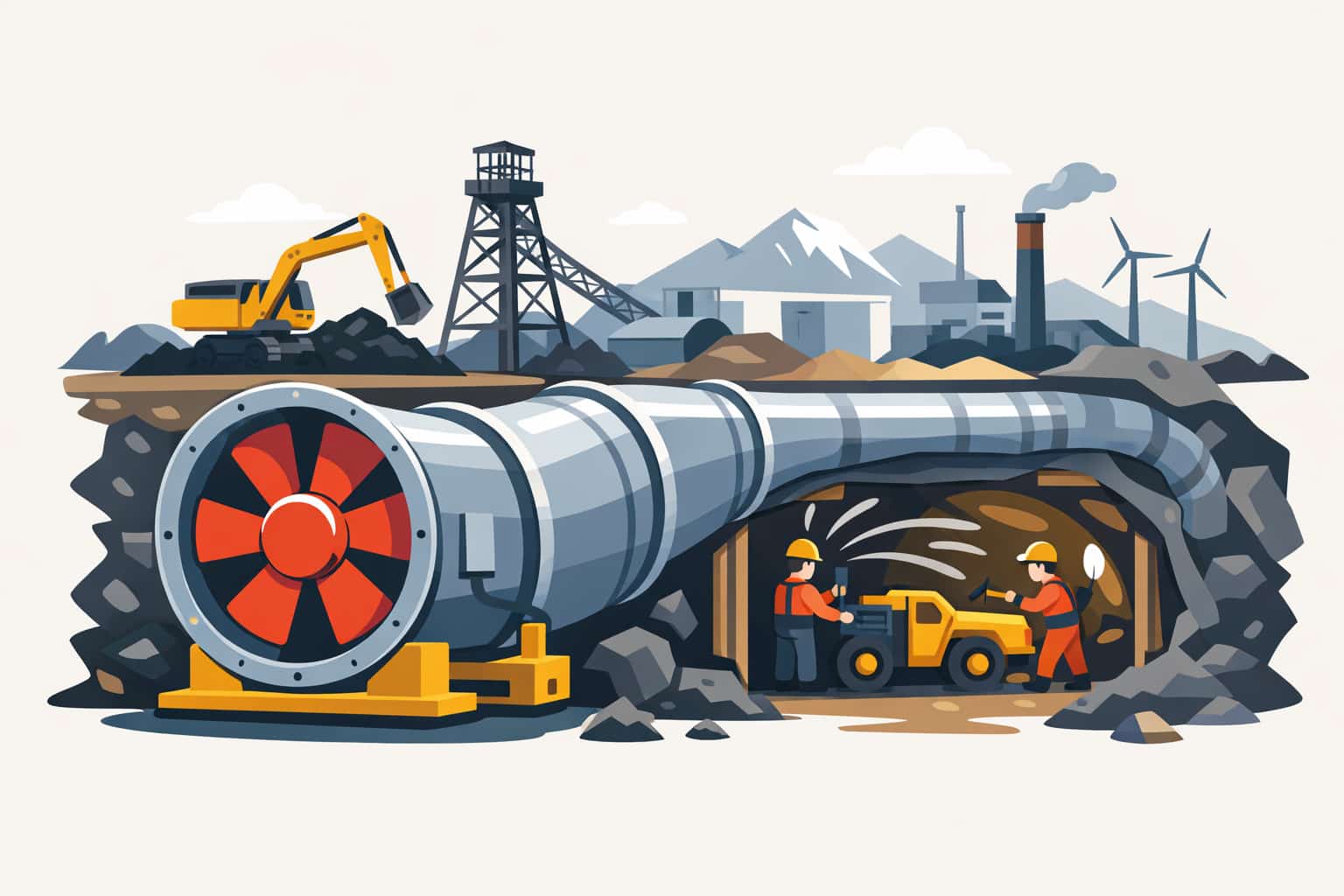
Poor ventilation carries a wide range of risks for people, equipment and buildings. When there is not enough fresh air or the airflow is badly organised, contaminants and heat can build up, leading to discomfort at best and serious safety hazards at worst. These risks are particularly high in industrial plants and underground mines, where processes generate dust, fumes and gases that must be controlled.
One of the most immediate risks is reduced air quality and health problems. In poorly ventilated spaces, carbon dioxide from people, emissions from engines, fumes from welding or chemicals, and fine dust from processes all accumulate. Over time, occupants may experience headaches, dizziness, eye and throat irritation, fatigue and reduced concentration. Long-term exposure to certain contaminants can cause chronic respiratory or cardiovascular disease. In mines, inadequate ventilation may allow levels of methane or other gases to rise, with potentially fatal consequences.
Another major risk is heat stress. Without sufficient airflow, heat generated by machinery, lighting and people is not removed effectively. Temperatures and humidity can climb to uncomfortable or dangerous levels, especially in deep mines or heavy industrial plants. Heat stress reduces productivity and increases the risk of accidents as workers become tired, dehydrated and less alert. In extreme cases it can cause heat exhaustion or heat stroke.
Poor ventilation also increases the risk of fire and explosion. Flammable vapours, gases and fine dusts must be kept below their safe concentration limits. If ventilation is insufficient, these substances can accumulate in pockets or layers, creating explosive atmospheres. A spark or hot surface can then ignite the mixture. Good ventilation disperses these materials, reducing both the probability and the severity of any incident.
On the building and equipment side, poor ventilation promotes condensation and corrosion. Moist air trapped in enclosed spaces condenses on cool surfaces, leading to dampness, mould growth and deterioration of insulation and finishes. In industrial environments, corrosive fumes can attack metal structures, electrical cabinets and fan components. Over time, this damage shortens equipment life and increases maintenance and replacement costs.
Finally, inadequate ventilation can lead to unstable pressure conditions. Negative pressure may draw in dust and fumes from unwanted areas, or cause doors to slam and become difficult to open. Positive pressure may force contaminants into offices, control rooms or escape routes. In mines, unplanned pressure differences can disturb the designed airflow pattern, sending contaminated air towards workings that should receive fresh air.
In summary, the risks of poor ventilation include impaired health, heat stress, increased fire and explosion risk, structural damage, corrosion and loss of control over airflow patterns. Investing in properly designed and maintained ventilation systems is therefore essential for safety, reliability and long-term cost control in industrial and mining operations.