












Using booster fans in underground mines brings both benefits and risks. While booster fans can improve airflow to deep or high resistance areas, they also add complexity to the ventilation system and can introduce safety hazards if they are poorly designed or operated. Understanding these risks is essential before deciding to use booster ventilation as part of a mine's strategy.
One of the most serious risks is air recirculation. If intake and return airways are not well separated, air that has already passed through working areas and picked up gases and dust can be drawn back toward the booster fan and reintroduced into the same region. This recirculation can lead to higher gas concentrations, poor dust control and potential explosion hazards, especially in coal or gassy metal mines. Ventilation modelling and careful layout are needed to ensure that airflow paths are clearly defined and recirculation loops are avoided.
Another risk is unstable or unpredictable airflow. Adding booster fans changes the pressure distribution in the network. If these changes are not fully understood, they can cause unexpected flow reversals in nearby branches, disturb seals or regulators and alter how gases move through gob or goaf areas. In extreme cases, pressure surges or fan interactions can lead to oscillating flows that are difficult to control. Network analysis and staged commissioning are necessary to identify and mitigate these issues.
Booster fans also increase the complexity of control and emergency response. Operators must manage more fans with more possible operating combinations. During fires or gas incidents, the wrong combination of main and booster fan settings can worsen conditions by driving smoke or contaminated air into escape routes or refuge areas. Clear procedures, automation where appropriate and regular training are vital to ensure that booster fans are used safely during both normal and emergency operations.
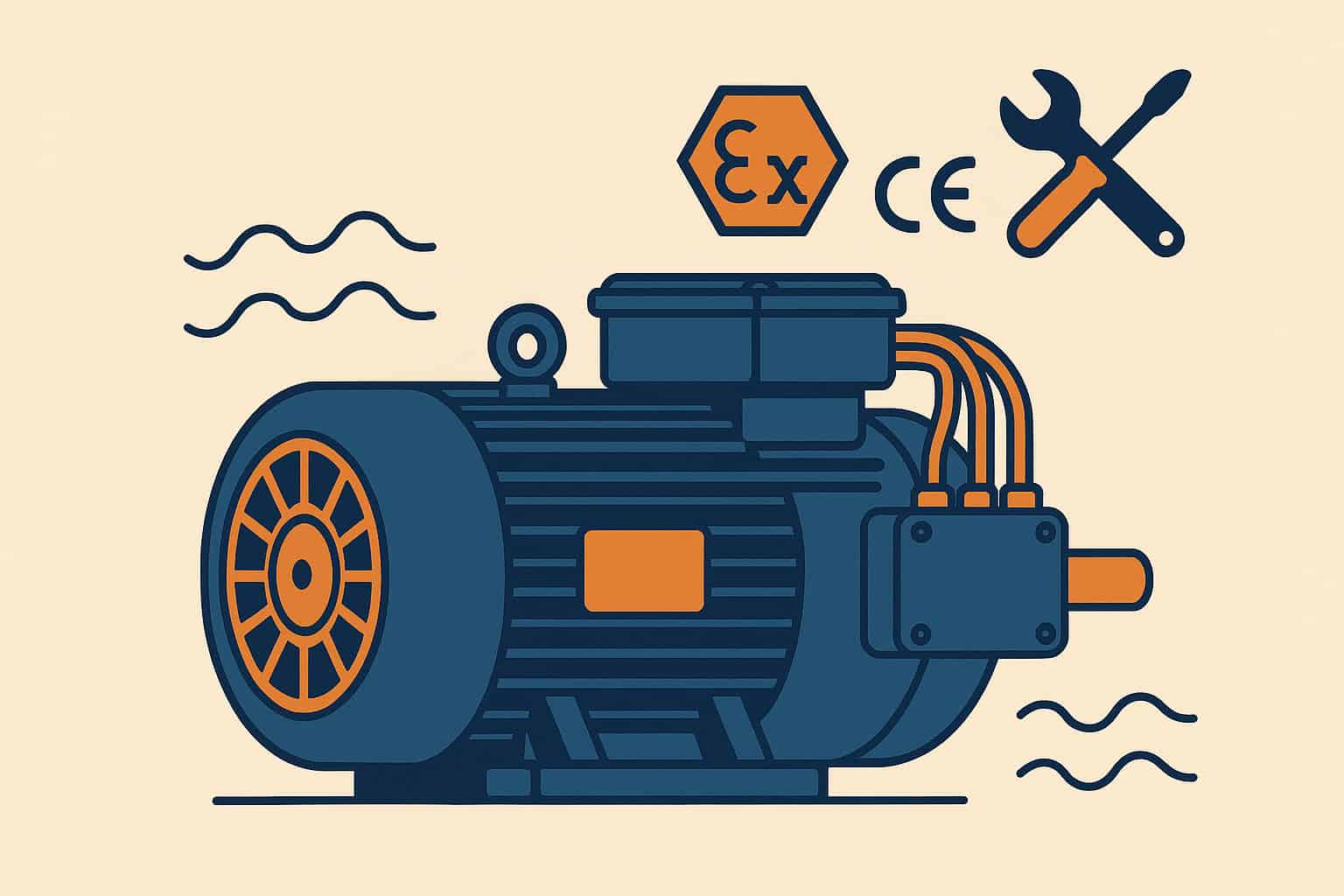
In addition, booster installations create local hazards such as increased noise, high velocity air streams, moving machinery, and potential ignition sources from electrical equipment. In coal and other potentially explosive atmospheres, strict rules apply to fan location, electrical classification and construction. Booster fans may be banned or heavily restricted in some jurisdictions, limiting their use or requiring special approvals.
Maintenance and reliability add further risk factors. More fans mean more components that can fail or require servicing. A booster fan failure can suddenly reduce airflow to a critical district unless bypasses or backup fans are provided. Poorly planned maintenance can leave parts of the mine under ventilated. Reliability engineering, redundancy and well planned maintenance schedules help reduce these risks.
In summary, the main risks of using booster fans in underground mines are recirculation of contaminated air, unstable airflow patterns, more complex control during normal and emergency conditions, and local safety hazards associated with additional equipment. These risks can be managed with careful design, robust monitoring, clear procedures and strict compliance with mine safety regulations, but they must be fully recognised before booster fans are introduced into an underground ventilation system.
