
Cross ventilation means allowing air to flow across a space from one side to the other, usually by using openings on opposite walls or faces of a building or tunnel. To make cross ventilation effective and predictable, designers follow a set of practical rules that apply to homes, industrial halls and even some mining layouts.
The first rule is to provide openings on at least two sides of the space, ideally opposite each other. Fresh air should enter on the windward side or from a clean zone and leave on the leeward side or into a return or exhaust route. If all the openings are on one side, true cross ventilation cannot develop; the result is more like single-sided ventilation with short throws.
The second rule is to maintain a clear airflow path between the openings. Large furniture, partition walls, stacked materials or machinery can block or deflect the airflow, reducing the effectiveness of cross ventilation. Where possible, openings should be aligned so that air can move through the occupied zone, not just along the ceiling or in unused corners. In long industrial sheds, placing doors, louvers and vents in line with prevailing winds helps create a strong cross flow.
The third rule is to control inlets and outlets. If inlet openings are too small compared with outlets (or vice versa), the airflow will be limited by the smaller side. In natural cross ventilation, wind pressure and stack effect provide the driving force, so designers aim for balanced opening sizes and adjustable vents. In mechanically assisted systems, supply fans and exhaust fans can be used to reinforce and control the cross flow, provided they are correctly sized and balanced.
The fourth rule is to avoid short-circuiting. Short-circuiting occurs when fresh air entering through an inlet flows directly to an outlet without effectively passing through the occupied or working zone. This can happen if an exhaust vent is located too close to an intake or if high-speed jets bypass people and equipment. To prevent this, outlets are located so that air must cross the space before leaving, and discharge velocities are adjusted to promote mixing where necessary.
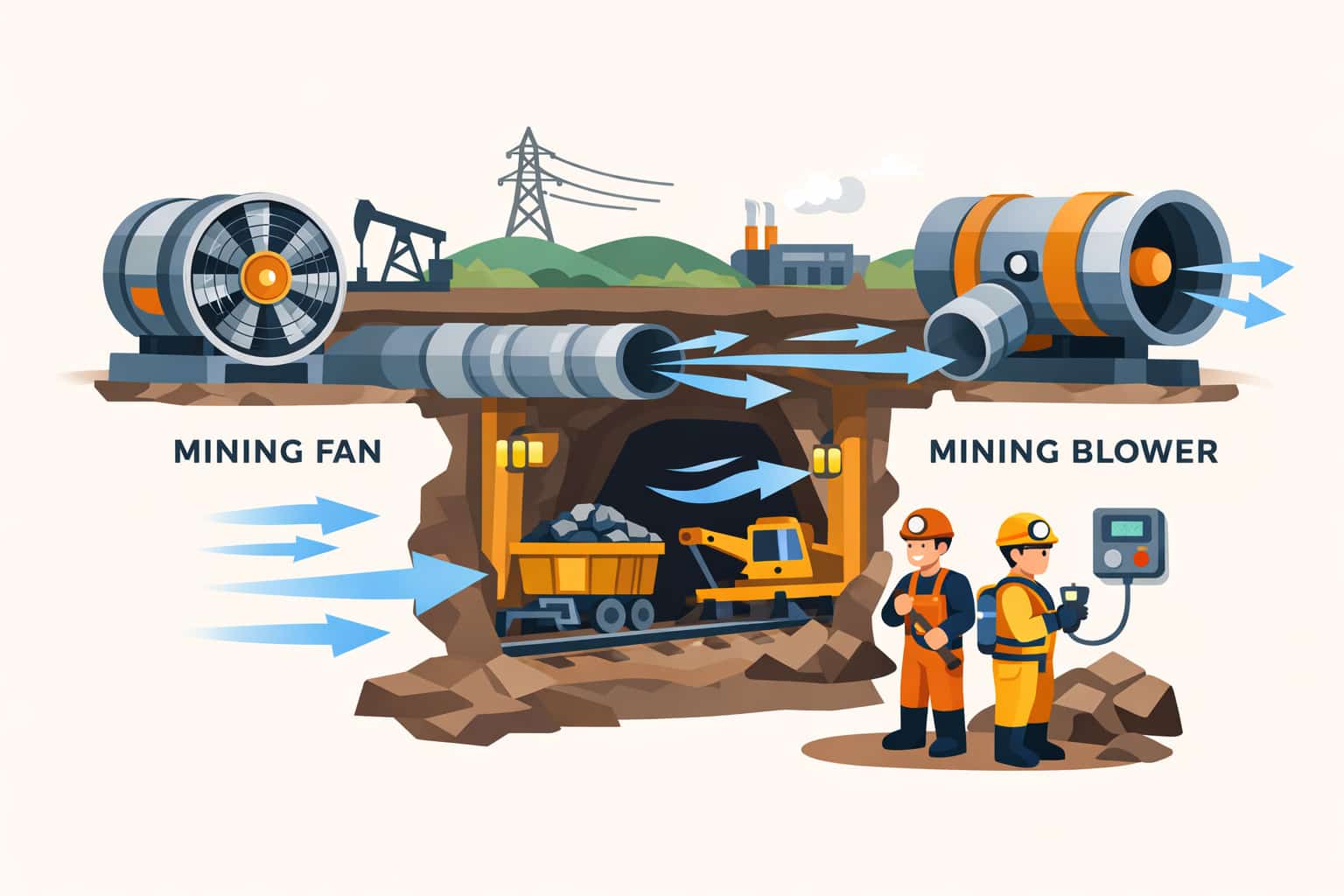
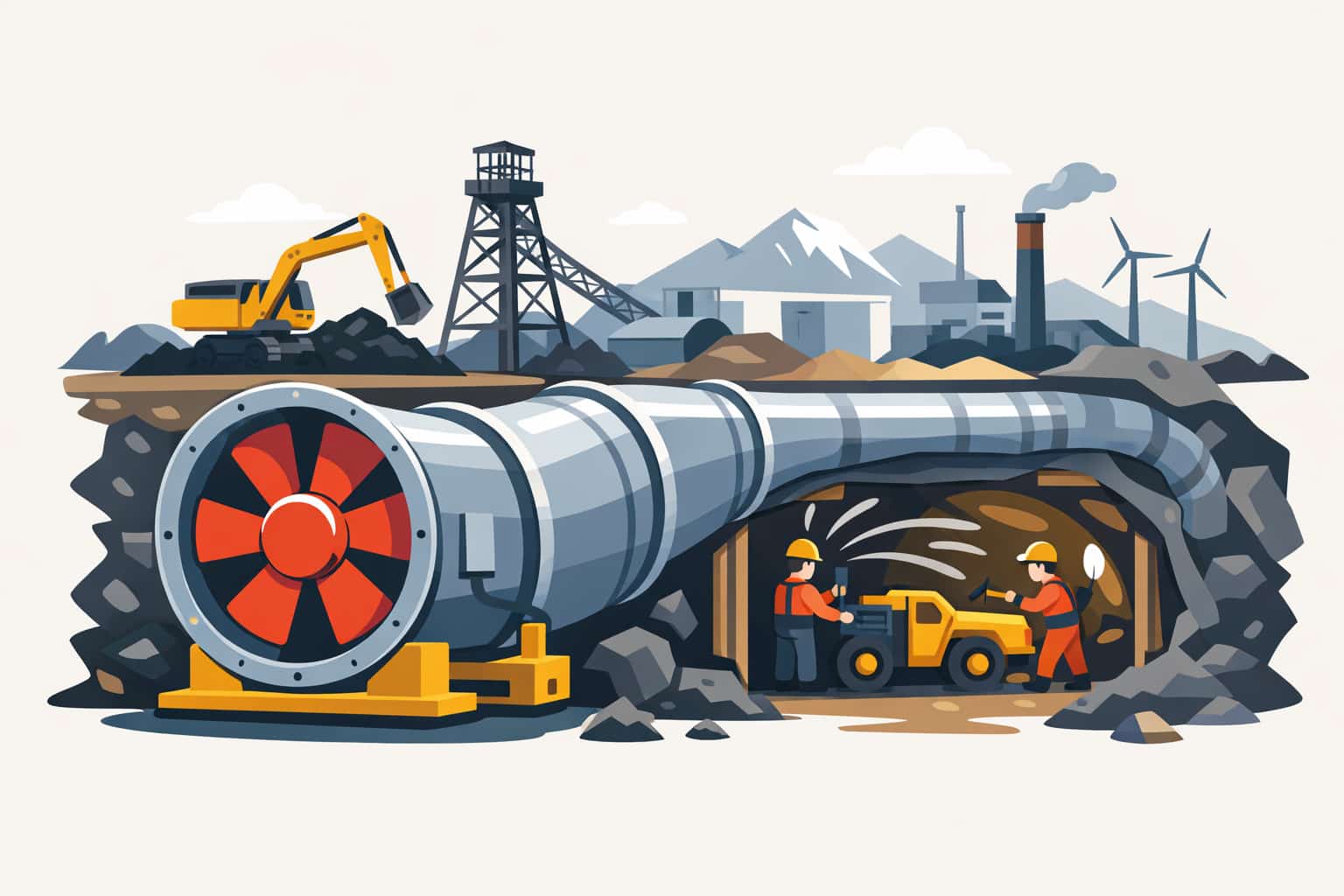
A fifth rule is to consider air quality and safety. Cross ventilation should always move air from clean areas towards dirtier areas and then out. You should not position inlets downwind of exhaust outlets, loading docks or contaminated yards, or use cross ventilation to carry fume-laden air into offices or control rooms. In underground mines, cross connections between intake and return airways must be planned carefully so that air does not flow backwards or carry contaminants into fresh-air routes.
By following these rules—opposite openings, clear paths, balanced inlets and outlets, avoiding short-circuiting and protecting air quality—you can design cross ventilation that genuinely improves comfort and safety rather than relying on chance air movement.