
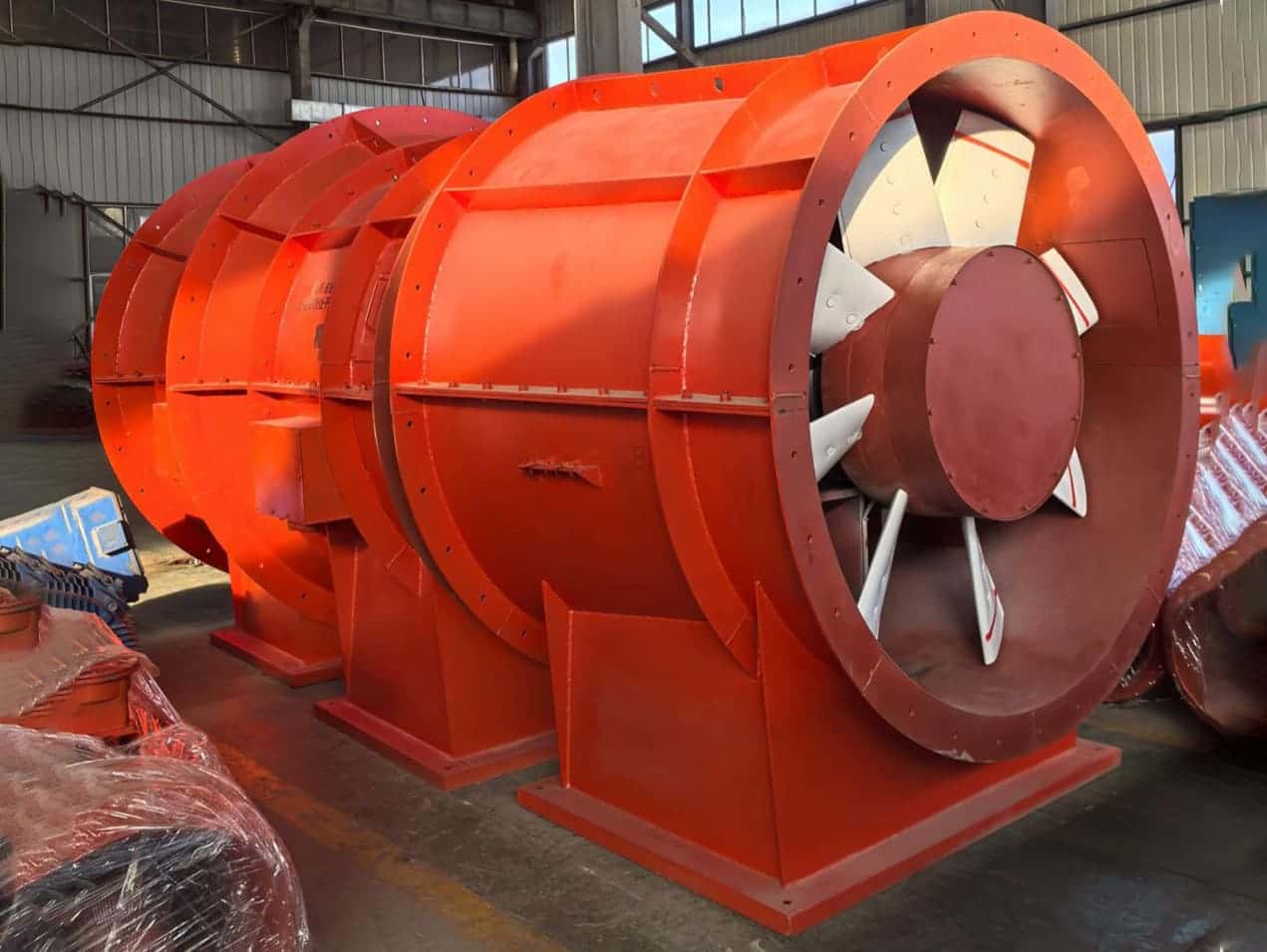
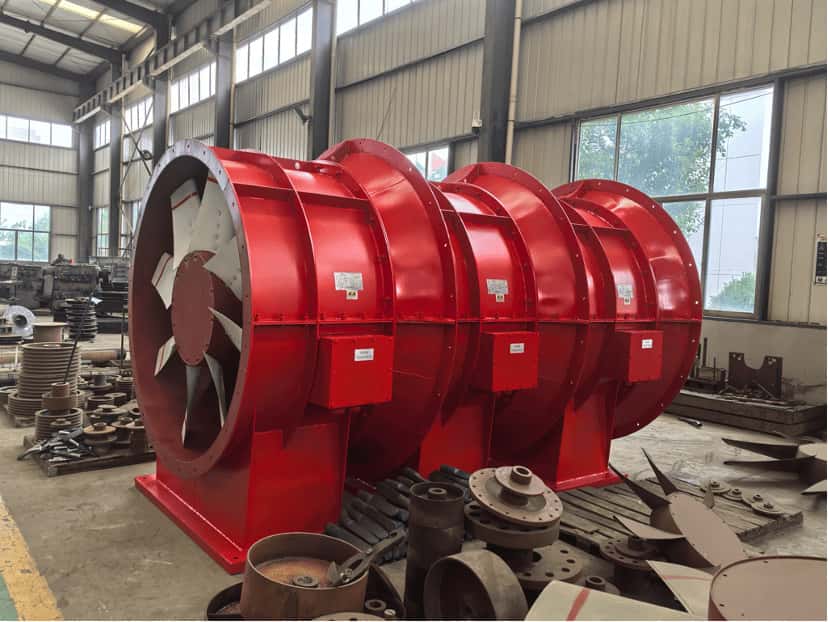
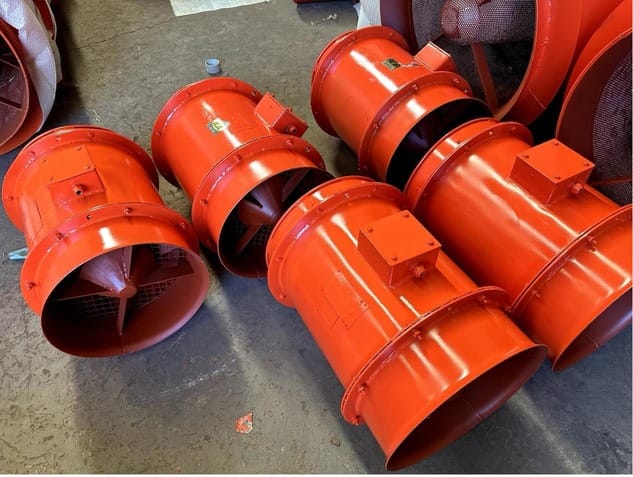
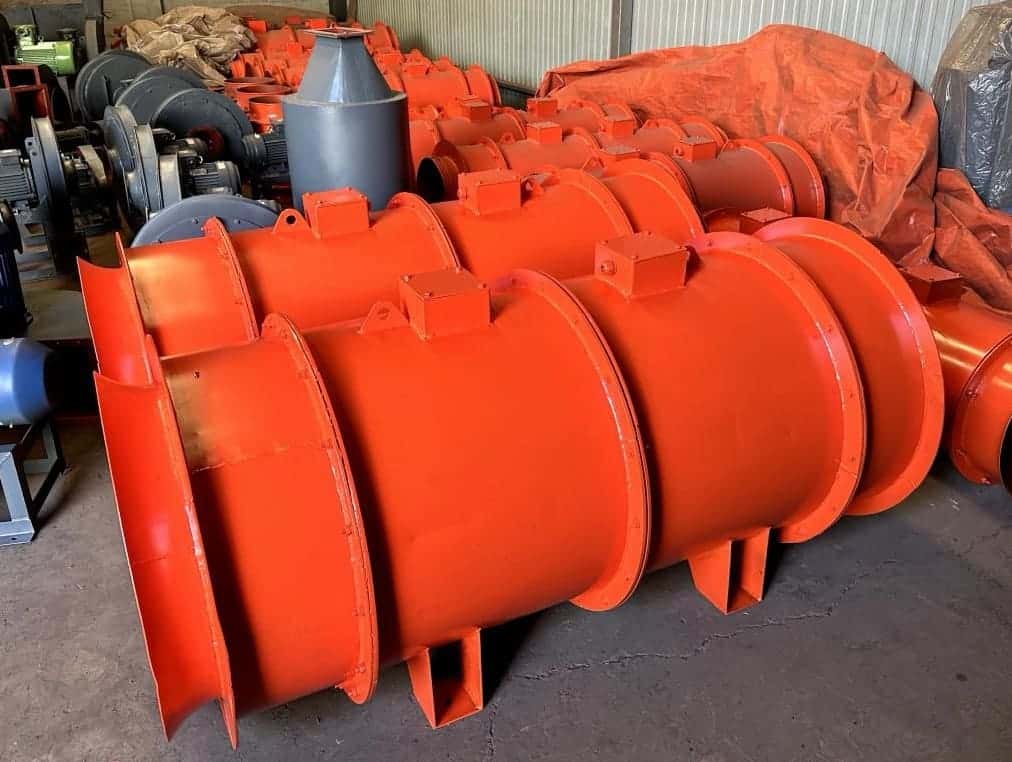
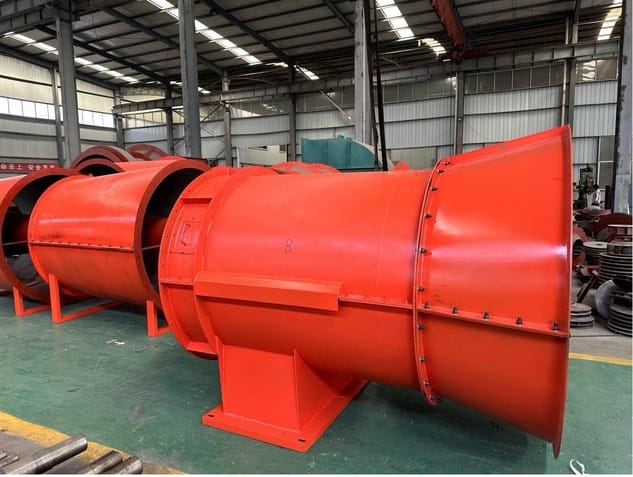
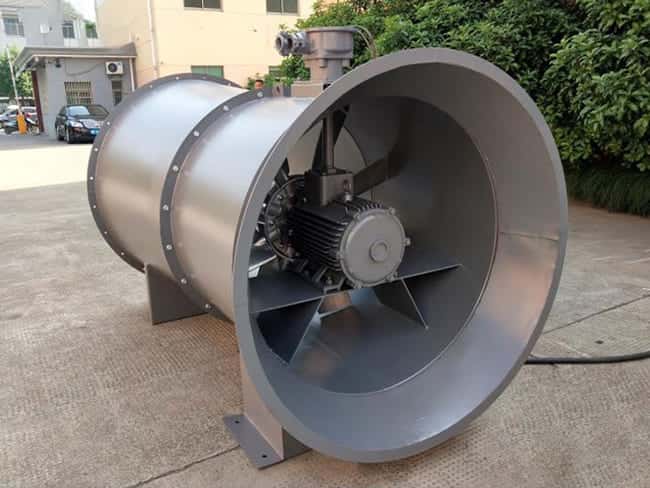
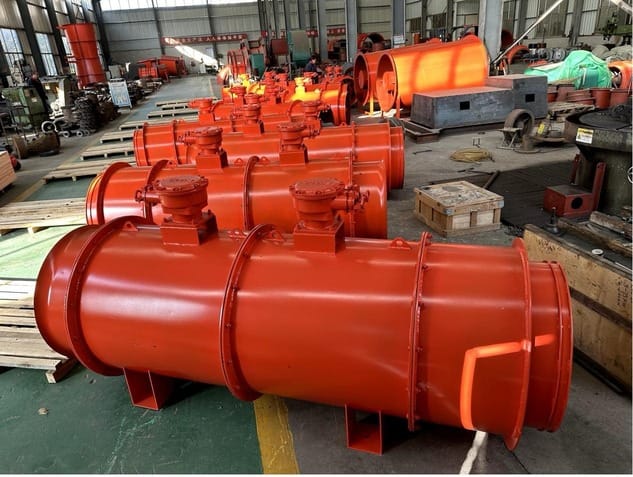
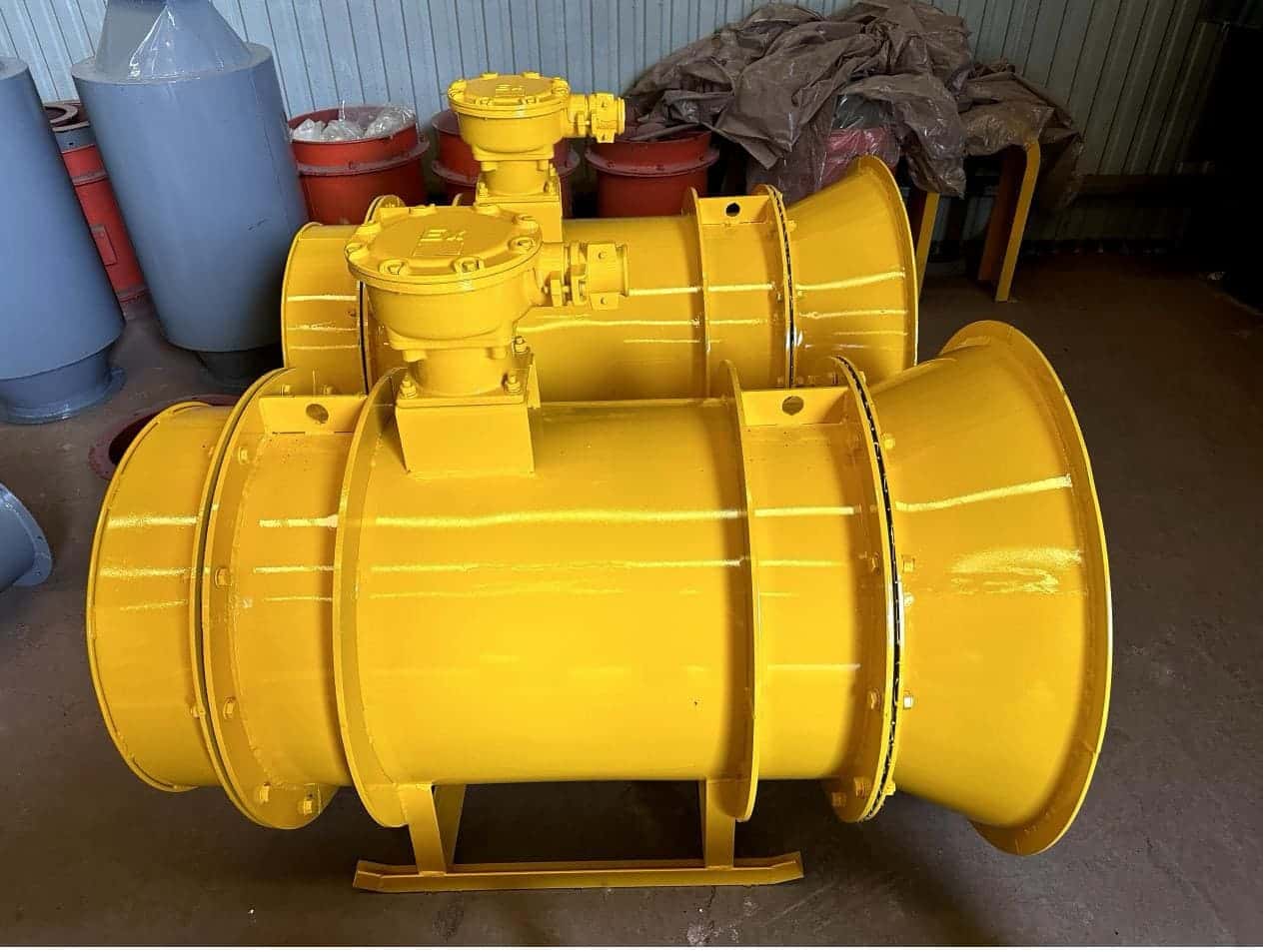
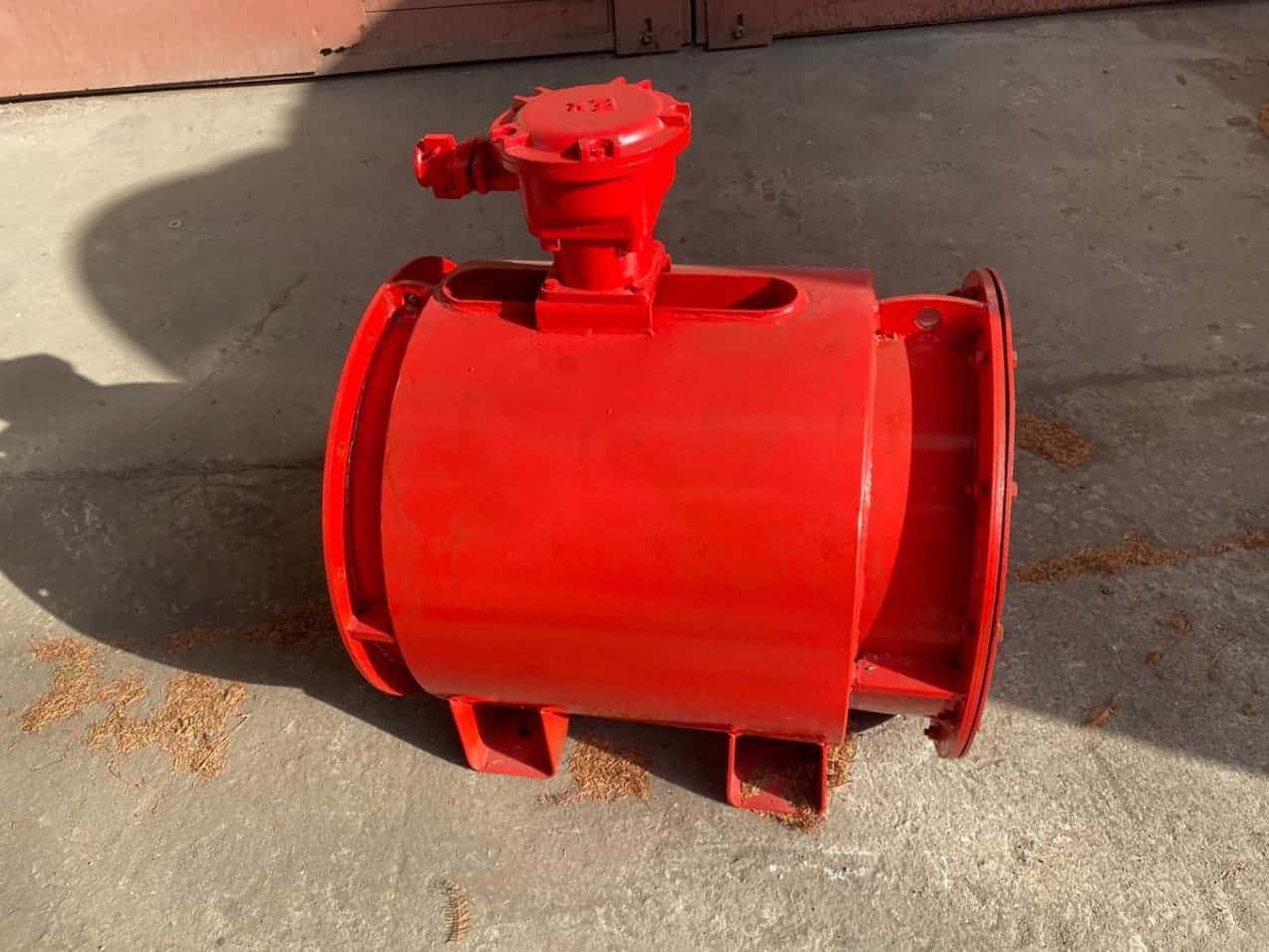
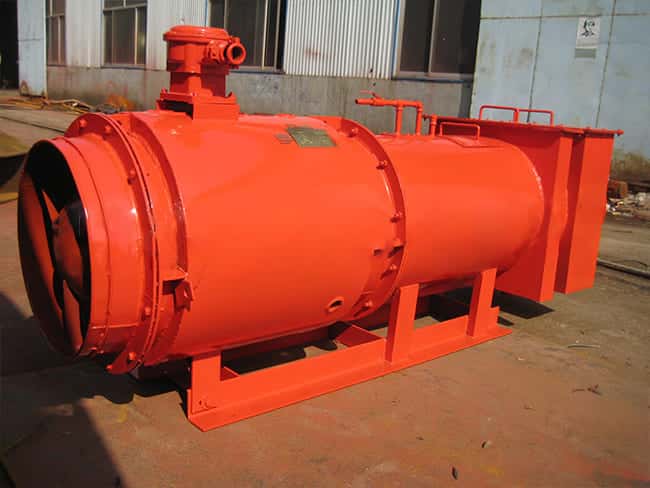
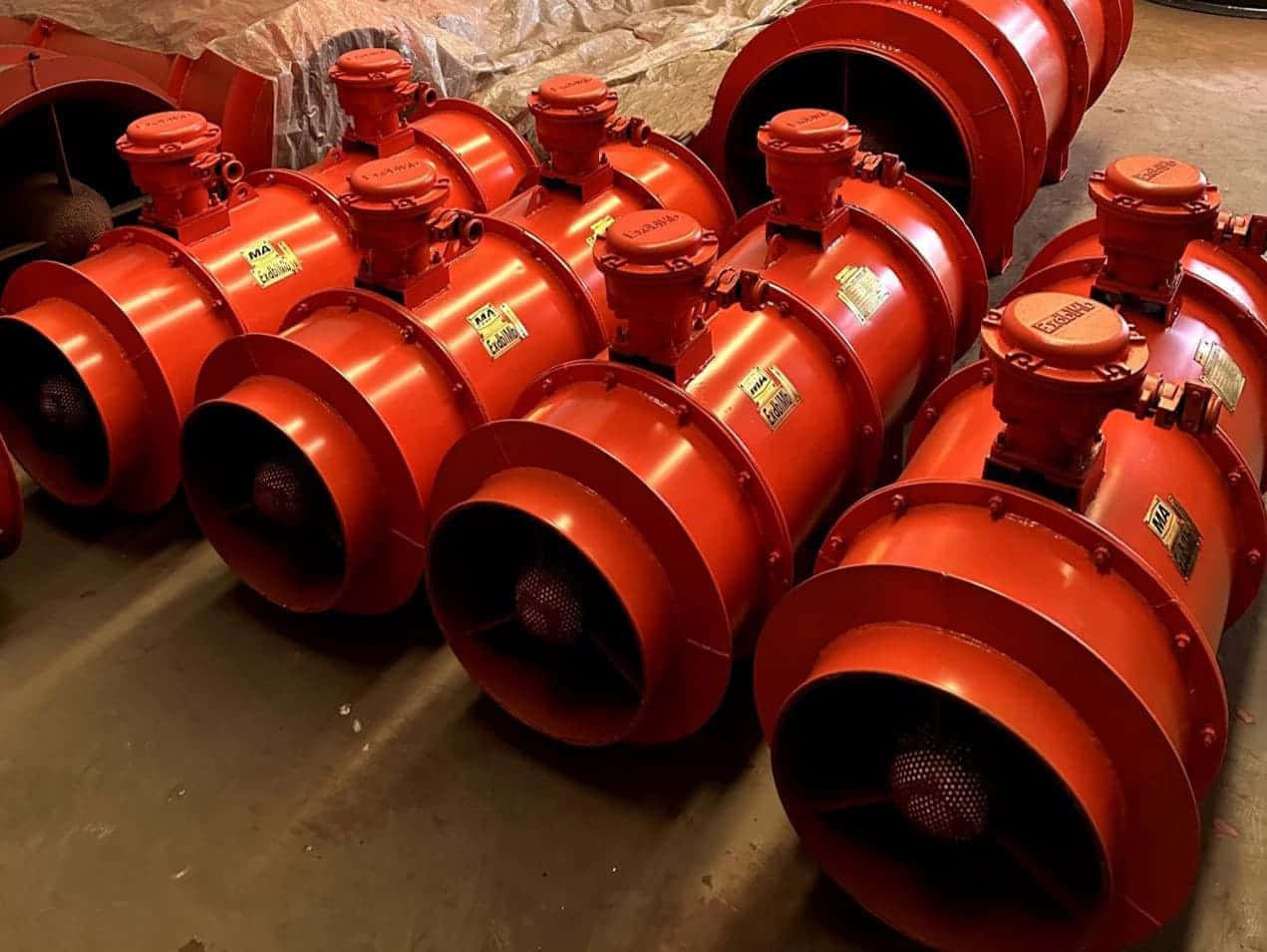
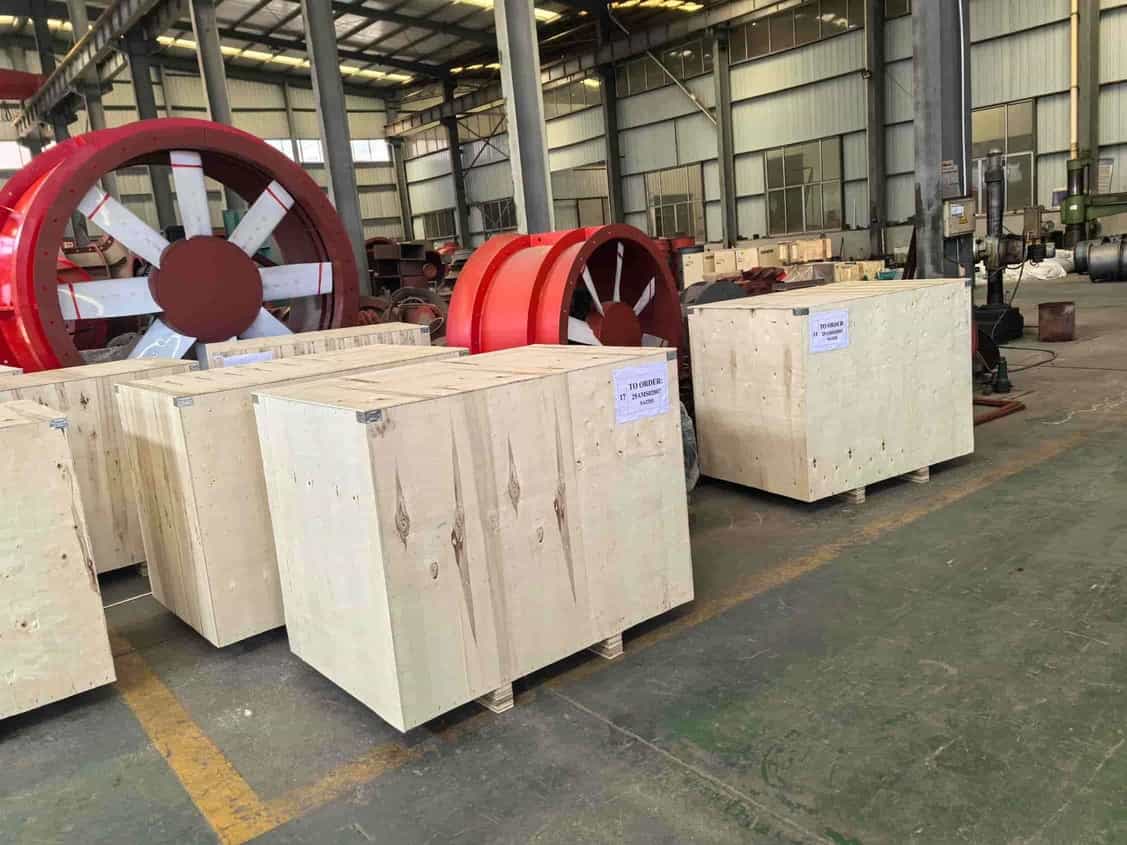
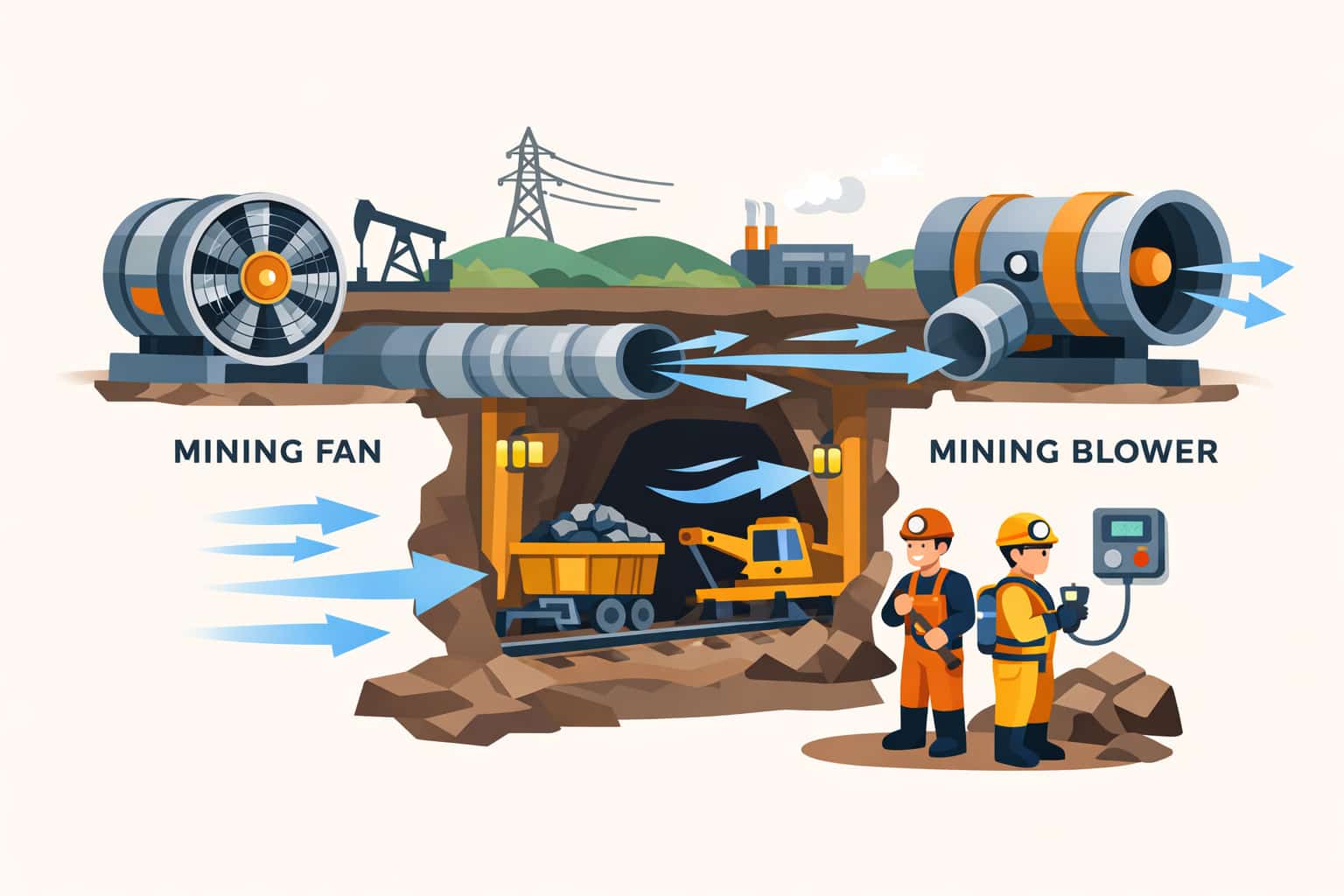
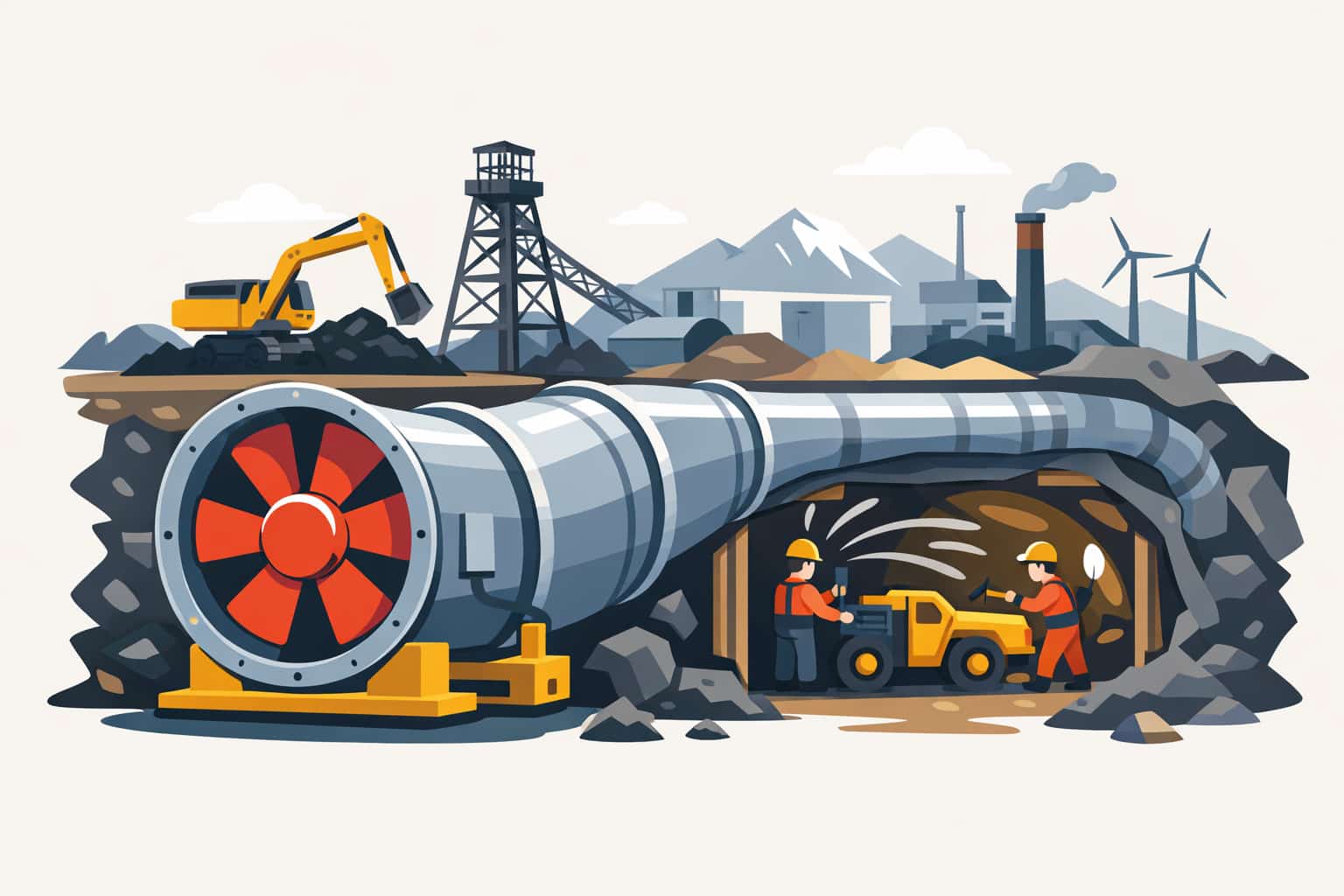
When engineers talk about the rules of ventilation, they are referring to basic principles that must be followed to design safe and effective systems in buildings, factories, tunnels and mines. These rules apply whether the system uses natural airflow, simple exhaust fans or complex networks of mining ventilation fans and ducts. They help ensure that workers receive enough clean air, contaminants are removed and energy is used efficiently.
The first rule is to provide sufficient fresh air. Every workplace needs a minimum quantity of clean air to dilute heat, humidity and airborne contaminants. The required quantity depends on the number of people, the type of work, heat sources and the amount of dust, fumes or gases released by processes and equipment. In industrial and mining environments, airflow is often calculated based on heat load, diesel engine power or specific contaminants, then delivered using appropriately sized axial or centrifugal fans.
The second rule is to control contaminants at the source whenever possible. It is more efficient to capture dust or fumes right where they are generated than to dilute them throughout a large space. Local exhaust hoods, dust collection systems and auxiliary fans on ducts in headings or tunnels follow this rule. By placing the ventilation equipment close to crushers, loading points, welding stations or blasting areas, engineers reduce overall airflow requirements and improve air quality where it matters most.
The third rule is to maintain clear and controlled airflow paths. Ventilation should have a defined direction from clean intakes to contaminated exhausts. Doors, stoppings, regulators and ducting must be arranged so that fresh air reaches work areas before picking up contaminants, and so that return air does not recirculate into intake routes. In mines, this means careful layout of main airways, crosscuts and raises, combined with the correct placement of main fans, booster fans and auxiliary fans.
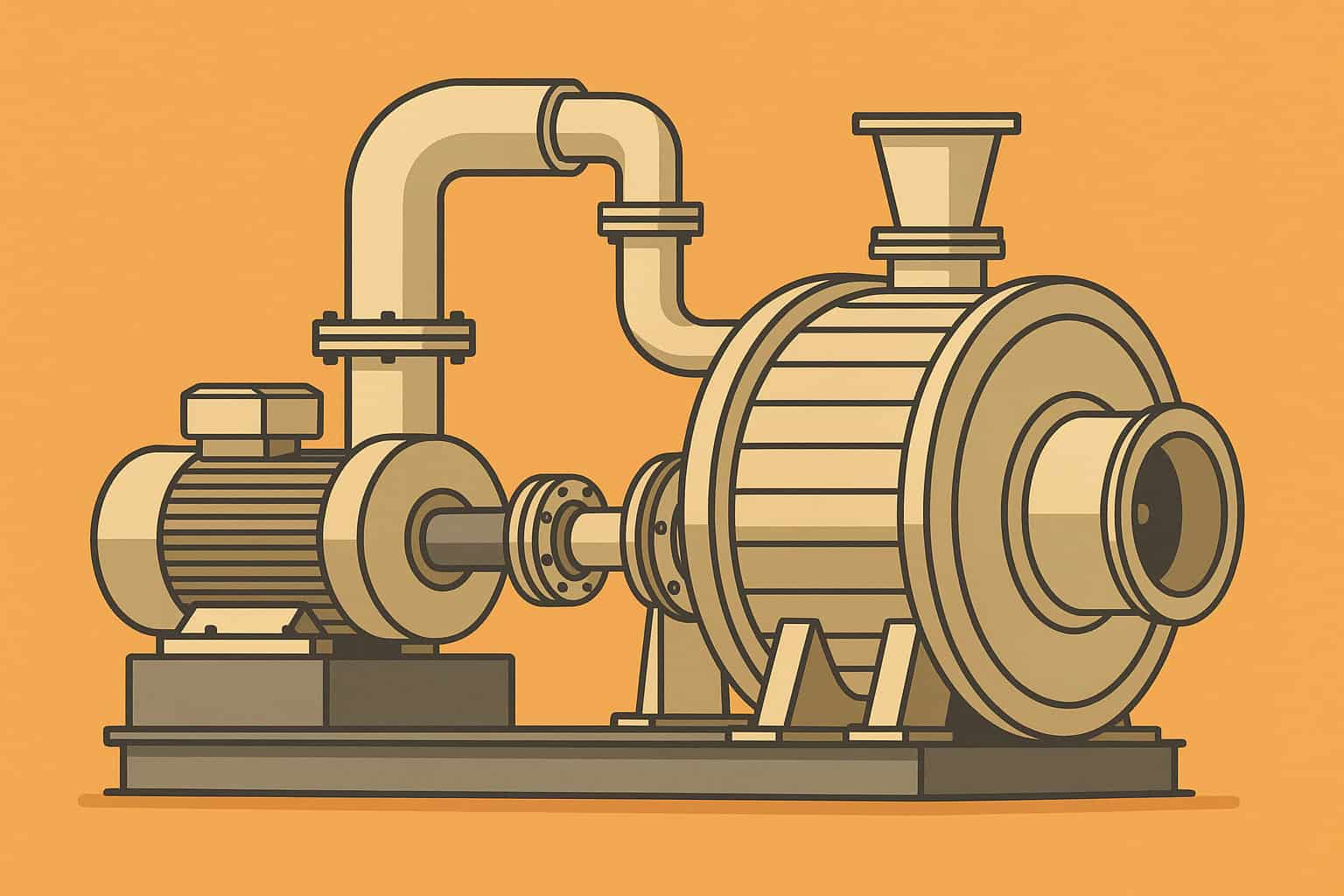
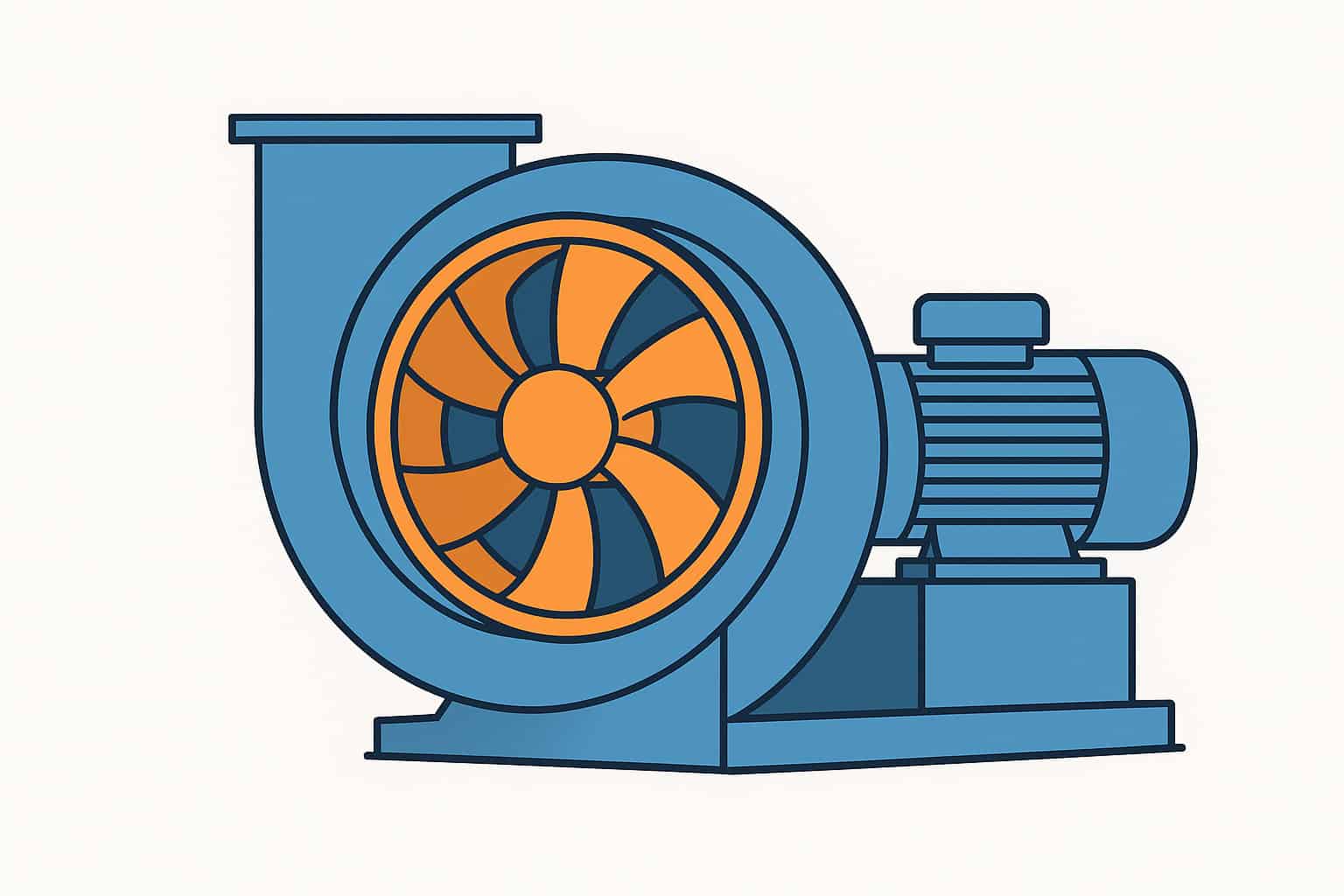
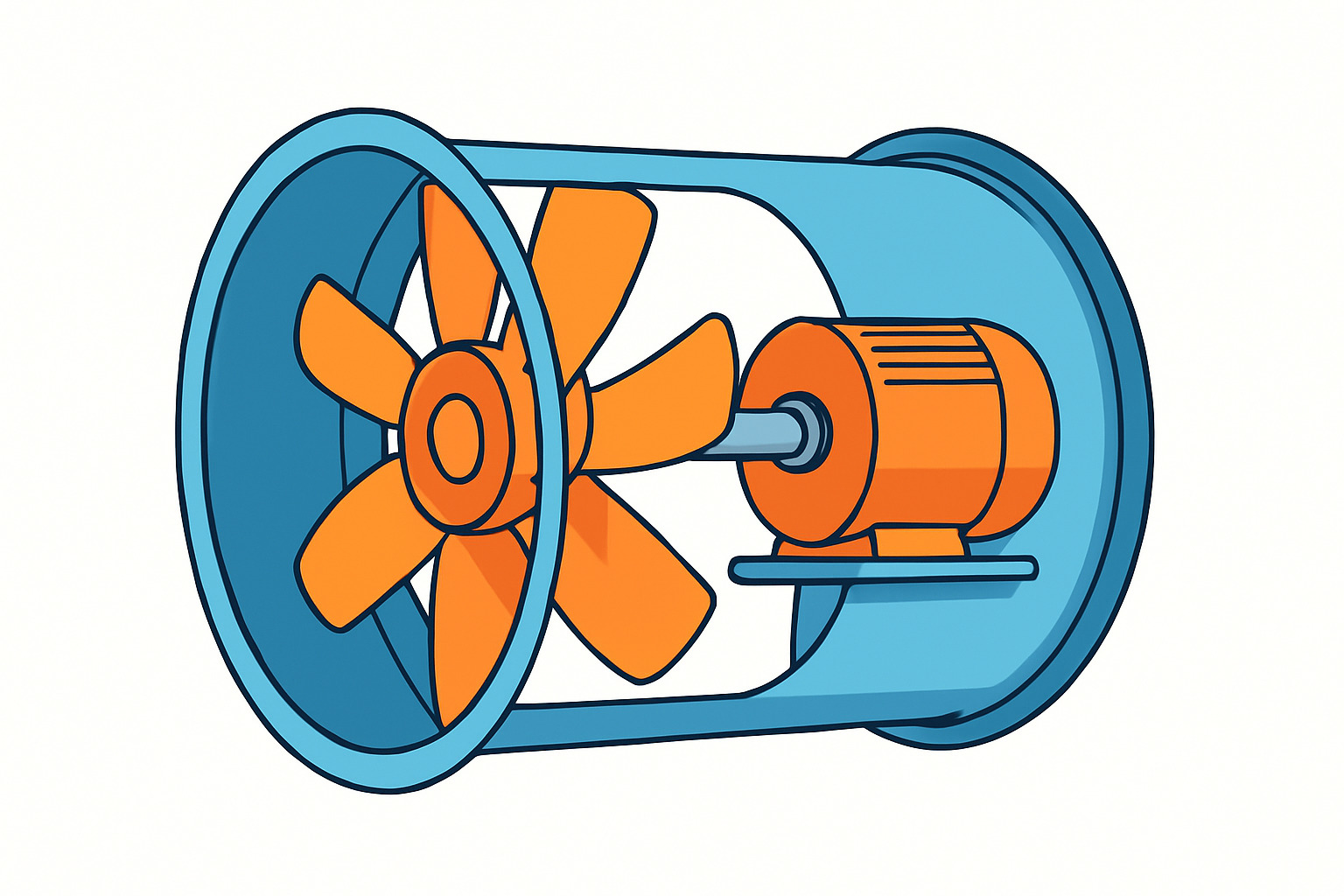
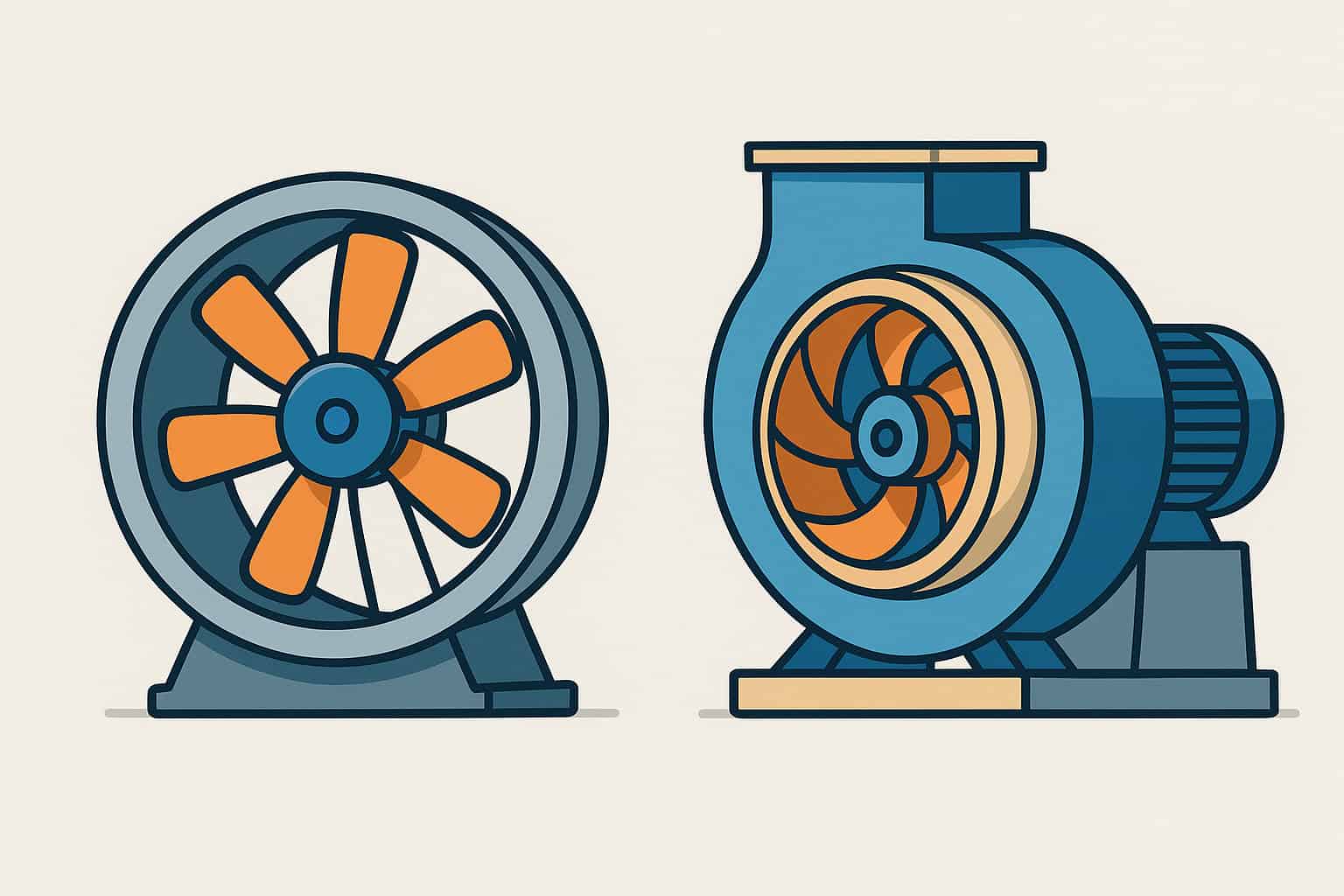
The fourth rule is to match fans and ducts to the system resistance. Every ventilation network has friction and losses in airways, bends, filters and equipment. Ventilation fans must be selected so that their pressure–flow characteristics match this resistance curve at the desired airflow. Oversized or undersized fans waste energy, create noise, or fail to deliver the required quantity. Proper fan selection, duct sizing and regular maintenance are therefore essential parts of good ventilation practice.
A final rule is to monitor and adjust the system over time. Mines and plants change: new headings are driven, equipment is relocated, and production levels vary. Ventilation systems must be measured, inspected and updated so that airflows, gas levels and temperatures stay within acceptable ranges. Following these basic rules of ventilation keeps industrial and mining workplaces safe, compliant and efficient.