
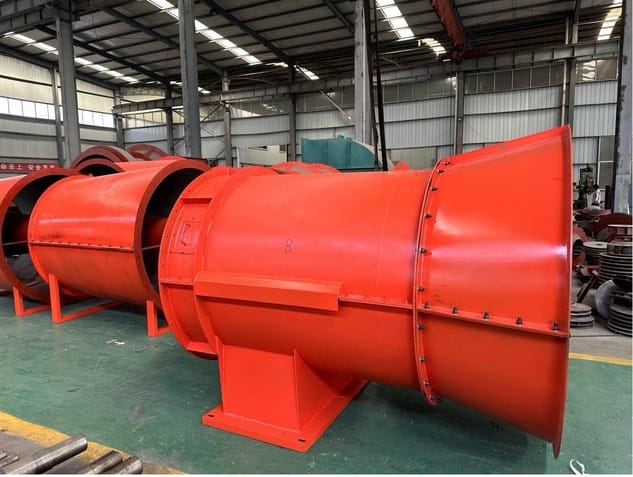
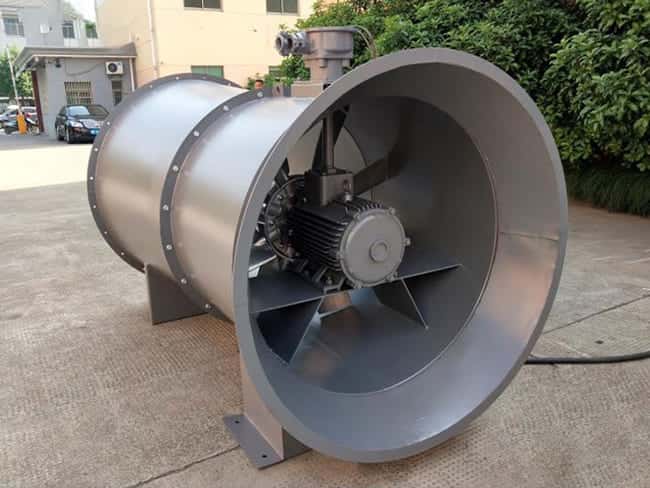
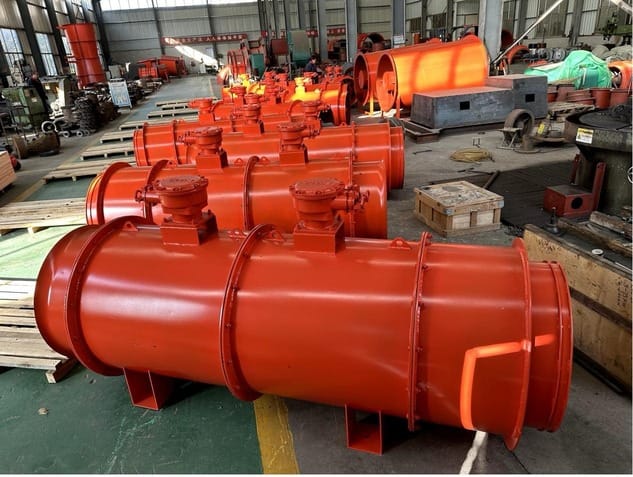
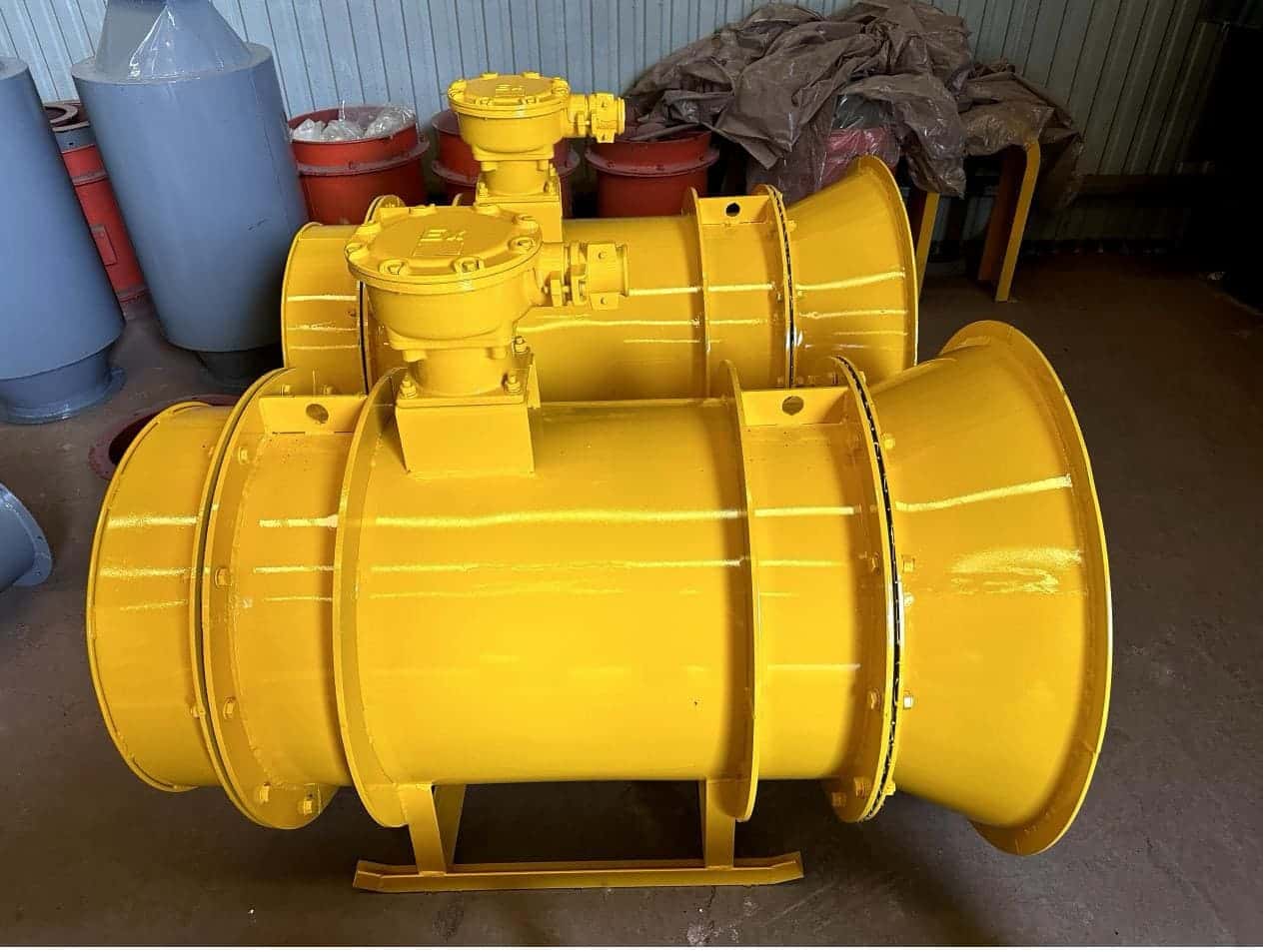

The standards of ventilation are the regulations and guideline documents that specify how much air must be supplied and exhausted to keep people safe and processes under control. They define minimum airflow rates, acceptable air quality, temperature and humidity limits, and maximum levels of contaminants such as dust, fumes and gases.
In buildings and light industry, ventilation standards are often issued by national or regional organisations and incorporated into building codes. They specify minimum outdoor airflow per person, typical air changes per hour for different room types and design criteria for comfort, including temperature and humidity ranges. These standards help ensure that offices, schools, hospitals and workshops receive enough fresh air to prevent excessive CO2 build up, odours and discomfort.
For industrial ventilation, specialised standards and guidelines focus on controlling hazardous substances. They provide methods for designing local exhaust systems, calculating capture velocities at hoods, sizing ducts and selecting fans. Occupational exposure limits for fumes, vapours and dust are set by safety authorities, and ventilation systems must be designed so that airborne concentrations stay below these limits during normal operation. Standards also address explosion risks where flammable gases or dusts are present, specifying requirements for equipment classification and ventilation to reduce ignition hazards.
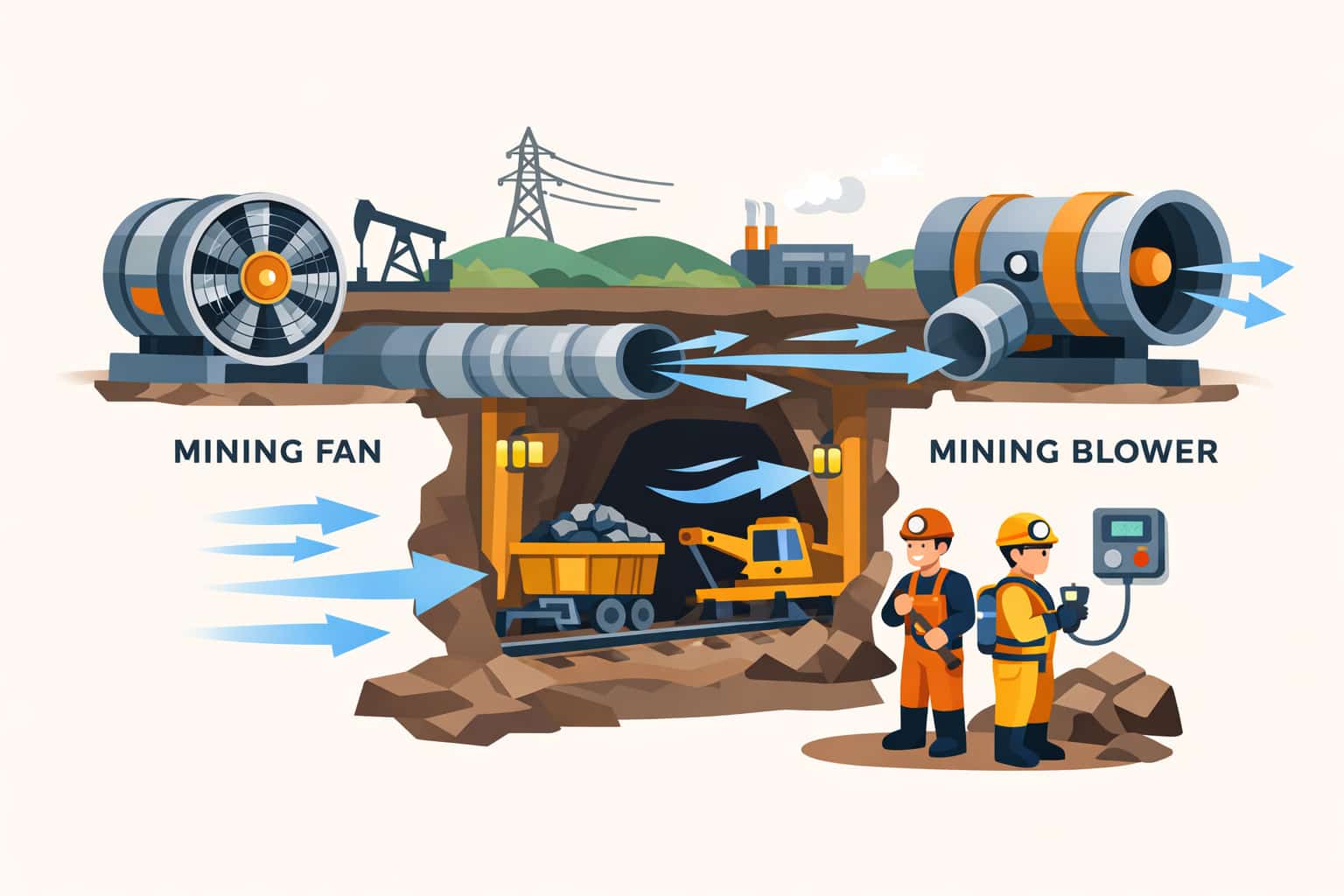
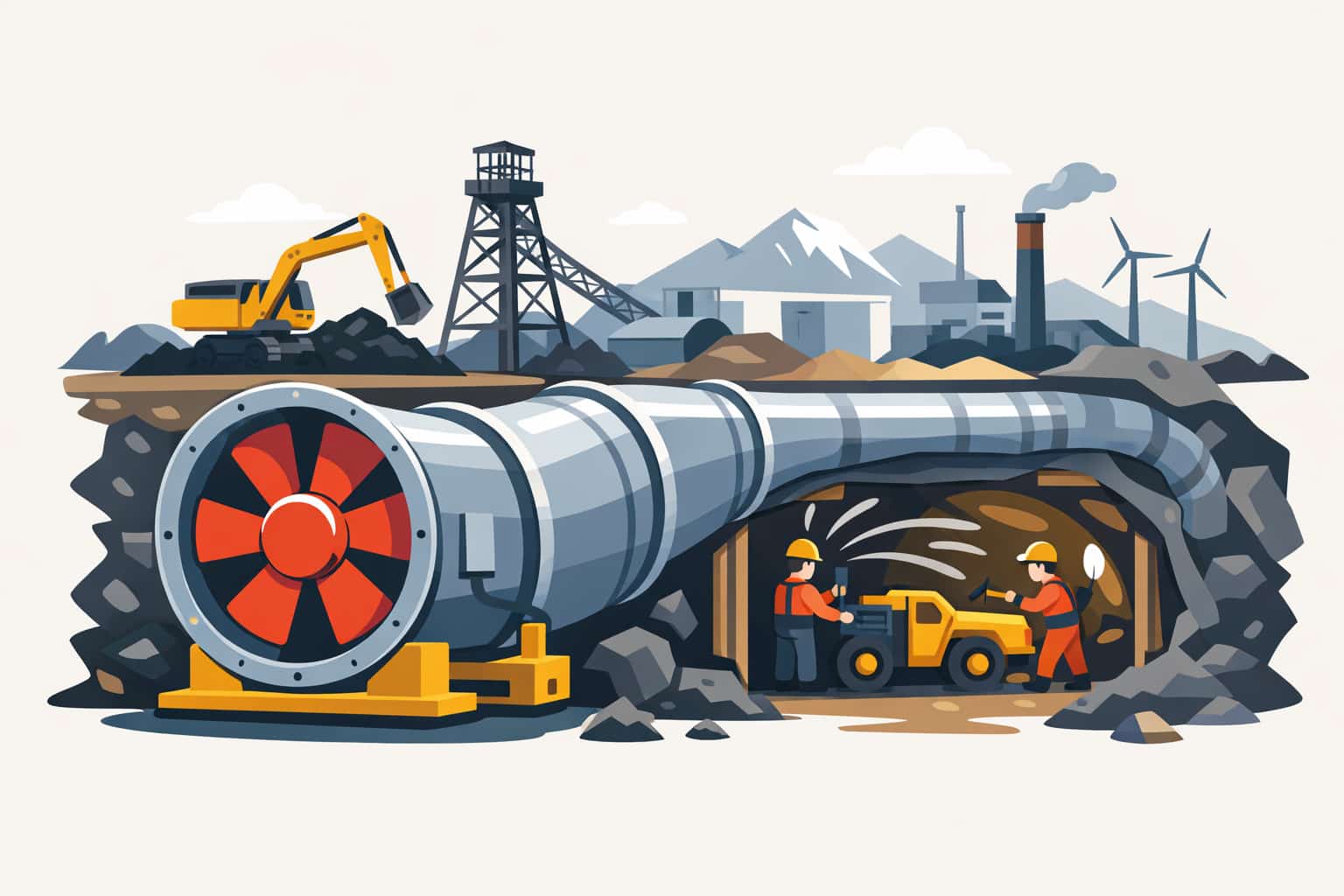
In underground mining, ventilation standards are particularly strict because air quality and airflow directly affect worker safety. Regulations specify minimum quantities of air per worker, per kilowatt of diesel equipment and per mining face. They define maximum permissible concentrations of gases such as methane, carbon monoxide and nitrogen oxides, as well as dust limits for respirable particles. Ventilation plans, fan capacities, airway sizes and monitoring systems are all checked against these standards by regulatory authorities.
Ventilation standards also cover system reliability and monitoring. They may require standby fans or redundant power supplies, specify acceptable time periods for downtime, and mandate continuous or periodic monitoring of airflow, gas levels and pressure in critical areas. Documentation, maintenance schedules and testing procedures are part of compliance.
In summary, the standards of ventilation are the formal rules and technical guidelines that describe what constitutes adequate ventilation in buildings, factories and mines. They translate health, safety and comfort requirements into concrete design criteria for airflow, equipment selection and system monitoring, ensuring that ventilation fans and ducts are sized and operated to protect people and processes.