
In ventilation engineering, three methods of ventilation are commonly discussed: natural ventilation, mechanical ventilation and mixed-mode (or hybrid) ventilation. These methods describe how air is moved into and out of a space, whether it is a building, an underground mine, a tunnel or an industrial plant. Modern mining ventilation systems usually combine all three methods to achieve safe, reliable and energy-efficient air quality control.
Natural ventilation relies on wind and temperature differences rather than fans. Air moves because of pressure differences between openings at different heights or locations, such as shafts, doors, windows or vents. In an underground mine, natural ventilation pressure arises from differences in air density between intake and return shafts, influenced by surface weather and rock temperature. On its own, natural ventilation cannot provide the controlled, high-volume airflow needed for modern mining, but it still affects how air moves and can either assist or oppose mechanical ventilation.
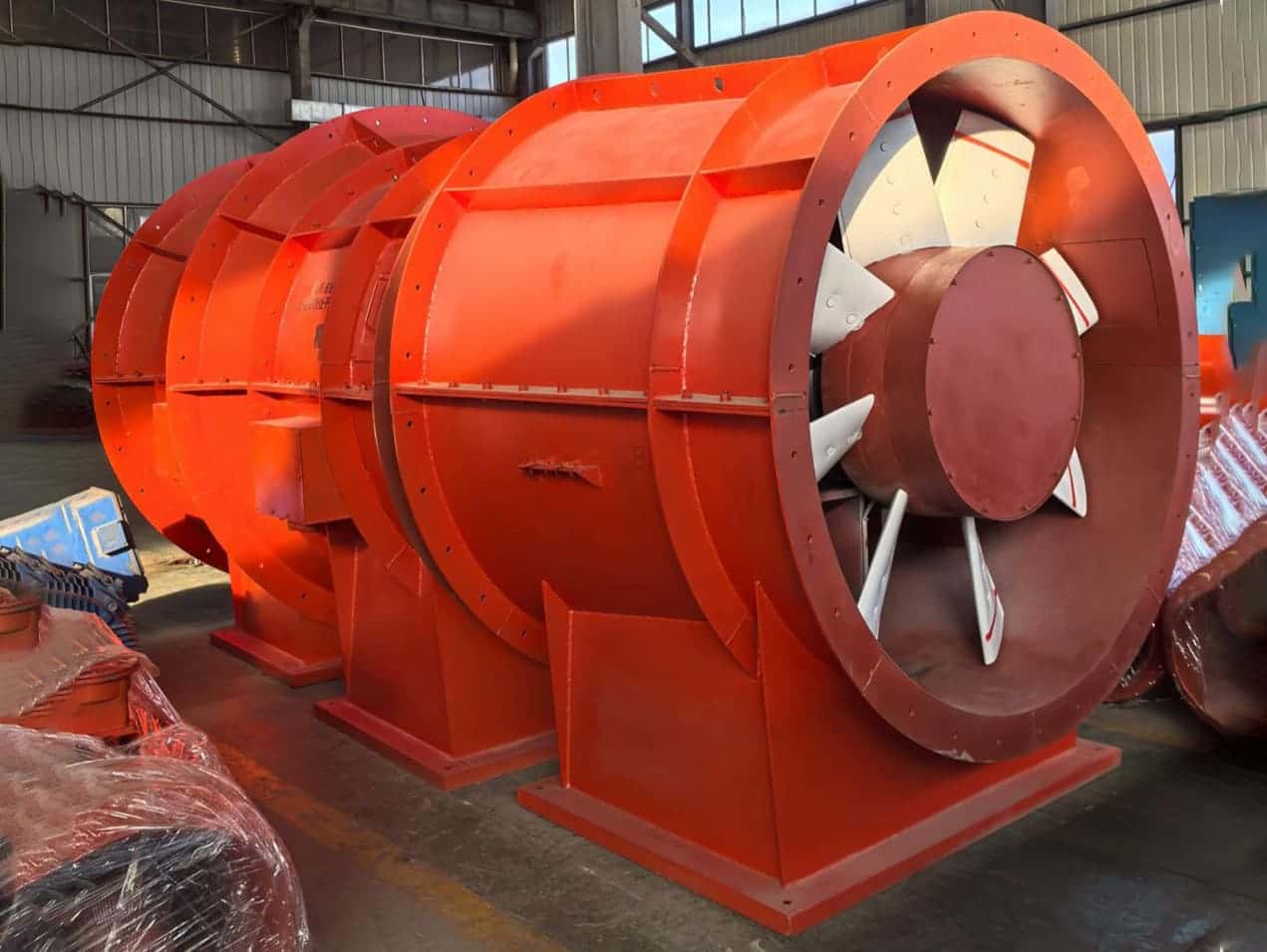
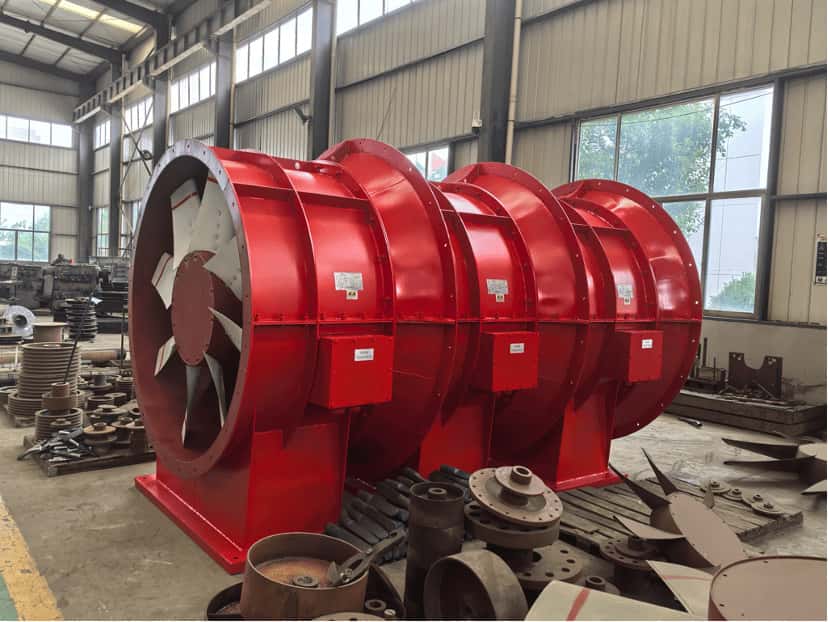
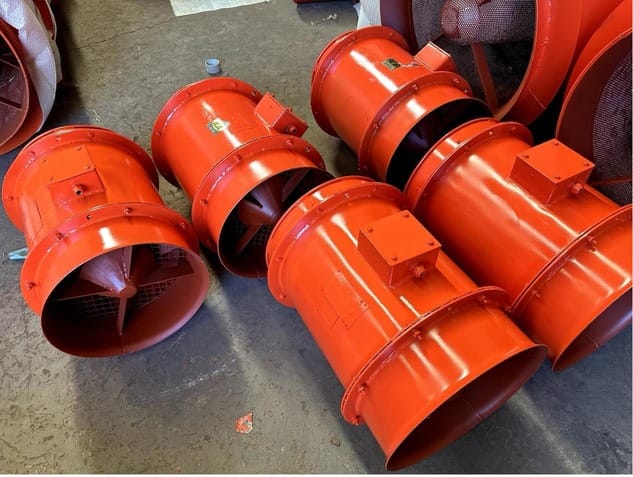
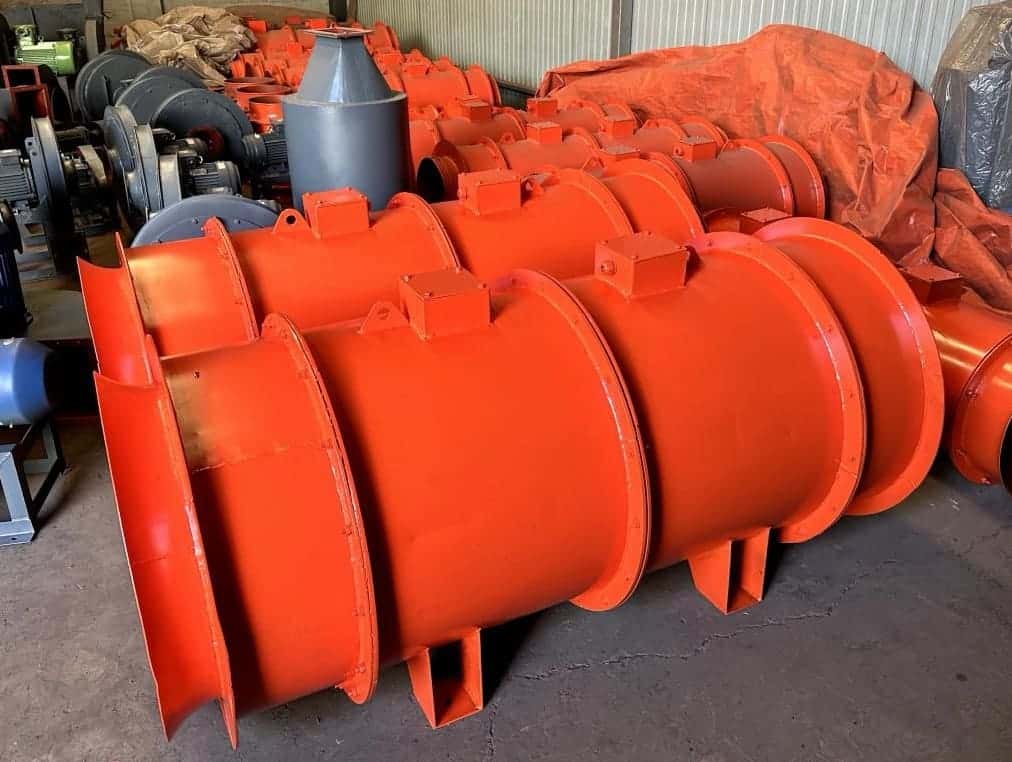
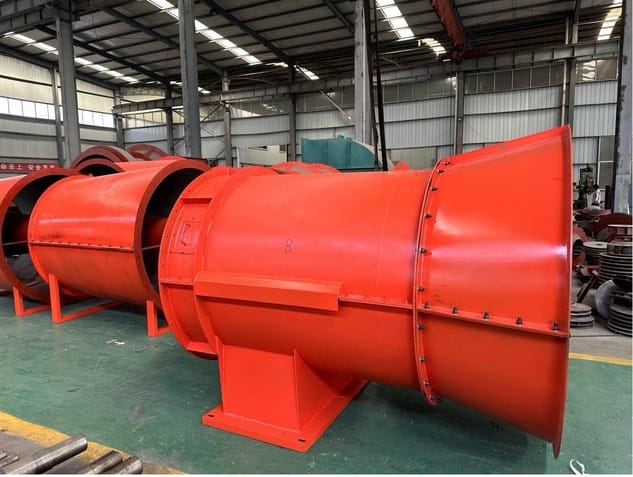
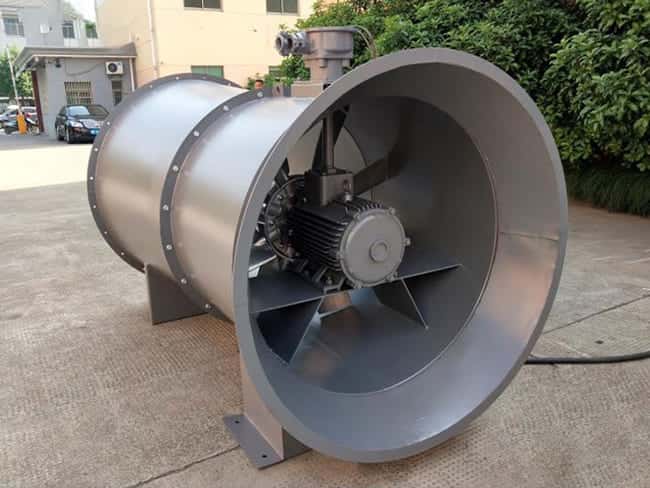
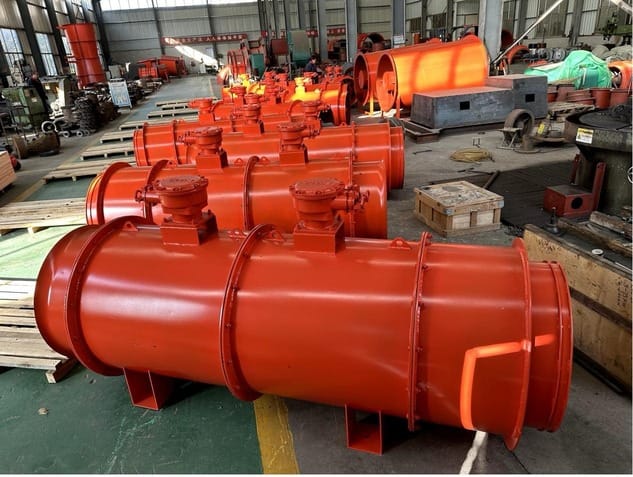
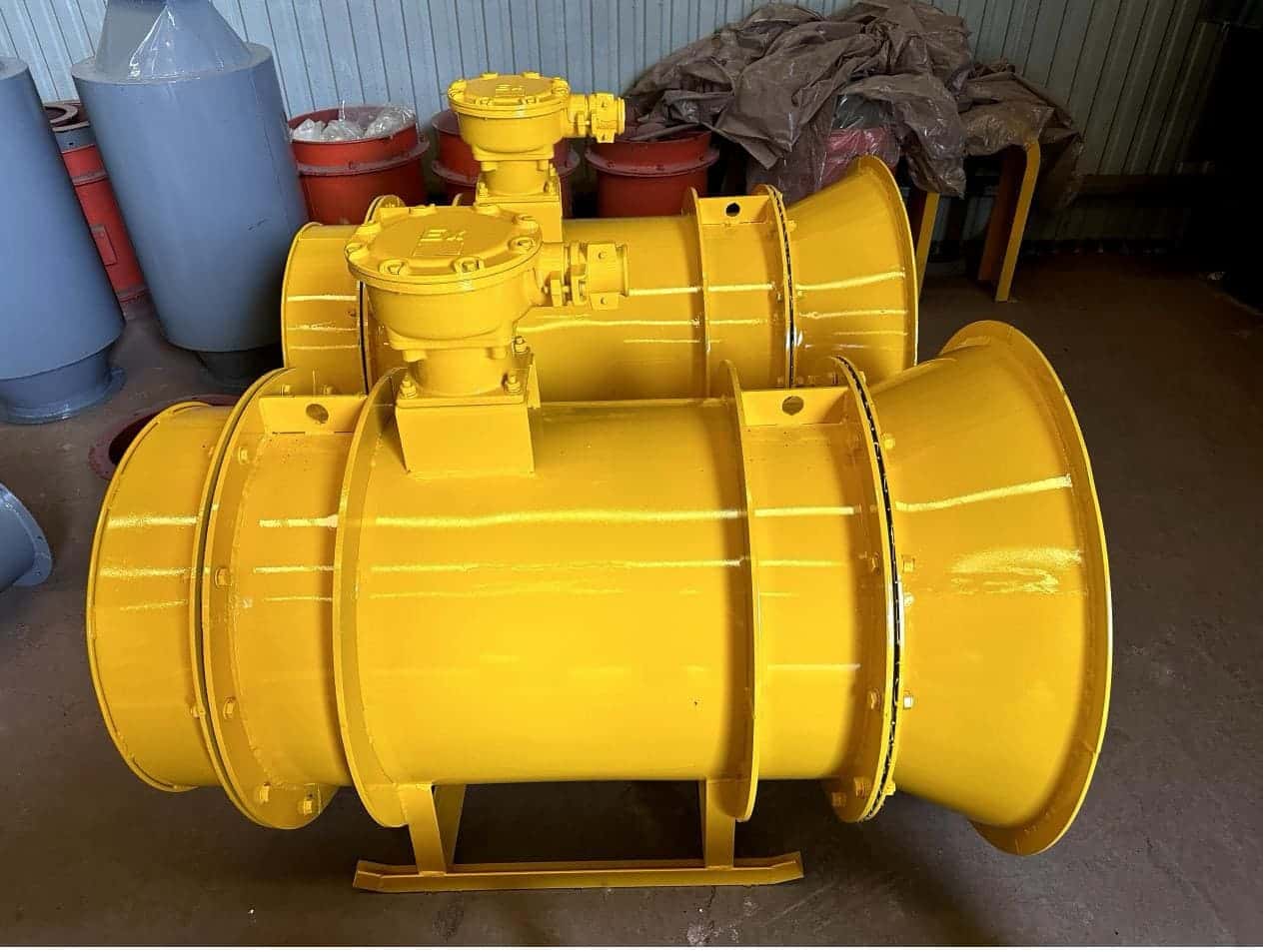
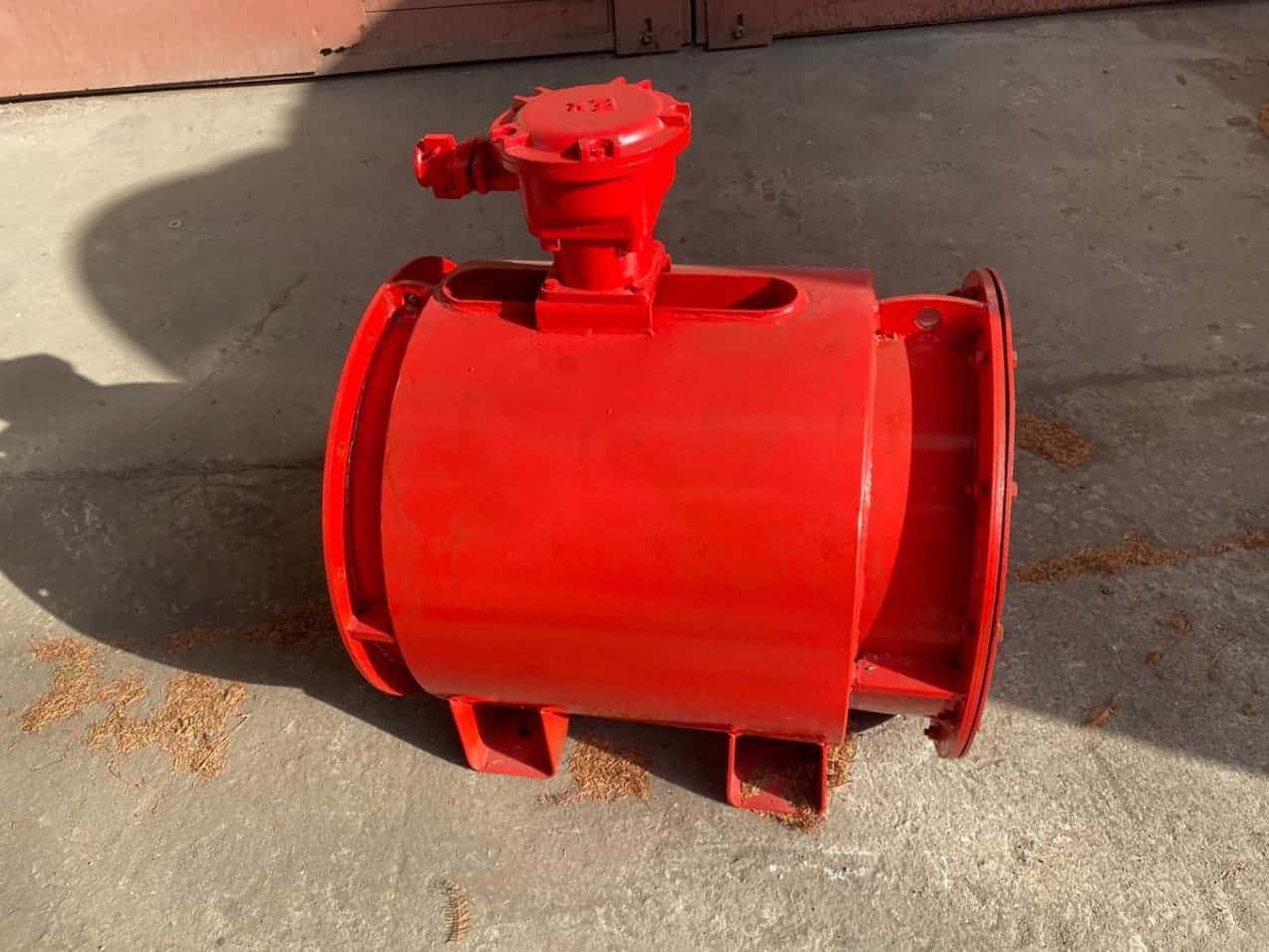
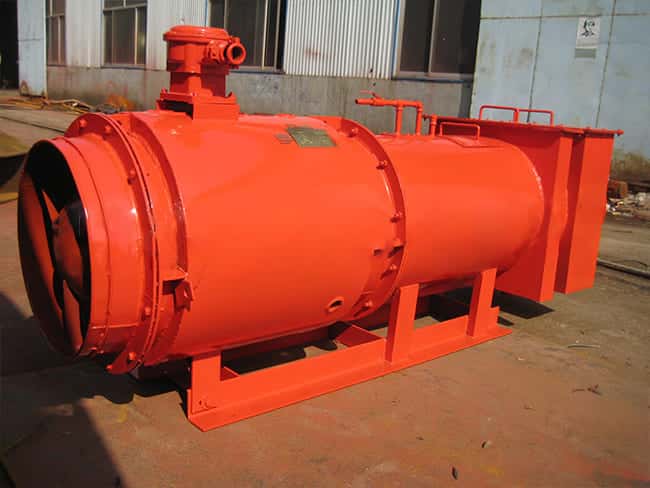
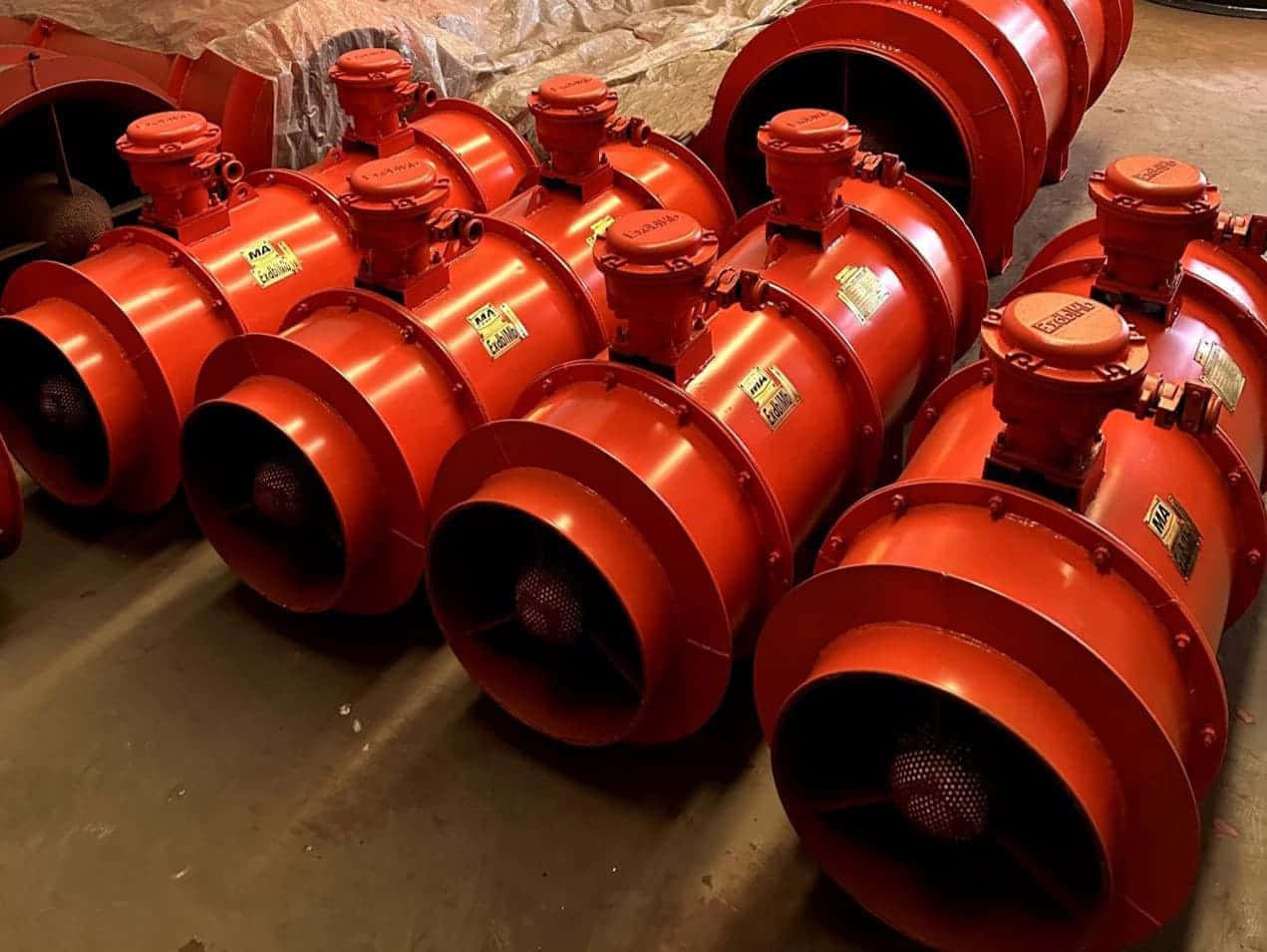
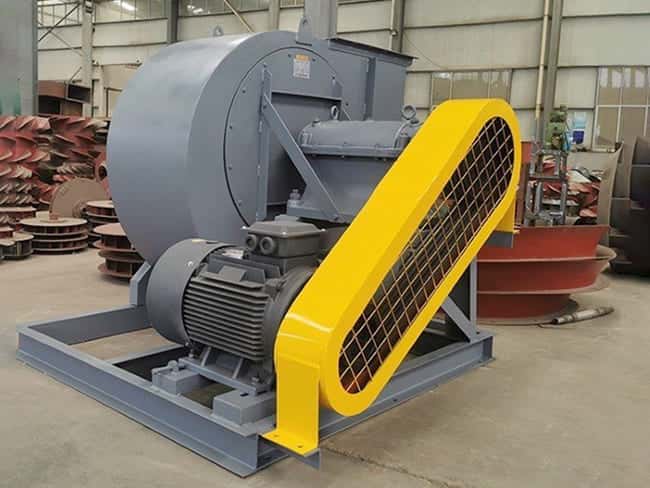
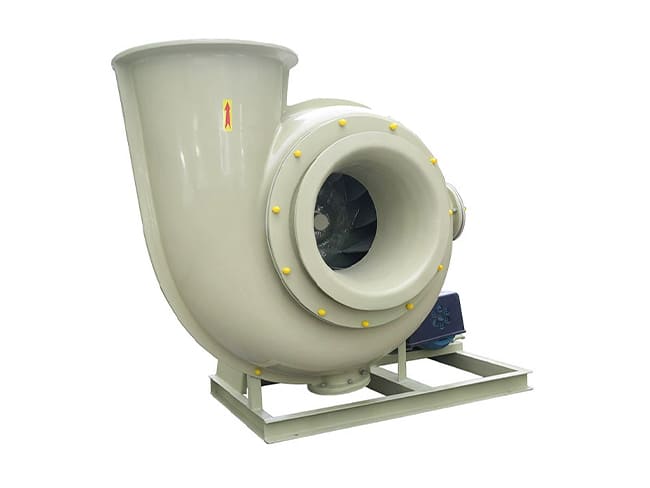
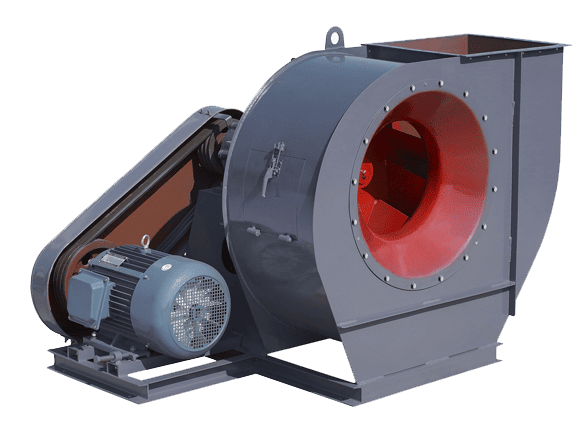
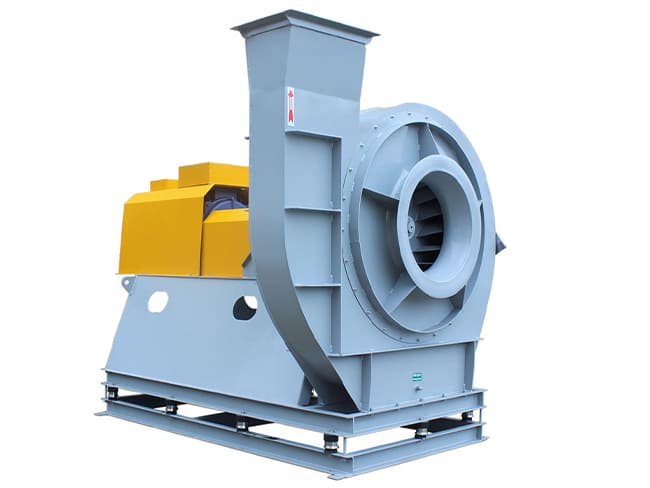
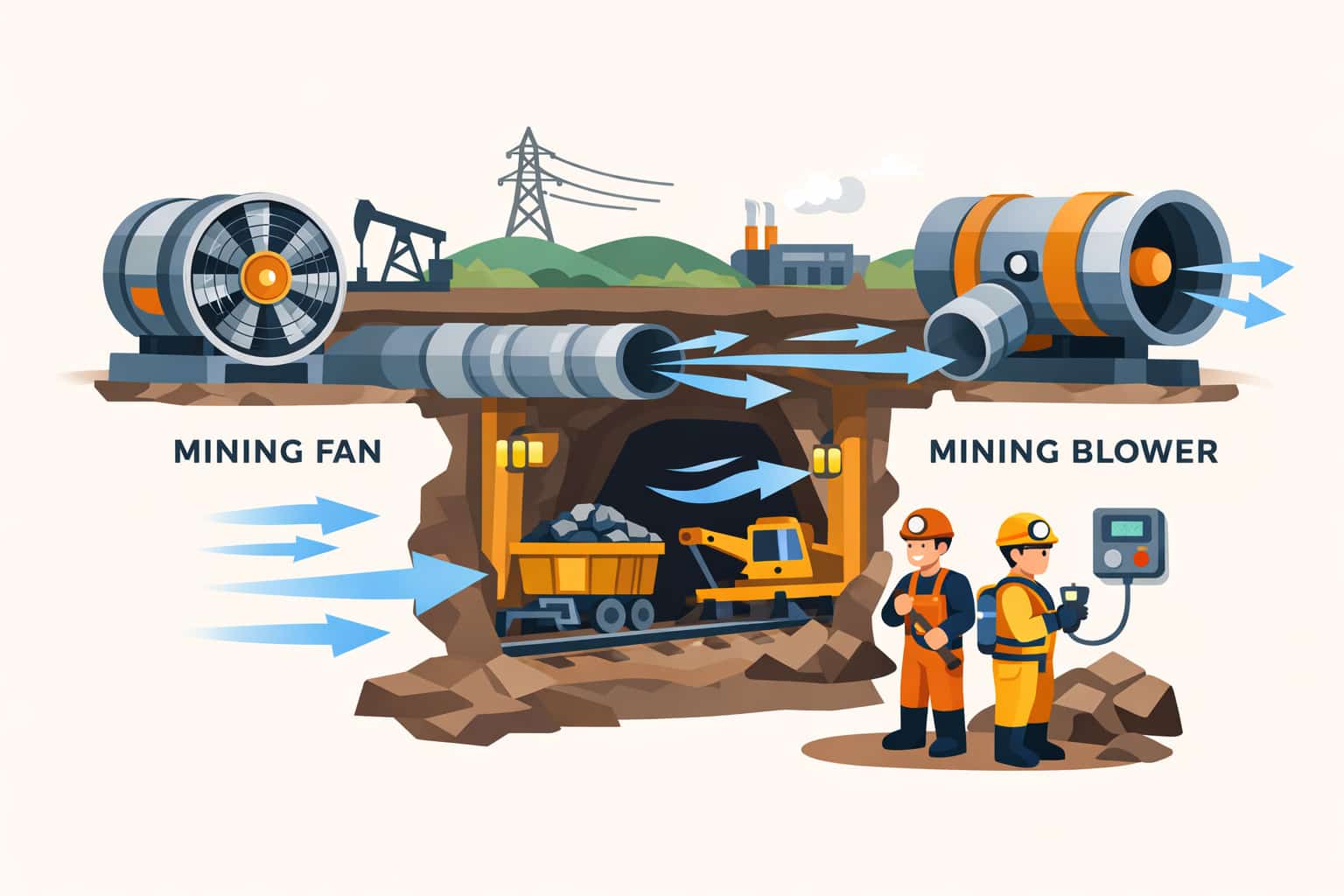
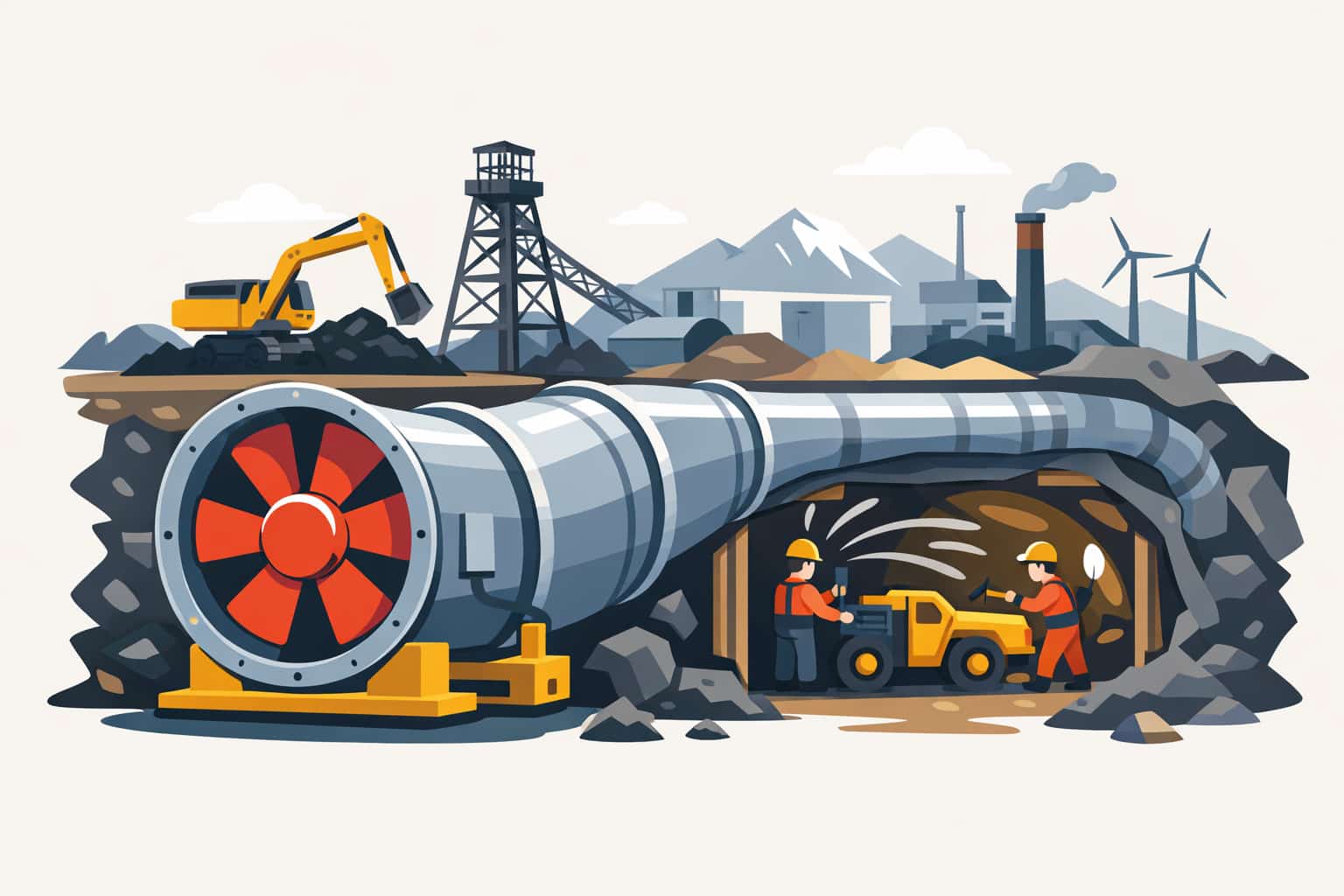
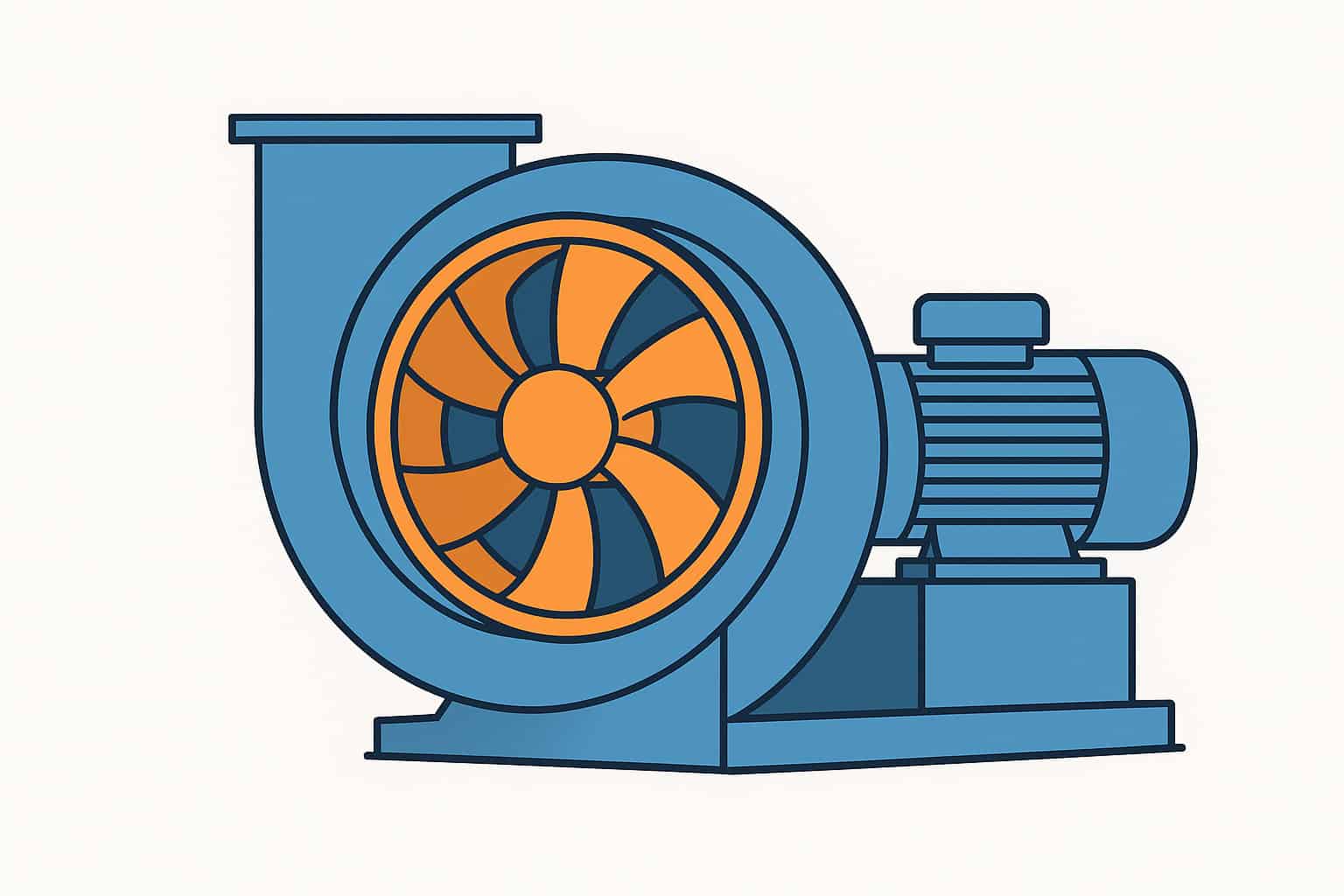
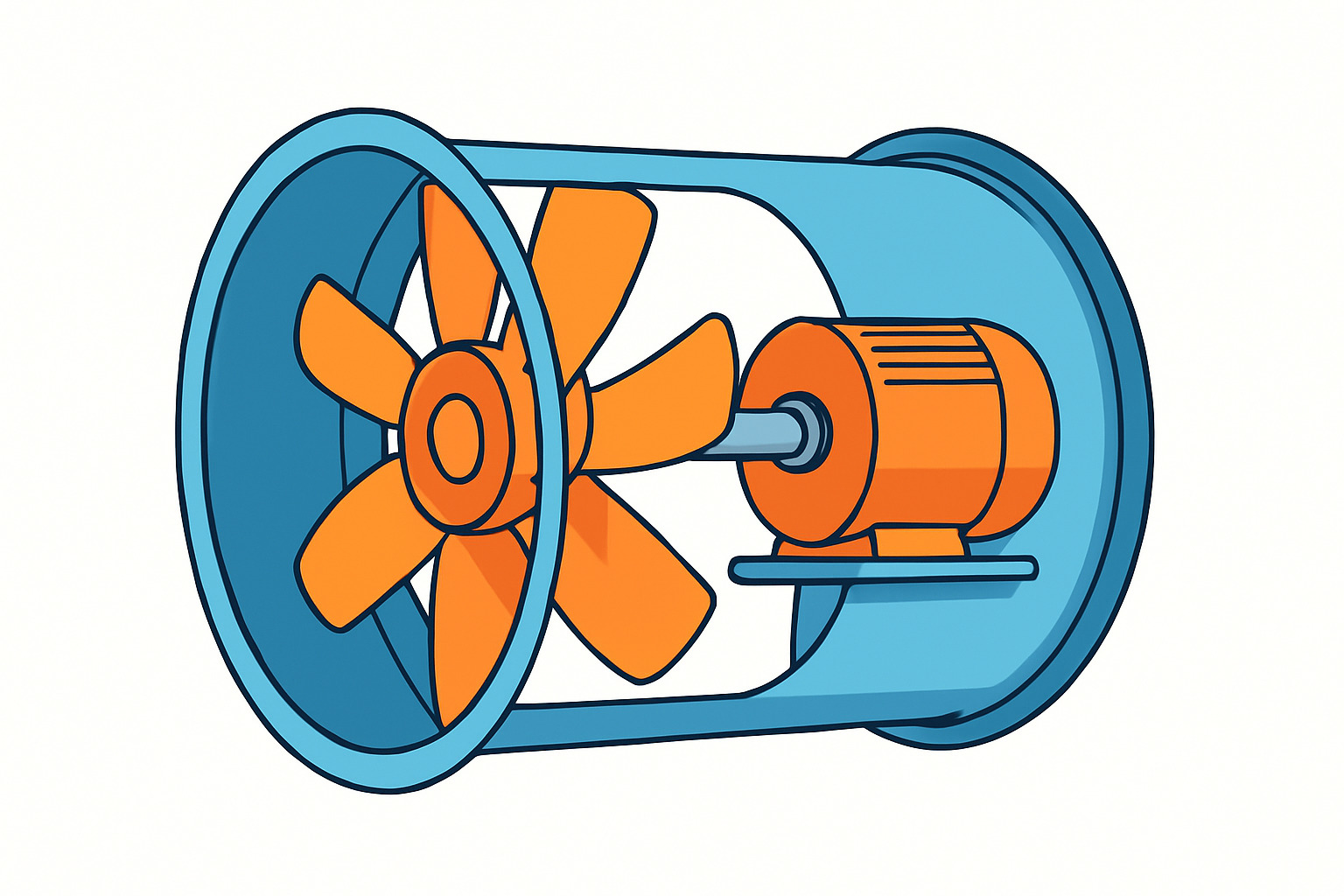
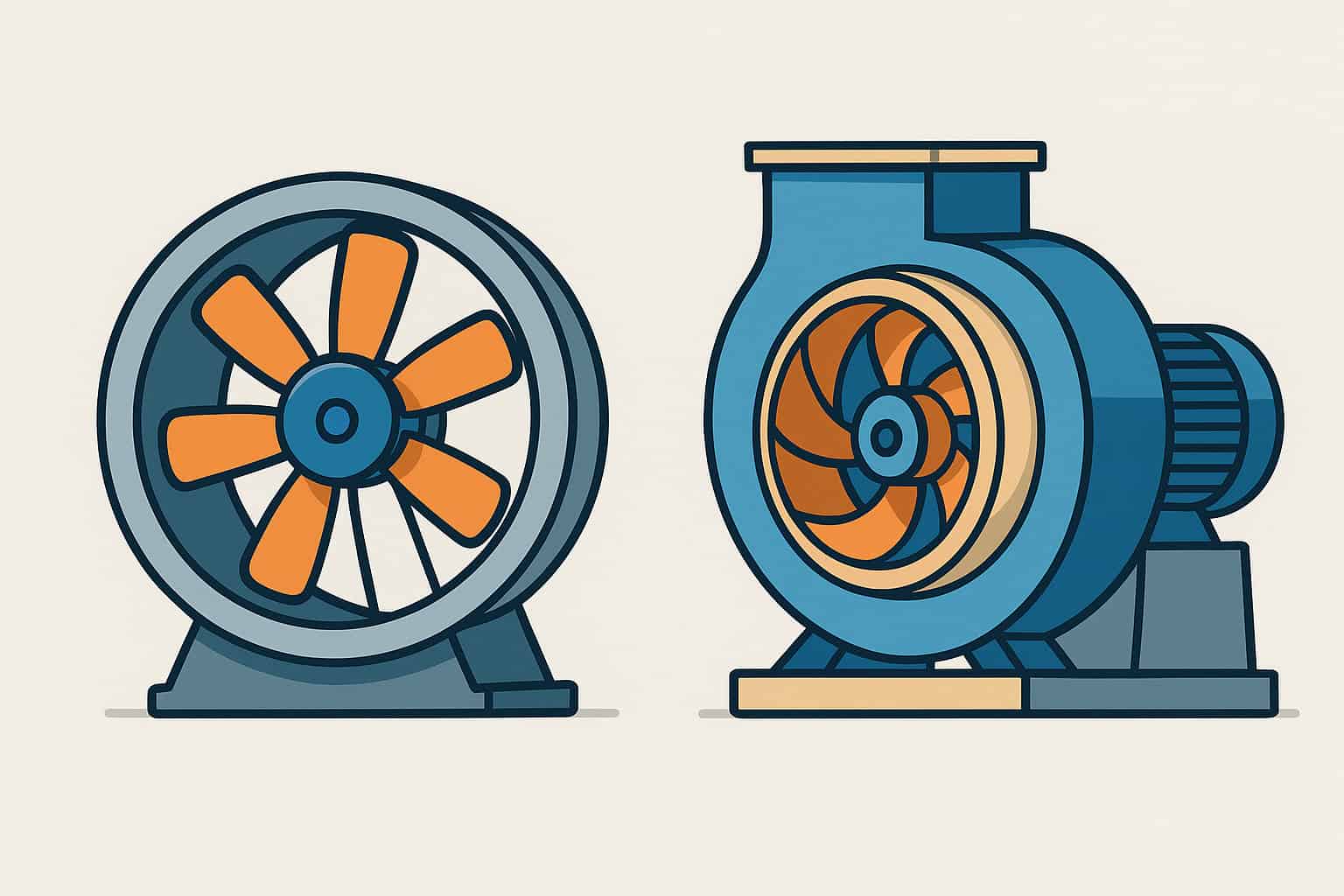
Mechanical ventilation uses fans to deliberately supply or exhaust air. In mining and industry, this is the primary method of ventilation. Main fans on shafts create a pressure difference that drives air through the entire mine, while booster and auxiliary fans move air through specific branches and ducts. Mechanical ventilation can be configured as supply (forcing) systems, exhaust systems or balanced systems, depending on whether fans mainly blow air in, suck air out or do both in controlled proportions. This method allows precise control of airflow quantity, direction, pressure and distribution, which is essential for gas, dust and heat management.
Mixed-mode or hybrid ventilation combines natural and mechanical forces. In buildings, mixed-mode systems might use natural ventilation when weather conditions are favourable and switch to fans when conditions deteriorate. In mines, engineers account for natural ventilation pressure when sizing main fans, and may adjust fan duties seasonally to compensate for natural pressure assisting or opposing the mechanical system. Some ventilation-on-demand strategies can also be seen as mixed-mode, balancing mechanical fan power with natural air movements to minimise energy use while maintaining safety.
In the context of underground mining, designers sometimes describe the three methods in functional terms as primary ventilation, auxiliary ventilation and local controls. Primary ventilation uses large main fans and major airways; auxiliary ventilation uses ducted fans to reach blind headings; and local controls (doors, stoppings, regulators) guide and regulate flow. These functional methods align with the broader categories of mechanical and mixed-mode ventilation, applied at different scales.
In summary, the three methods of ventilation are natural ventilation driven by wind and temperature differences, mechanical ventilation driven by fans and hybrid systems that combine both. Mining and industrial ventilation designs use these methods together to deliver safe, controlled airflow for workers, equipment and processes.