
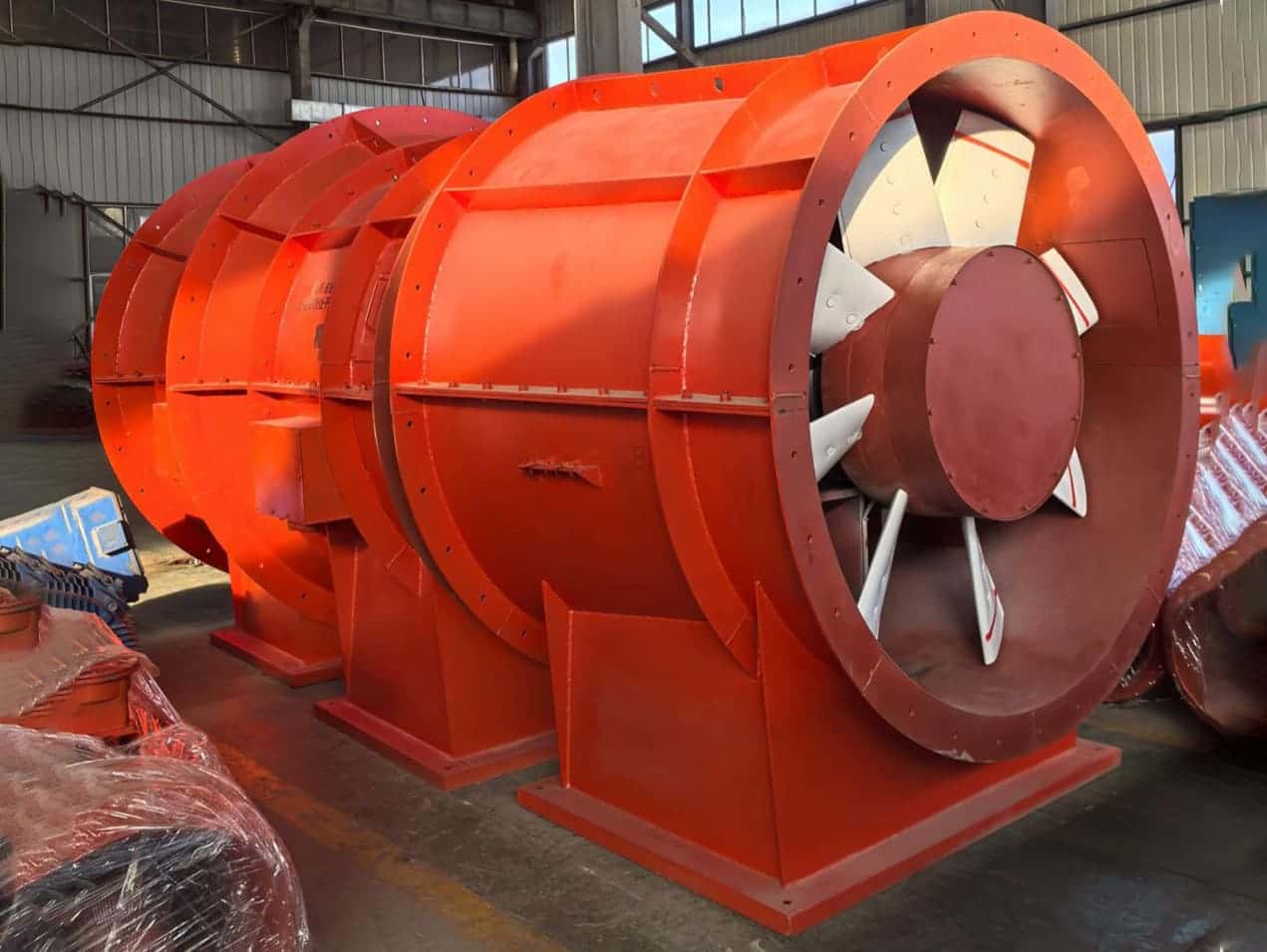
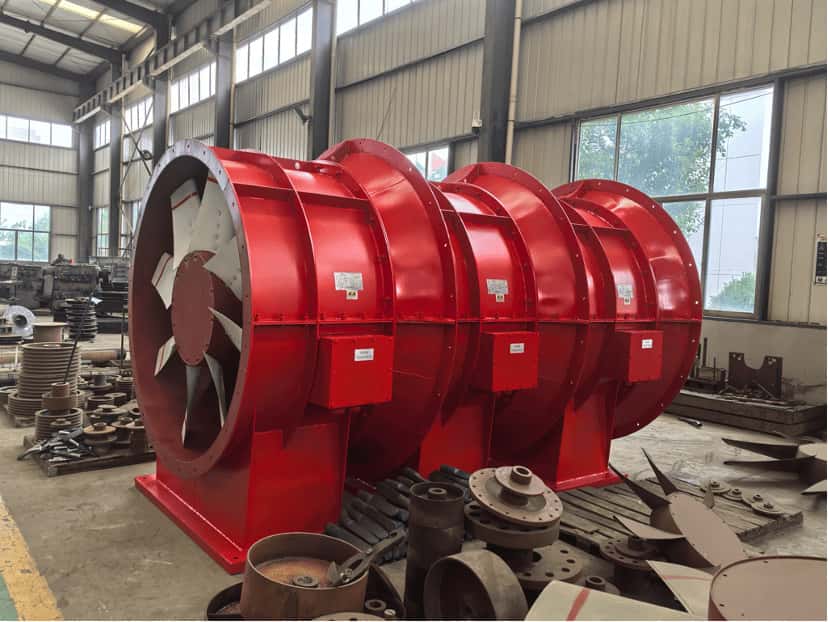
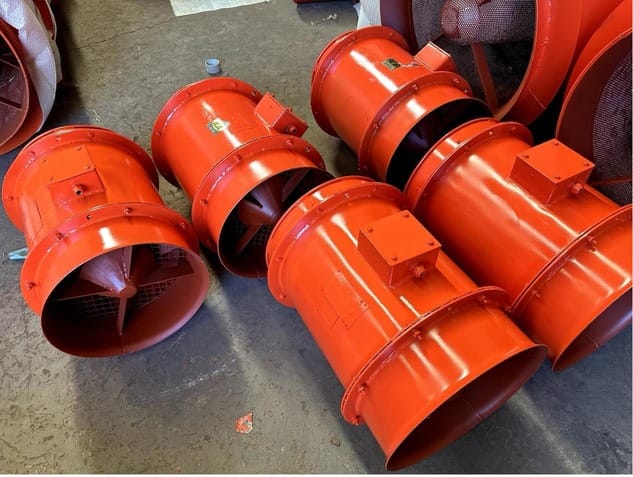
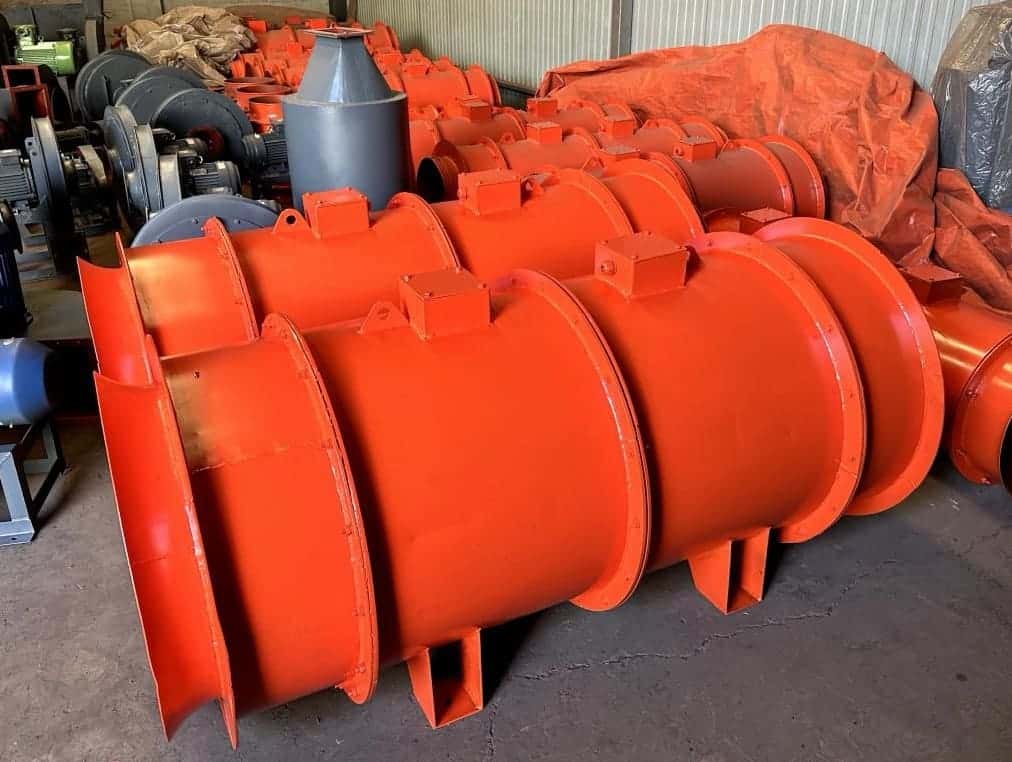
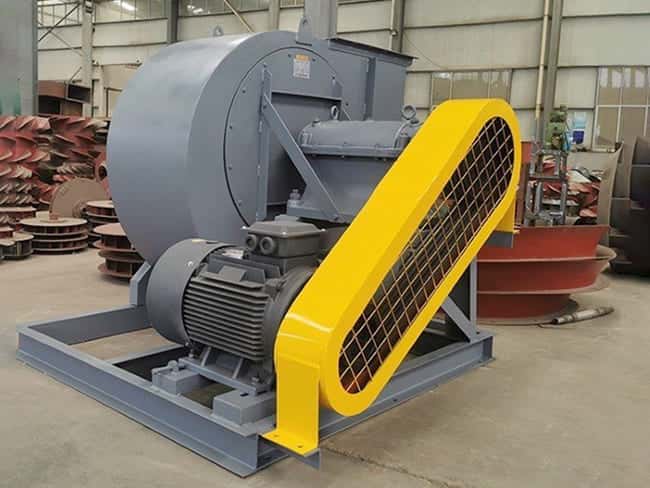
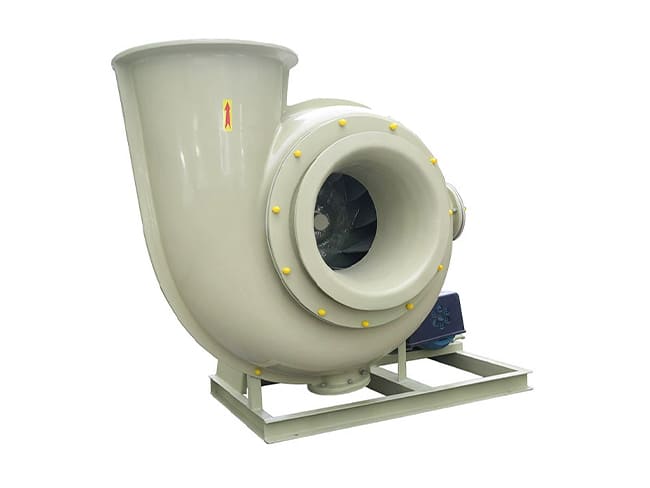
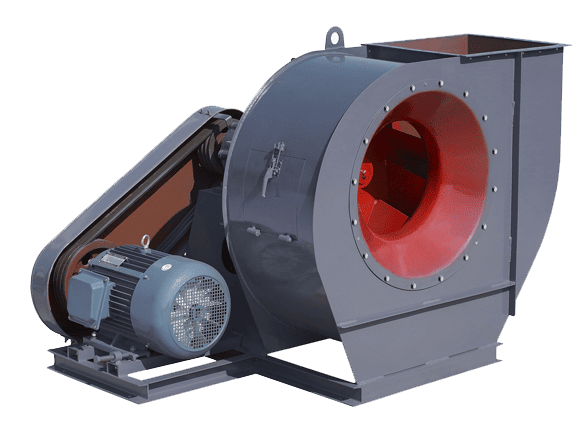
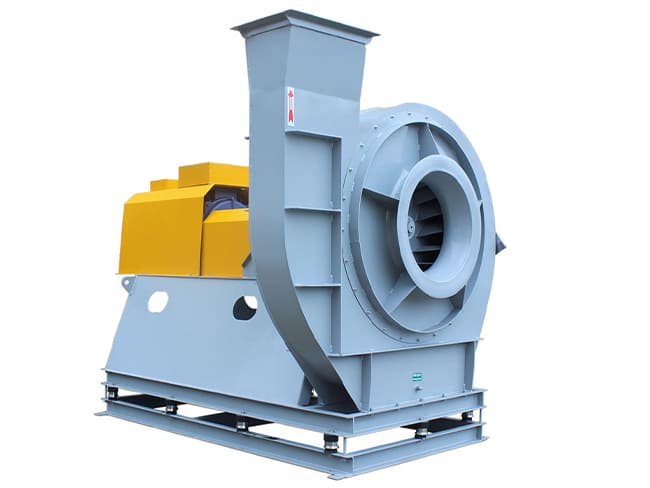
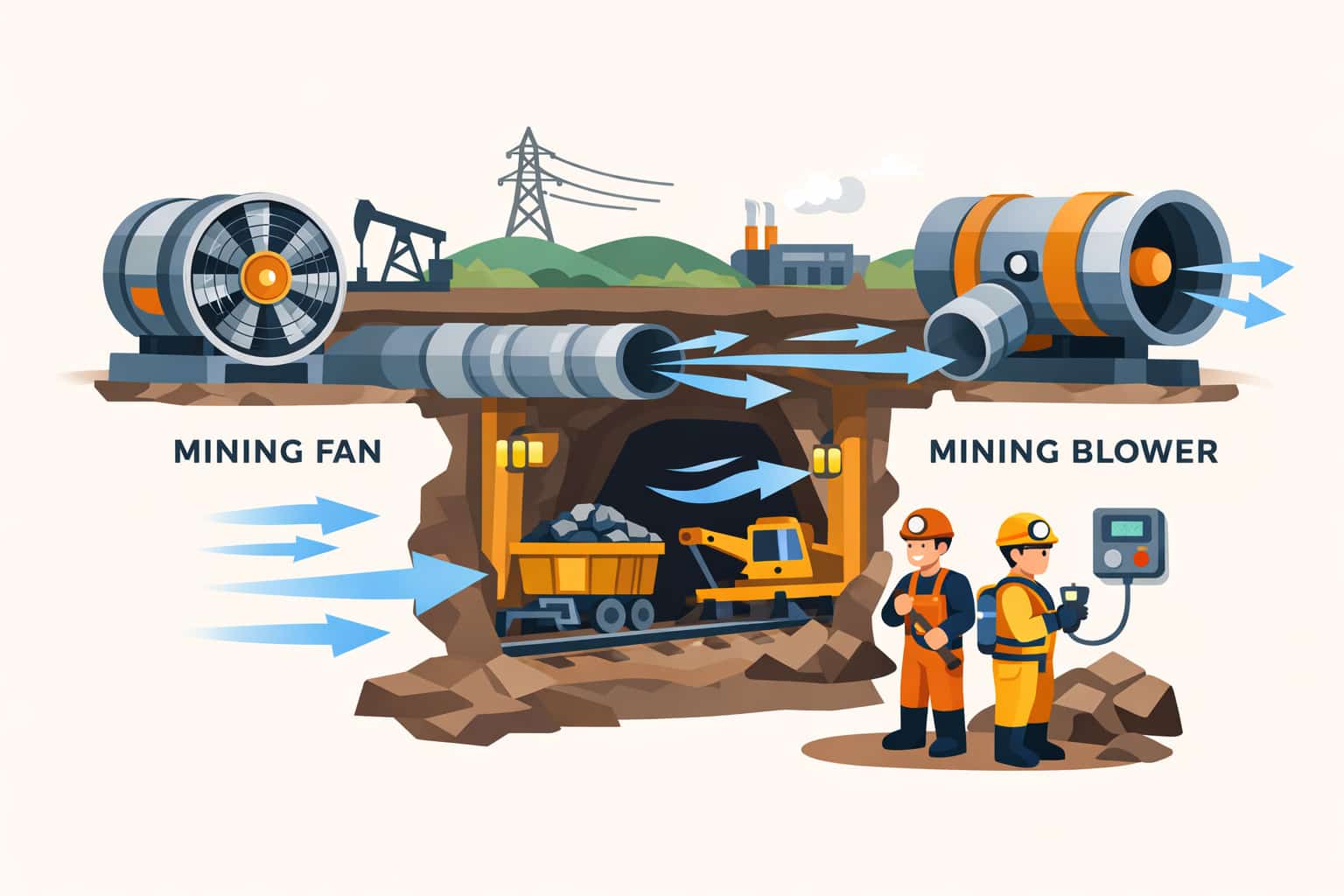
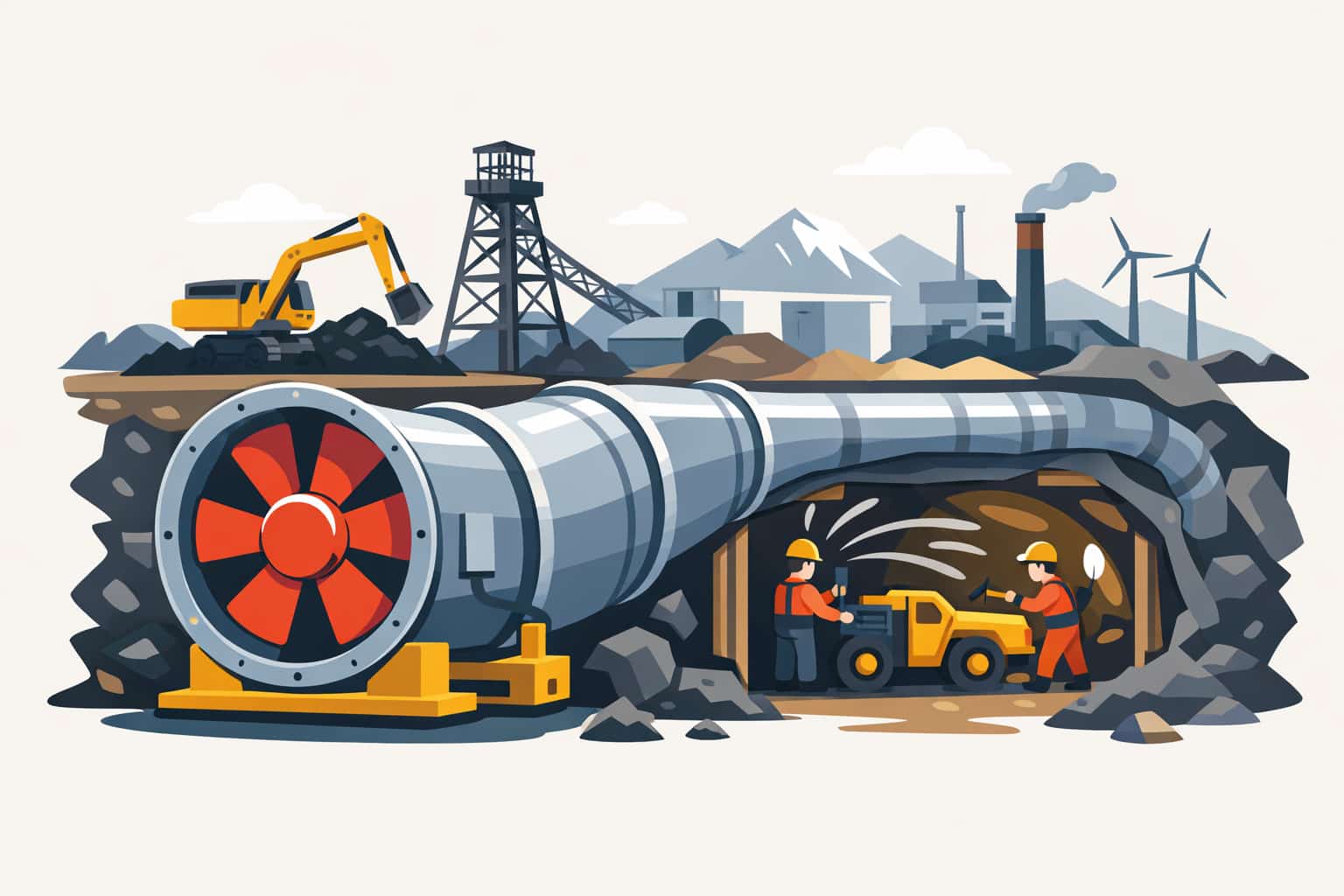
There are many ways to classify ductwork, but a practical way to answer “What are the three types of duct systems?” is to look at their function in the ventilation network. In most buildings, factories and mines you can distinguish three main duct systems: supply air ducts, return air ducts and exhaust air ducts. Together they move fresh air into spaces, recirculate part of it and remove contaminants.
1. Supply air duct system
The supply duct system carries fresh or conditioned air from fans or air-handling units to the spaces being ventilated. In an HVAC plant, supply ducts distribute heated or cooled air from the central unit to rooms via diffusers and grilles. In a mine or tunnel, supply ducts and intake airways carry fresh air from surface fans to underground workings. Supply ducts are typically insulated and carefully sealed to minimise leakage and heat loss, and their layout (trunk-and-branch, radial, etc.) is selected to achieve even air distribution and acceptable pressure drops.
2. Return air duct system
The return duct system collects used air from the occupied spaces and carries it back to the air-handling unit. Part of this air may be filtered and recirculated, while the rest is exhausted outdoors and replaced with fresh air. Return ducts help control pressure balance between rooms and ensure that the air-handler receives a stable flow. In industrial plants, large return ducts collect warm air at high level and bring it back to the unit, allowing energy recovery. Properly designed return systems prevent short-circuiting between supply and exhaust, improving comfort and efficiency.
3. Exhaust air duct system
Exhaust duct systems are dedicated to removing contaminated air from toilets, kitchens, laboratories, process areas and underground headings. These ducts connect local exhaust hoods or grilles to exhaust fans and discharge points. In heavy industry and mining, exhaust ducts carry fumes, dust and gases from equipment and working faces to safe outlets. Because the air they carry can be hot, dusty or corrosive, exhaust ducts are often built from robust materials, with access doors for cleaning and with explosion relief features where necessary.
In addition to this functional classification, duct systems can also be described by layout (trunk-and-branch, radial, perimeter loop), or by construction (sheet metal, fibreboard, flexible duct). However, thinking in terms of supply, return and exhaust systems is very useful when designing or analysing ventilation in buildings, factories and mines, because it directly relates to how air moves through the entire installation.