
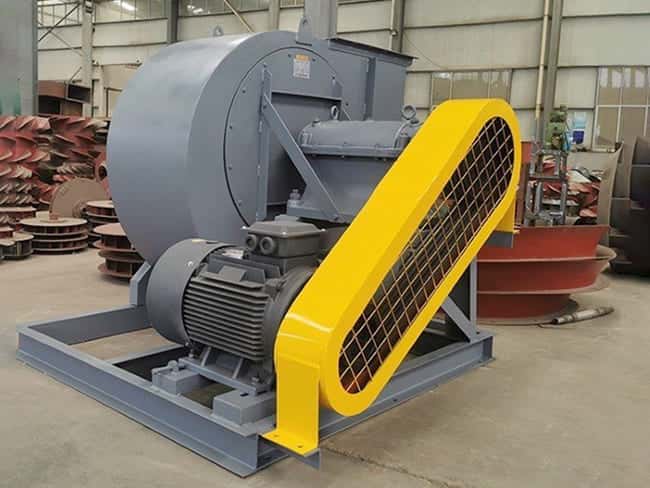
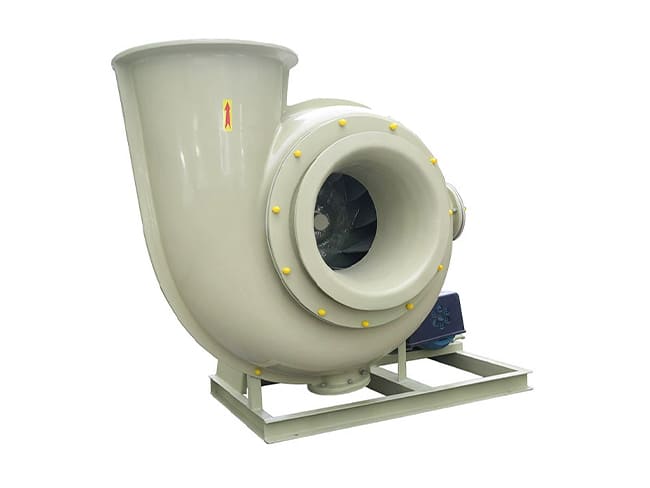
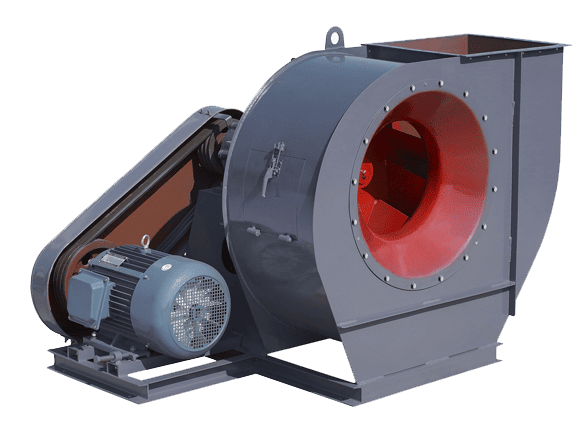
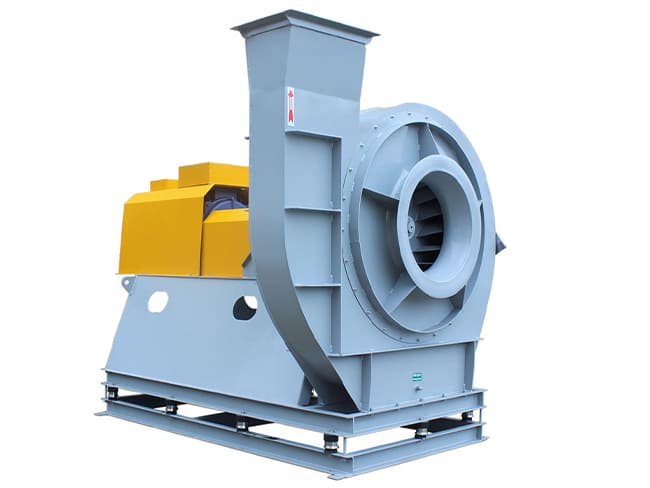
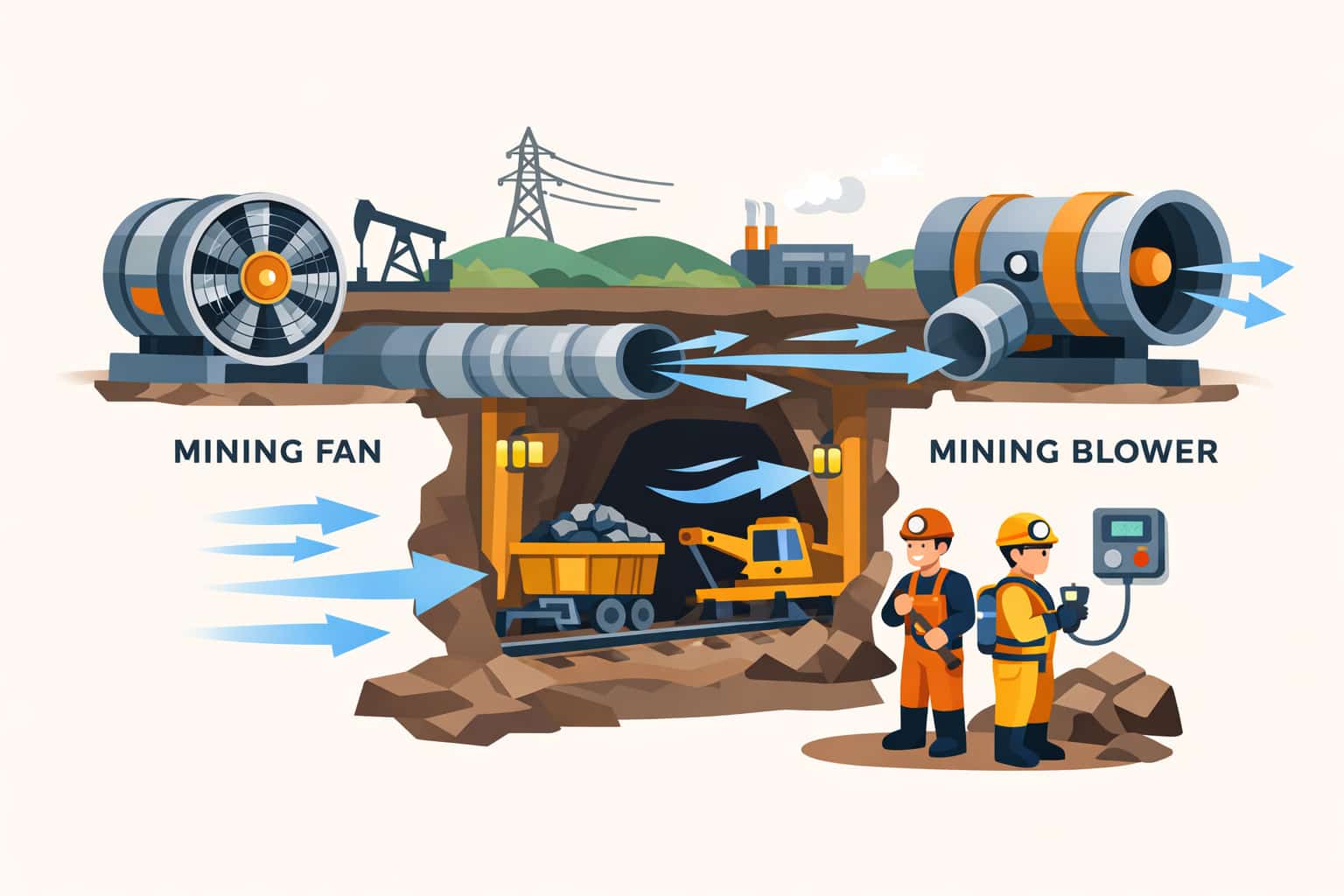
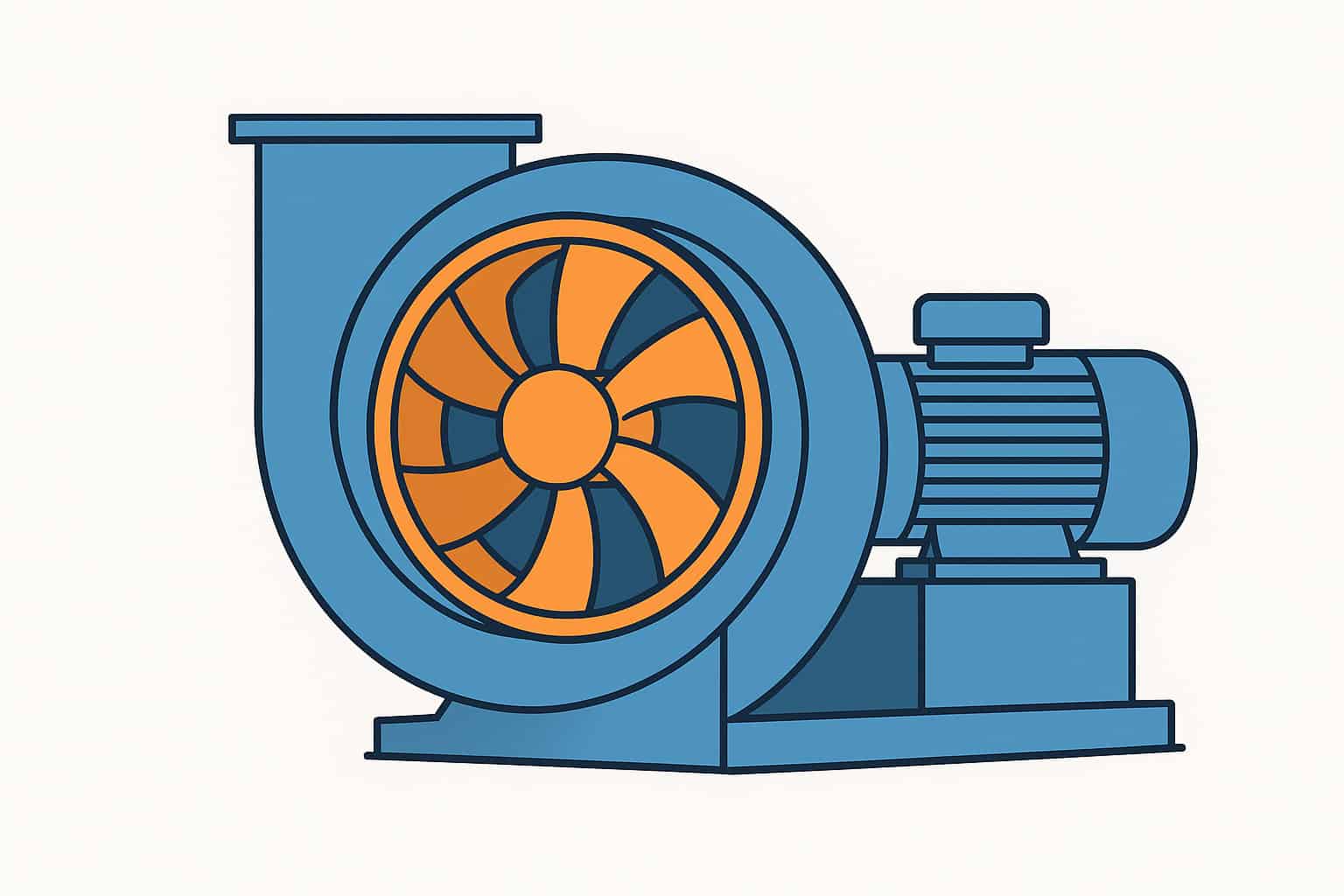
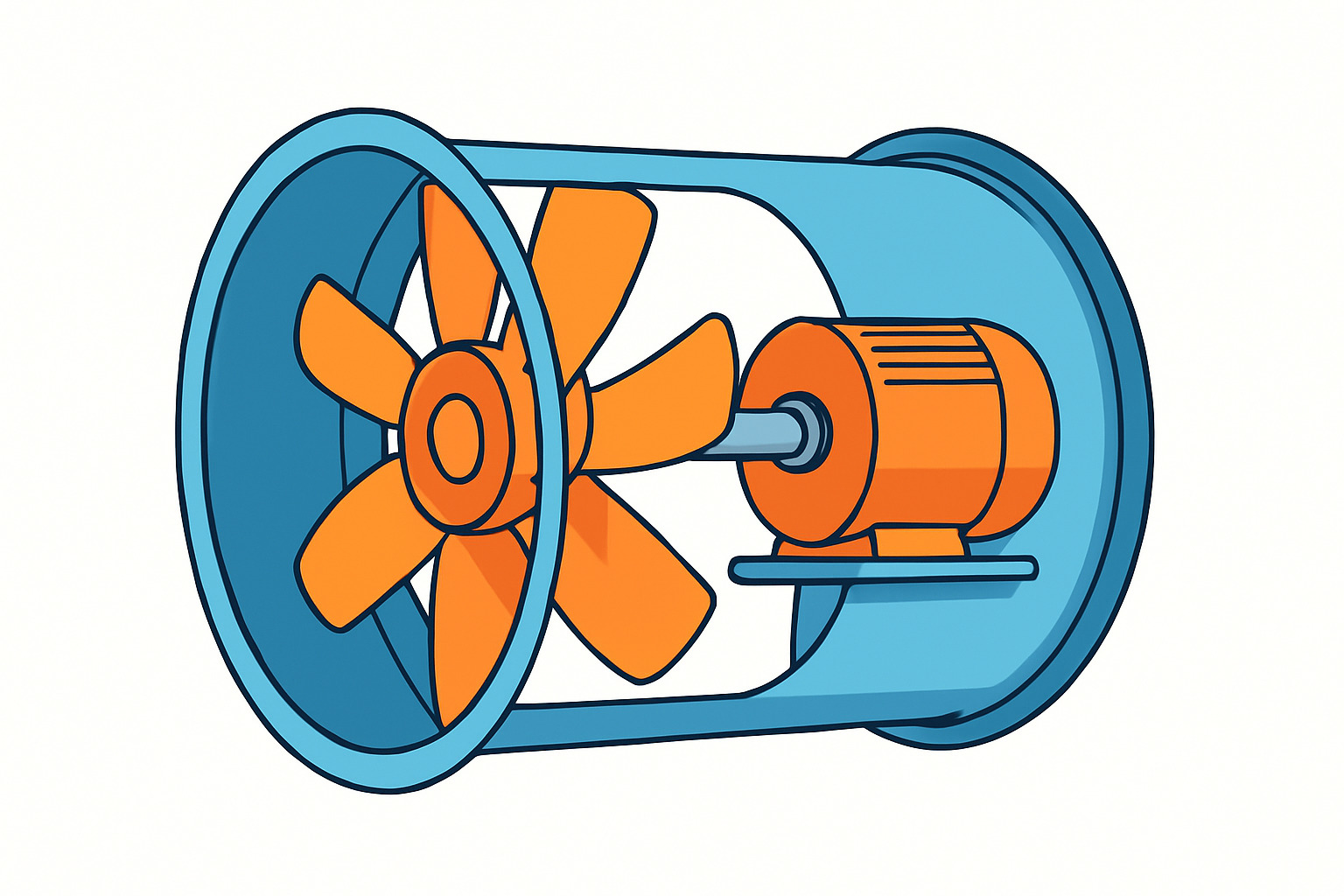
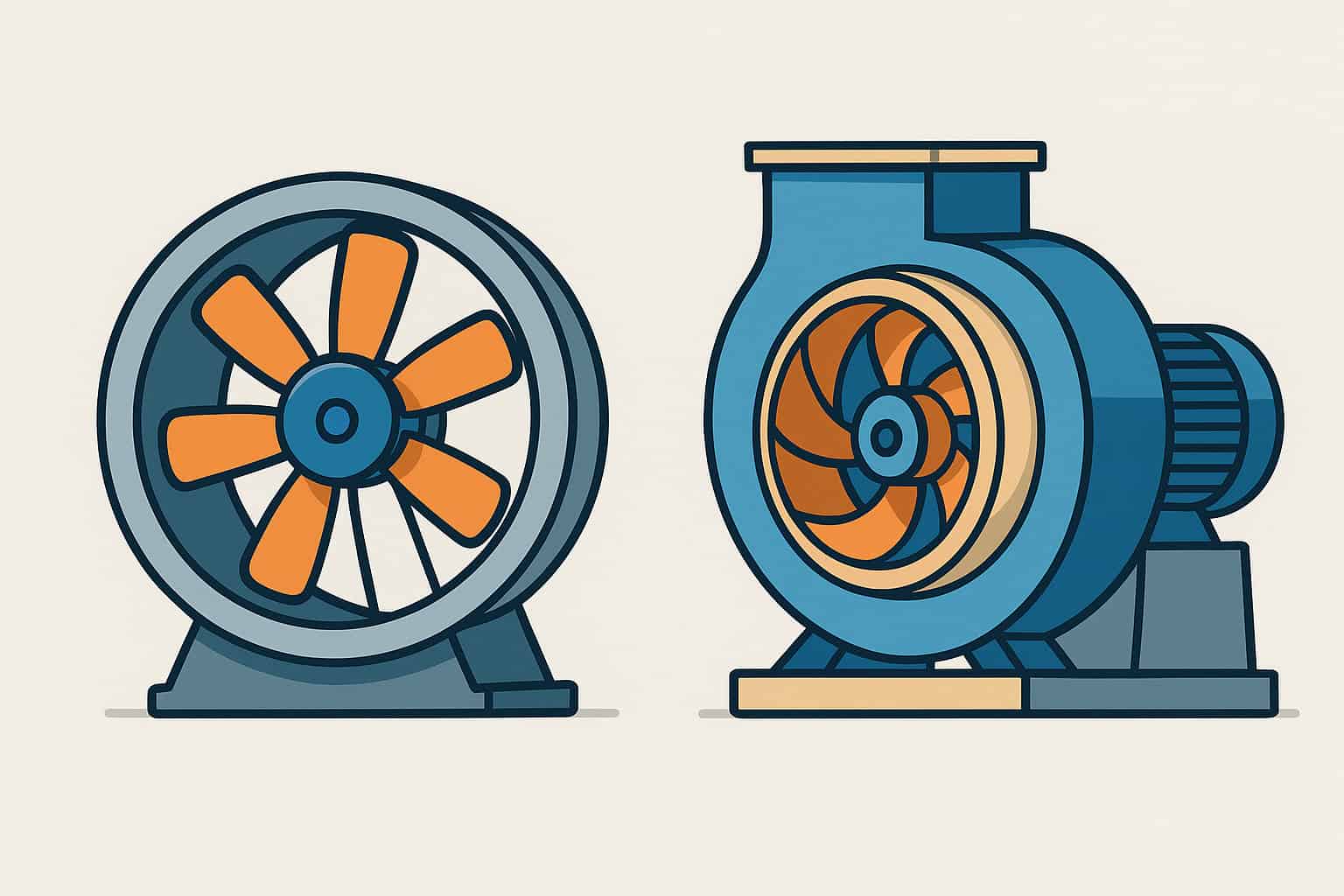
In industrial and mining environments, the three main types of mechanical ventilation are local exhaust ventilation, general (dilution) ventilation and mechanical supply or pressurization systems. All three use fans to move air, but each type manages contaminants and comfort in a different way. A well-designed ventilation strategy often combines these mechanical ventilation types to achieve safe and efficient working conditions.
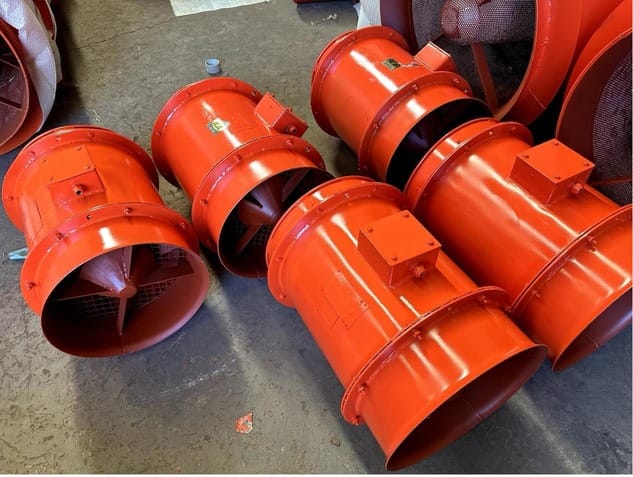
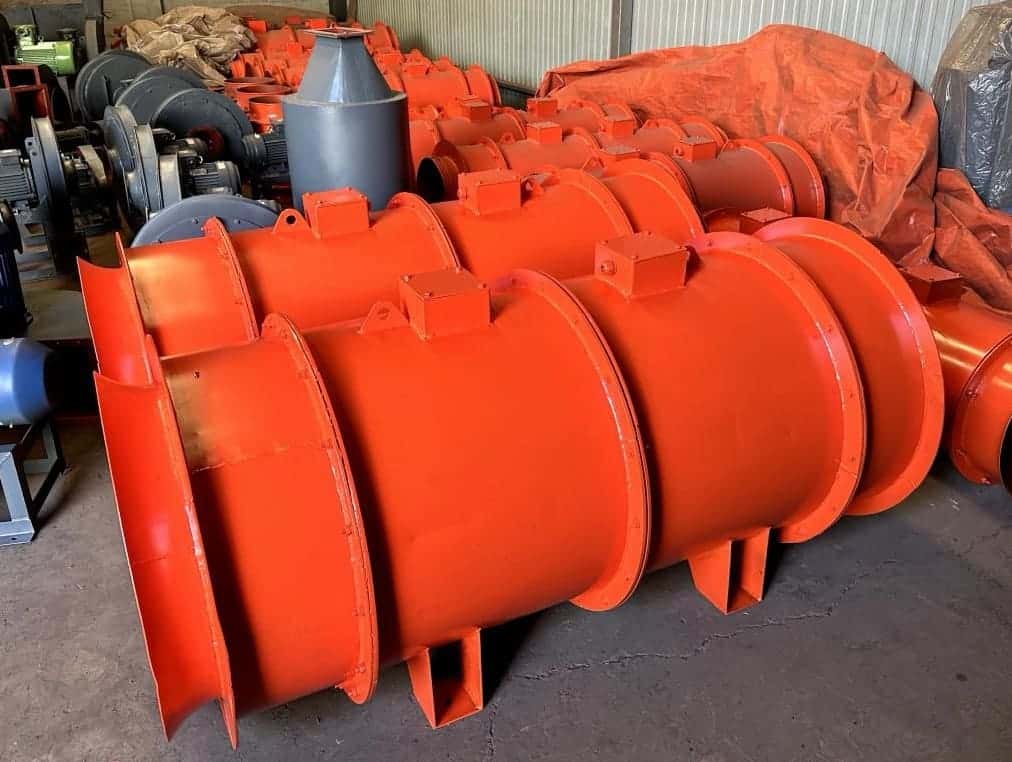
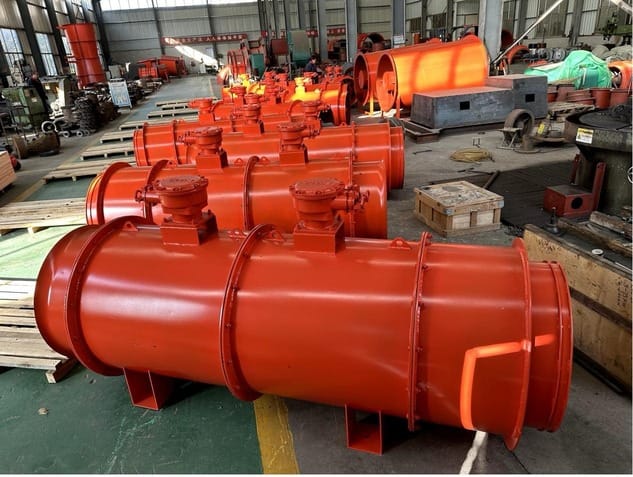
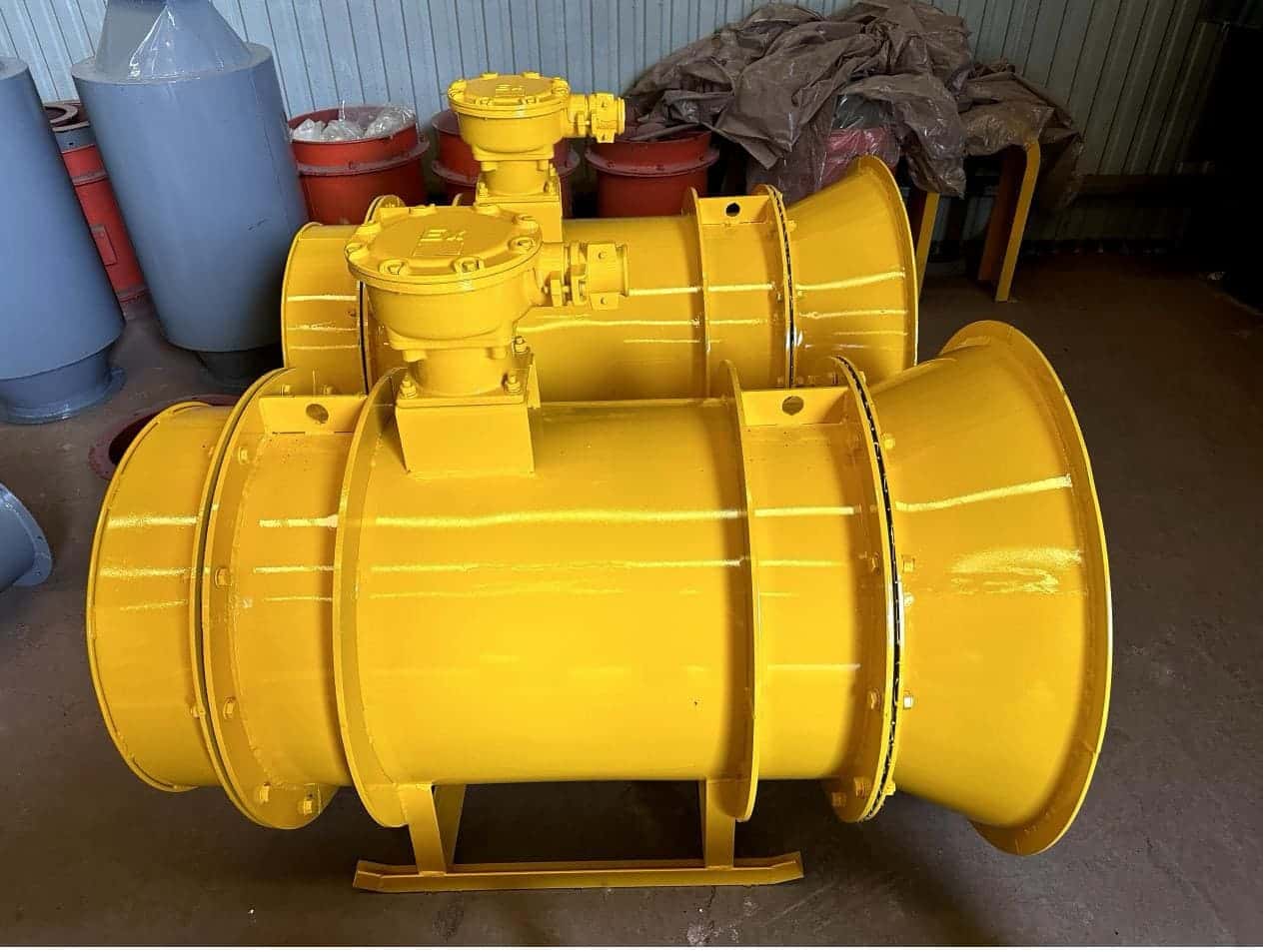
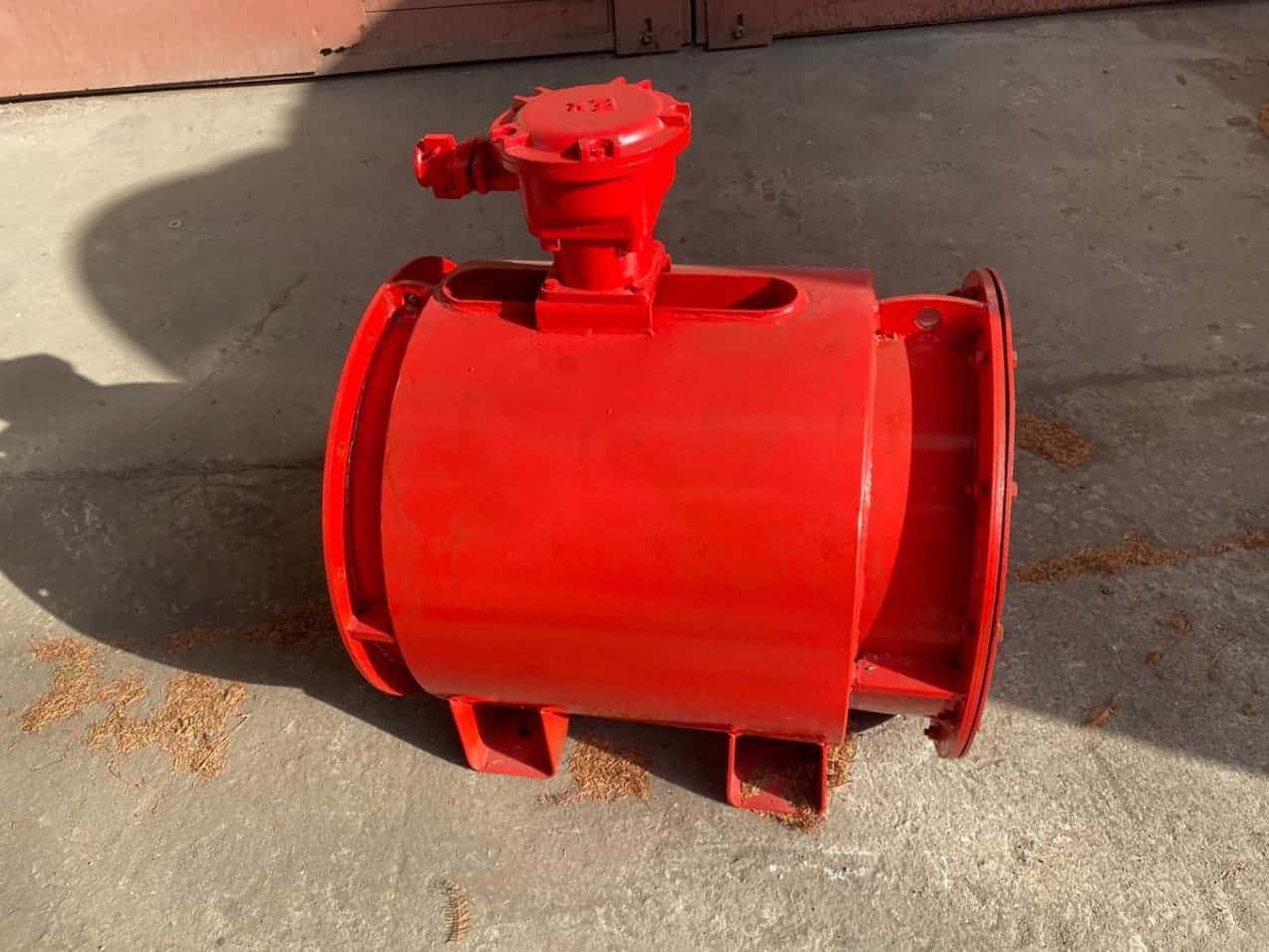
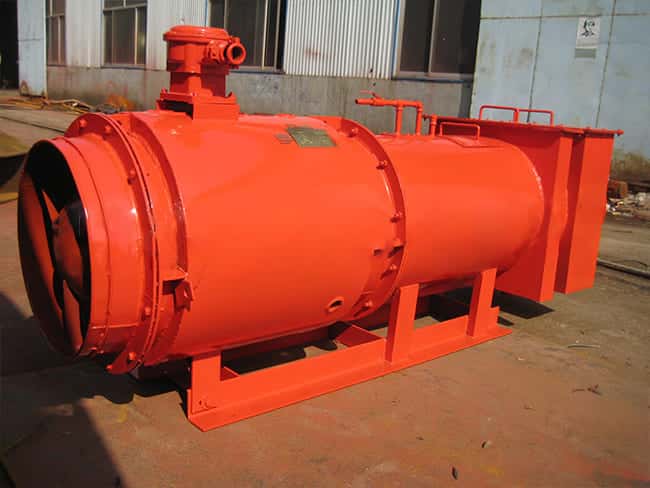
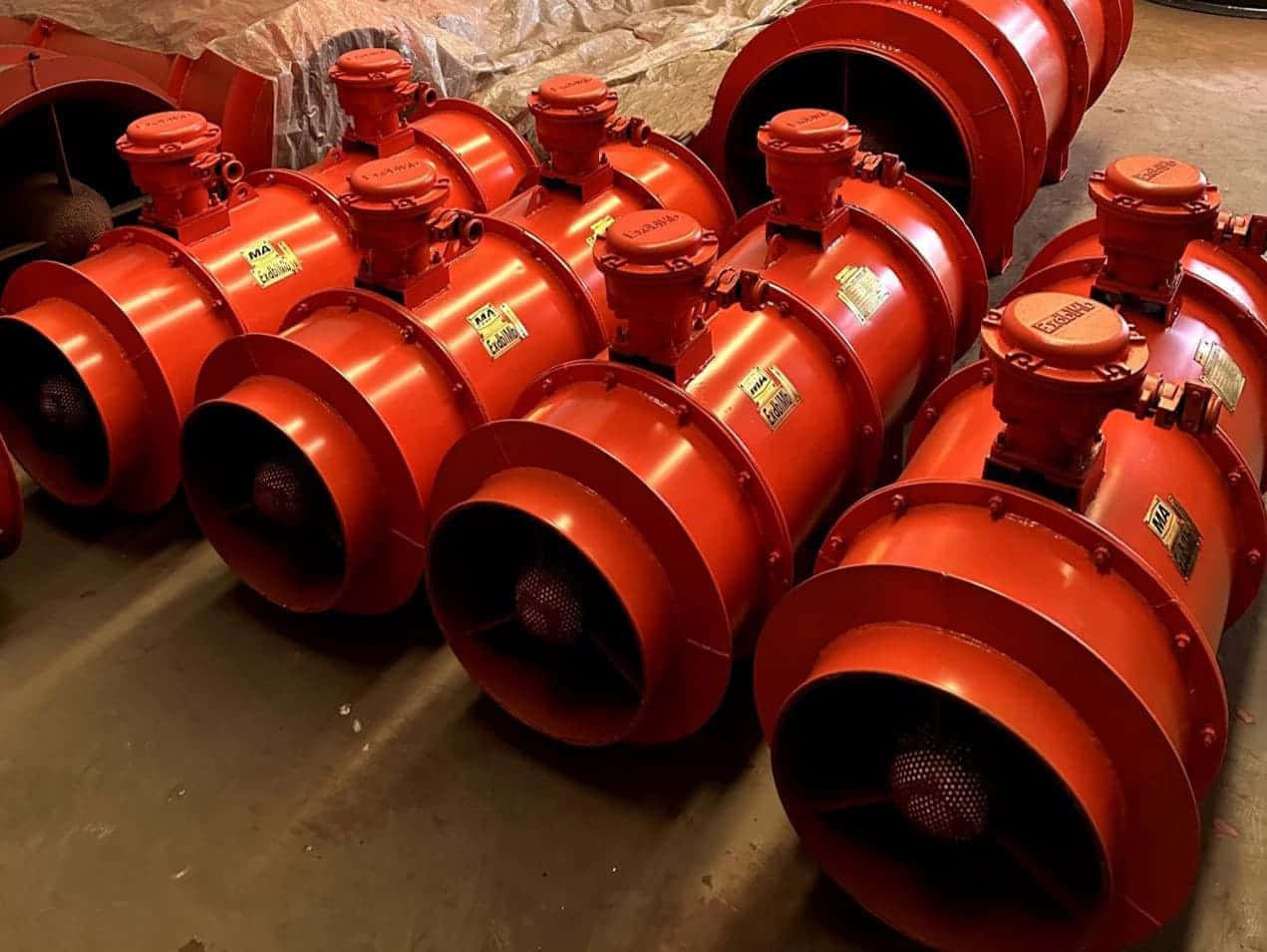
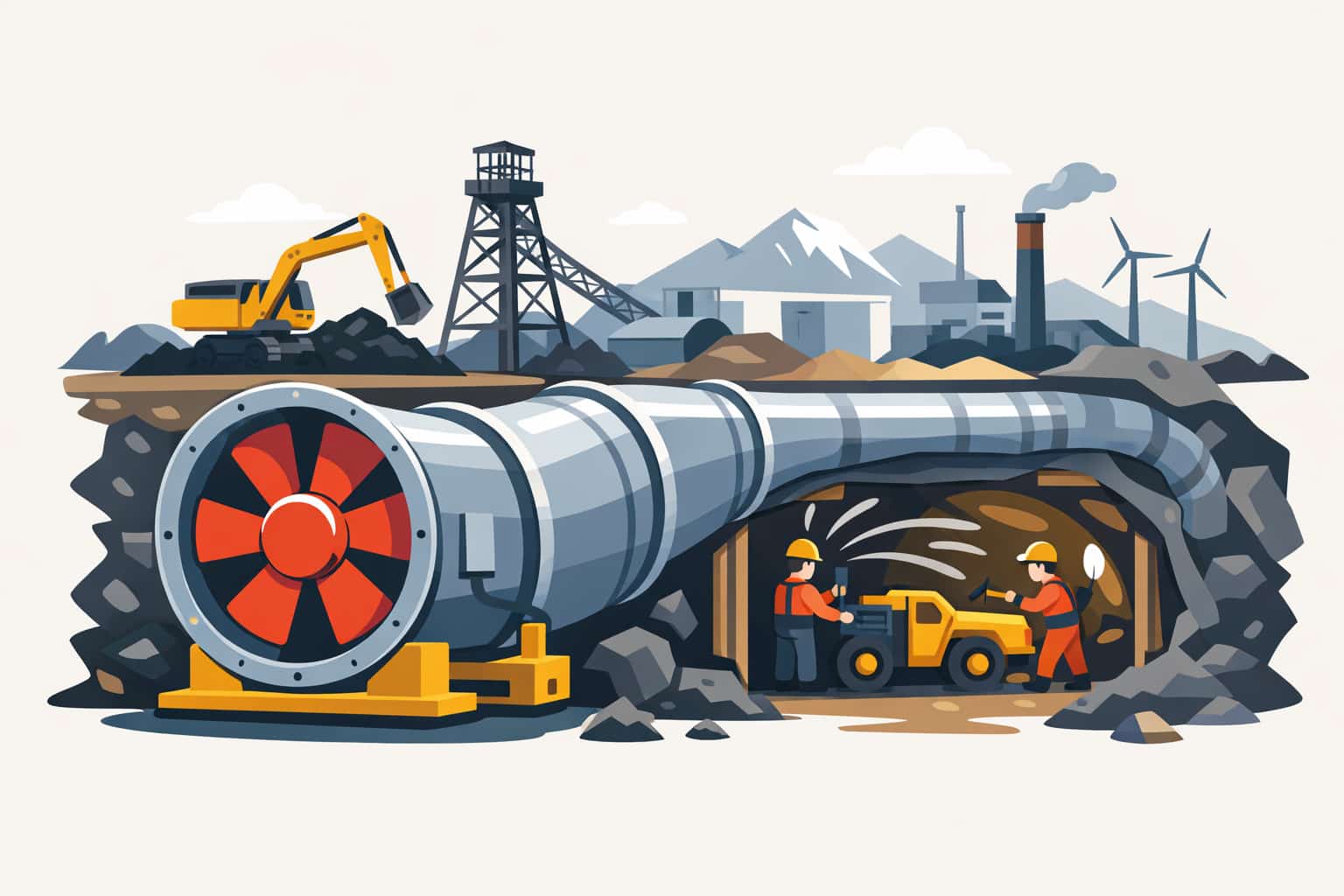
Local exhaust ventilation (LEV) is designed to capture contaminants at or near their source before they spread through the workplace. Hoods, capture nozzles, enclosures and canopy inlets are connected to ducts, fans and filters. LEV systems are widely used over welding stations, chemical tanks, crushers, conveyor transfer points and dust-generating equipment. In underground mining, auxiliary fans connected to flexible ducting can act as local exhaust systems in development headings, removing fumes and dust from the immediate work area. This type of mechanical ventilation is very effective for controlling hazardous substances, but it must be properly designed and maintained to remain efficient.
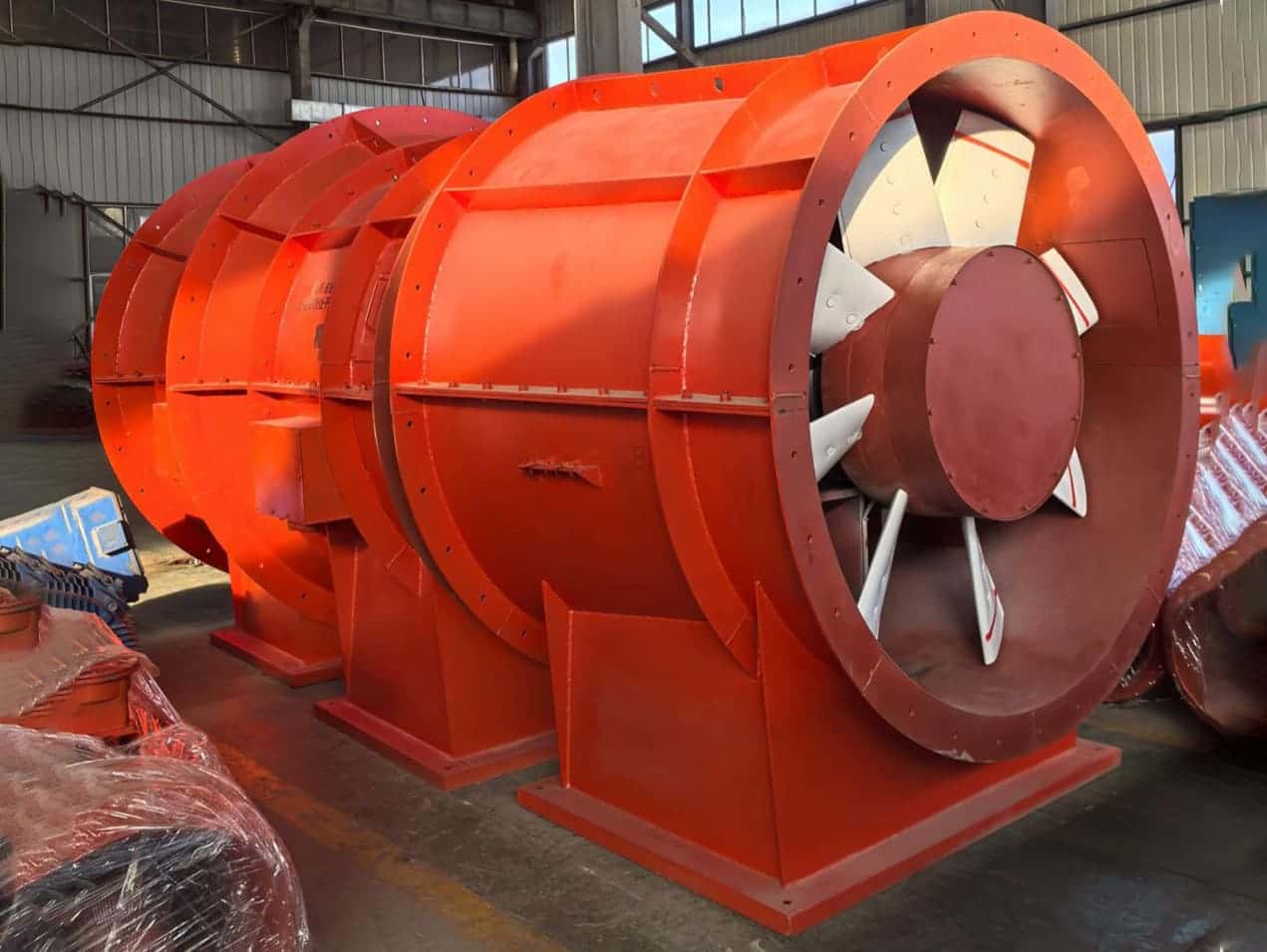
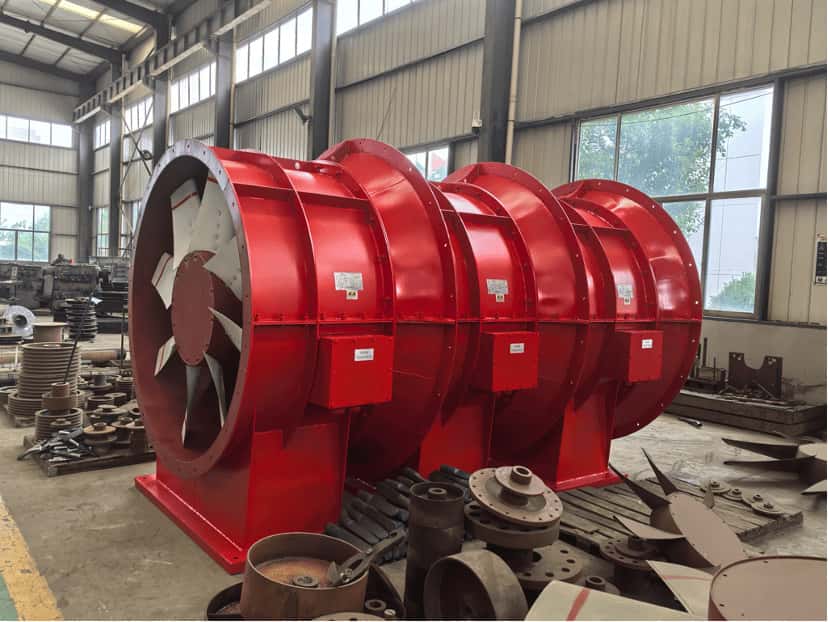
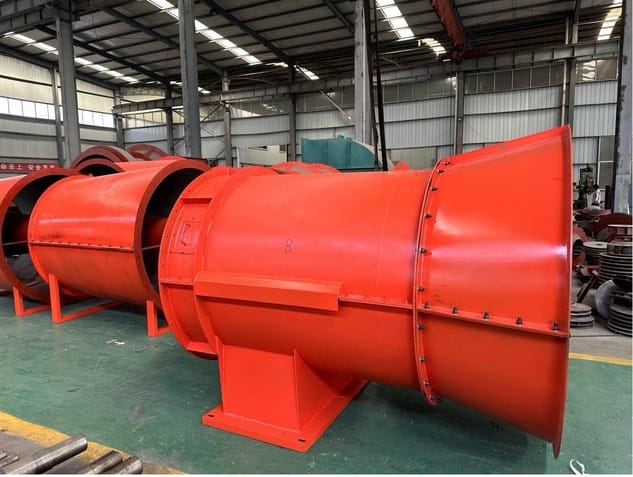
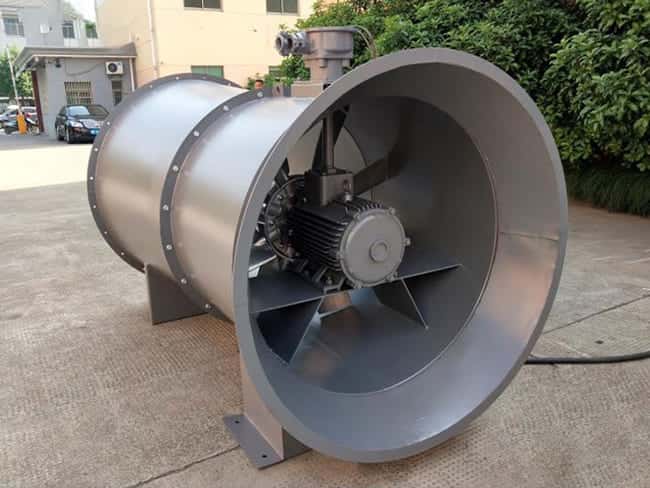
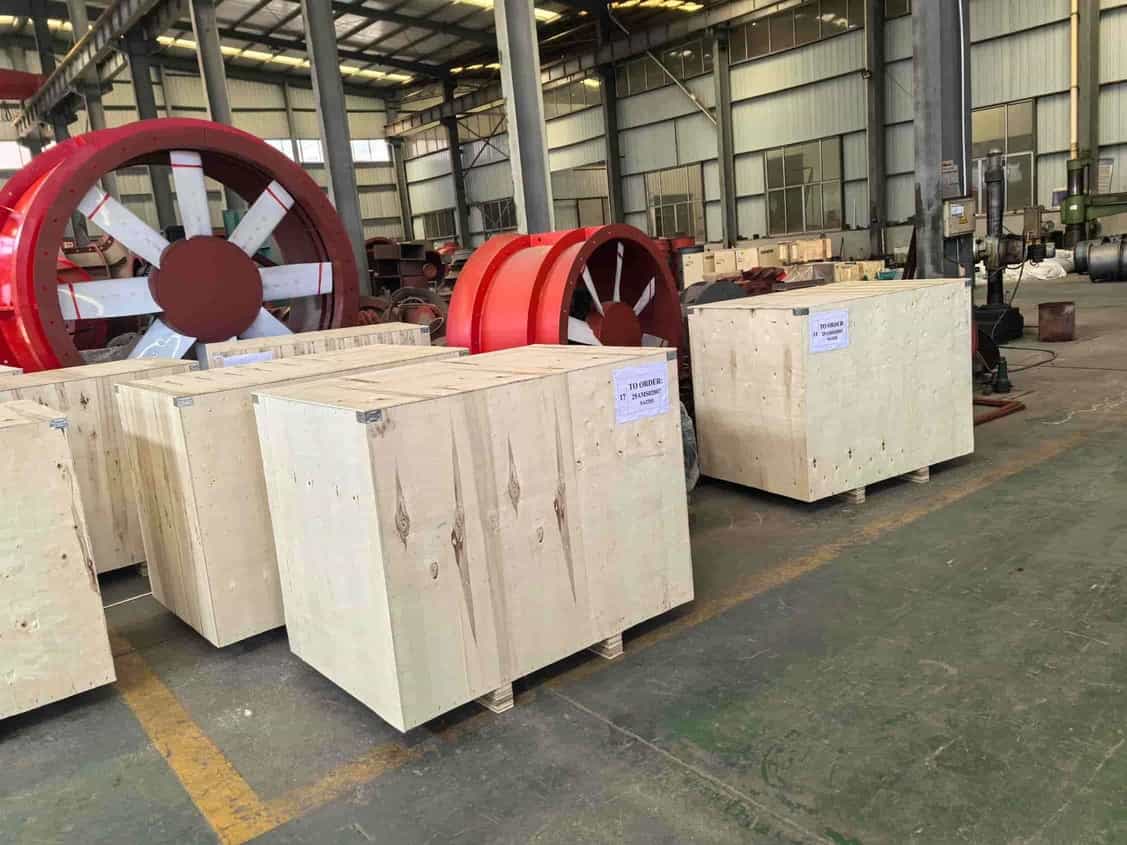
General or dilution ventilation uses fans to supply and exhaust air for entire rooms, buildings, tunnels or mine districts. Instead of capturing pollutants at one point, dilution systems add fresh air and remove stale air to keep average contaminant levels below occupational exposure limits. Examples include large axial fans that move air through mine roadways, roof fans in factories and tunnel ventilation systems that handle vehicle exhaust. General ventilation is essential for providing oxygen, removing heat and distributing air, but on its own it may not be sufficient for high-concentration sources of toxic or explosive substances.
Mechanical supply and pressurization systems focus on delivering clean air to critical spaces and maintaining them at slightly higher pressure than surrounding areas. Supply fans blow filtered and sometimes conditioned air into control rooms, switchgear rooms, refuge chambers, workshops and clean manufacturing zones. In underground mines, pressurized refuges and control rooms rely on mechanical supply ventilation so that contaminated air cannot enter when doors are closed. These systems improve comfort and safety where people or sensitive equipment must be protected from dust, fumes or gases.
In practice, mechanical ventilation designs usually combine all three types. Local exhaust handles high-risk sources, general ventilation provides overall air quality and cooling, and supply or pressurization systems protect selected rooms or shelters. Understanding the three types of mechanical ventilation makes it easier to design a balanced system for safe, efficient operation in industrial plants and mines.