
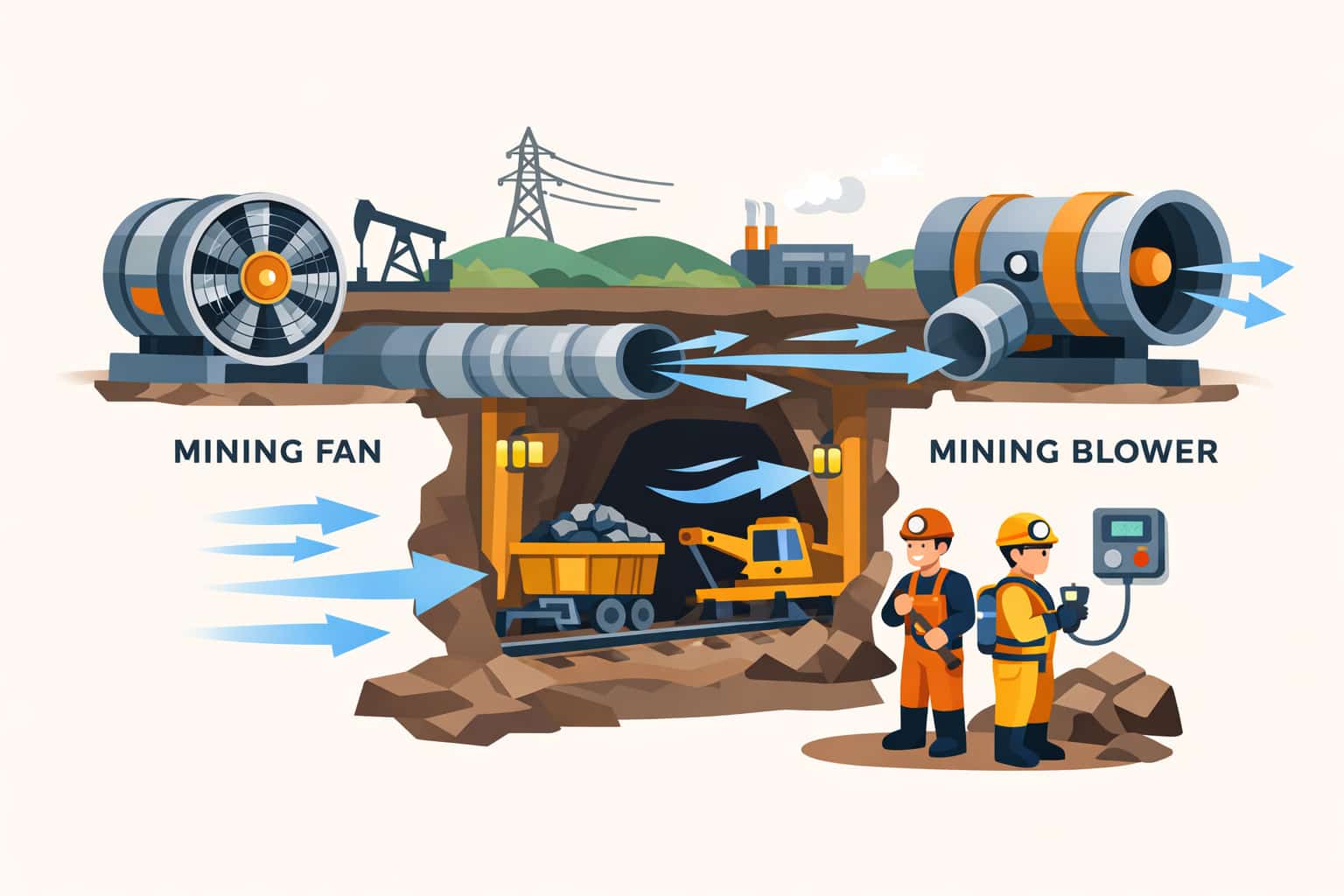
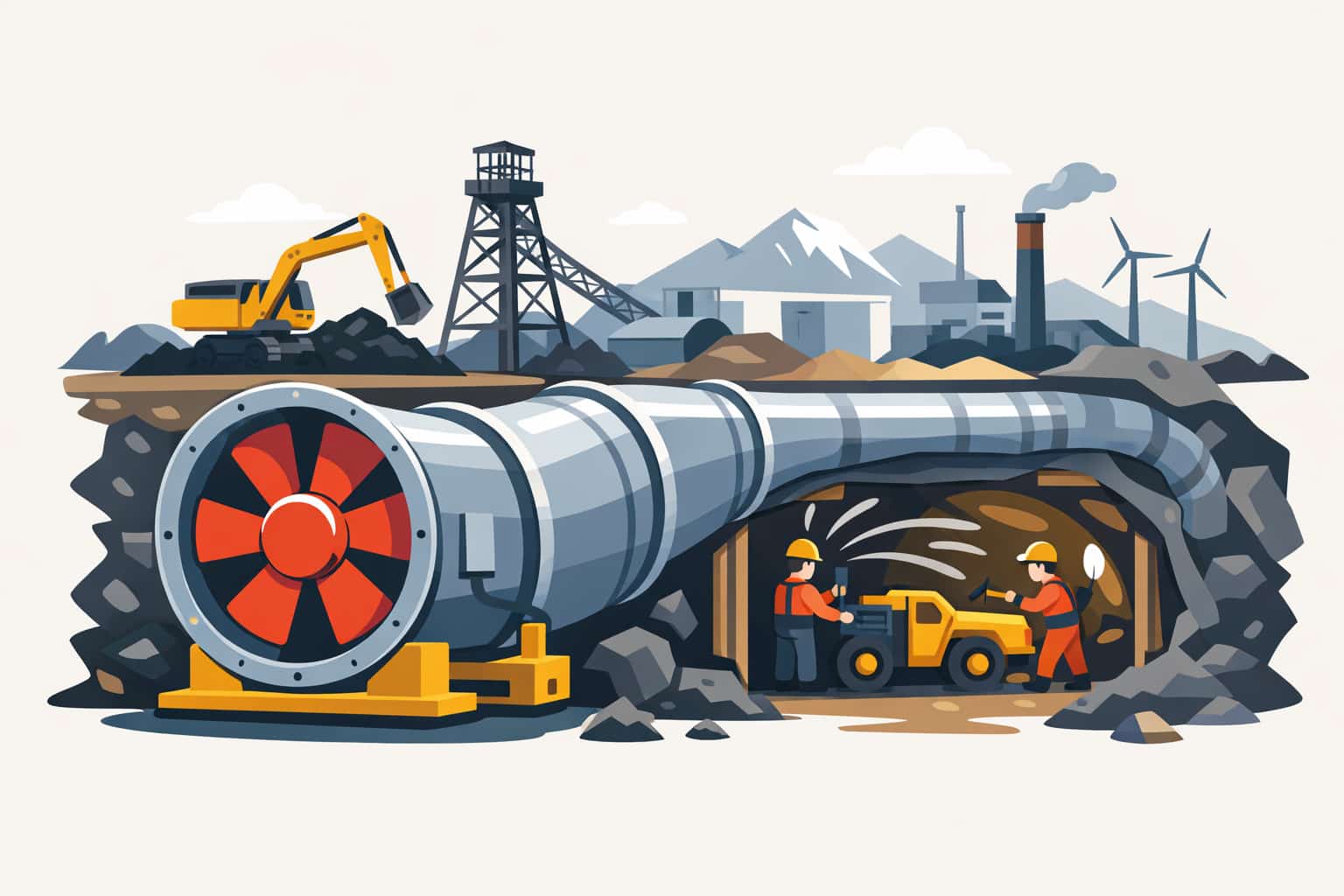
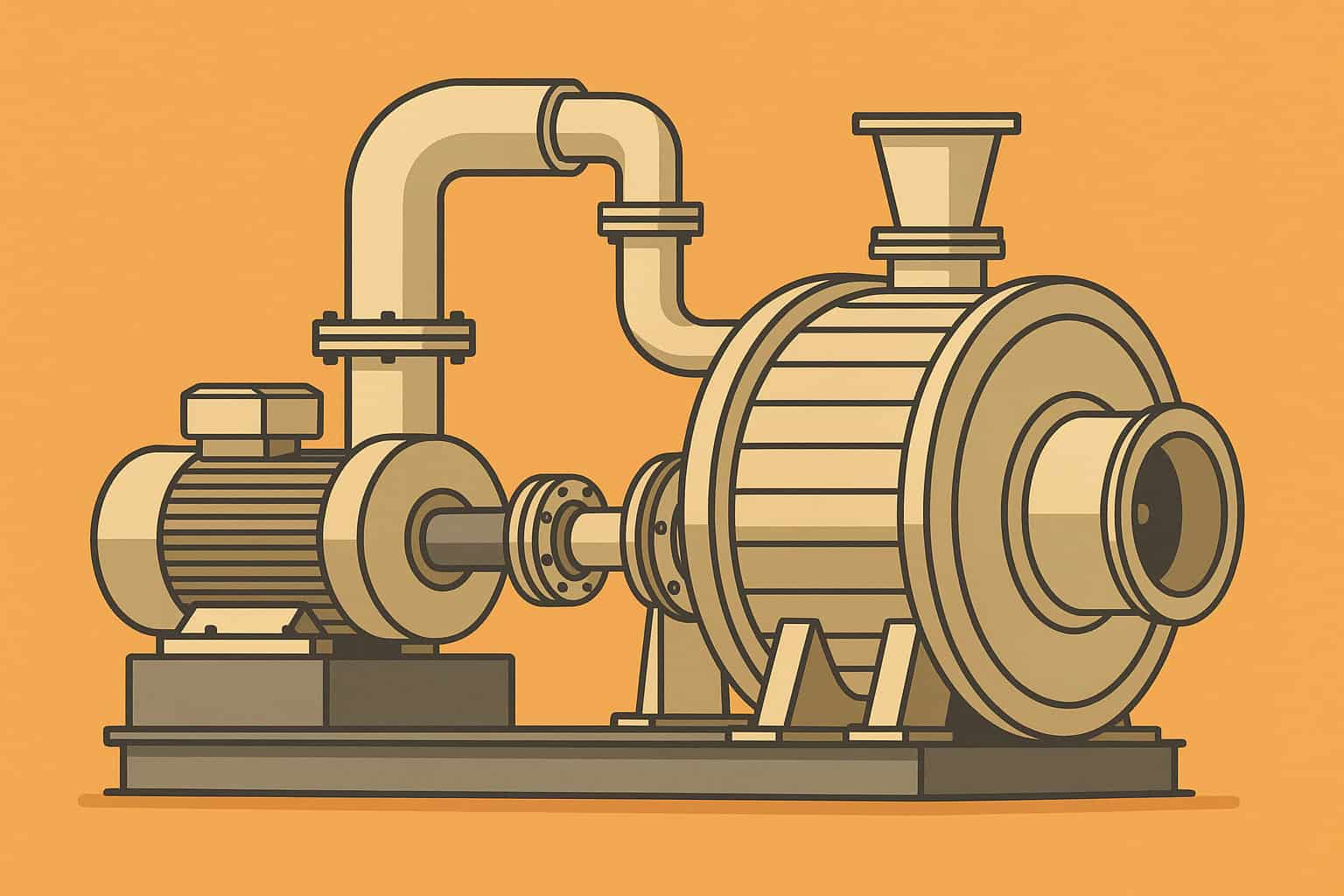

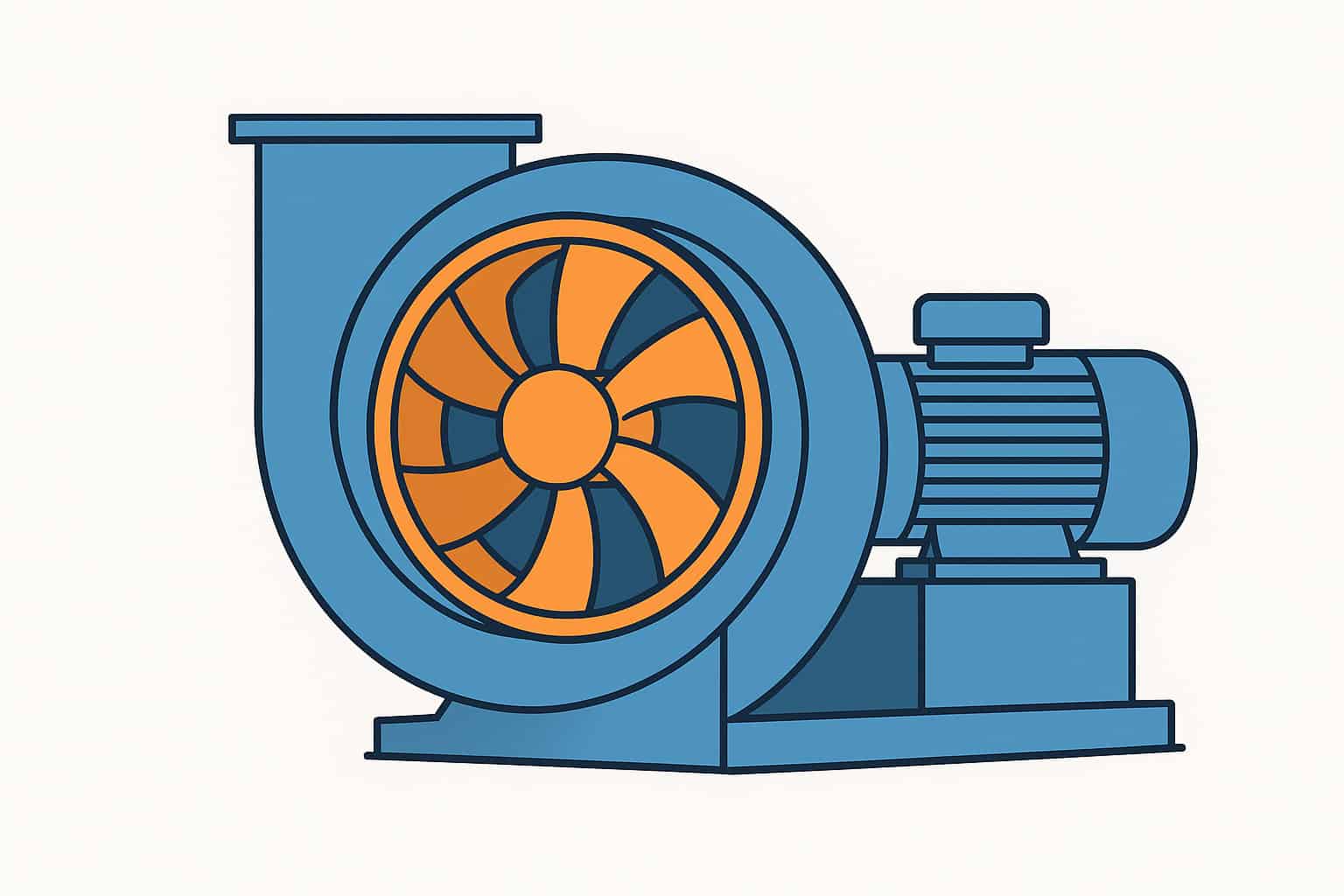
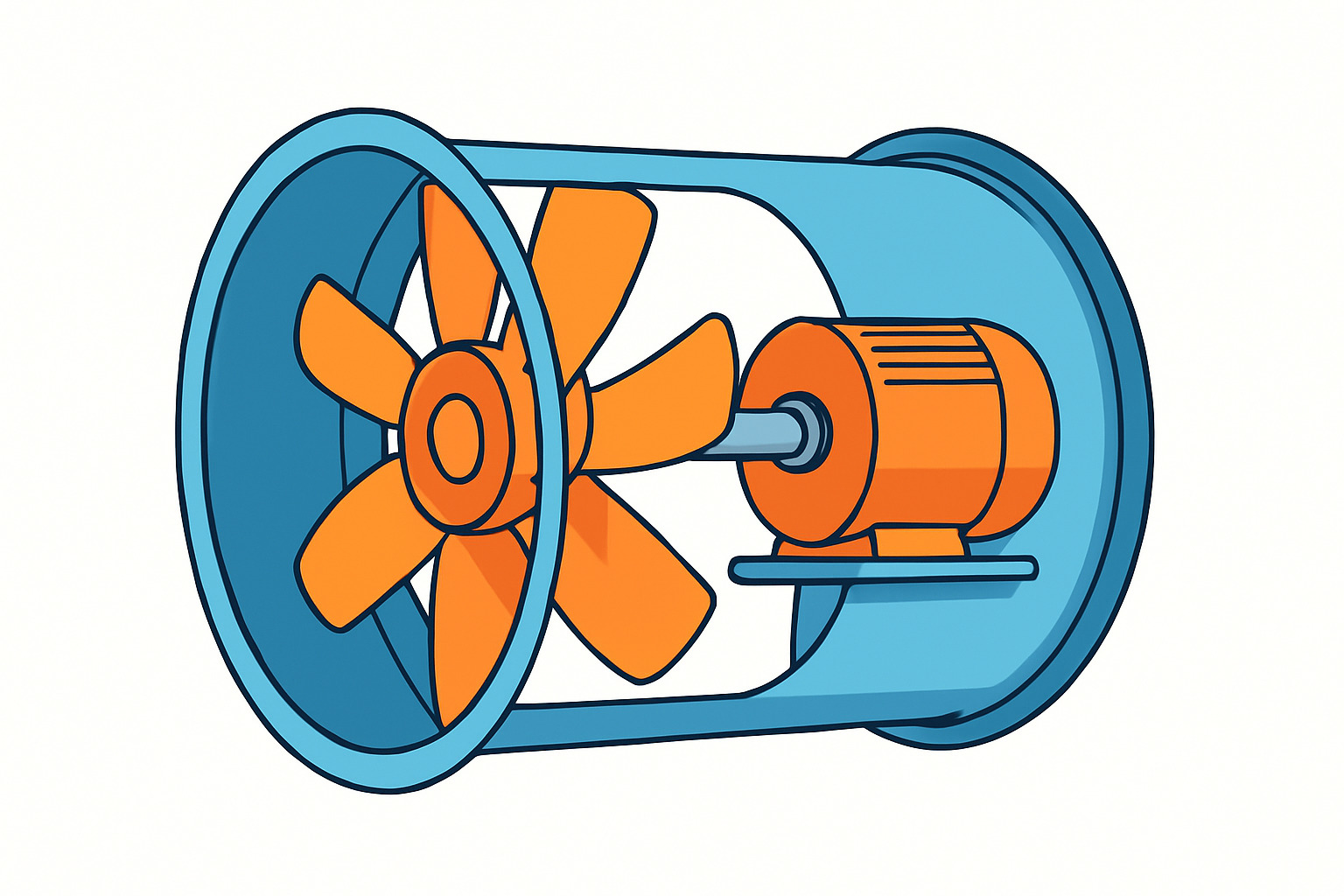
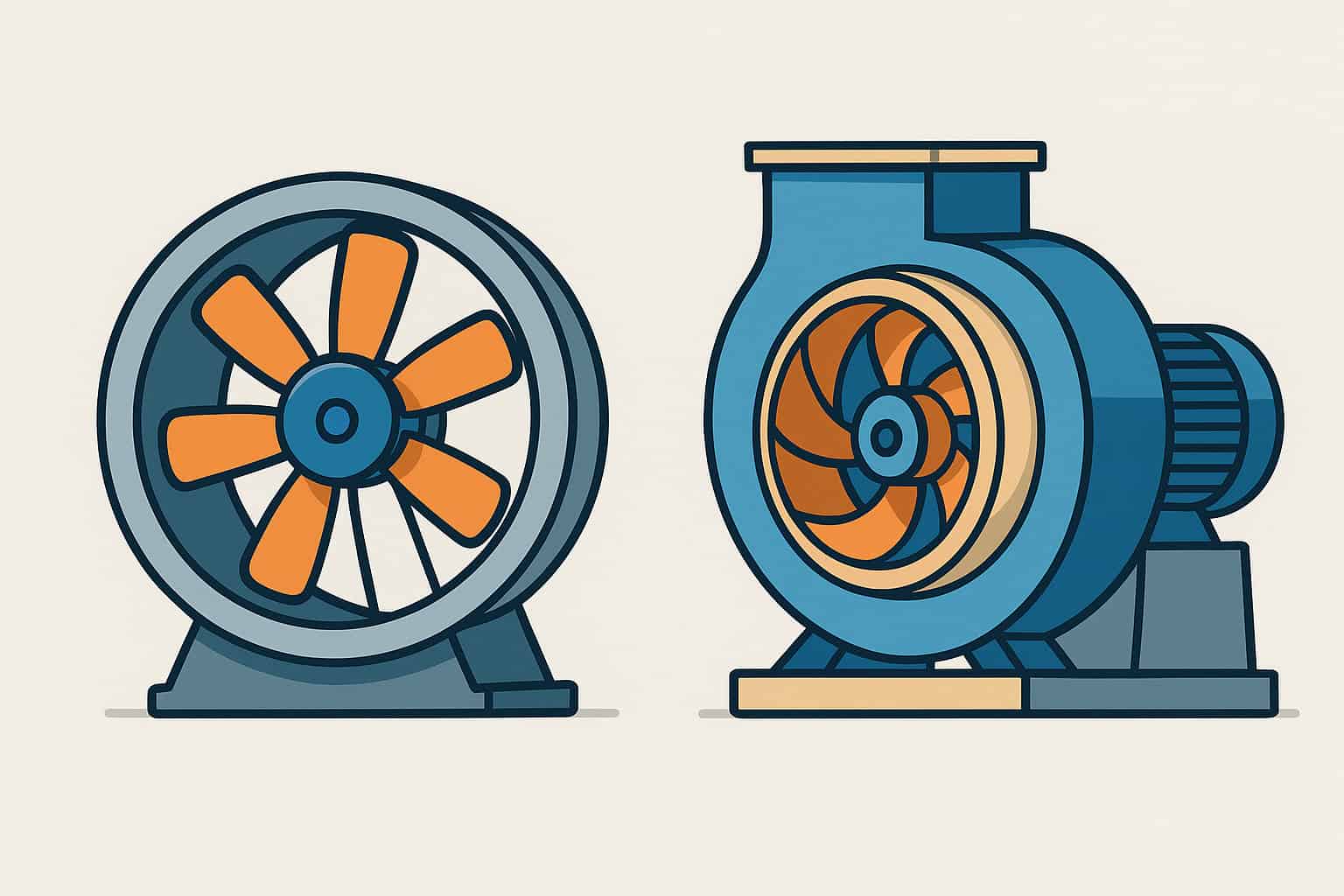
When engineers talk about the two main types of fans for industrial and mining ventilation, they are usually referring to axial fans and centrifugal fans. Almost every mining ventilation fan, tunnel fan or industrial process fan can be classified into one of these two aerodynamic families, although there are many subtypes and special designs within each group.
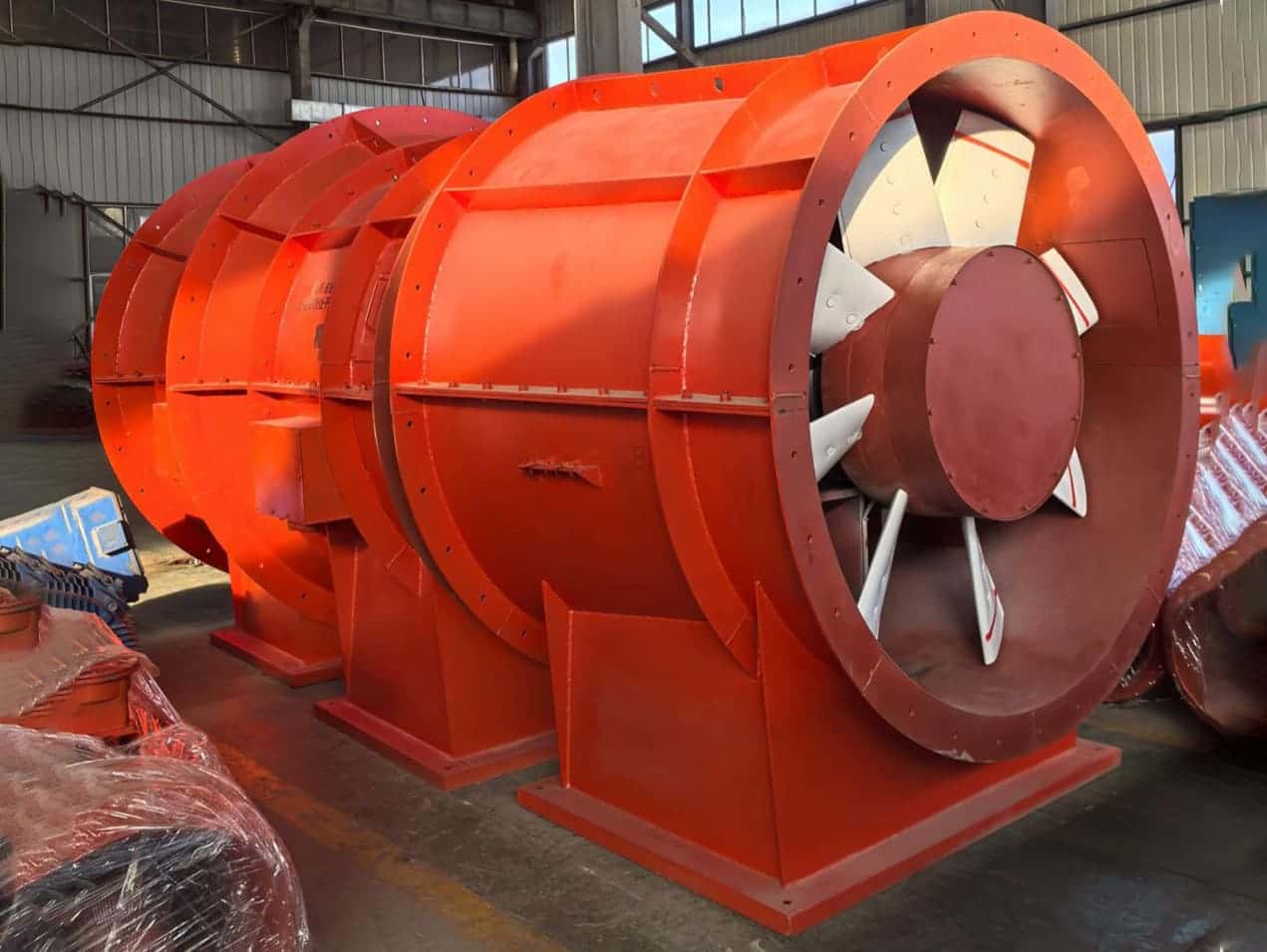
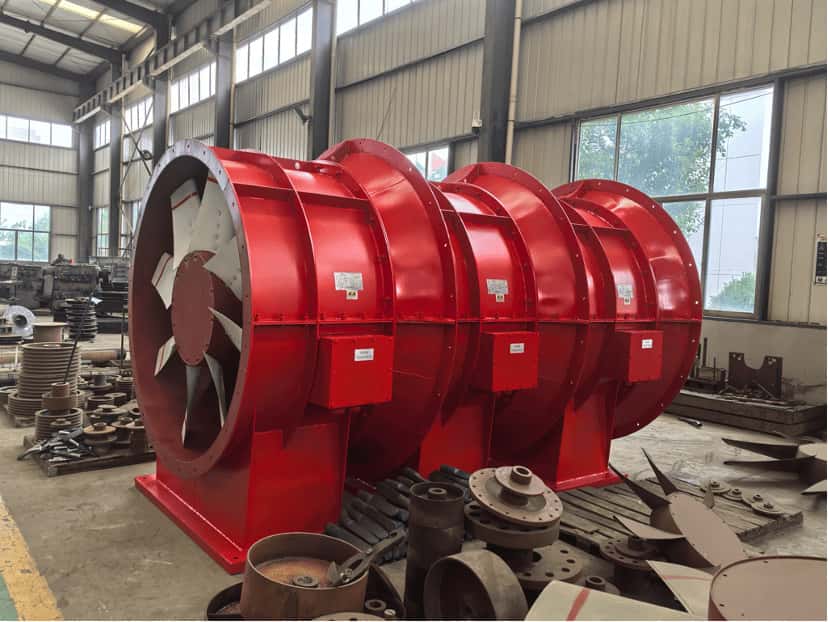
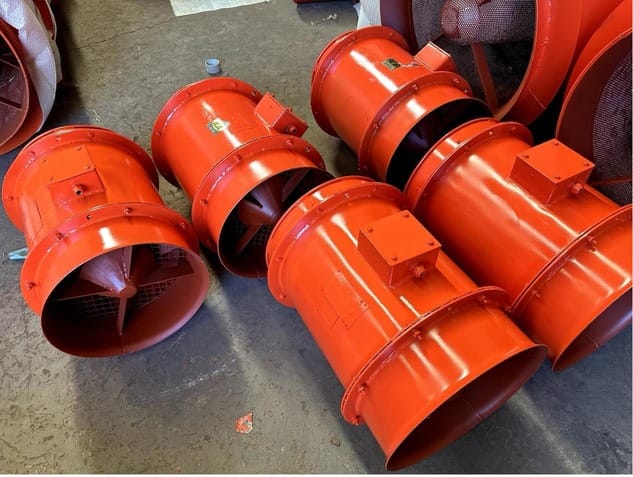
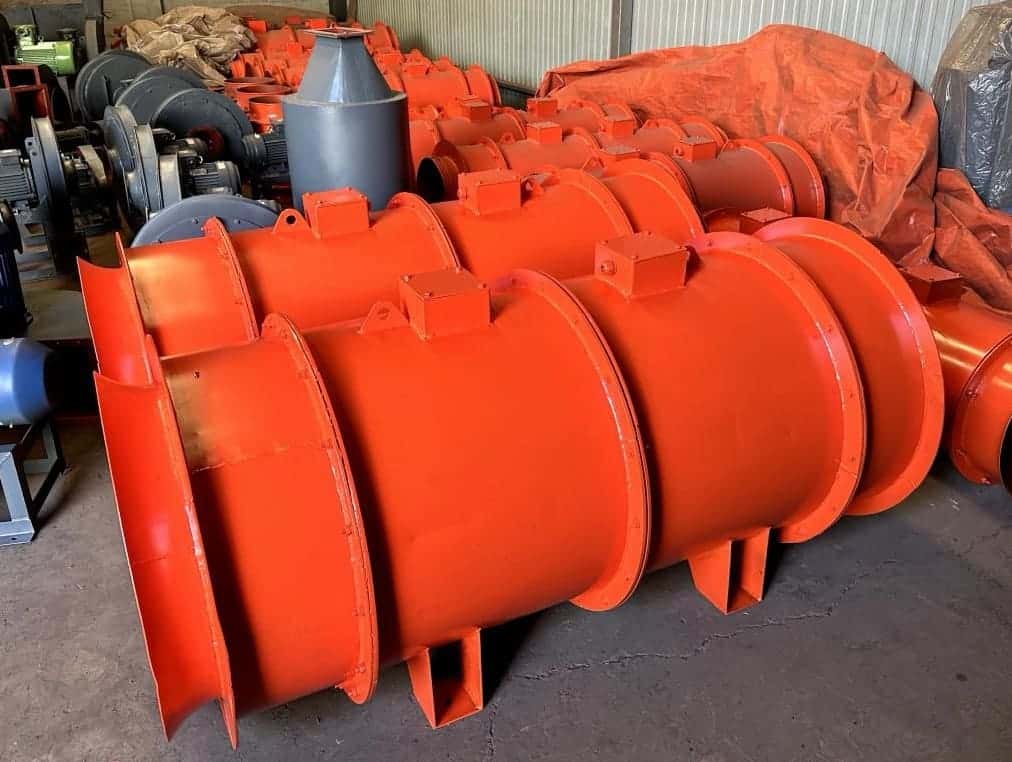
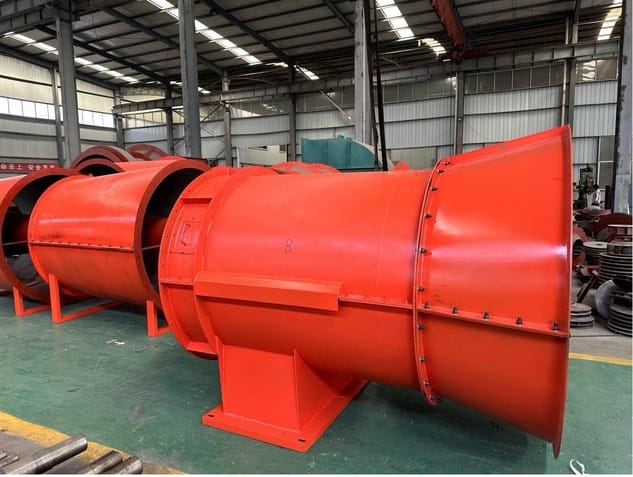
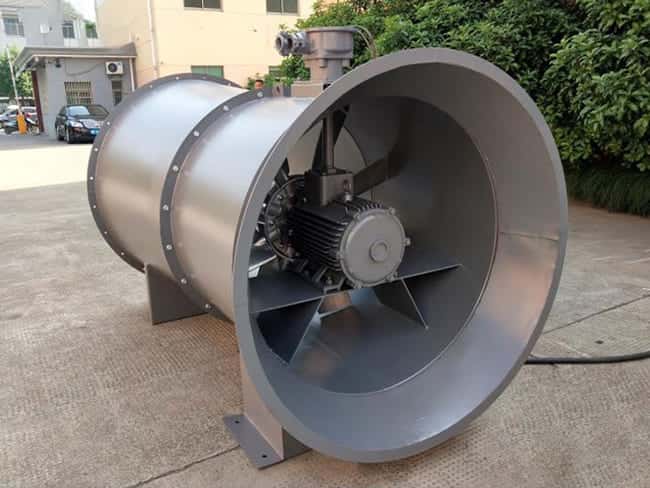
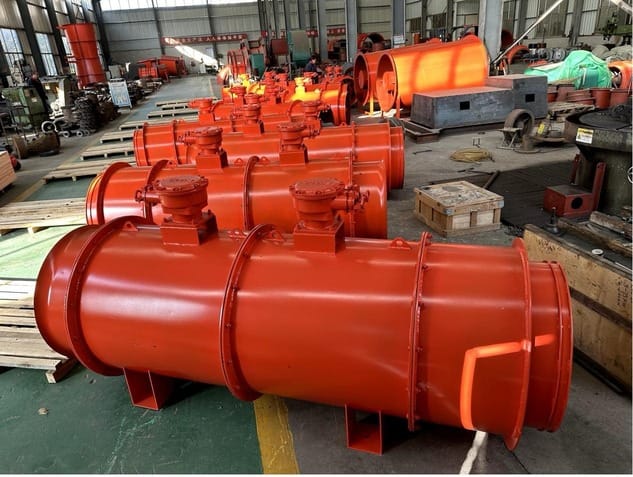
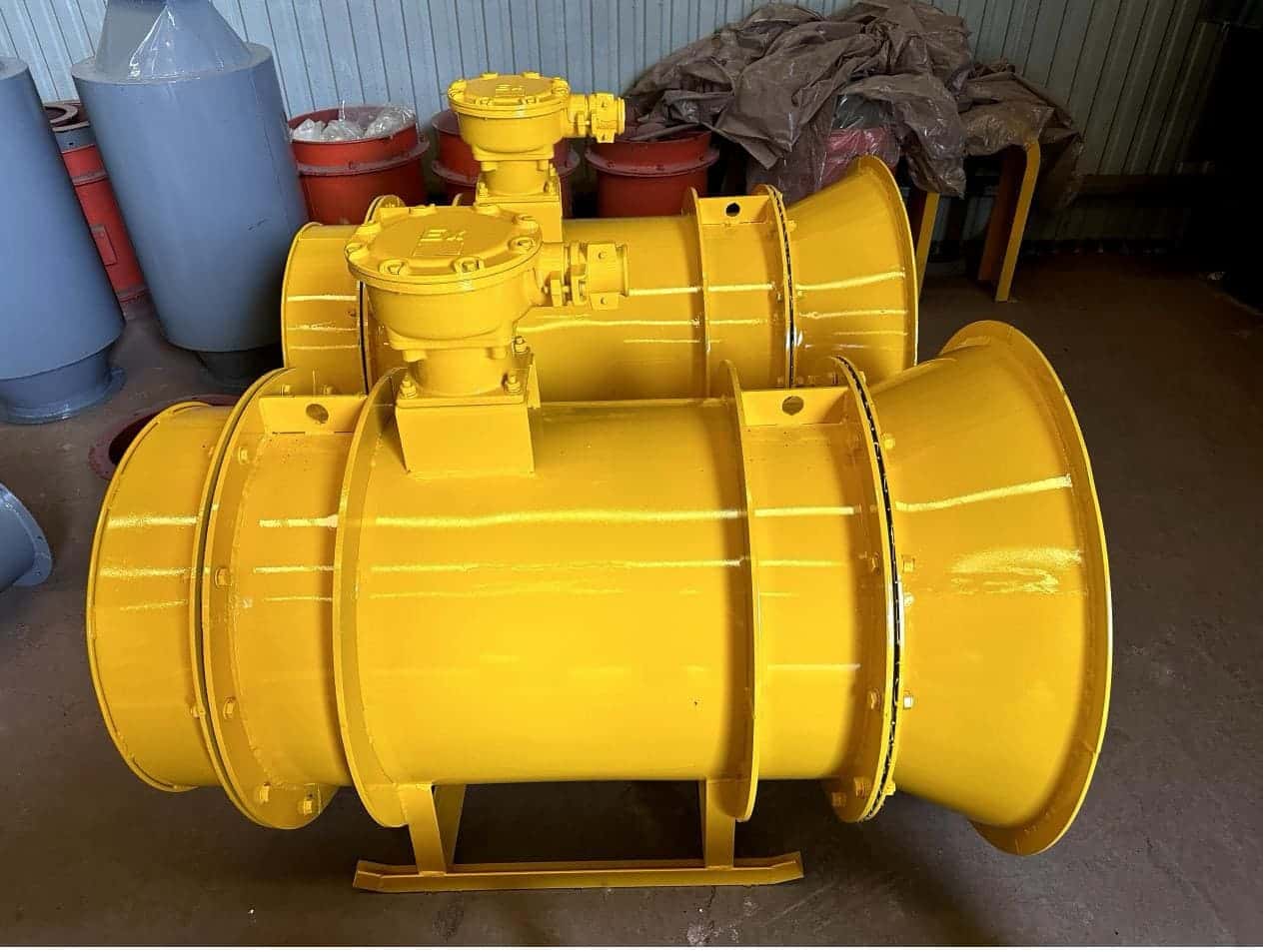
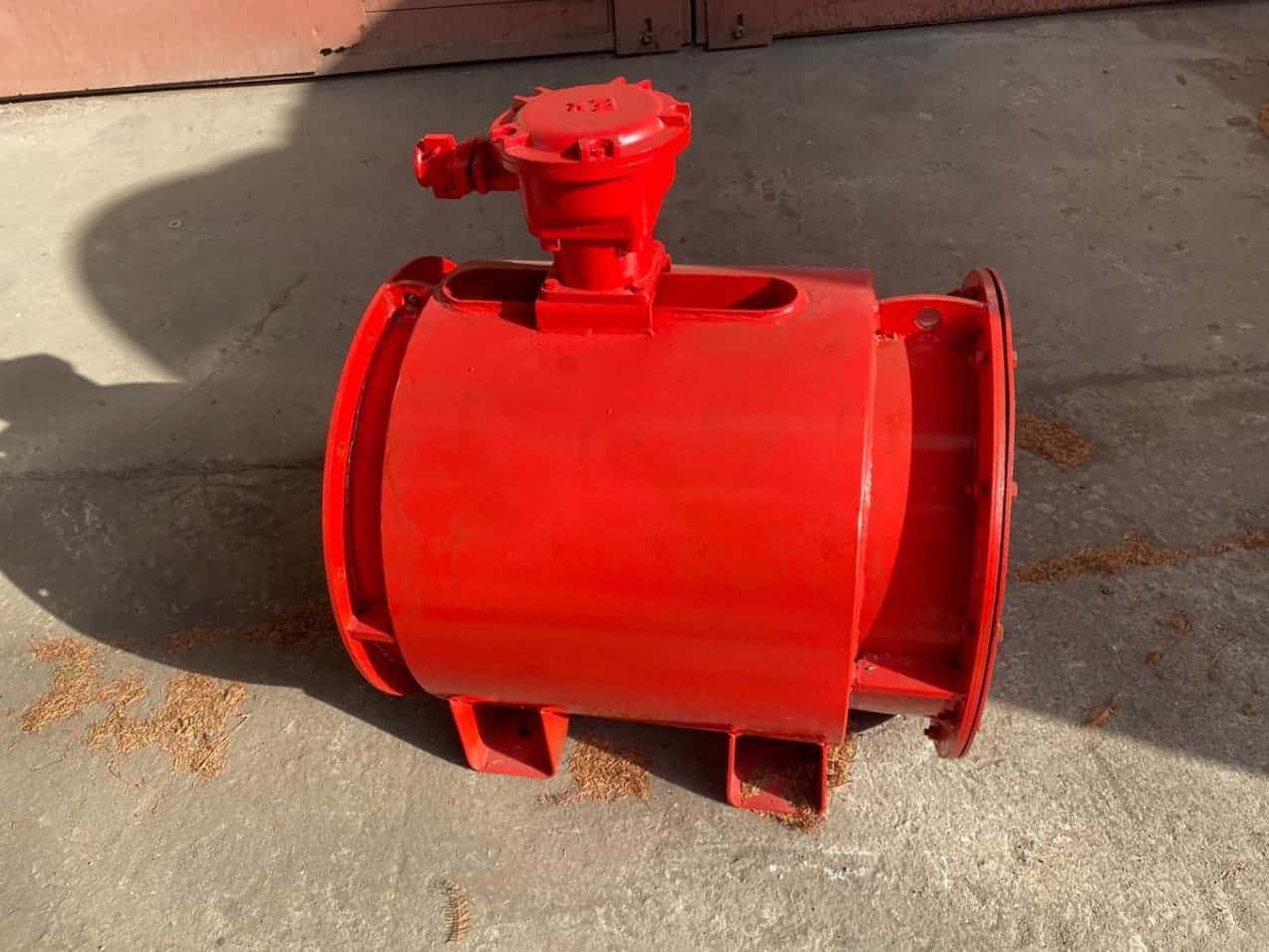
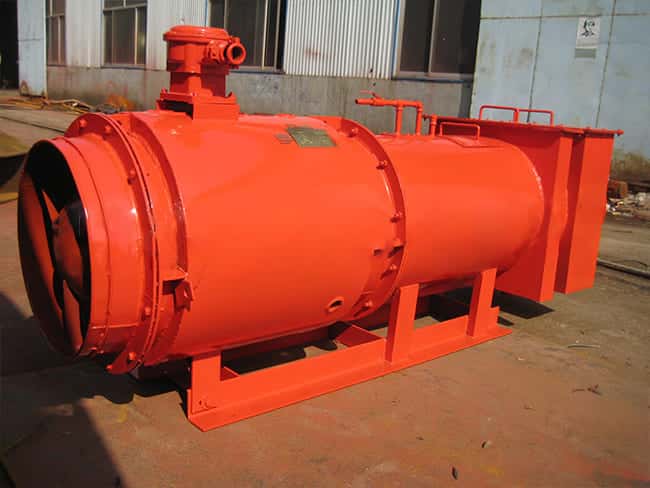
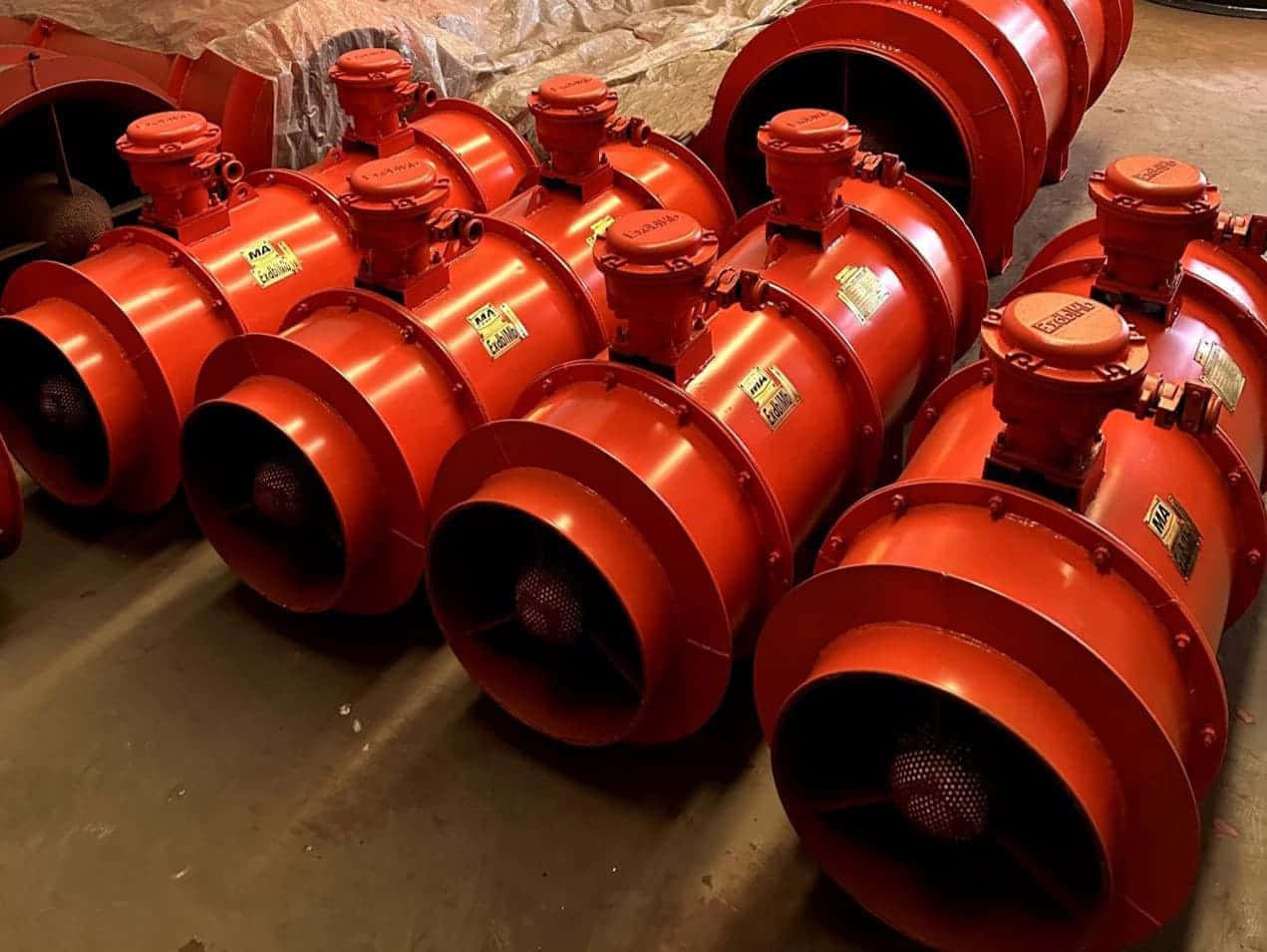
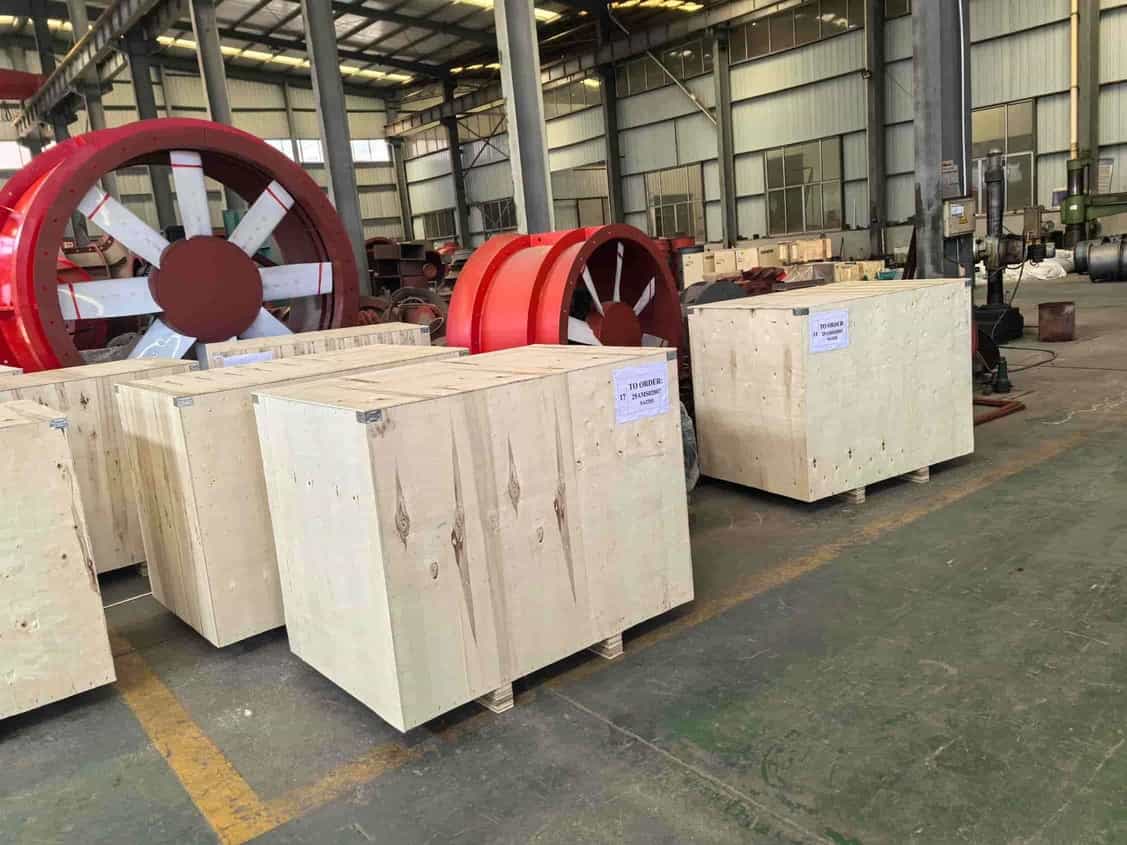
An axial fan moves air primarily parallel to the shaft of the impeller. The blades act like the wing of an aircraft, generating lift that pushes air along the axis. Axial fans include propeller, tube-axial and vane-axial designs. They are best known for handling large volumes of air at low to medium pressure with relatively high efficiency. This makes them very popular as main fans, booster fans and auxiliary fans in underground mines, and as tunnel ventilation fans and general ventilation fans in large industrial buildings.
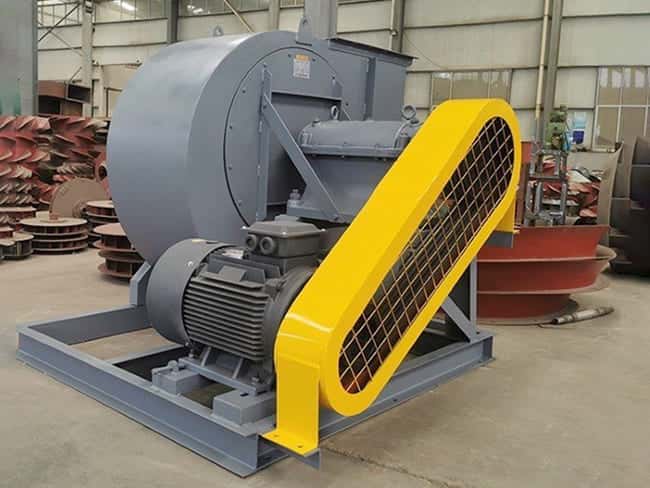
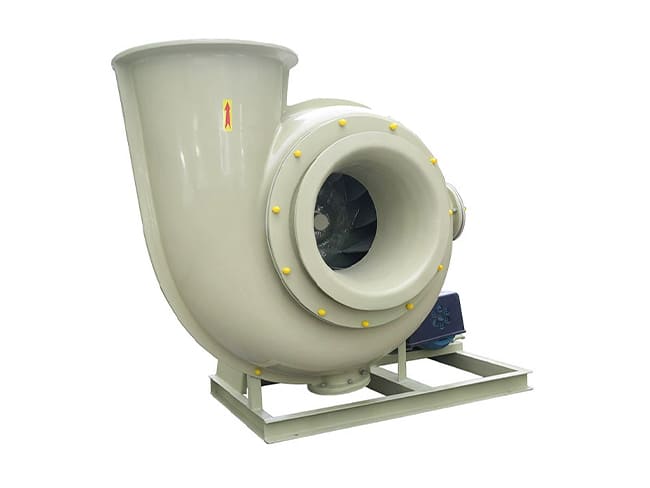
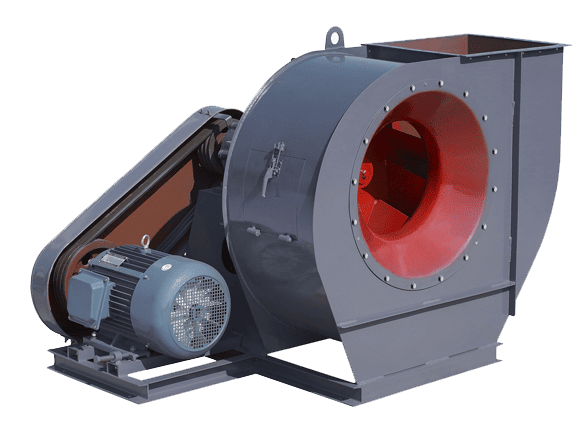
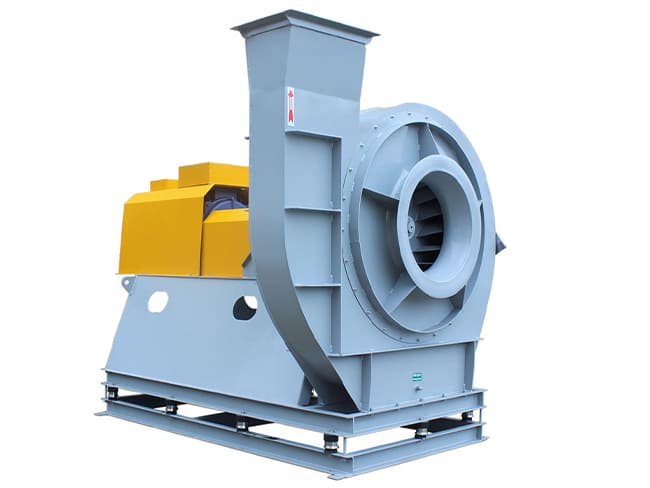
A centrifugal fan, sometimes called a blower, draws air in along the shaft and then discharges it radially, at 90 degrees to the inlet. The air is flung outward by centrifugal force as it passes through the rotating impeller and volute casing. Centrifugal fans are generally used when a higher static pressure is required, for example in dust collection systems, process exhausts, long or highly resistant duct networks and some mine ventilation circuits with high resistance. They can be built with different blade shapes (forward-curved, backward-curved, radial) to match specific performance and dust-handling needs.
In mining ventilation design, axial fans are often chosen for main and auxiliary ventilation because they offer high volume flow rates and good efficiency over the duty range typical of mine airways. Centrifugal fans are preferred when the system requires very high pressure, high dust loading, or where specific process conditions demand a more enclosed impeller with robust construction.
From an industrial perspective, the choice between the two main fan types is based on required airflow, pressure, gas or dust characteristics, temperature, noise limits and installation constraints. Axial fans usually occupy less floor space in the airflow direction and are easy to install in-line with ducts, while centrifugal fans may need more space but can overcome higher resistance and handle more difficult gases or particles.
In summary, the two main types of fans are axial and centrifugal. Understanding their airflow direction, pressure capability and typical applications is essential when selecting mining ventilation fans or industrial fans for safe, efficient air movement.