












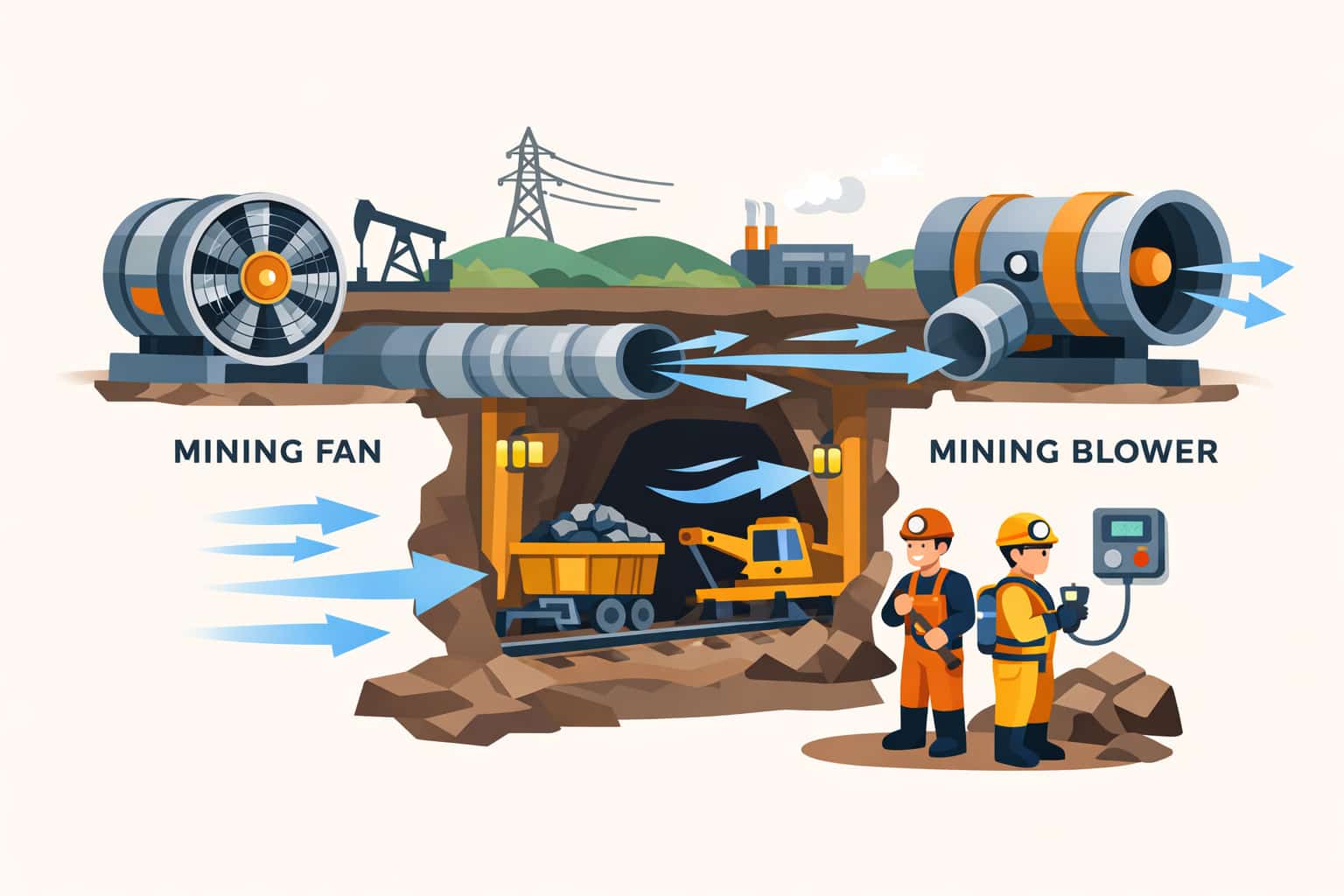

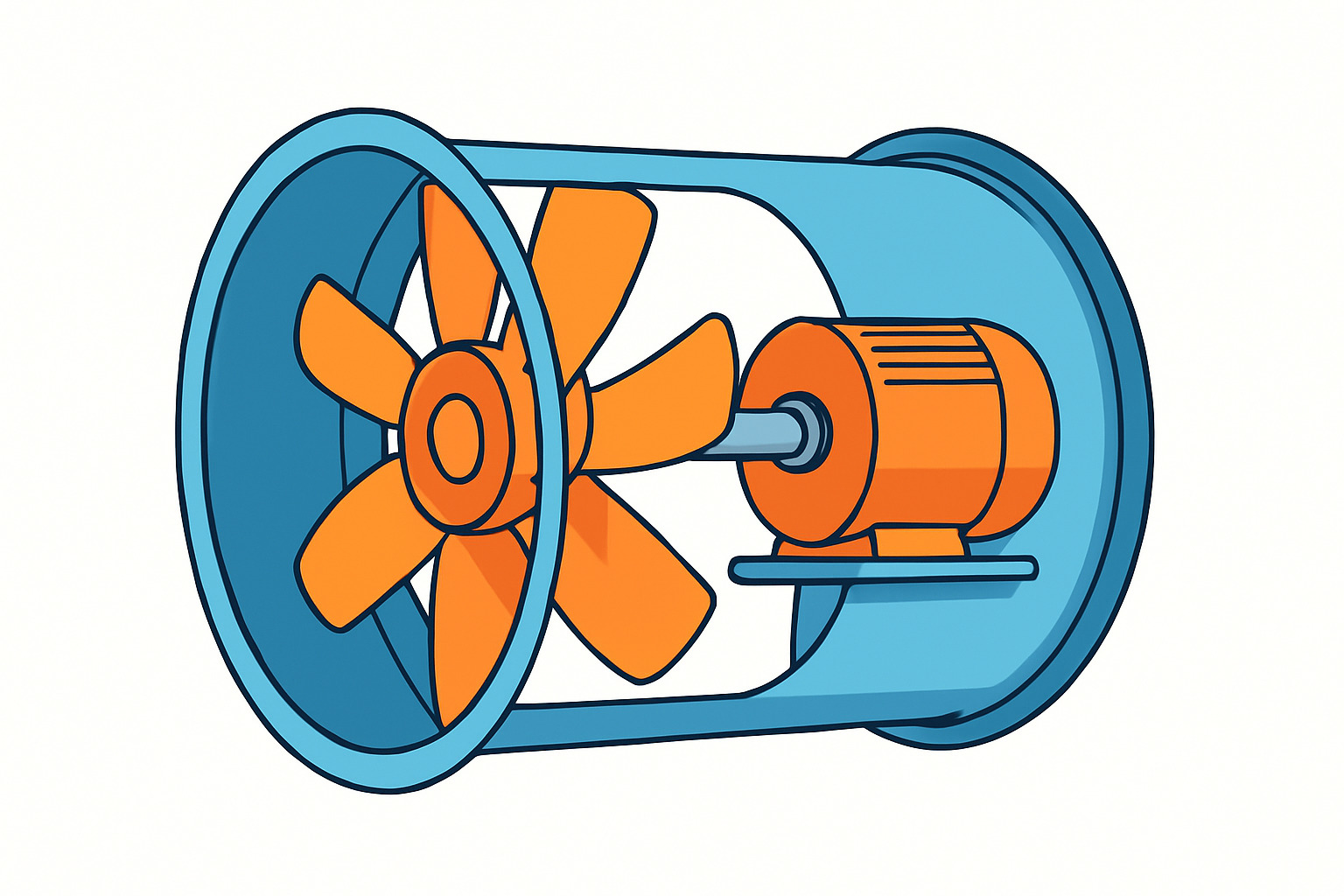
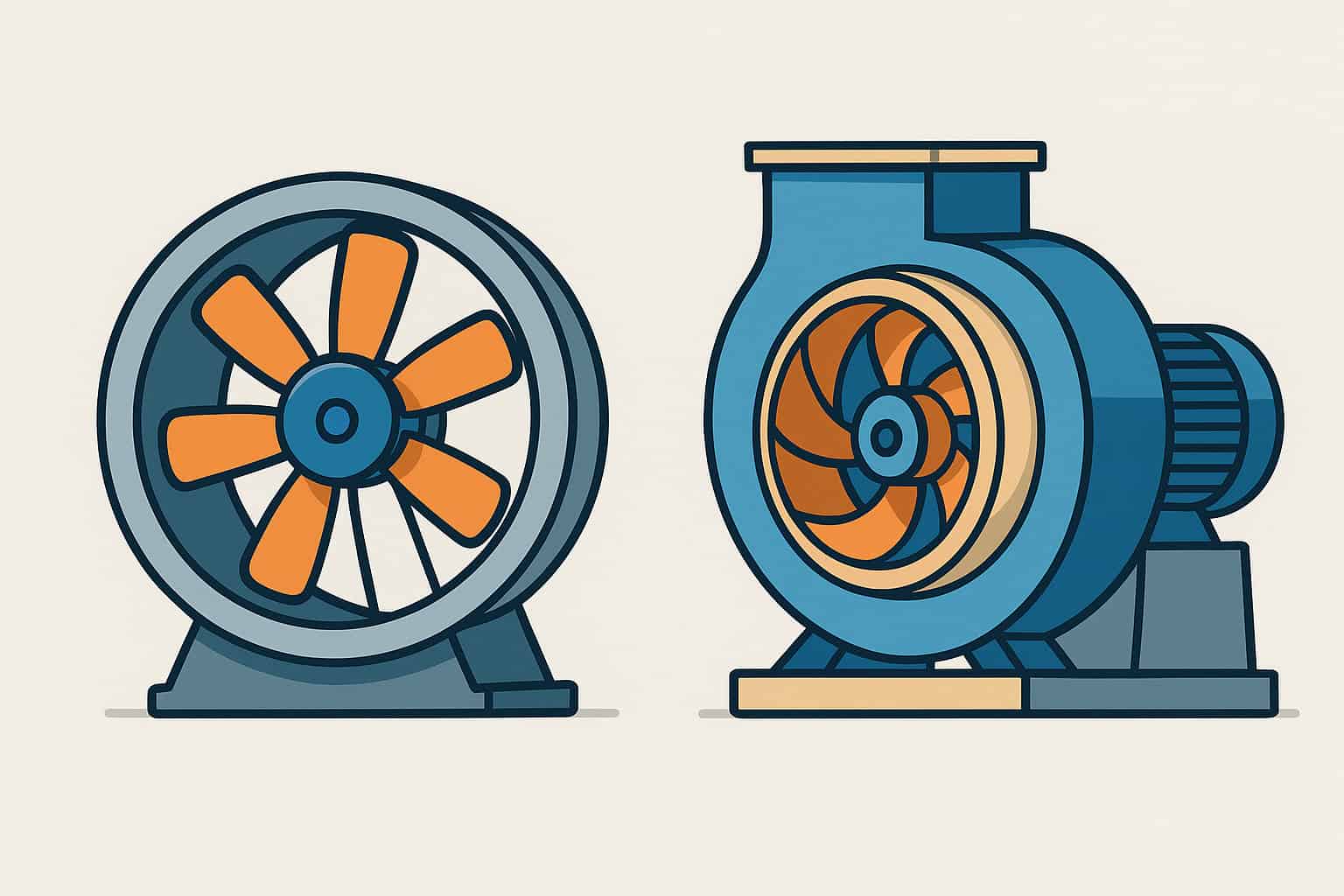
From an engineering point of view, the two basic types of fans are axial fans and centrifugal fans. Almost every industrial, HVAC and mining ventilation fan belongs to one of these two families or is a variation that combines elements of both. The distinction is based on how the fan moves air and how pressure is developed across the impeller.
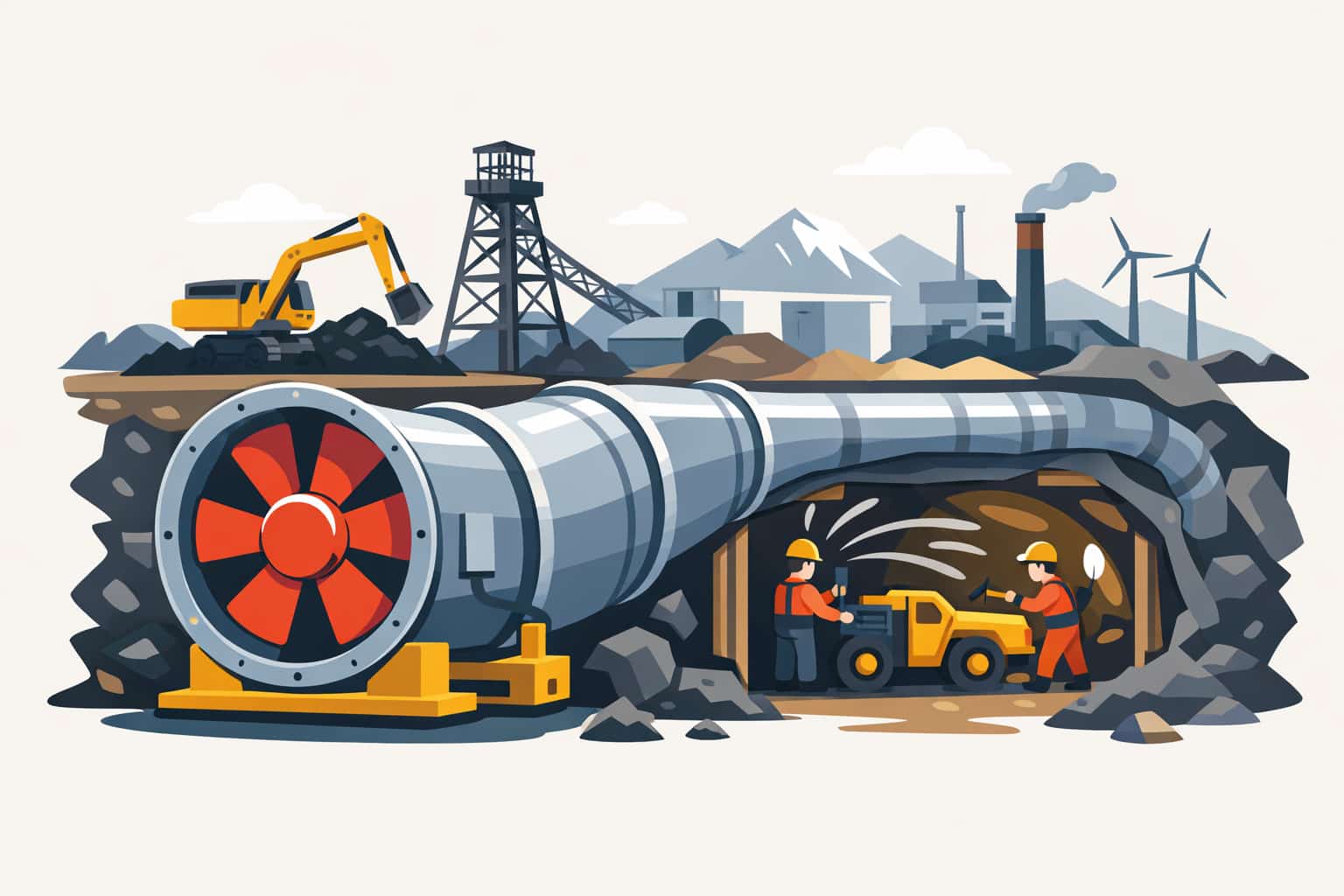
Axial fans move air in a direction that is roughly parallel to the fan shaft, similar to the way a propeller pushes water. Air enters and leaves along the same axis. Axial fans can move very large volumes of air with relatively low to medium pressure rises. They are typically more compact in diameter for a given air volume and can achieve high efficiencies in ducted systems when fitted with guide vanes. In industrial and mining ventilation, axial fans are widely used as main fans, tunnel fans and auxiliary fans because they can handle high flows through long roadways and ducts while remaining relatively compact.
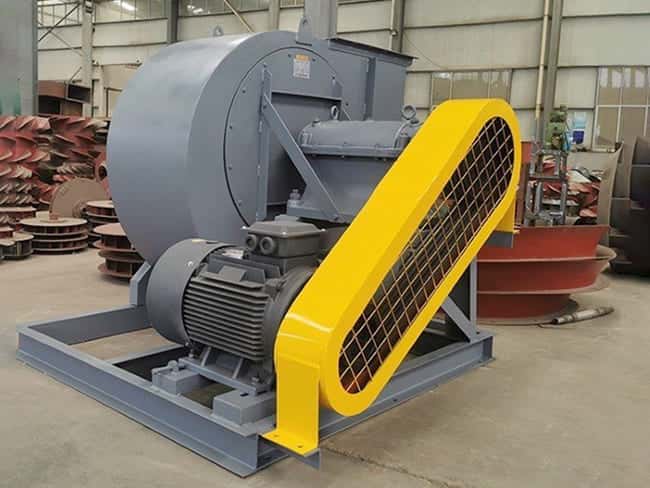
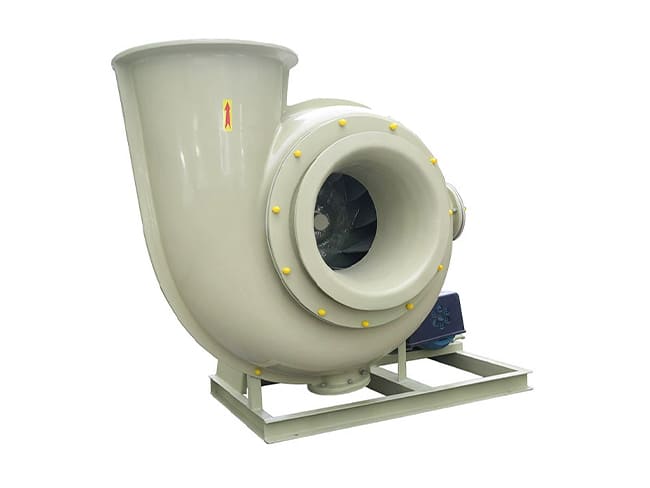
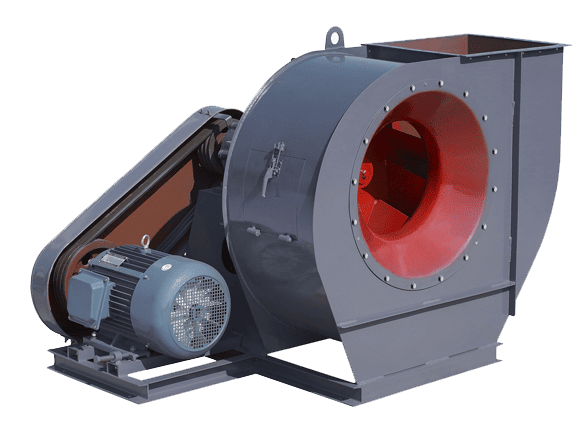
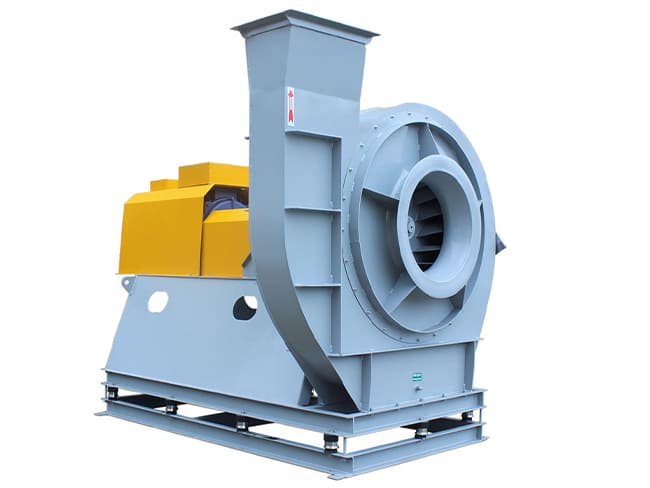
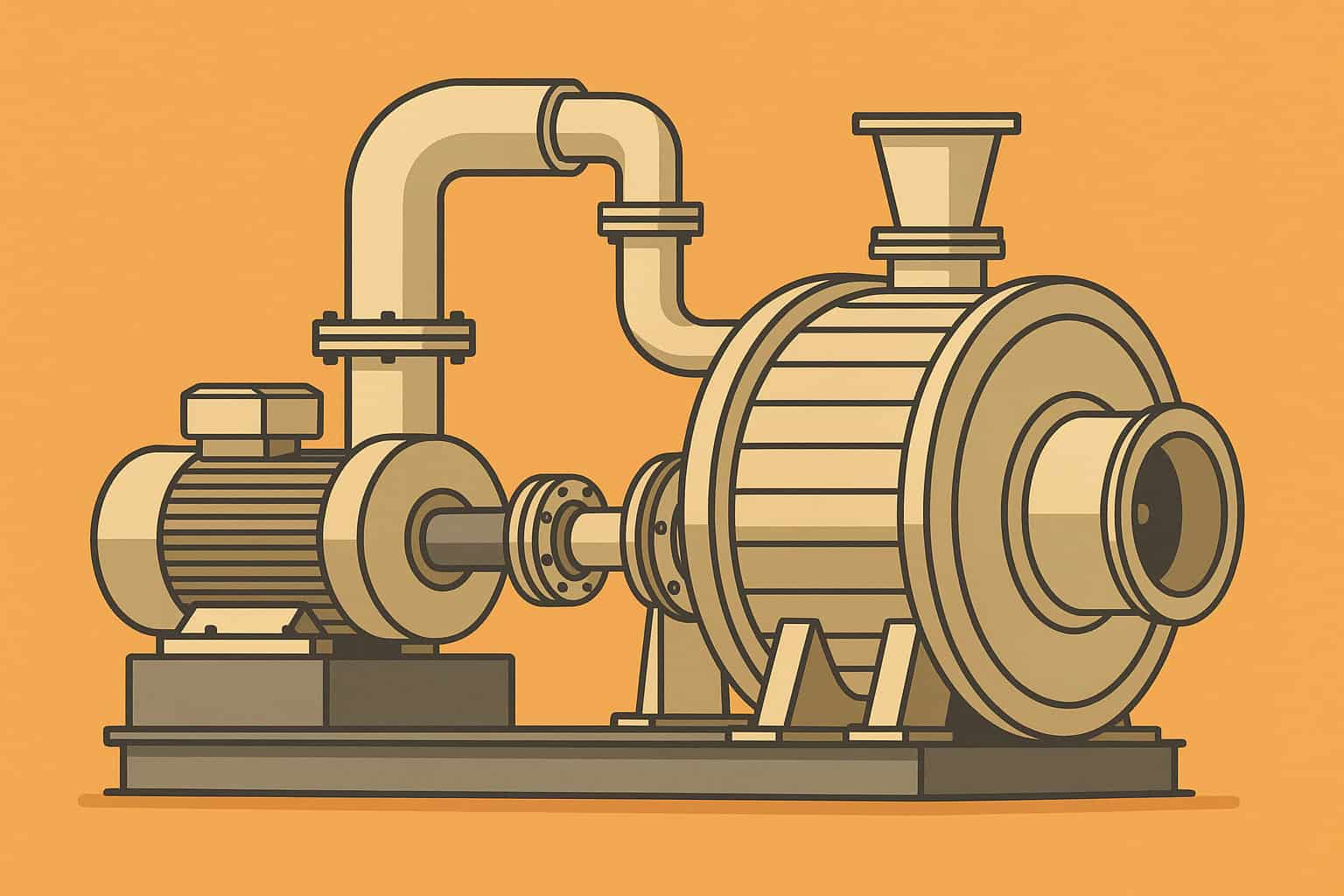
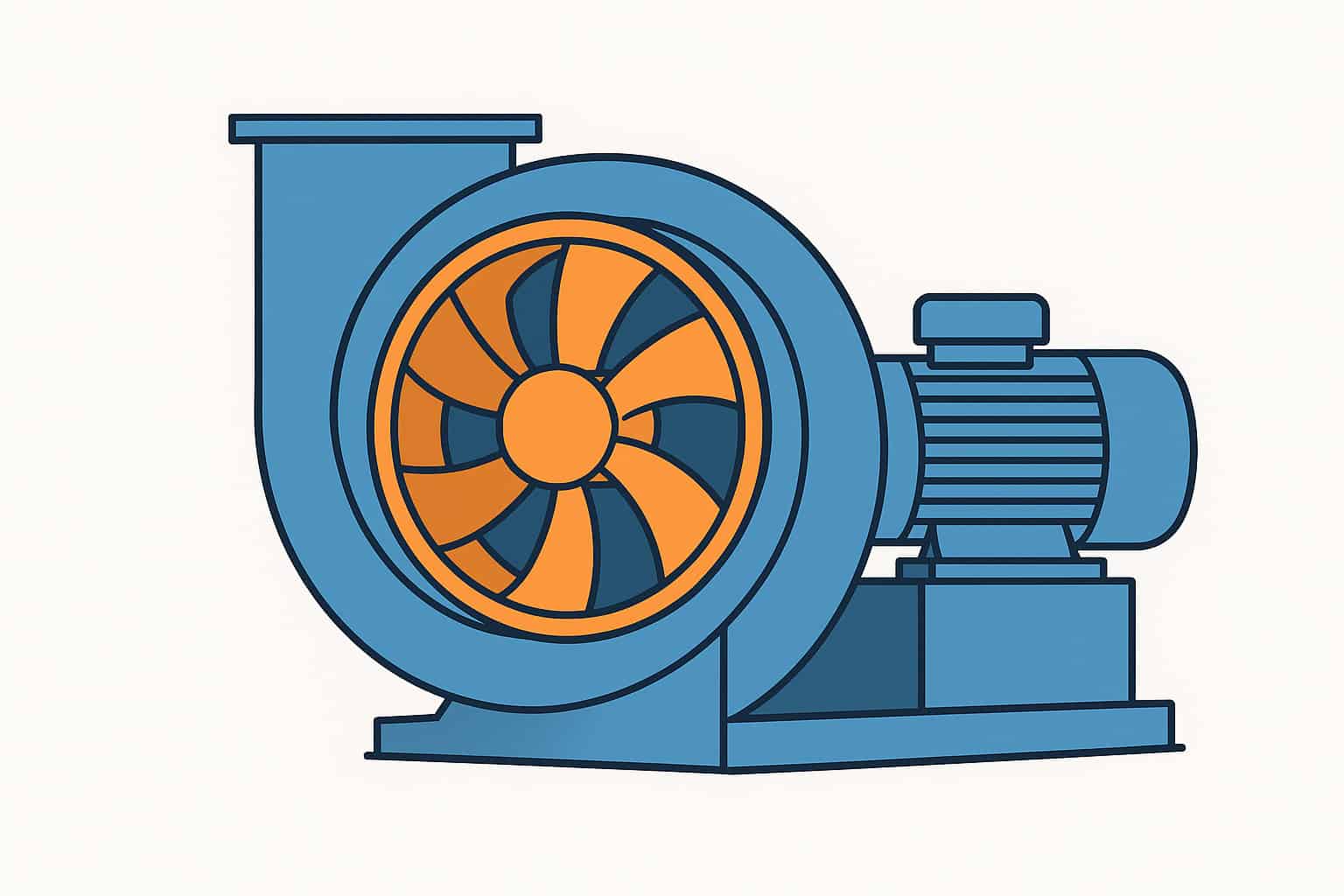
Centrifugal fans, sometimes called blowers, draw air into the centre of a rotating impeller and fling it outward by centrifugal force into a scroll casing. The flow direction changes from axial at the inlet to radial at the outlet. Centrifugal fans generally develop higher pressures than axial fans and can be better suited to systems with higher resistance, such as dust collectors, cyclones and long duct runs with many bends. Different impeller shapes, such as forward-curved, backward-curved or radial blades, allow engineers to balance efficiency, noise and ability to handle dirty or abrasive gas streams.
In practice, the choice between the two types of fans depends on pressure, flow and application. For mine main ventilation, high-volume, moderate-pressure duties often favour large vane-axial fans. For local exhaust systems removing dusty air from crushers, transfer points or baghouses, radial-blade centrifugal fans are common because they tolerate dust and generate higher pressures. In industrial plants, axial fans may be used for general building ventilation and cooling, while centrifugal fans handle process exhaust, combustion air and high-resistance filtration systems.
Although there are mixed-flow fans that blend features of both, they are still fundamentally based on axial and centrifugal principles. Understanding these two basic types of fans—axial and centrifugal—provides a solid foundation for selecting the right industrial or mining fan for each ventilation task.
