
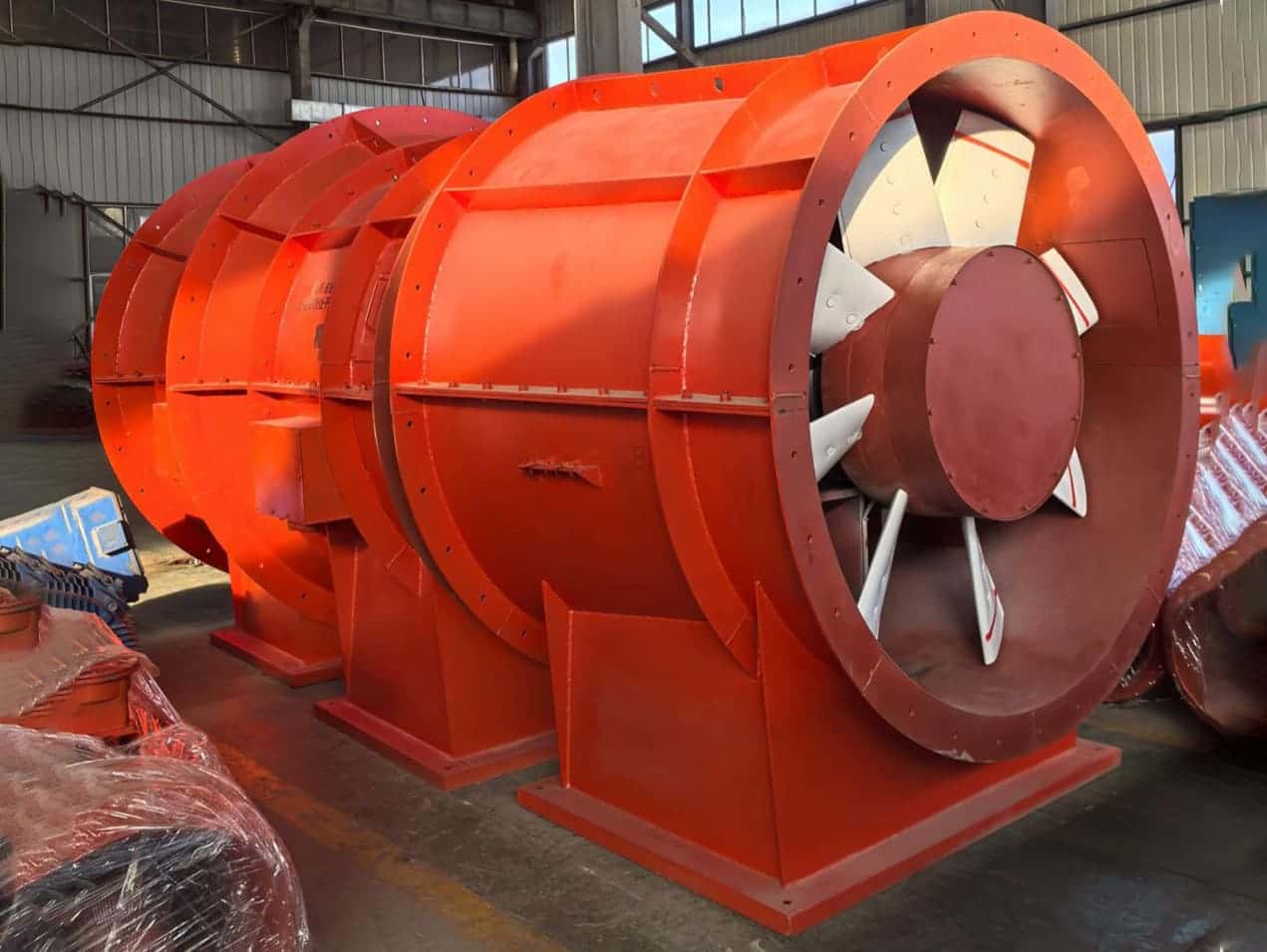
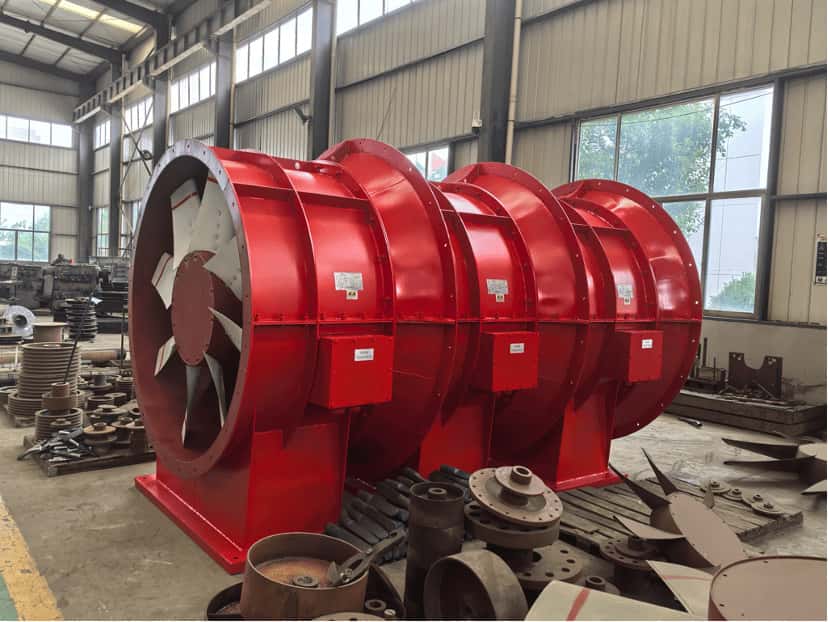
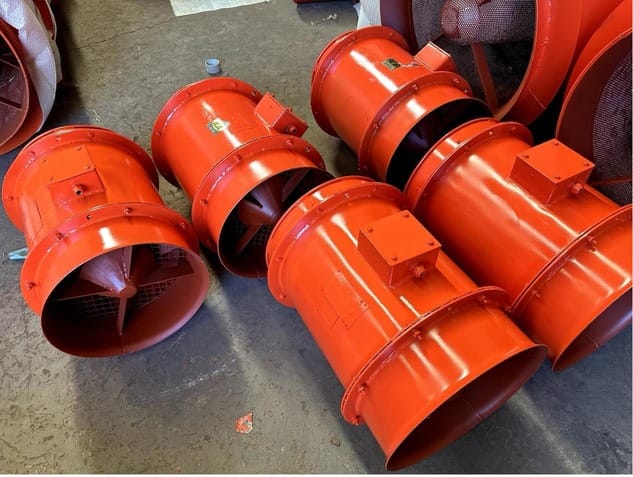
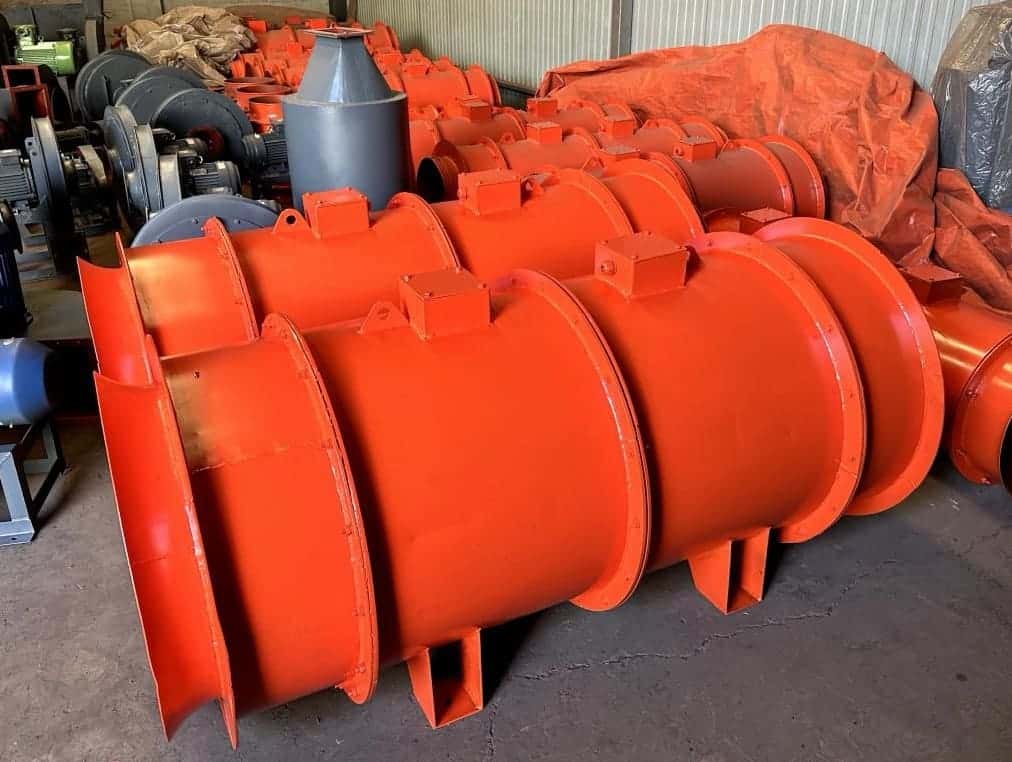
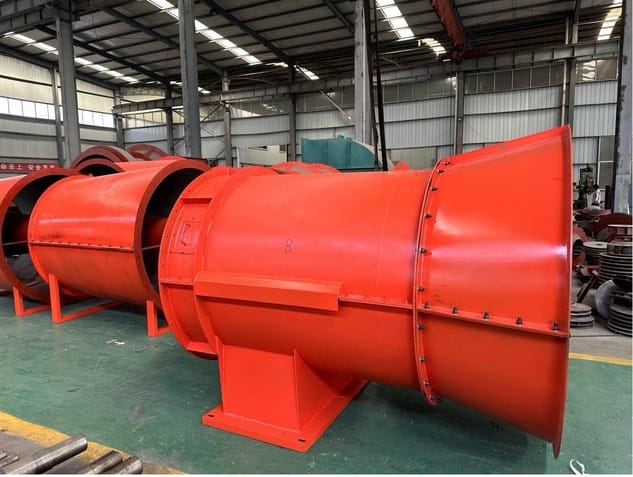
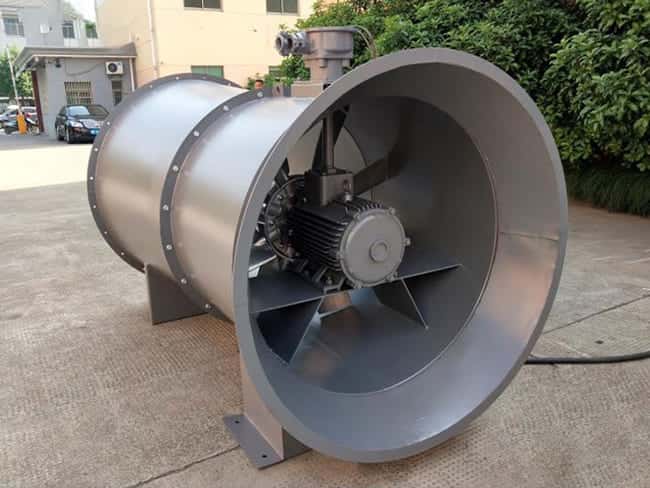
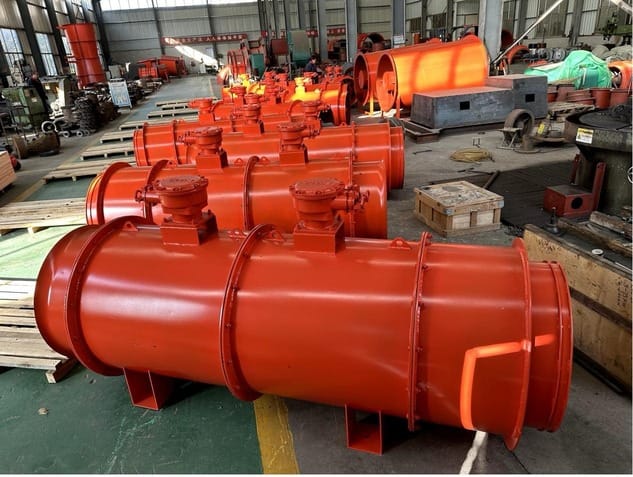
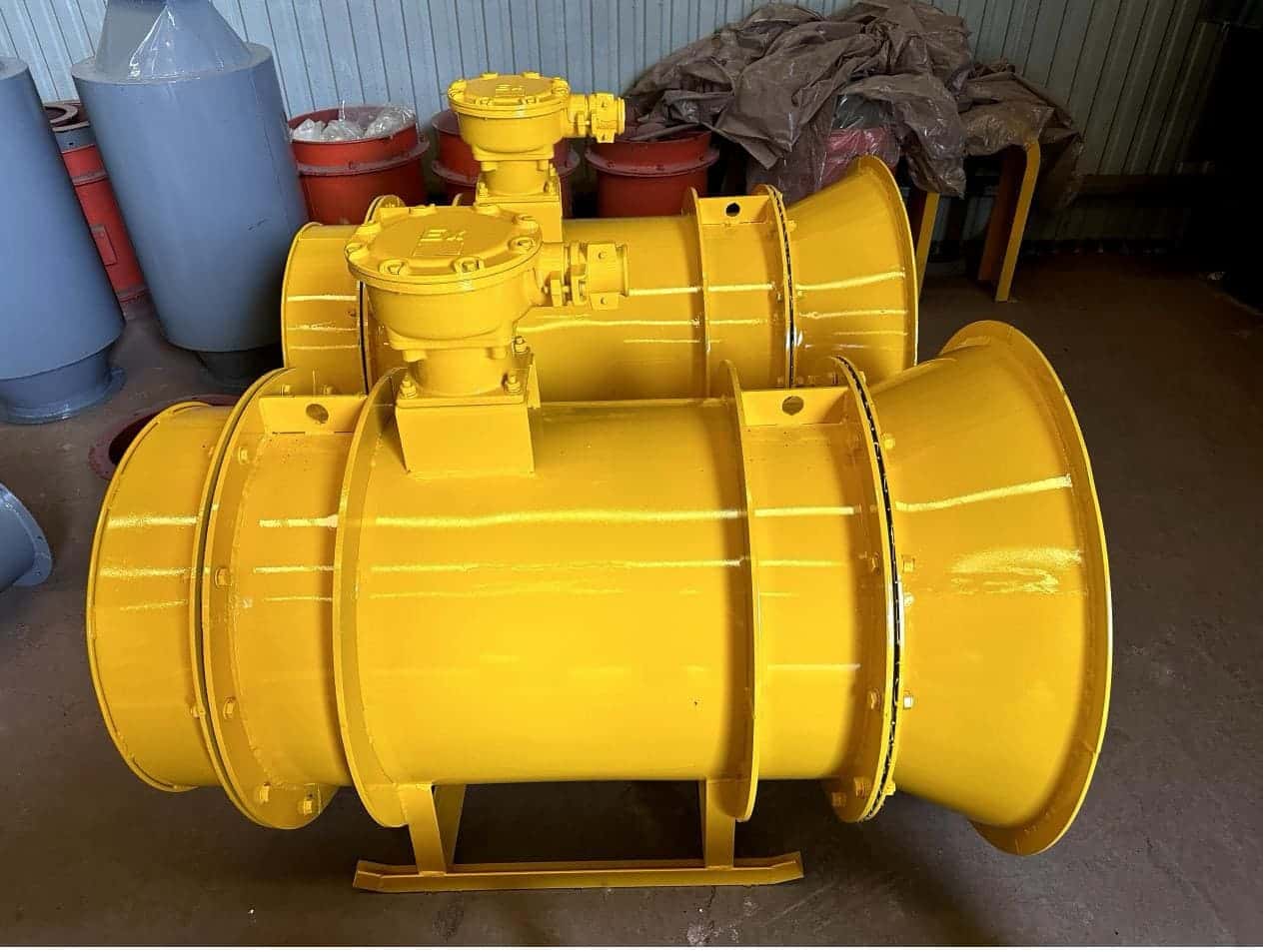






The two main types of fans used in mechanical draft cooling towers are induced draft fans and forced draft fans. Both types are usually axial flow fans, but they are positioned differently in relation to the tower and air path, which affects performance, layout and maintenance considerations.
In an induced draft cooling tower, the fan is mounted at or near the top of the tower on the discharge side of the air path. It draws air through the louvers, across the water distribution and fill, and then exhausts the moist air upwards into the atmosphere. Because the fan operates in a relatively uniform airflow at the outlet, induced draft arrangements can be more efficient and less prone to recirculation of warm, saturated exhaust air back into the inlets. Induced draft towers are widely used in power plants, petrochemical facilities and heavy industry.
In a forced draft cooling tower, the fan is installed at the air inlet, usually at the side of the tower. It pushes ambient air into the tower and across the fill, where it contacts the warm water. This arrangement often allows easier access to the fan and motor at ground level, simplifying maintenance. However, forced draft towers can be more susceptible to uneven air distribution and to exhaust air recirculation if tower placement and site aerodynamics are not carefully considered.
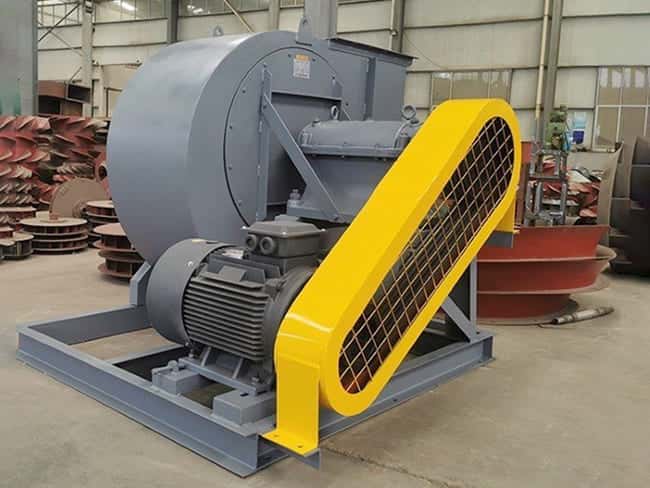
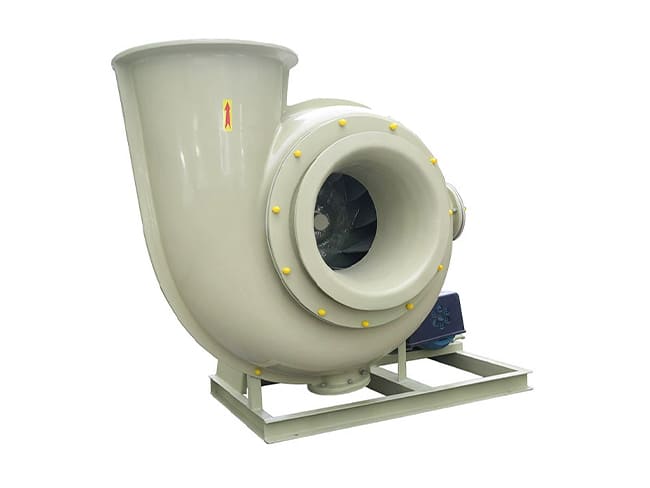
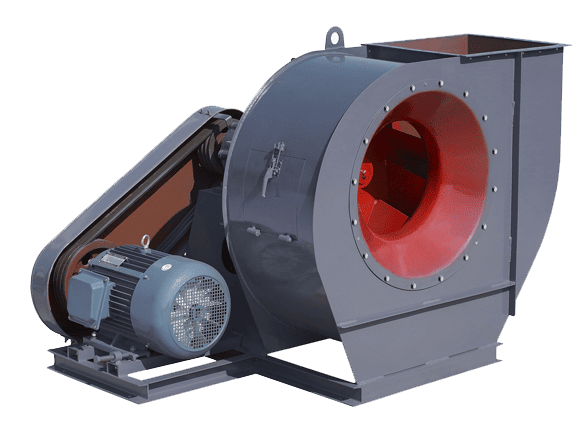
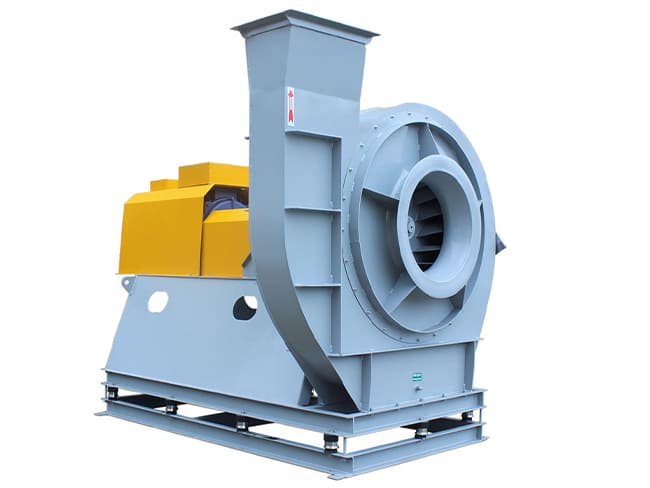
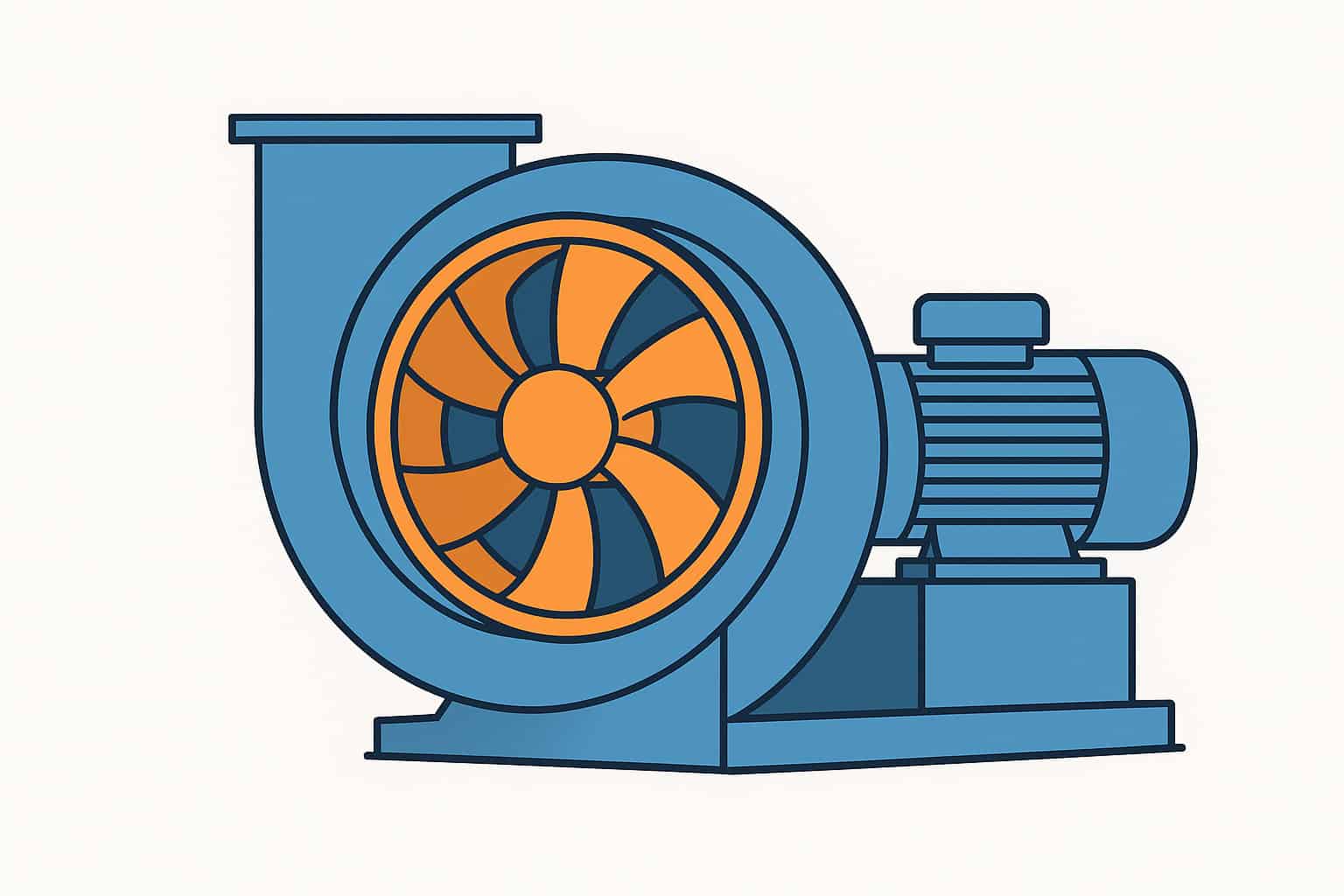
Most cooling tower fans are large axial flow units with multiple blades and adjustable pitch, allowing airflow to be fine tuned to match process demands and ambient conditions. In some compact or specialised designs, centrifugal fans may be used, particularly where higher pressure is needed or space constraints favour a different layout. Regardless of type, cooling tower fans must be designed to handle moist air, possible drift droplets and the corrosive effects of water treatment chemicals.
From a ventilation standpoint, both induced draft and forced draft fans serve the same basic function: they move a controlled quantity of air through the tower so that heat is transferred from warm process water to the atmosphere. The choice between the two depends on plant layout, noise and plume constraints, access for maintenance and energy efficiency considerations.
In summary, the two principal types of fans in cooling towers are induced draft fans, which pull air through the tower from the top, and forced draft fans, which push air into the tower at the inlet. Both are usually axial fans engineered for continuous, high volume operation in a demanding wet environment.