
Ventilation for coal mines is especially critical because of methane and dust explosion risks, so coal operations use carefully designed ventilation systems. Different types of ventilation for coal mines can be described in terms of overall layouts for longwall or room and pillar workings, and in terms of primary and auxiliary ventilation arrangements that together keep gas and dust under control.
For longwall coal mines, several classic ventilation layouts are widely used. A common arrangement is the U type system, where air flows in along one roadway, crosses the longwall face and returns along the other roadway, forming a U shaped path. This layout is simple and easy to manage. Y type systems split the flow so that a portion of intake air bypasses the longwall face while the rest ventilates the face directly. This can reduce the amount of methane and dust passing along the main return. W type or other multi split systems can be used where multiple faces or districts must be ventilated from shared intakes and returns.
In room and pillar coal mines, ventilation is often described as progressive, retreating or panel ventilation. Air is led into each panel through intake entries, flows past working places and returns through separate return entries. Regulators and stoppings control how air splits between headings so that each working place receives the required quantity. As mining progresses, stoppings are moved and circuits are rebalanced to maintain safe gas concentrations.
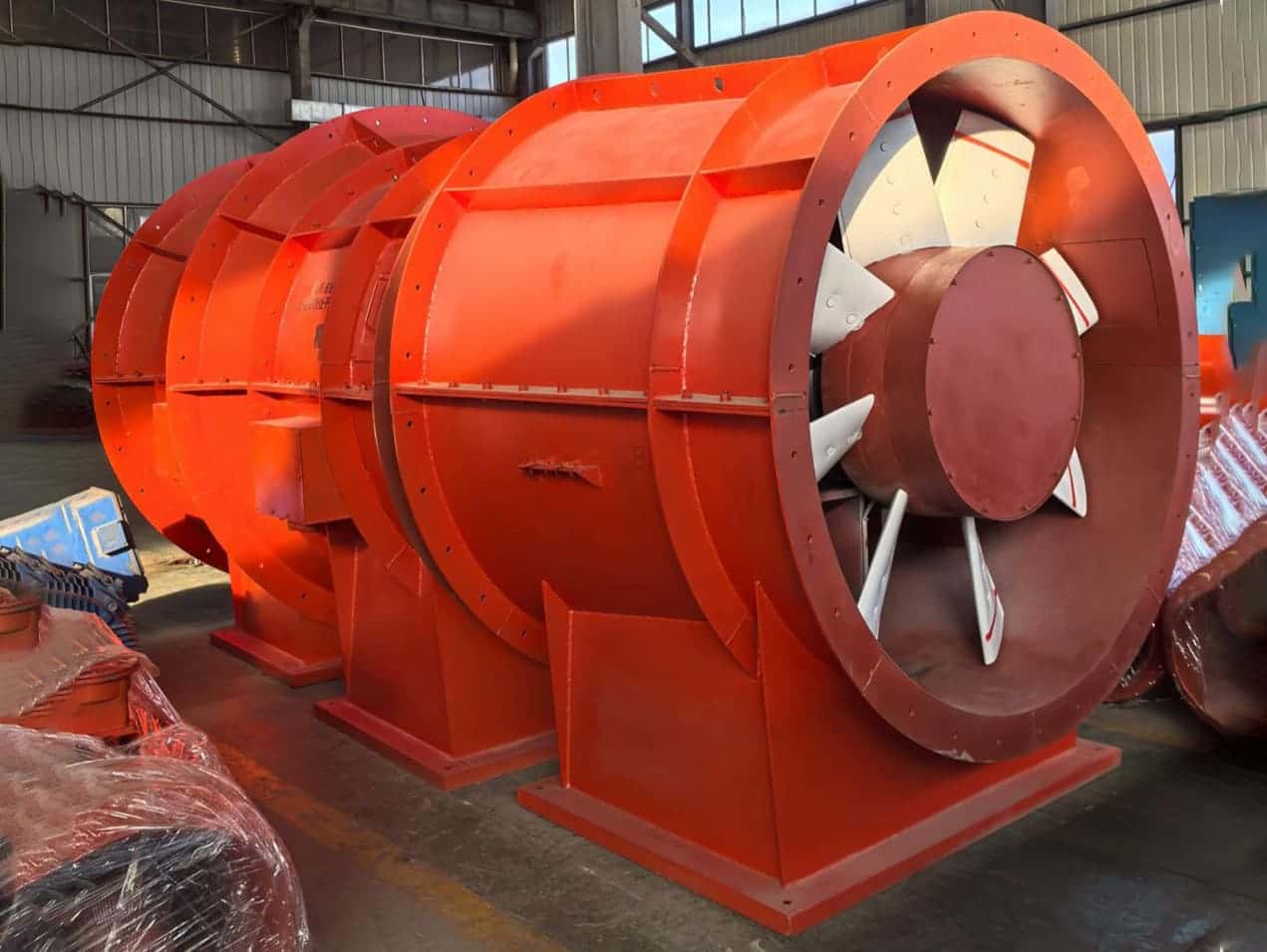
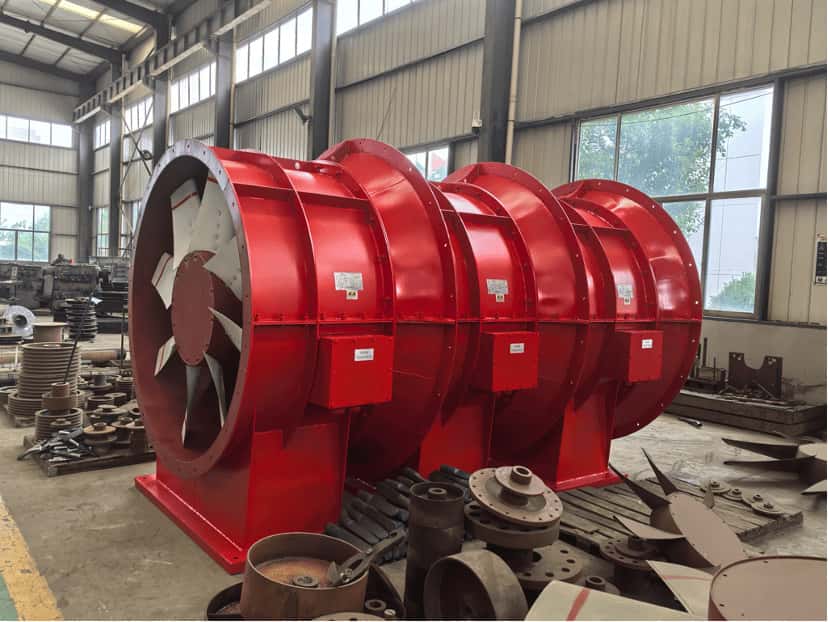
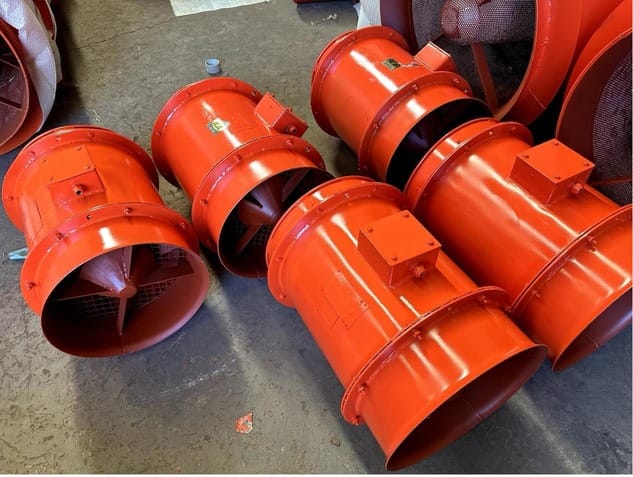
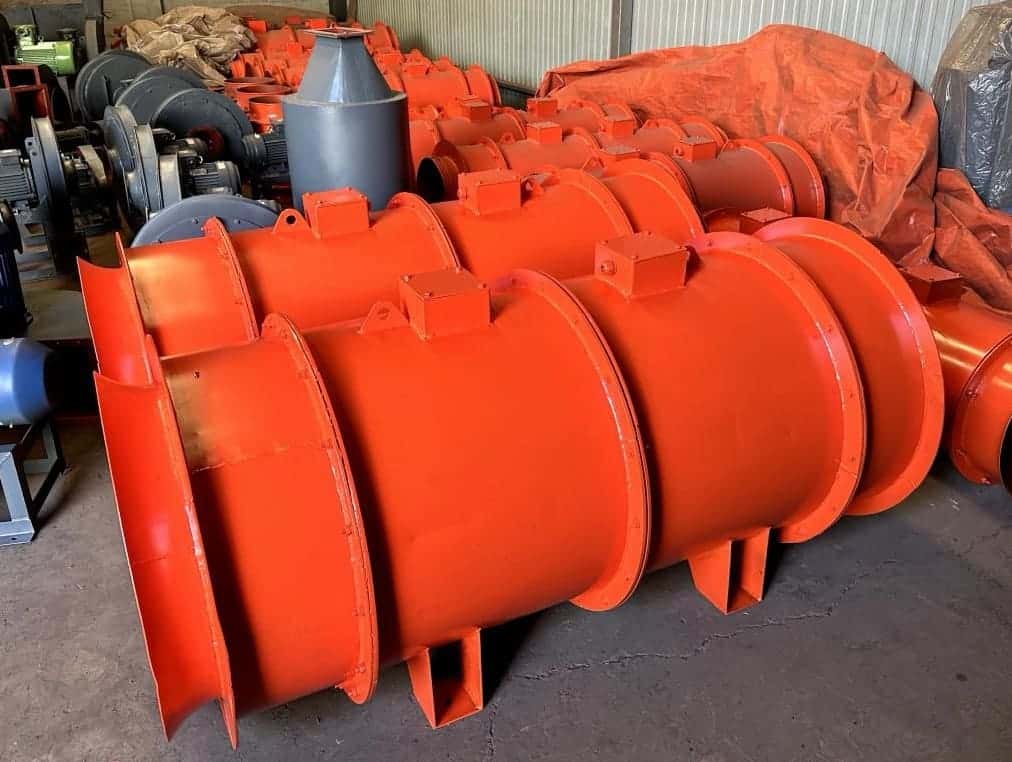
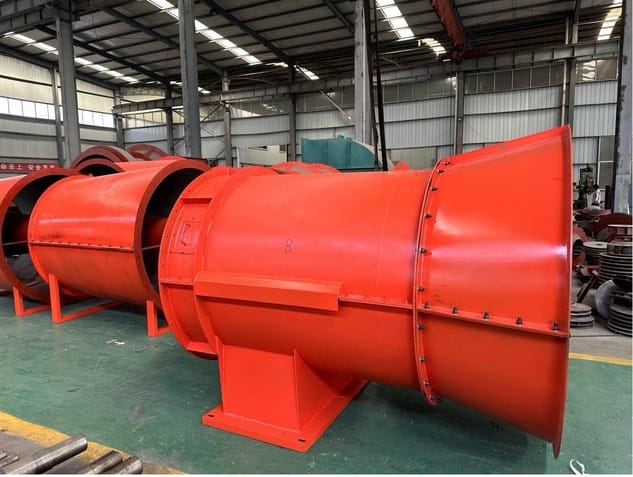
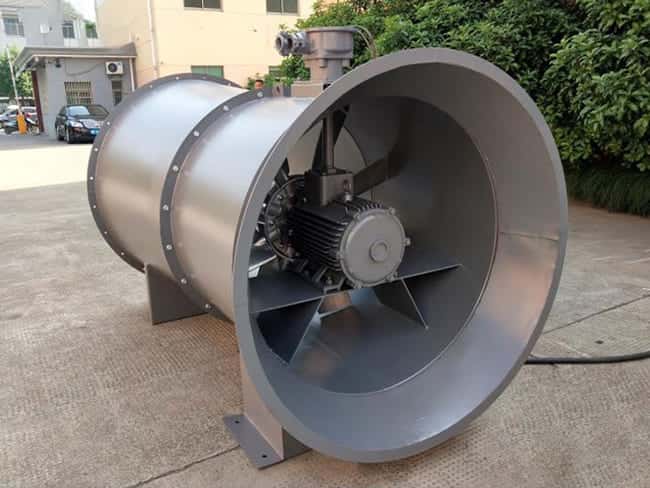
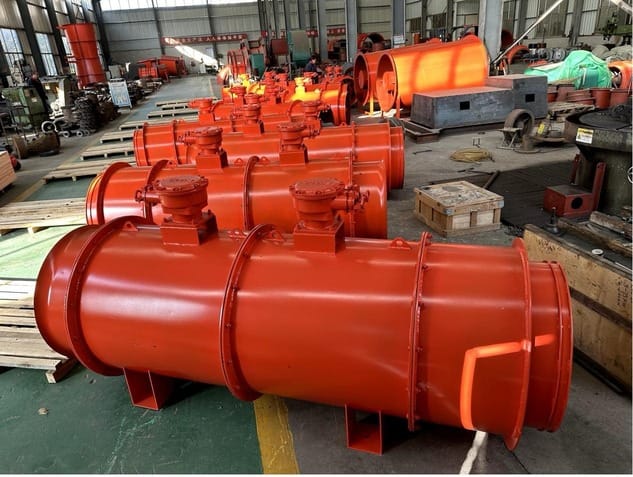
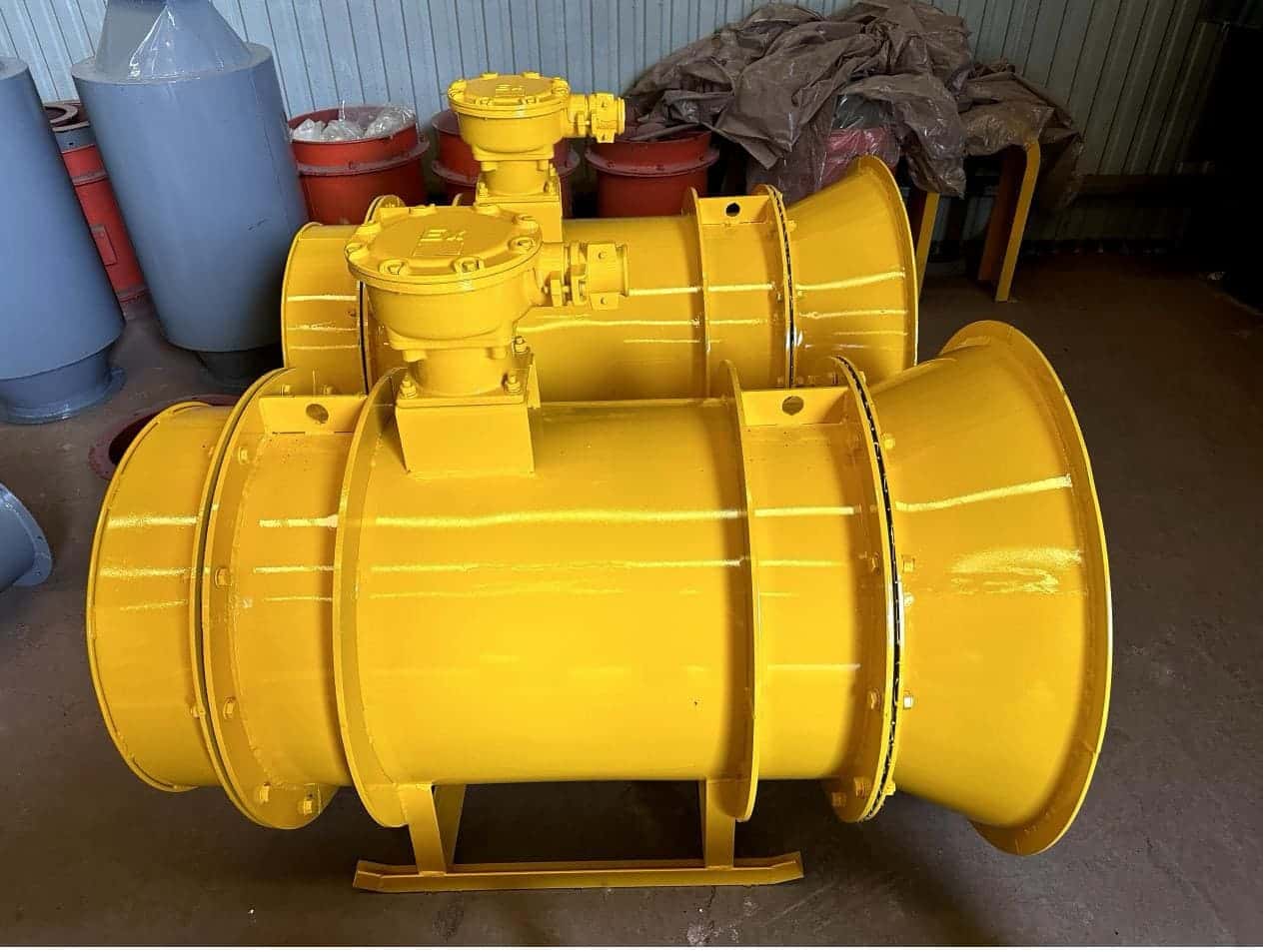
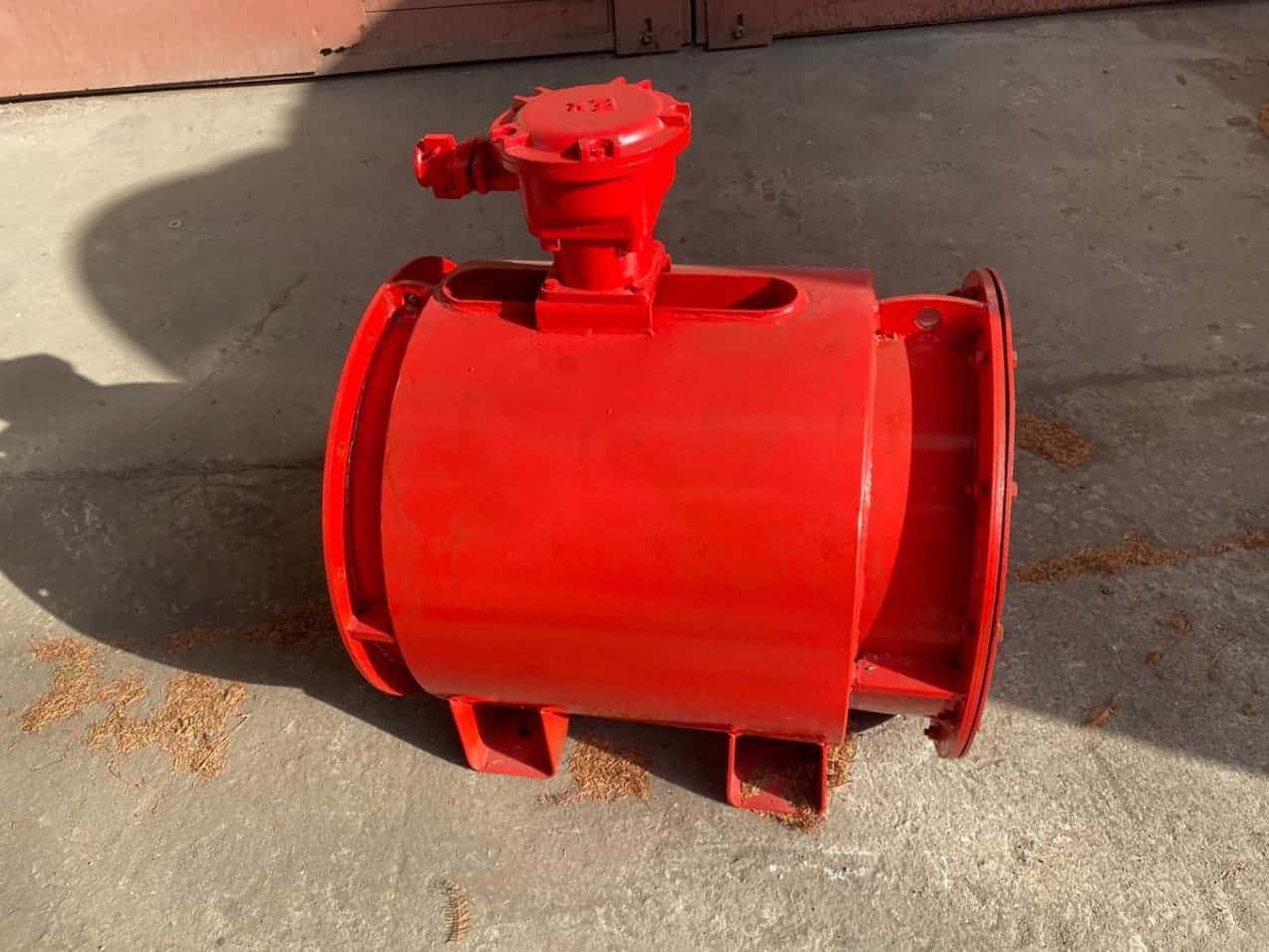
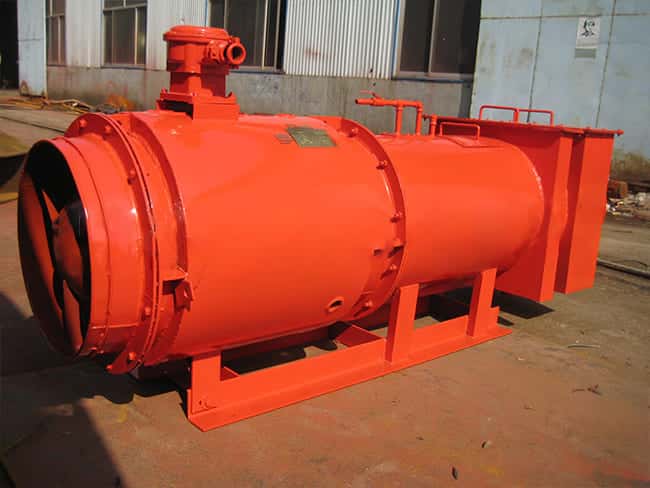
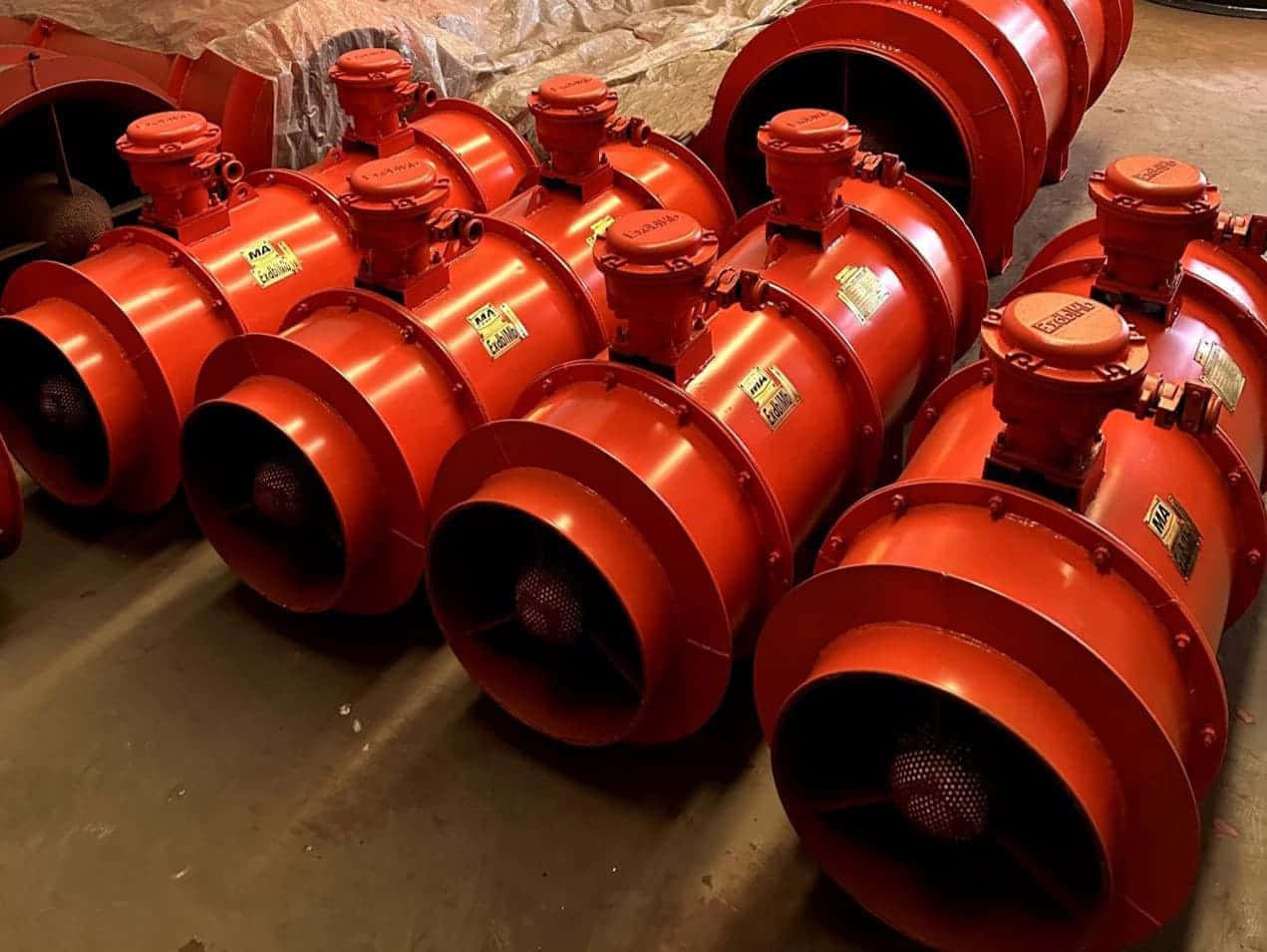
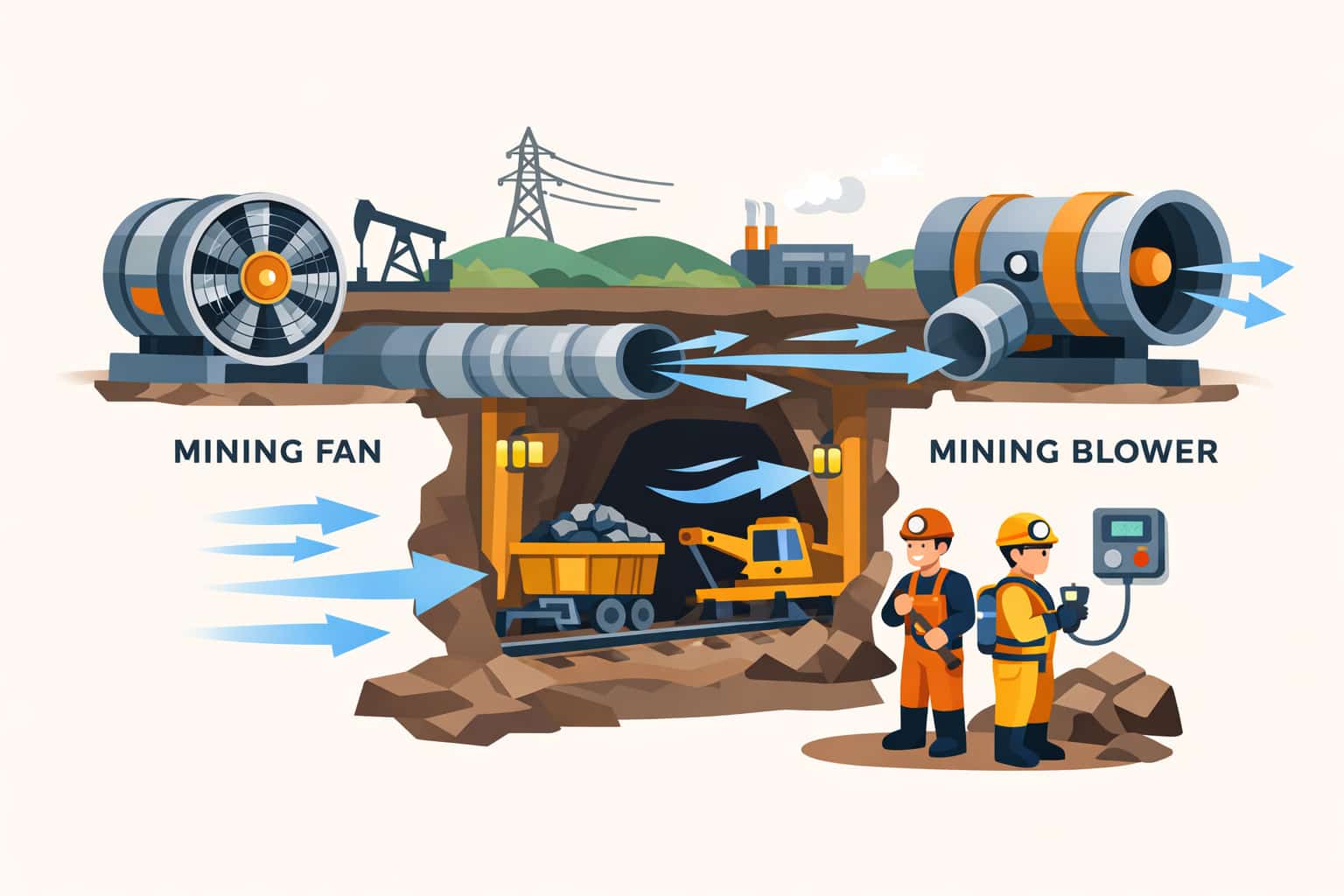
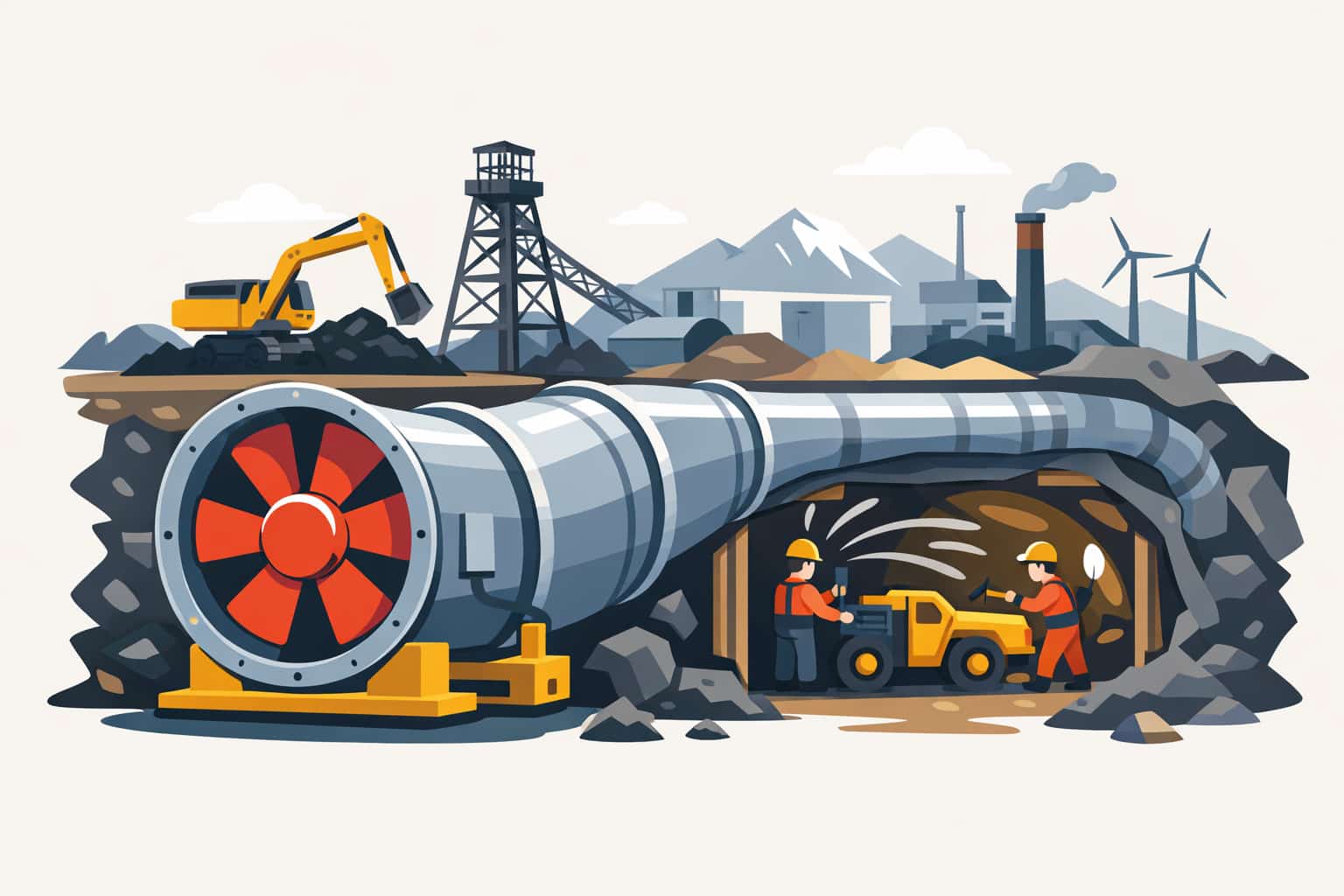
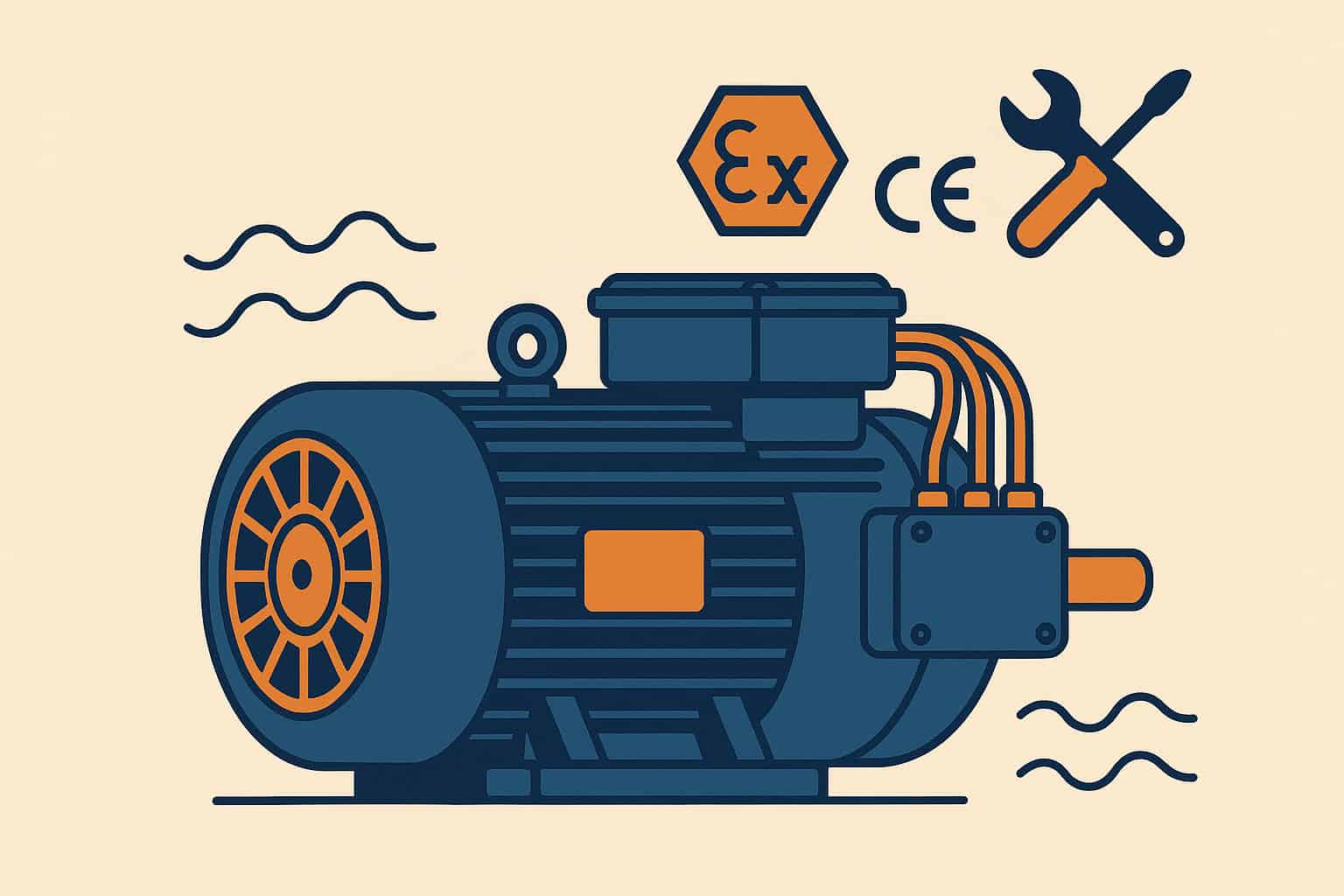
Another way to classify types of ventilation for coal mines is by primary versus auxiliary ventilation. Primary ventilation uses large main fans on shafts or slopes to move air through the main intakes and returns across the entire mine. Auxiliary ventilation uses smaller fans and ducts to deliver air to development headings, crosscuts and face ends. In coal mines, auxiliary systems must be designed very carefully to avoid leakage and recirculation, and equipment often has to meet strict explosion proof or flameproof standards.
Coal mines may also use different ventilation philosophies such as bleeder ventilation, boundary ventilation or gob ventilation to control airflow through goaf or gob areas behind longwall faces. These systems manage methane and oxidation gases released from caved coal and rock, ensuring that they are diluted and carried to returns without flowing back toward active workings.
In addition, coal mine ventilation systems can be designed as forcing, exhaust or combined systems at the mine scale. Forcing systems pressurize intakes, exhaust systems draw through returns, and many mines use a combination to optimize gas control and fan efficiency. Each type must comply with local regulations that define minimum air quantities, methane limits and dust control requirements.
In summary, types of ventilation for coal mines include U, Y and W longwall layouts, room and pillar panel systems, primary and auxiliary ventilation and specialized gob and bleeder arrangements. All are built around mine ventilation fans and airways to manage methane, dust and heat safely.