
The types of ventilation systems in mines are defined by how air is moved, how it flows through the network, and how main and auxiliary fans are combined to meet safety and production needs. While each mine has unique geology and layout, most systems can be described in terms of natural versus mechanical ventilation, forcing versus exhaust arrangements, and the way main, booster, and auxiliary ventilation are integrated.
Natural ventilation systems rely on differences in temperature and barometric pressure between surface openings to move air. In shallow or older mines with multiple shafts and adits at different elevations, natural ventilation can provide some airflow. However, it is usually not sufficient or reliable for modern mechanized mining, so natural ventilation is now mainly a supplement to mechanical systems rather than a primary solution.
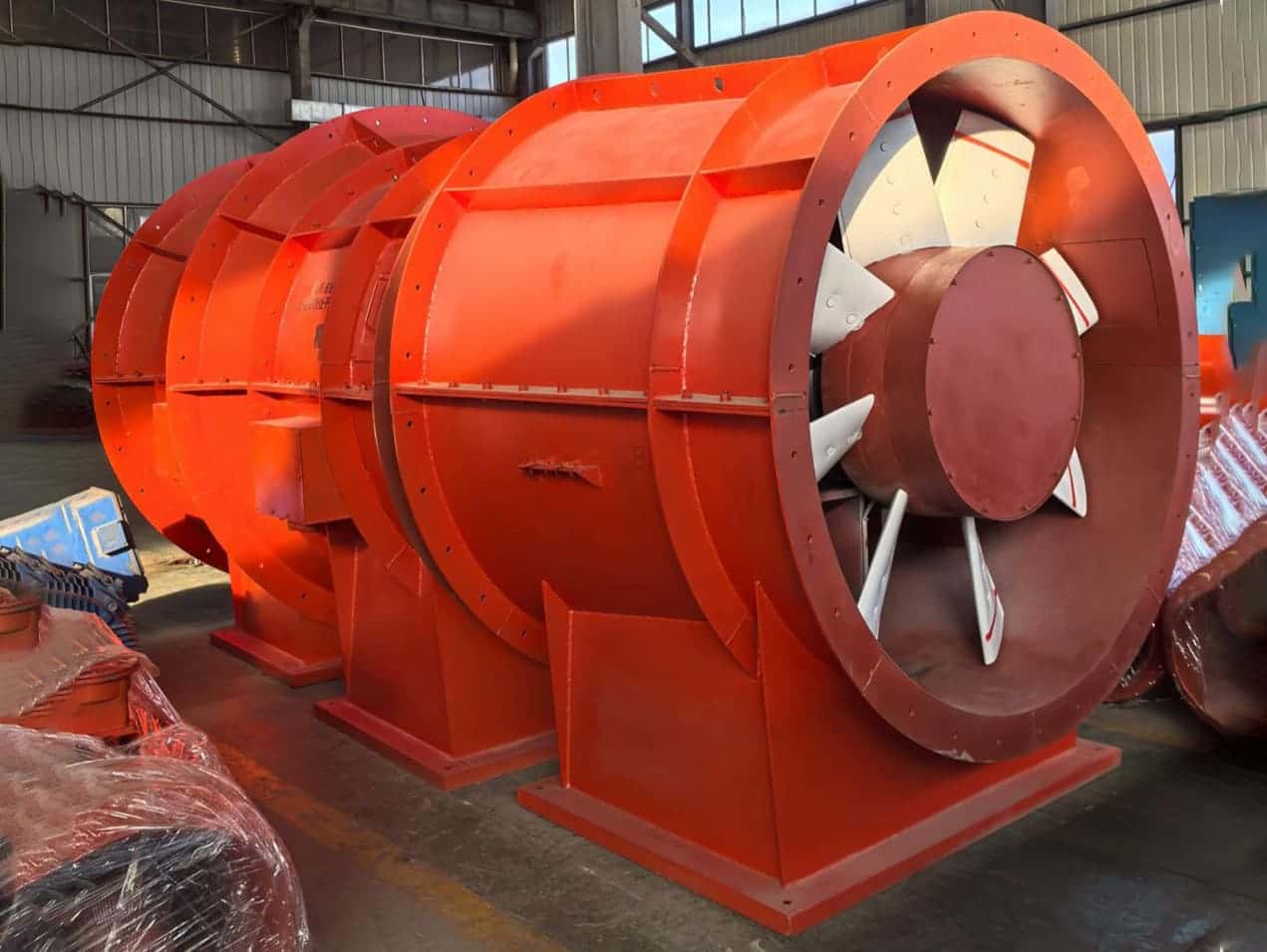
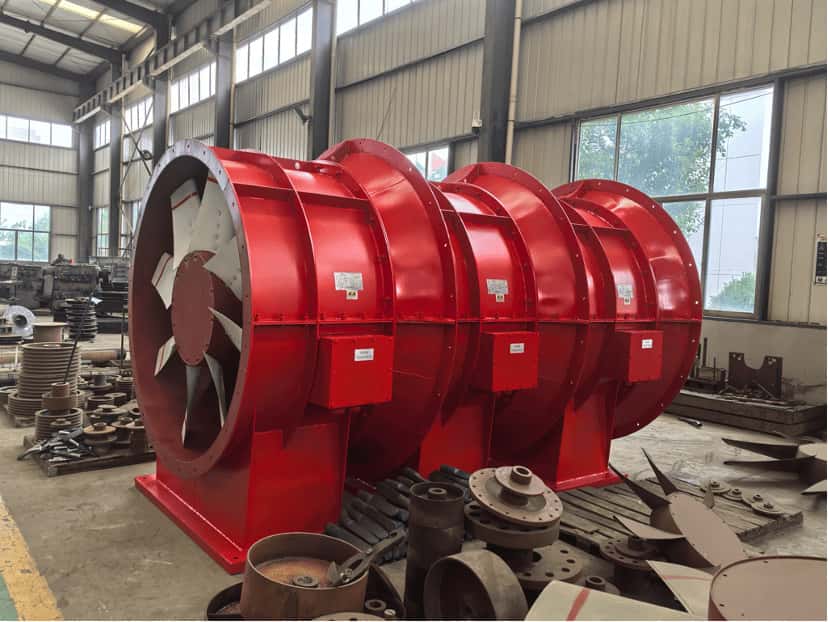
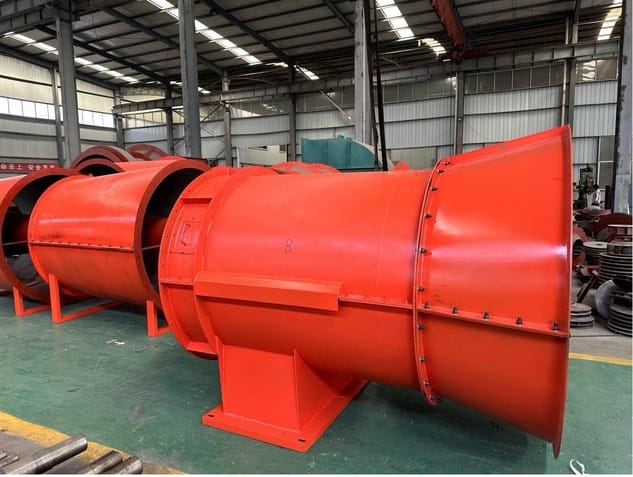
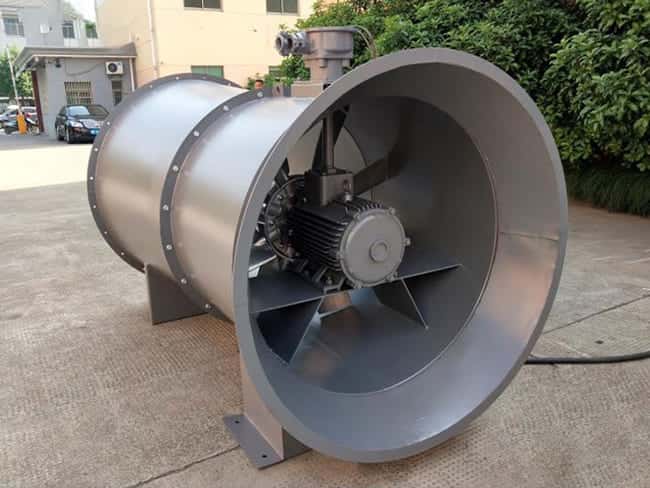
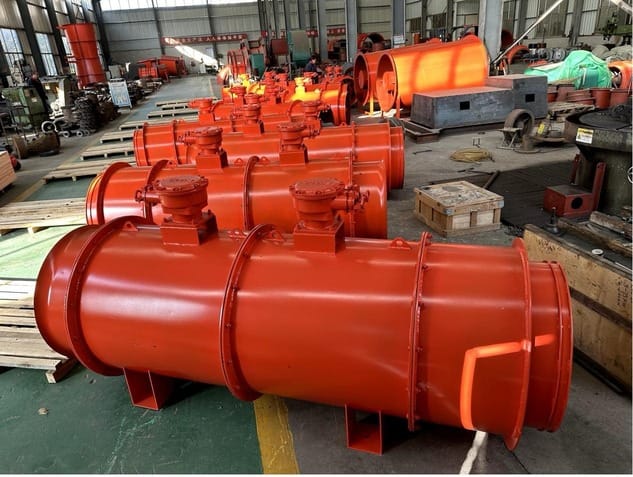
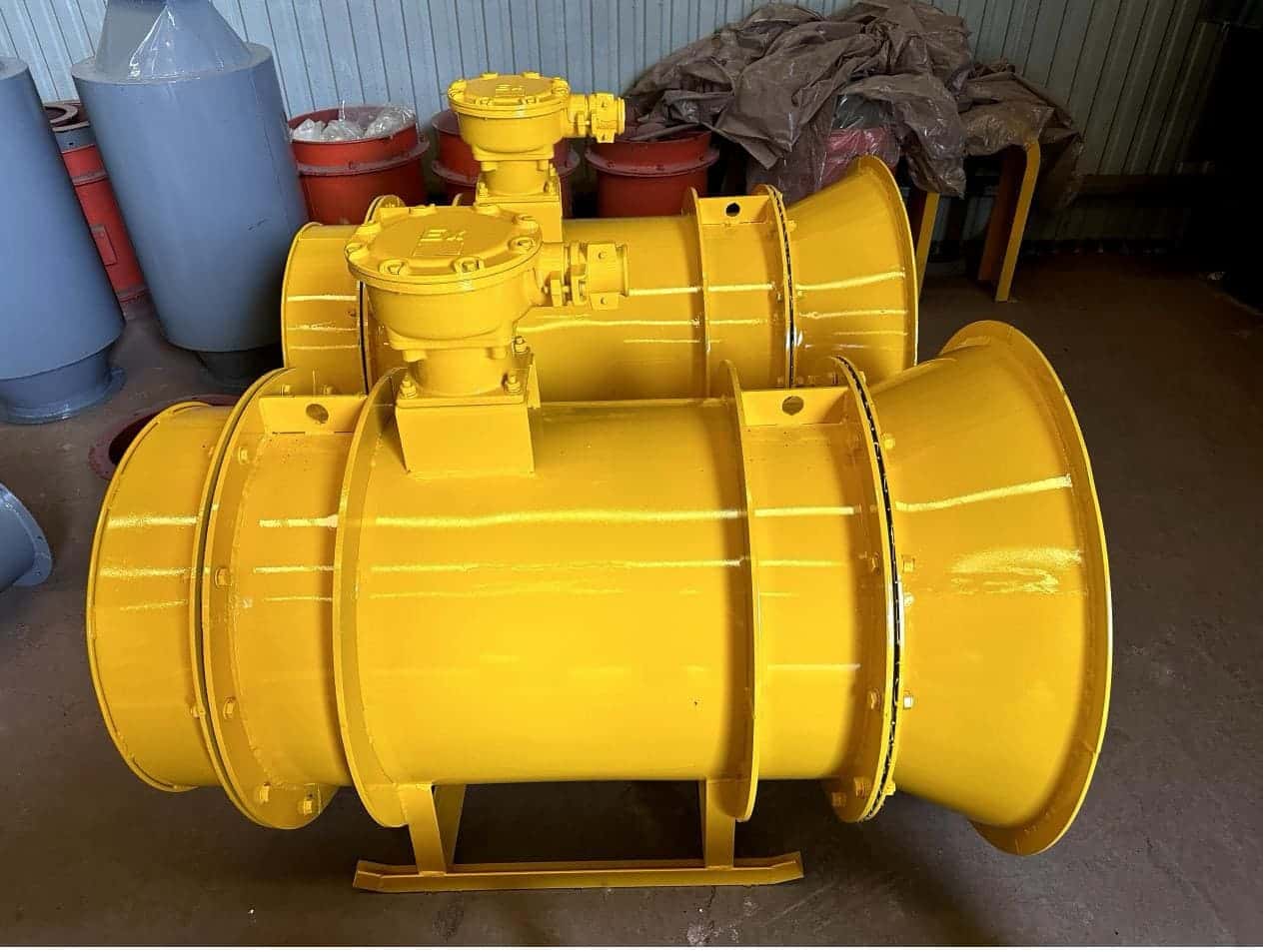
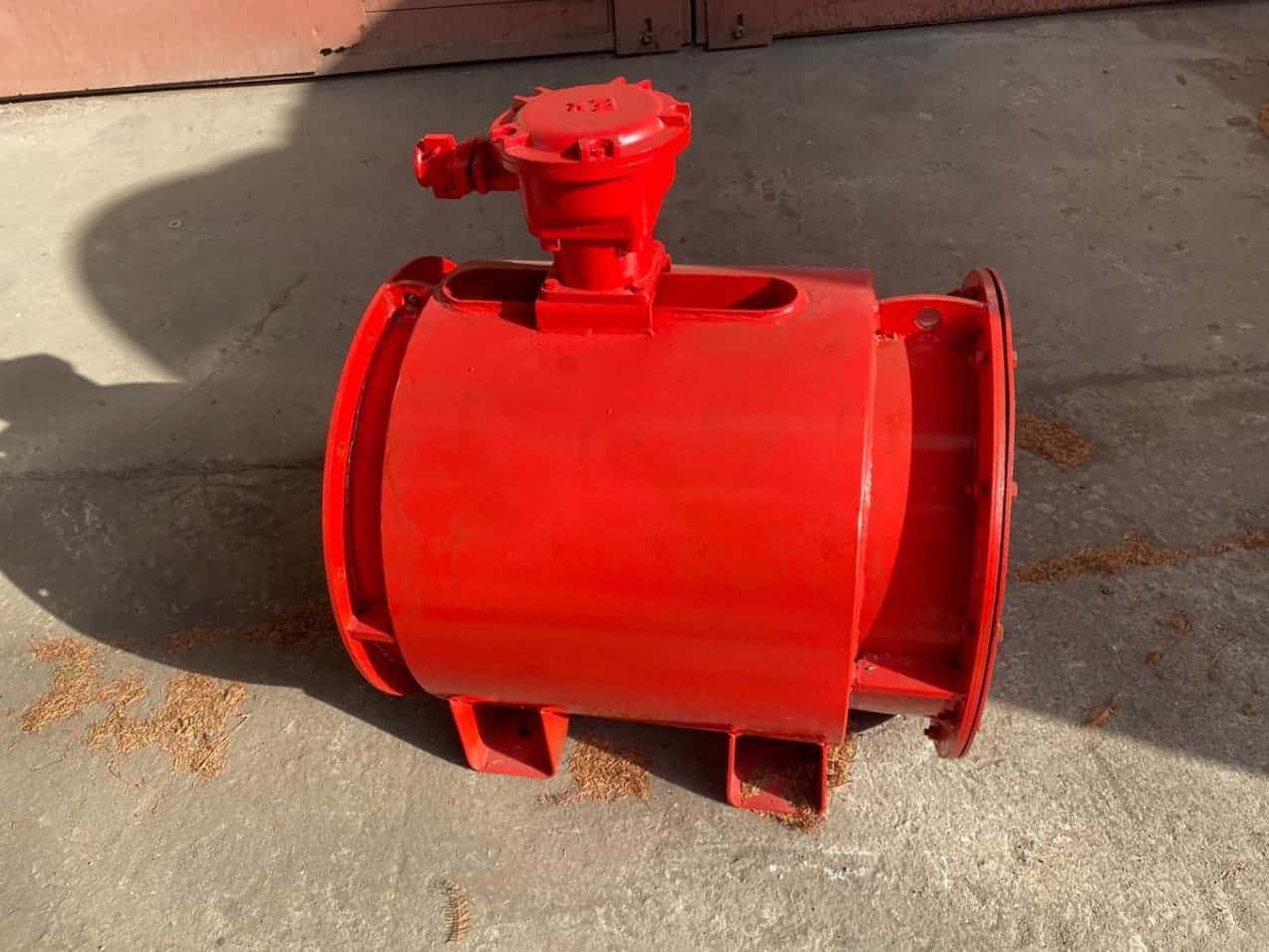
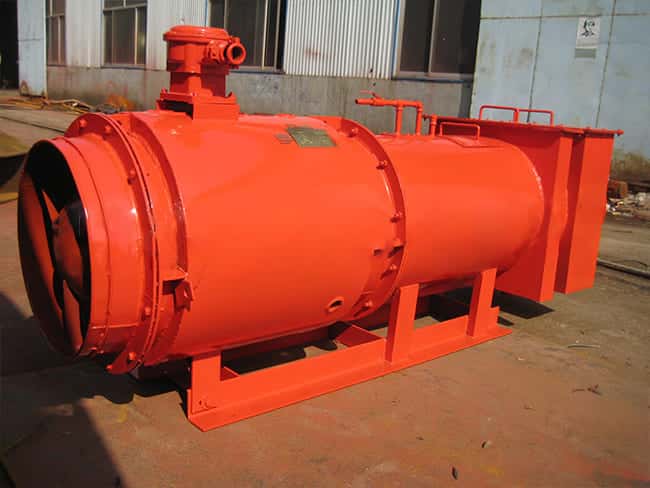
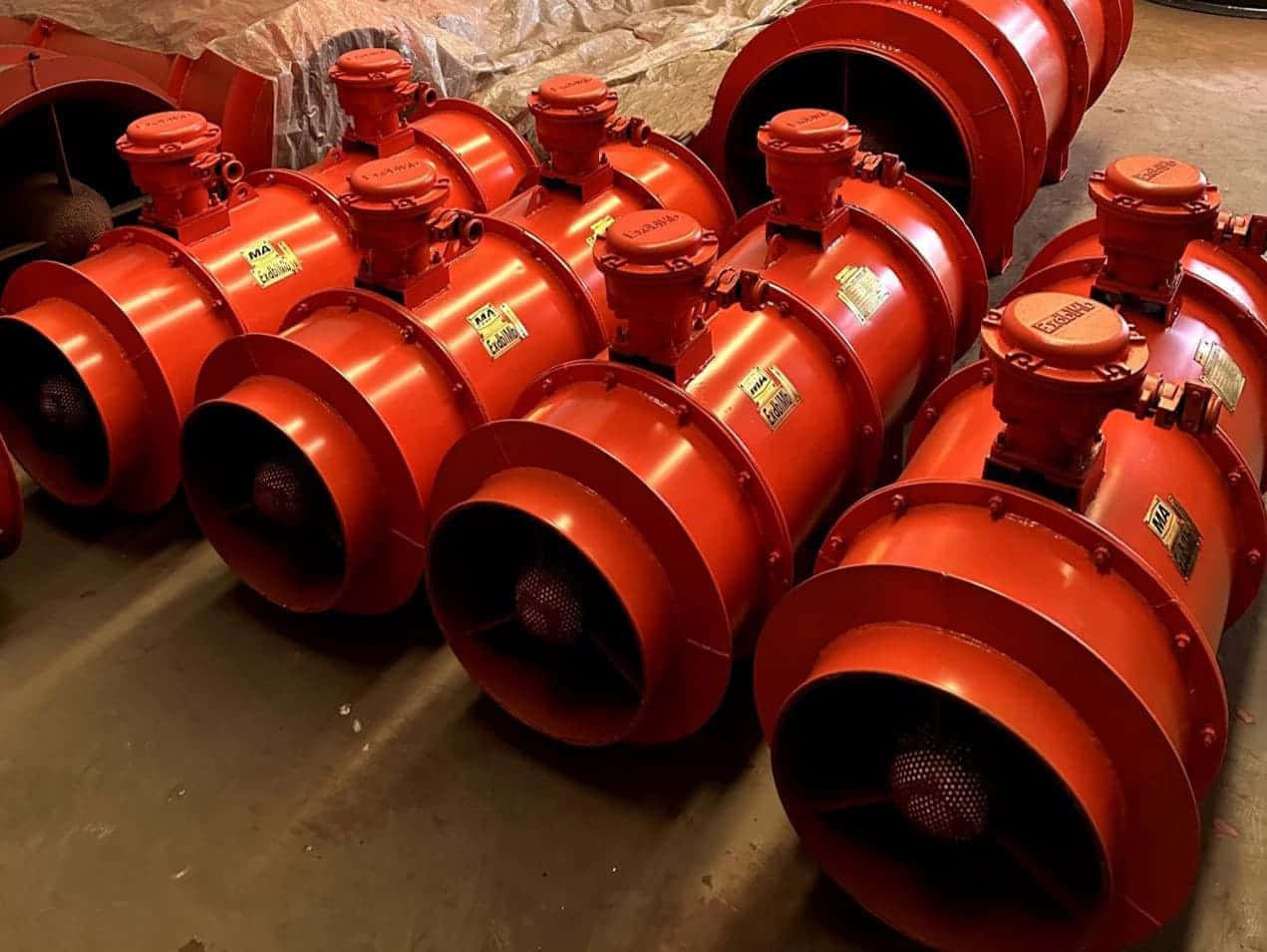
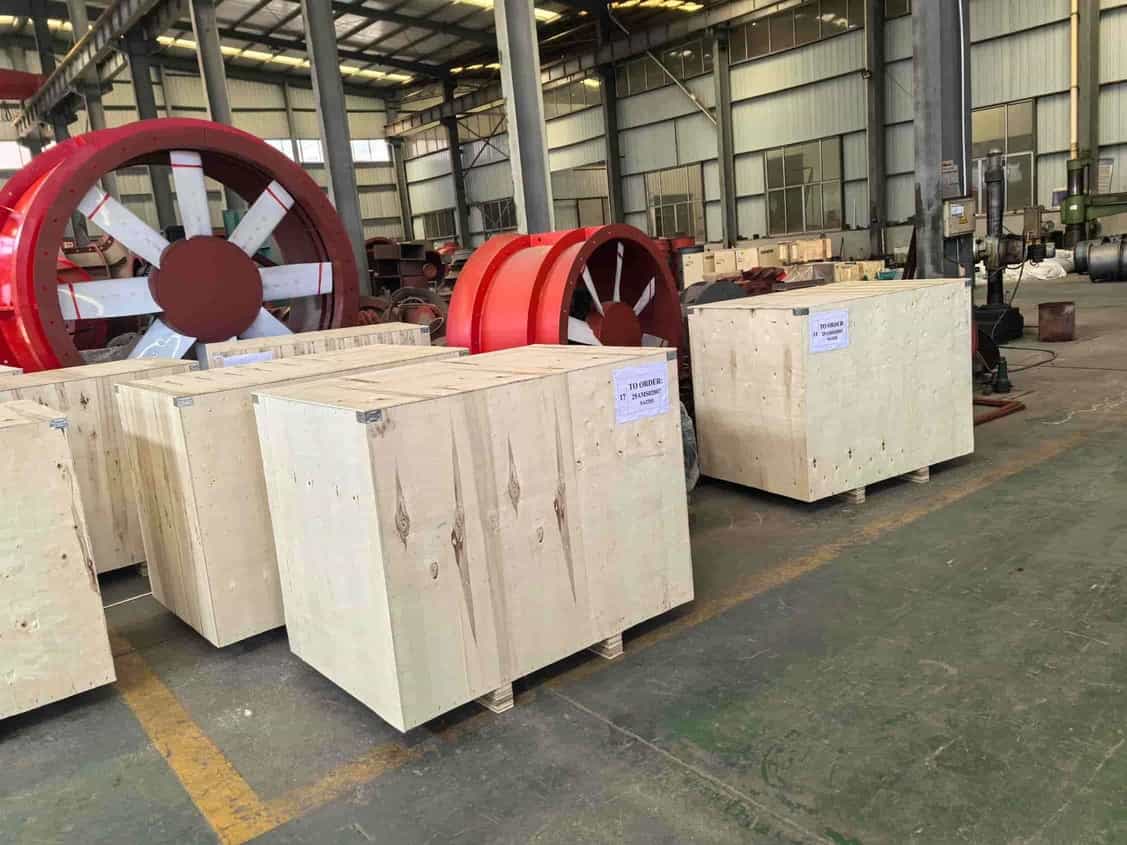
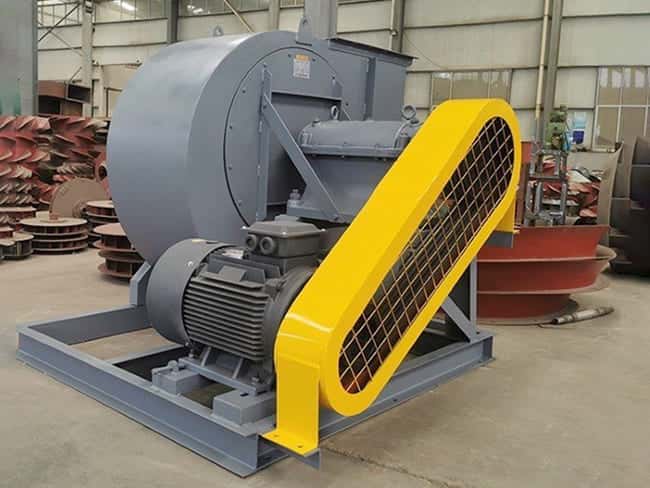
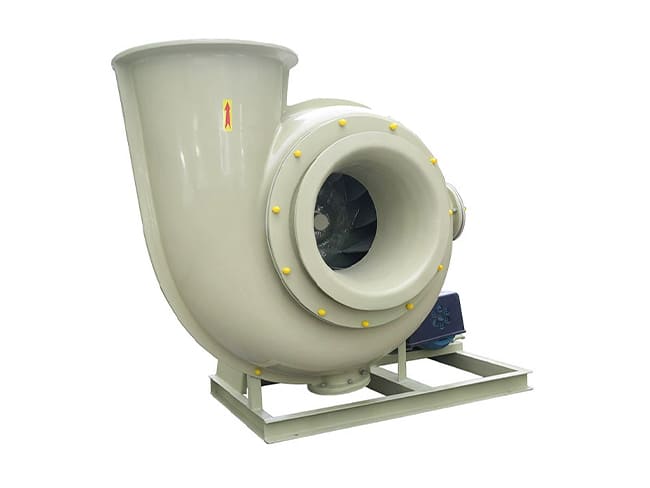
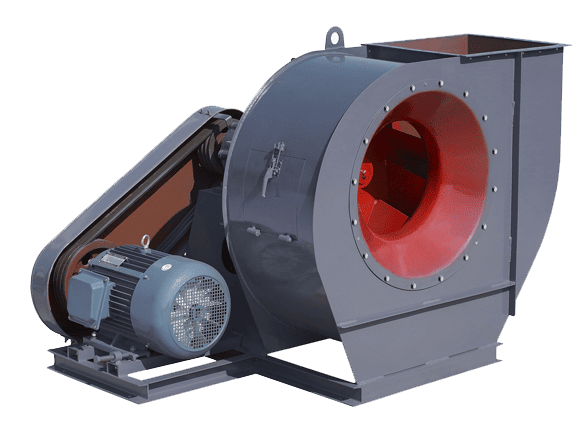
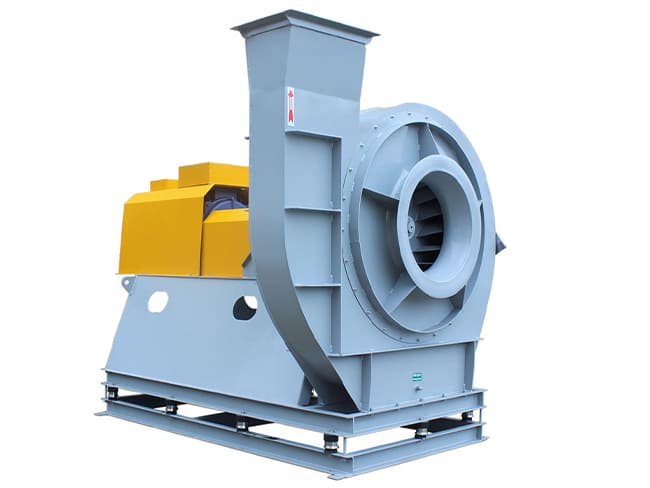
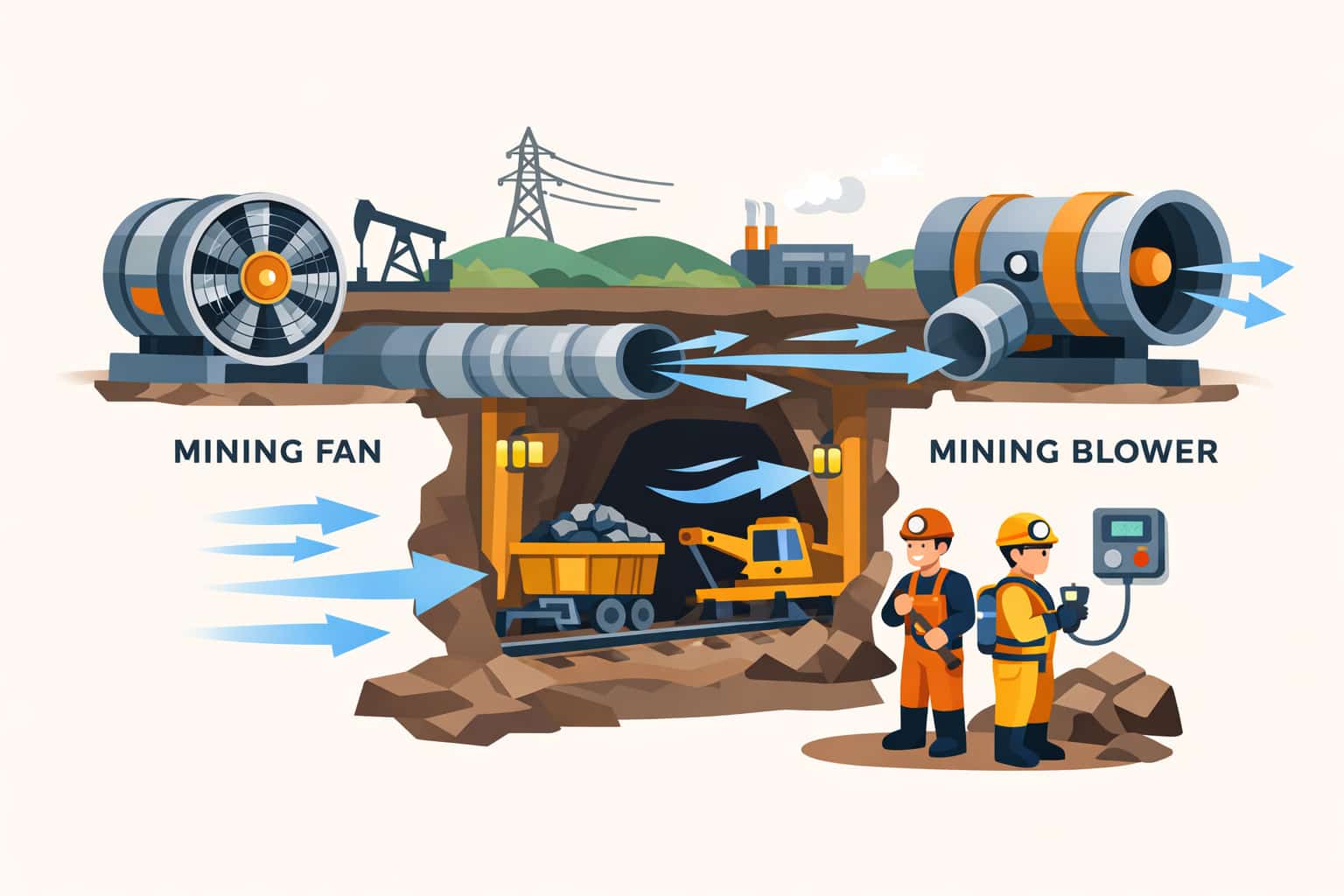
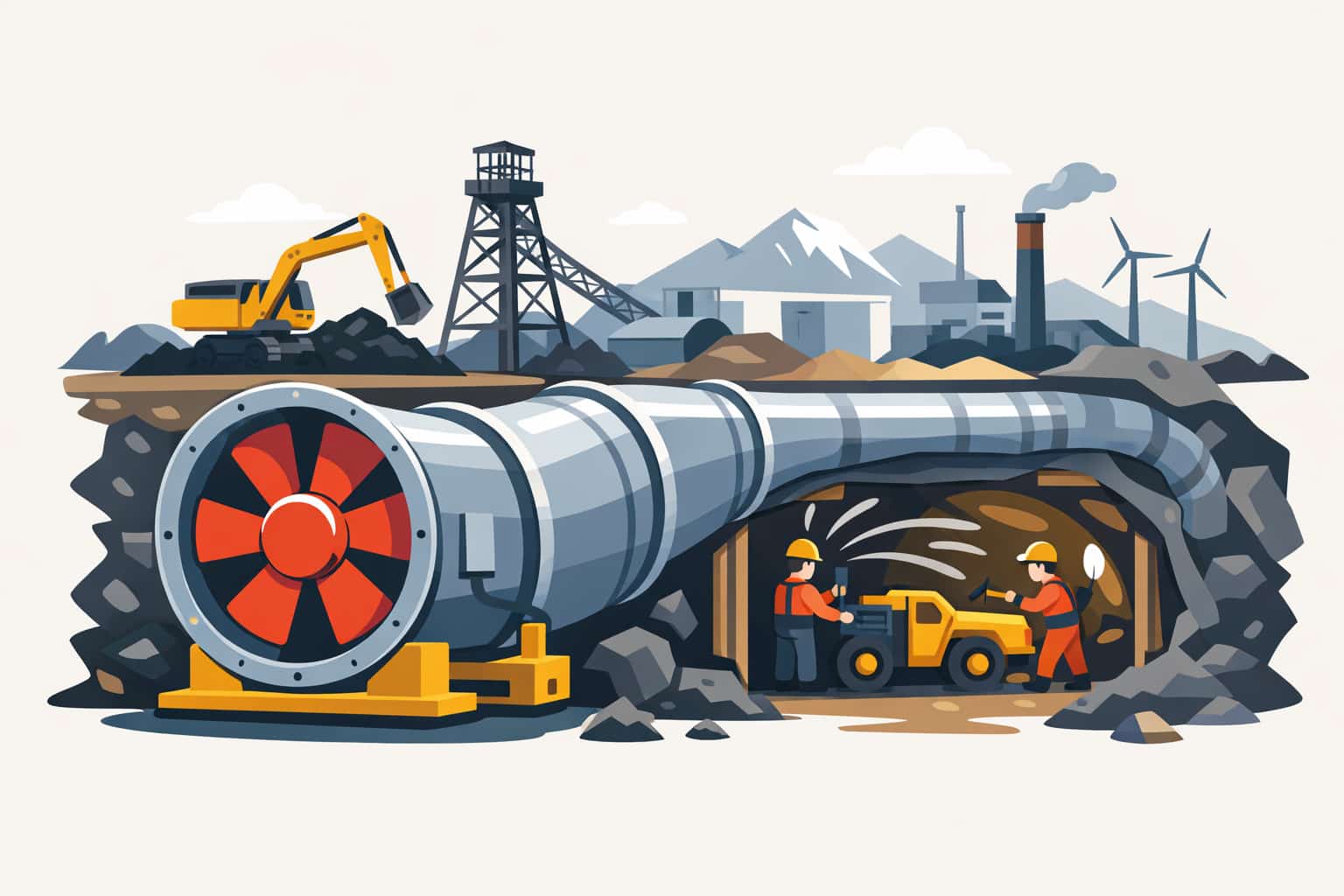
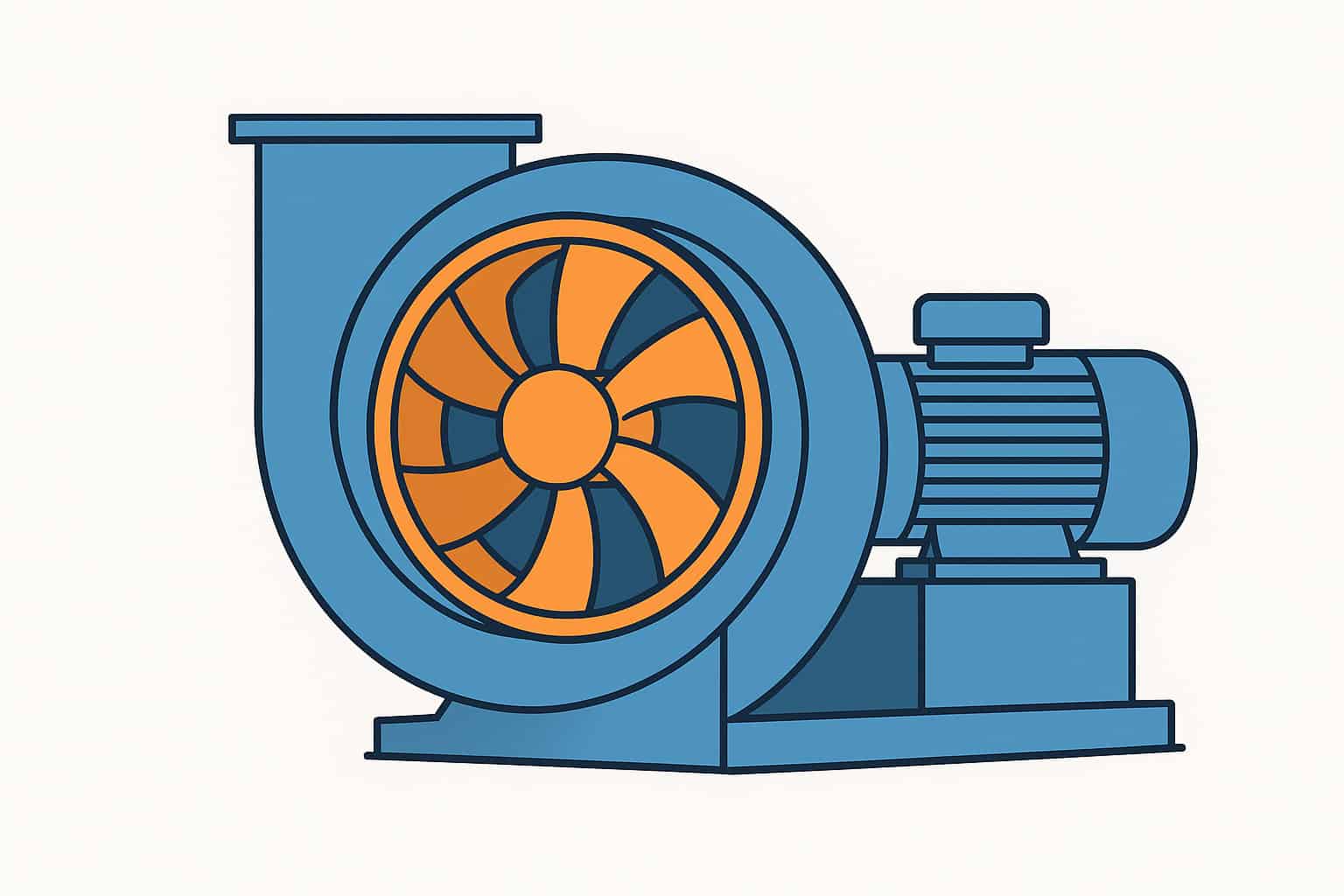
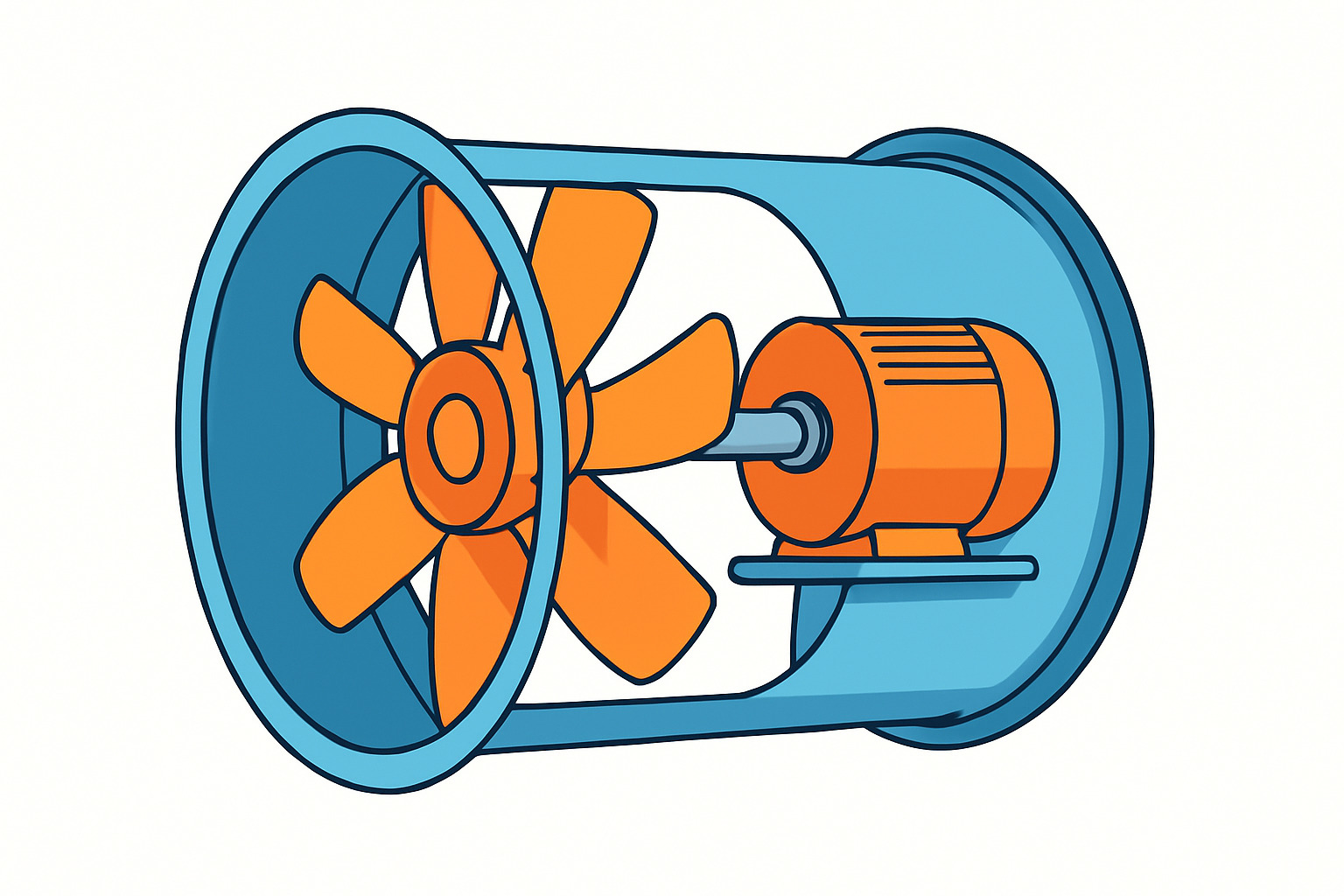
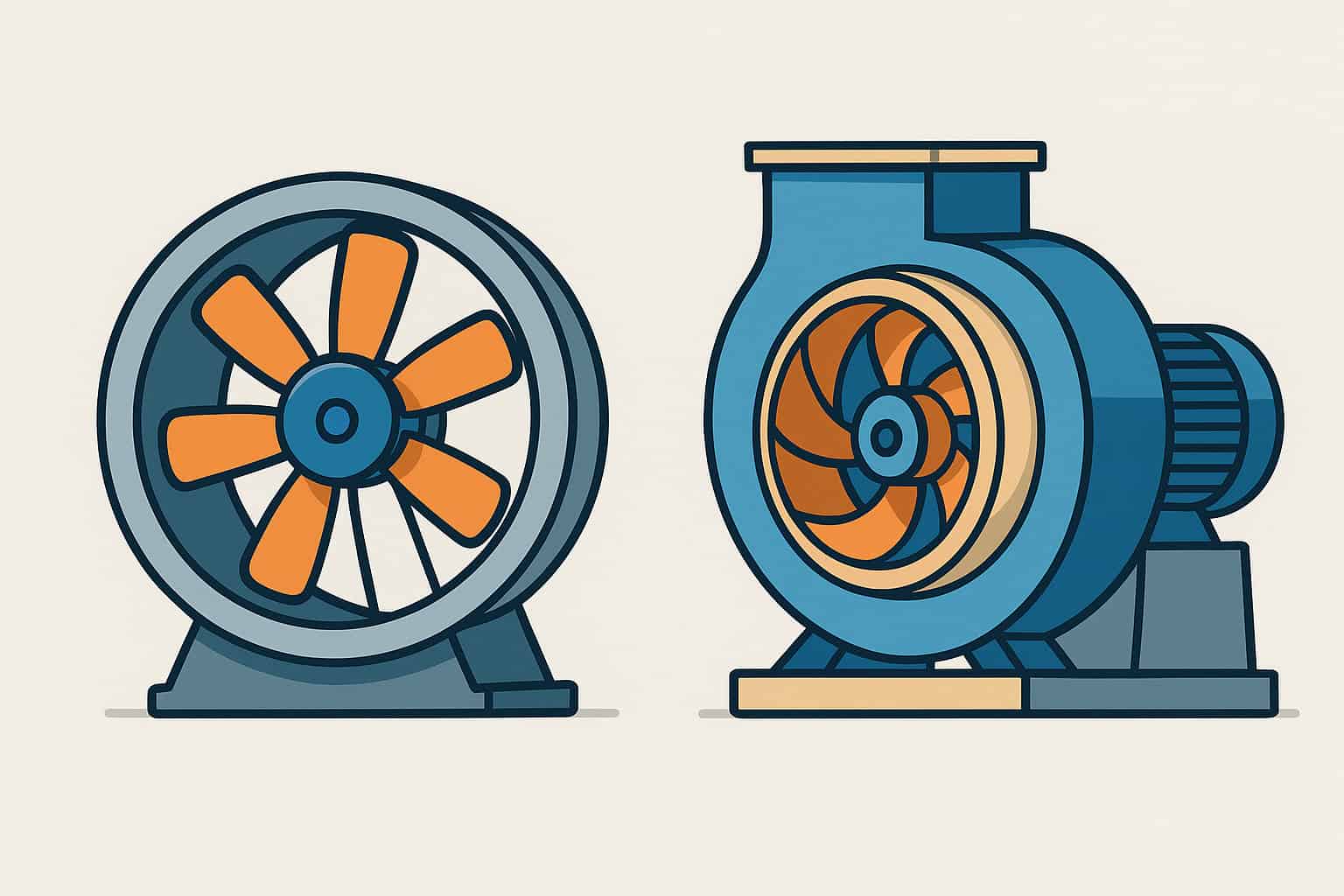
Mechanical ventilation systems use powered mine ventilation fans to control airflow. Large axial or centrifugal main fans are installed at shafts or portals to create a pressure difference between intake and return airways. Mechanical systems are standard in modern mines and are designed to meet defined duty points for airflow and pressure. They can be configured as either forcing, exhaust, or mixed systems.
In a forcing ventilation system, main fans push fresh air into the mine through dedicated intake airways, with air returning through separate exhaust routes. This can help maintain positive pressure in intakes and reduce the risk of contaminated air leaking into clean routes. In an exhaust ventilation system, main fans pull air out of the mine, drawing fresh air in through intakes. Many operations use mixed systems that combine elements of forcing and exhaust to suit their particular layout and safety strategy.
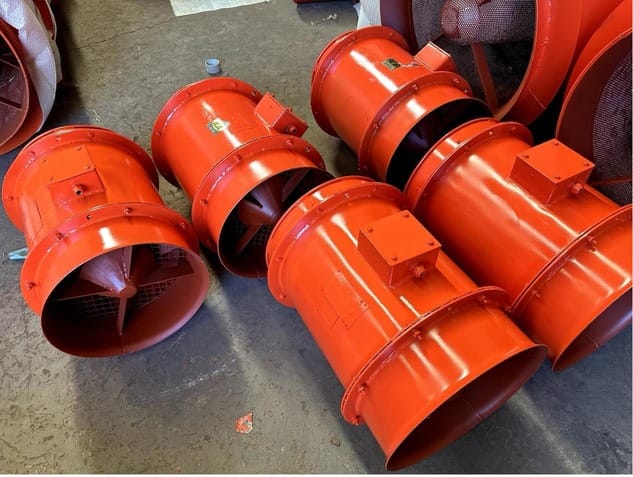
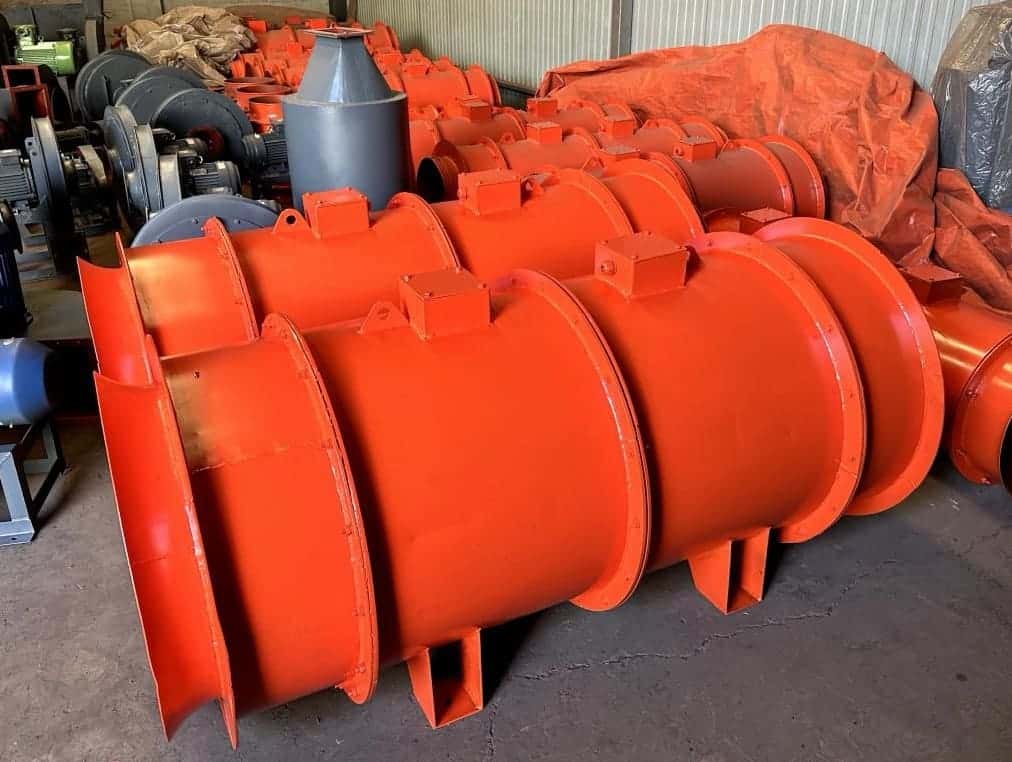
Another way to classify mine ventilation systems is based on the use of main, booster, and auxiliary ventilation. The main system uses surface fans to ventilate the bulk of the mine. Booster fans may be installed inside the network to increase pressure in deep or high resistance branches. Auxiliary ventilation uses smaller fans and ducting to ventilate headings and blind ends where the main airflow alone cannot reach. Together, these elements form the complete system that delivers air to every working area.
Many modern mines now implement ventilation on demand within their mechanical systems. This is an automated approach that adjusts fan speeds, regulator positions, and auxiliary ventilation based on real time data about equipment location, personnel, and air quality. Ventilation on demand adds another layer of classification, differentiating between simple constant output systems and intelligent, responsive systems that optimize energy use and airflow distribution.
In summary, mine ventilation systems can be grouped as natural or mechanical, forcing or exhaust, and combinations of main, booster, and auxiliary ventilation. Increasingly, these systems are enhanced by automation and ventilation on demand to keep air quality safe while minimizing energy consumption and adapting to the constantly changing mine layout.