
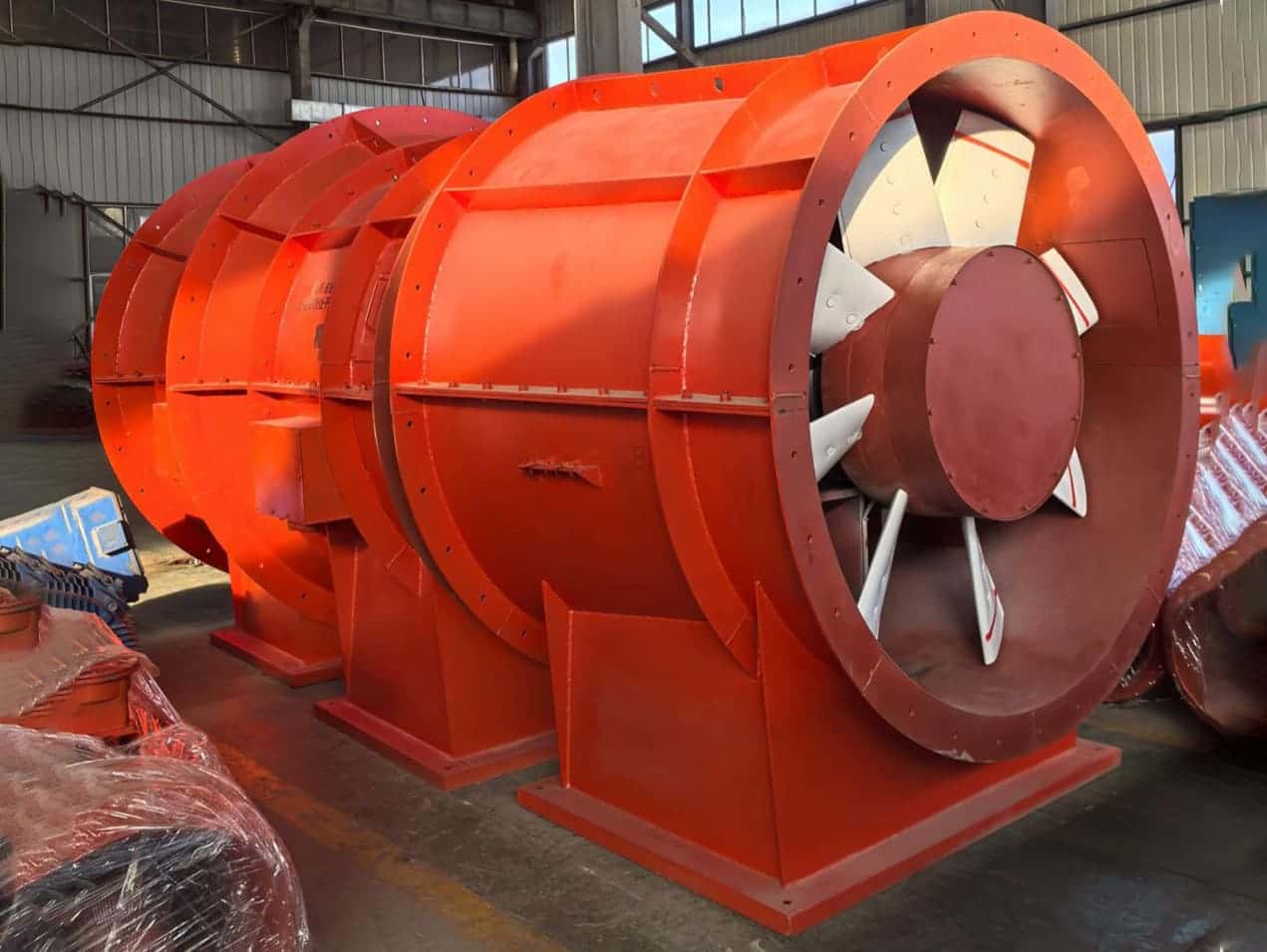
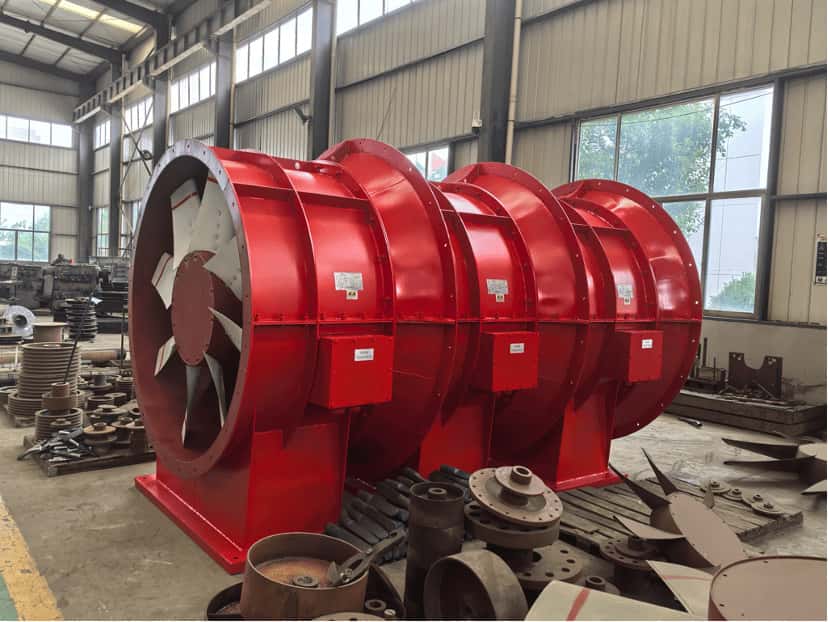
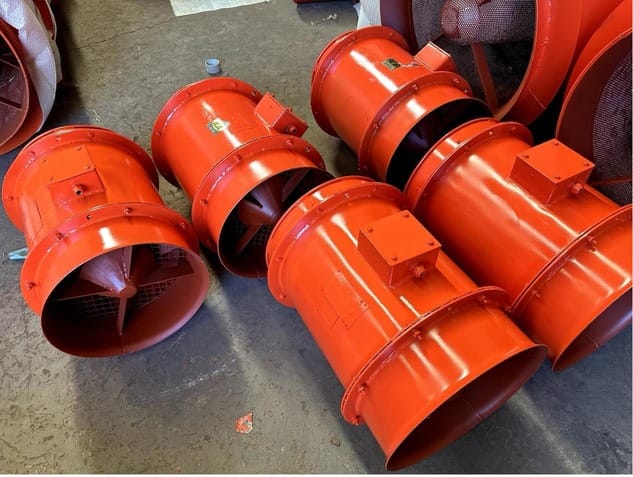
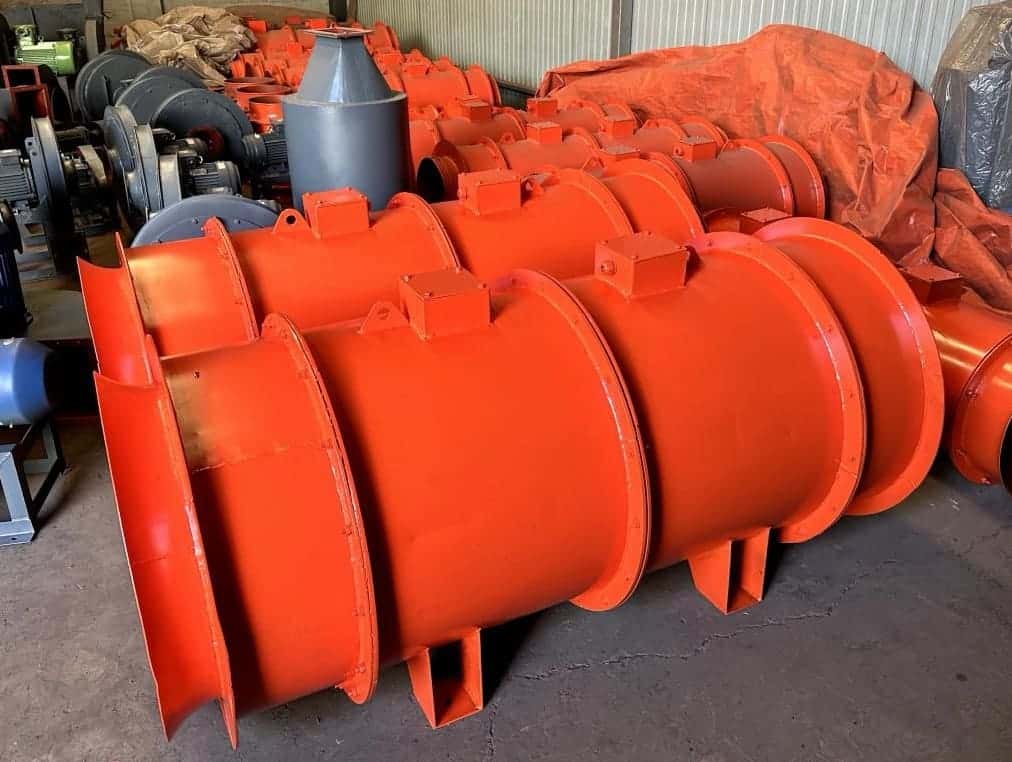
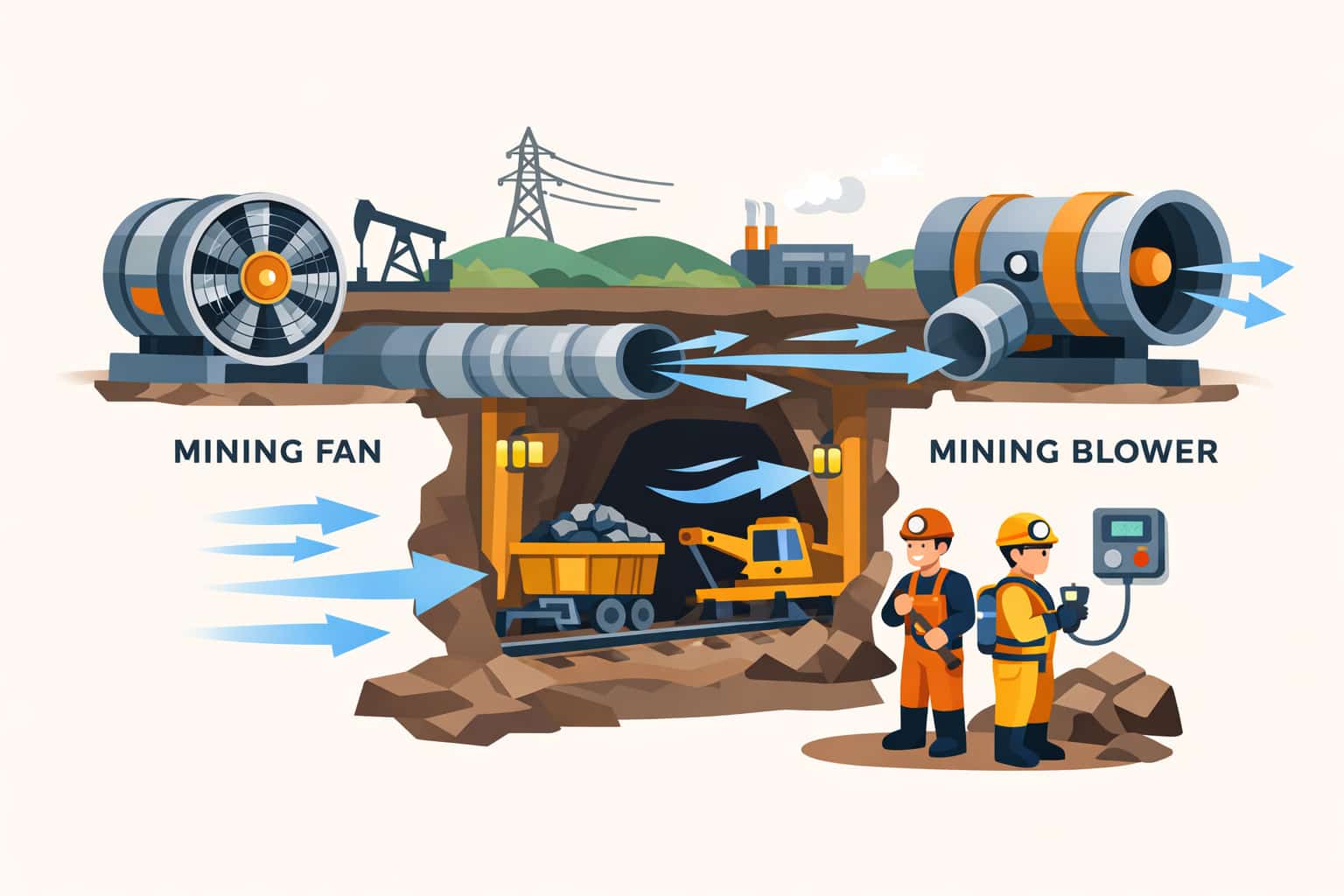
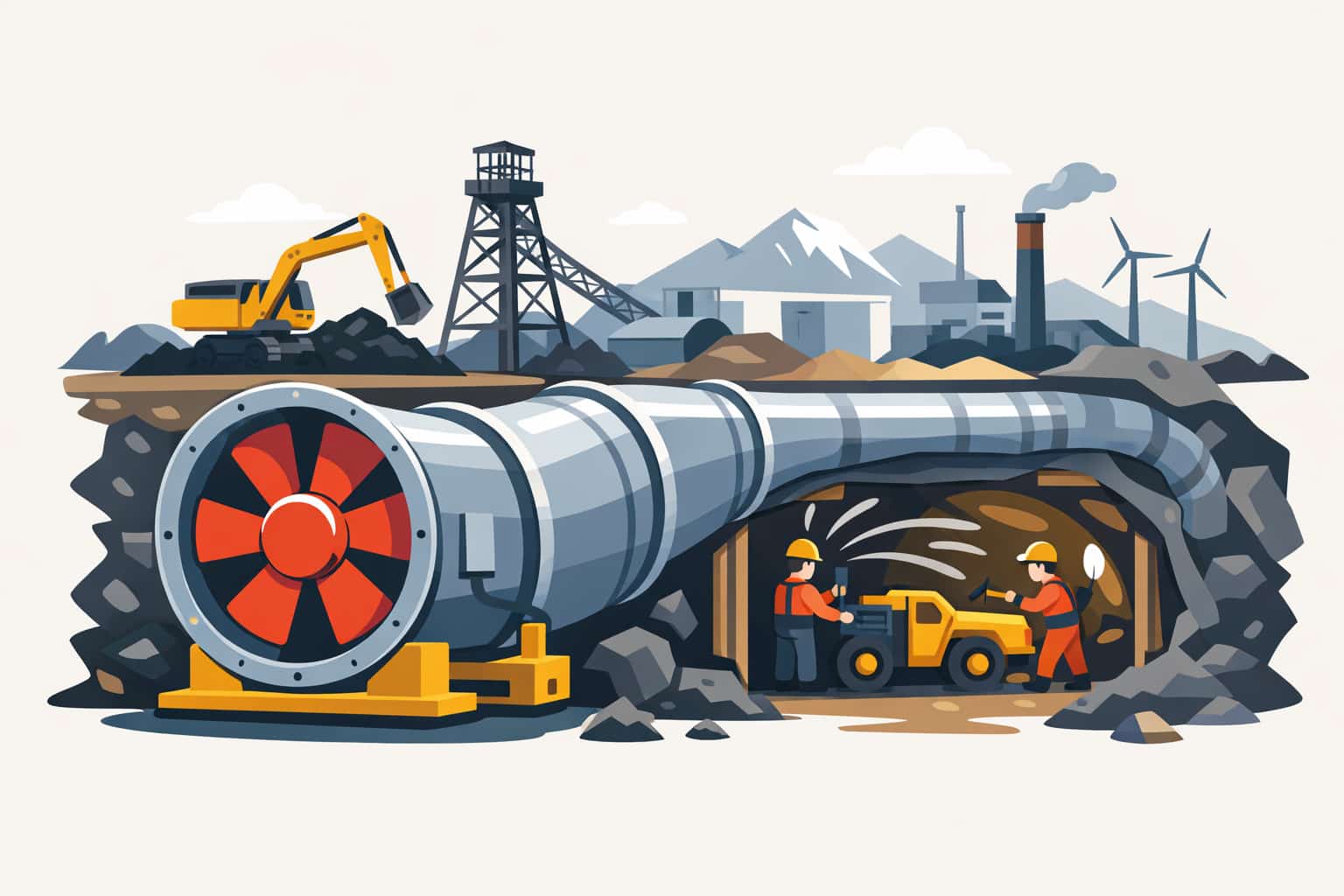
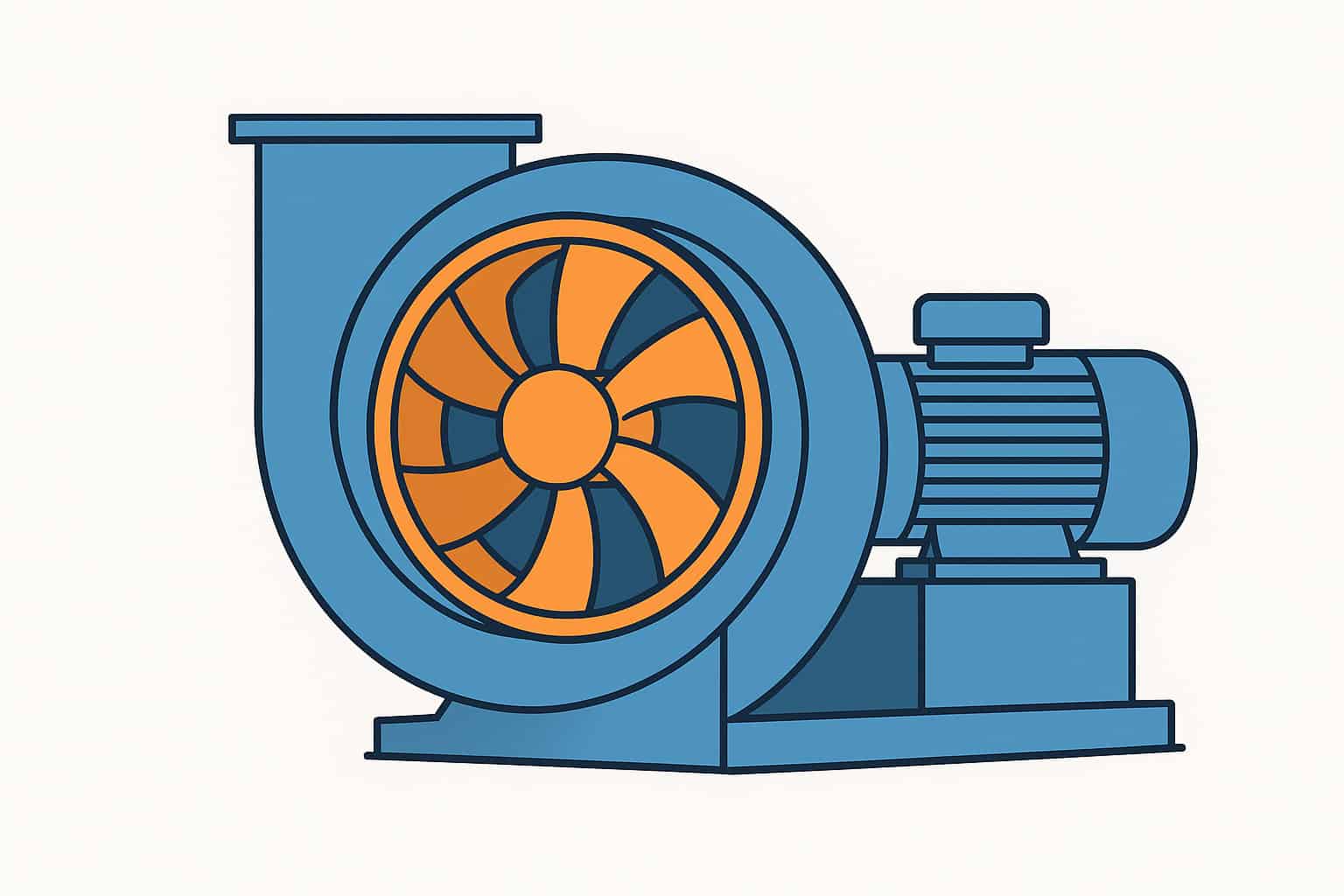
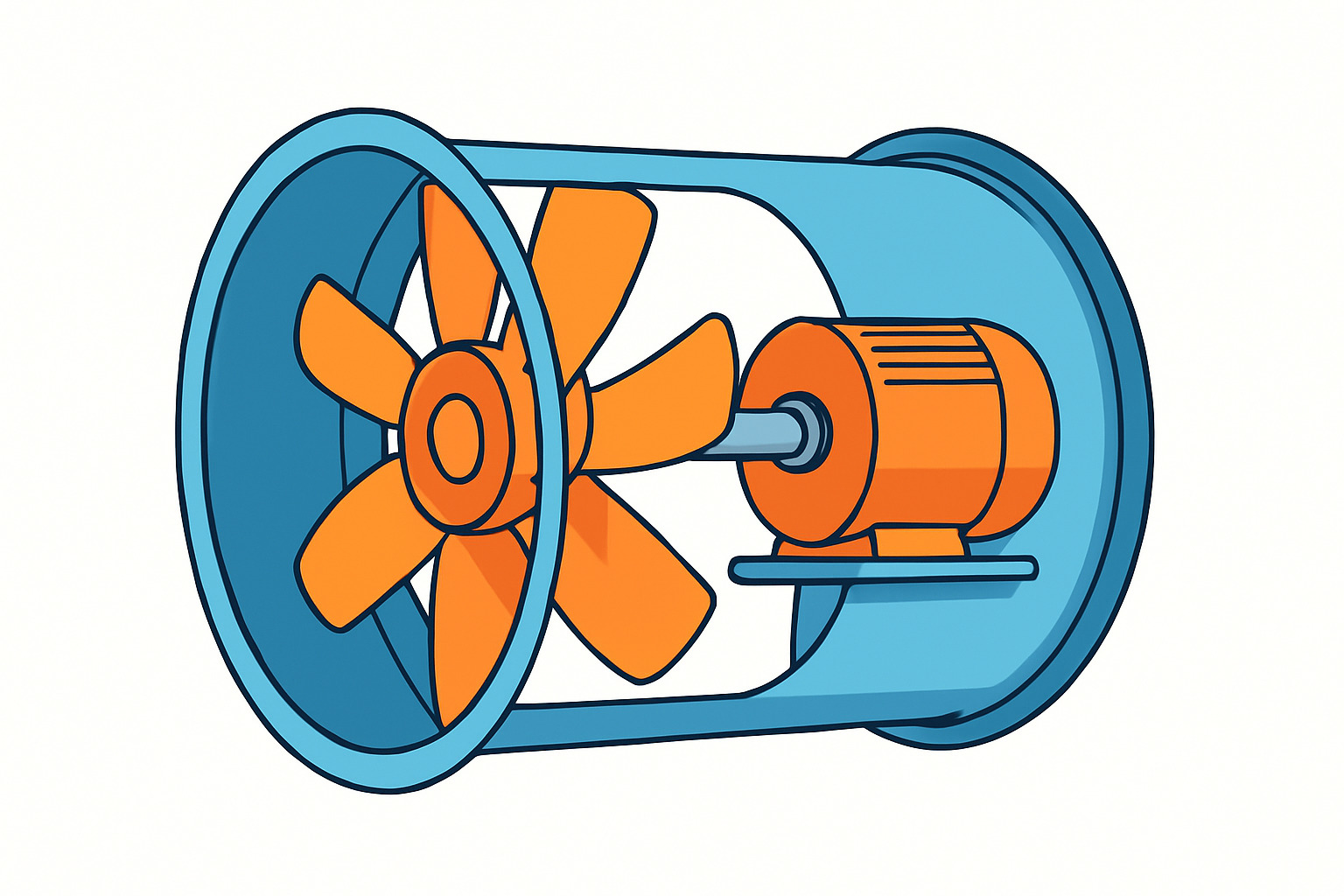
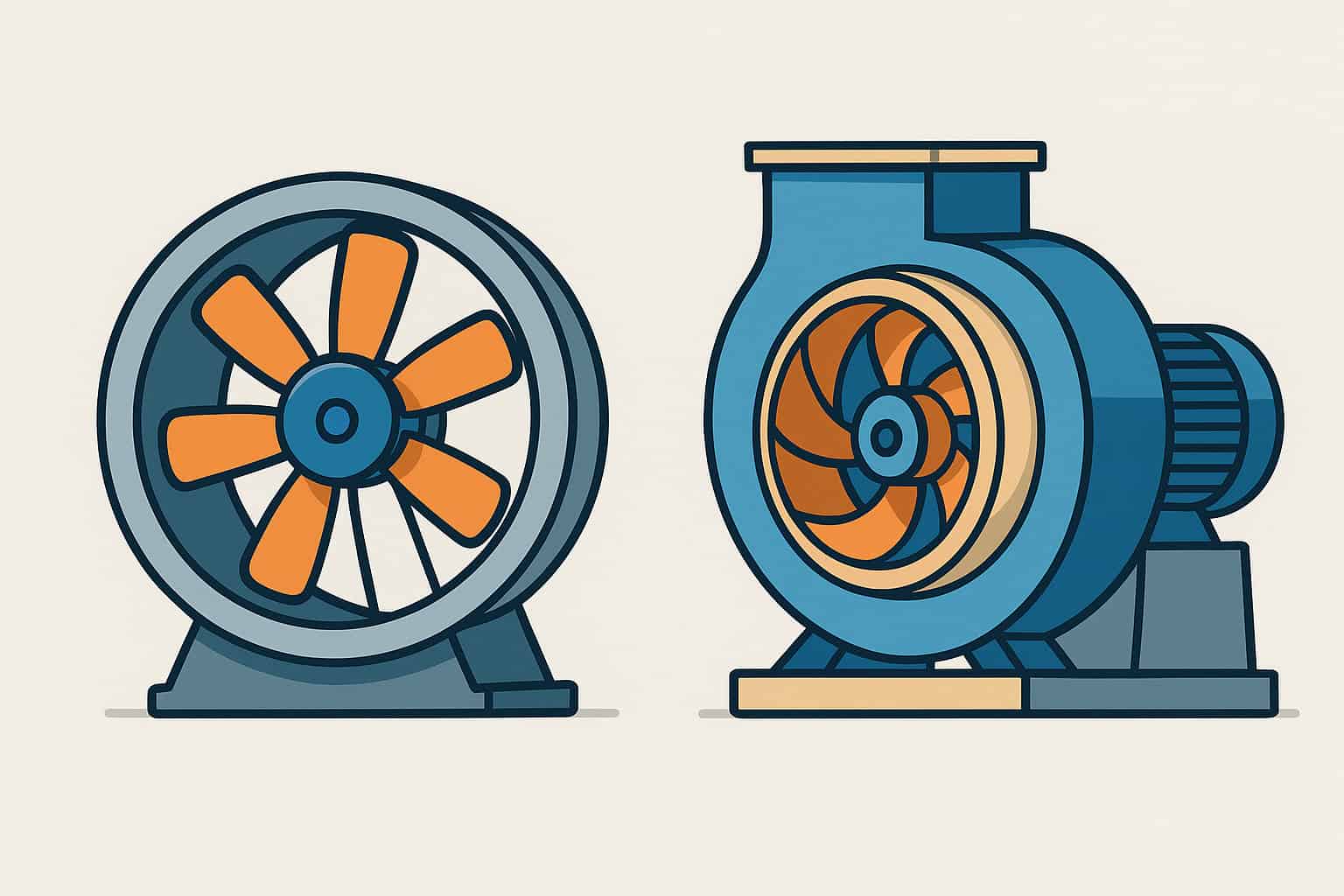
When people talk about vent tunnels, they are usually referring to the smaller tunnels or passages that carry air to and from the main traffic or production tunnel. In engineering and mining practice, these vent tunnels are commonly called ventilation drifts, ventilation adits or simply airways. They connect the main tunnel or underground workings to ventilation shafts, portals and fan stations so that fresh air can be supplied and exhaust air can be removed safely.
In underground mining, a ventilation drift is a horizontal or near-horizontal tunnel driven specifically for air circulation. It may run parallel to the main haulage drift or connect between levels to improve airflow. These ventilation drifts are part of the primary mine ventilation system and are sized to carry large air quantities driven by main axial or centrifugal fans. When they open to the surface, they may be described as ventilation adits, which are horizontal entrances used mainly for air rather than for ore or vehicle traffic.
In road and rail tunnels, the term ventilation tunnel can also be used for side tunnels or galleries that link the main tunnel to vertical shafts or surface buildings housing fans and filters. These ventilation tunnels allow air to be drawn from or discharged to safe locations, away from portals, stations or populated areas. They may carry both fresh air ducts and exhaust ducts, with structural fire protection and access for maintenance.
Another related term in mining is airway. An airway is any passage that air flows through as part of the ventilation circuit, including main drifts, crosscuts, raises and shafts. Within this group, some passages are primarily used for ventilation rather than for transport or production and are loosely referred to as vent tunnels. Vertical or inclined passages used mainly for ventilation are called ventilation shafts or ventilation raises, and they are connected to the network of ventilation drifts underground.
In large transportation tunnels and metro systems, small cross passages that connect parallel tubes are sometimes used as pressure relief and smoke control routes. These cross passages, while not always called vent tunnels in everyday use, become part of the ventilation and emergency egress system and may be equipped with doors, dampers and ductwork.
In summary, vent tunnels are commonly known as ventilation drifts, adits, airways, ventilation tunnels or galleries, depending on geometry and function. All of these are part of the larger ventilation network that works together with shafts, fans and ducts to keep mines and transport tunnels safe and breathable.