
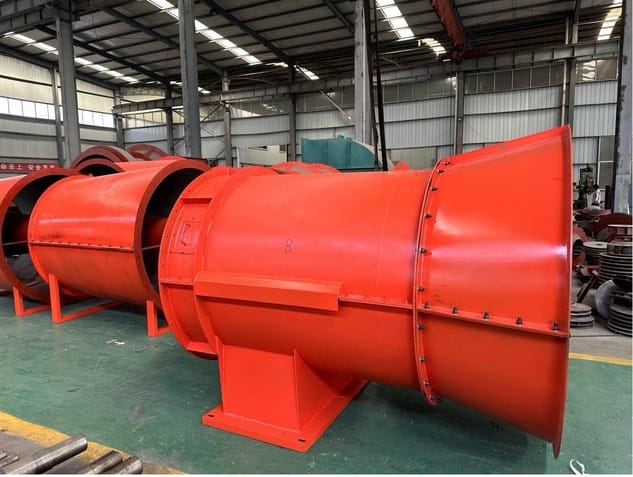
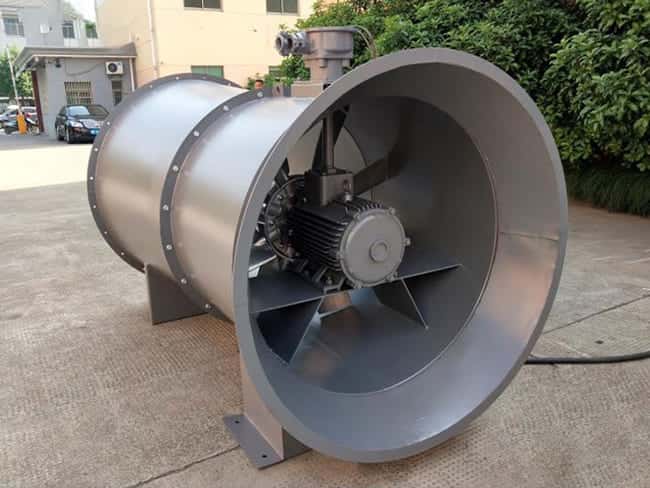
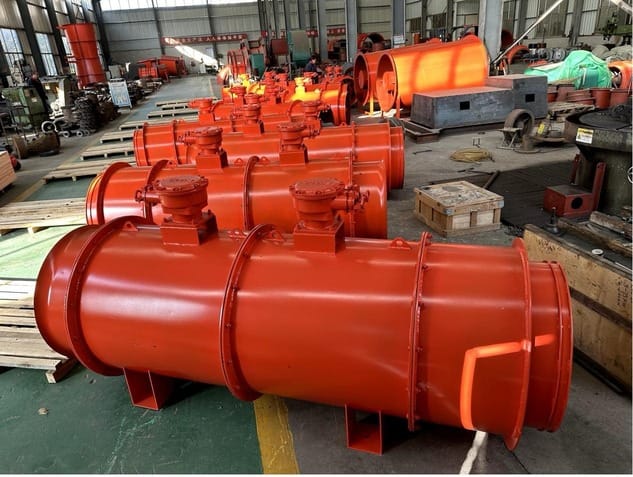
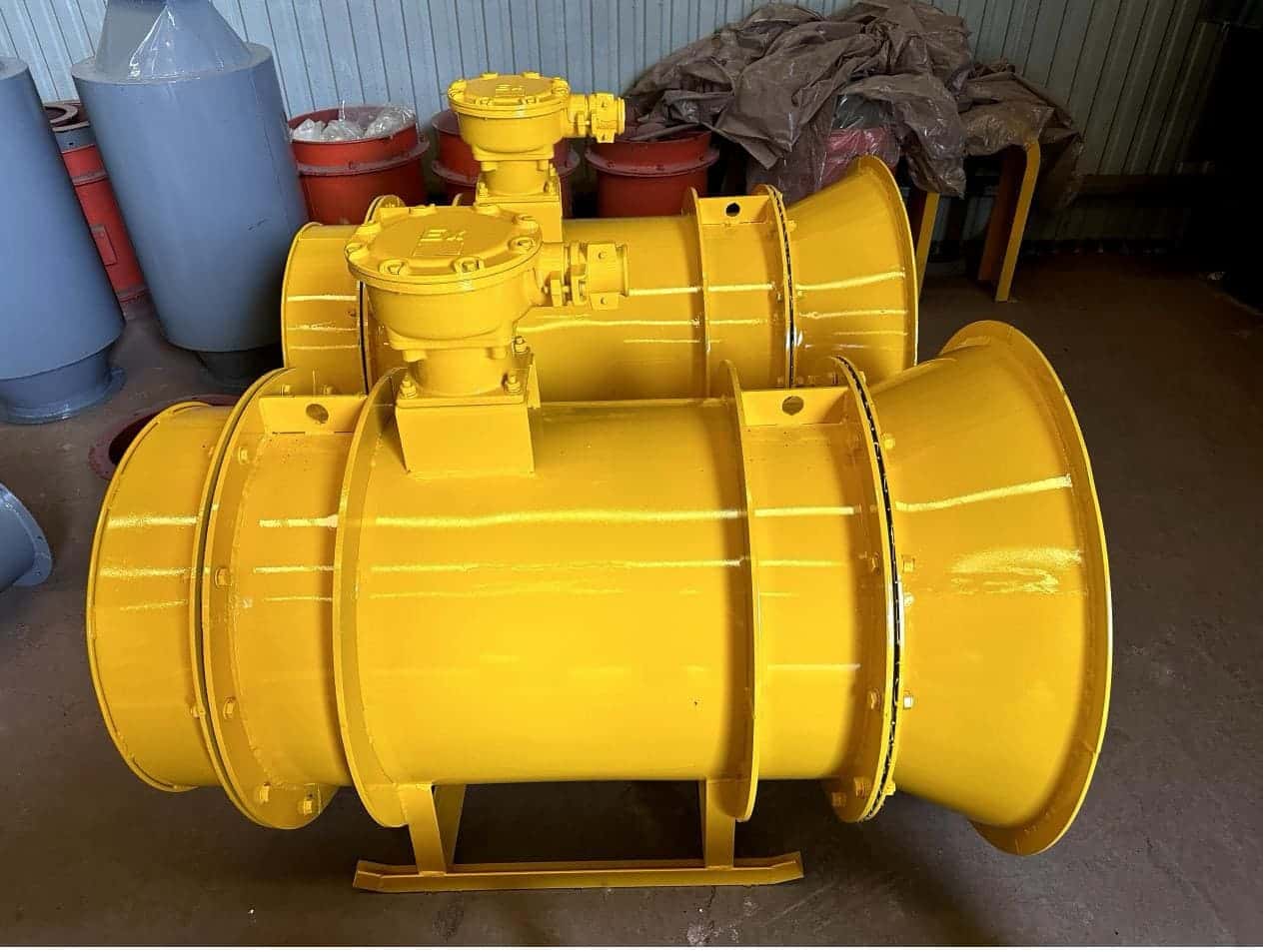
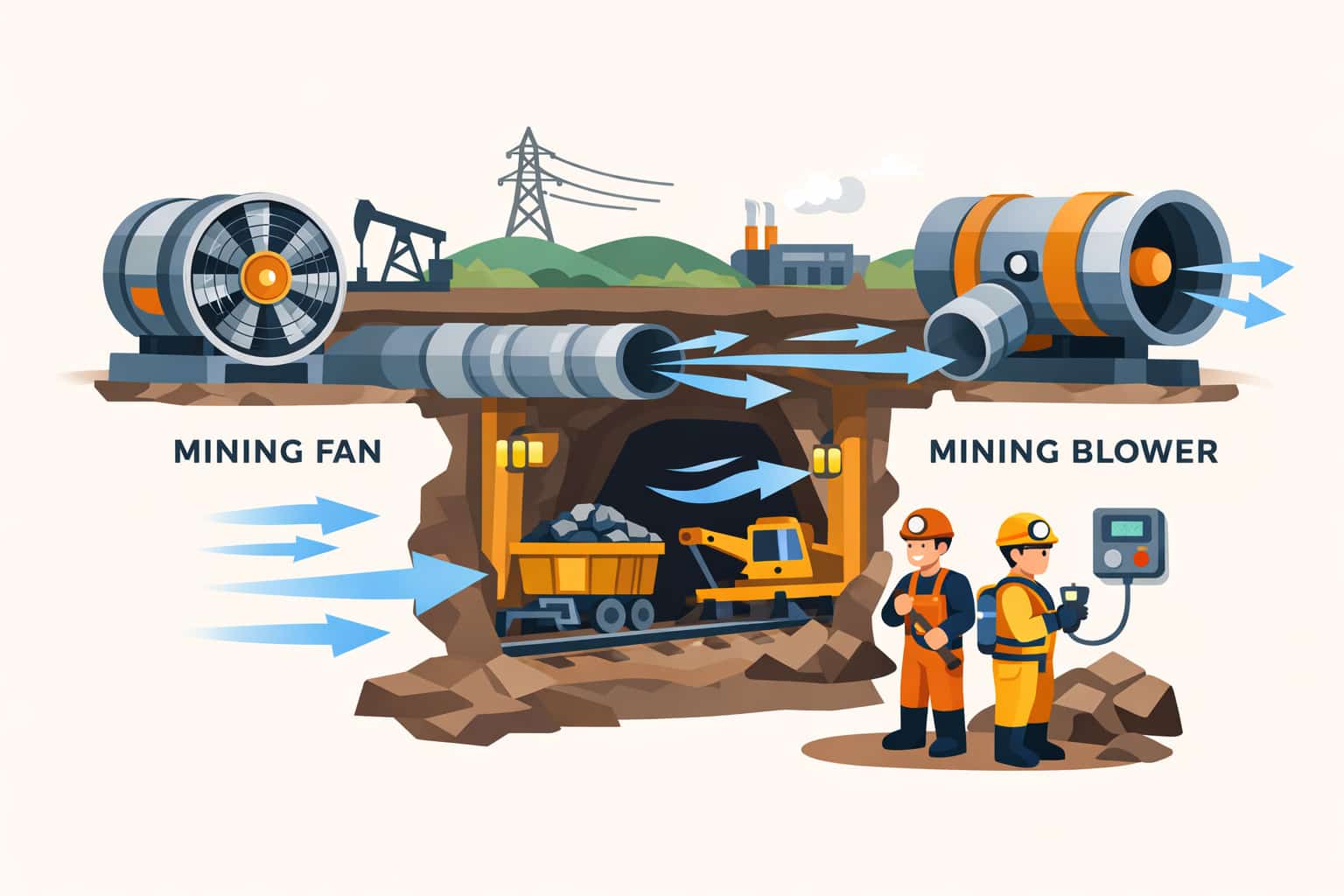
Ventilation devices in mining are the components used to move, direct, and control air underground. Together, they form the mine’s ventilation system, ensuring that fresh air reaches every working place and contaminated air is removed safely. While mine ventilation fans are the most visible elements, many other devices such as stoppings, regulators, doors, ducts, and seals are equally important for achieving the desired airflow patterns.
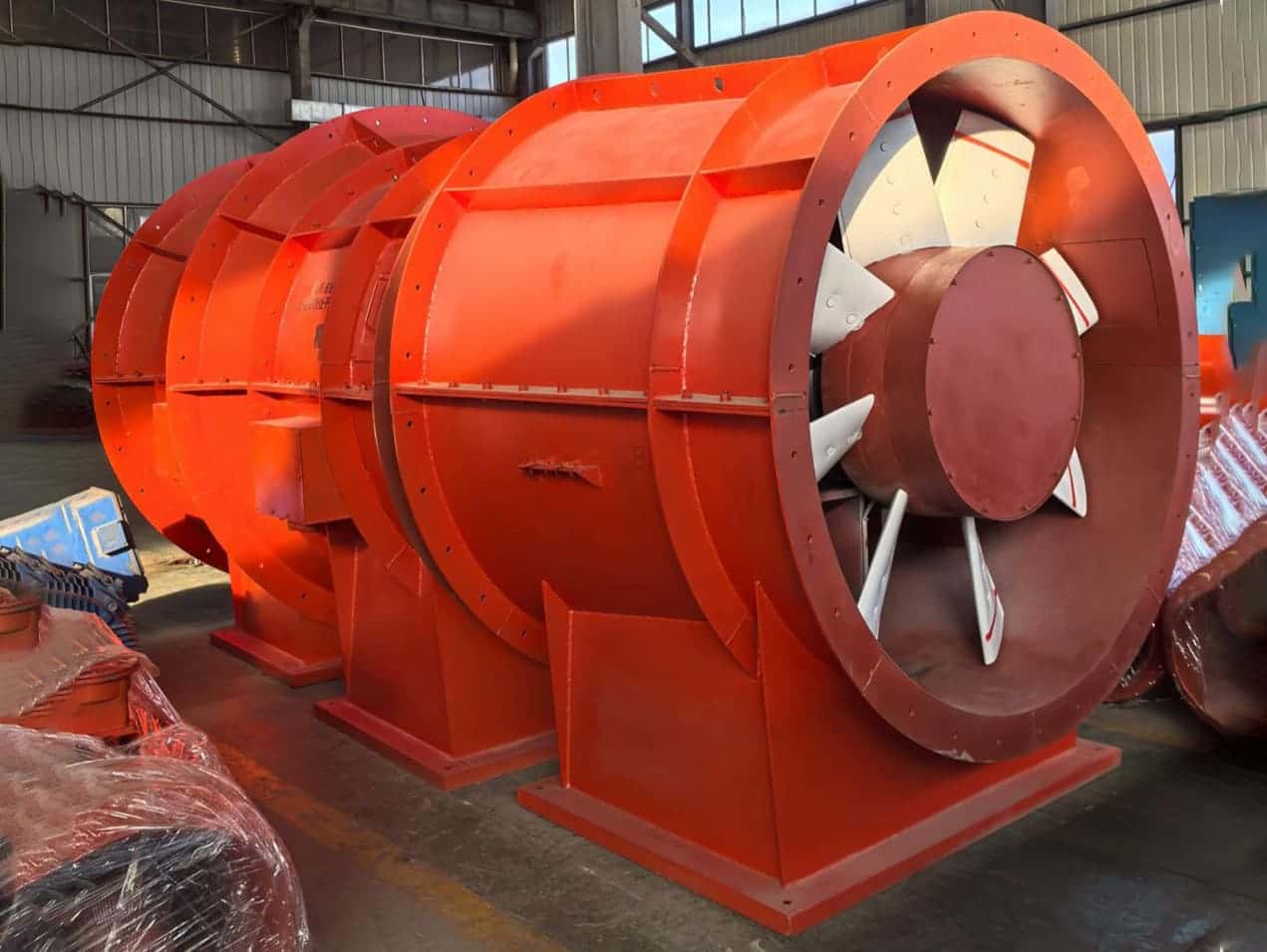
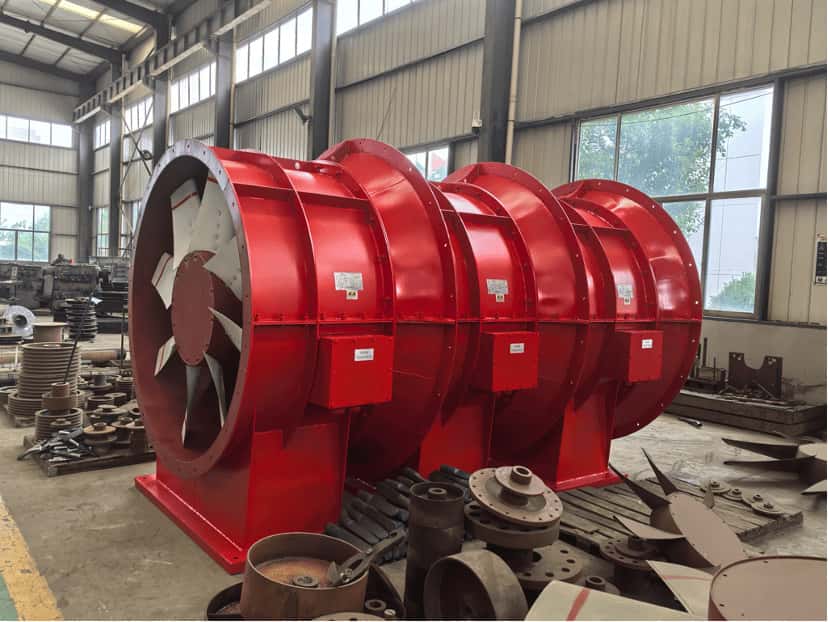
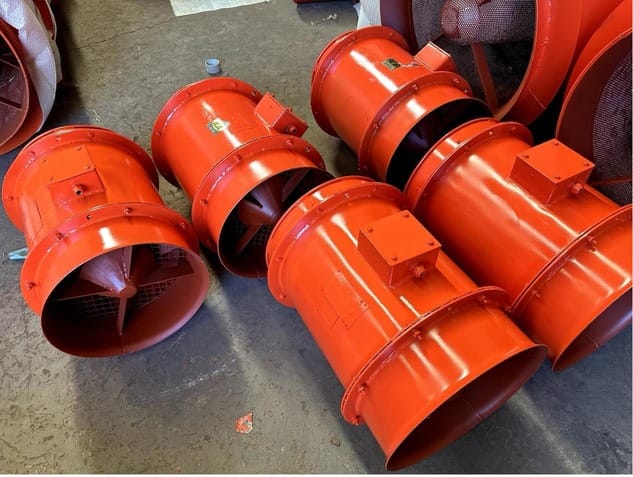
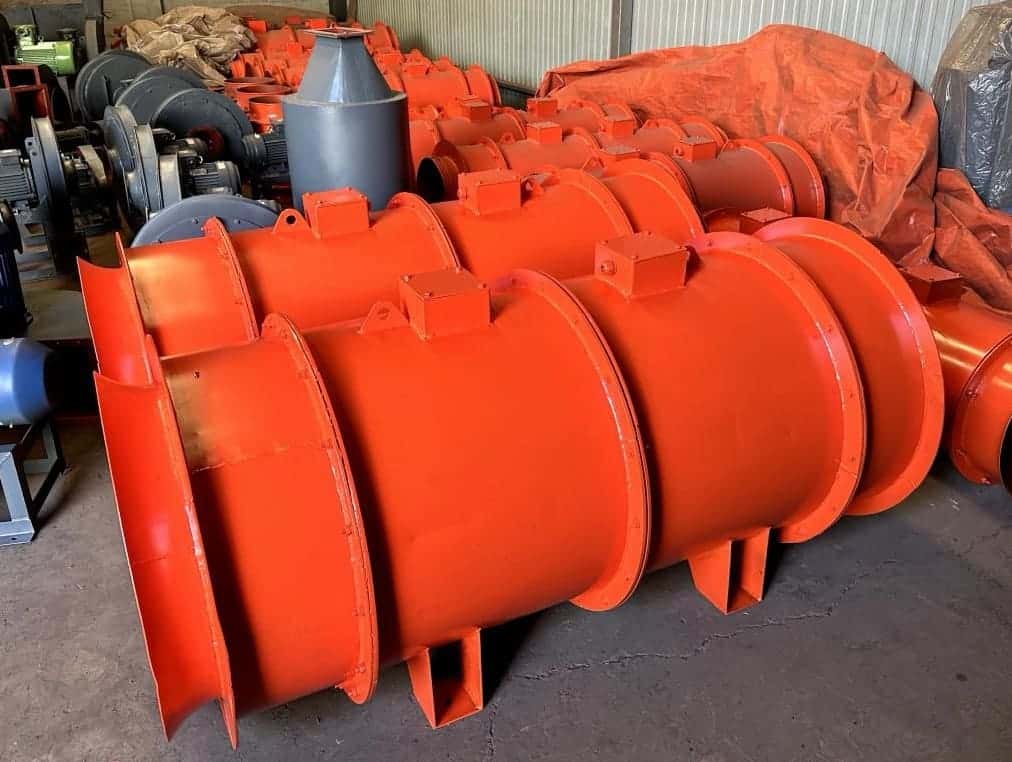
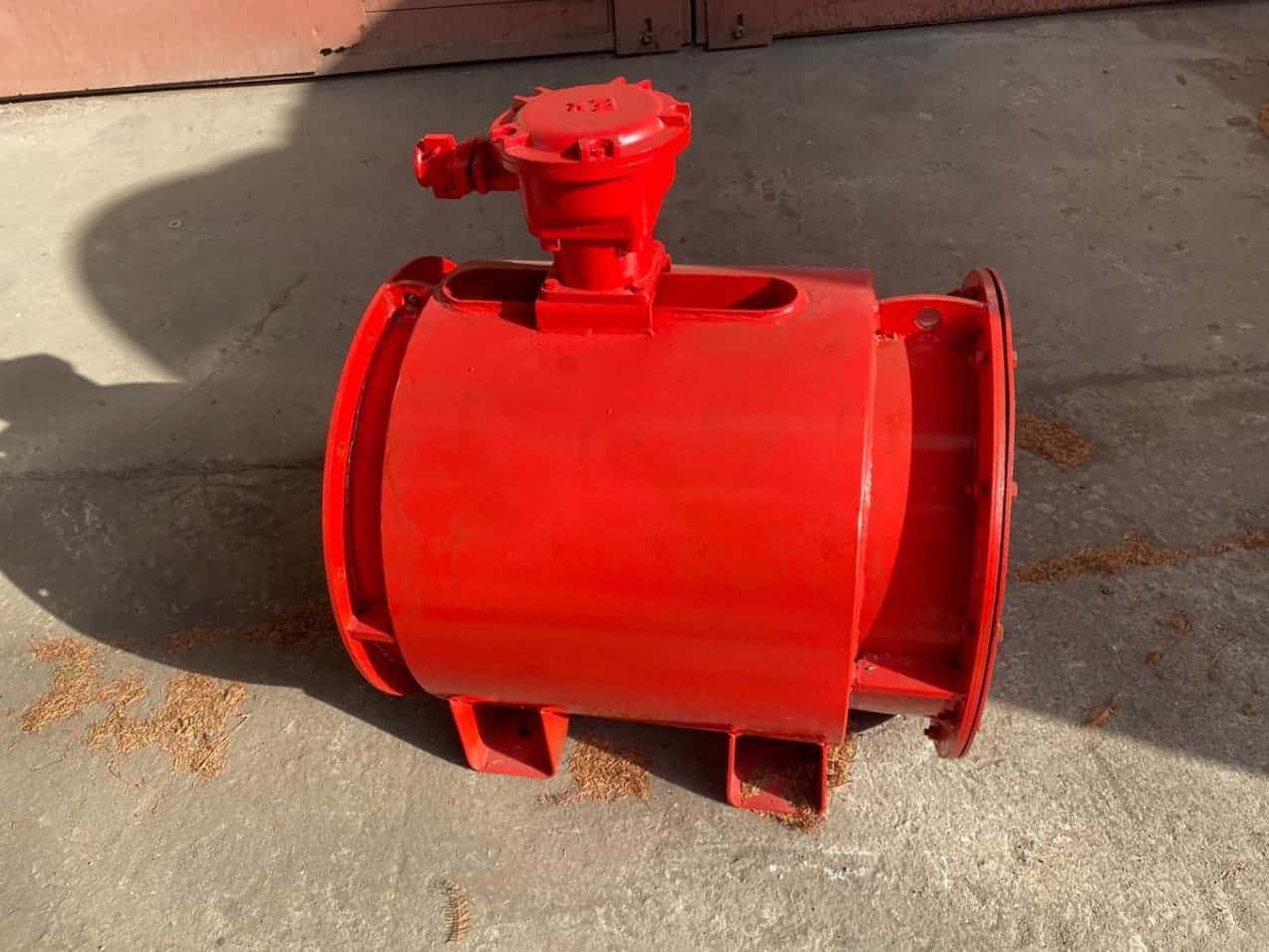
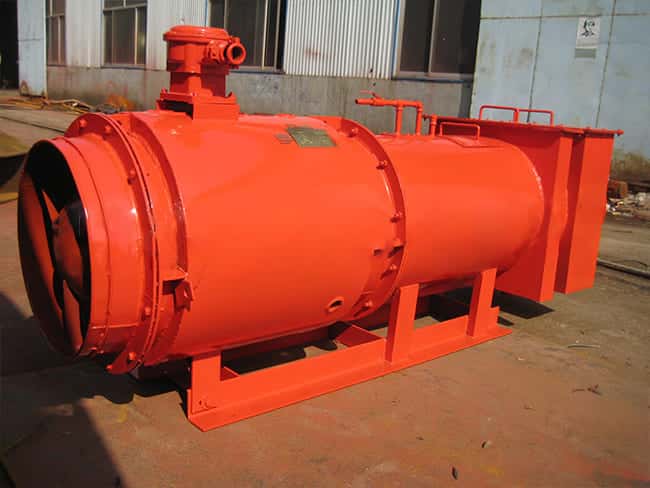
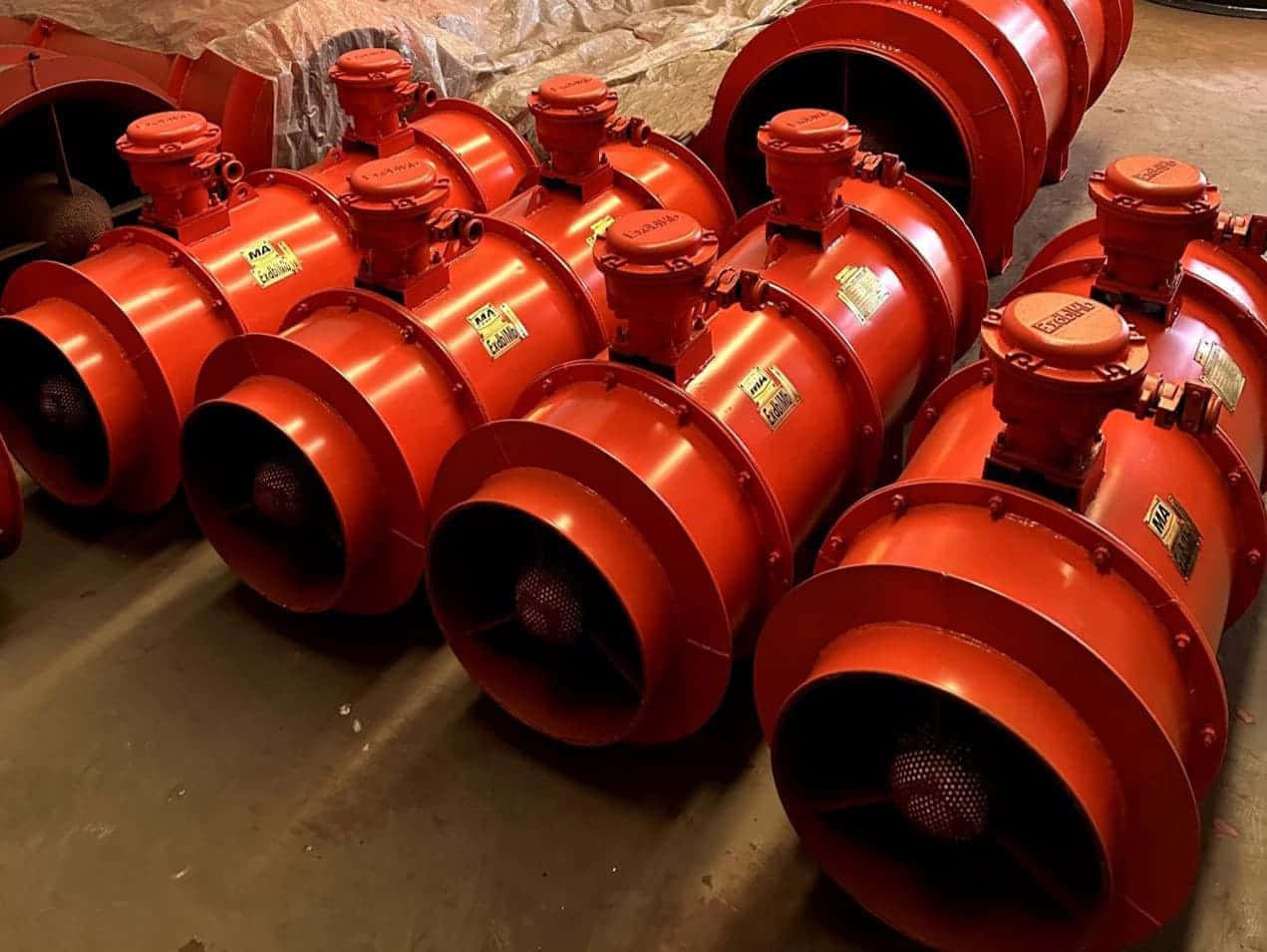
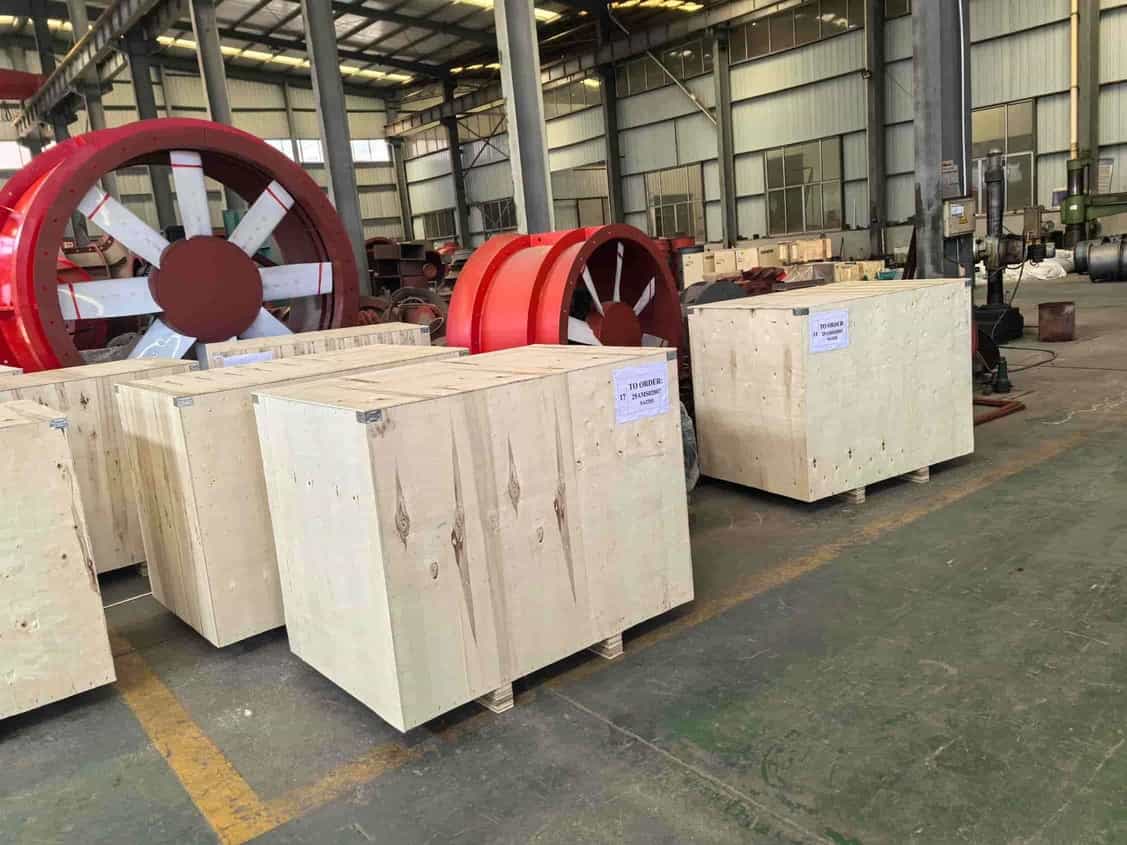
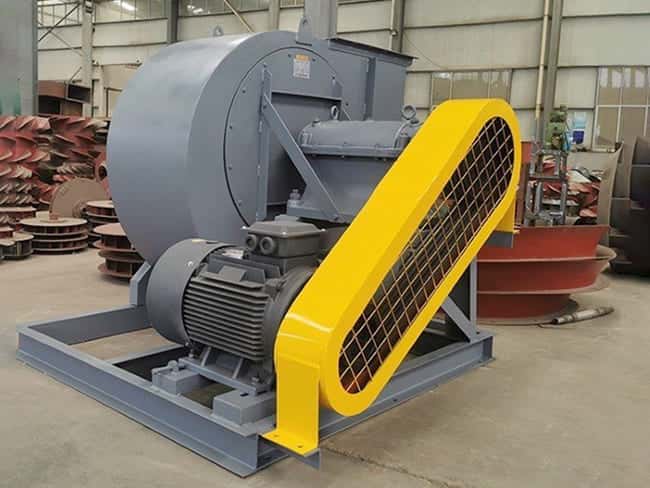
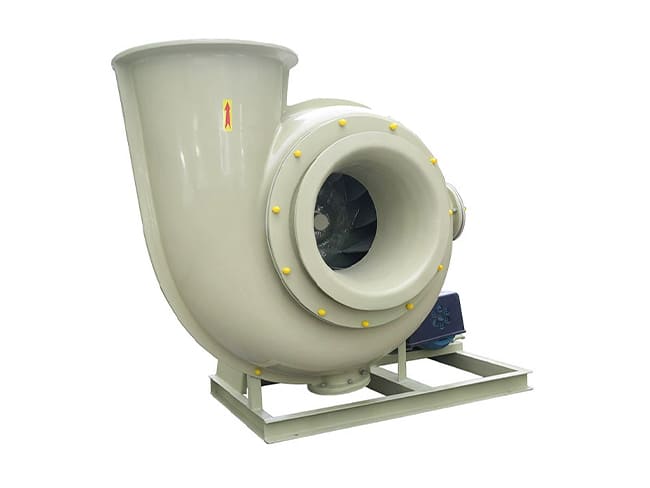
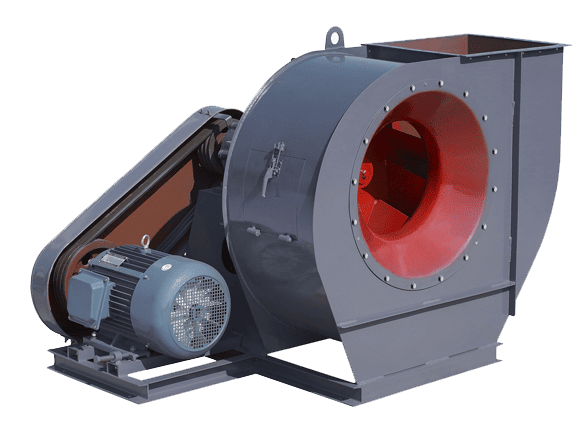
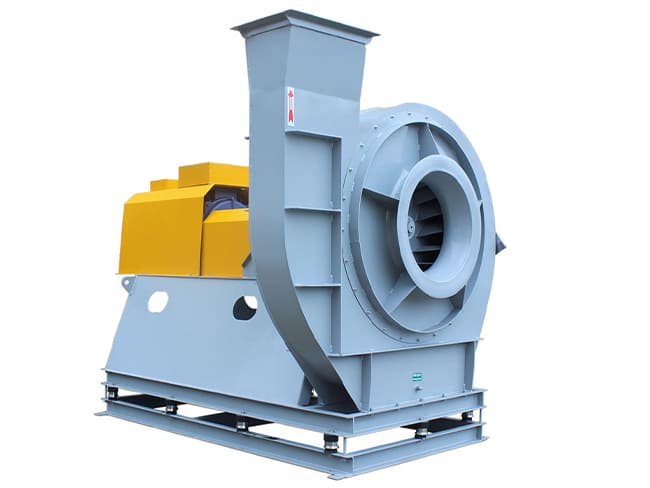
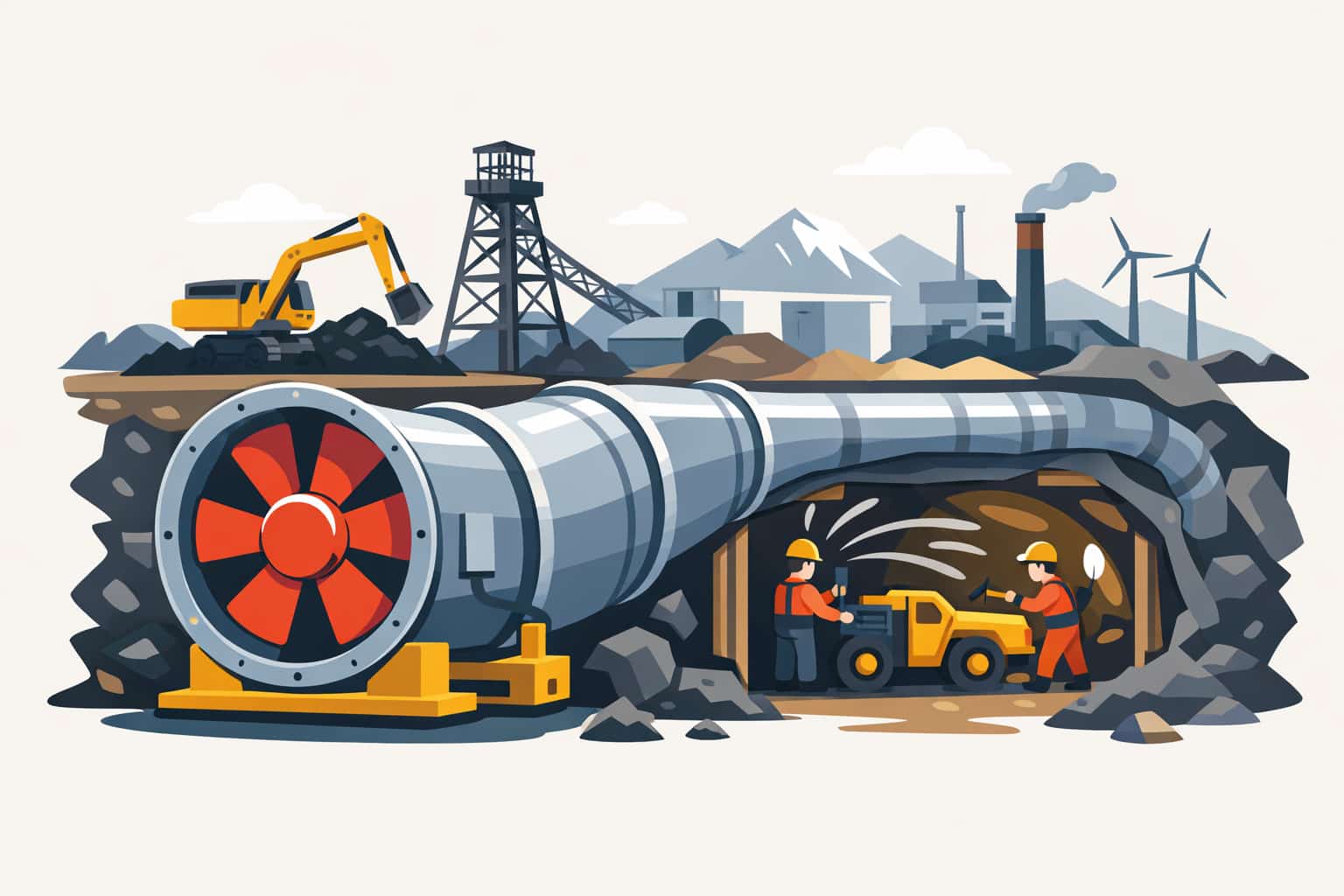
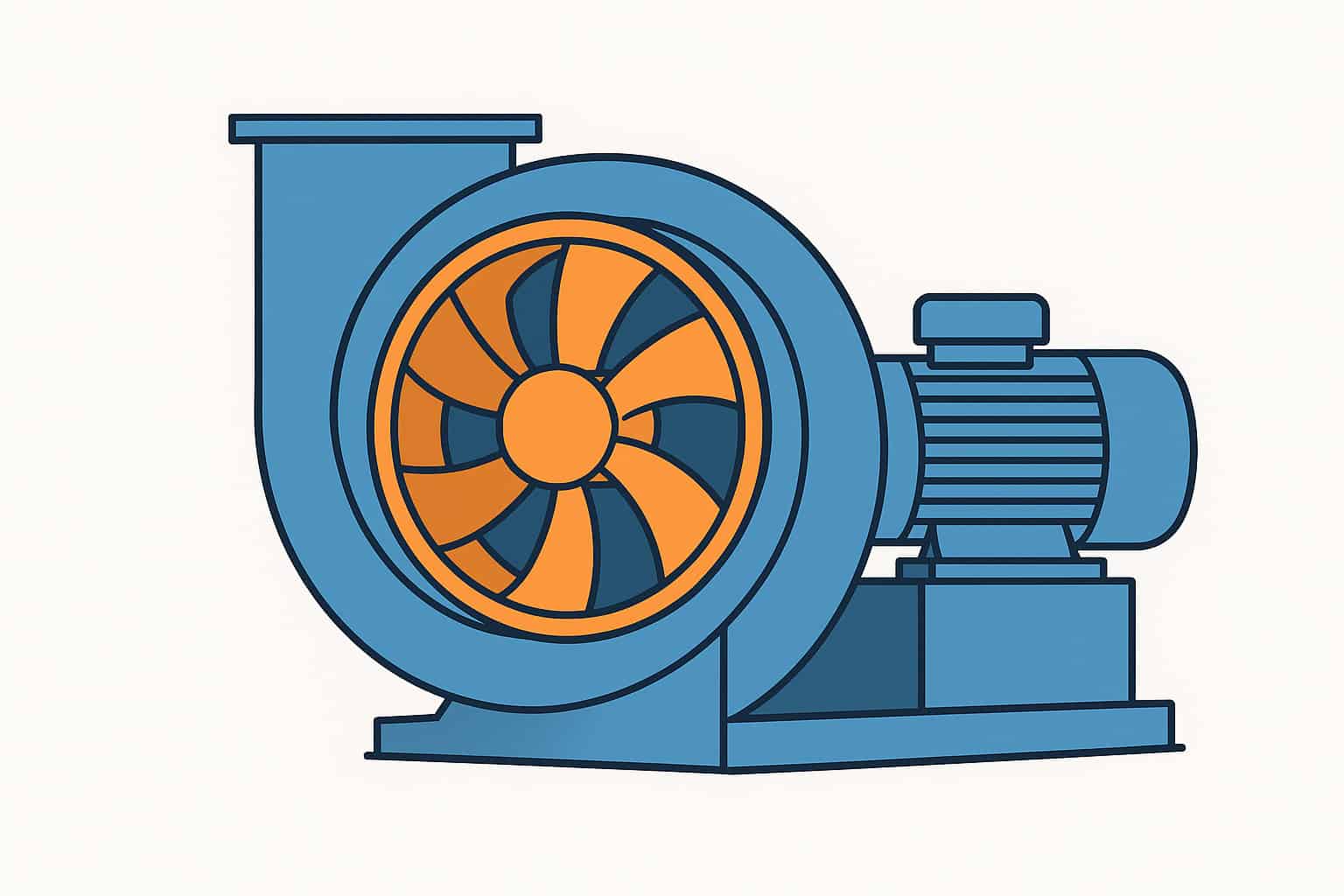
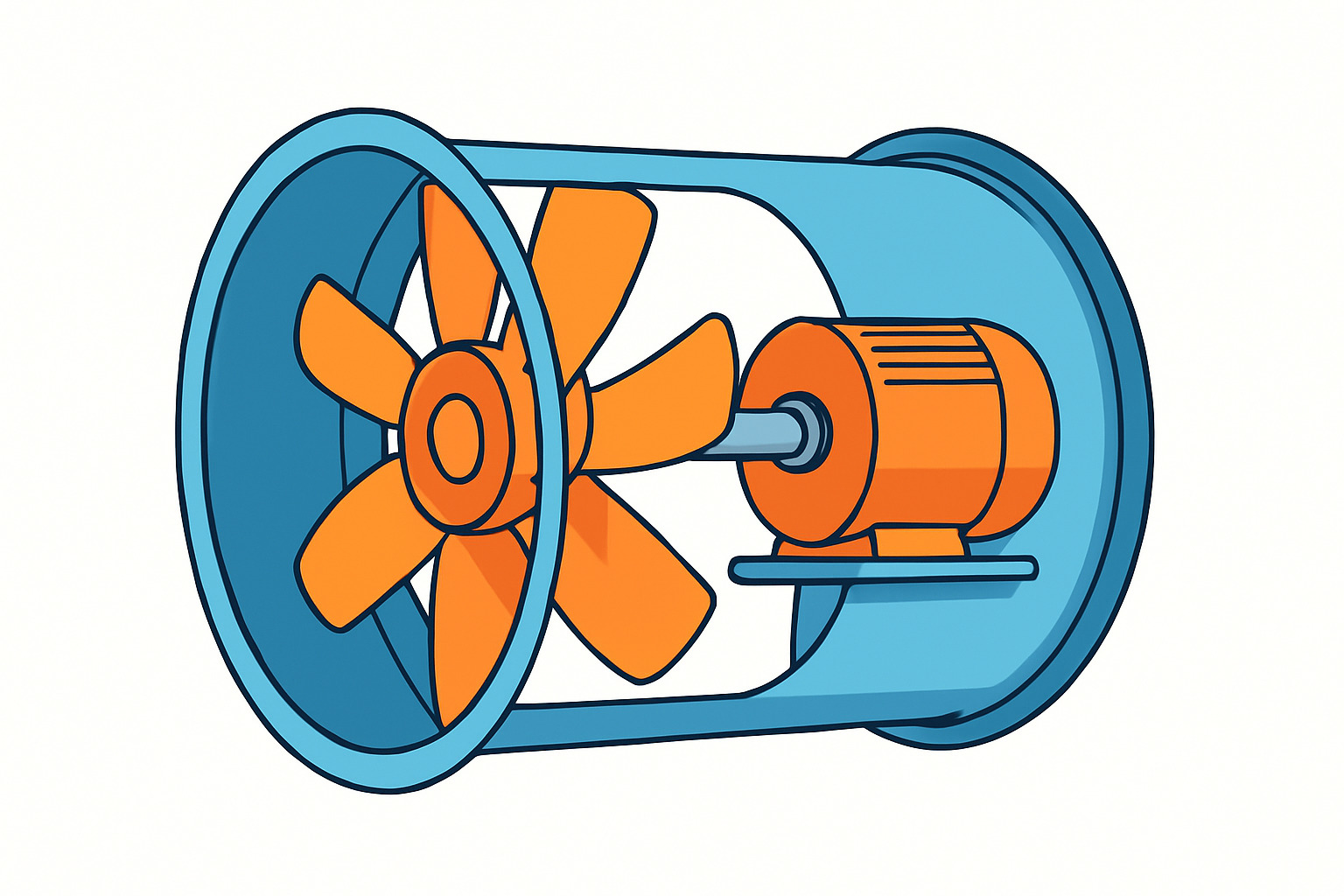
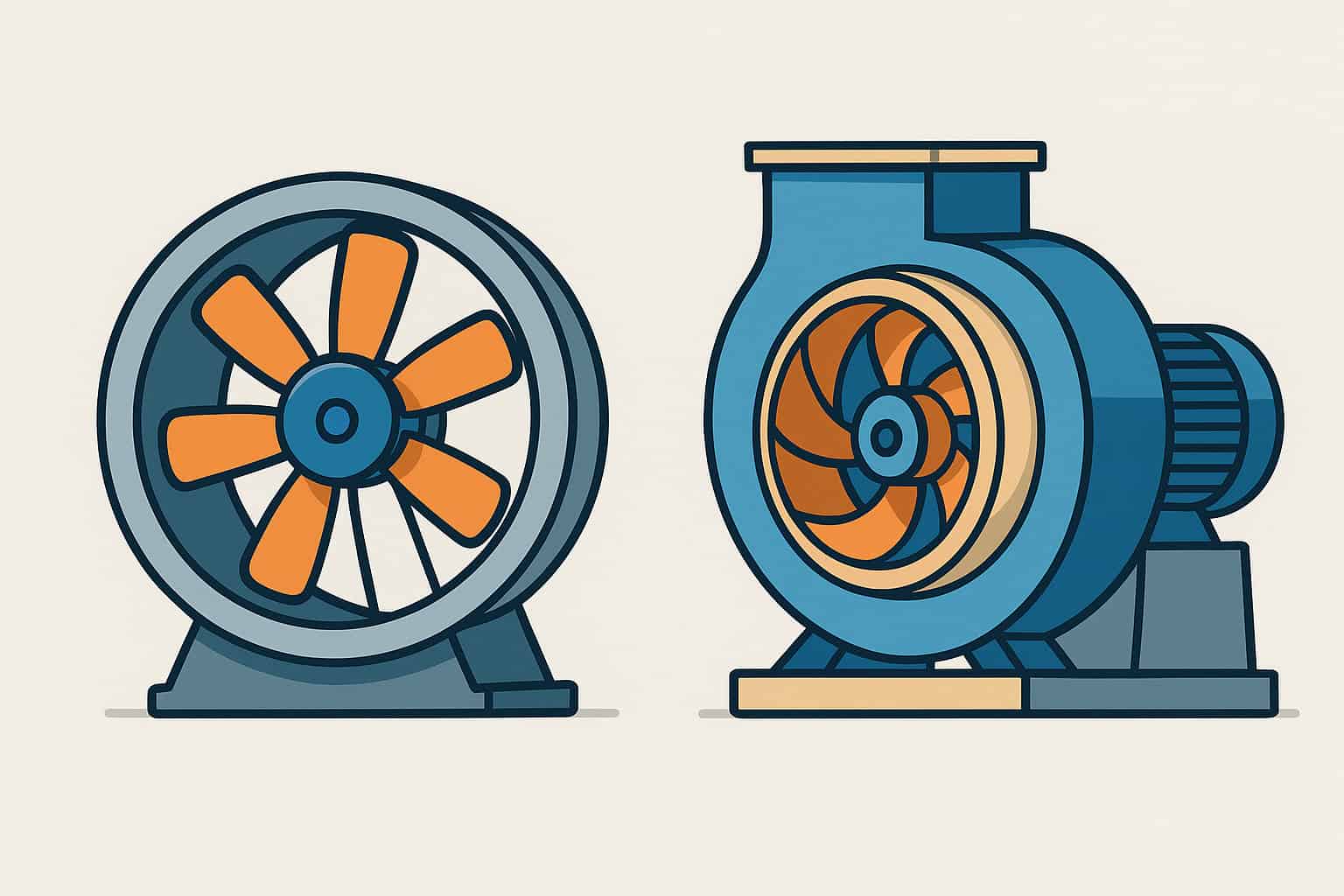
The core devices are the ventilation fans themselves. Large axial or centrifugal main fans installed at shafts or portals create the pressure difference that drives airflow through intake and return airways. Booster fans may be placed in main drifts or raises to increase pressure in deep or high-resistance districts. Auxiliary fans, often smaller axial units, are used with ducting to ventilate development headings, blind ends, and crosscuts where the main airflow cannot reach directly.
To control where air flows, mines use stoppings and bulkheads. These are permanent or semi-permanent walls, usually built from concrete, block, or shotcrete, that close off airways and prevent short circuits between intake and return routes. By strategically placing stoppings, ventilation engineers can force air to follow specific paths and avoid contaminating intake air with return air from used areas.
Regulators are adjustable openings in stoppings or dedicated structures that allow part of the airflow to pass while adding resistance. By changing the opening size, engineers can balance airflow between parallel branches and levels, much like adjusting valves in a piping network. Regulators are essential for fine-tuning the ventilation system as the mine layout evolves and production patterns change.
Ventilation doors and airlocks are another category of devices. They allow vehicles and personnel to pass between different pressure zones while maintaining separation between intake and return circuits. Doors may be manually or power-operated, and airlocks use pairs of doors to minimize airflow disturbance. Properly designed and maintained doors are critical for both ventilation control and traffic safety.
Auxiliary ventilation relies on ducting, tubing, and related fittings. Flexible or rigid ducts carry air from auxiliary fans to the face. Elbows, branch pieces, quick couplings, and hangers are all part of this device family. Good auxiliary ventilation design requires low-leakage joints, suitable duct diameters, and robust supports so that airflow is delivered efficiently to advancing headings.
Other ventilation devices in mining include seals and isolation structures, used to close off abandoned or high-risk areas; overcasts and undercasts, which allow airways to cross without mixing flows; and monitoring instruments such as airflow stations, gas sensors, and pressure gauges that provide feedback on how the system is performing.
In summary, ventilation devices in mining range from industrial fans to simple walls and doors. Main and auxiliary fans move the air, while stoppings, regulators, doors, ducts, and seals shape and control its path. Together, these devices create an integrated ventilation system that maintains safe air quality and temperature throughout the mine.
