












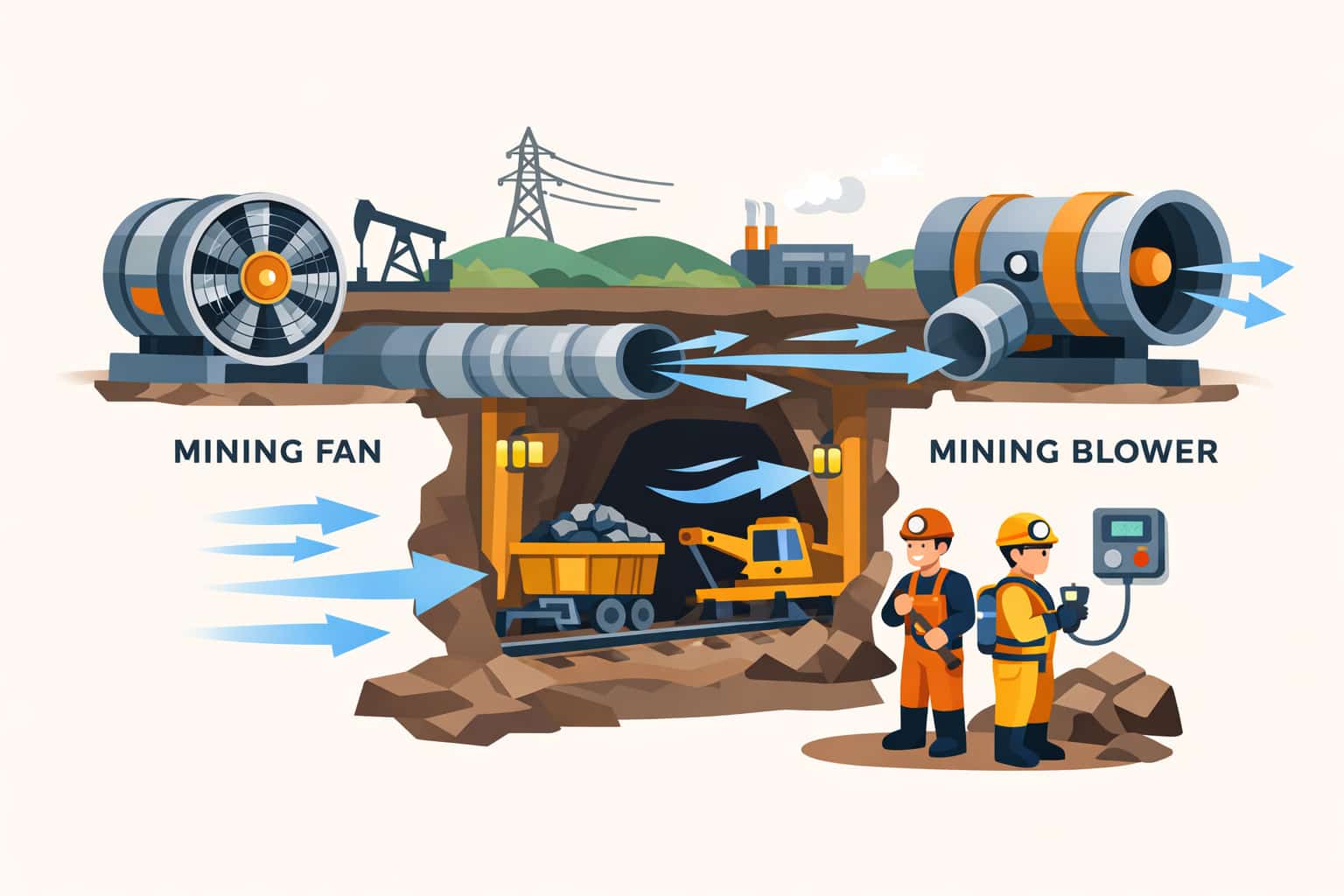
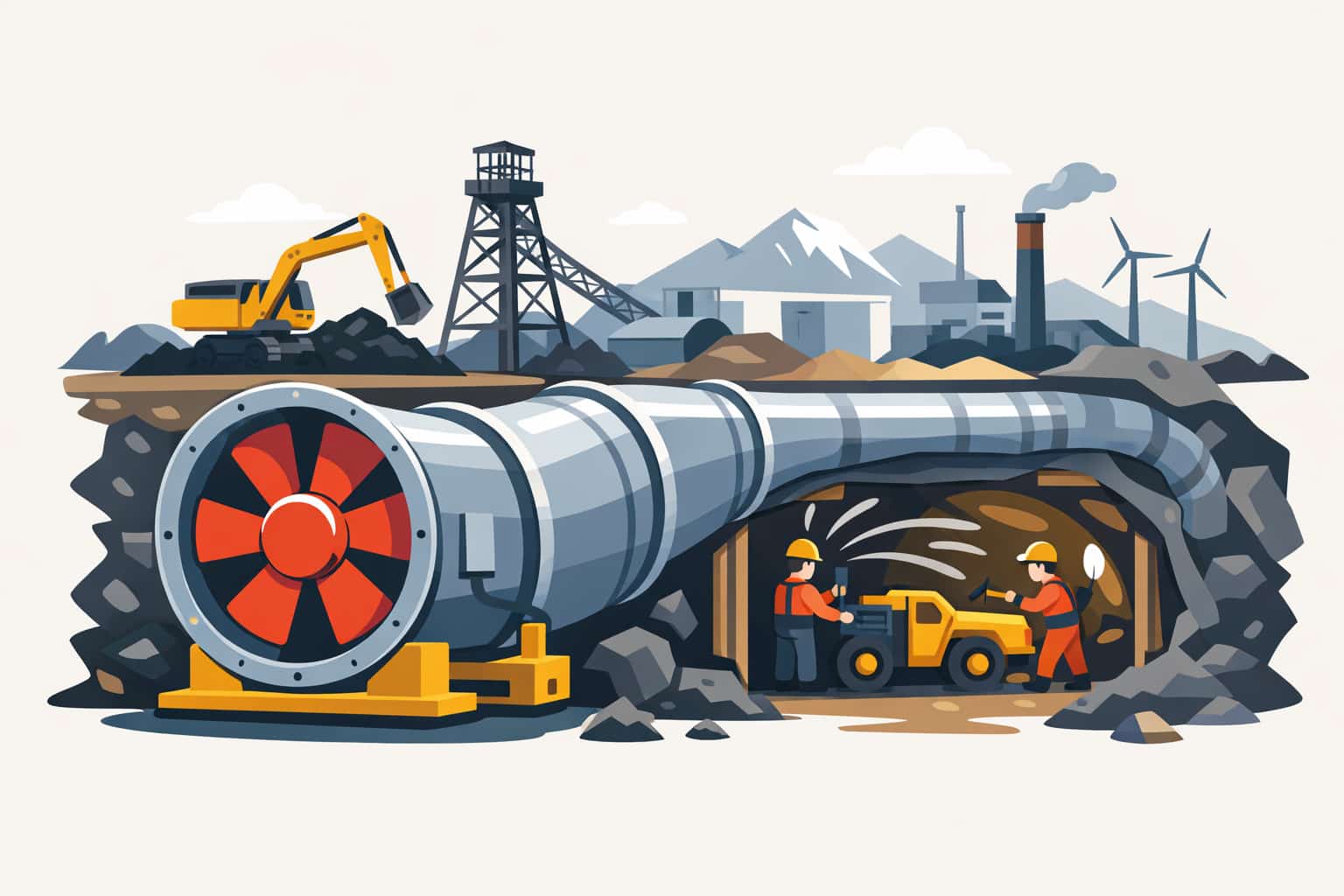

The ventilation requirements for underground mining are defined by a combination of laws, regulations, industry standards, and company rules that together specify how much air must be supplied, how clean it must be, and how ventilation systems must be designed and operated. These requirements exist to protect workers from gas, dust, heat, and oxygen deficiency in deep, confined mine environments.
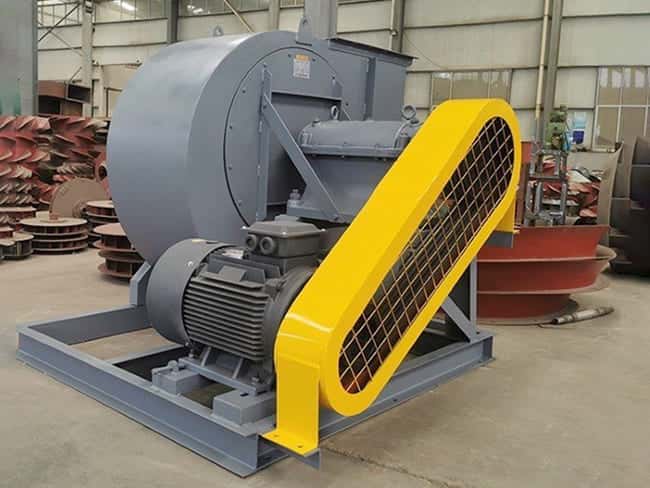
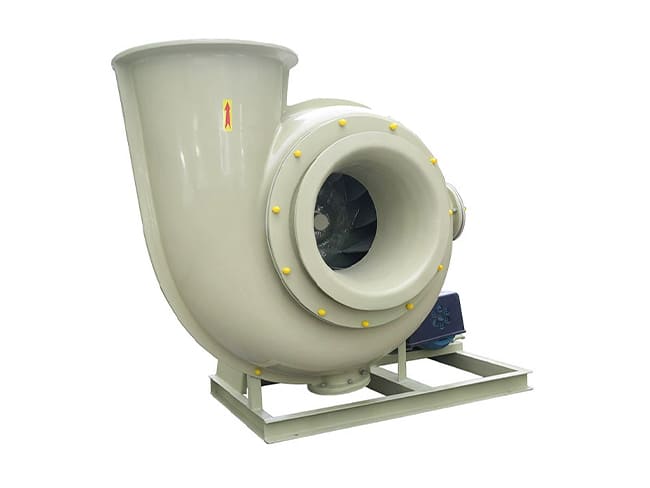
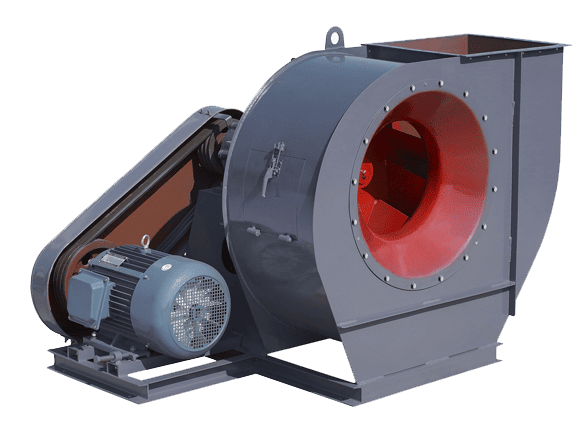
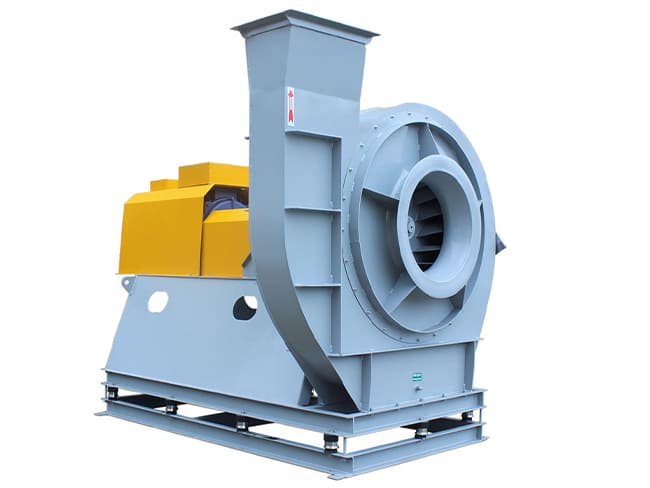
Most regulations start with minimum airflow requirements. They often specify a minimum quantity of air per person underground, per diesel kilowatt, or per working place, as well as required airflow in main travelways and around specific equipment. For example, a mine might be required to provide a certain cubic meters per second of fresh air to each production heading and maintain minimum air velocities in haulage drifts. Mine ventilation engineers must design main and auxiliary ventilation fans, airways, and ducts so that these minimum quantities are consistently achieved.
Ventilation requirements also include strict limits on gas concentrations. Depending on the type of mine, maximum allowable levels are set for methane, carbon monoxide, carbon dioxide, nitrogen oxides, hydrogen sulphide, and other gases. In coal and some metal mines, methane control is especially important because of explosion risk. The ventilation system, together with gas drainage where needed, must keep gas concentrations below these limits during normal operation and must be robust enough to manage foreseeable surges, such as those caused by roof falls or blasting.
Dust and heat are equally important. Regulations typically define exposure limits for respirable dust, including crystalline silica and coal dust, and require that ventilation, water sprays, and filtration be used to keep dust levels under control. In deep or hot mines, requirements may also set maximum acceptable temperatures or wet-bulb values, forcing operators to combine ventilation with cooling systems so that working areas remain within safe thermal limits.
Beyond numerical limits, underground mining regulations require each operation to maintain an approved ventilation plan. This plan describes the layout of intake and return airways, the type and duty of main and booster fans, and the arrangement of auxiliary ventilation for headings and blind ends. It also documents ventilation control devices such as stoppings, doors, regulators, and seals, and sets inspection intervals, monitoring locations, and emergency procedures. A competent ventilation officer or engineer is usually responsible for keeping the plan current.
Monitoring and documentation are part of the requirements as well. Mines must regularly measure airflow, gas levels, and temperatures at specified locations, record the results, and take corrective action when readings approach limits. Fixed gas monitoring systems with alarms are often mandatory in high-risk areas, and there may be rules linking fan operation to gas readings or equipment shutdowns.
In summary, ventilation requirements for underground mining cover minimum airflow, gas and dust limits, heat control, system design, and monitoring. Meeting these requirements means using properly selected mine ventilation fans, well-designed airways and control devices, and a disciplined approach to inspection, measurement, and plan updates throughout the life of the mine.
