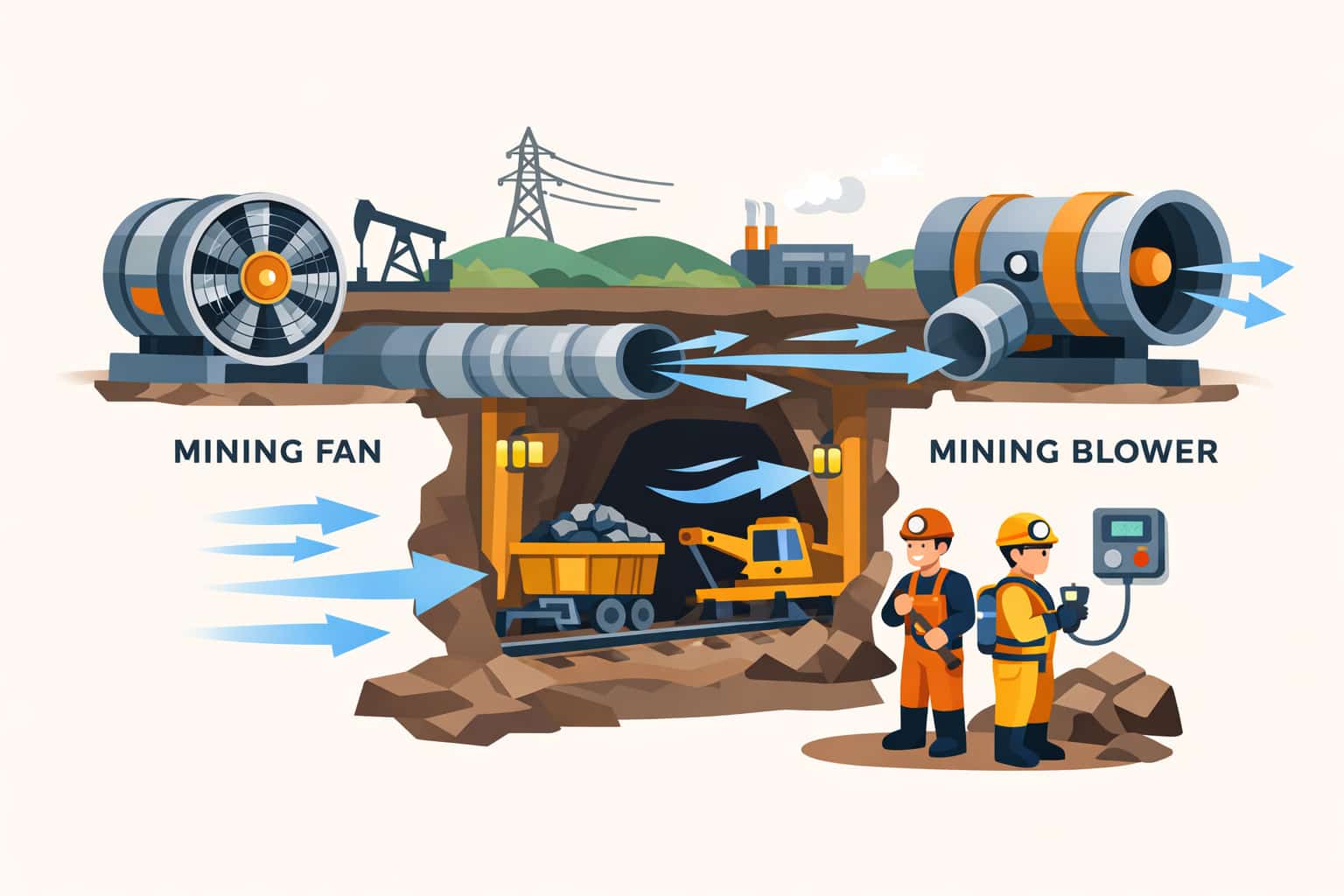
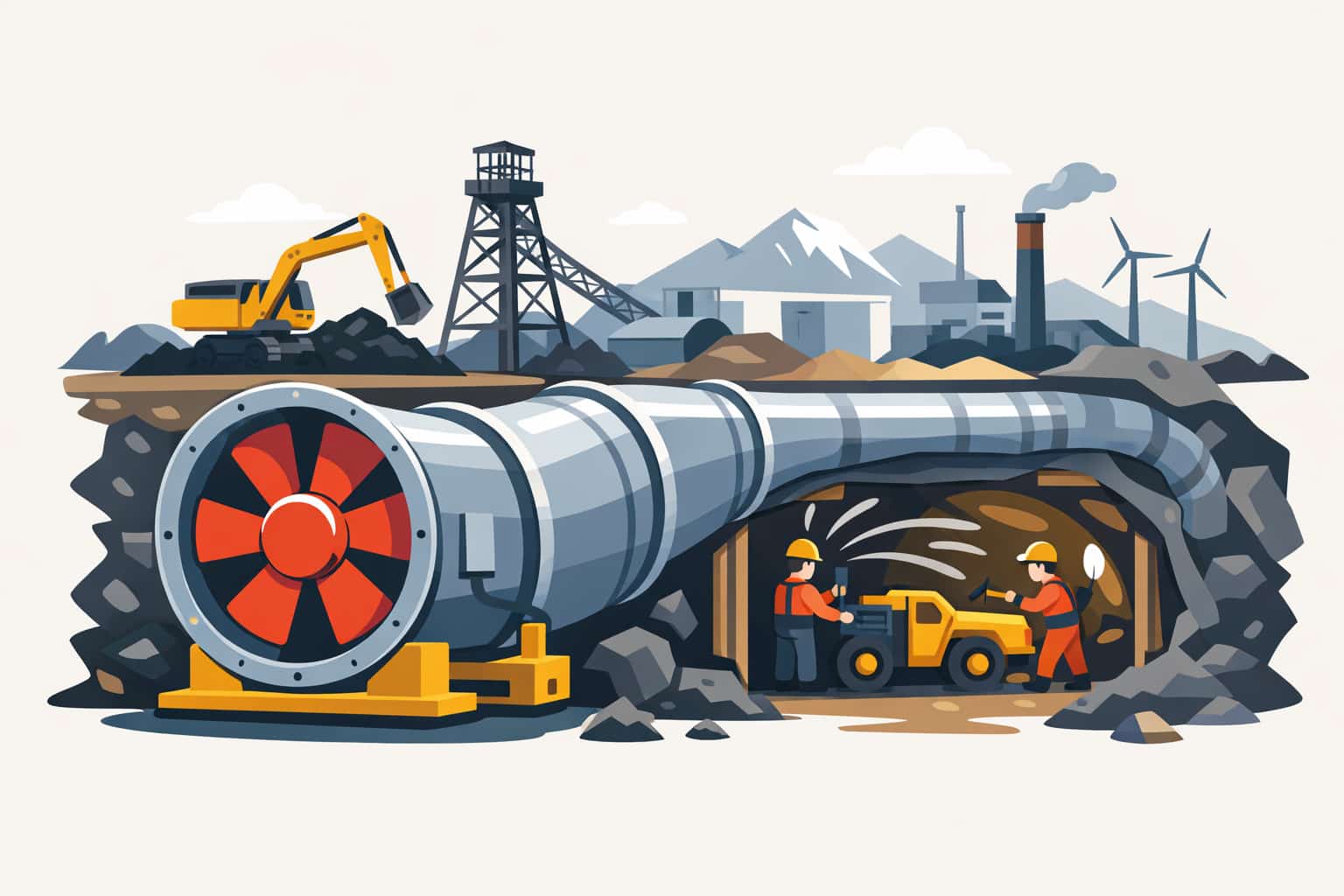
Ventilation requirements in underground mines are fundamentally about providing enough fresh air to keep people safe and enable production while controlling airborne hazards. Although exact numeric requirements vary by country, mine type, and operating permits, the engineering principles are consistent: deliver air to where it is needed, remove contaminated air reliably, and maintain stable, controllable airflow through the network.
1) Adequate quantity of fresh air
The system must supply sufficient airflow to working areas, travelways, and active headings. Air quantity is commonly determined by a combination of factors such as workforce size, diesel equipment usage, blasting cycles, heat load, and expected contaminant generation. In practice, ventilation engineers set district airflow targets and confirm them with measurements, then adjust regulators, doors, and fan settings to maintain those targets.
2) Contaminant dilution and removal
Underground operations can generate dust, diesel particulate and gases, blasting fumes, and other airborne contaminants. Ventilation must be designed to dilute these contaminants to acceptable levels and transport them to return airways and exhaust points. This requires properly defined intake and return routes, avoidance of short-circuiting, and sufficient velocity in areas where contaminants may otherwise stagnate.
3) Local ventilation at headings (auxiliary ventilation)
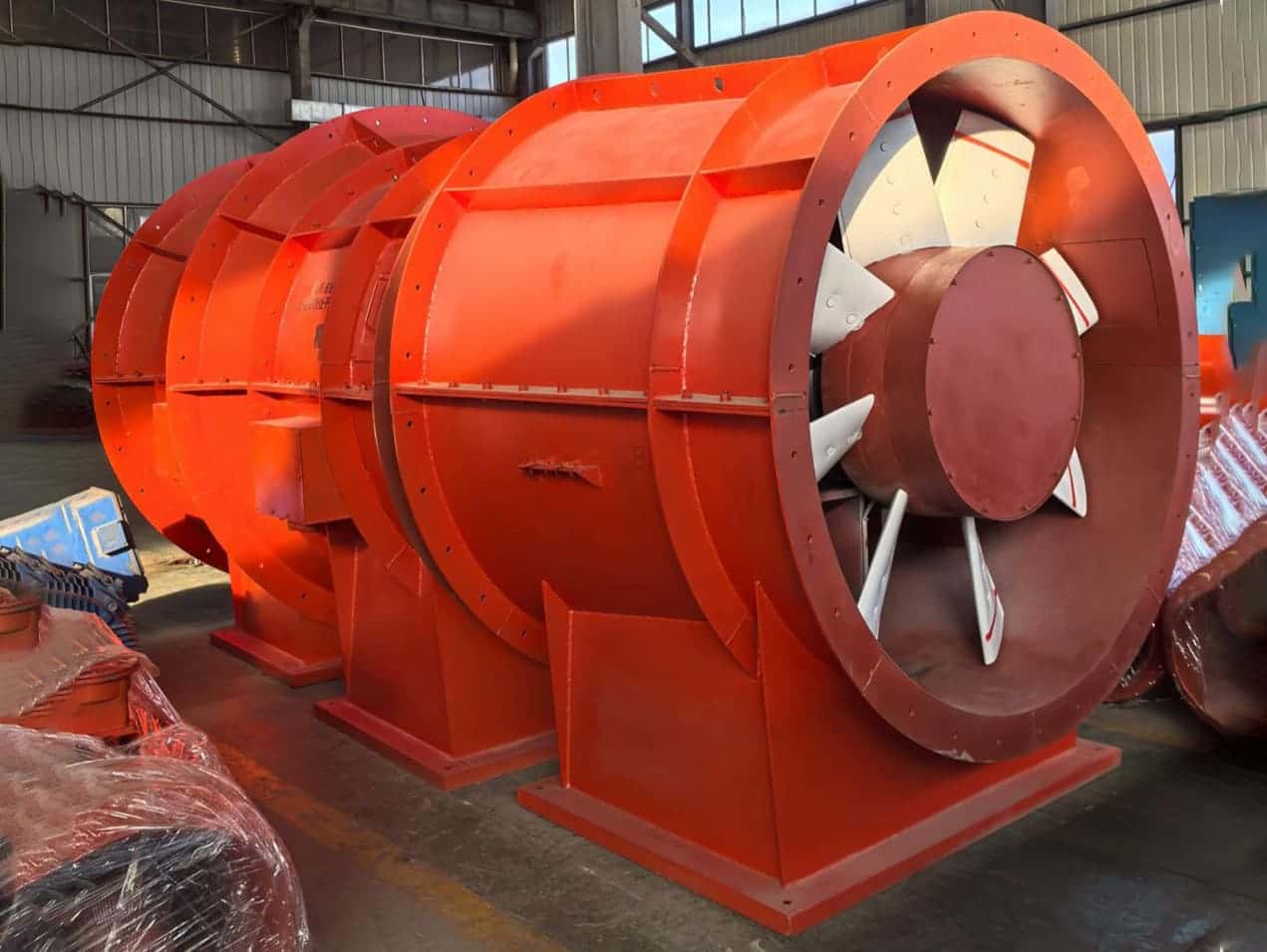
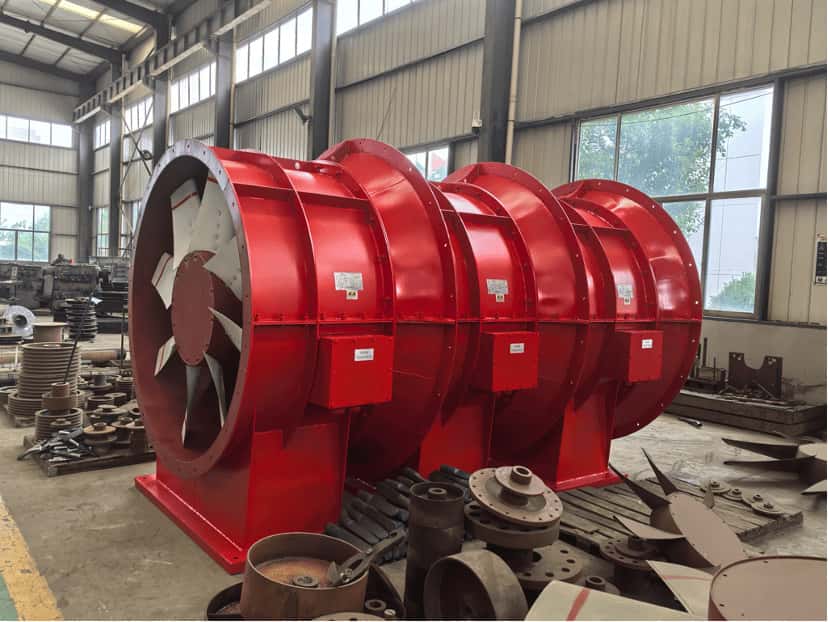
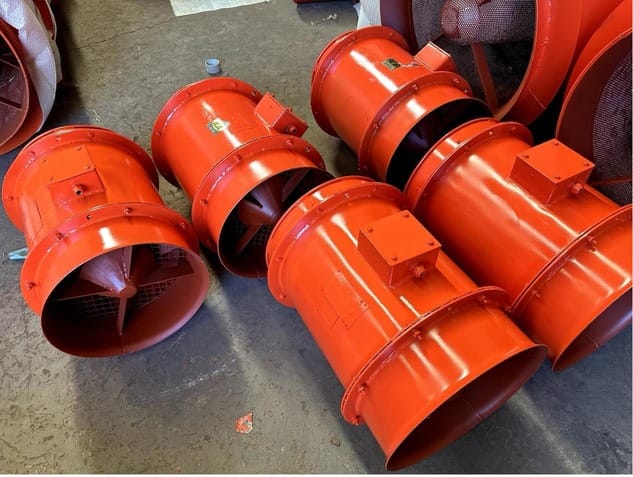
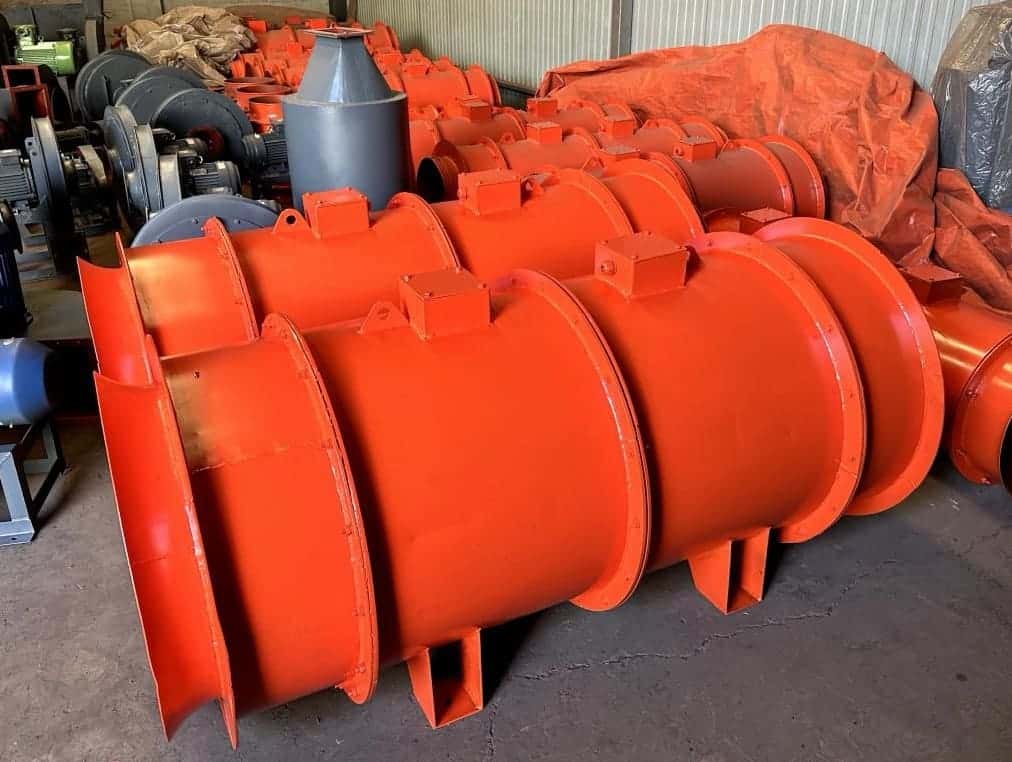
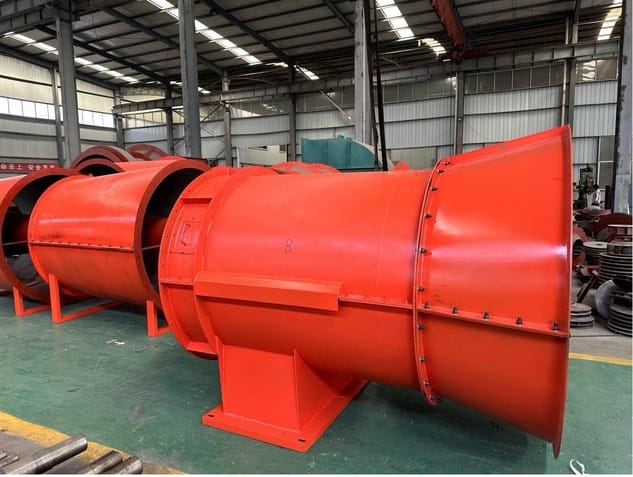
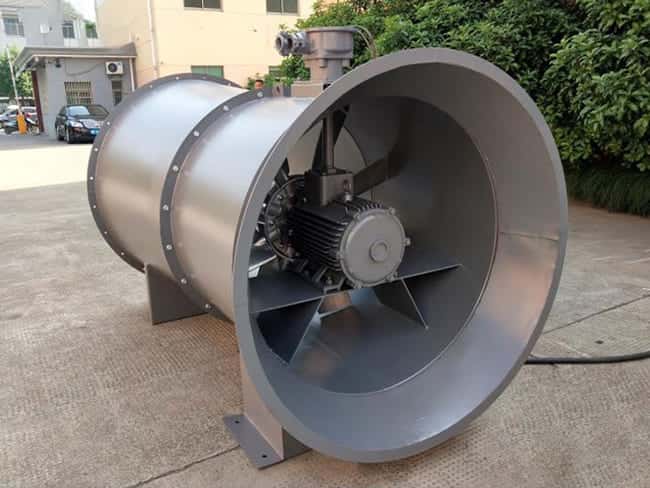
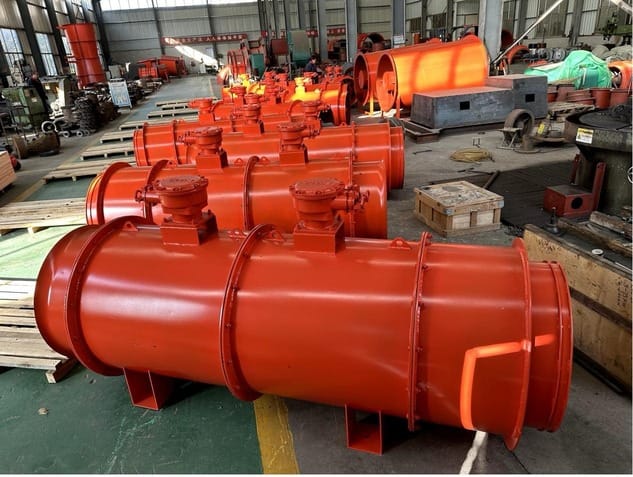
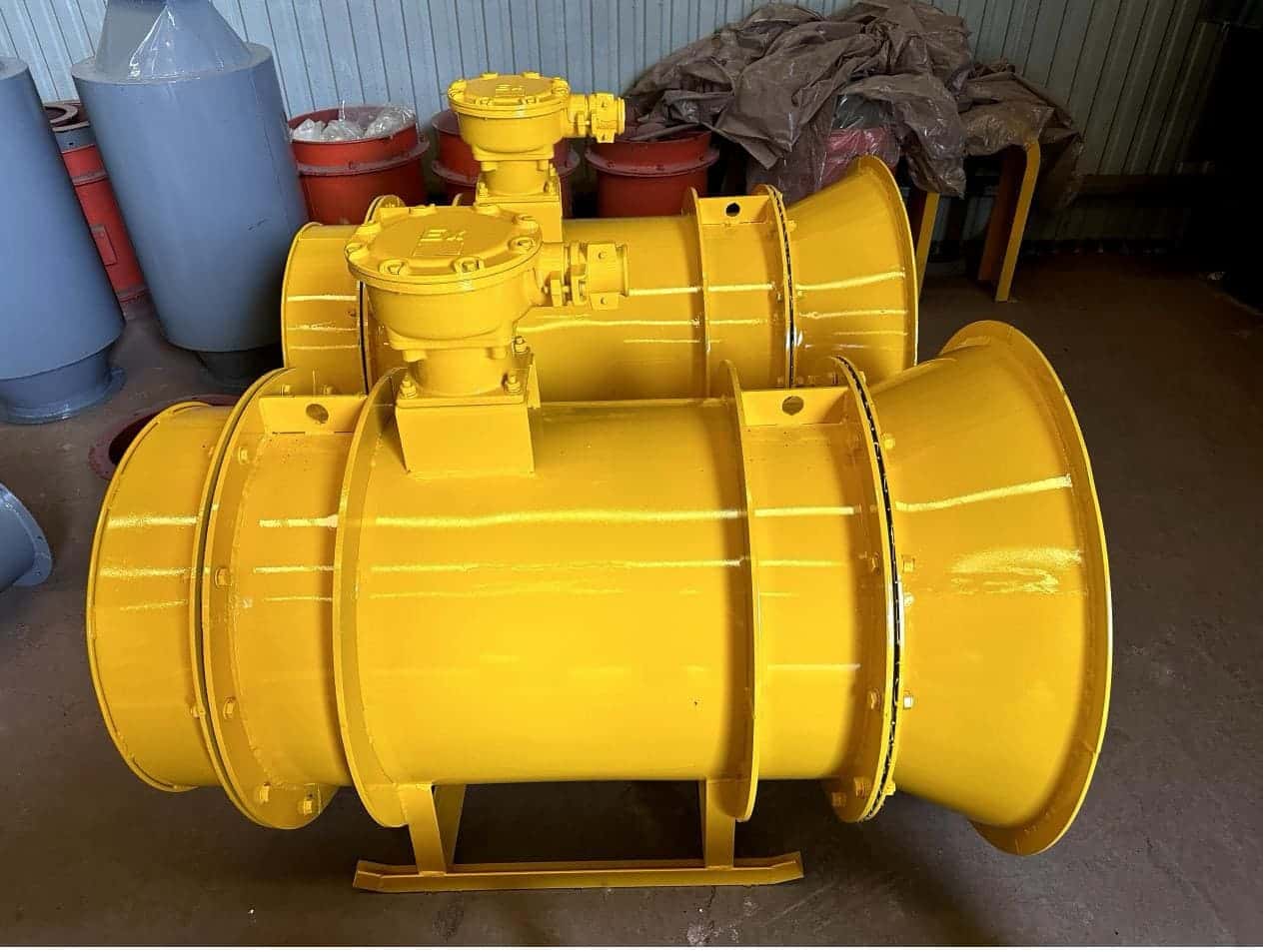
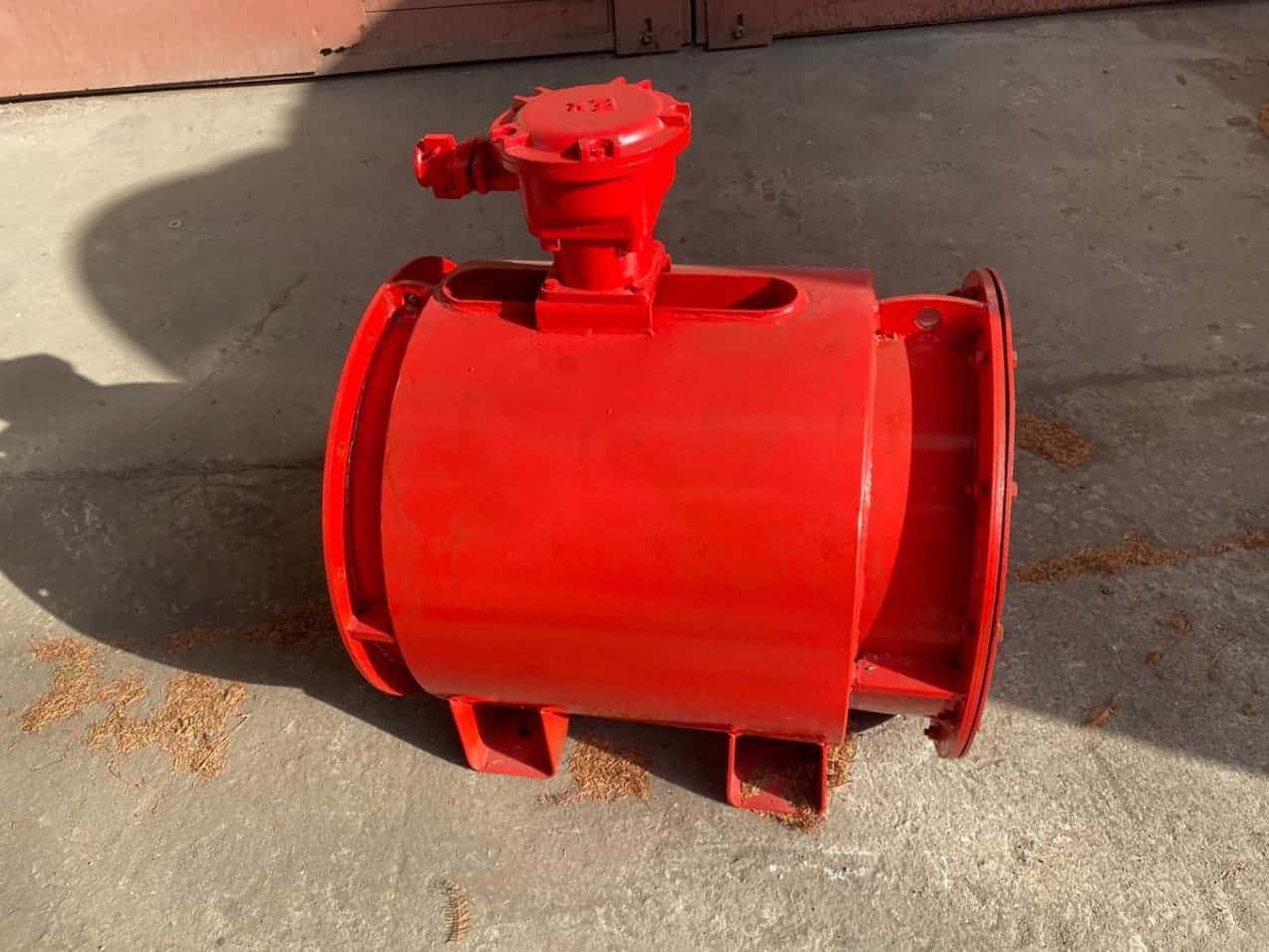
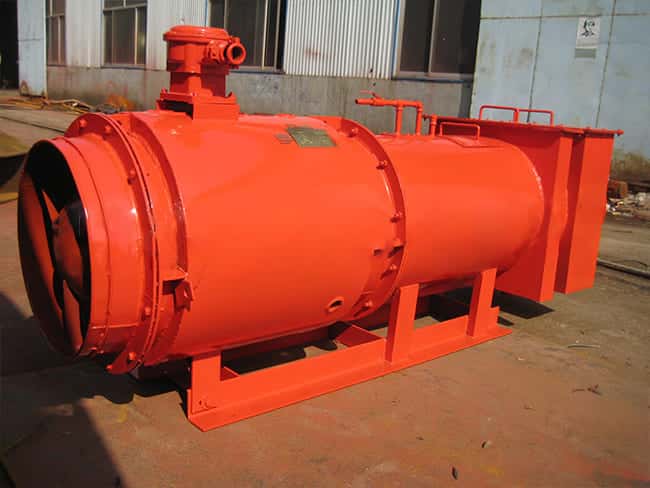
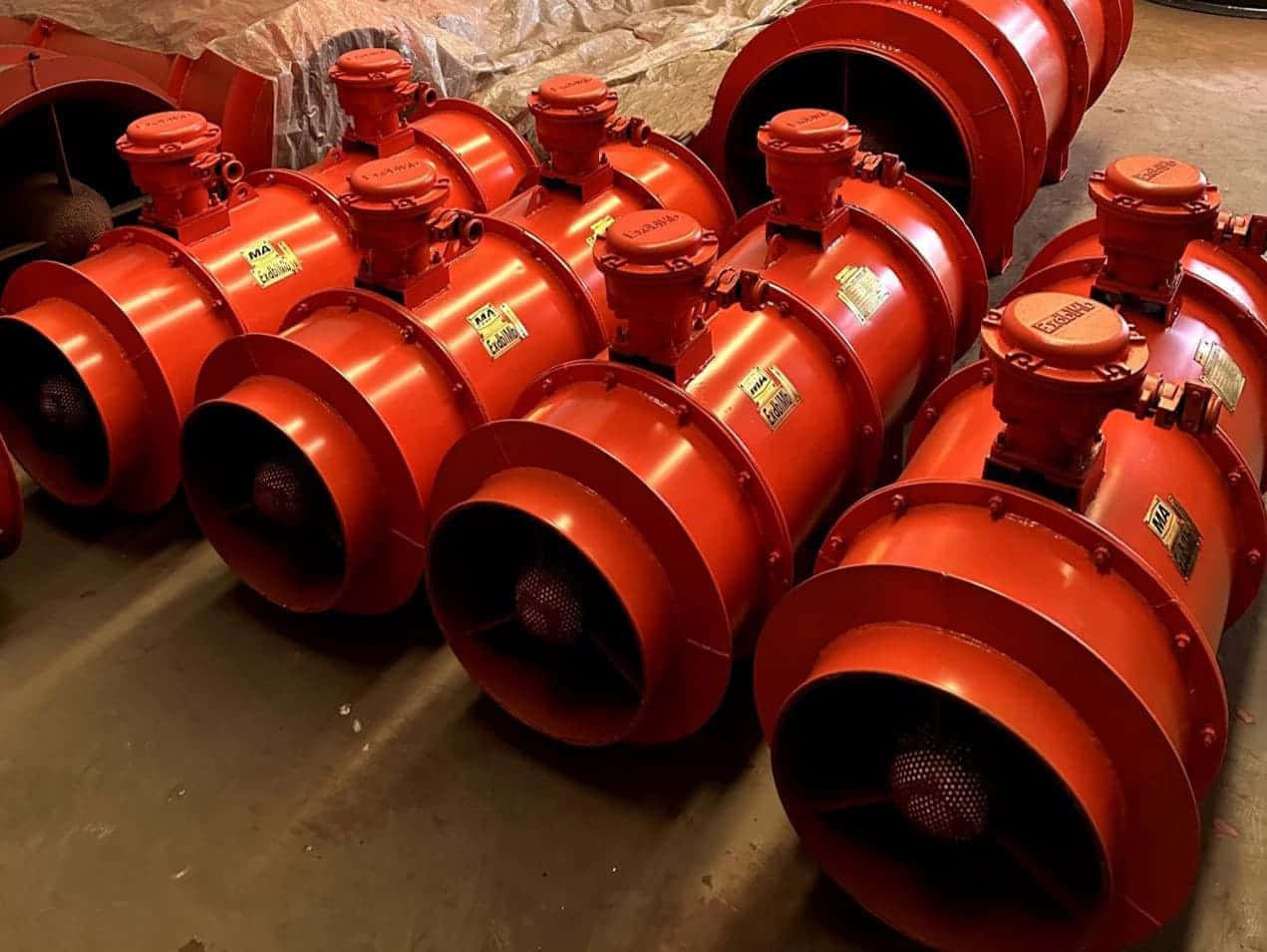
Development faces and blind ends typically require auxiliary fans and ducting to bring air to the face. Key requirements include maintaining airflow at the face despite increasing duct length, limiting duct leakage, and ensuring the arrangement (forcing or exhaust) does not create recirculation zones. Duct condition and installation quality are often as important as fan selection.
4) Heat and humidity control
As mines go deeper, heat load from rock temperature, equipment, and human activity increases. Ventilation requirements include controlling temperature and humidity to prevent heat stress and maintain workable conditions. Where ventilation alone is insufficient, mines may integrate cooling systems, but airflow still remains the primary method to distribute and remove heat from work areas.
5) Controlled airflow distribution and pressure management
A mine is a complex network of airways. Ventilation requirements include keeping the network stable so that air goes where it is intended. This involves managing resistance with regulators and doors, controlling leakage through stoppings and seals, and ensuring that booster fans (if used) do not create harmful pressure relationships. Stable distribution is essential for predictable contaminant control.
6) Monitoring, verification, and operational discipline
Ventilation performance must be verified, not assumed. Typical requirements include routine airflow and pressure checks, gas monitoring where relevant, and inspection of doors, stoppings, and ducting. Operational discipline matters: leaving doors open, damaging ducting, or changing regulators without control can undermine system performance quickly.
7) Emergency readiness
Ventilation requirements also include having procedures for fan outages, smoke management, and controlled re-entry after interruptions. Redundancy, alarms, and defined response steps help ensure the mine can respond safely to abnormal events.
Overall, underground mine ventilation requirements can be summarized as: provide enough fresh air to all active and occupied areas, control dust and gases through stable airflow paths, support headings with auxiliary ventilation, manage heat load, and continuously monitor and maintain the system so performance remains consistent as the mine changes.