
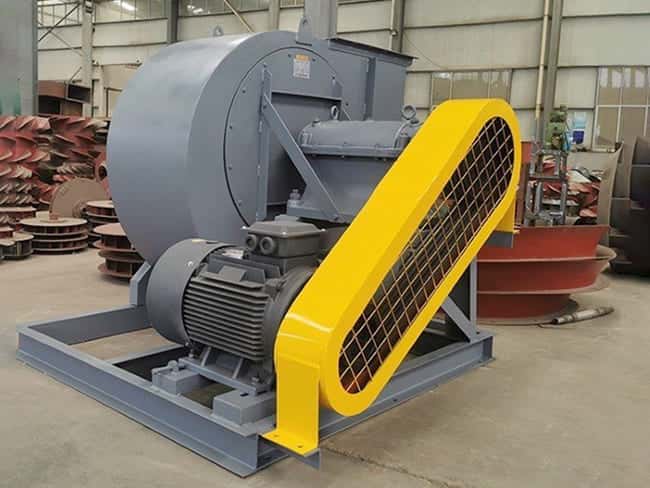
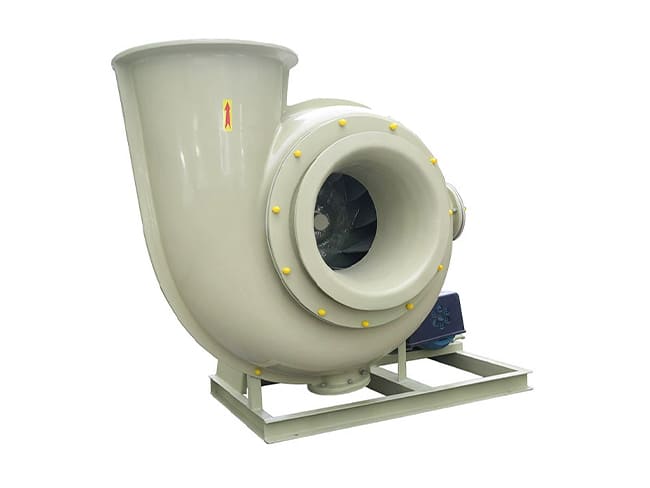
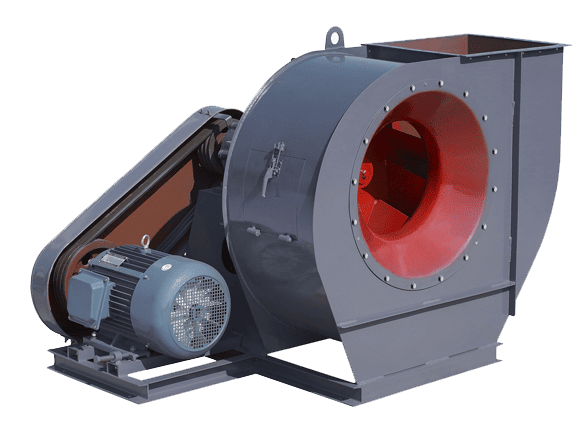
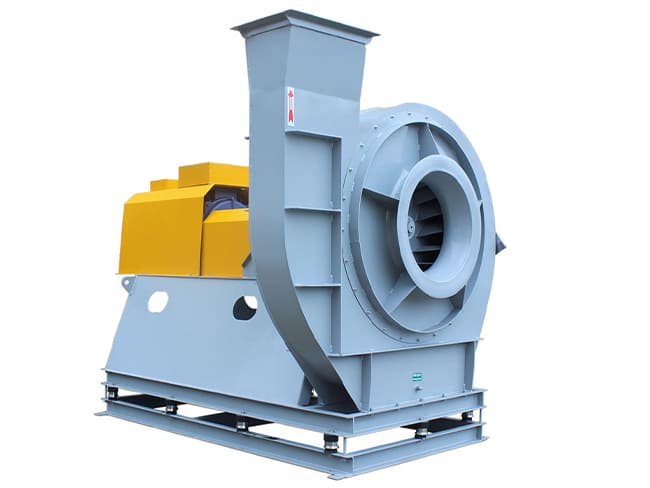





When people ask about typical CFM values for fans, they want to know what airflow ranges are common for different sizes and applications. CFM (cubic feet per minute) is a measure of volume flow rate, so typical values depend on the size of the fan, the type of fan and how it is used. Small room fans, large warehouse fans and main mine ventilation fans all operate in very different CFM ranges.
At the small end, residential exhaust fans for bathrooms and utility rooms often provide between 50 and 200 CFM. These values are enough to remove steam and odours from small spaces. Typical ceiling fans used only for comfort circulation can move a few thousand CFM, but because they mostly recirculate air rather than exchange it with outdoors, they are not usually rated as primary ventilation devices.
In light commercial and industrial buildings, wall-mounted exhaust fans, roof ventilators and supply fans usually operate in the range of 2,000 to 20,000 CFM per unit. A small workshop or equipment room might need a fan delivering 1,500–3,000 CFM, while a larger manufacturing area or warehouse could require multiple fans each rated at 10,000 CFM or more. In these cases, the actual CFM requirement is based on air changes per hour, heat load and contaminant control, not just on typical values.
For large industrial plants and process ventilation, single fans or fan banks can easily reach 20,000–100,000 CFM or more. Examples include general exhaust for steel mills, chemical plants and bulk material handling facilities. Local exhaust hoods may be served by duct branches in the hundreds or low thousands of CFM, all connected to larger main fans that move the combined volume.
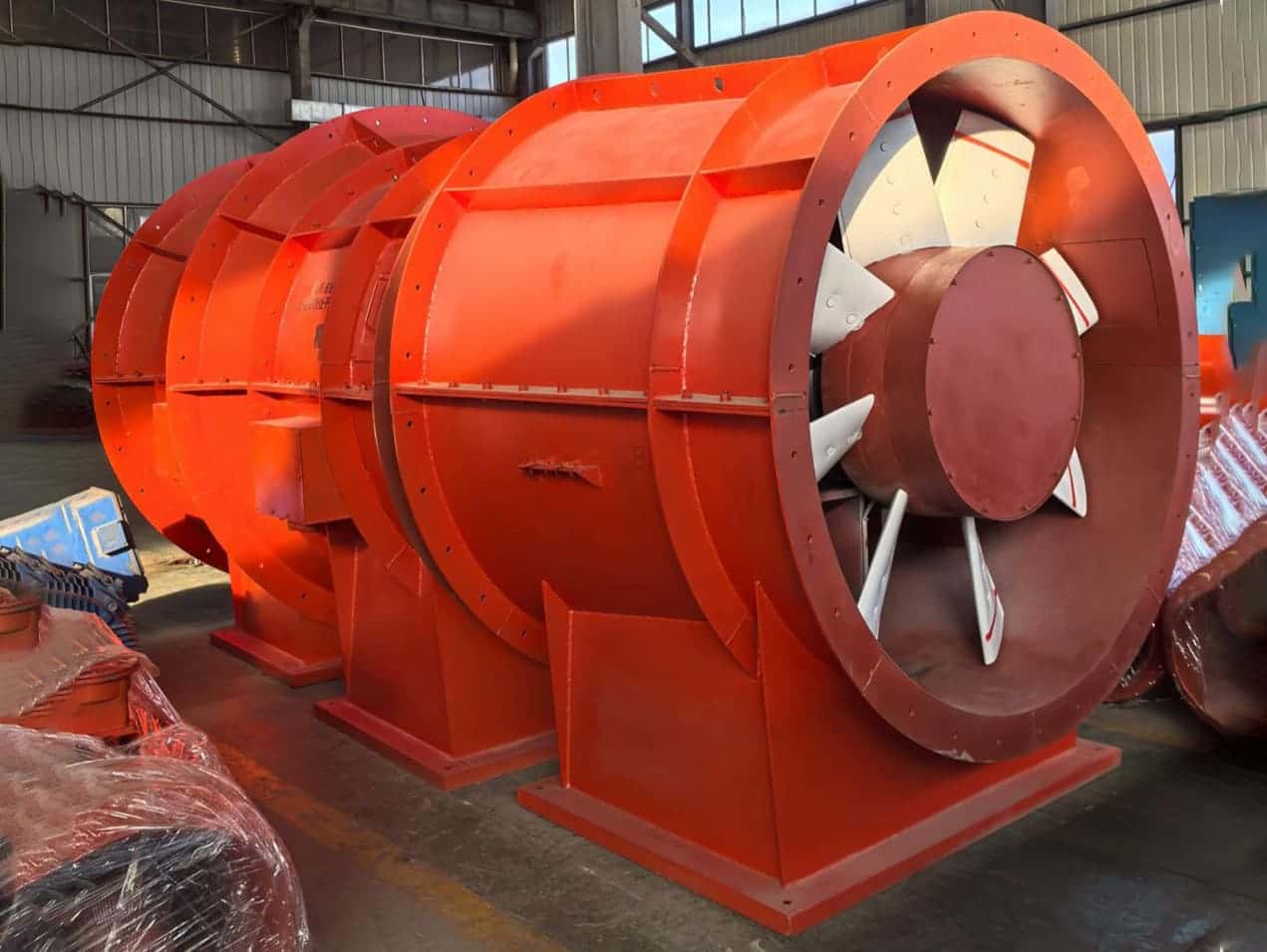
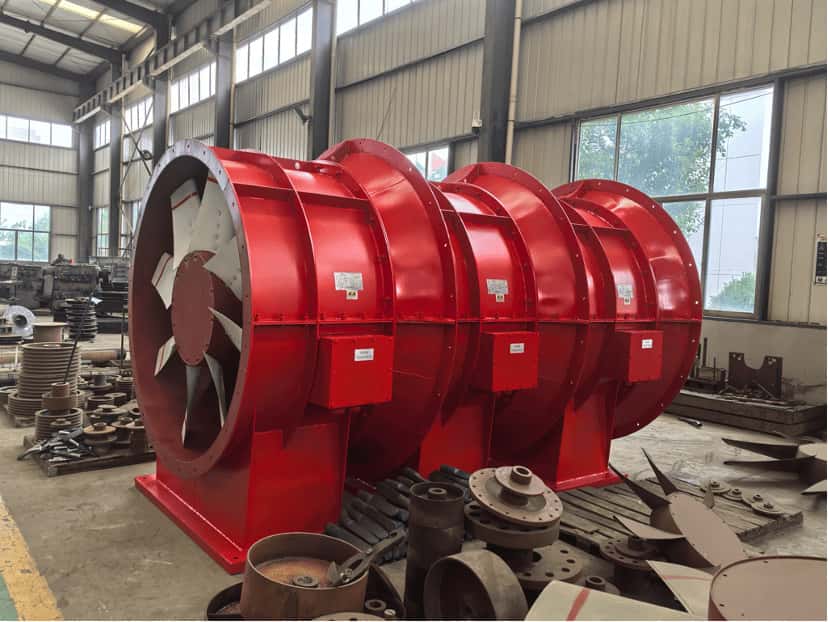
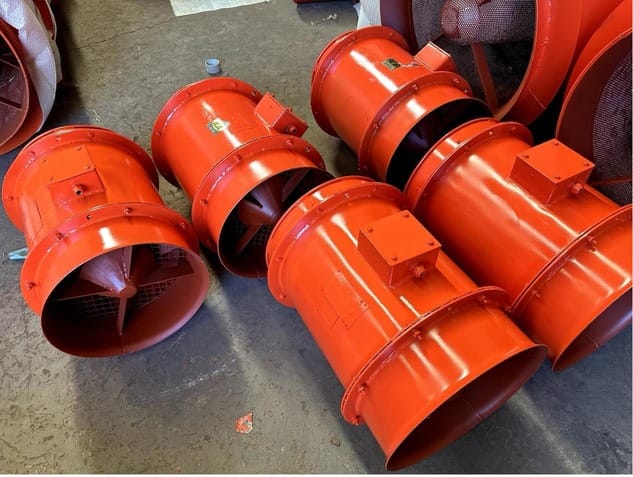
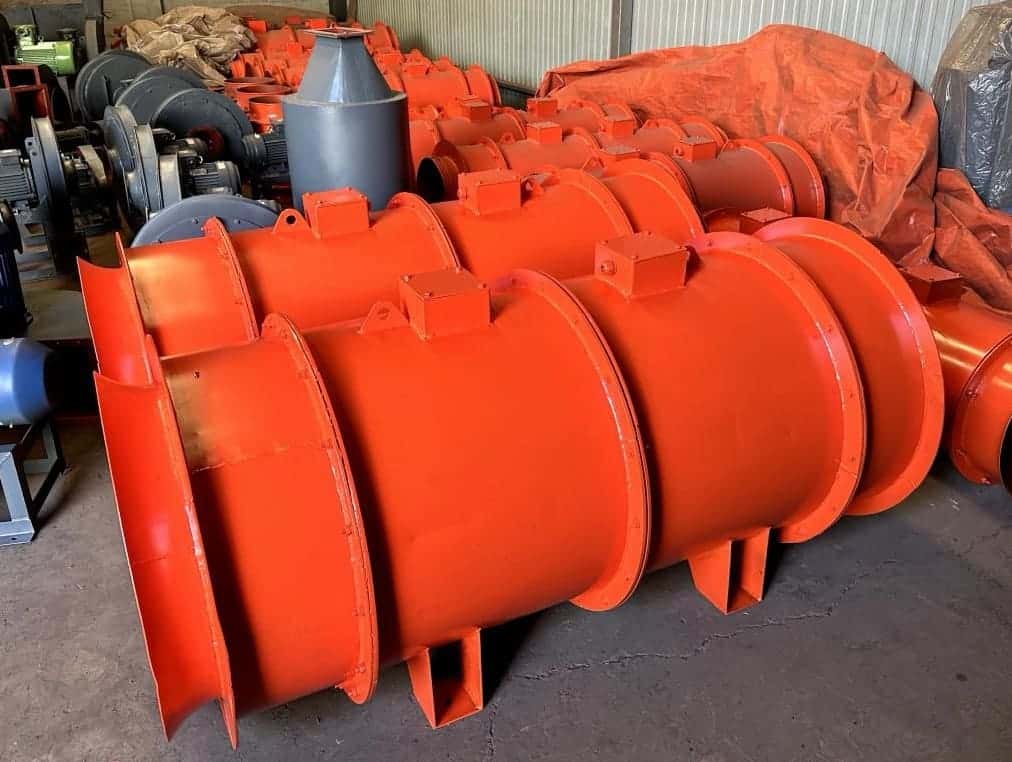
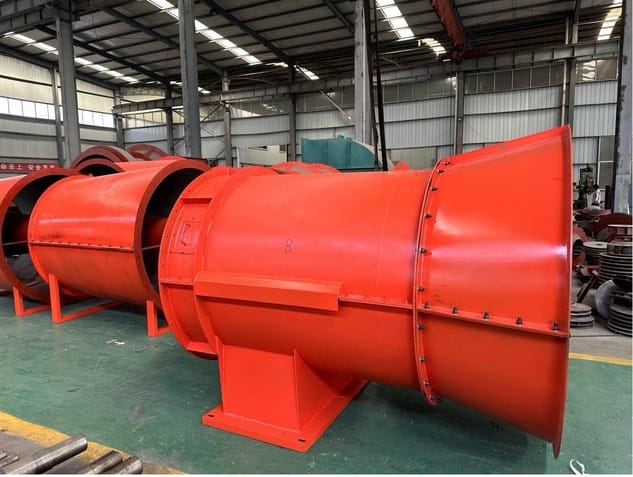
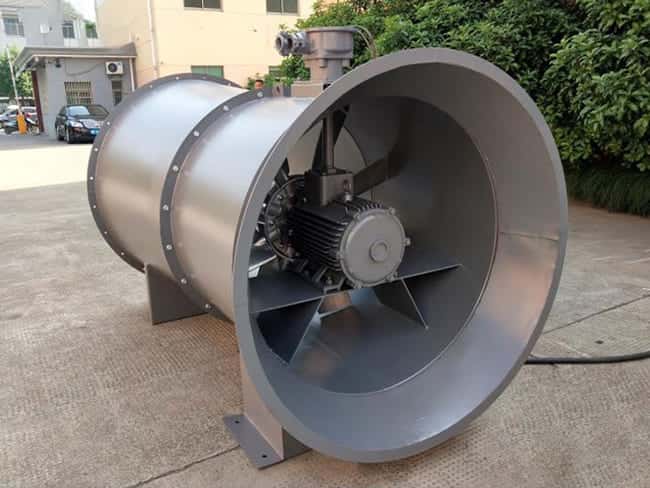
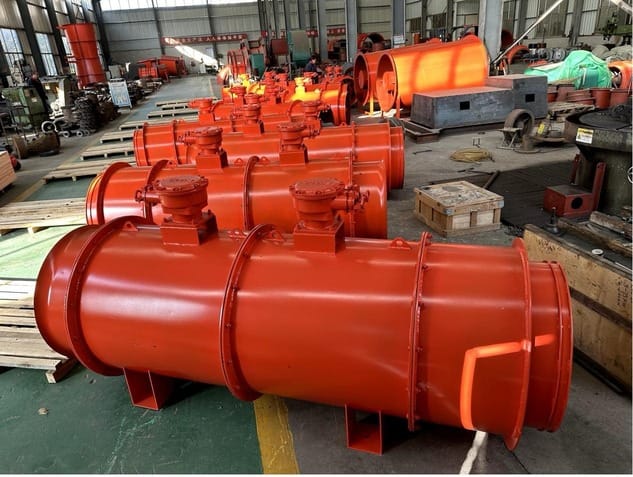
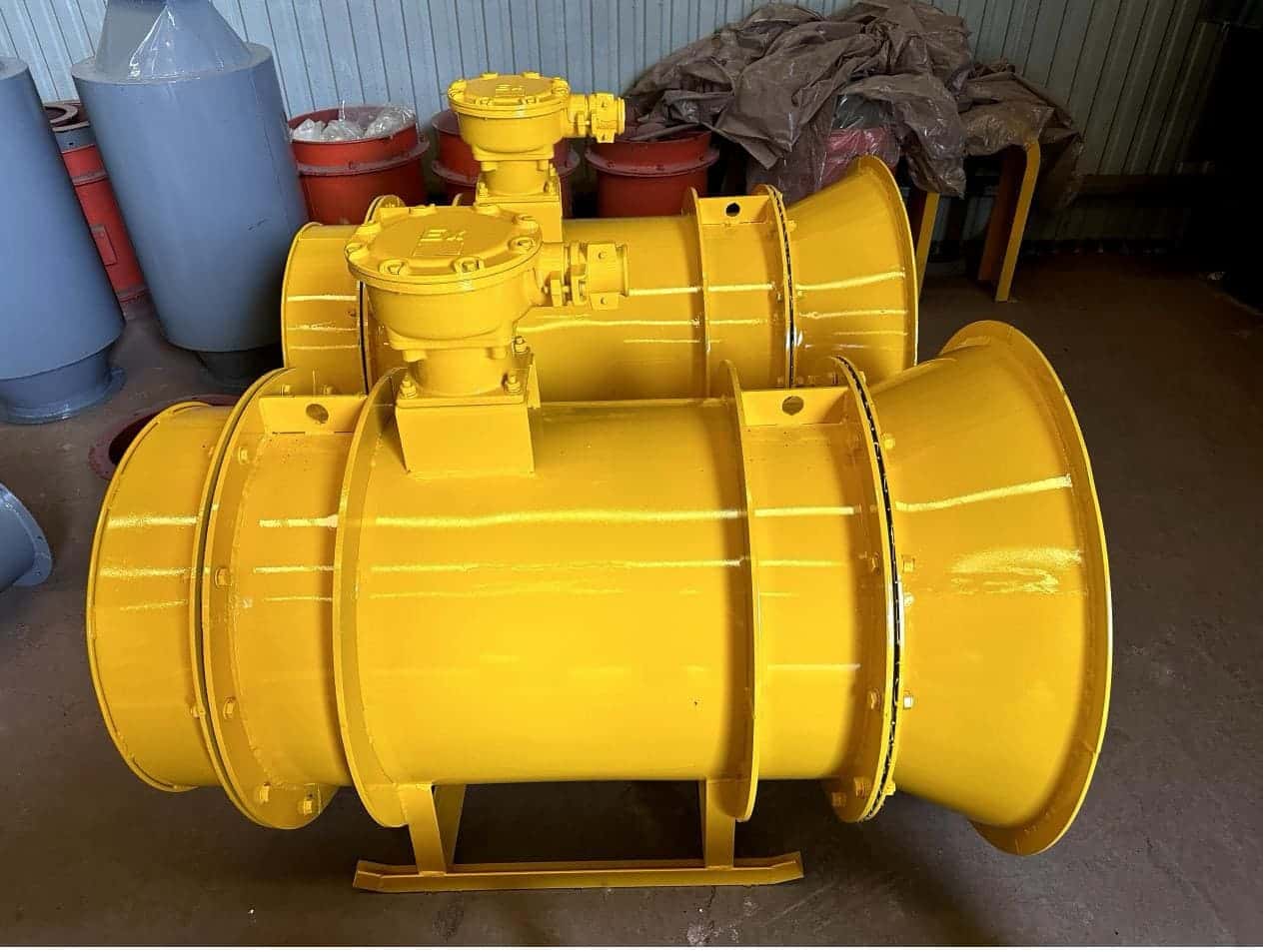
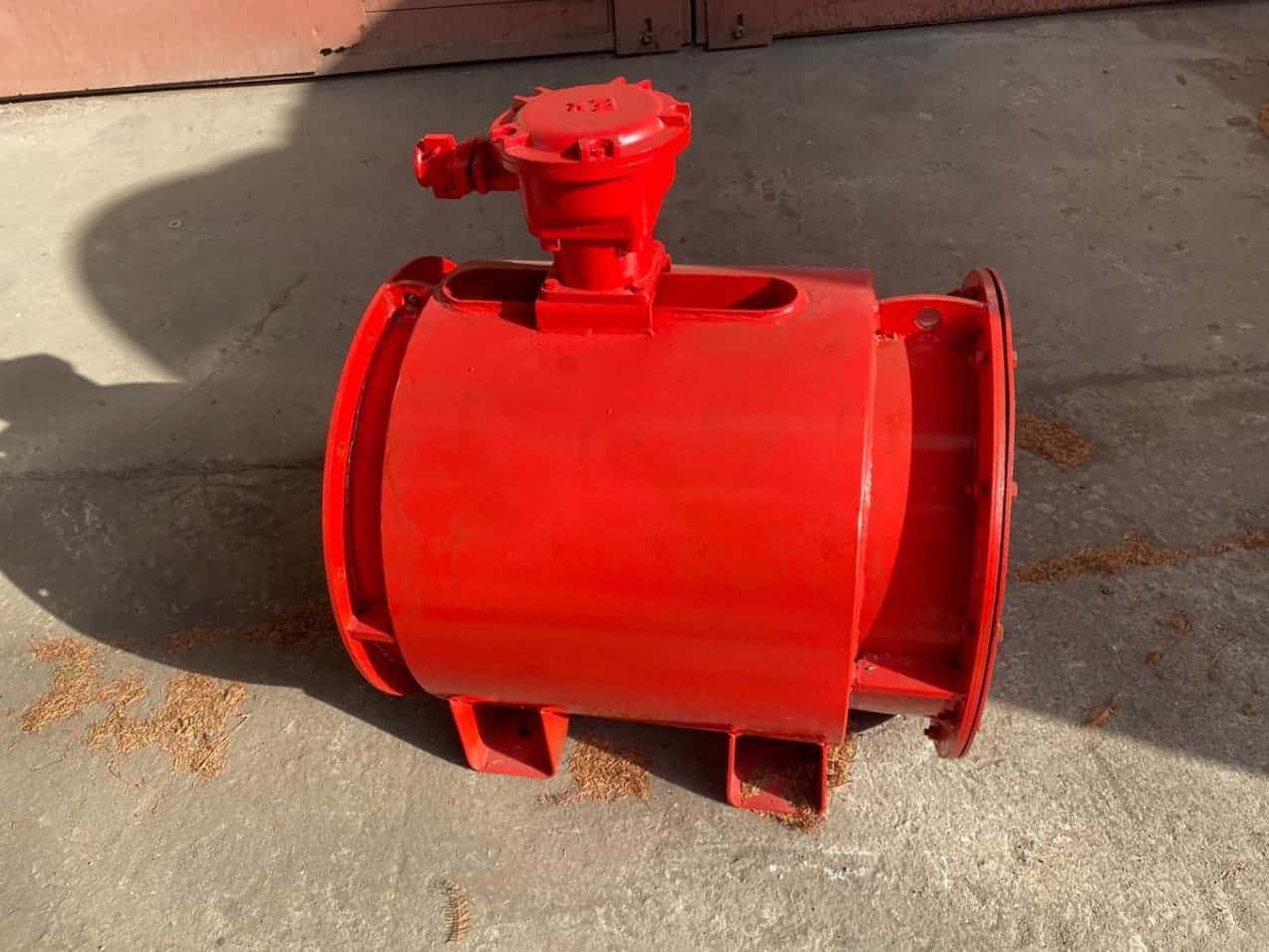
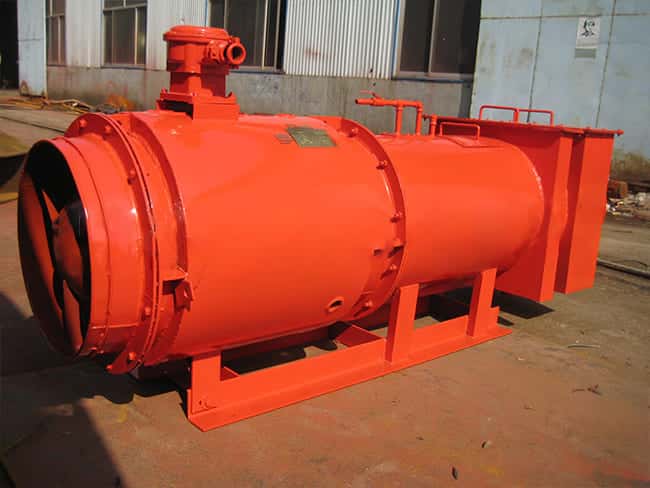
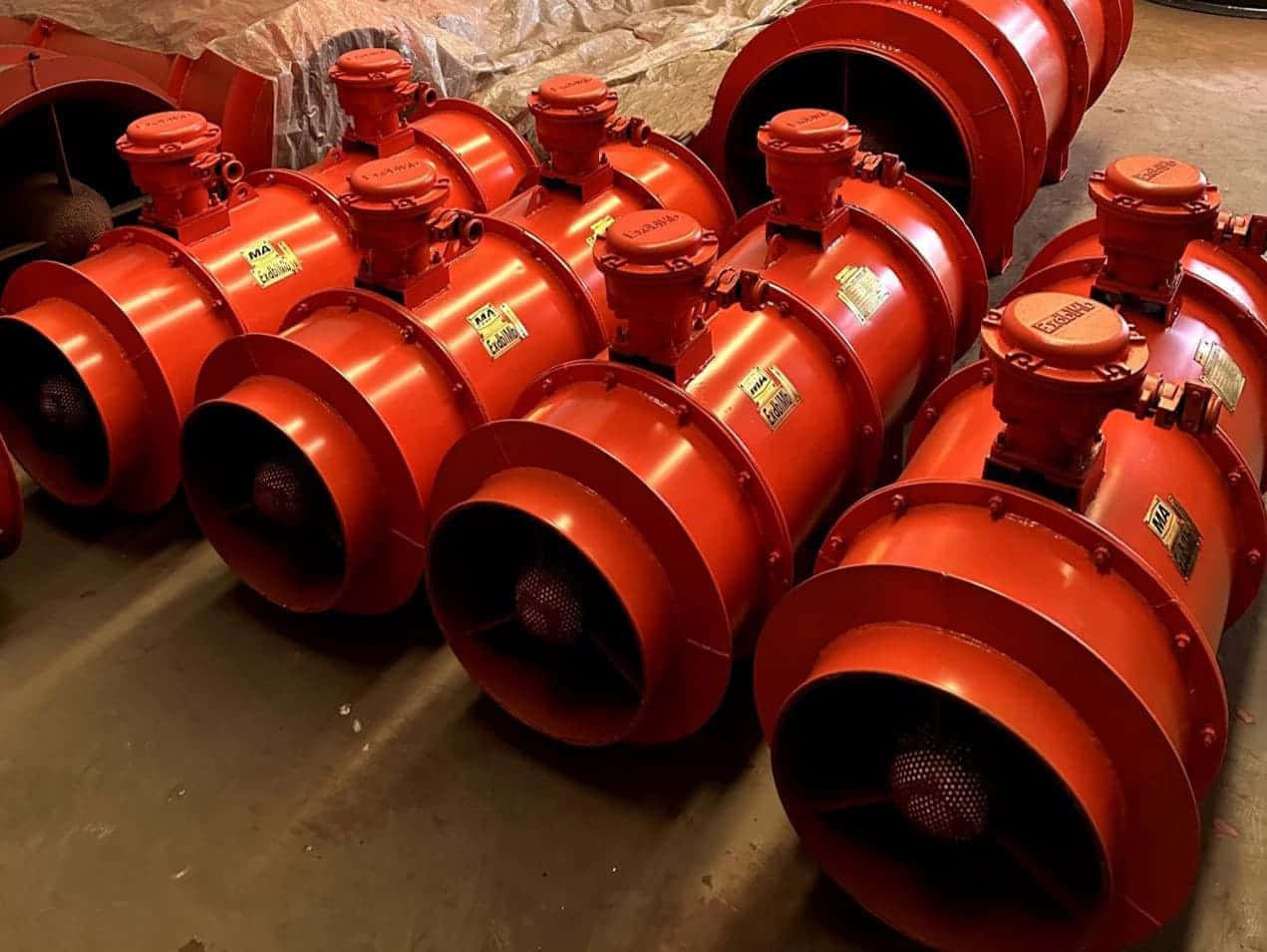
In underground mining ventilation, main mine fans and large booster fans often operate at very high airflows, measured in hundreds of thousands of CFM (or tens to hundreds of cubic metres per second). Auxiliary fans with flexible ducts serving single headings may work in the range of 3,000–20,000 CFM, depending on heading size, diesel power and regulatory requirements. Here, typical CFM ranges are tightly tied to safety standards for gas dilution, dust control and cooling.
Because there is such a wide spread from a few dozen CFM to hundreds of thousands of CFM, it is important not to choose a fan by “typical” numbers alone. Instead, you should calculate the required airflow for your specific room, process or mine section, then select a fan whose CFM rating meets that requirement at the necessary static pressure. Typical values are useful as a sanity check, but proper design always starts from calculated air quantities.