
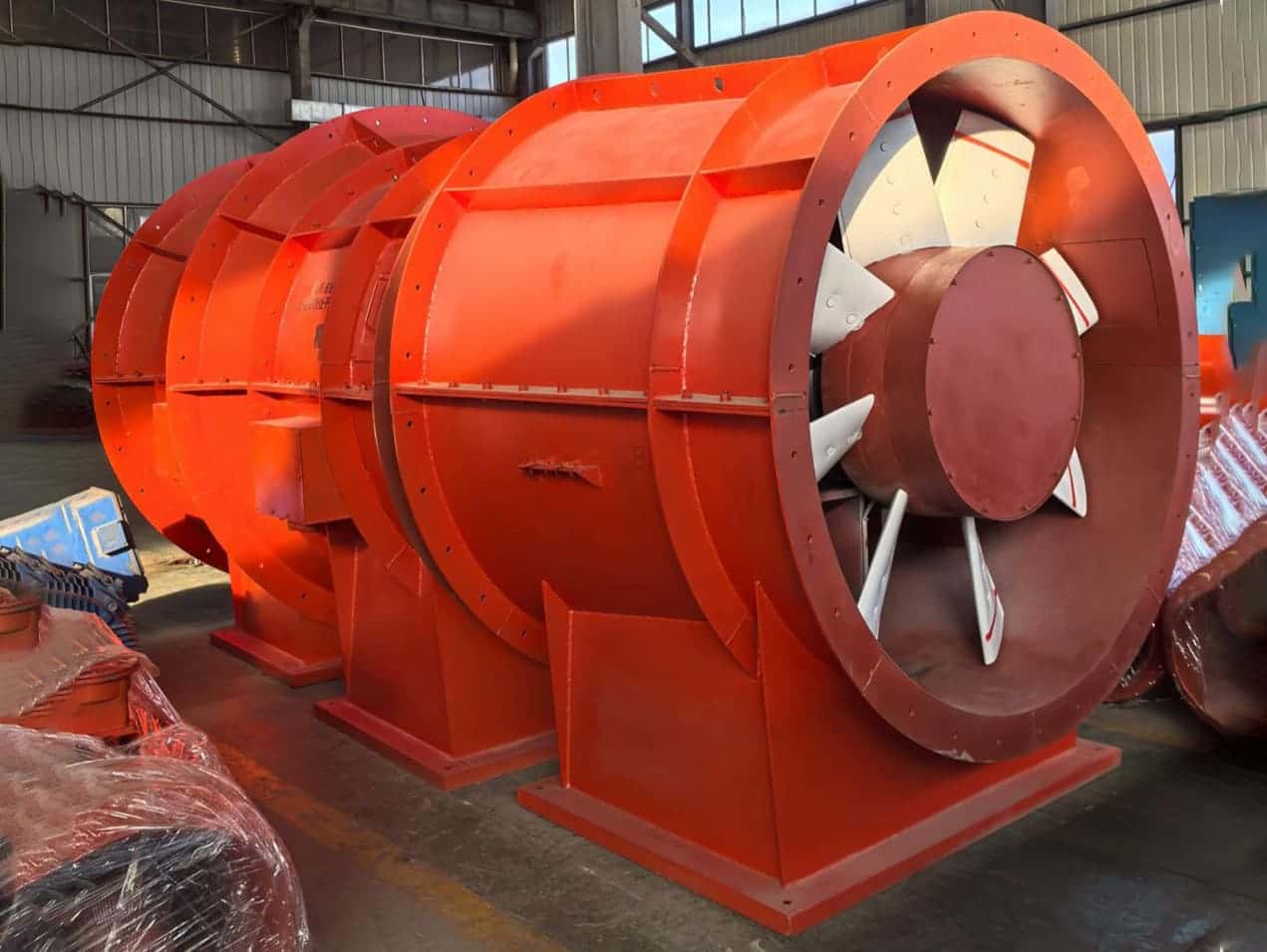
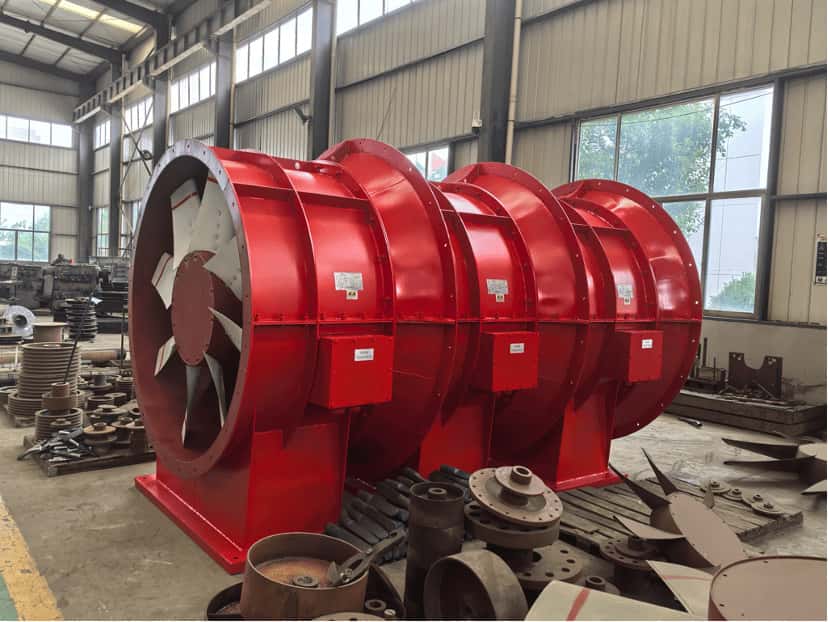
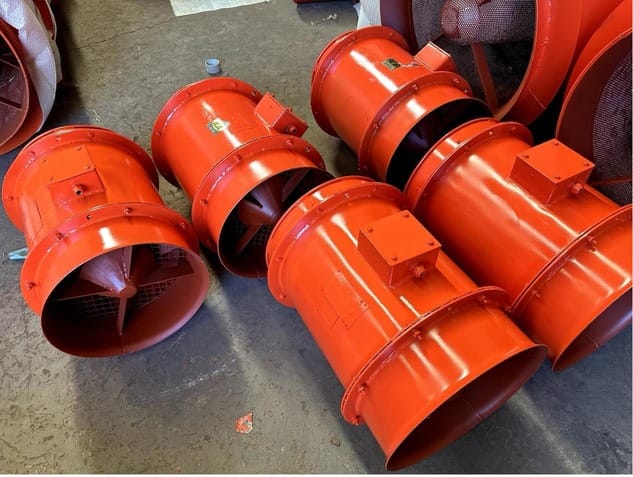
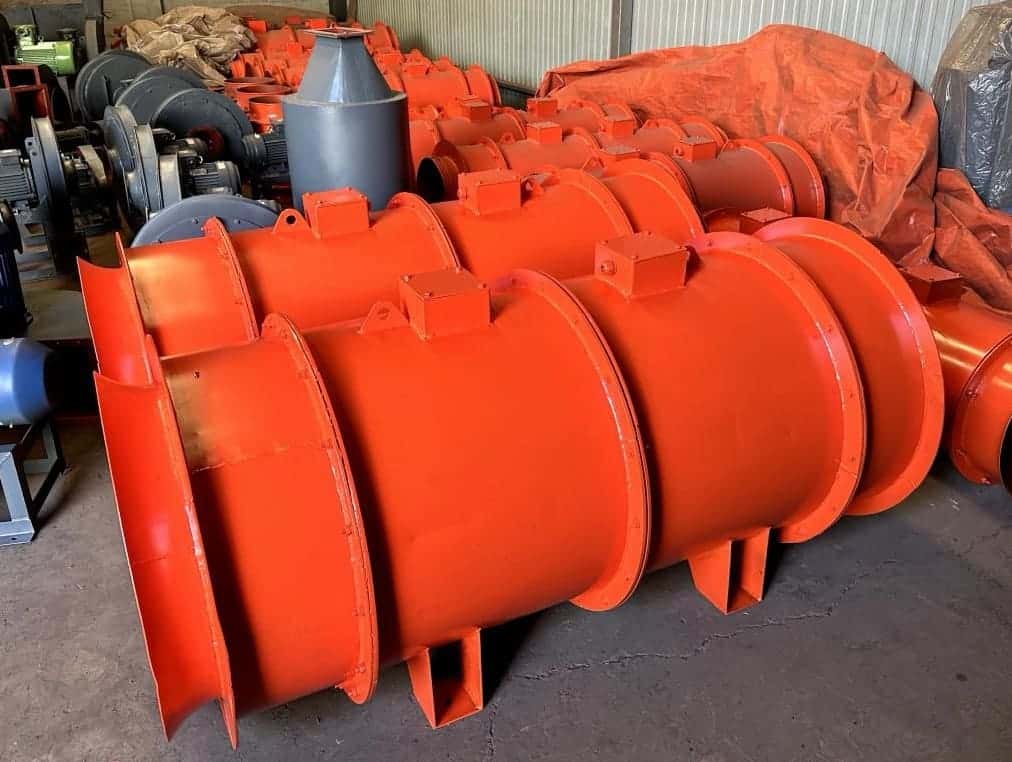
A fan that suddenly stops rotating usually has either an electrical/control problem or a mechanical problem, and sometimes both. In industrial plants and mines, understanding these causes is important for safe troubleshooting and preventing repeat failures.
The most common group of causes is power or control issues. A circuit breaker or fuse may have operated due to an overload or short circuit. Overload relays, thermal protection in the motor or fault protection in a variable-frequency drive (VFD) can also trip if the fan draws too much current or the supply voltage is unstable. Control faults such as a failed start/stop button, broken control wiring, a faulty relay, an active emergency stop circuit or an interlock that has not been satisfied can all prevent the motor from energising, even when the main power supply is available.
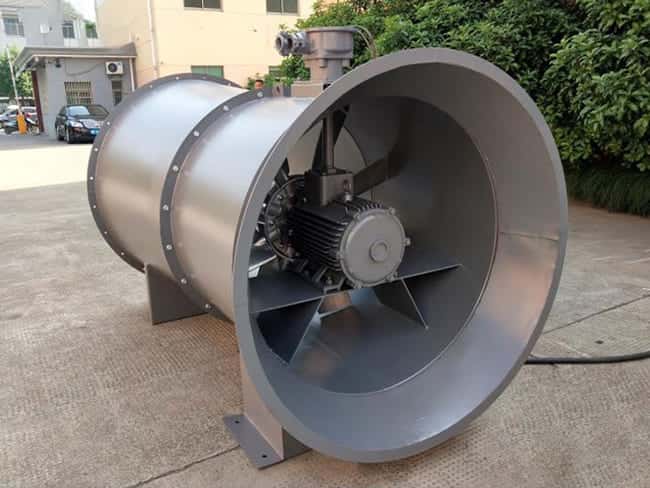
The second major group is mechanical causes. Worn or seized bearings can lock the shaft, especially if lubrication has been neglected or if contamination has entered the bearing housings. Foreign objects—loose bolts, tools, stones, pieces of duct lining or broken blades—can become lodged between the impeller and the casing, physically preventing rotation. Over-tightened belts, misaligned couplings or collapsed foundations can also create enough friction or misalignment to stop the fan from turning freely.
In harsh environments such as mines or chemical plants, corrosion and buildup are frequent contributors. Dust, mud or product deposits can accumulate on blades and in clearances, gradually increasing drag until the fan stalls or the motor trips on overload. Corrosion may cause the impeller to rub against the casing or the shaft to bind in the bearings.
Safe investigation always begins with isolating power and locking out the fan to prevent unintentional start-up. After that, visual inspection, gentle manual rotation of the shaft (if safe), checking for noise or stiffness, and then systematic electrical testing help distinguish between a control/power issue and a mechanical jam. Once the root cause is identified and corrected—whether a tripped drive, failed motor, seized bearing or blockage—the fan can be returned to service with a lower risk of repeat stoppages.