
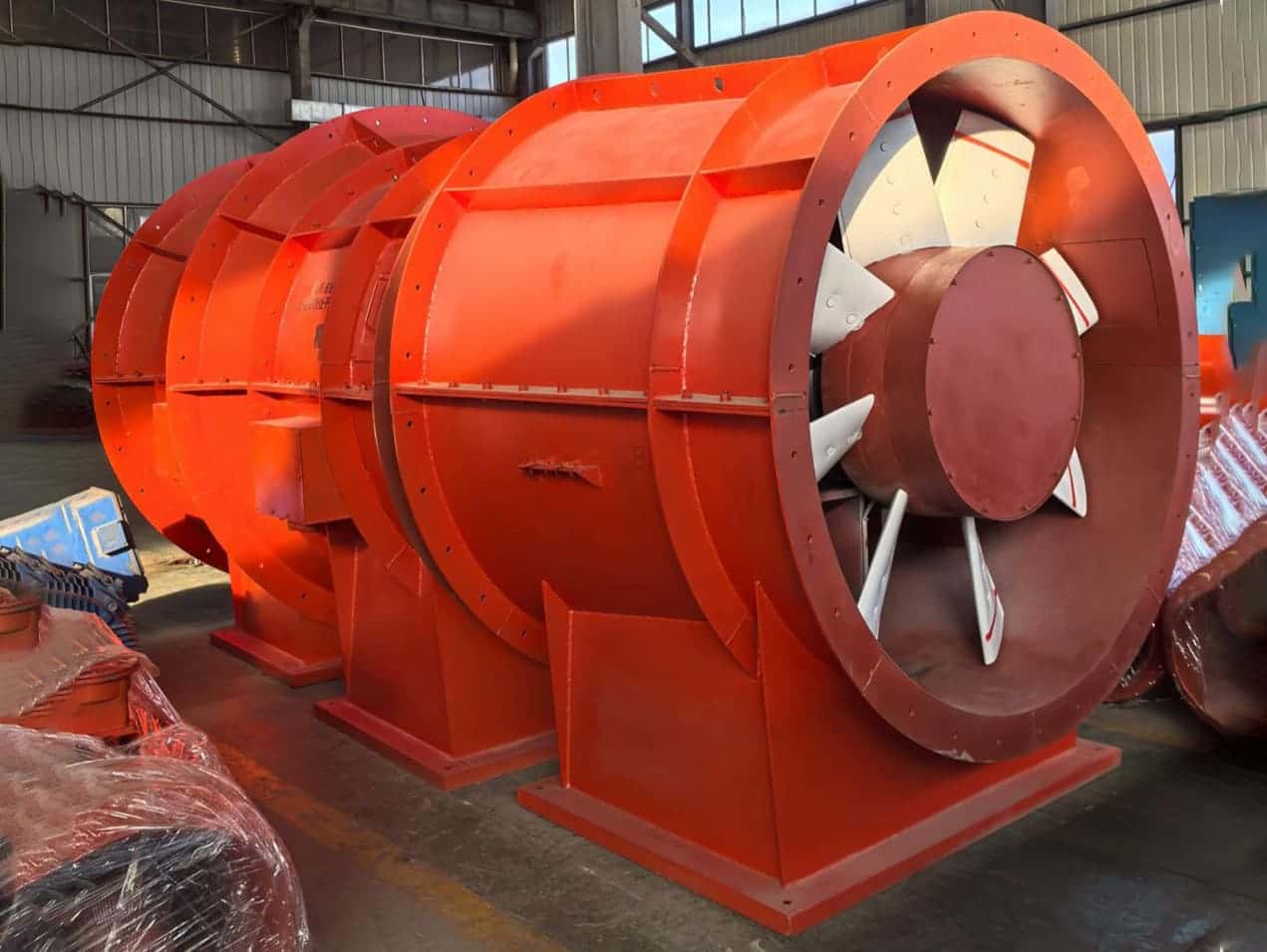
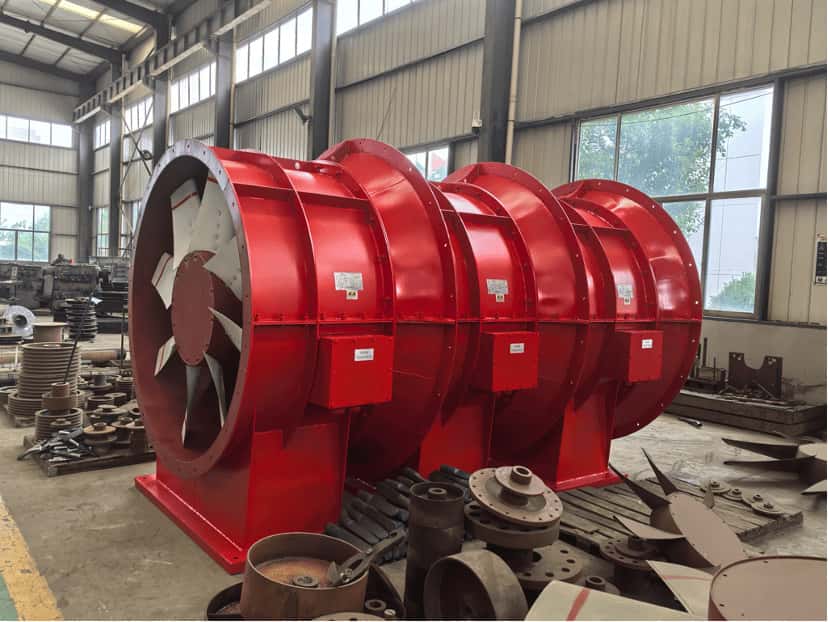
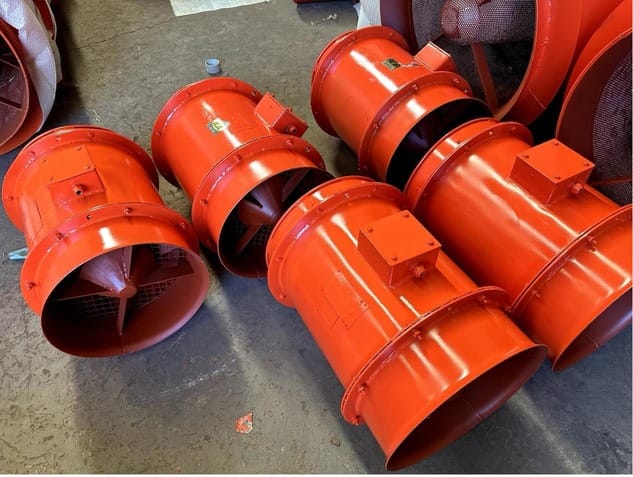
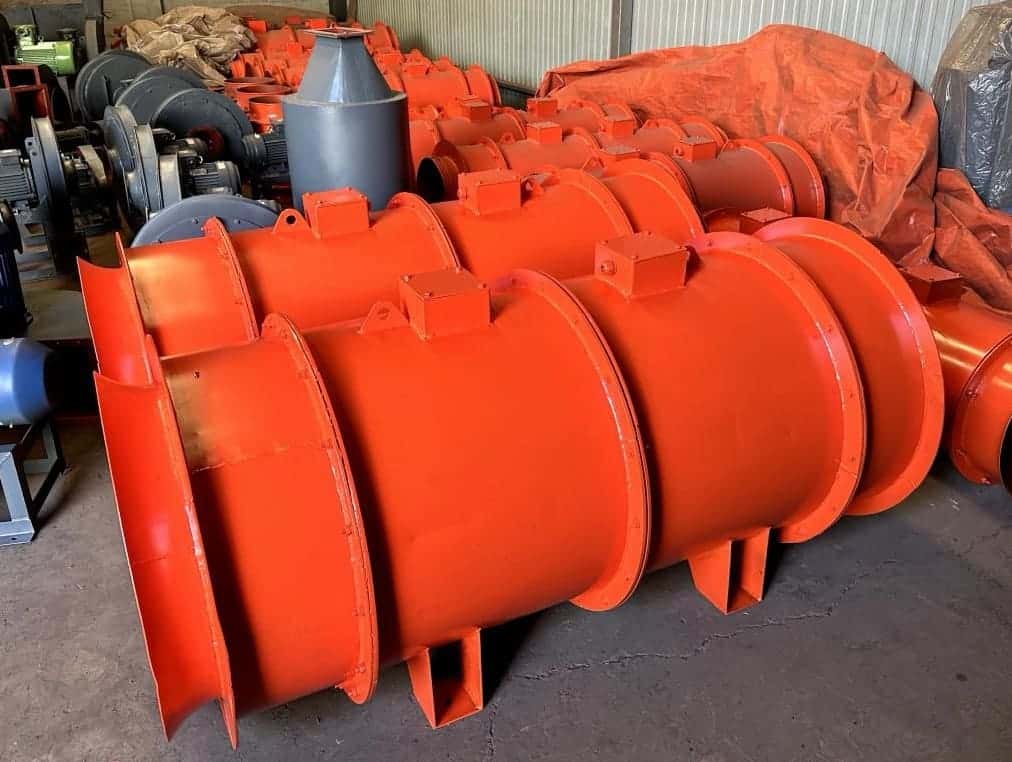
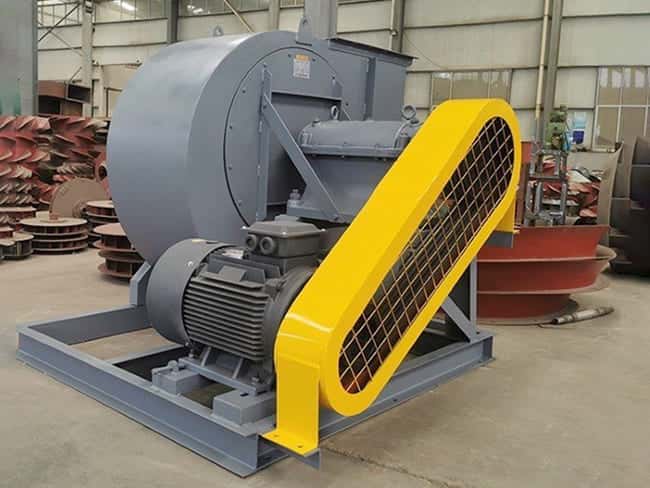
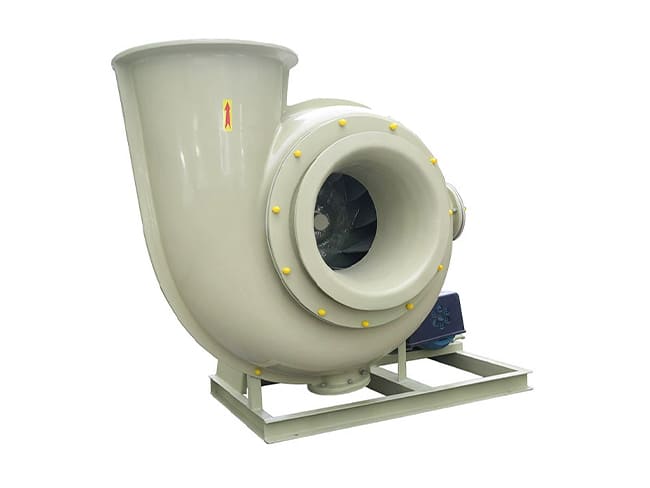
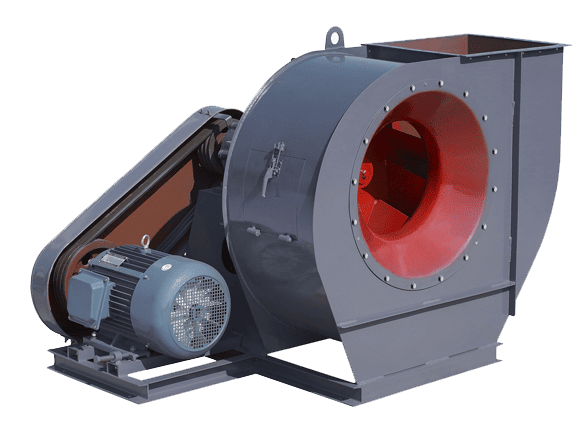
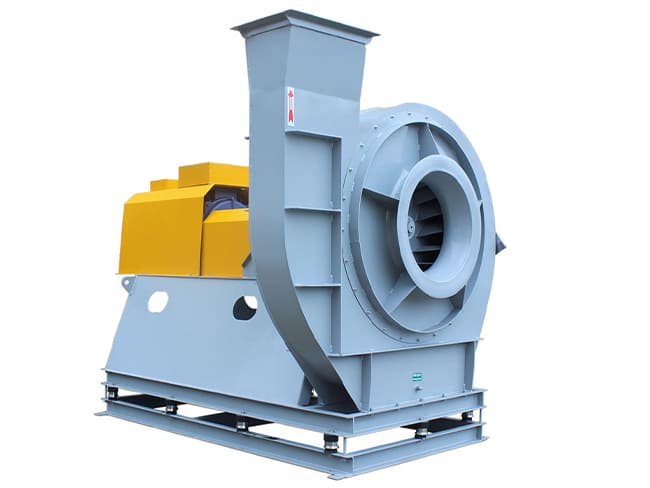
An electric fan can stop working for many reasons, ranging from simple power supply issues to serious motor or mechanical failures. In domestic fans the problems are often minor, but in industrial and mining ventilation fans, a failure can be critical because it affects safety and production. Understanding common causes helps operators troubleshoot quickly and plan appropriate maintenance.
The most basic cause is a loss of electrical power. Blown fuses, tripped circuit breakers, faulty contactors, loose connections or damaged cables can all interrupt power to the fan motor. In automated systems, control faults such as failed relays, PLC errors or interlocks (for example, gas alarms, overspeed protections or emergency stops) can also prevent the fan from starting even when the power supply is healthy.
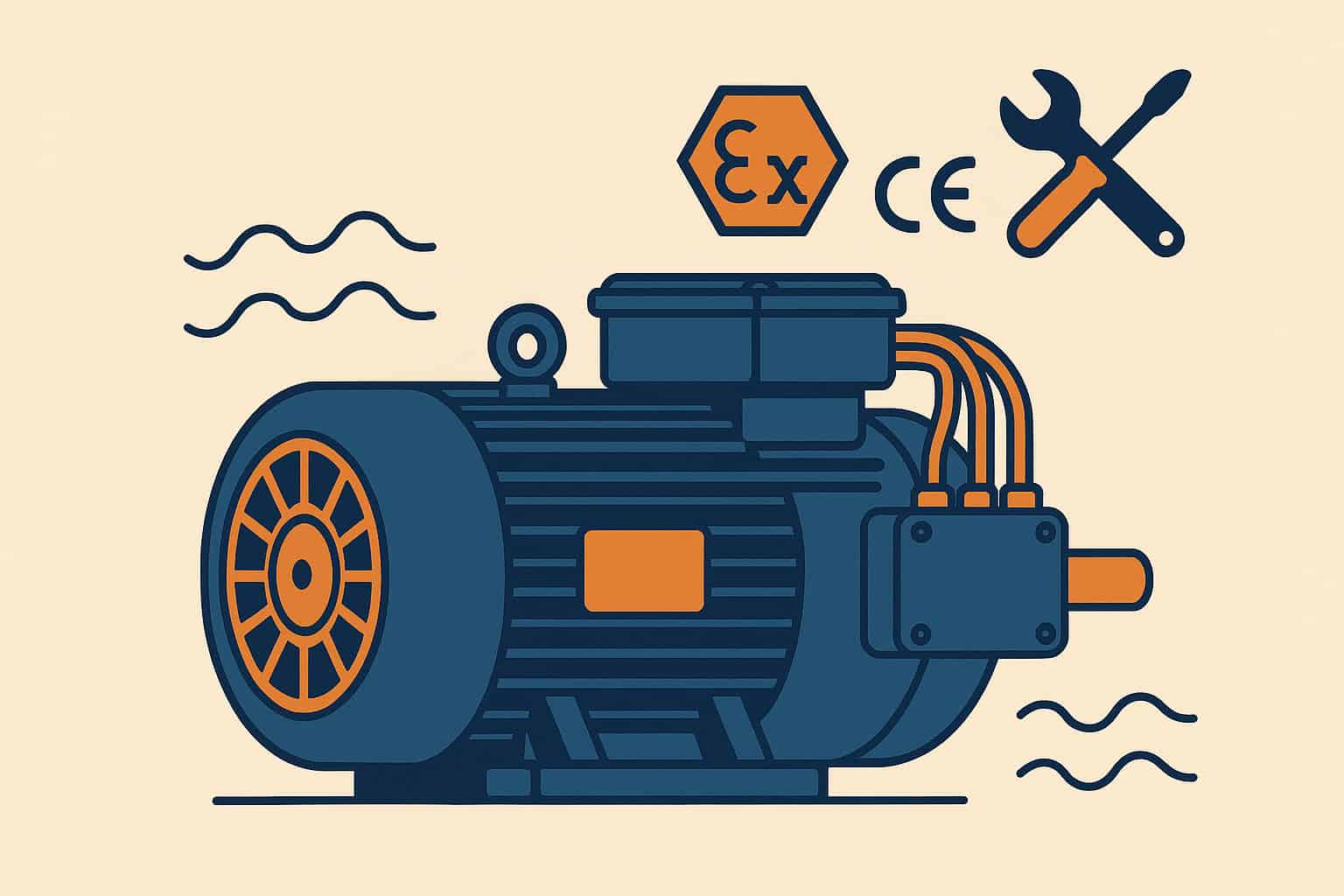
Another frequent cause is motor or starting component failure. In smaller single-phase fans, starting capacitors can fail, preventing the motor from developing starting torque. The fan may hum but not turn, or it may start sluggishly and overheat. In larger three-phase motors, issues such as phase loss, unbalanced voltage or insulation breakdown can lead to tripping of protective devices or permanent damage to the windings. Over time, repeated overheating, contamination and vibration can degrade motor insulation and eventually cause a short circuit or open winding.
Mechanical problems are also common. Worn or seized bearings can lock the shaft, making it impossible for the motor to turn the impeller. Misalignment, bent shafts or foreign objects lodged in the impeller or casing can create enough resistance to stall the motor. In dusty mining and industrial environments, buildup of material on the impeller can cause imbalance, increased vibration and bearing overload, which may eventually lead to failure and stoppage.
Protection devices may also stop a fan from running. Thermal overload relays and temperature sensors shut down the motor if it overheats due to blocked air inlets, overloading, high ambient temperatures or poor ventilation around the motor. While this may look like a failure, it is actually a protective response to prevent more serious damage. Identifying and correcting the root cause is essential before resetting and restarting the fan.
In some cases, fan failure is the result of poor maintenance or unsuitable application. Operating a fan outside its design limits—for example at higher speed, higher temperature or in a more corrosive environment than specified—accelerates wear and increases the likelihood of breakdowns. Lack of regular lubrication, alignment checks, cleaning and inspection also shortens the life of bearings, seals and electrical components.
In summary, an electric fan can stop working because of power supply or control issues, failed capacitors or windings, seized or damaged bearings, mechanical blockage or protective devices responding to abnormal conditions. Systematic troubleshooting that checks electrical, mechanical and control aspects will usually identify the cause and guide the correct repair.