
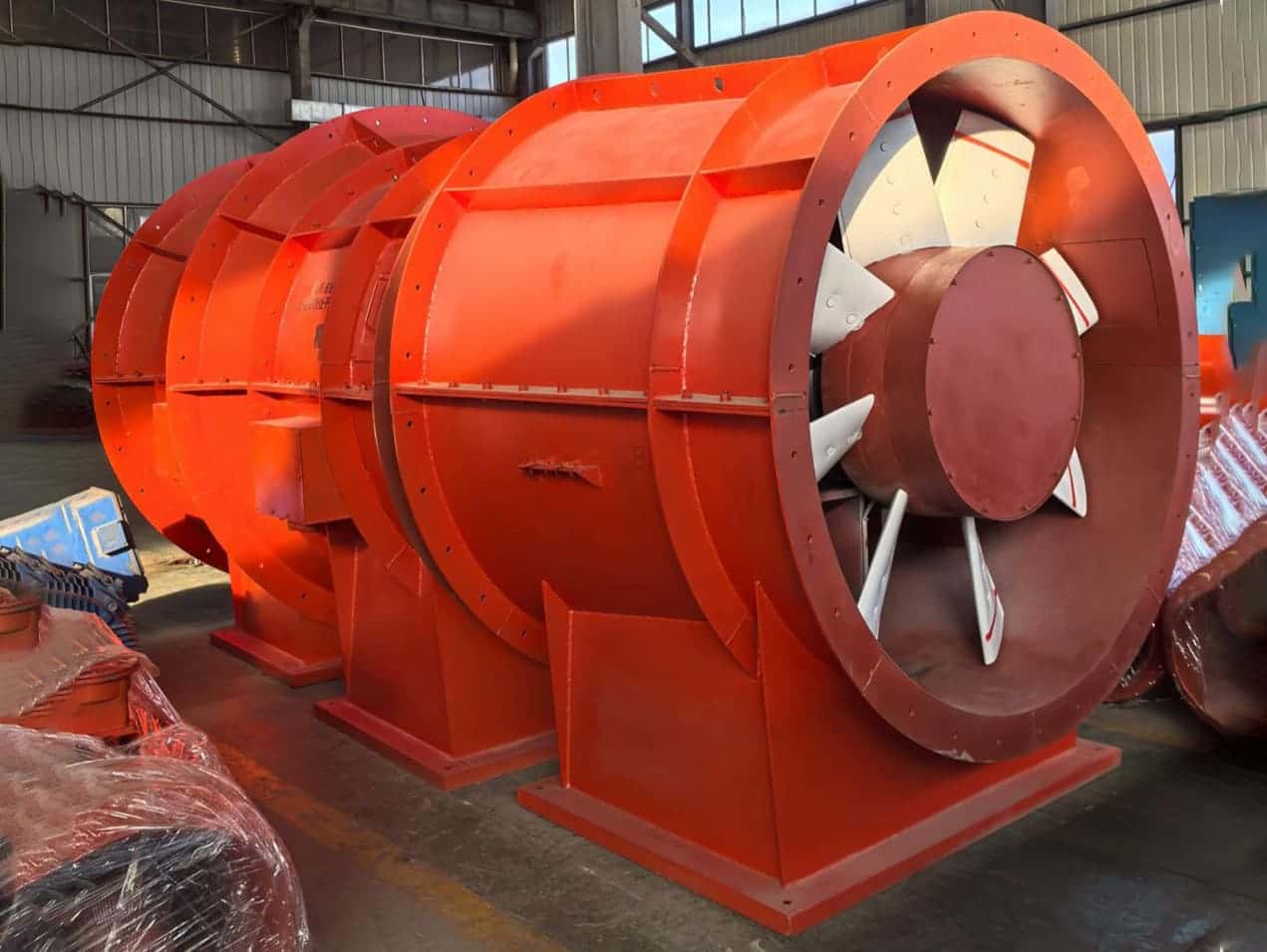
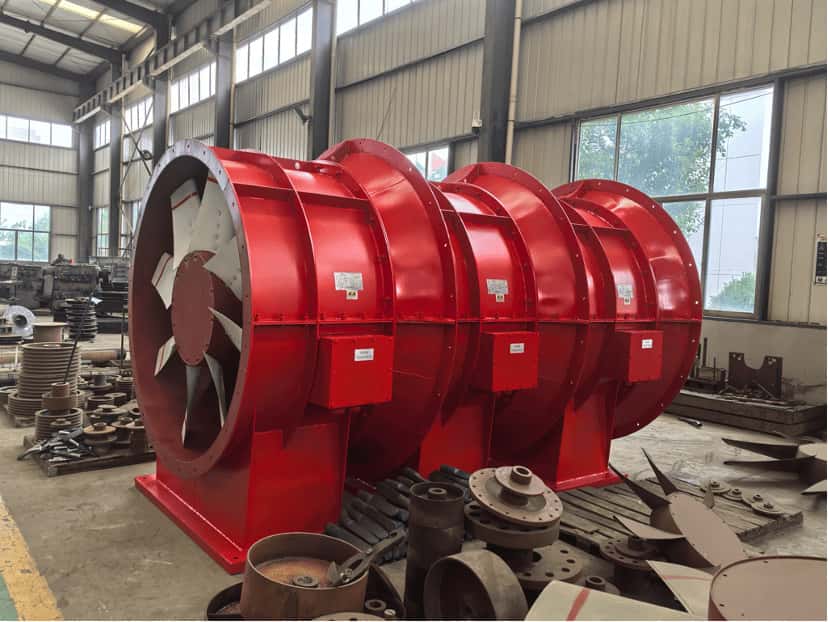
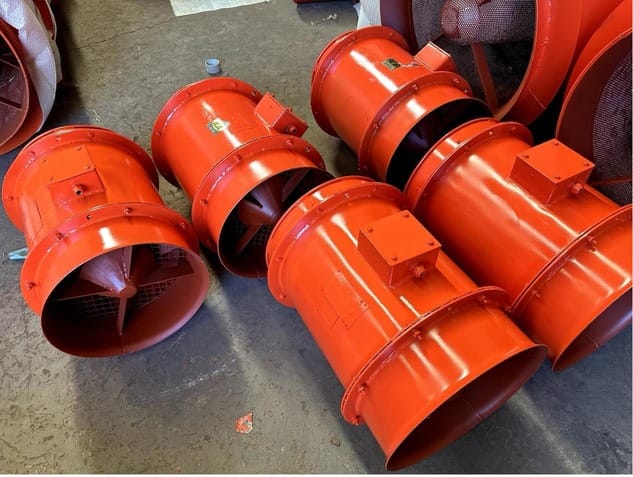
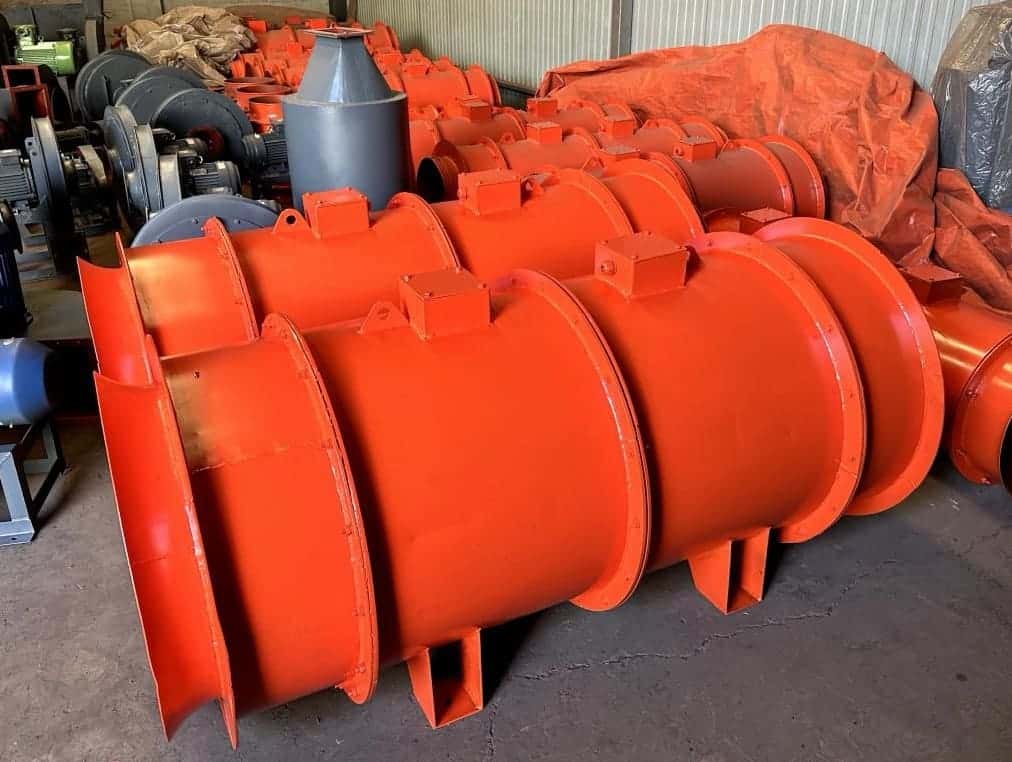
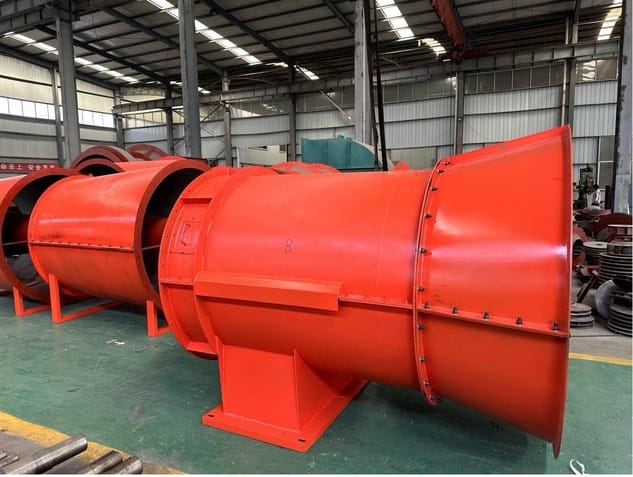
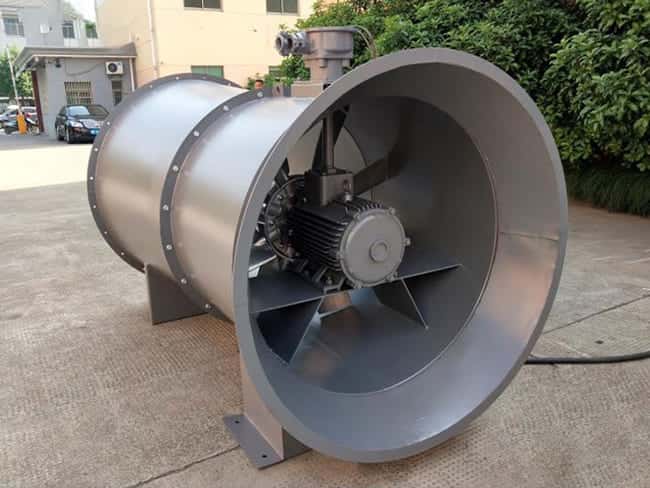
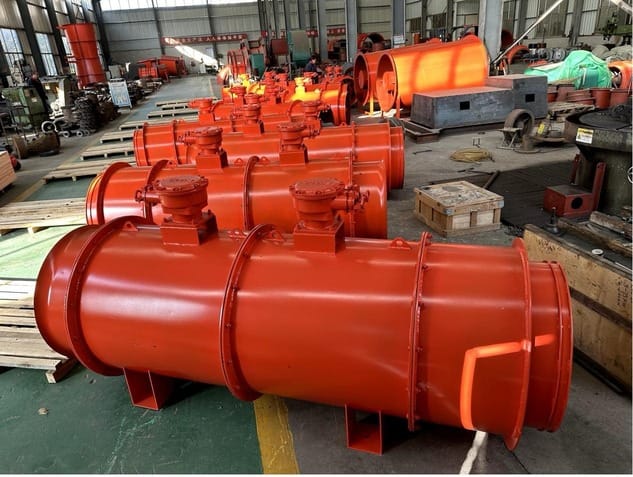
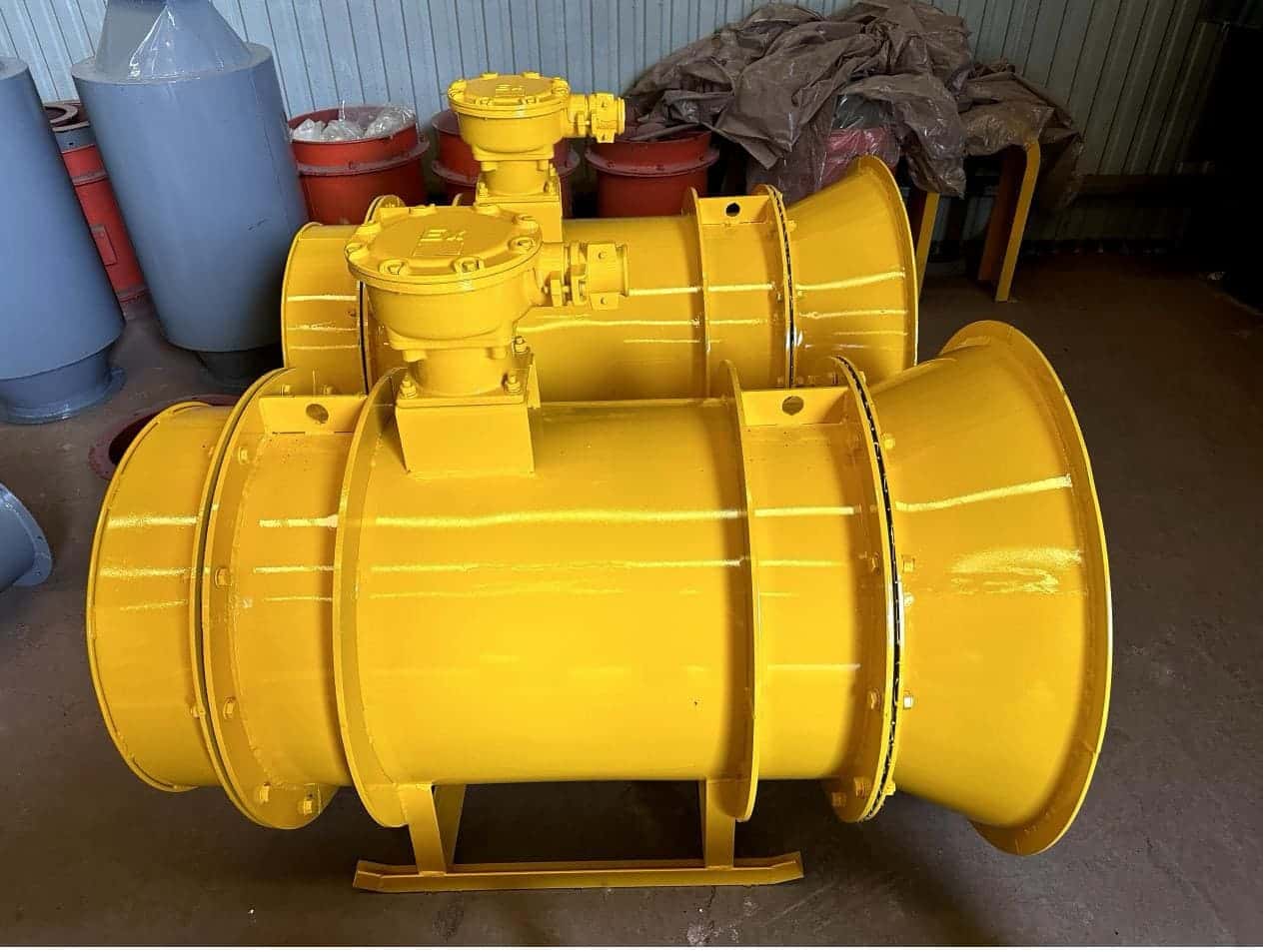
An industrial fan usually stops spinning because of an electrical problem, a mechanical problem or a control/protection issue. Finding the cause requires systematic, safe troubleshooting rather than guesswork, especially for large ventilation fans in plants and mines.
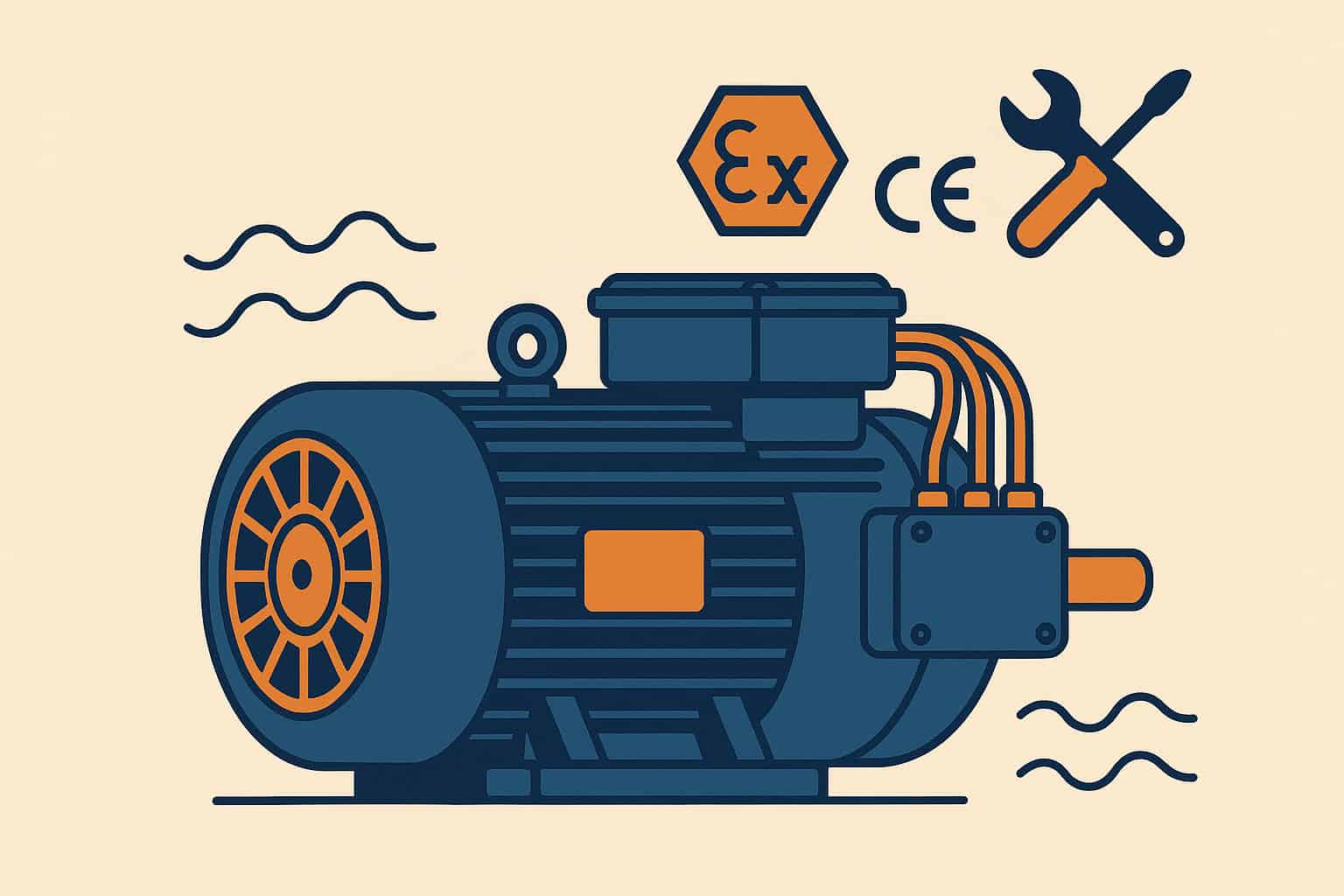
Common electrical causes include loss of power supply, tripped breakers or fuses, overload relay trips, failed contactors, cable damage and motor winding faults. Variable-frequency drive (VFD) problems—such as faults, trips or parameter errors—are another frequent reason fans stop. Control system issues, like a failed start signal, incorrect interlocks or emergency stop activation, can prevent the motor from being energised even when the power supply is healthy.
Mechanical causes include seized or badly worn bearings, foreign objects lodged in the impeller, broken blades jamming the housing, over-tightened belts and misaligned couplings that have locked up. In dusty or corrosive environments, rust and buildup can cause the impeller or shaft to bind. Excessive vibration leading to protective shutdowns may also be linked to mechanical issues.
Safe troubleshooting starts with lock-out/tag-out procedures to ensure the fan cannot start unexpectedly. Once the system is isolated, basic checks include:
- Visually inspecting the fan, belts, guards and surrounding area for damage, loose parts or foreign objects.
- Carefully turning the impeller or shaft by hand (if safe and accessible) to see whether it rotates freely.
- Checking for obvious signs of overheating, burning smell or discoloured paint around the motor or bearings.
Electrical tests and live checks should only be done by a qualified electrician or technician. They will verify incoming power, measure insulation resistance, check motor windings, inspect contactors and relays, and review VFD diagnostics if fitted. Many VFDs and starters display fault codes that give valuable clues, such as “overload”, “overcurrent”, “undervoltage” or “earth fault”.
If the fan is mechanically jammed, bearings may need to be replaced, foreign objects removed, or an impeller repaired or replaced. After mechanical repair, balancing and alignment should be verified to avoid repeat failures. If the cause was an overload or high temperature, it is important to understand why the fan was working harder than expected—blocked filters, closed dampers or changes in ductwork can all increase system resistance and load.
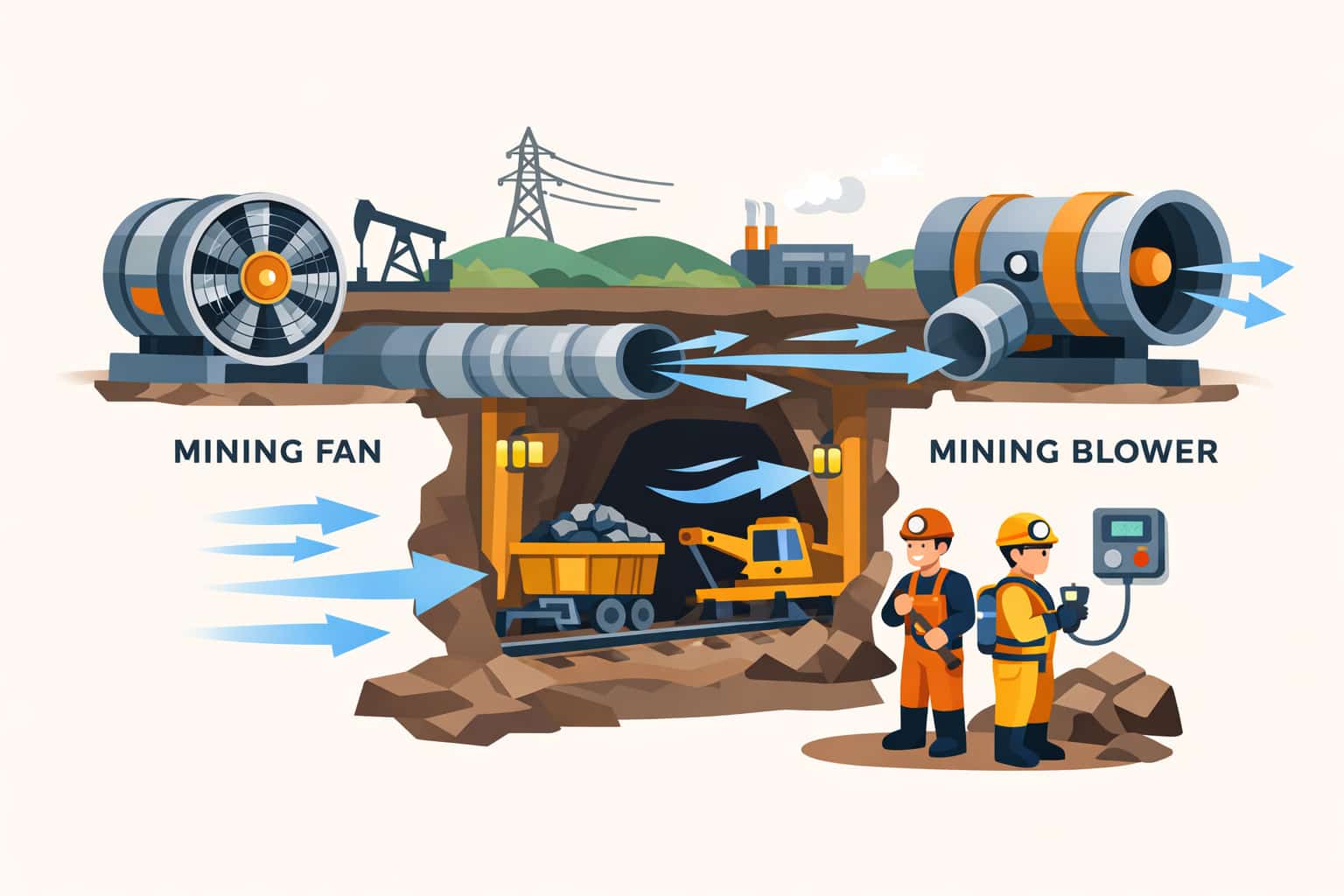
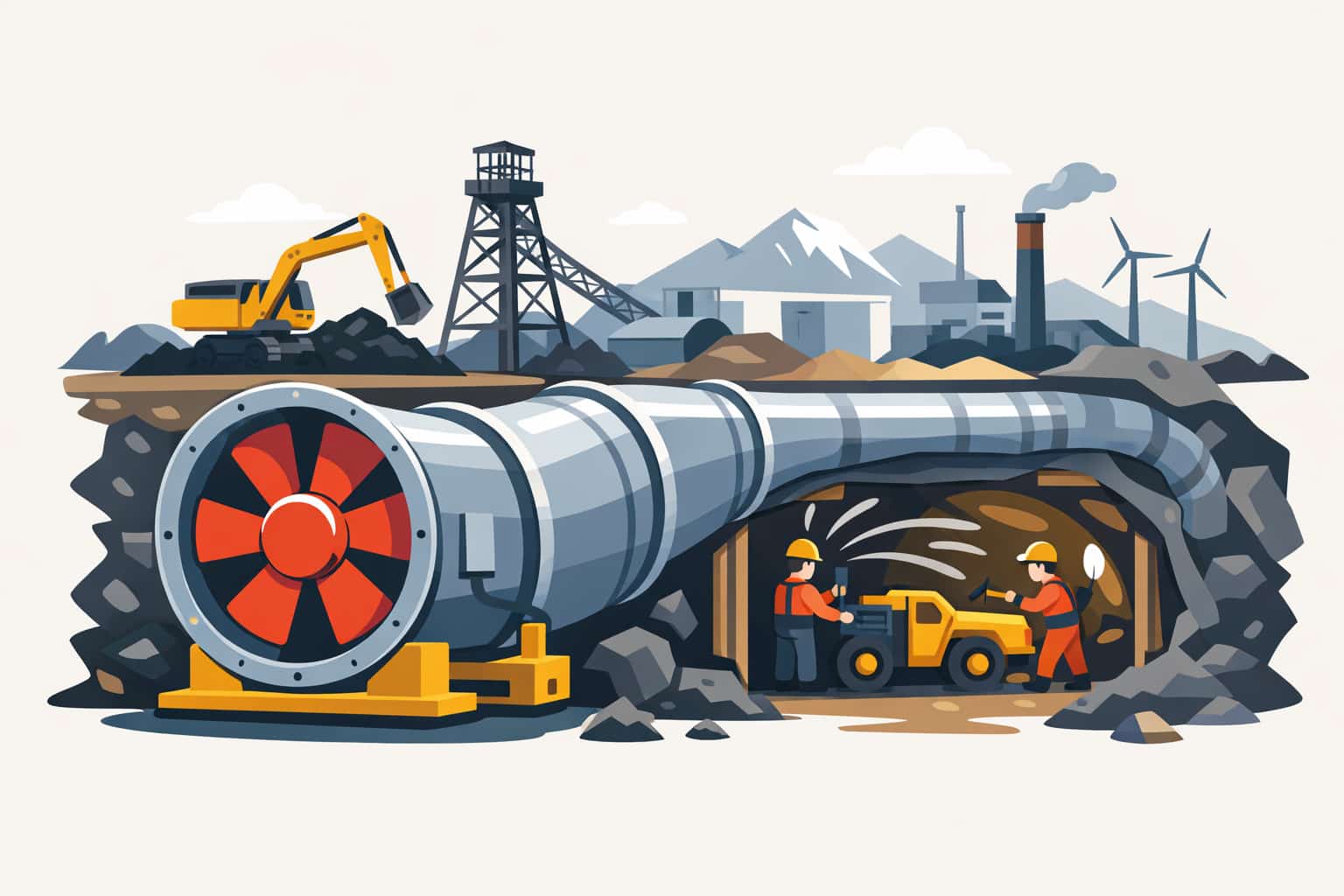
In critical ventilation services, such as mine main fans or furnace exhaust fans, it is good practice to have redundant capacity or standby fans so that ventilation can be maintained while troubleshooting is carried out. This reduces pressure to rush the repair and allows technicians to work more safely and thoroughly.
In summary, an industrial fan may stop spinning because of electrical supply or control problems, motor faults, seized bearings, mechanical jams or protective trips. Safe, systematic troubleshooting—starting with isolation and visual checks and continuing with professional electrical and mechanical diagnostics—will identify the root cause and prevent repeat failures.
