
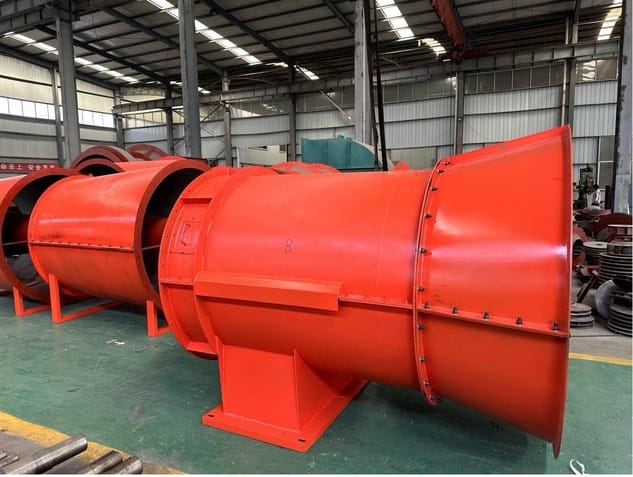
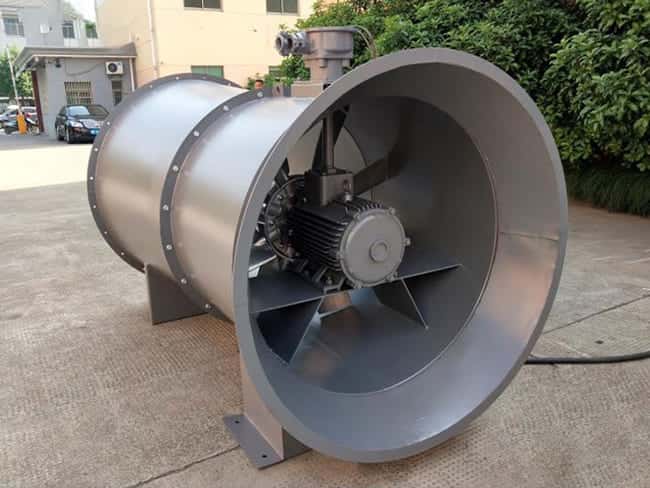
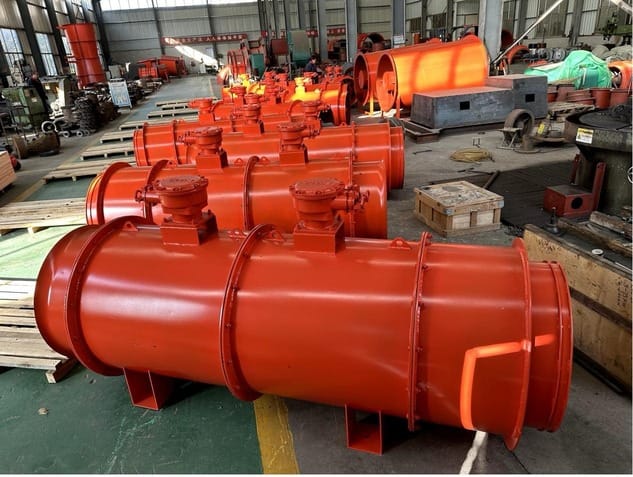
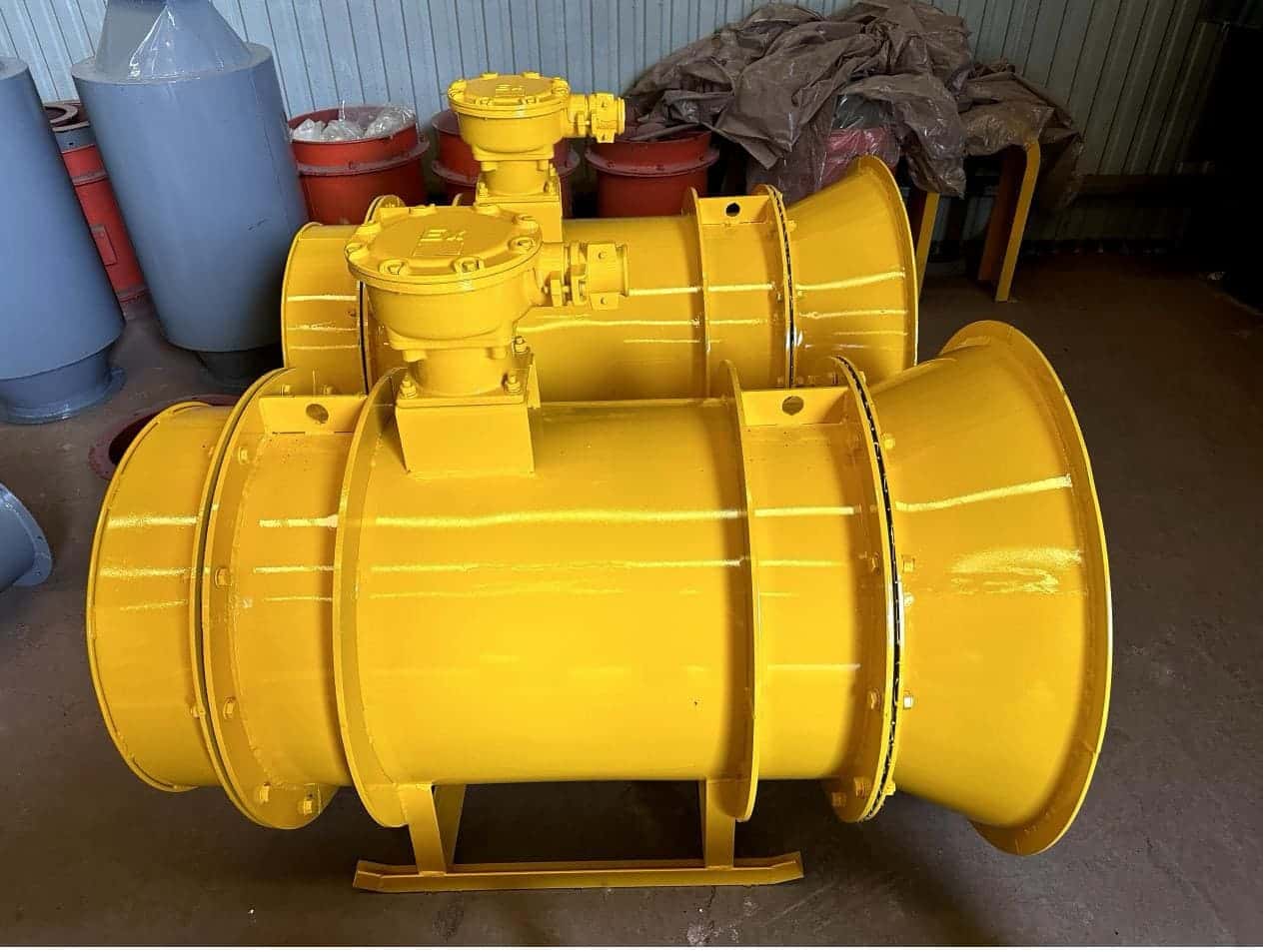
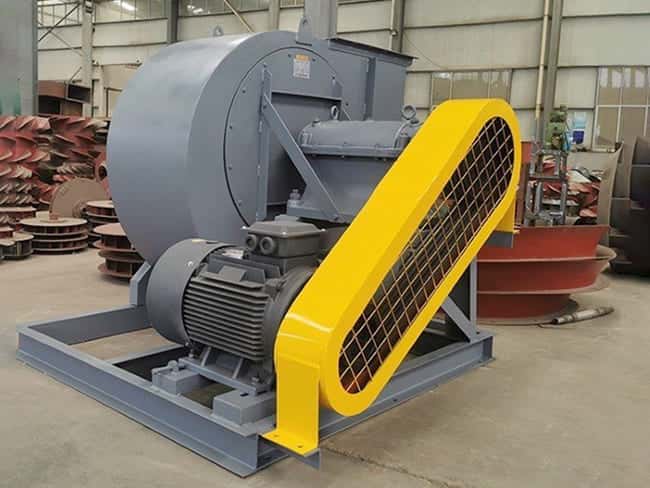
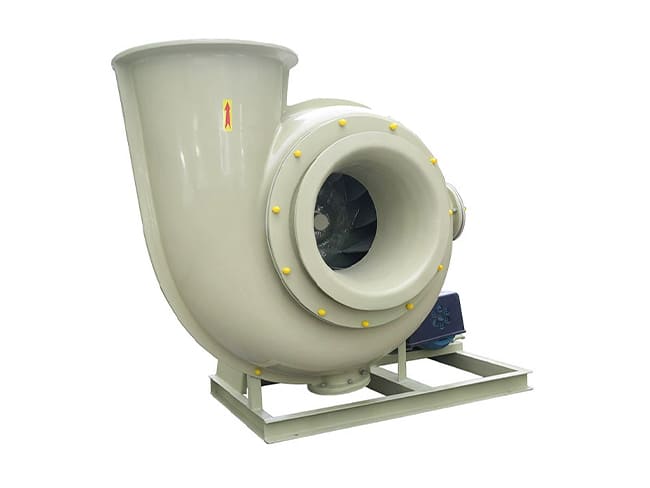
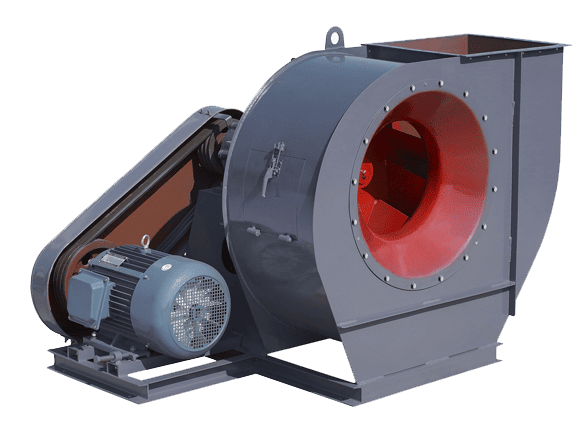
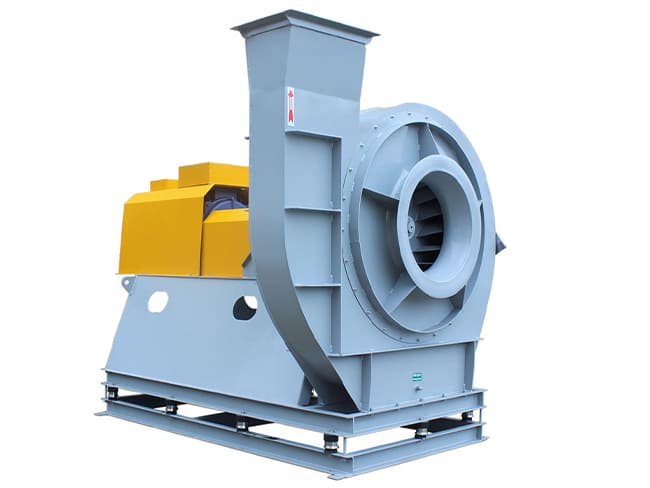




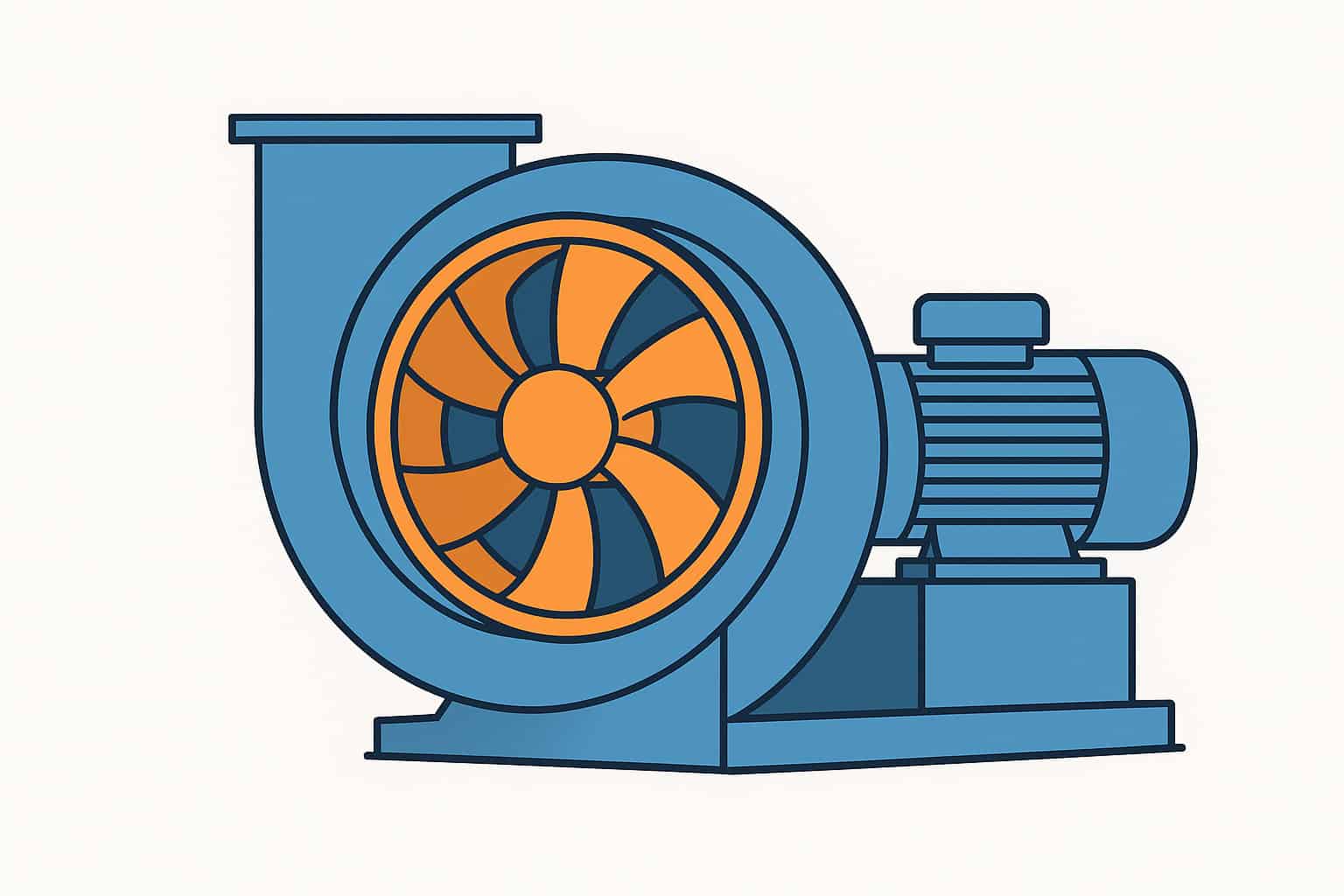


Strictly speaking, CFM is a property of the fan and system, not of the motor. CFM (cubic feet per minute) describes how much air the fan moves at a given operating point. The motor’s job is to supply enough power to drive the fan at the speed and pressure needed to achieve that airflow. So when you ask, “What CFM should a fan motor provide?”, the real question is, “How much airflow do I need, and what size fan and motor are required to deliver it?”
The required CFM depends on the application. In comfort ventilation, designers often use air changes per hour (ACH). For example, a workshop might need 6–10 air changes per hour. You calculate the room volume and multiply by the desired ACH, then divide by 60 to get CFM. In process or equipment cooling, the CFM is calculated from the heat load and acceptable temperature rise. In underground mines and heavy industry, air quantities are determined by regulations (minimum m³/s per person, per diesel engine, per kW of heat load) and by detailed ventilation network studies.
Once you know the target CFM, you must consider system resistance—friction in ducts or roadways, losses at fittings, filters, heat exchangers, regulators and hoods. The relationship between airflow and pressure is represented by a system curve. Fan manufacturers provide performance curves showing how much CFM each fan size can deliver at different pressures and speeds. The fan and operating speed are selected so that the fan curve intersects the system curve at the required CFM.
Only after the fan and duty point are known do you select the motor rating. The motor must provide enough power to drive the fan at that operating point, plus a suitable safety margin. The required power depends on CFM, pressure, fan efficiency and drive losses. Higher CFM and higher pressure both increase the power demand. If the motor is undersized, it will run overloaded and overheat. If it is oversized, it will be more expensive but generally more reliable and may allow for future system changes.
For example, if calculations show that a factory area needs 20,000 CFM at a certain pressure to maintain air quality, you would select a fan whose curve passes through 20,000 CFM at that pressure. The manufacturer might indicate that at this duty the fan requires, for instance, 11 kW of shaft power. You would then choose a motor with a rating above this value (for example 15 kW) to allow for tolerances, fouling and possible future adjustments.
In summary, there is no universal CFM value that a “fan motor should provide”. You first determine the airflow needed based on volume, air quality, heat and legal requirements. Then you select a fan capable of delivering that CFM at the system pressure and choose a motor with enough power to drive that fan safely and efficiently.