
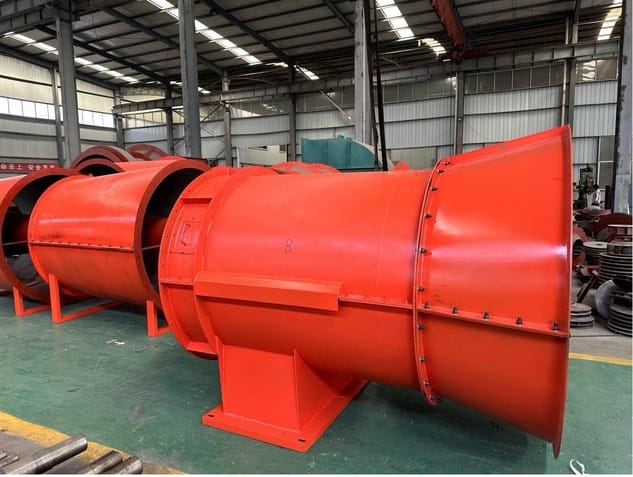
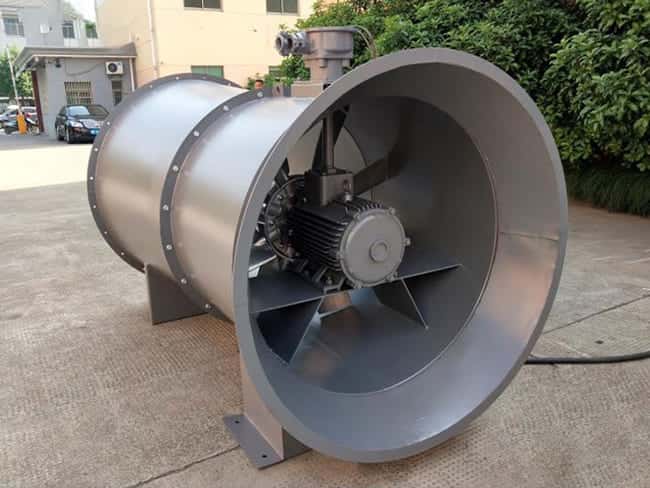
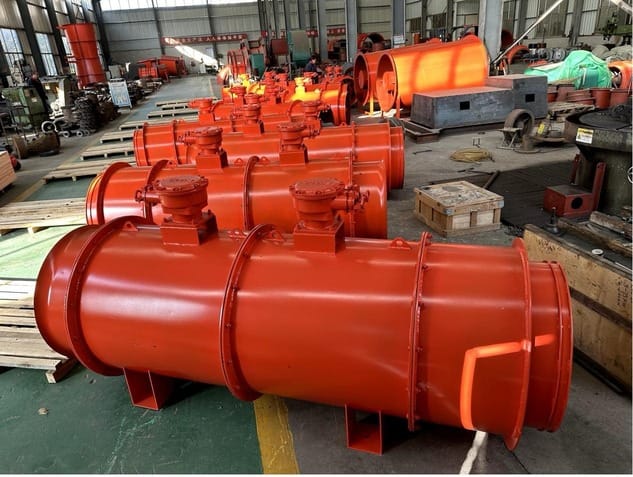
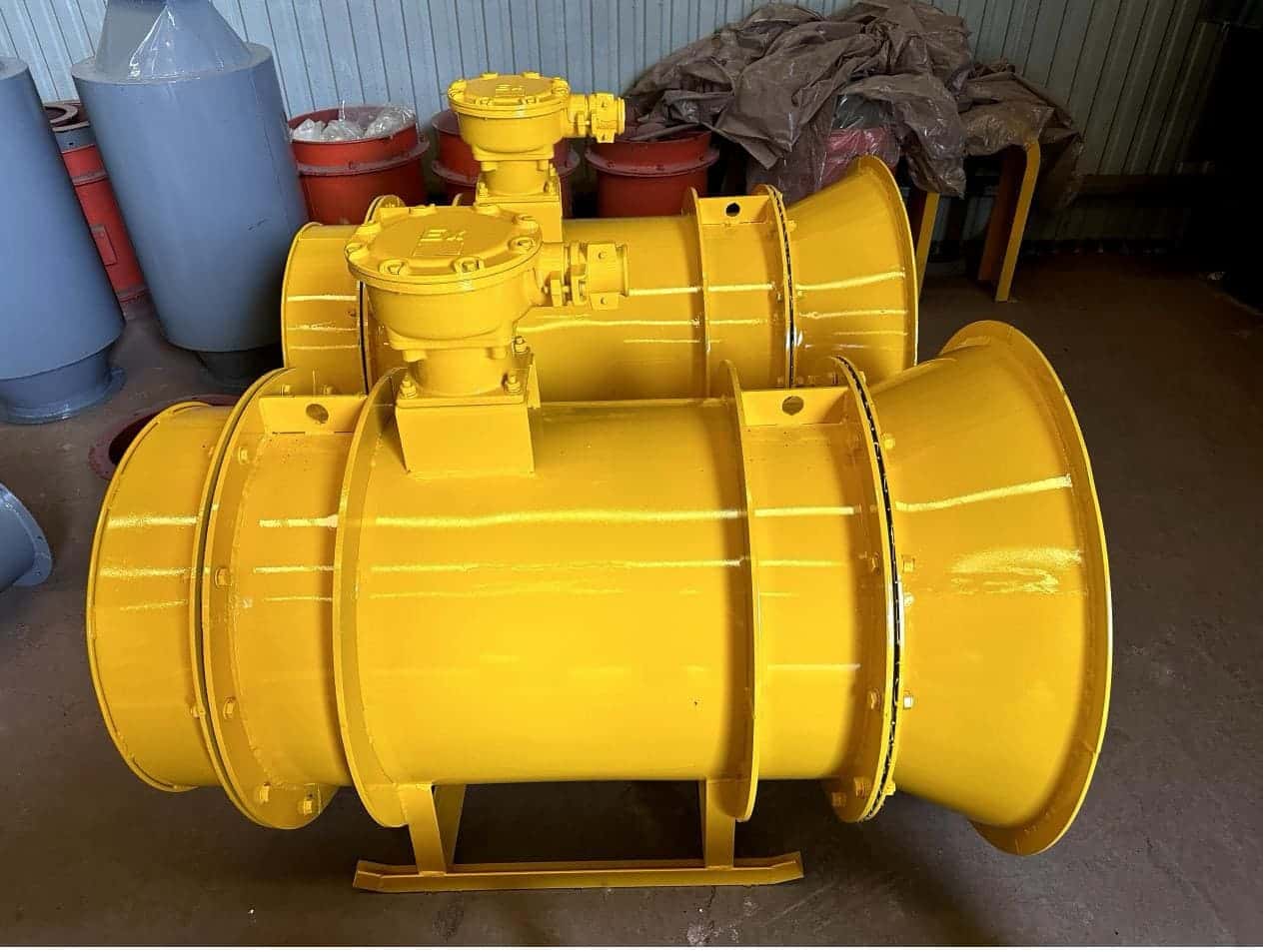
There are many possible reasons a fan stops working, but two of the most common are a power/control problem and a mechanical problem. These two groups cover a large percentage of stoppages in both small building fans and large industrial or mining ventilation fans.
The first major reason is loss of power or control signal. This can be as simple as a blown fuse, tripped circuit breaker or disconnected cable. In controlled systems, stop commands from a building management system, a mine ventilation control system or an emergency stop circuit can also halt the fan. Overload relays may trip if the motor draws too much current, protecting it but leaving the fan stationary. In systems with variable-frequency drives, a drive fault or parameter change can prevent the motor from running even though power is available.
From the operator’s perspective, this often shows up as a fan that “does nothing” when a start command is given: no motor sound, no attempt to turn, and no rotation of the impeller. Indicator lights on starters, VFDs or control panels may show a fault or trip condition. Resetting equipment without understanding why it tripped is risky, so any repeated trip should be investigated by qualified staff.
The second major reason is a mechanical problem in the fan or drive train. Over time, bearings can wear or seize, belts can break or slip off, couplings can fail, and foreign objects can enter the fan and jam the blades. In wet, dusty or corrosive environments, corrosion or caked-on material may bind the impeller to the casing. When this happens, the fan may hum briefly and then stop, trip its protection immediately, or simply refuse to start even though power is present.
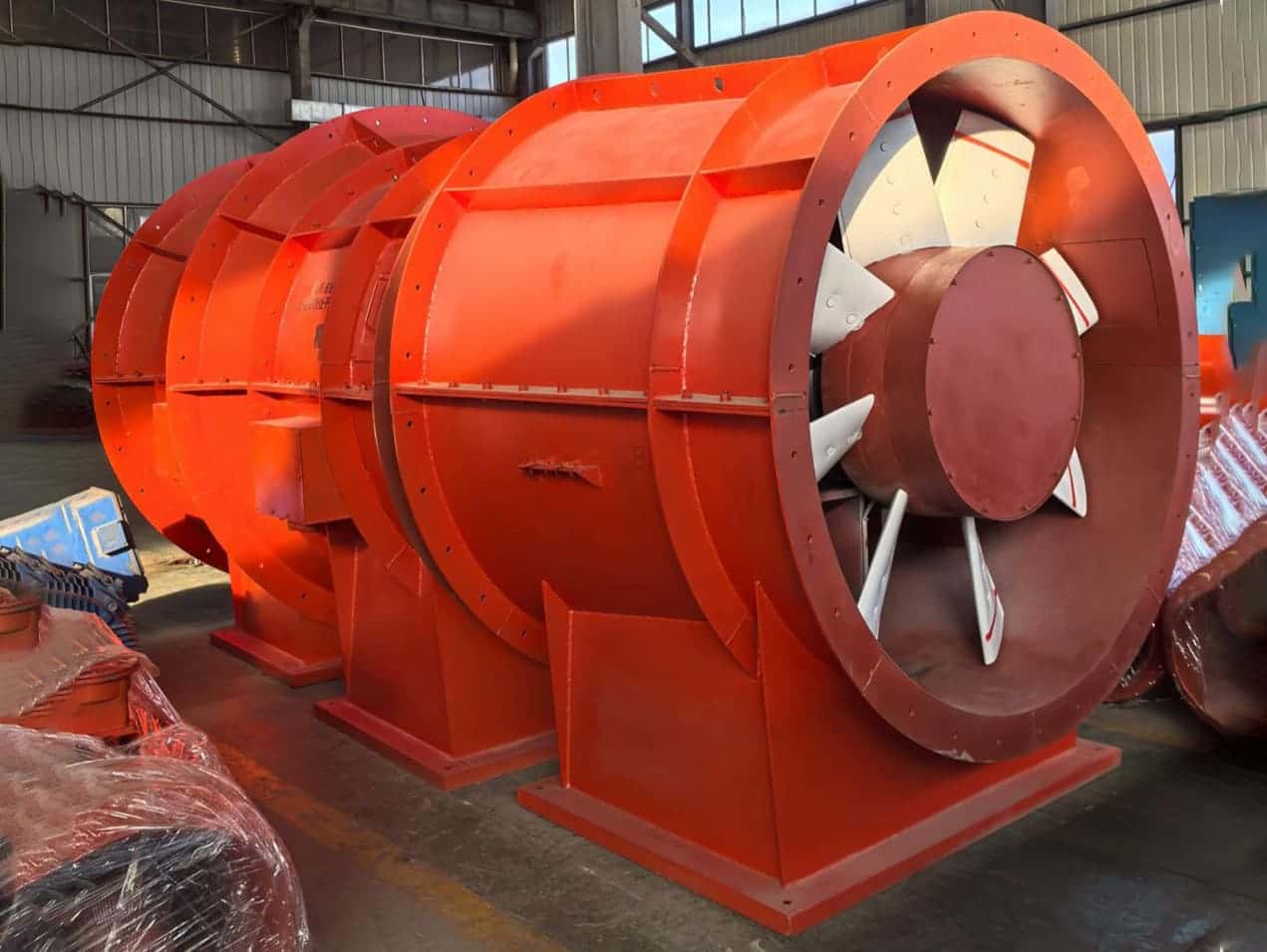
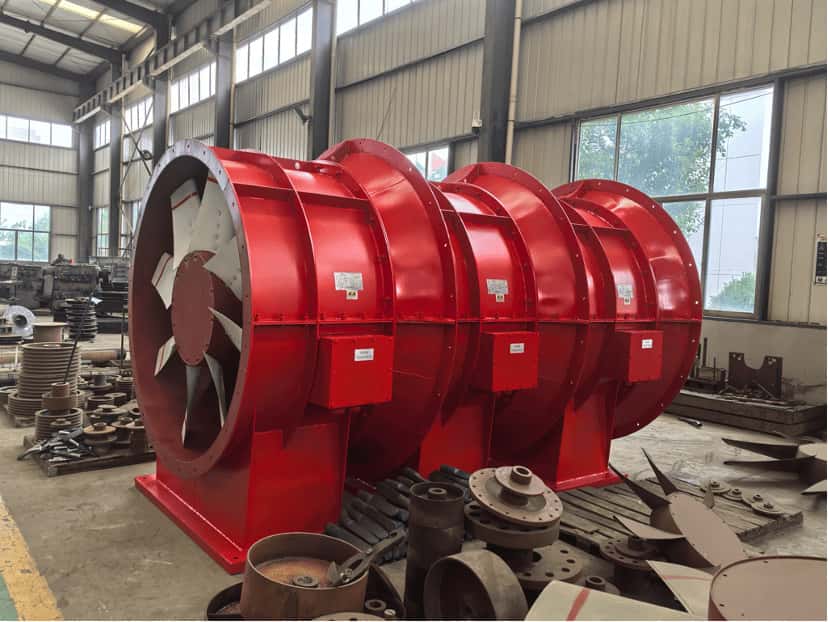
In industrial and mining ventilation systems, heavy dust or rock fragments can get into the fan if guards or screens are missing or damaged. A single lodged stone or loose access panel can stop the impeller from turning. In main fans with high inertia, any sudden mechanical lock can be serious and must be checked thoroughly before attempting a restart.
While the question asks for only two reasons, in practice you should always consider the whole system: power supply, controls, motor, coupling or belts, bearings, impeller and duct or airway conditions. A structured approach—starting with safety isolation, visual checks and then professional electrical and mechanical diagnostics—helps you find the real cause and avoid restarting a fan that may be unsafe.
In summary, two of the most common reasons a fan stops working are: loss of electrical power or control (tripped breakers, blown fuses, drive faults, stop commands) and mechanical problems such as seized bearings, broken belts or jammed impellers. Both require careful investigation and repair before the fan is returned to service.