
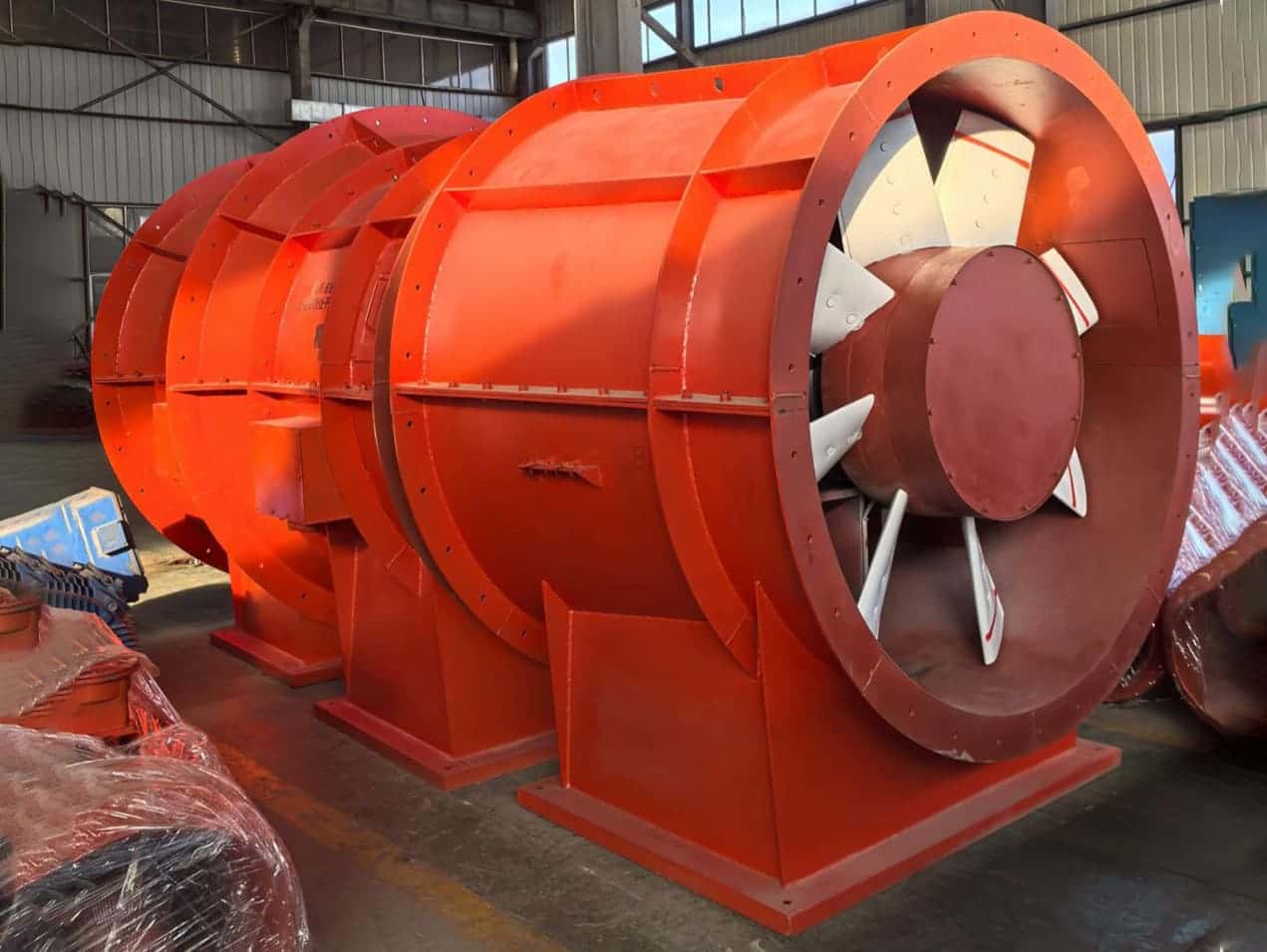
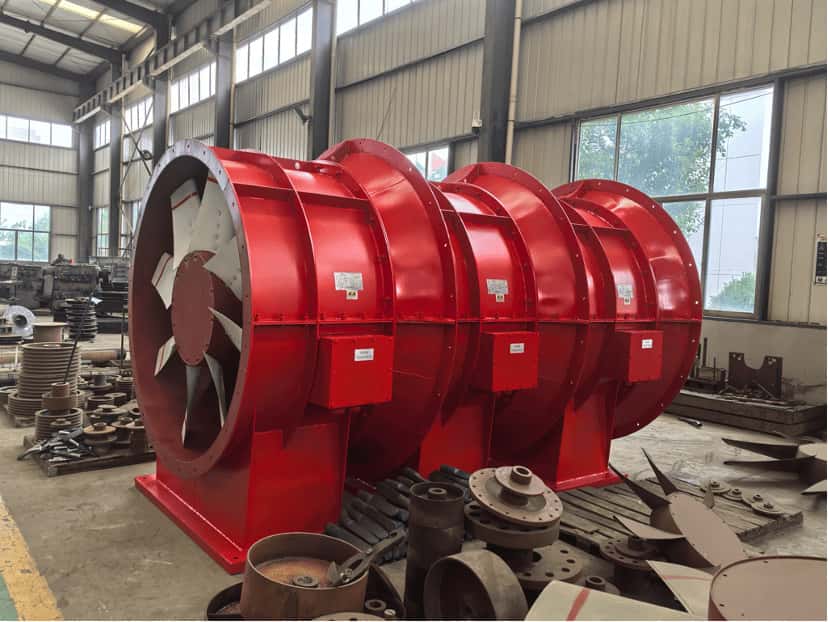
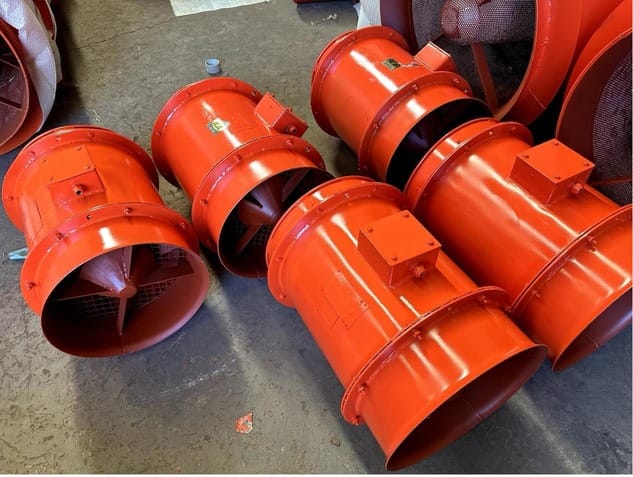
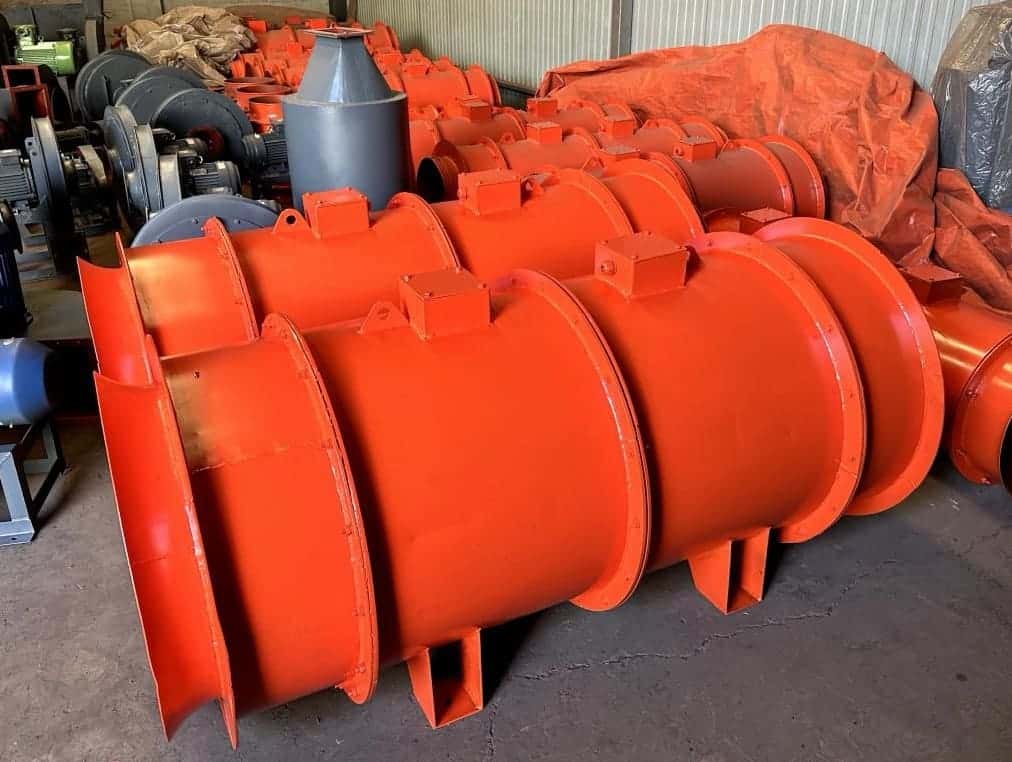
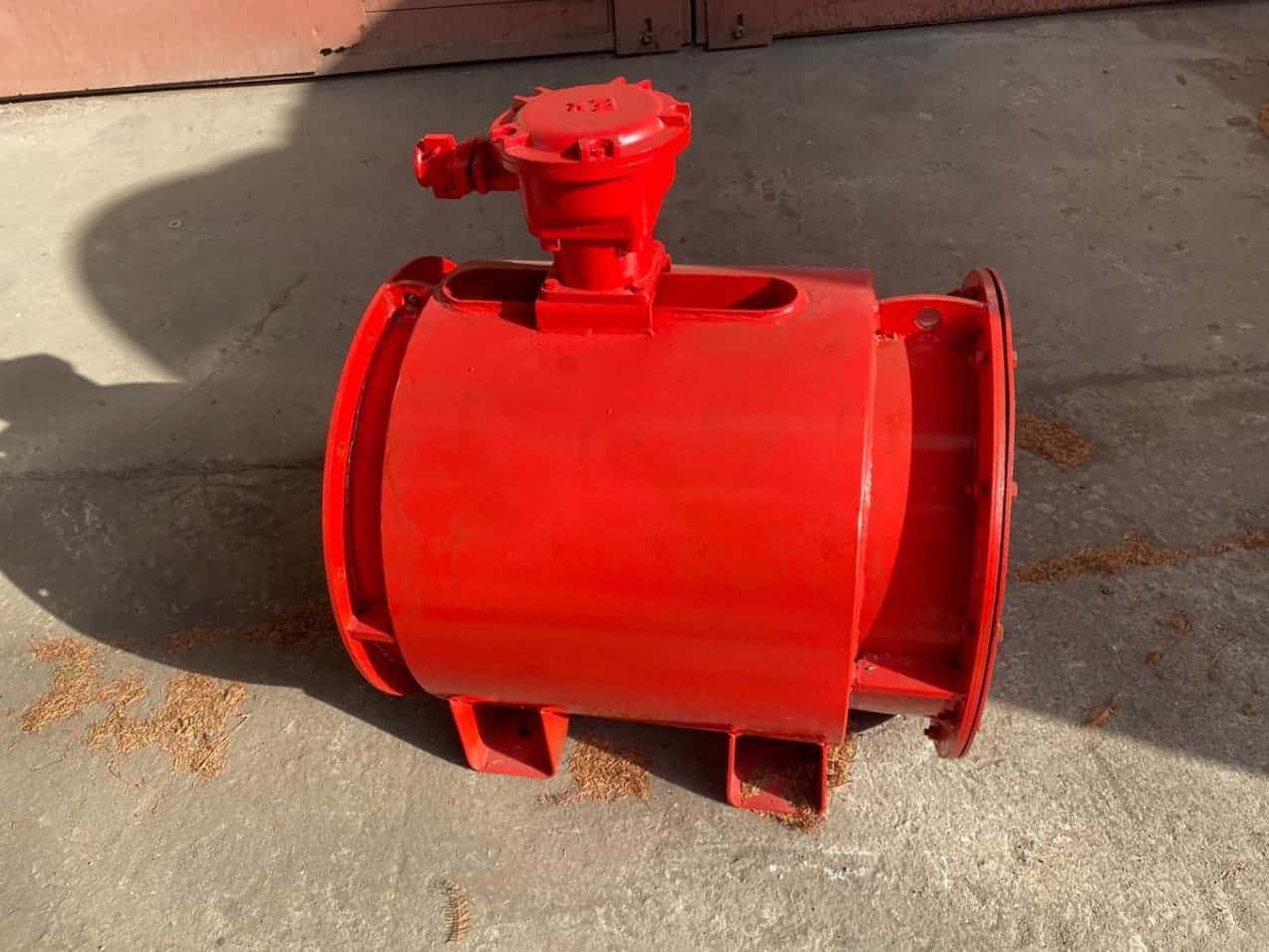
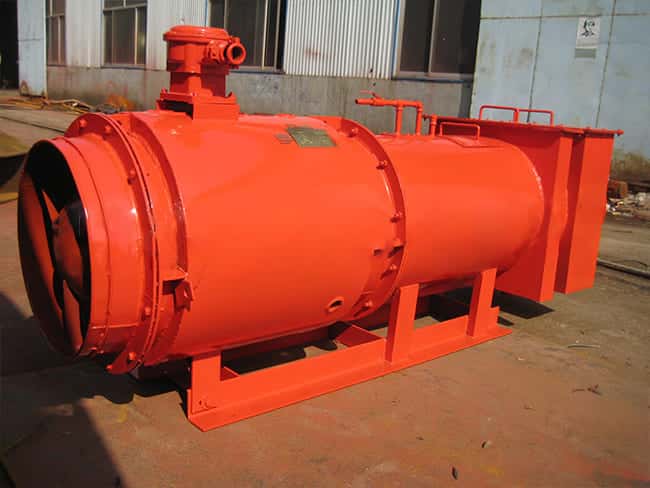
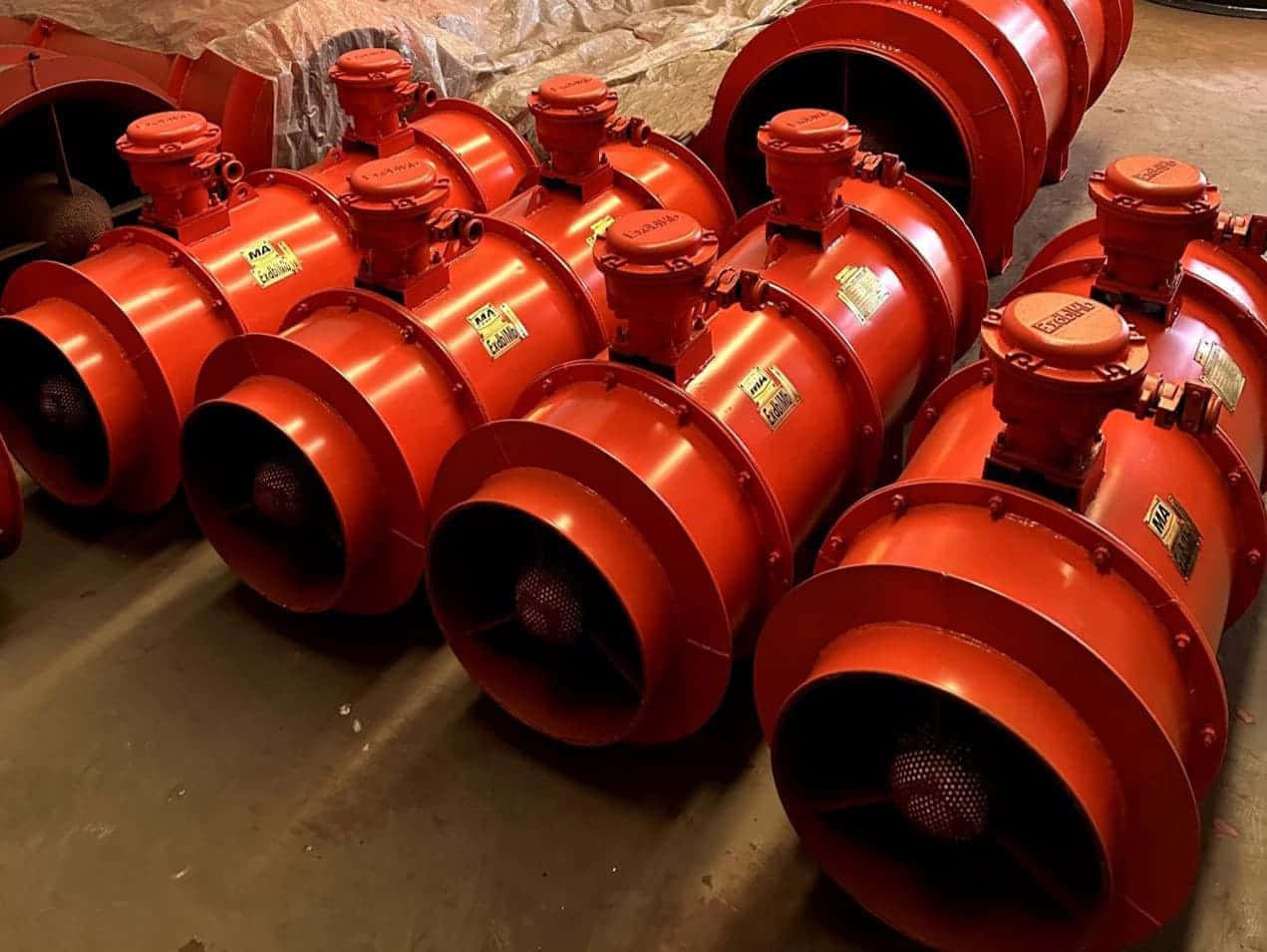
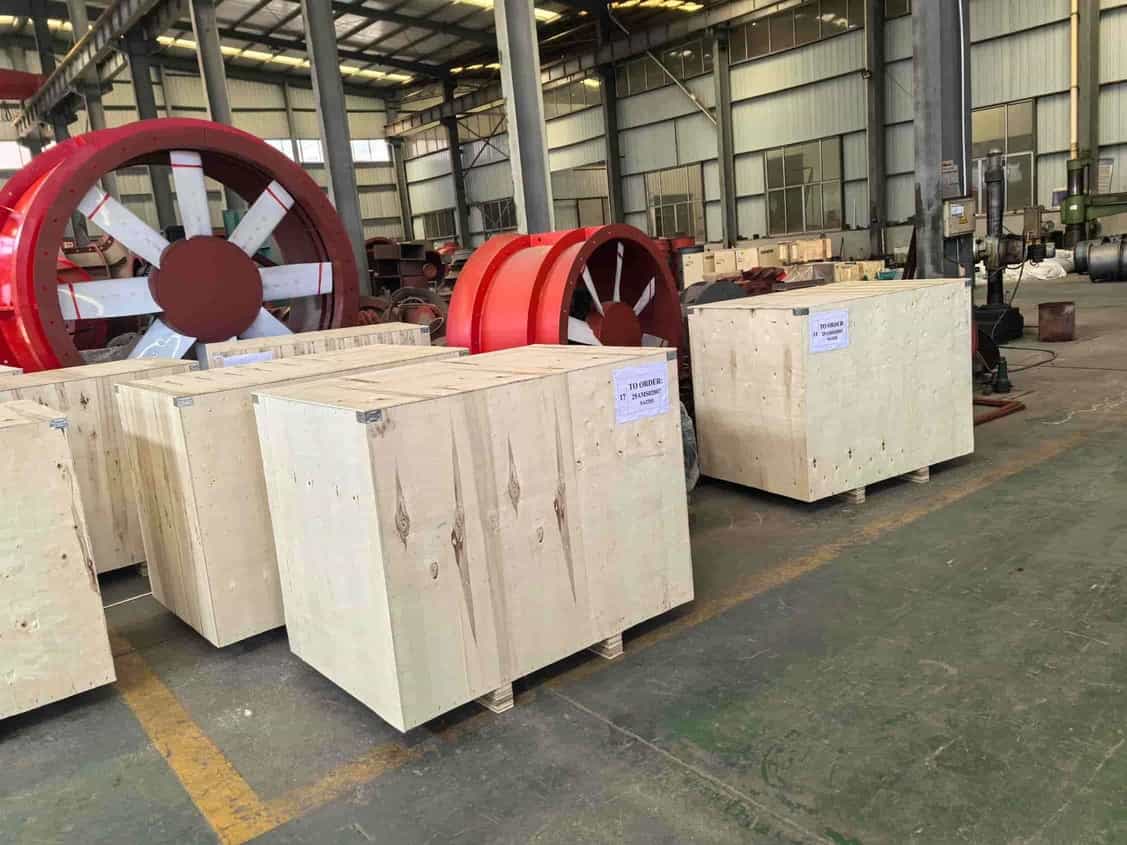
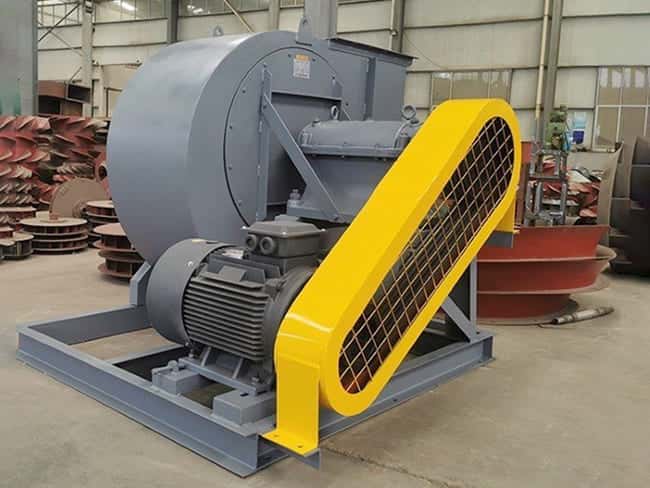
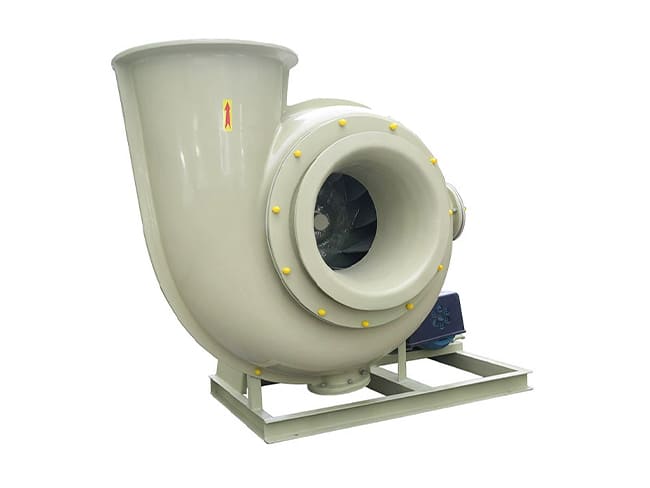
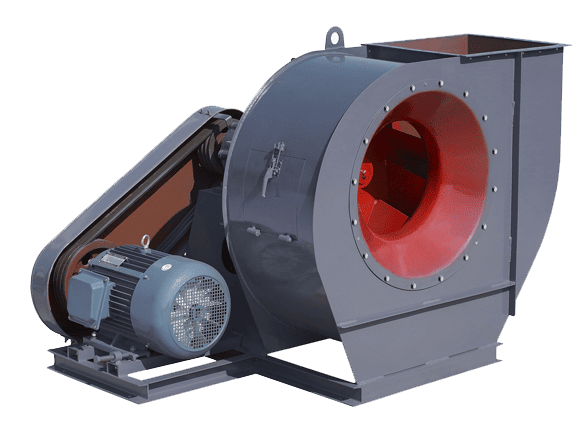
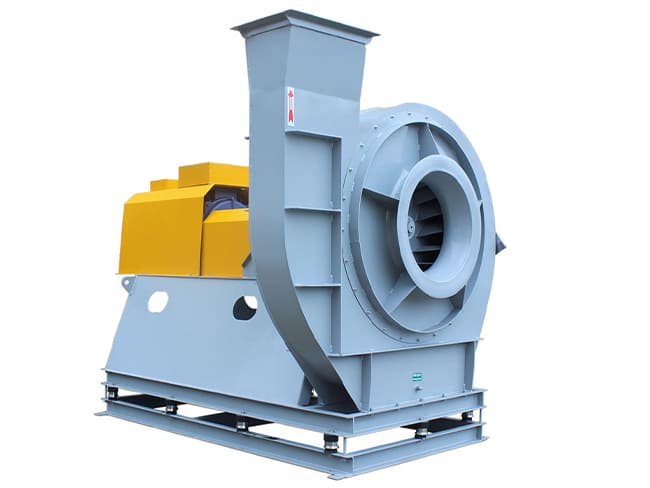
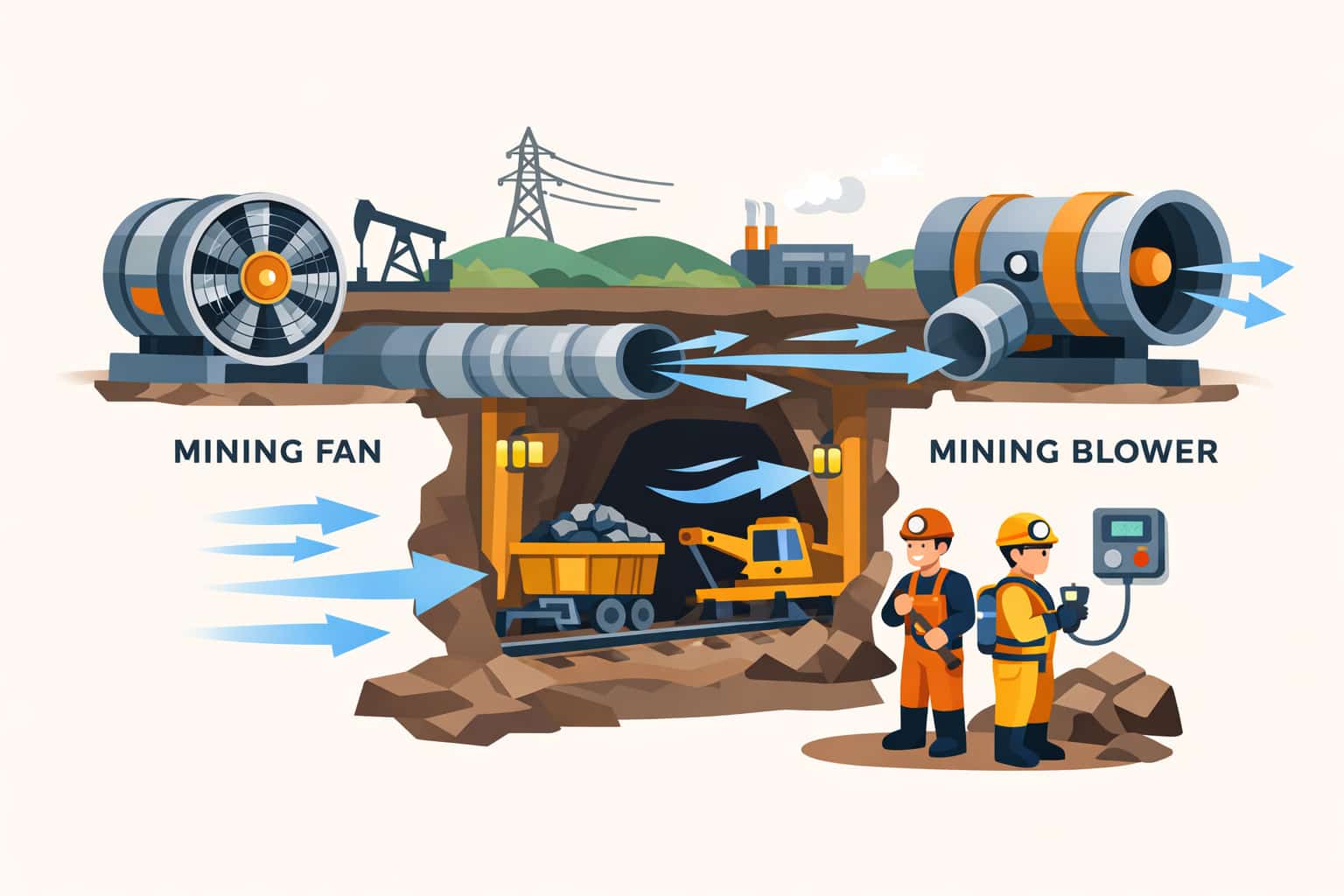
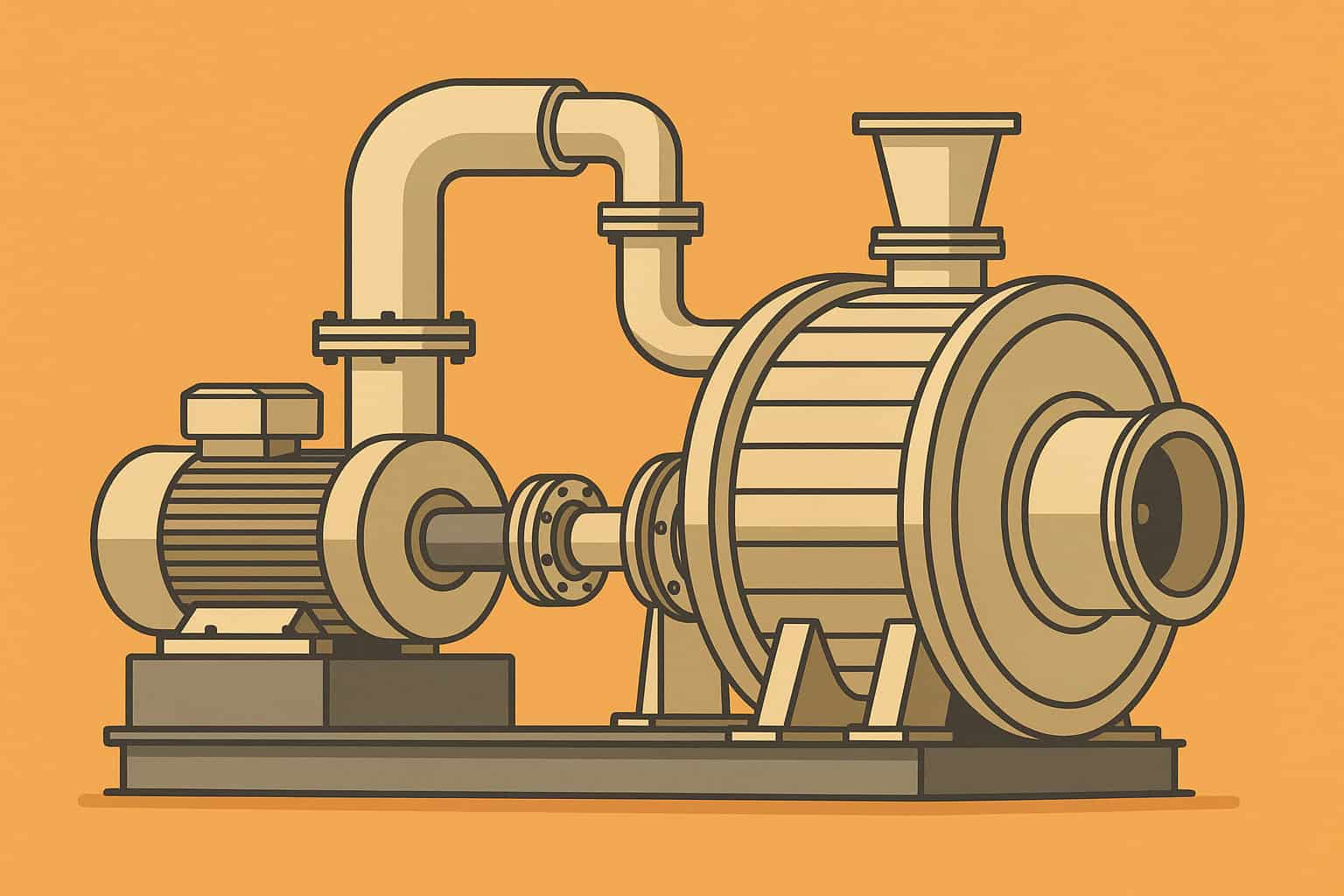
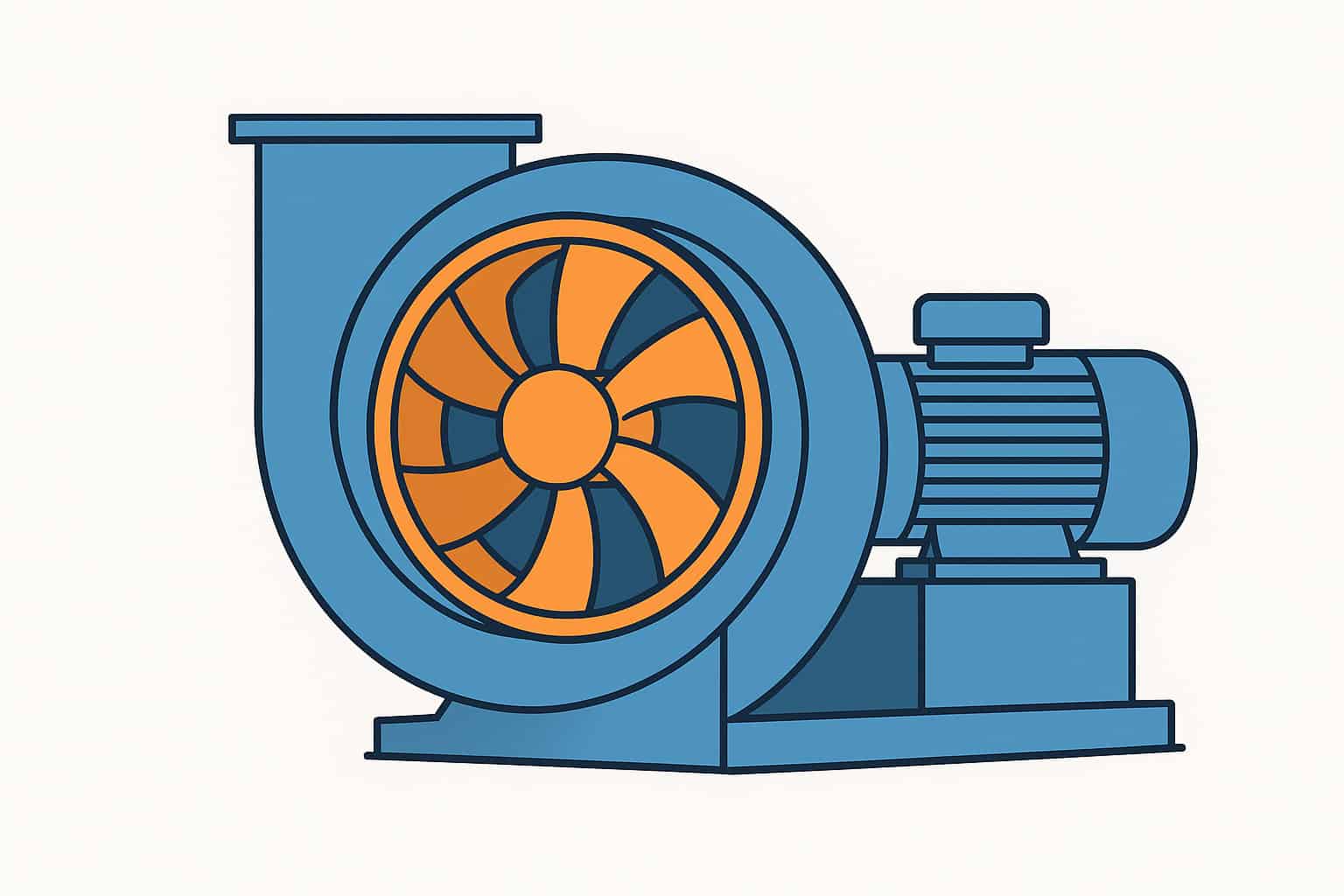
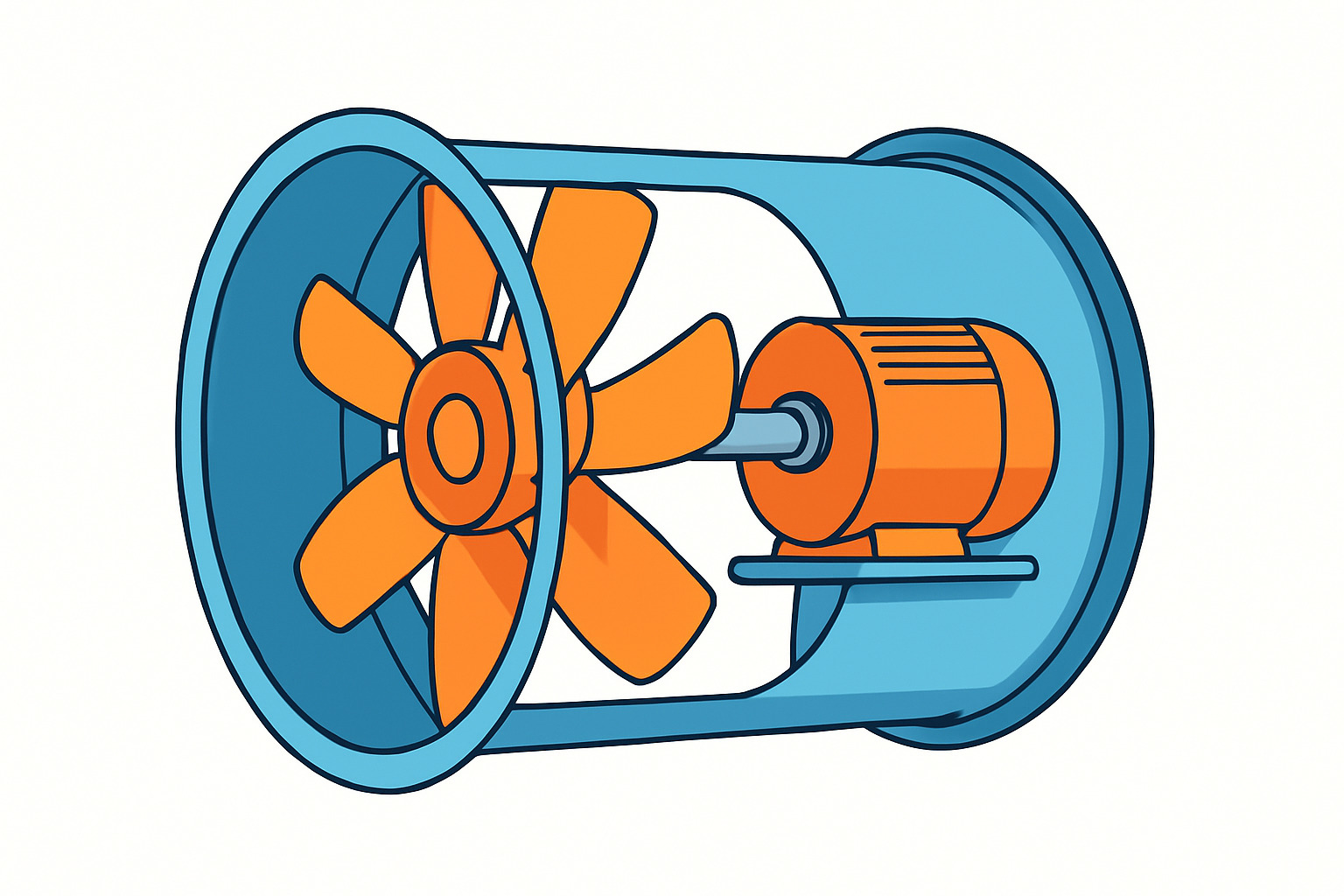
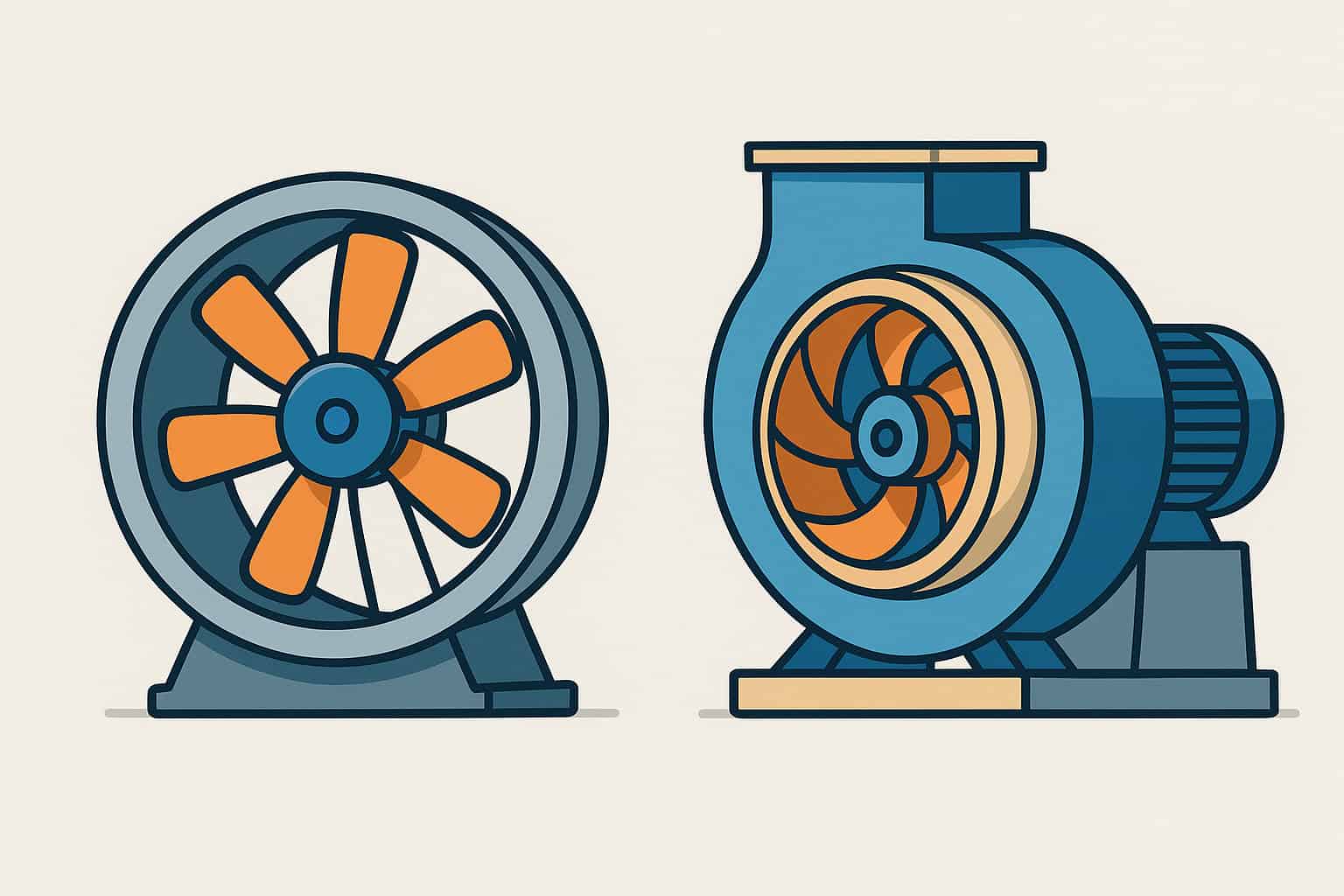
You typically need a blower when your system requires air at higher pressure and velocity than a normal ventilation fan can provide. If the air only has to move through open spaces, short ducts and simple grilles, a standard axial or centrifugal fan is usually enough. But once you introduce narrow burner passages, long pipes, filters, heat exchangers or conveying lines, the resistance rises and a dedicated blower becomes necessary.
One clear case is combustion equipment. Boilers, kilns, furnaces and some industrial dryers depend on a reliable flow of combustion air at a controlled pressure. A blower pushes air through burner registers and nozzles, ensuring proper mixing with fuel, stable flames, good heat transfer and low emissions. Without sufficient blower pressure, combustion can become smoky, inefficient and unsafe.
You also need a blower for process air where the air plays an active role in the operation, not just in general ventilation. Examples include blowing air into oxidation or curing reactions, feeding aeration tanks, providing cooling air to hot components and delivering drying air over products on a conveyor. In these situations the blower must overcome pressure losses in coils, filters and ducts while maintaining a reliable flow rate.
Another major use is pneumatic conveying. When powders, granules or other small particles must be transported through pipes, a blower generates the airflow that lifts, suspends and carries the material. The blower has to deliver enough pressure to overcome friction in the line and any bends or vertical lifts. This approach is common in cement, chemical, food and mining industries.
Blowers are also needed wherever there is local extraction or purge requirements. They can evacuate fumes from small enclosures, feed air to purge electrical cabinets, supply air knives to clean surfaces, or support local exhaust booths around dusty processes. In these roles, the blower provides a focused high-velocity stream that a general building ventilation fan cannot easily produce.
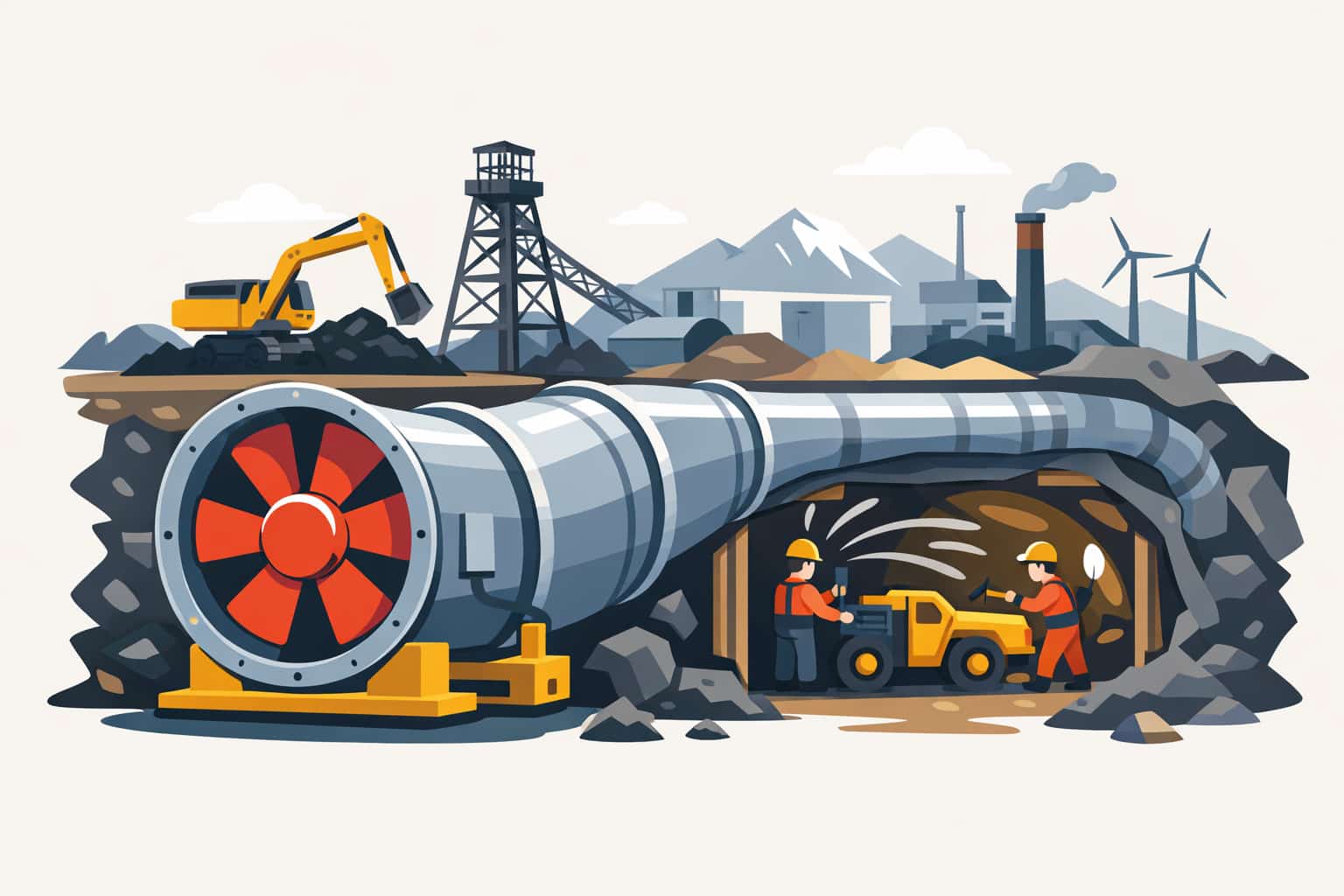
In underground mining and heavy industry, blowers do not replace the main ventilation fans, but they support them by supplying air to specific processes, dust collectors and local cooling systems. Whenever your design calculations show that the pressure drop across a piece of equipment is too high for a standard fan, that is a sign you probably need a blower.
In summary, you need a blower for combustion air systems, process air duties, pneumatic conveying and local extraction or purging whenever your ventilation task requires higher pressure, more concentrated airflow or more precise control than a normal fan can provide.