
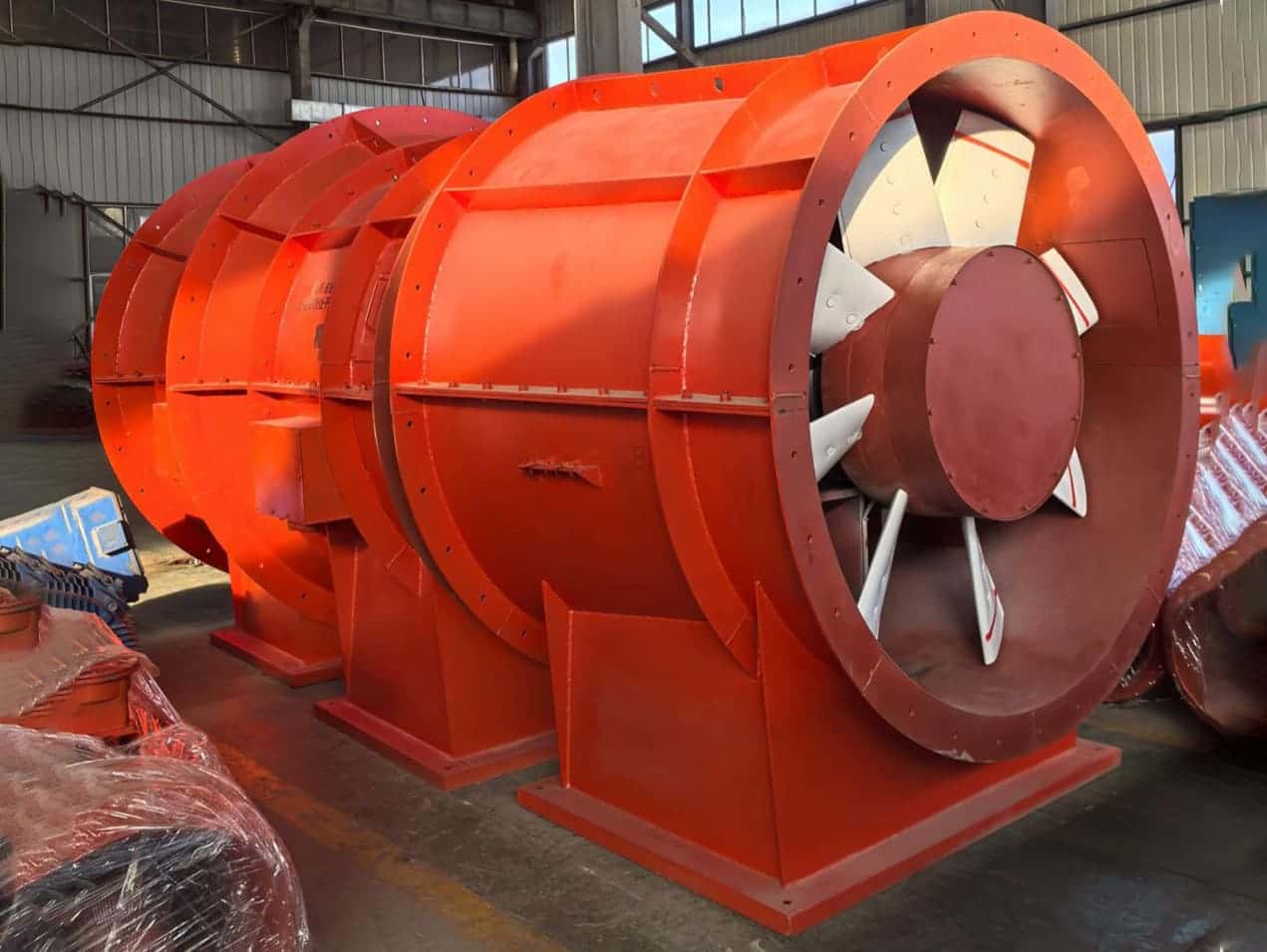
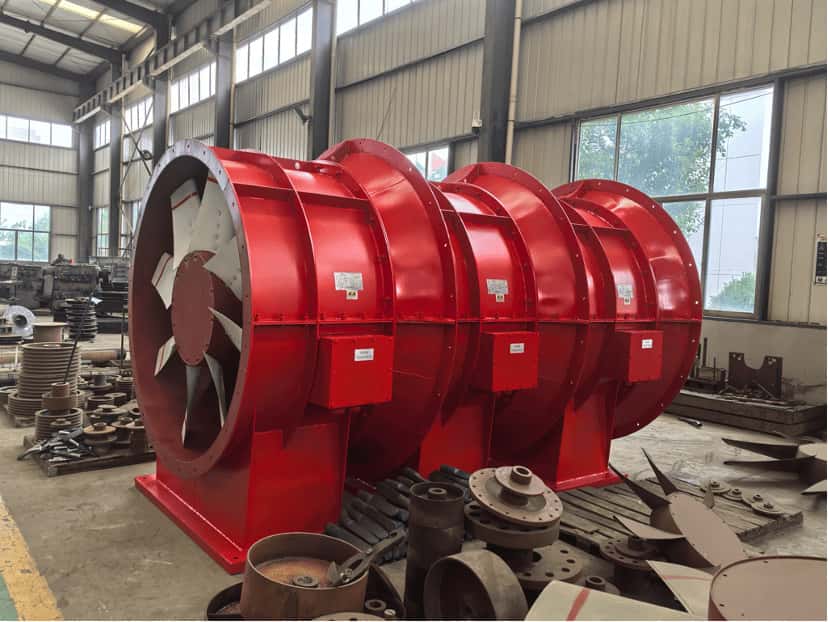
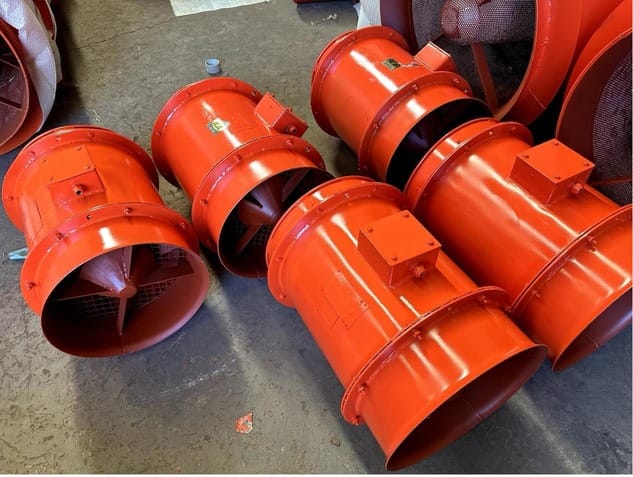
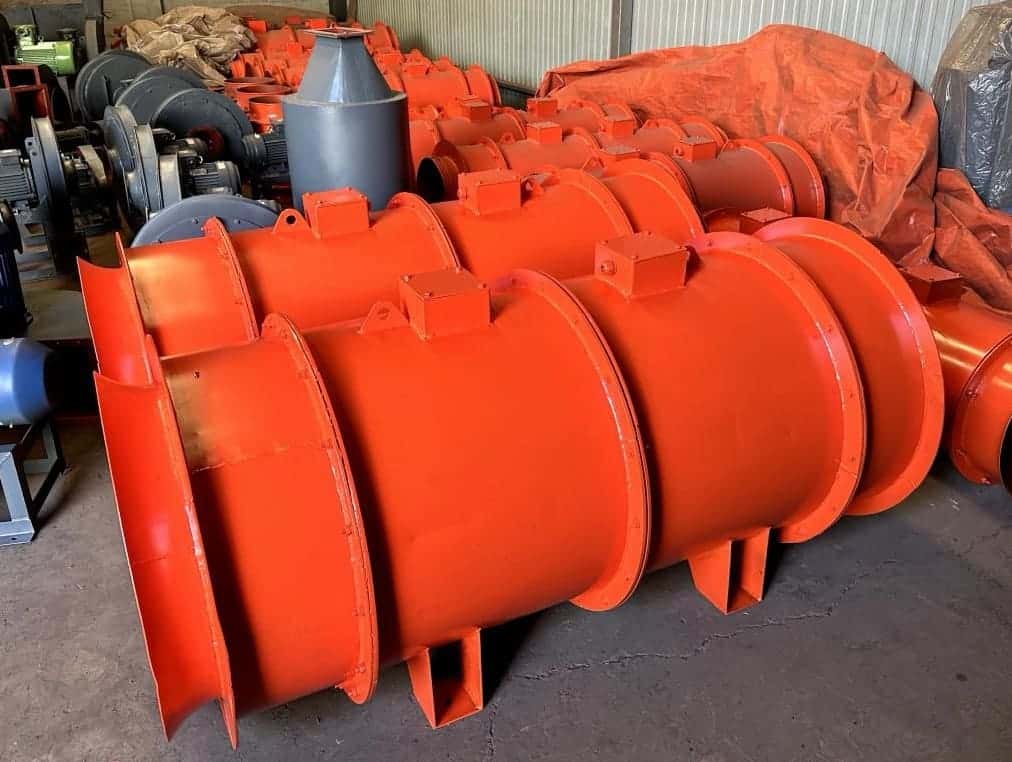
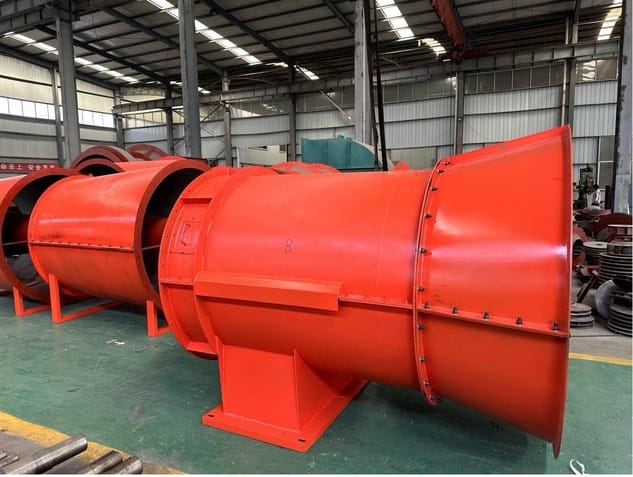
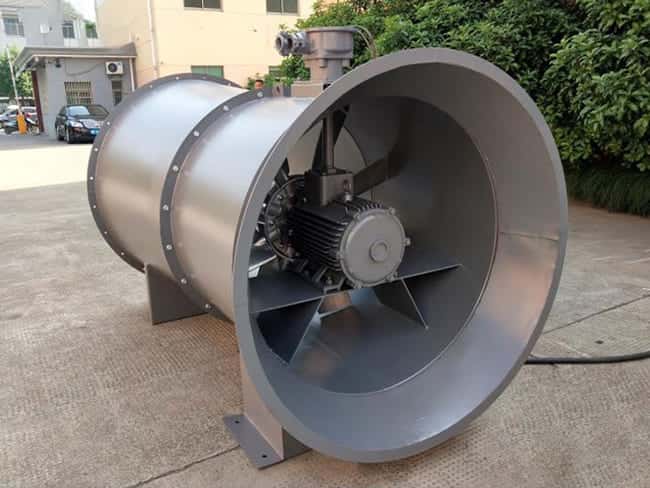
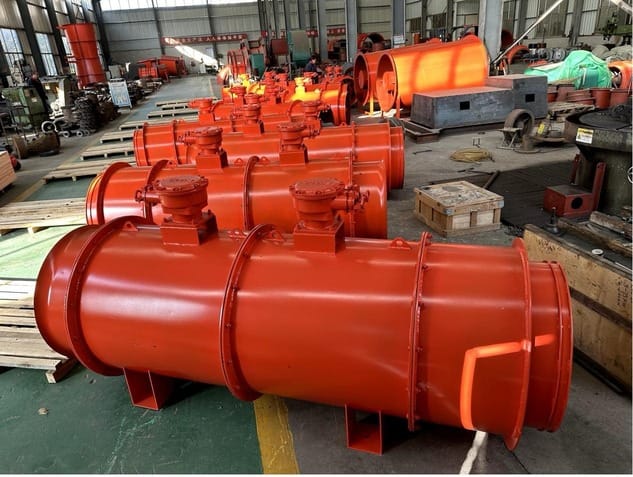
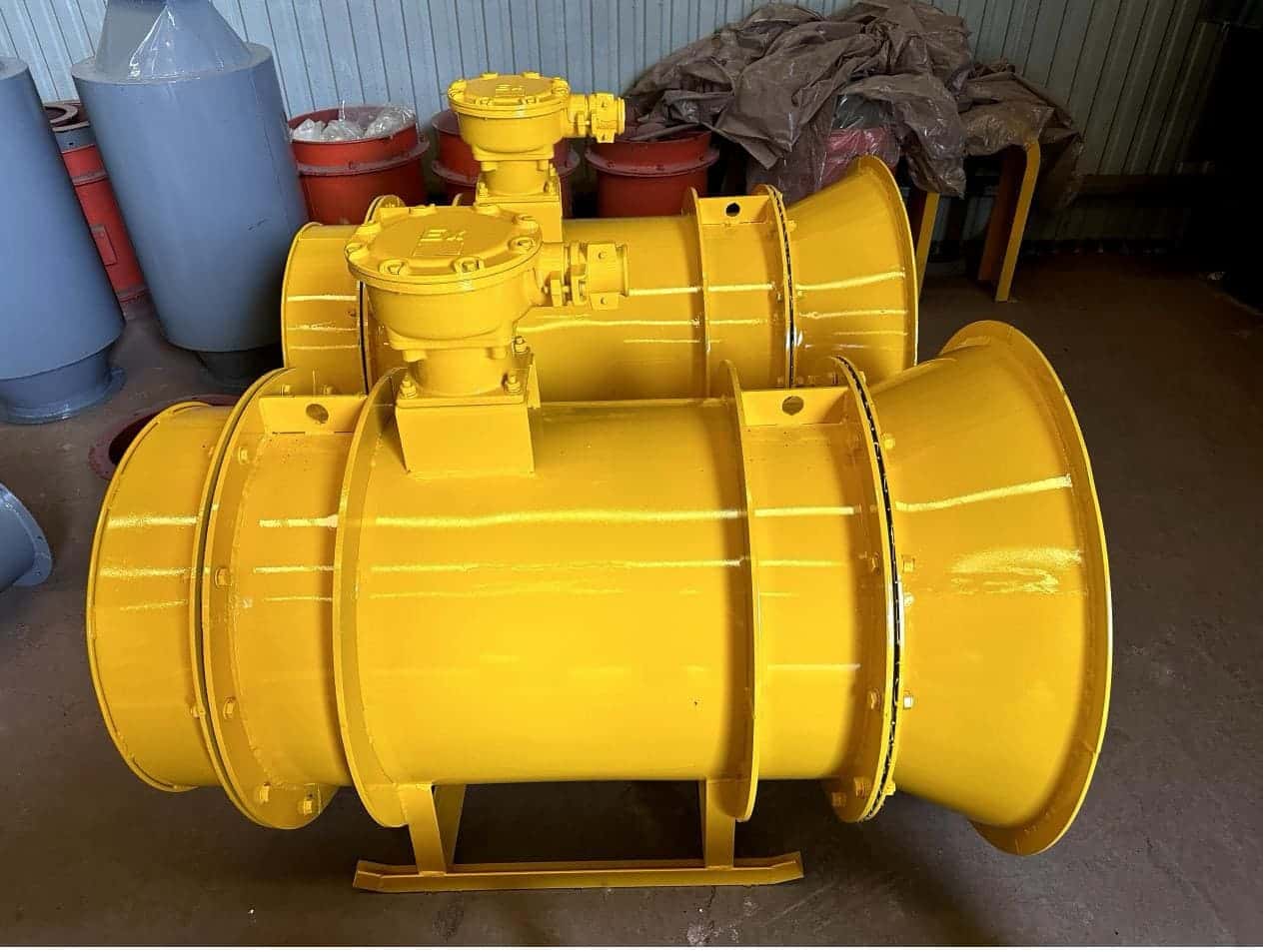
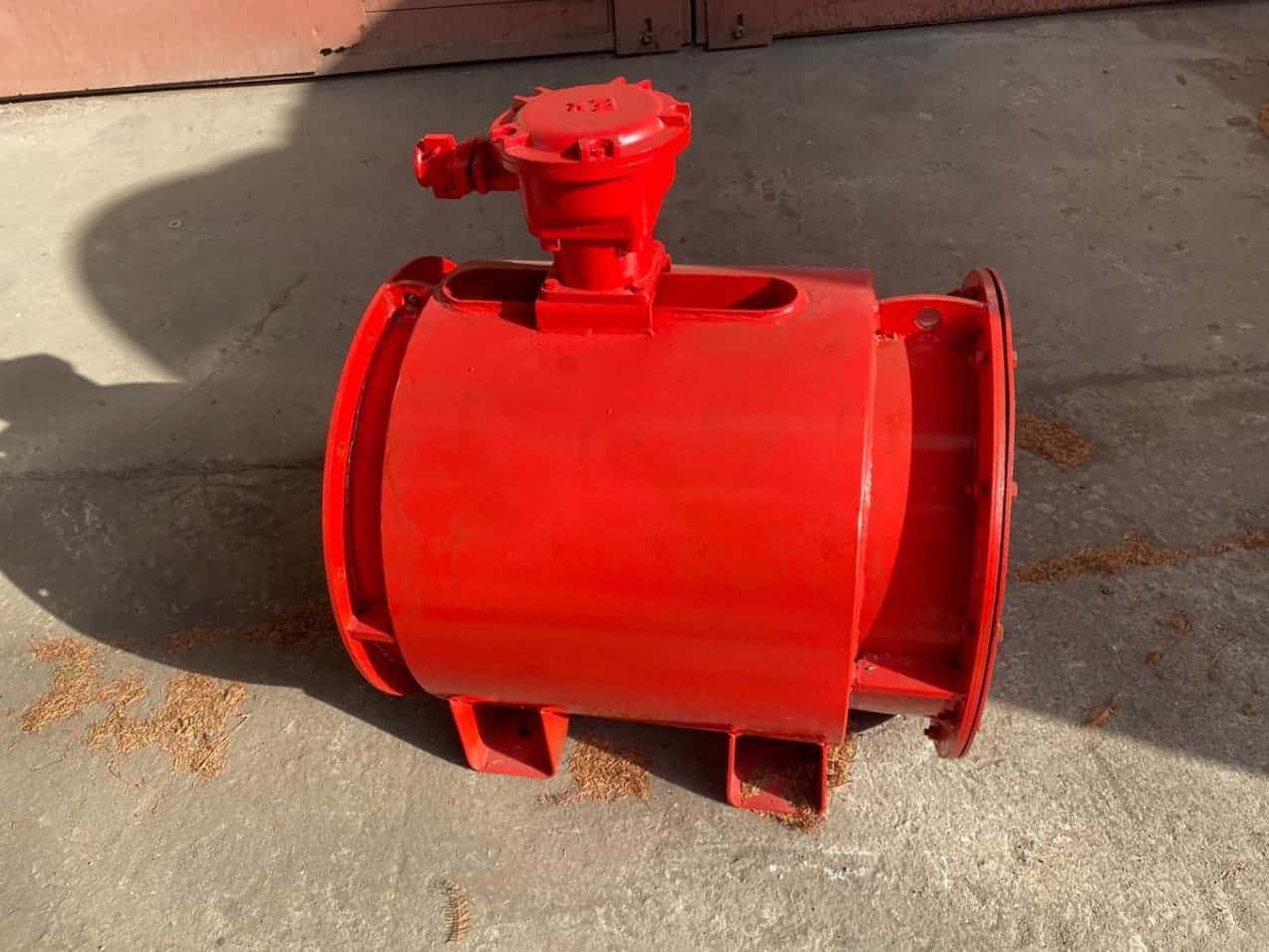
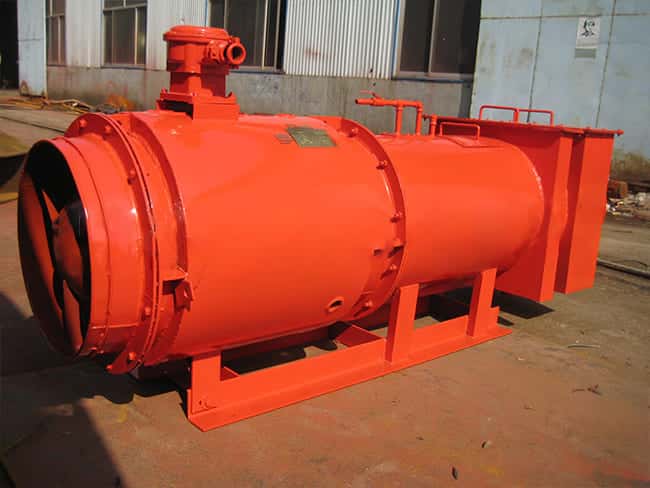
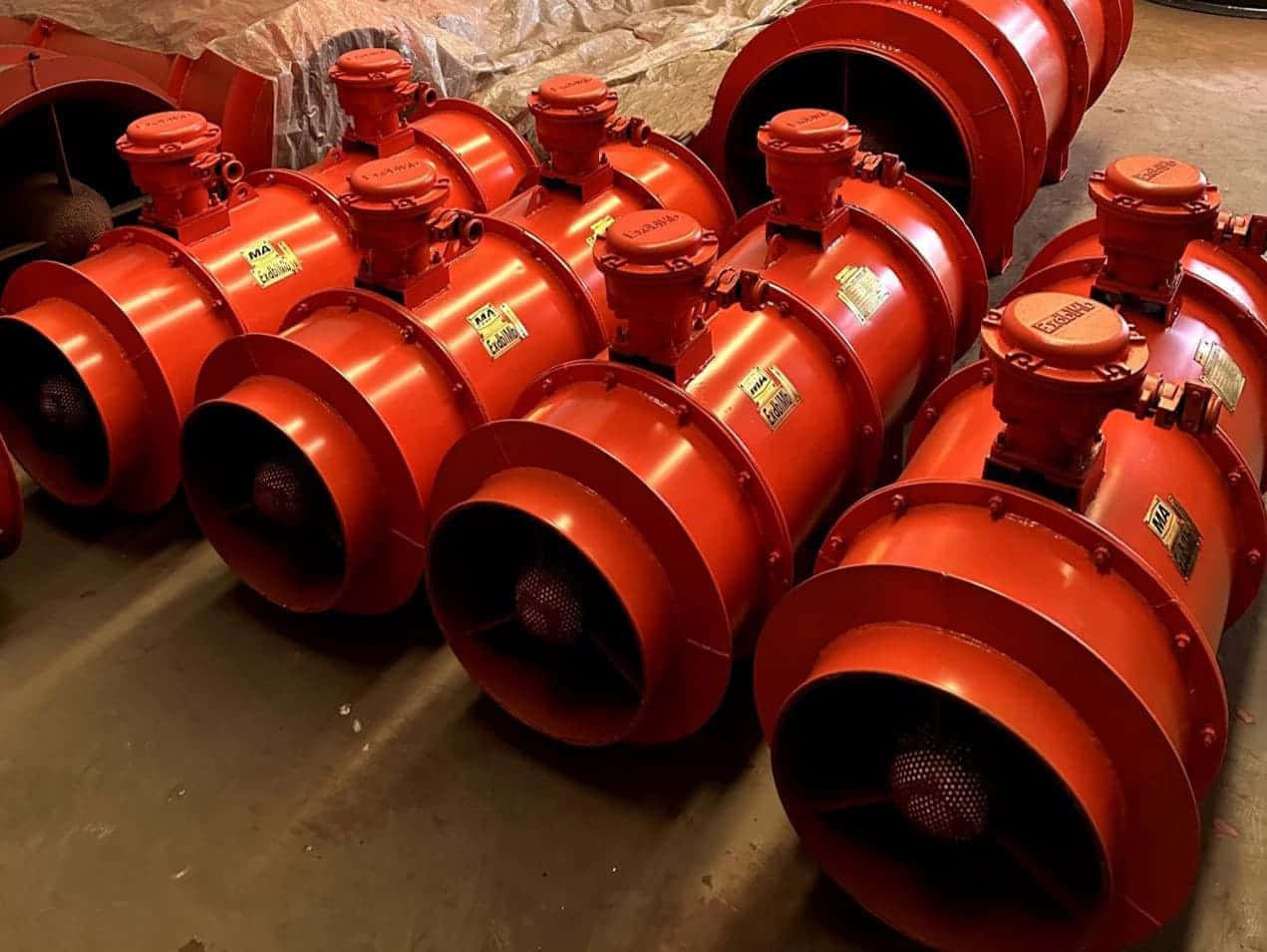
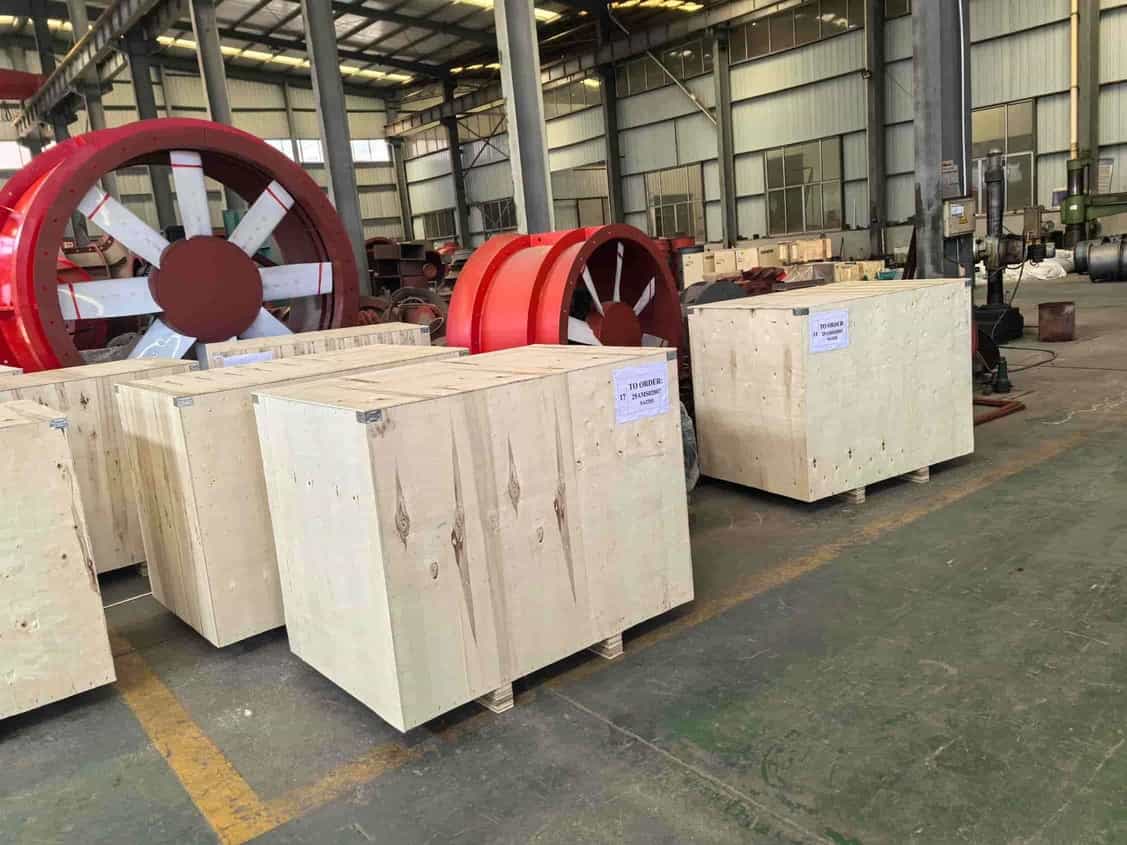
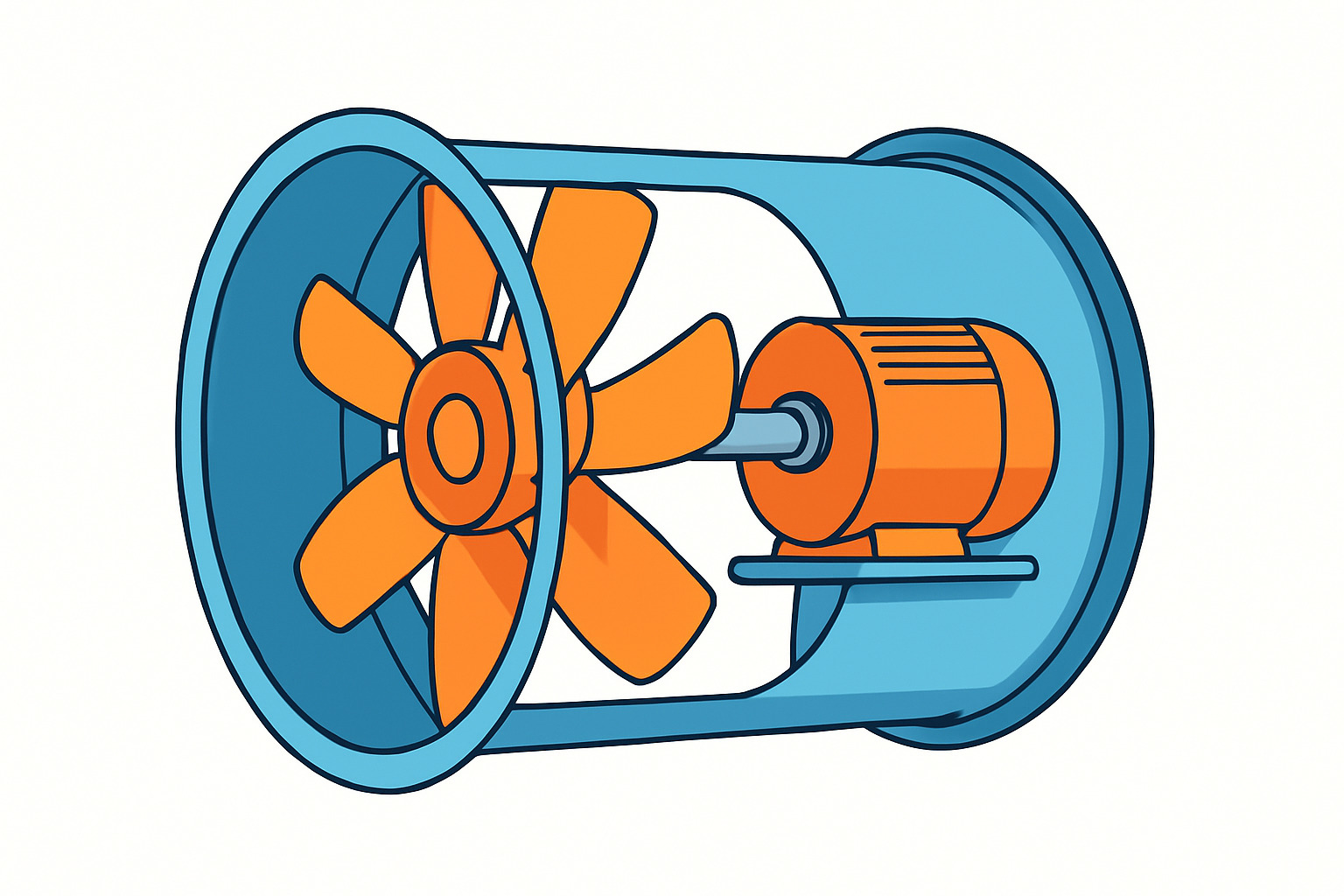
An auxiliary fan is a smaller, usually portable ventilation fan that provides local airflow in areas where the main ventilation system cannot reach directly. In underground mines, construction tunnels and large industrial plants, the main fans move air through primary intakes and returns, but blind headings, stopes, crosscuts and enclosed rooms still need fresh air and fume extraction. An auxiliary fan fills this gap by working together with ventilation ducts to deliver airflow exactly where it is needed.
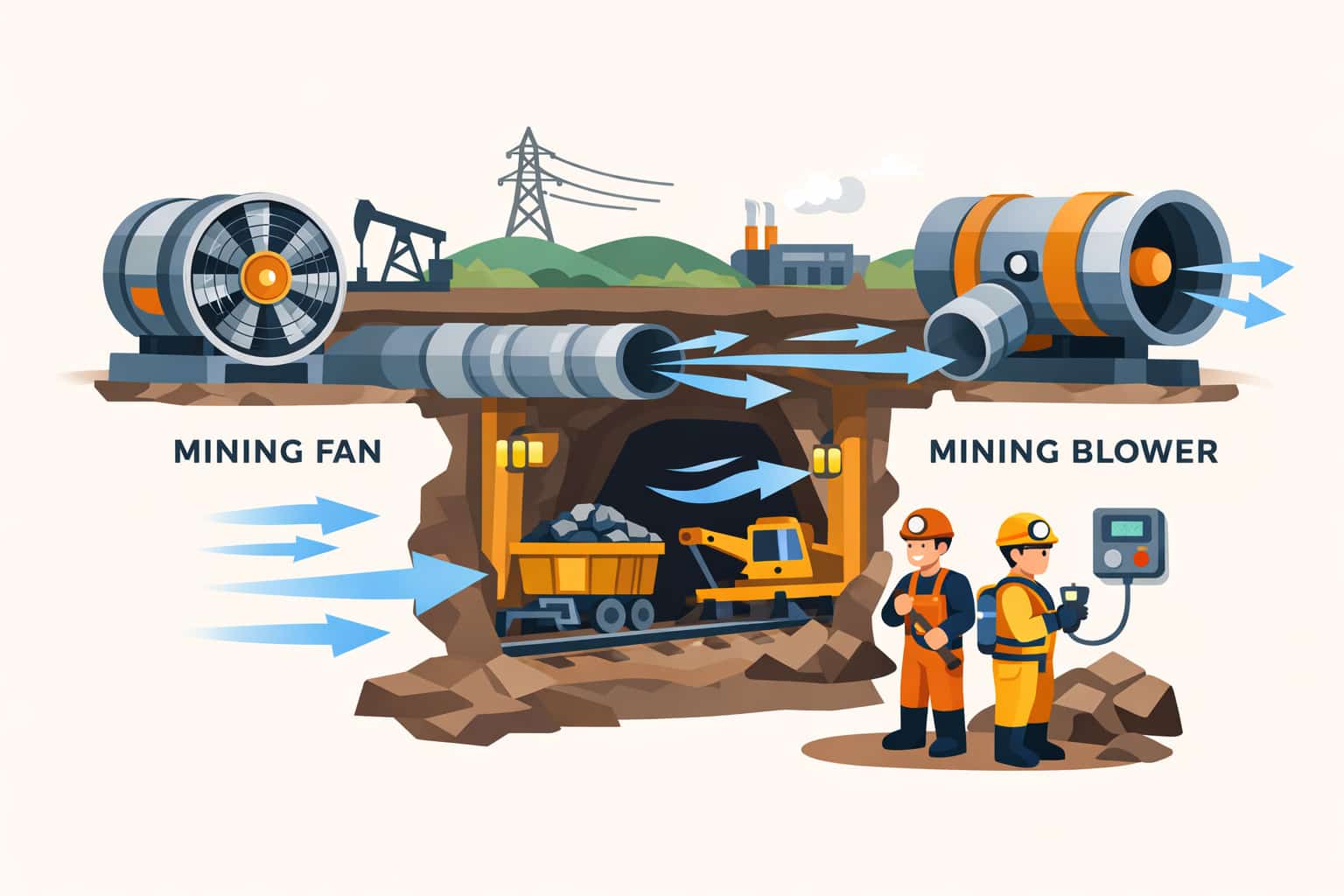
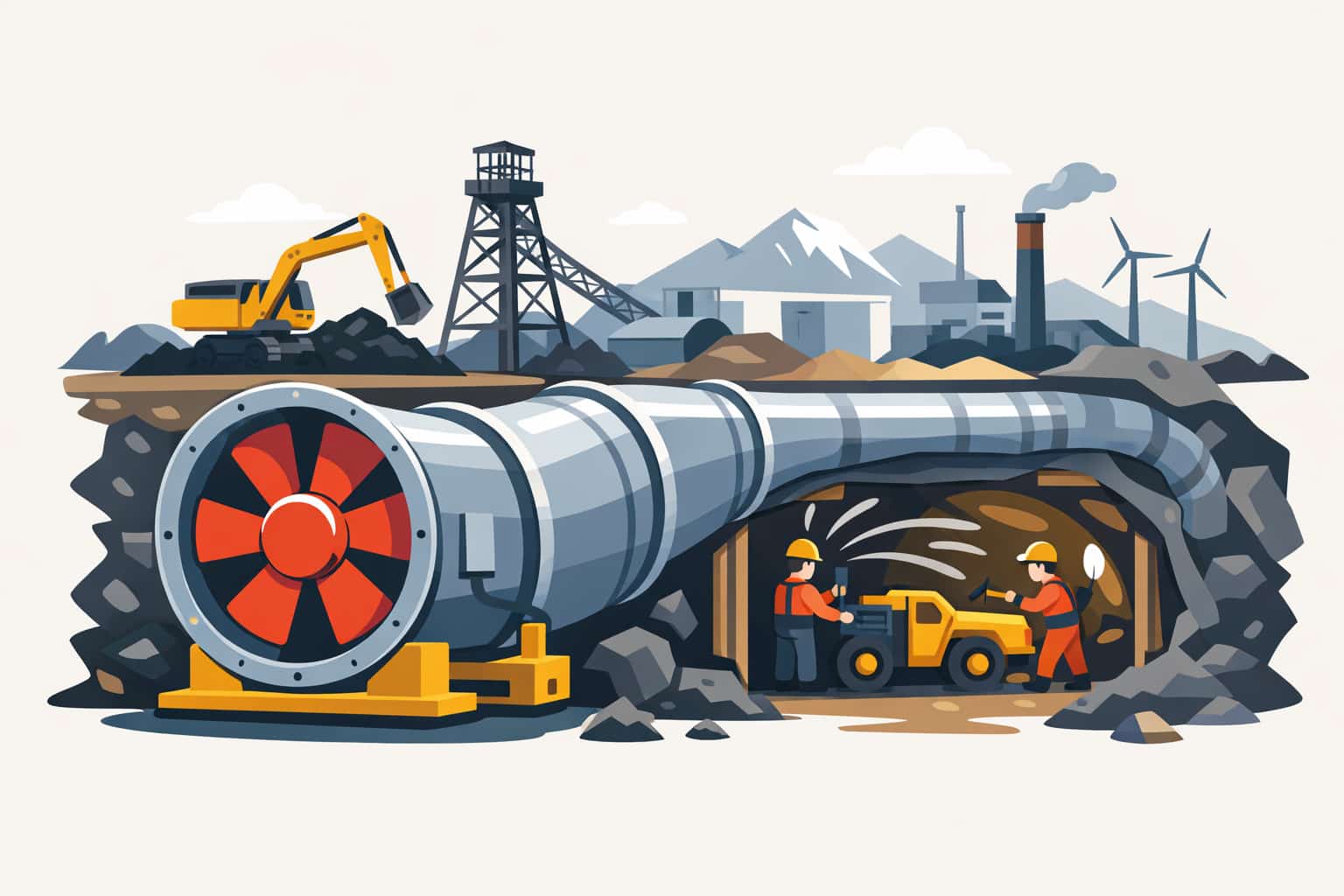
In underground mining, an auxiliary fan is typically installed at the mouth of a development heading or raise and connected to a line of flexible or steel ducting. In a forcing auxiliary ventilation system, the fan blows fresh air down the duct toward the face, sweeping contaminants back into the return airway. In an exhaust auxiliary system, the fan sucks contaminated air from the face through the duct and discharges it into a return airway, allowing clean air to be drawn naturally toward the working place.
The main job of an auxiliary fan is to control gases, dust and heat in confined work areas. After blasting, concentrations of nitrogen oxides, carbon monoxide and fumes can be high in a blind heading. Diesel equipment and drilling also generate exhaust gases and fine dust. By forcing a strong, controlled airflow through the duct system, the auxiliary fan speeds up clearance of these contaminants, shortens re-entry time, improves visibility and ensures that the workplace complies with regulatory exposure limits.
Auxiliary fans also play a key role in thermal comfort and equipment cooling. In deep or hot mines, rock temperature and machine heat can cause the air at the face to warm up quickly. Fresh air delivered by the auxiliary fan removes heat and humidity, reducing worker fatigue and protecting equipment from overheating. In some designs, auxiliary ventilation is combined with local cooling devices, such as spray chambers or spot coolers, to further lower air temperature.
Outside mining, auxiliary fans are used in industrial environments for spot extraction and temporary ventilation. They remove welding fumes and vapours from confined spaces, ventilate tanks and pits during maintenance, and provide fresh air during construction or refurbishment of buildings. Their portability and flexibility make them a cost-effective solution whenever permanent ductwork or large central fans cannot directly serve a working area.
In summary, an auxiliary fan provides focused, local ventilation by pushing or pulling air through ducts into blind or remote areas. It supports the main ventilation system by ensuring that every workplace, especially in underground mines and tunnels, receives adequate fresh air and that contaminants are removed quickly and safely.