



















At first glance, an axial fan looks like a propeller or rotor, with blades arranged around a central hub. The blades are shaped and angled so that when they rotate, they push air straight through the fan parallel to the shaft. In industrial and mining ventilation, most axial fans are not bare propellers but are mounted inside a ring or cylindrical casing, which helps guide the airflow and protect the blades.
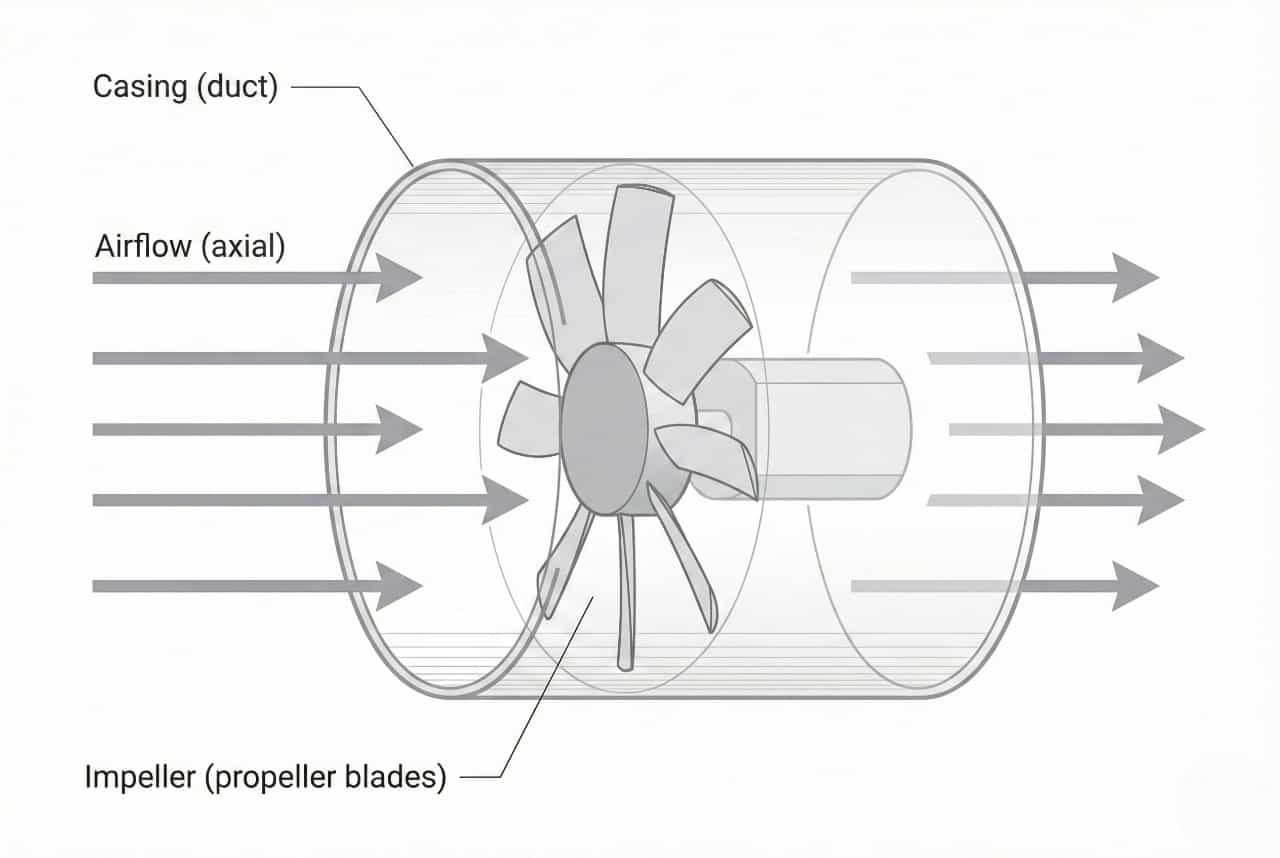
Figure 1. Axial airflow: straight-through flow path (parallel to the shaft).
The simplest form is a propeller fan. It looks like the blades of a ceiling fan or a pedestal fan: two to many blades fixed to a hub, driven directly by a motor. In industrial settings this propeller may be mounted in a wall opening or on a short ring, forming a wall-mounted axial exhaust or supply fan. You can see the blades clearly when the fan is stopped, and when it runs the air flows straight through, from the intake side to the discharge side.
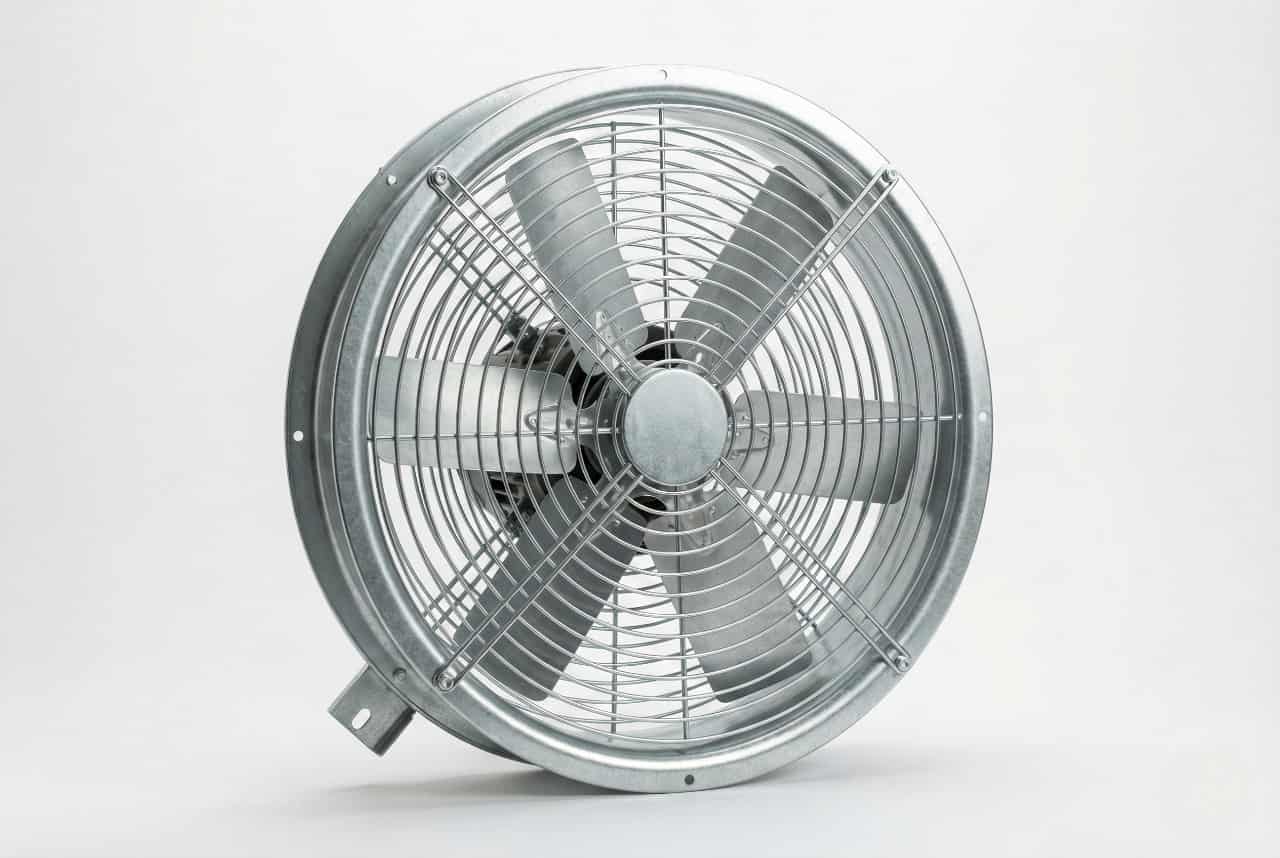
Figure 2. Propeller axial fan: the simplest axial fan form, often used as a wall-mounted exhaust or supply fan.
A tube-axial fan, common in ducted systems and auxiliary mine ventilation, looks like a short section of circular duct with an axial impeller inside. From the outside you mainly see a cylindrical casing with a flange on each end for connecting to ducts. Inside, the blades are mounted on a hub attached to the motor shaft. When installed in a mine, these tube-axial fans are often painted bright colours and connected to flexible ventilation ducts, forming a compact, in-line unit.
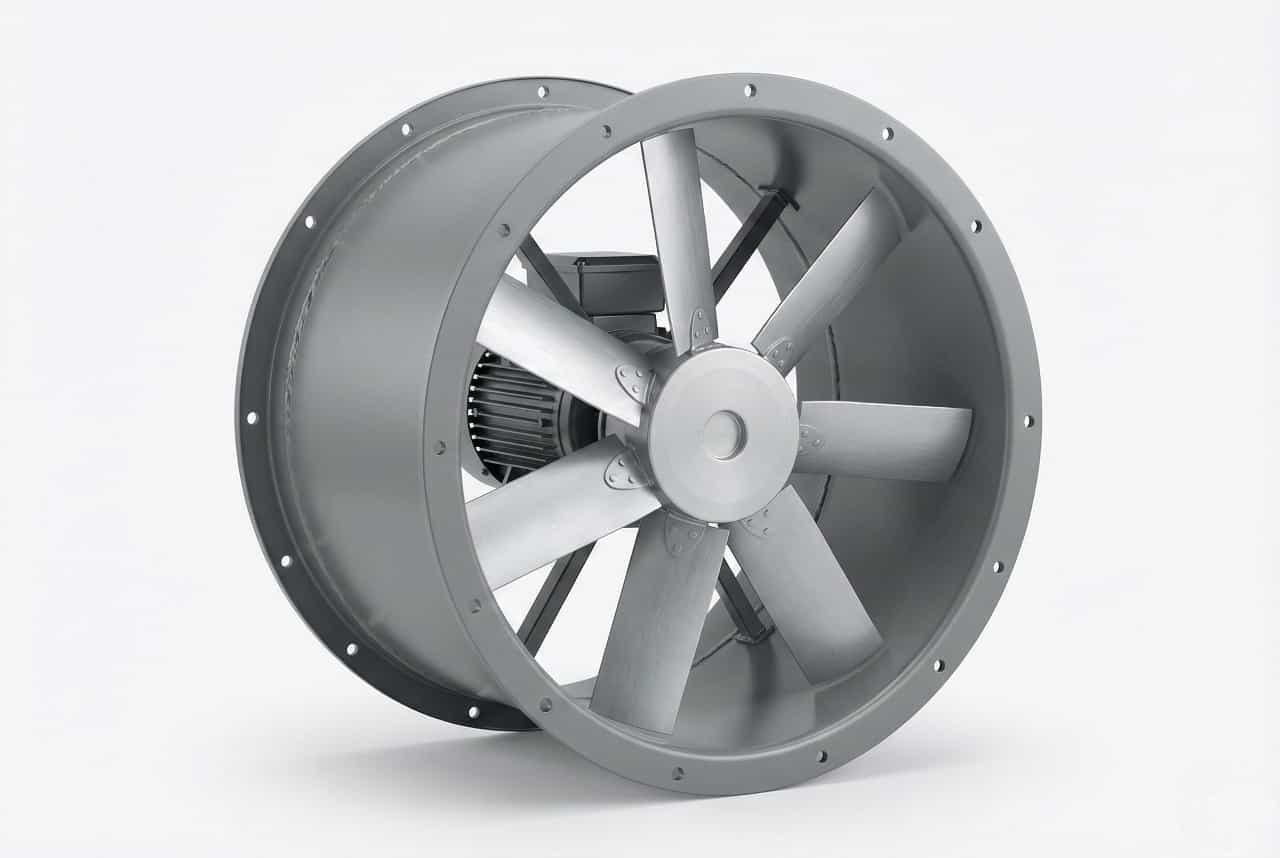
Figure 3. Tube-axial (duct inline) axial fan: a propeller-style impeller inside a short cylindrical casing.
A vane-axial fan looks similar to a tube-axial fan but with stationary guide vanes before or after the rotating blades. If you look into the fan when it is stopped, you can see both the rotor blades and a set of fixed vanes that straighten the flow. This design is common in high-performance mining and tunnel fans, where the casing may include integral inlet cones, silencers and flow-straightening sections. The overall appearance is still that of a cylindrical or slightly conical casing with a central rotor inside.
Compared with a centrifugal fan, which usually has a snail-shaped volute casing and a side inlet, an axial fan’s visual signature is its straight-through flow. Air enters one end of the cylinder and leaves the other end in line with the shaft. The casing may be equipped with mounting feet, support frames, guards over the openings and sometimes adjustable inlet guide vanes or dampers, but the basic look remains a propeller-like rotor inside a round housing.
In summary, an axial fan typically looks like a propeller or rotor mounted inside a ring or cylindrical casing, with blades that push air straight through the fan parallel to the shaft. In mining and industrial ventilation, this simple visual form hides a carefully engineered machine designed to move large volumes of air efficiently through tunnels, shafts and duct systems.
