
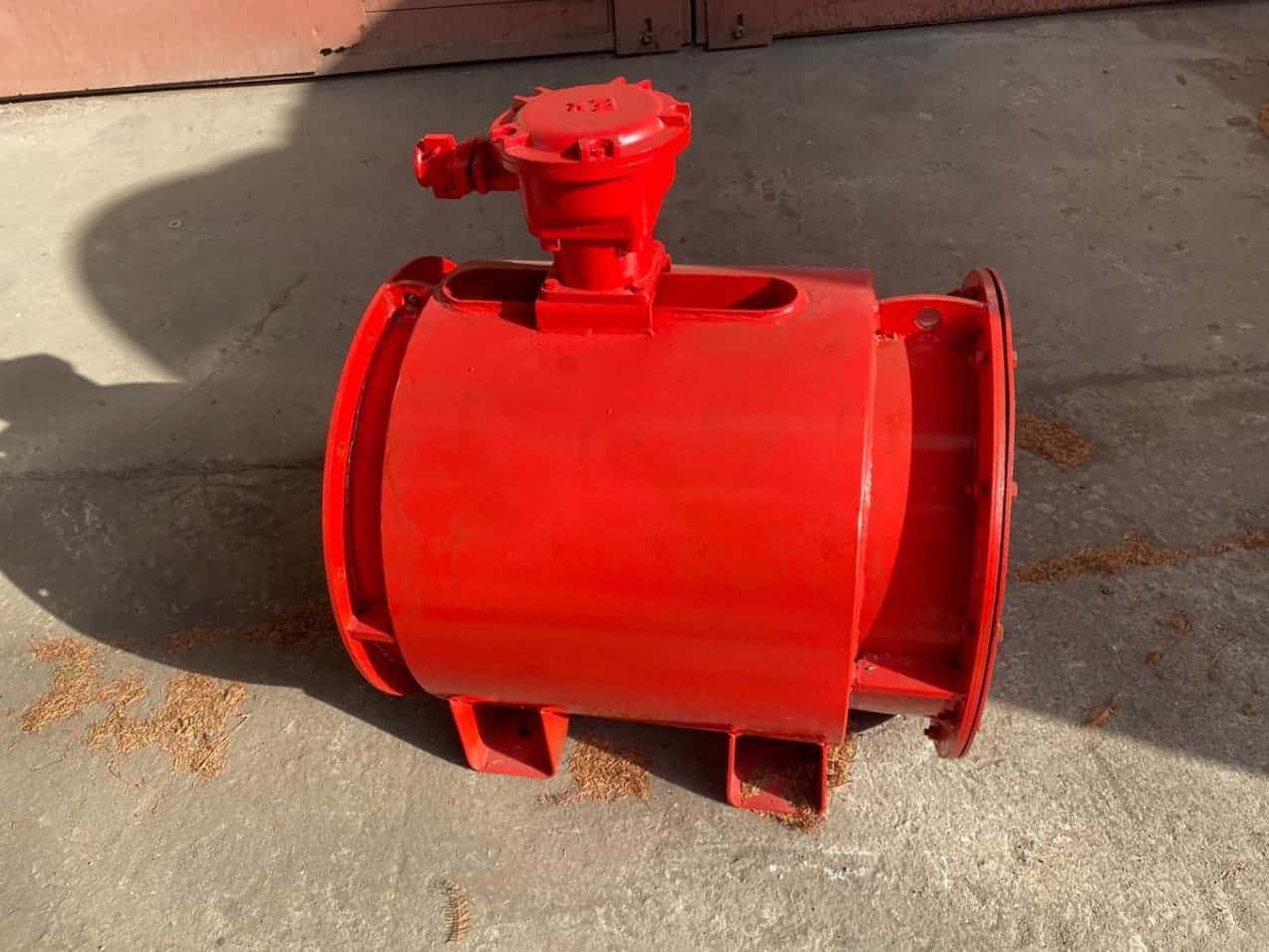
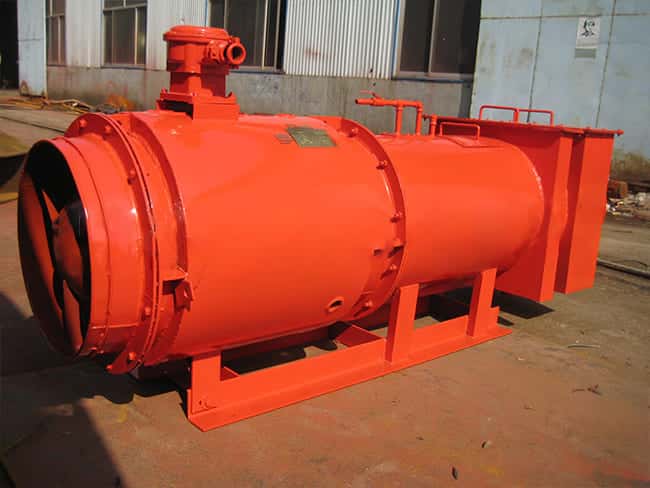
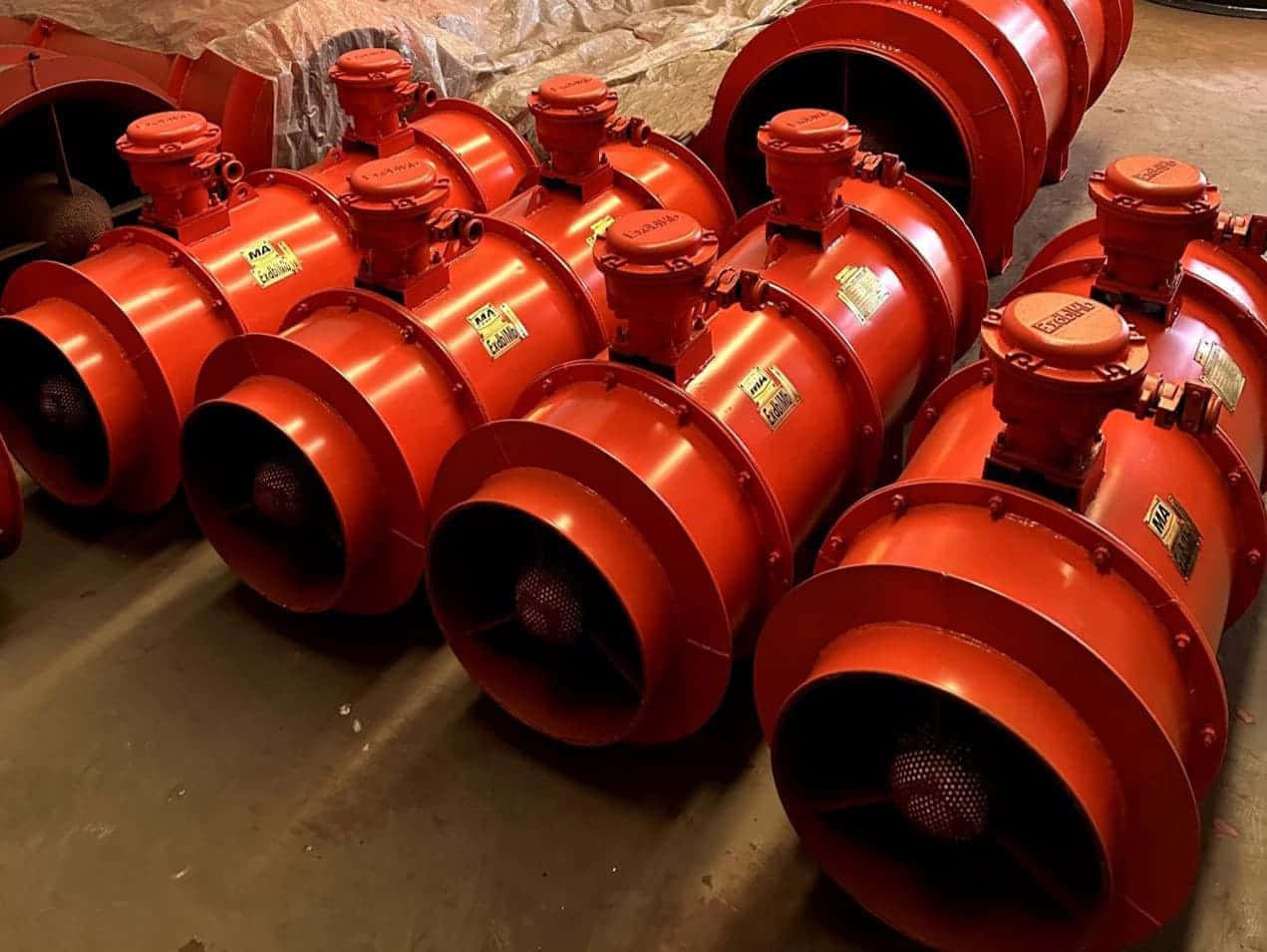
“Intake air” is the air that is drawn into a building, industrial plant or mine to supply ventilation. It is usually fresh outdoor air or relatively clean air from another area, and it is the opposite of exhaust or return air. Intake air provides the oxygen, cooling and dilution needed to keep workplaces safe and comfortable.
In a typical ventilation system, you have both intake and exhaust. Intake air enters through openings such as louvers, intake shafts, fresh air ducts or air-handling units. Fans may pull or push this air into the building, where it is distributed through ducts and vents. Exhaust fans then remove stale, hot or contaminated air, which has picked up heat, moisture, dust or fumes from people and processes.
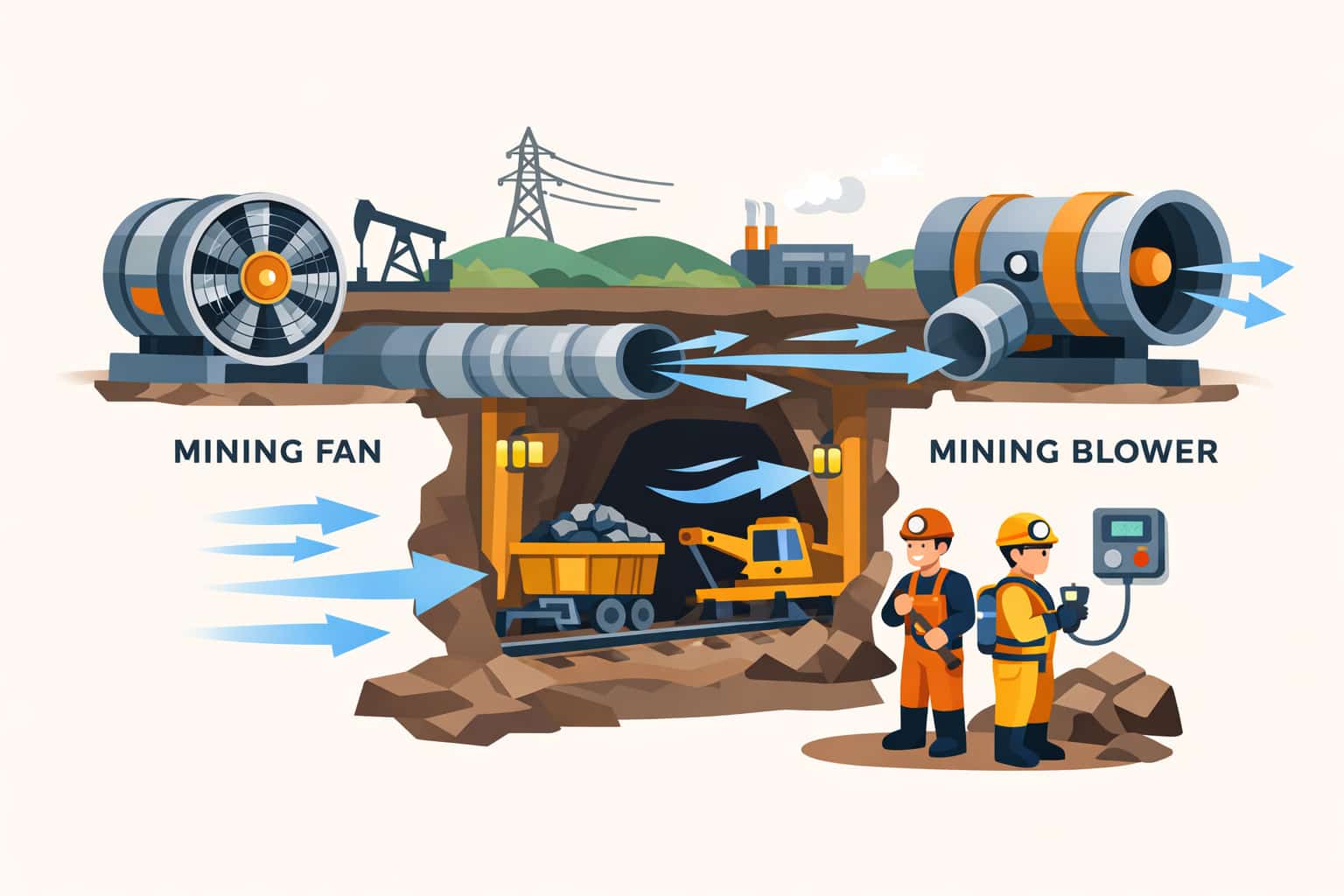
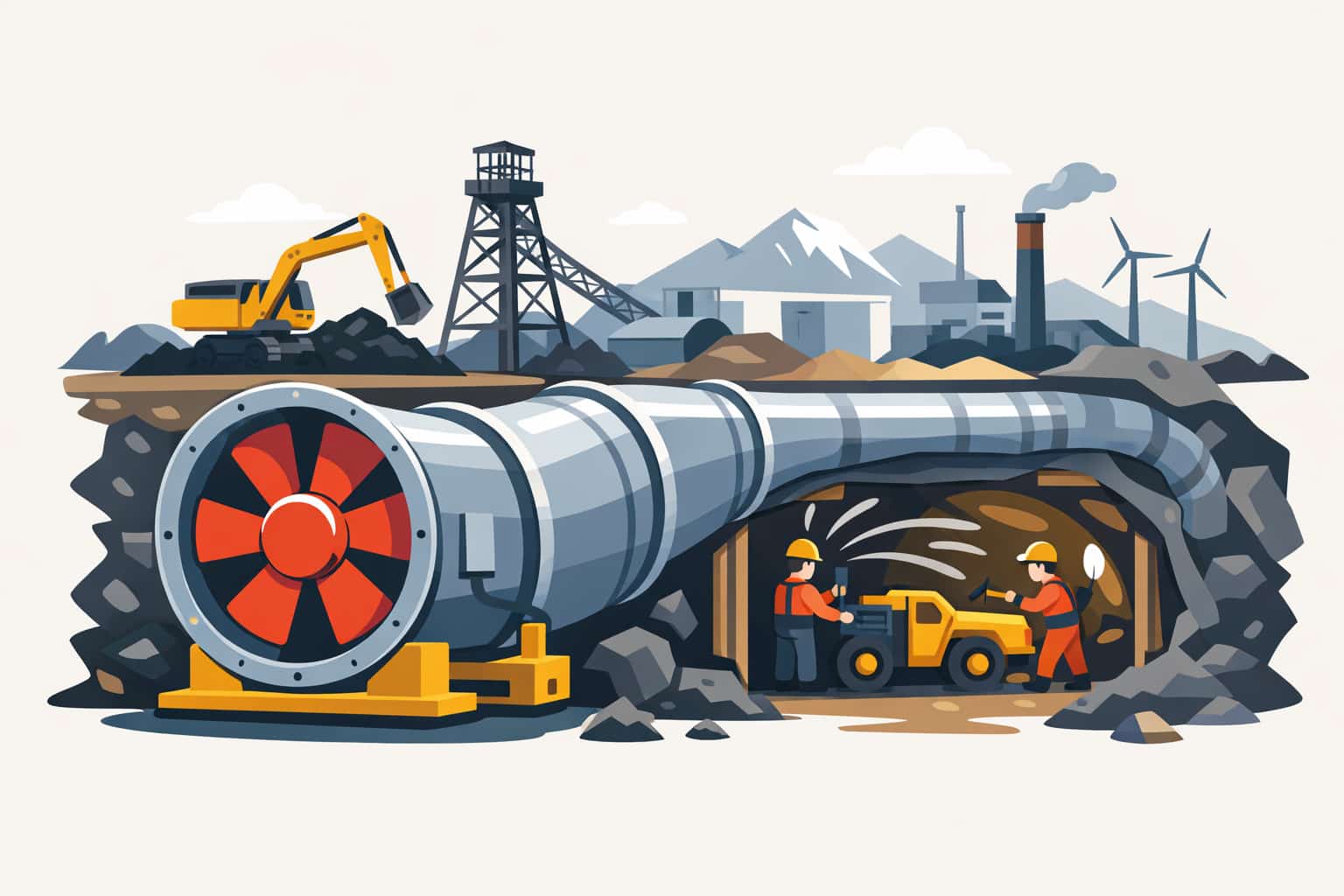
In underground mining, the term is used very specifically. Intake airways are the tunnels and shafts that carry fresh air from the surface into the mine. This intake air is vital for diluting gases like methane or diesel exhaust and for controlling dust and temperature. Workers are normally positioned in intake air or near regulated splits of intake air, while return airways carry used air back to the main fans and out of the mine.
In industrial plants, “intake air” often refers to the fresh air supplied to air-handling units, furnaces, compressors or process equipment. For example, a combustion air fan supplies intake air to a boiler, and the quality and temperature of that intake air have a direct impact on combustion efficiency and emissions. Similarly, filtered intake air is supplied to clean rooms, control rooms or electrical rooms to protect sensitive equipment from dust and corrosive gases.
The characteristics of intake air matter. Engineers consider temperature, humidity, cleanliness and potential contaminants when choosing intake locations and filtration. If intake air is drawn from a polluted or hot area, the ventilation system may struggle to deliver acceptable conditions inside. For this reason, fresh air intakes are usually placed away from exhaust stacks, vehicle traffic and dusty operations.
In summary, intake air is the incoming, relatively clean air that feeds a ventilation system, whether in an office, factory or mine. It is the starting point of the airflow path, providing the clean air that will later be exhausted after it has absorbed heat, moisture and contaminants from the working environment.