
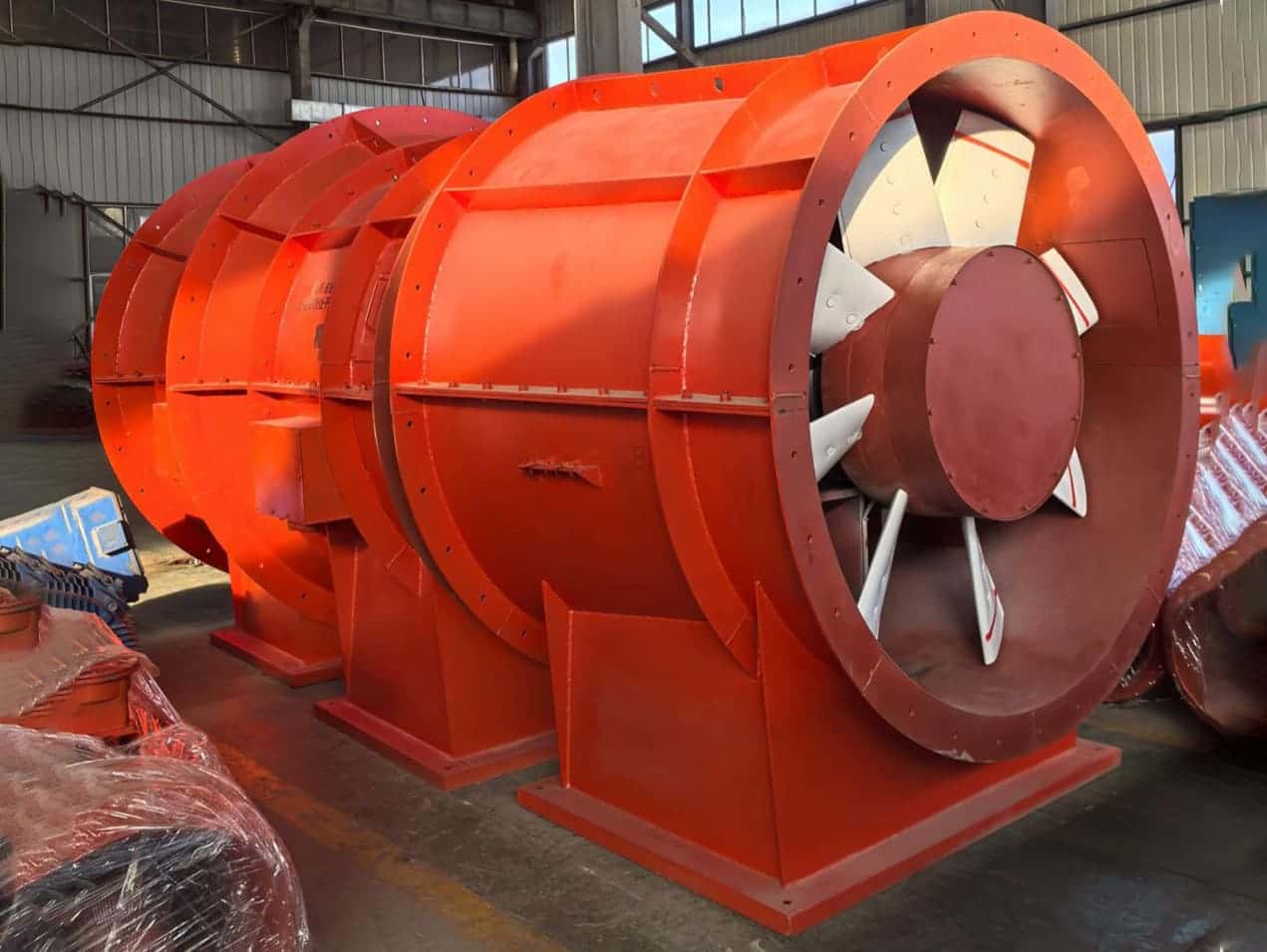
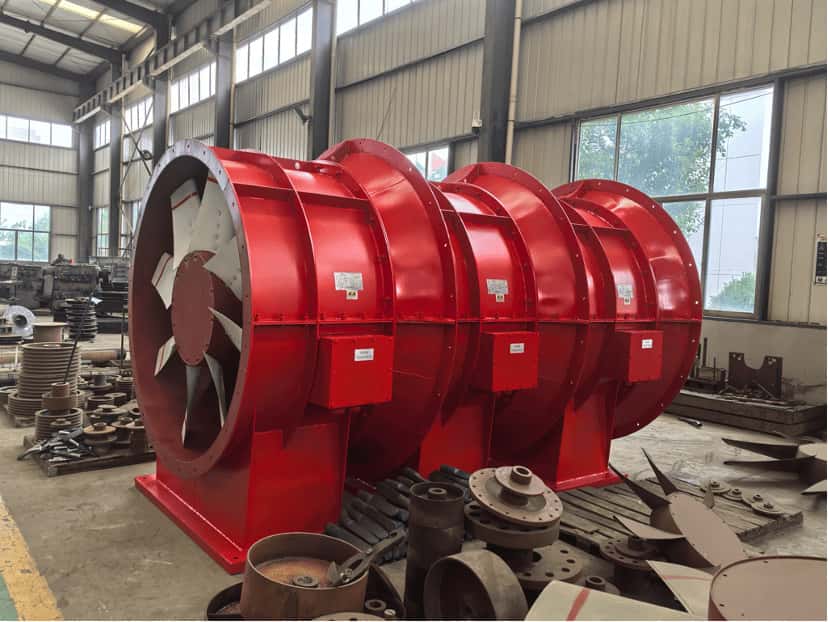
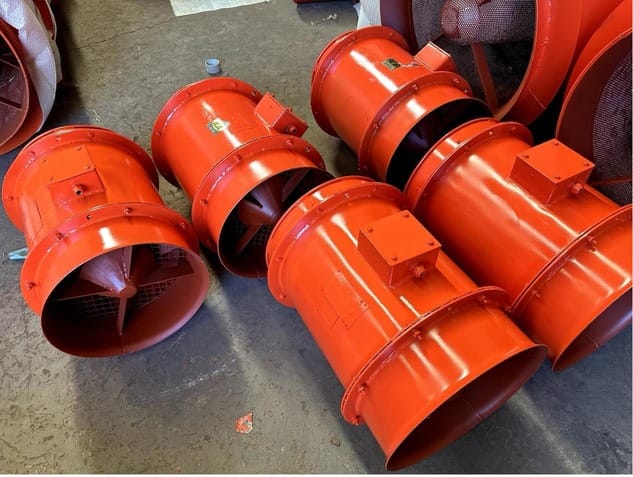
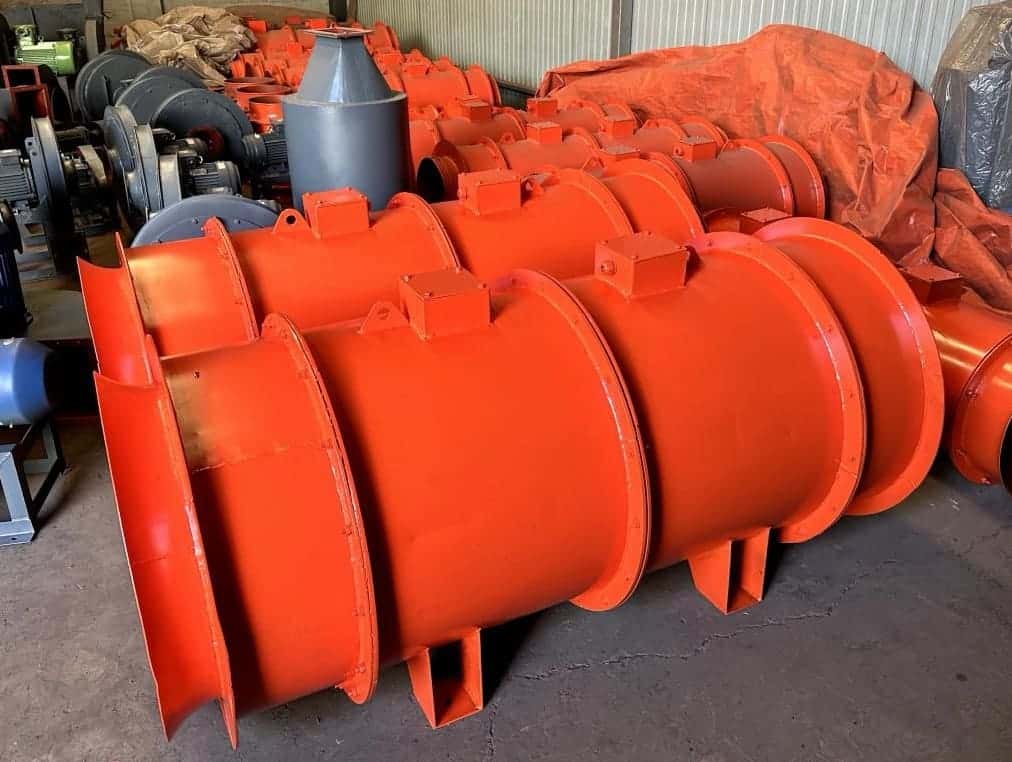
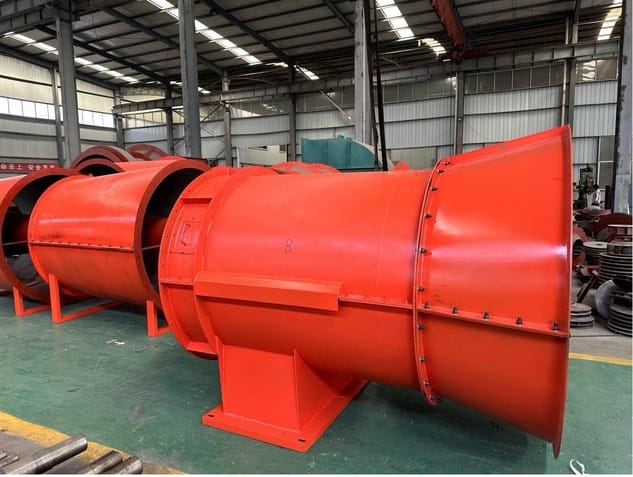
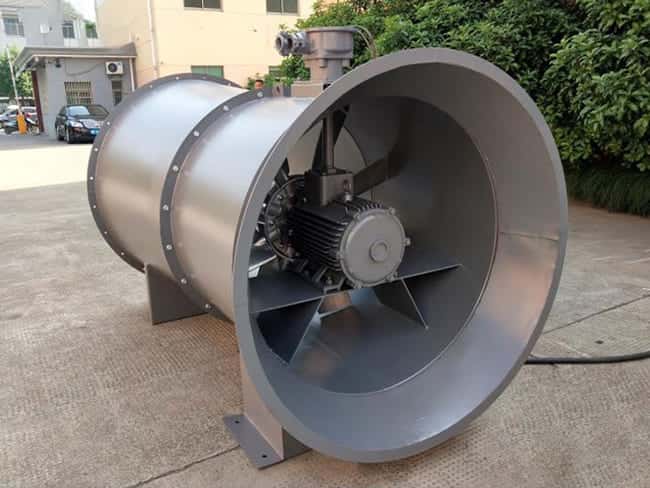
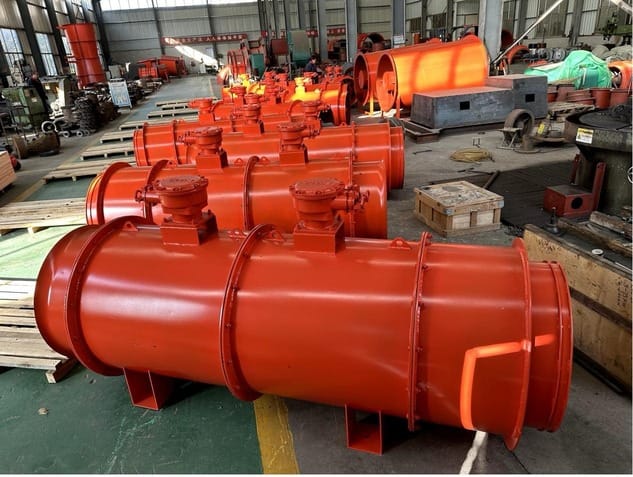
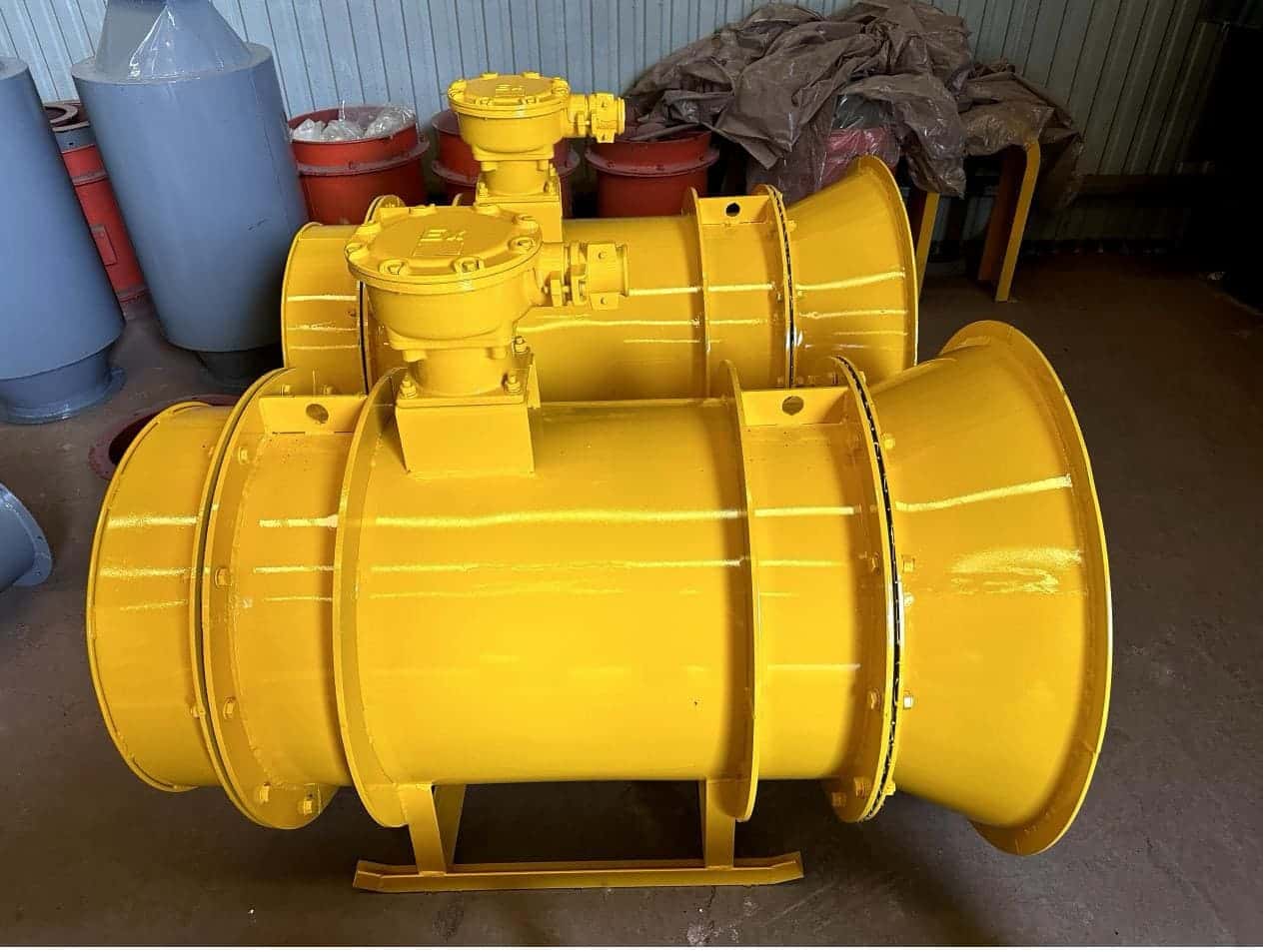
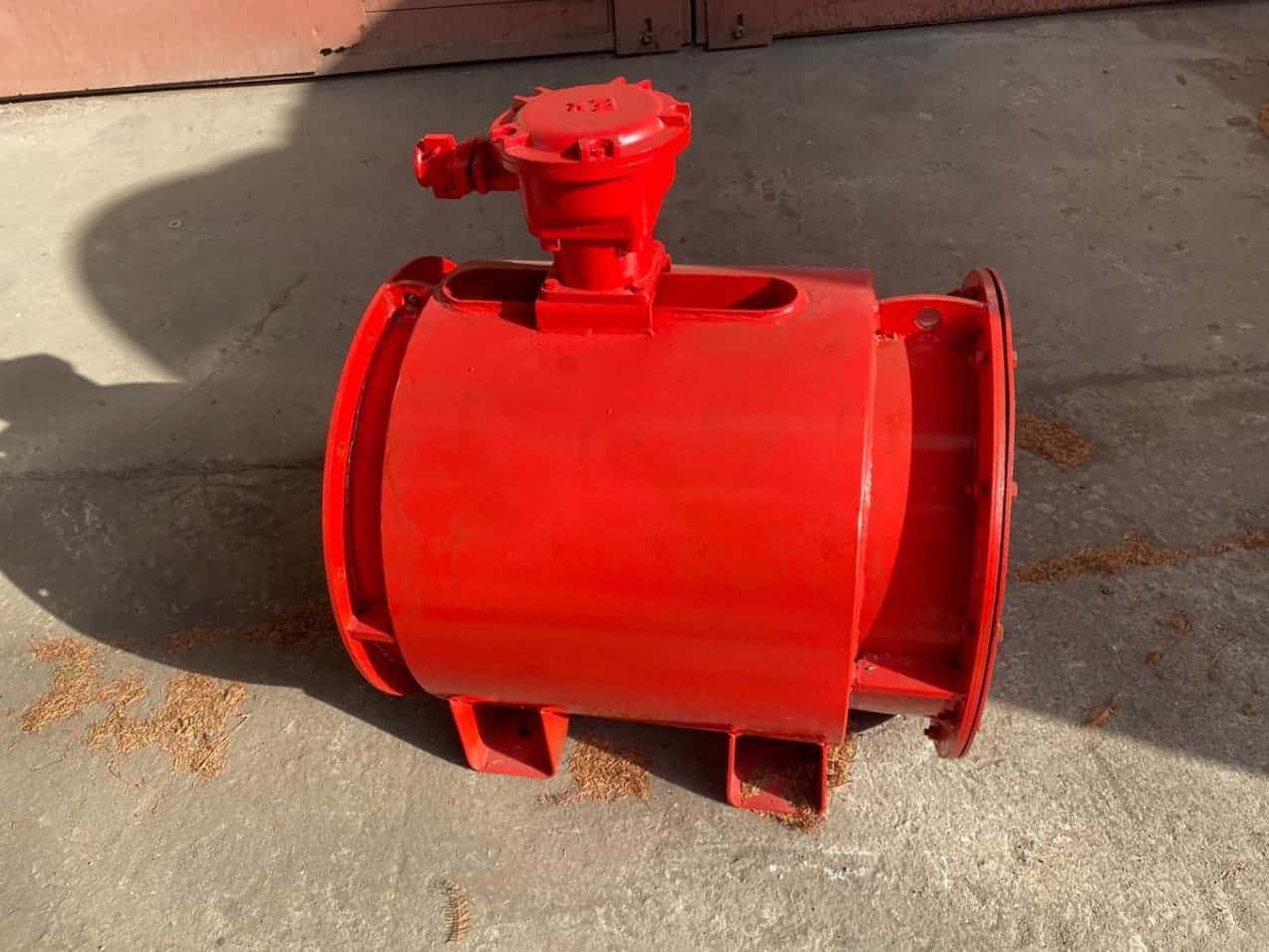
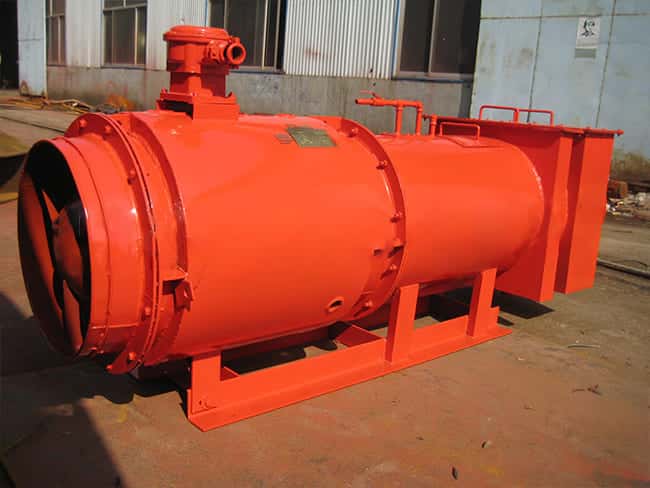
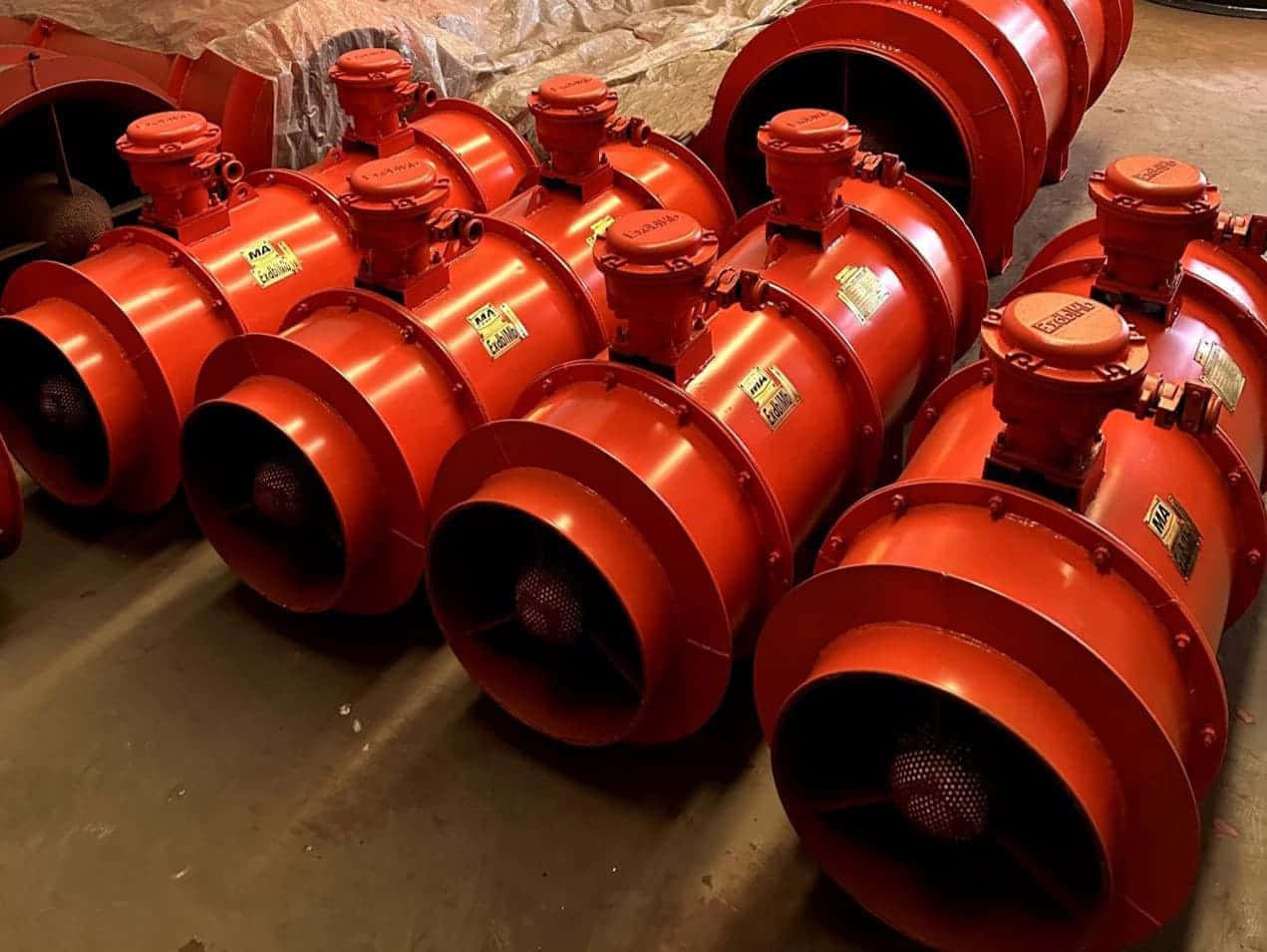
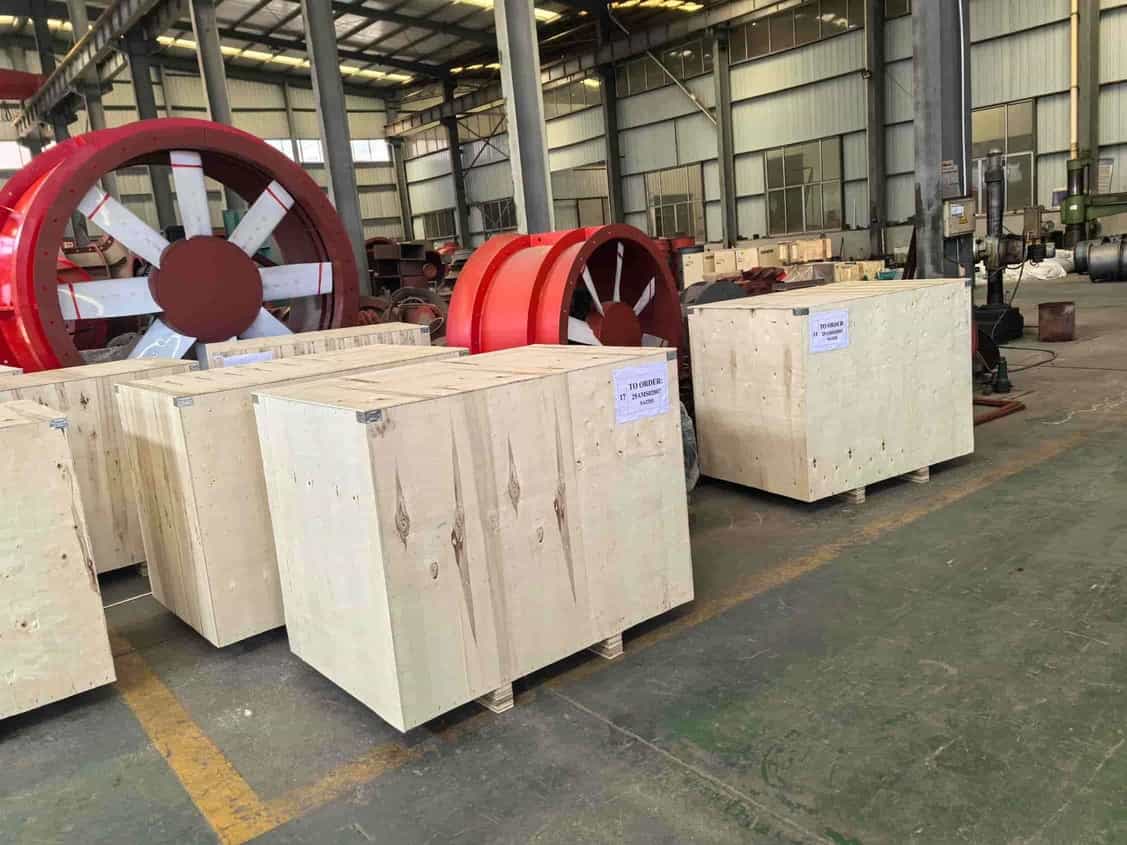
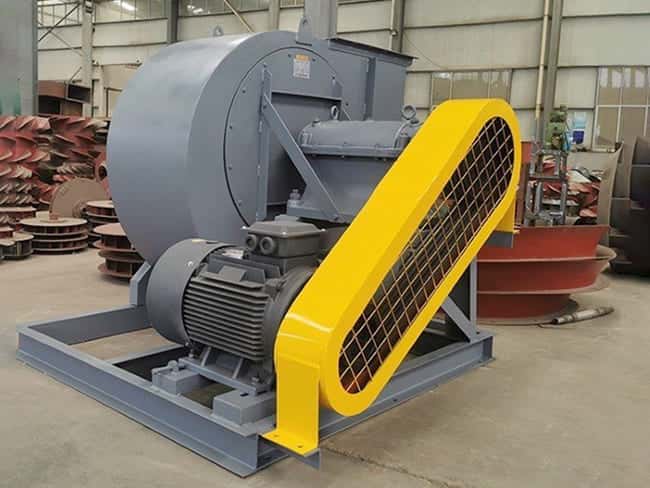
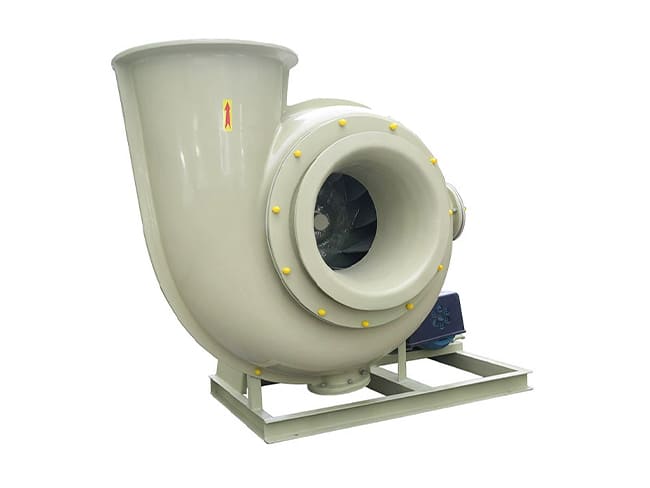
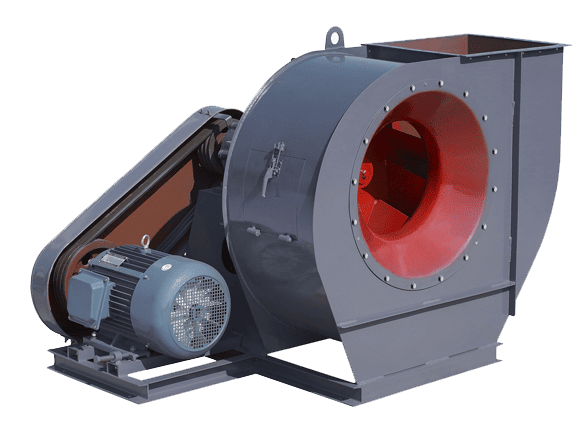
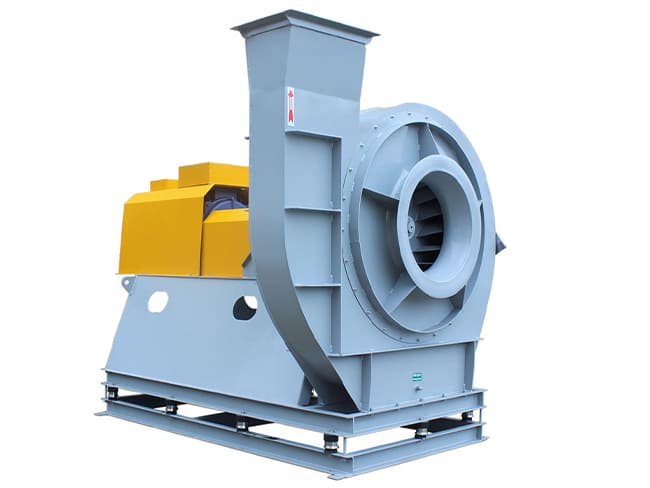
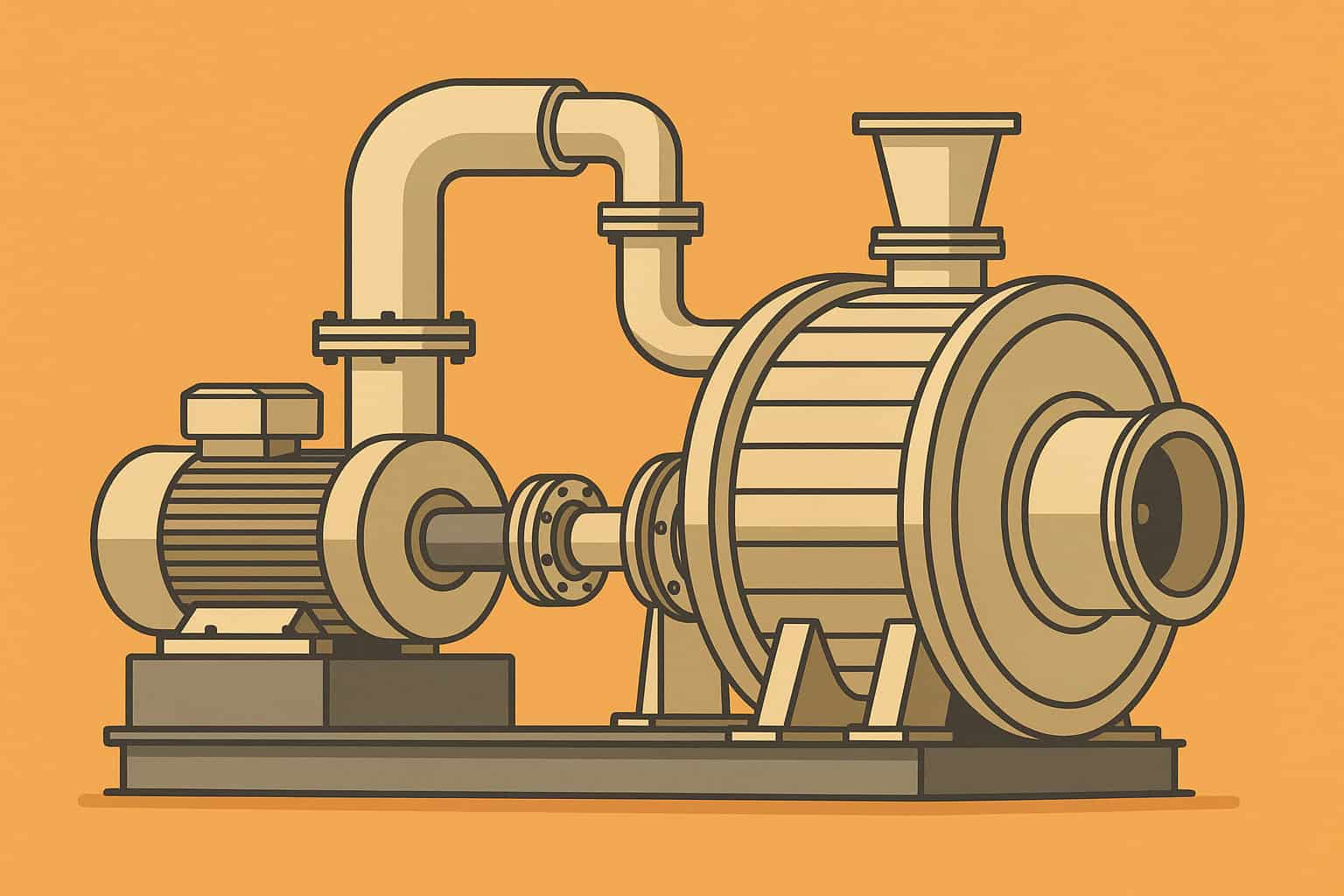
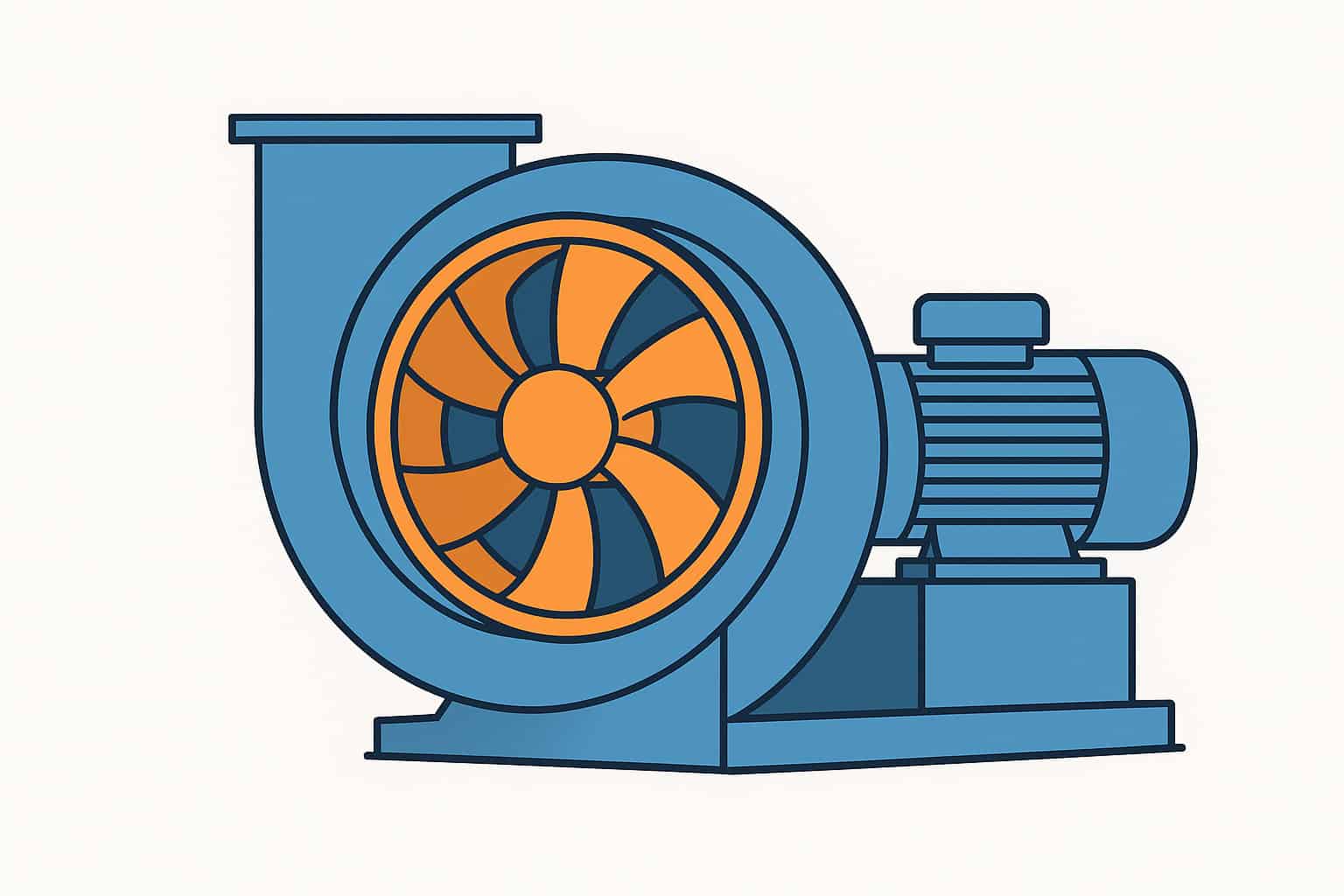
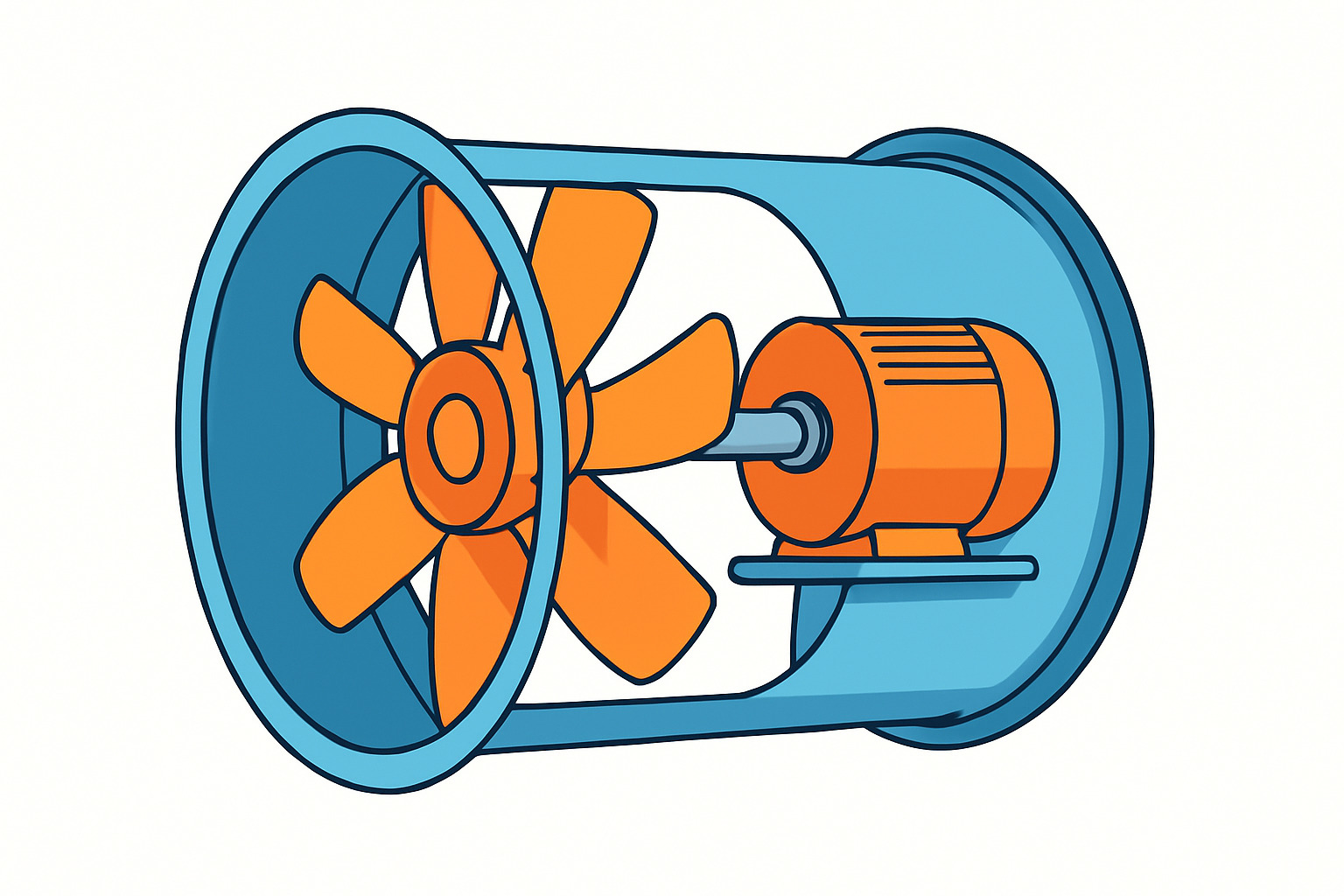
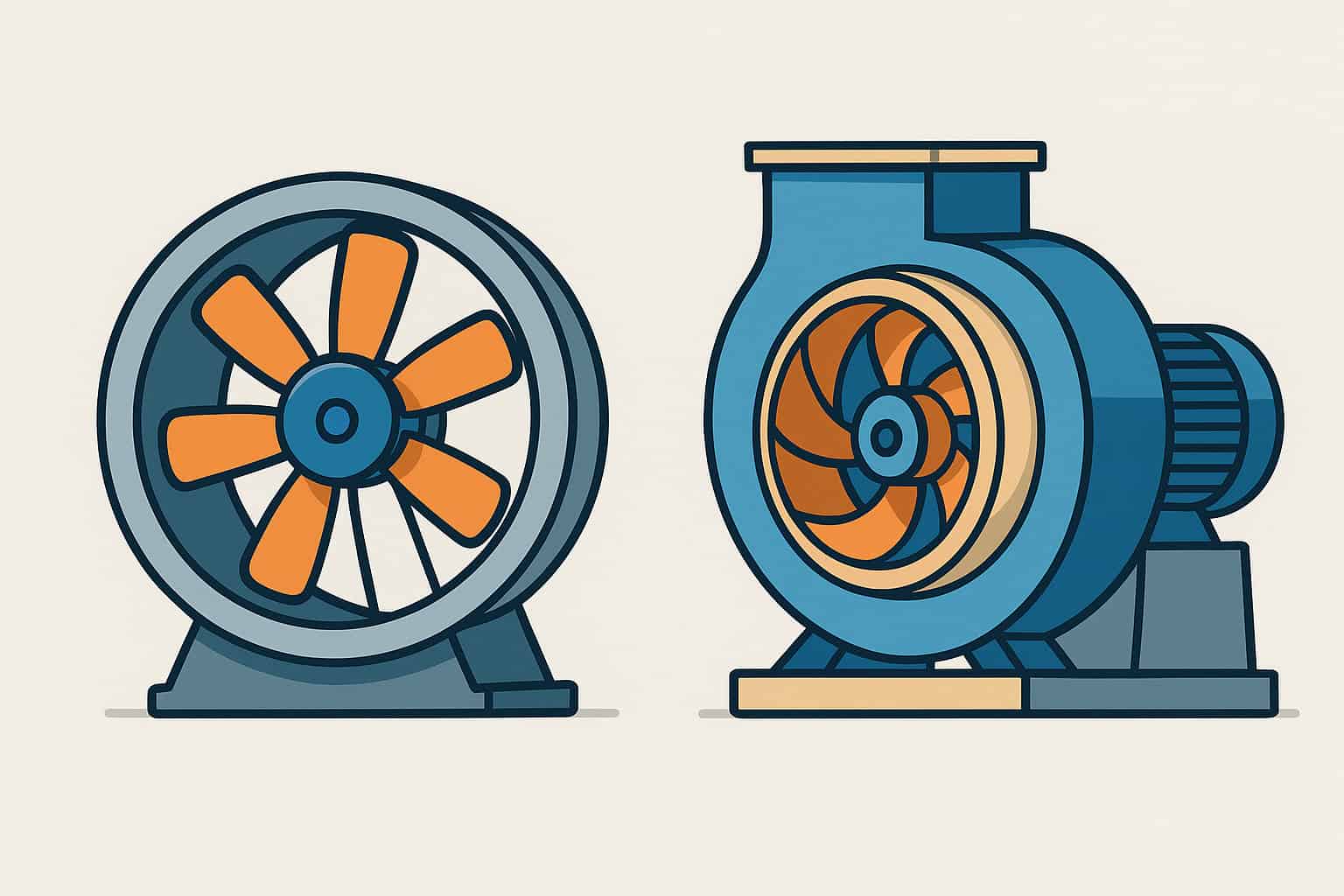
A blower system is used wherever you need controlled airflow at higher pressure than a simple low-pressure fan can provide. In industrial plants and underground mines, blower systems move air or gas through long ducts, filters, cyclones and process equipment, ensuring that production, dust control and ventilation all work as intended. Instead of just stirring air in a room, a blower system creates enough pressure to push or pull air through a complete network.
One major use is to supply process and combustion air. Boilers, kilns, dryers and furnaces require a stable flow of air at a defined pressure to burn fuel efficiently and cleanly. A blower system delivers this air through ducts and dampers, allowing operators to control temperature, flame shape and emissions. In many plants, combustion air blowers are critical equipment; if the blower stops, the process stops.
Blower systems are also widely used for dust collection and fume extraction. Hoods located near sources such as crushers, transfer points, grinding mills, welding stations or chemical tanks are connected to ducts leading to a dust collector or scrubber. The blower provides the suction needed to pull contaminated air from each hood, through filters or separators, and then discharge cleaned air or exhaust gas safely. Without sufficient blower pressure, capture efficiency drops and dust or fumes escape into the workplace.
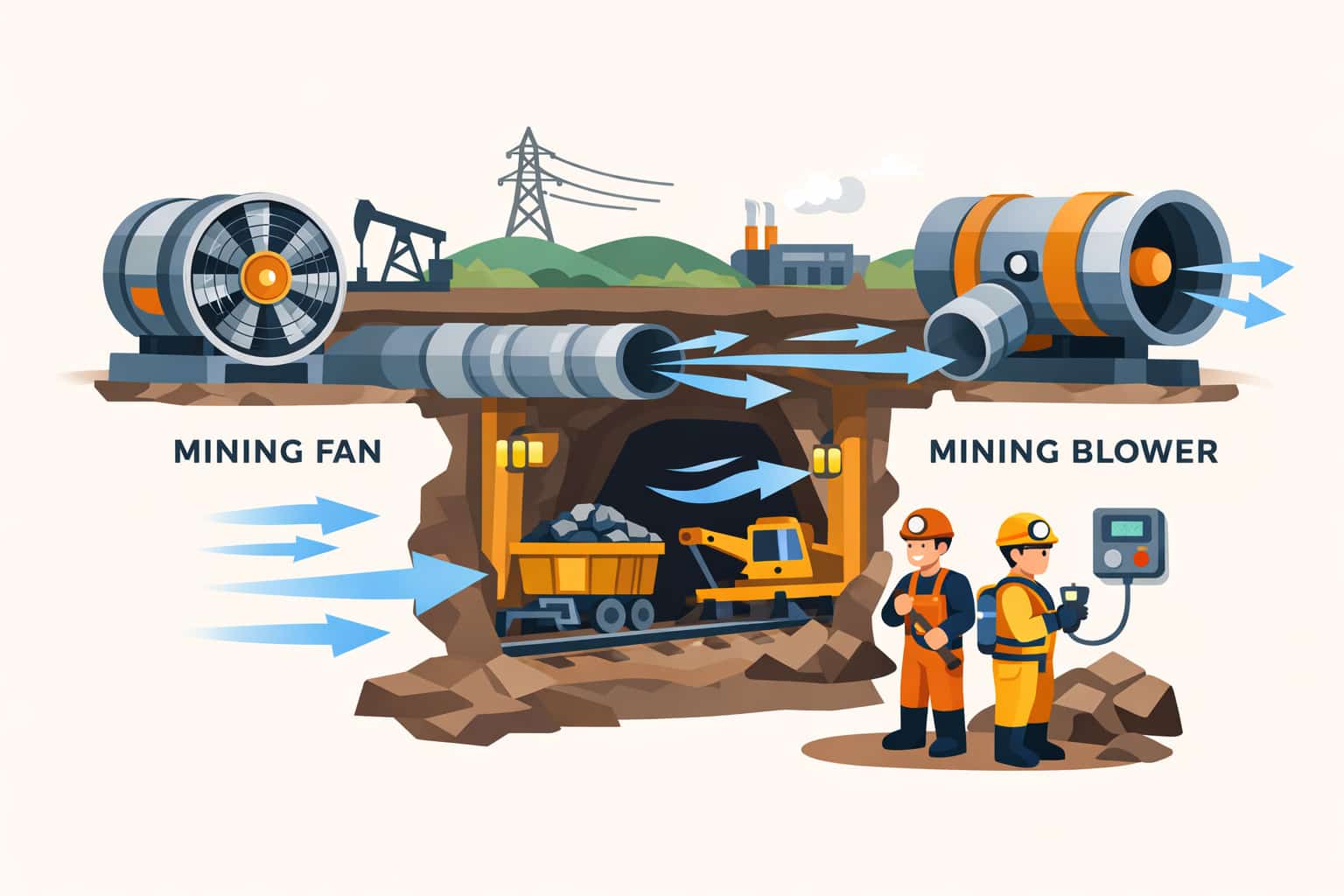
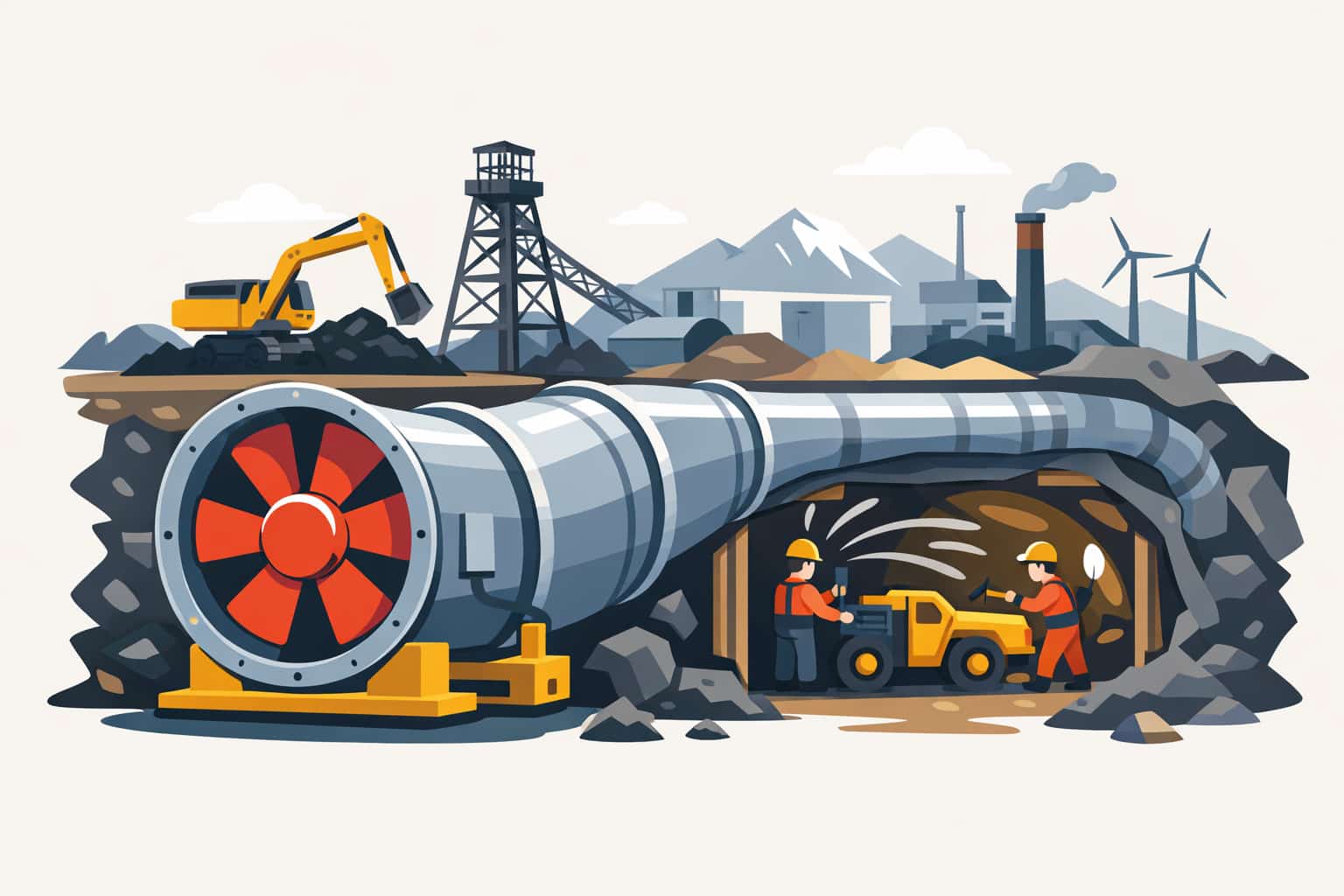
In underground mines and tunnelling, blower systems often act as auxiliary ventilation. Portable or fixed blowers are connected to flexible ducting that carries fresh air into development headings or removes contaminated air from confined areas. These systems supplement the main mine ventilation fans, allowing safe work in blind headings, repair zones and temporary workings where the main airflow alone is not enough.
Another common application is pneumatic conveying of powders and light granular materials. Here, the blower provides the air stream that carries material through pipelines from one part of the plant to another. The system must maintain enough pressure and velocity to keep particles suspended without eroding the pipes or overloading filters. Correctly designed blower systems enable clean, enclosed material handling with minimal spillage.
Finally, blower systems are used for pressurisation and aeration. They can keep control rooms, electrical rooms or refuge chambers slightly above surrounding pressure to prevent ingress of dust or gases. In wastewater treatment, blower systems aerate basins to supply oxygen for biological processes. In each case, the system includes not only the blower itself but also filters, silencers, controls and instrumentation to deliver the right airflow at the right pressure over long periods of continuous duty.