
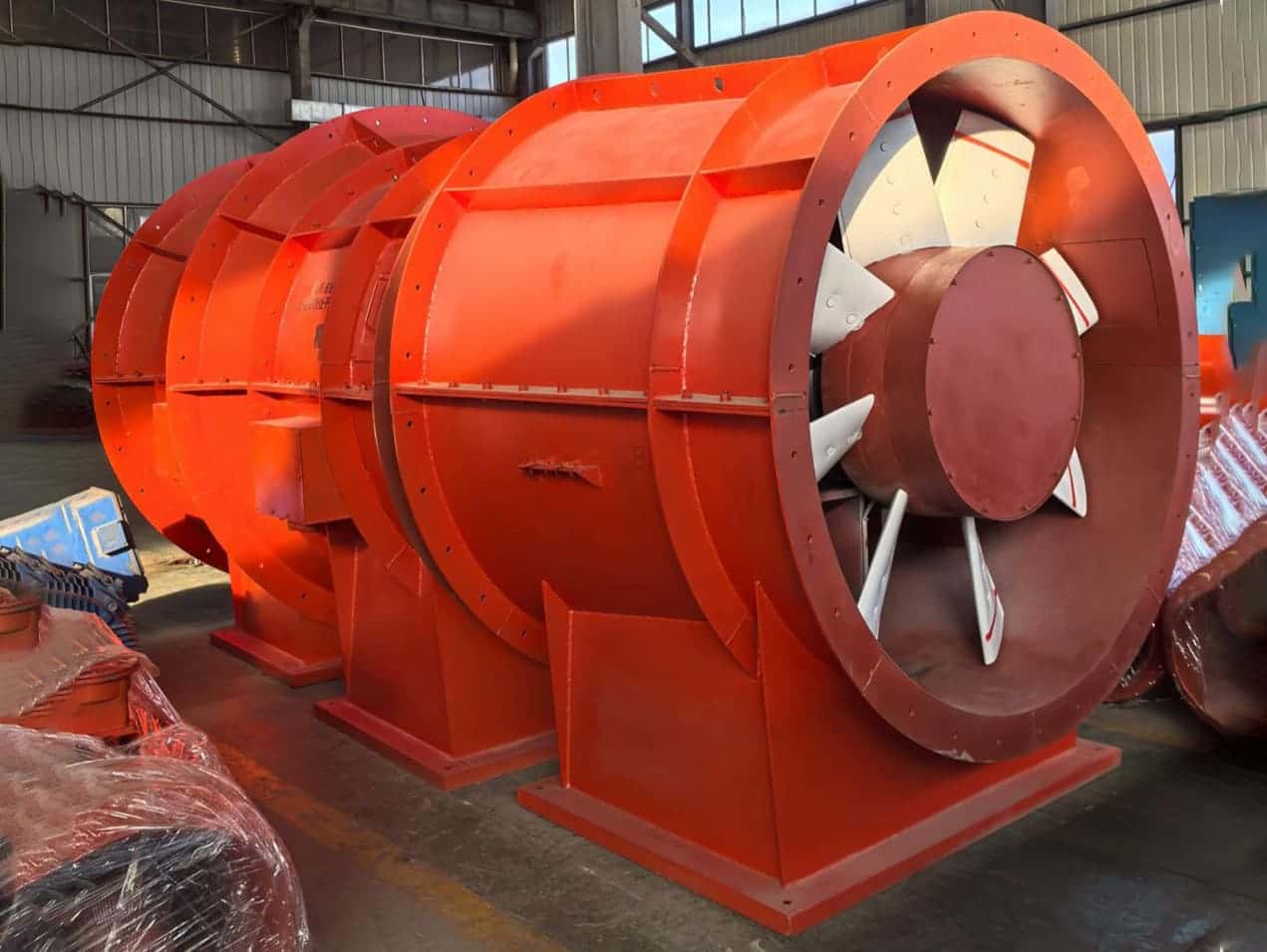
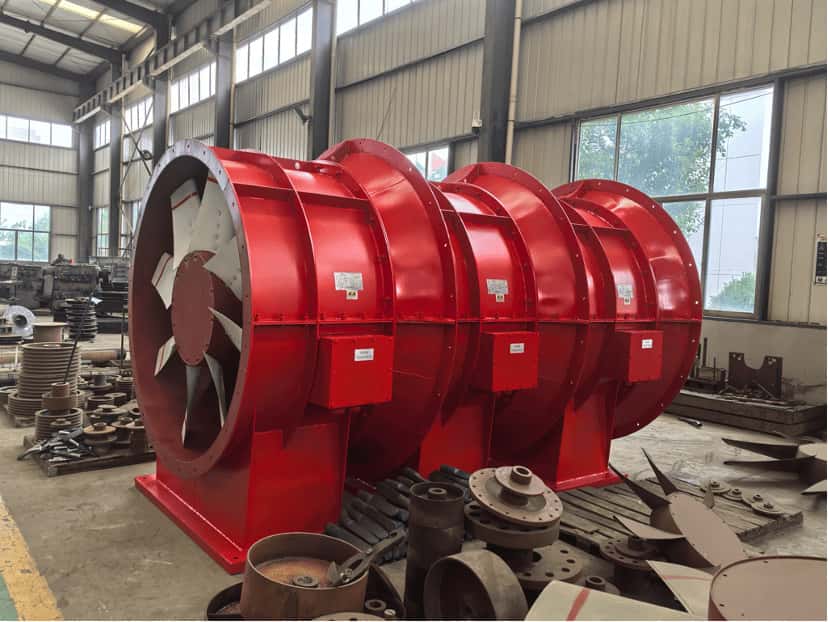
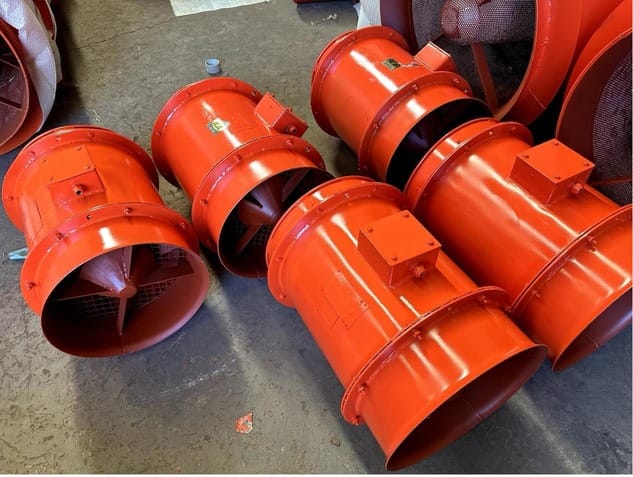
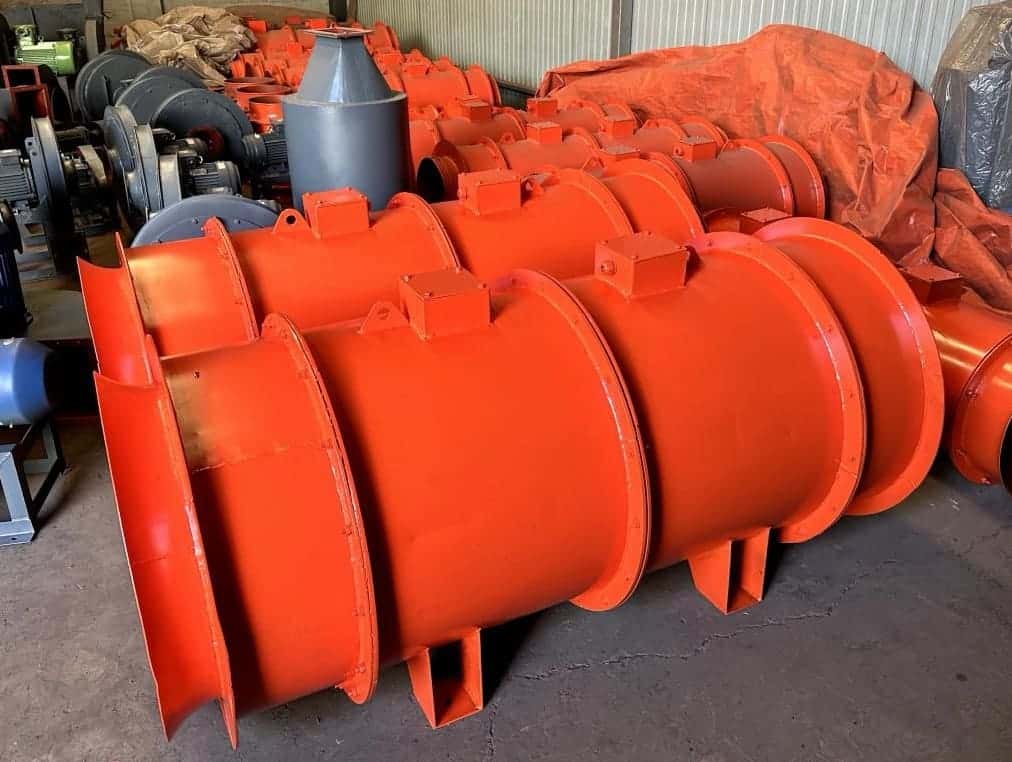
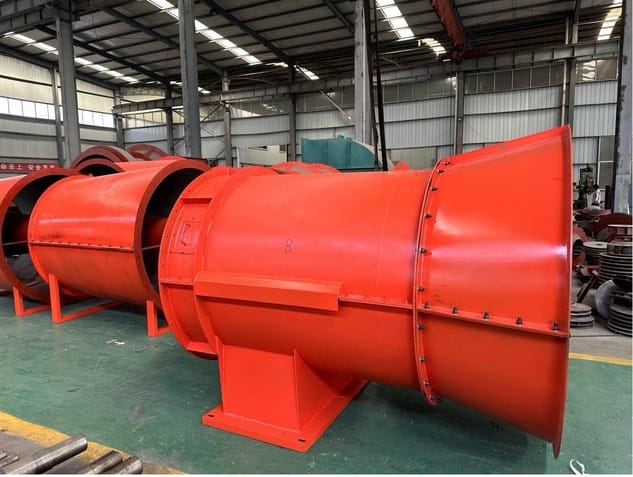
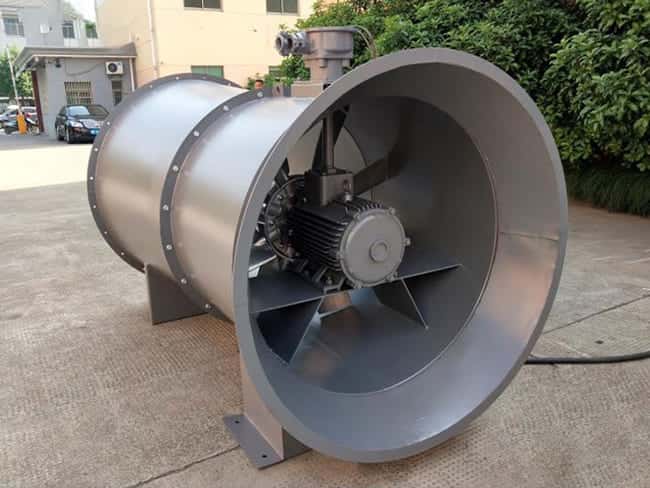
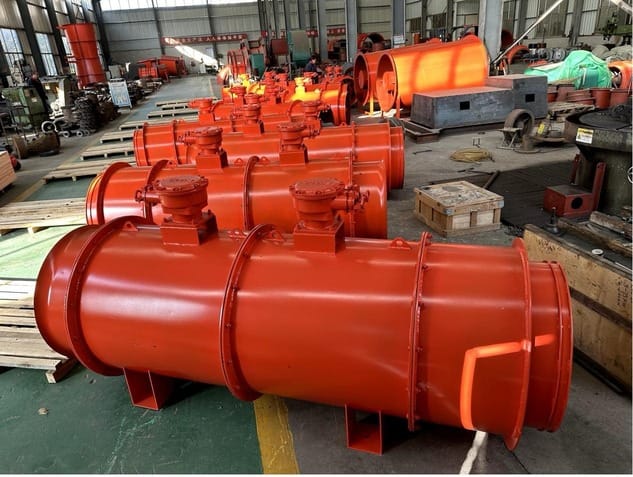
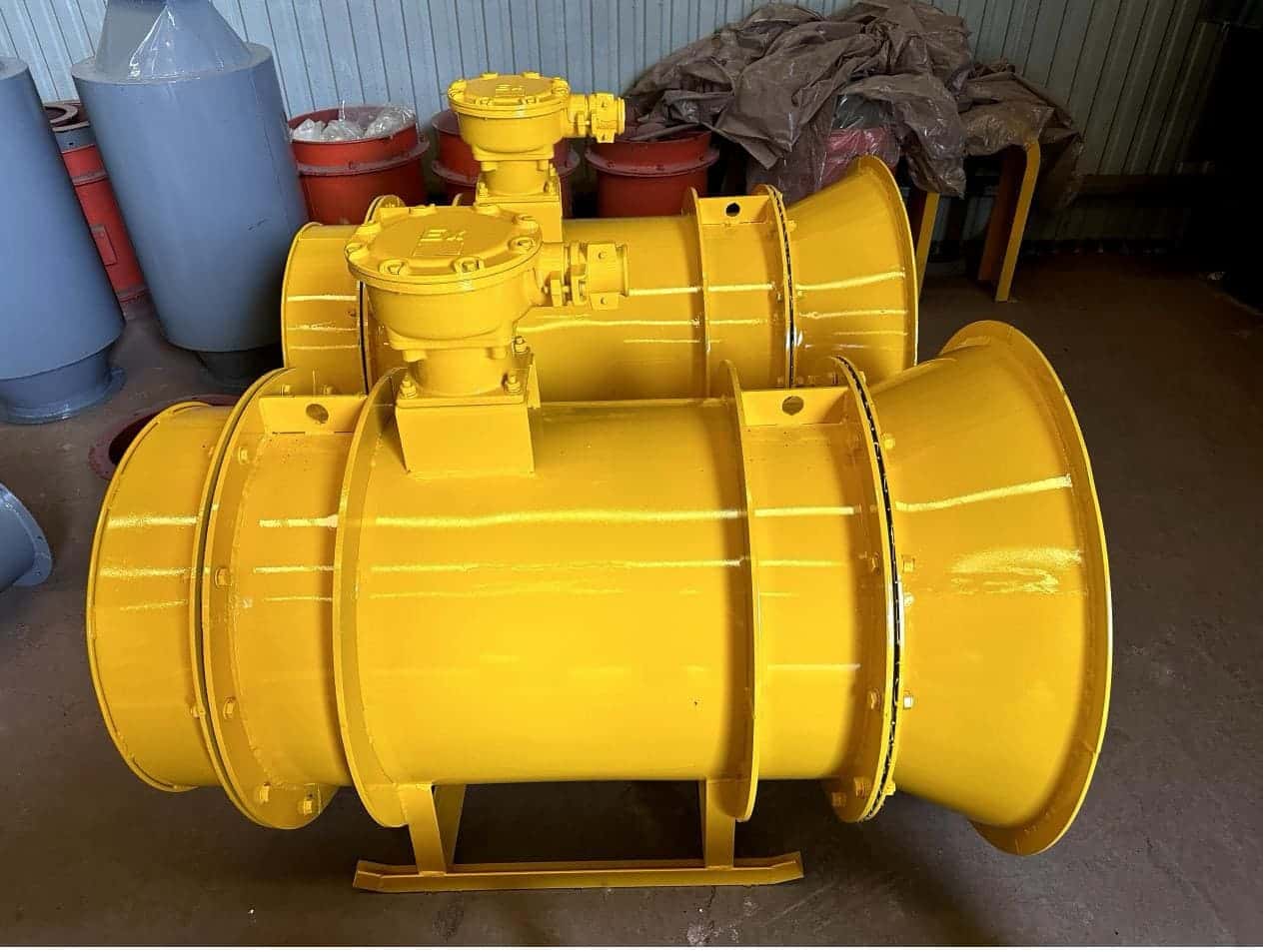
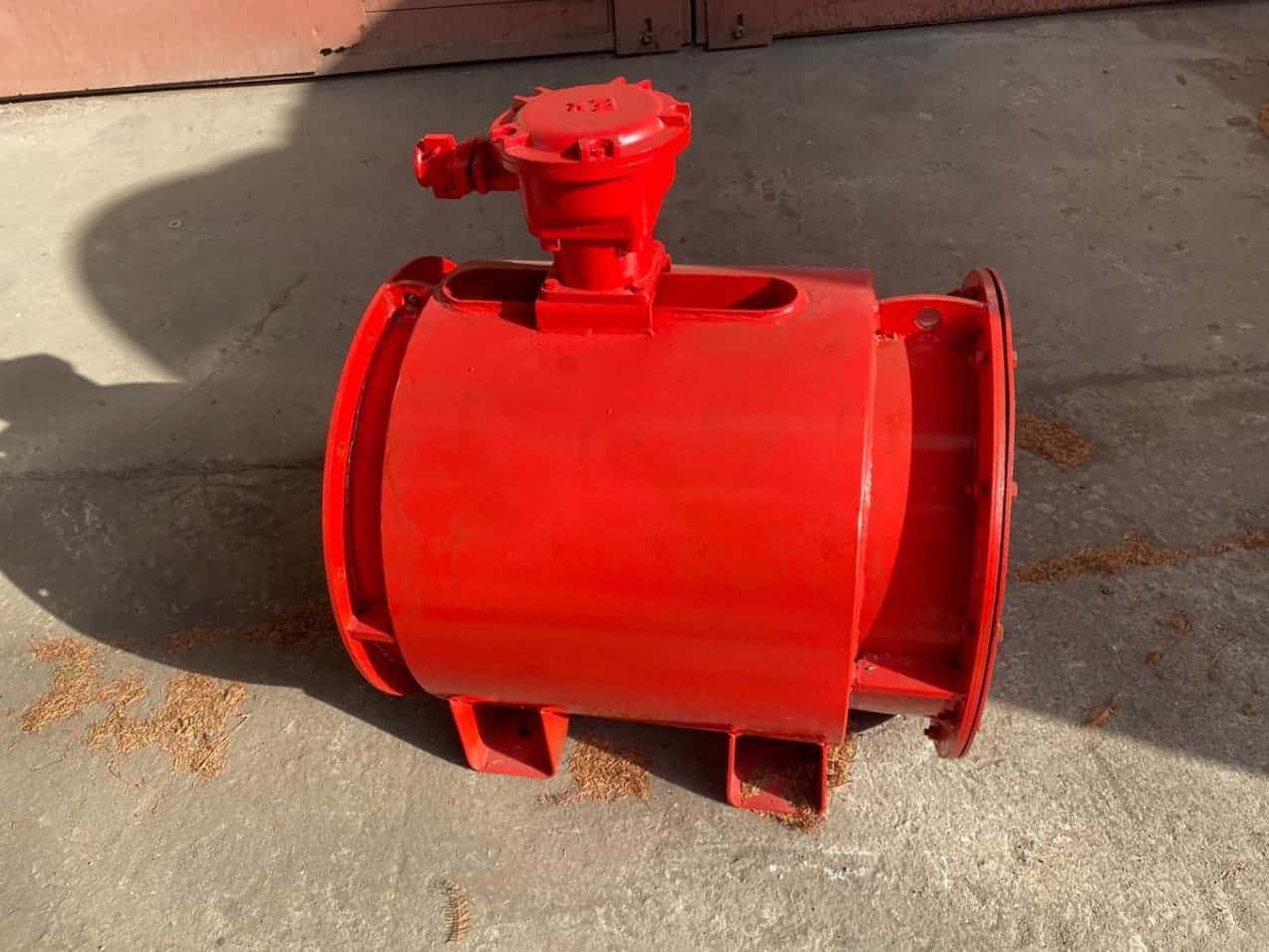
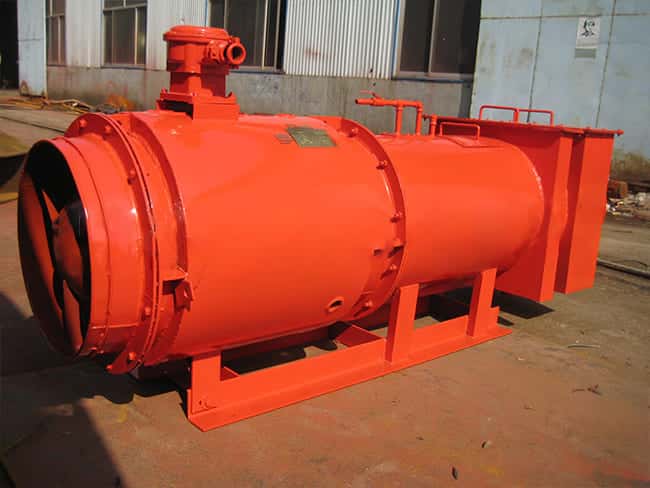
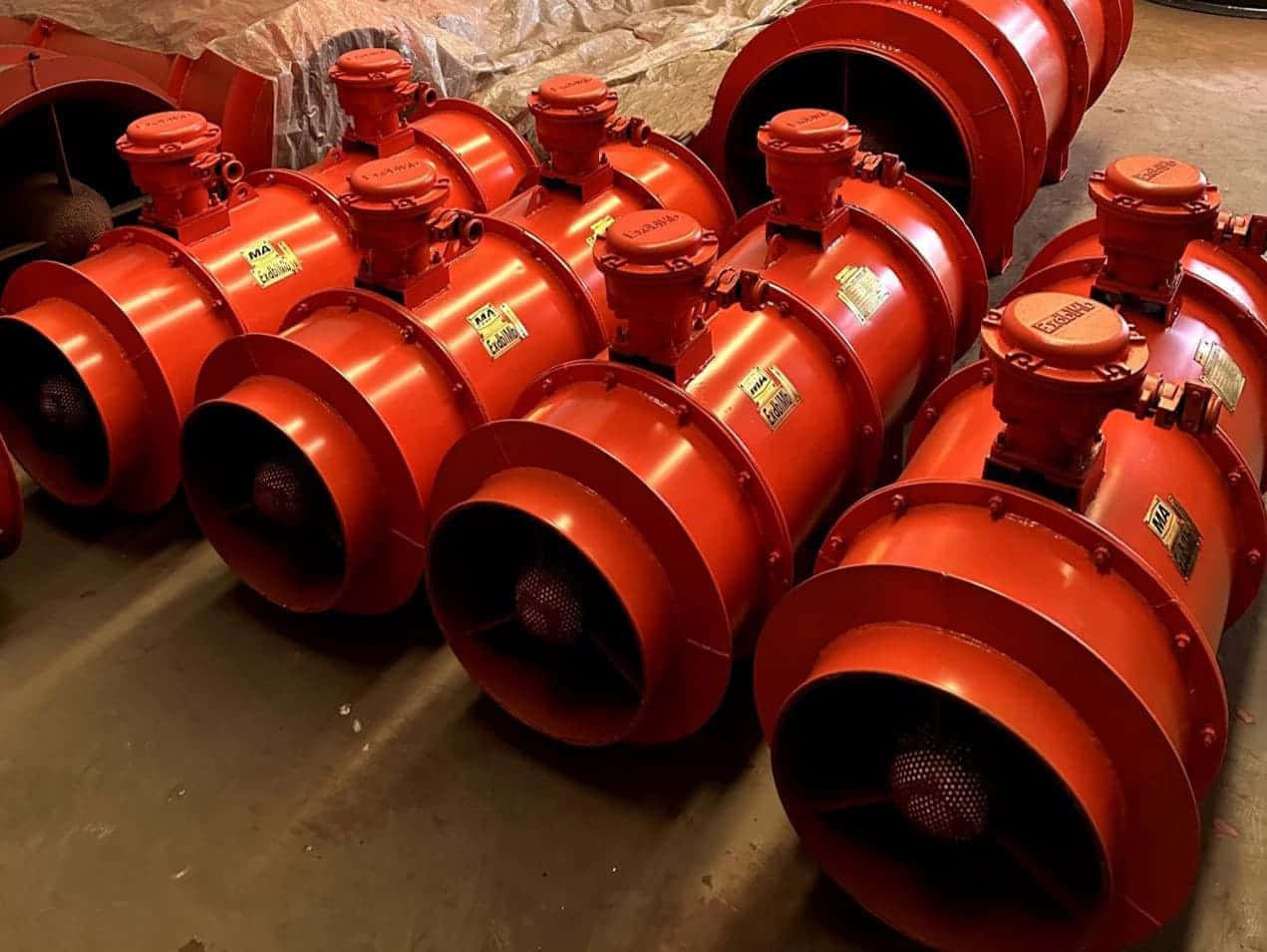
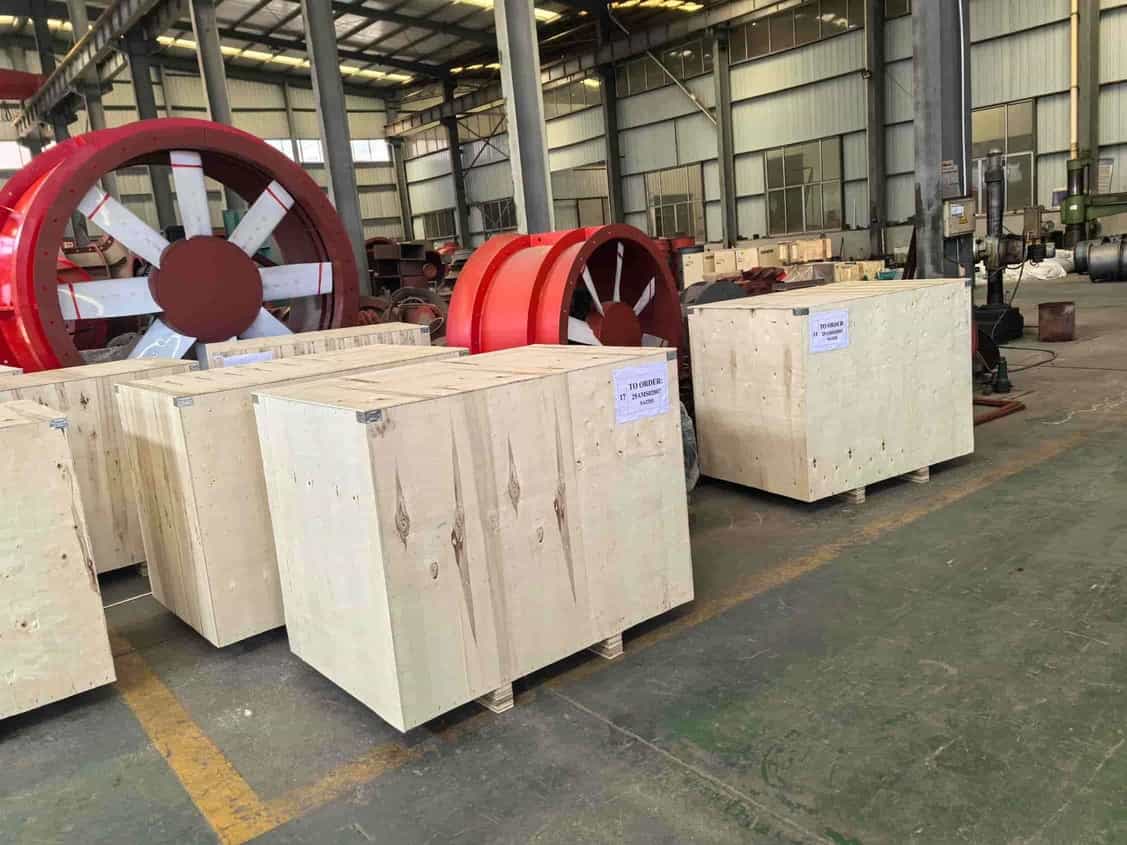
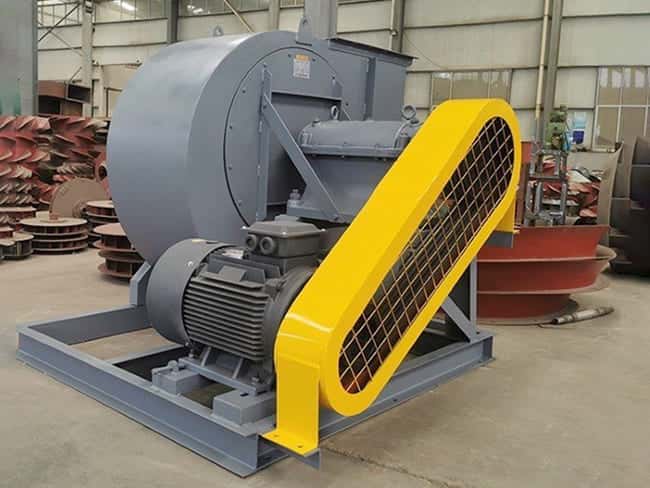
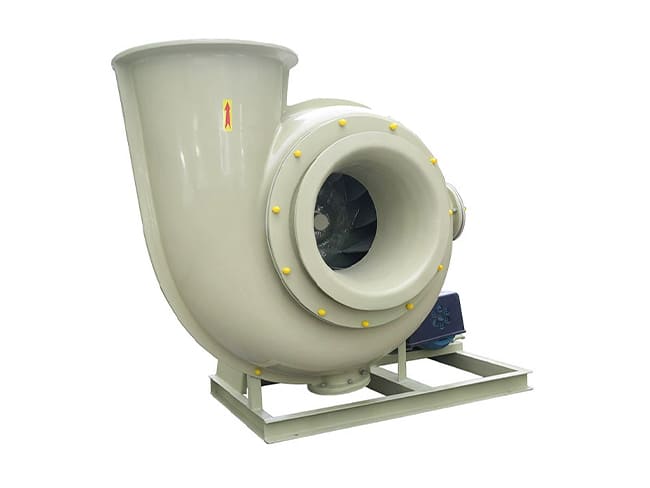
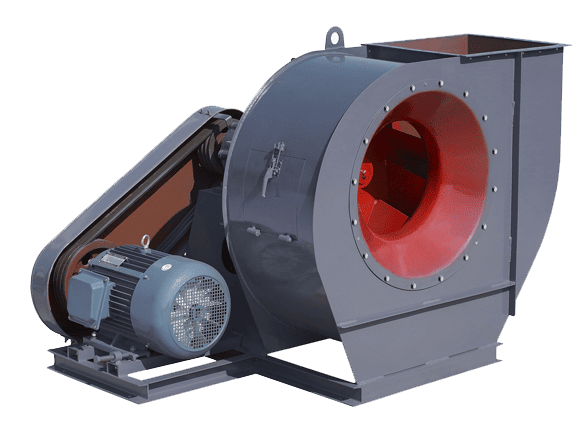
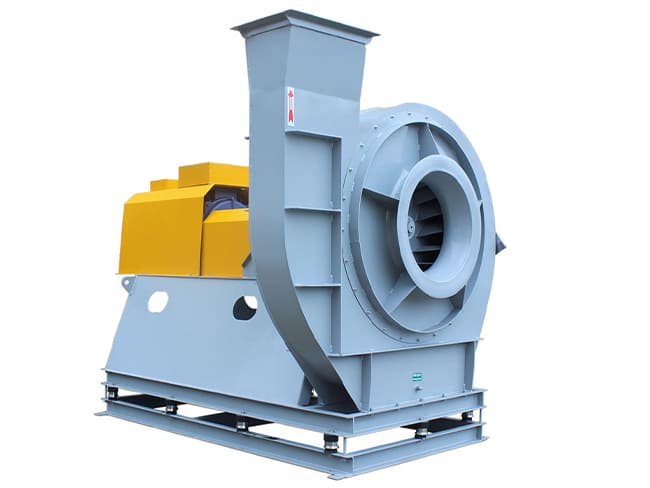
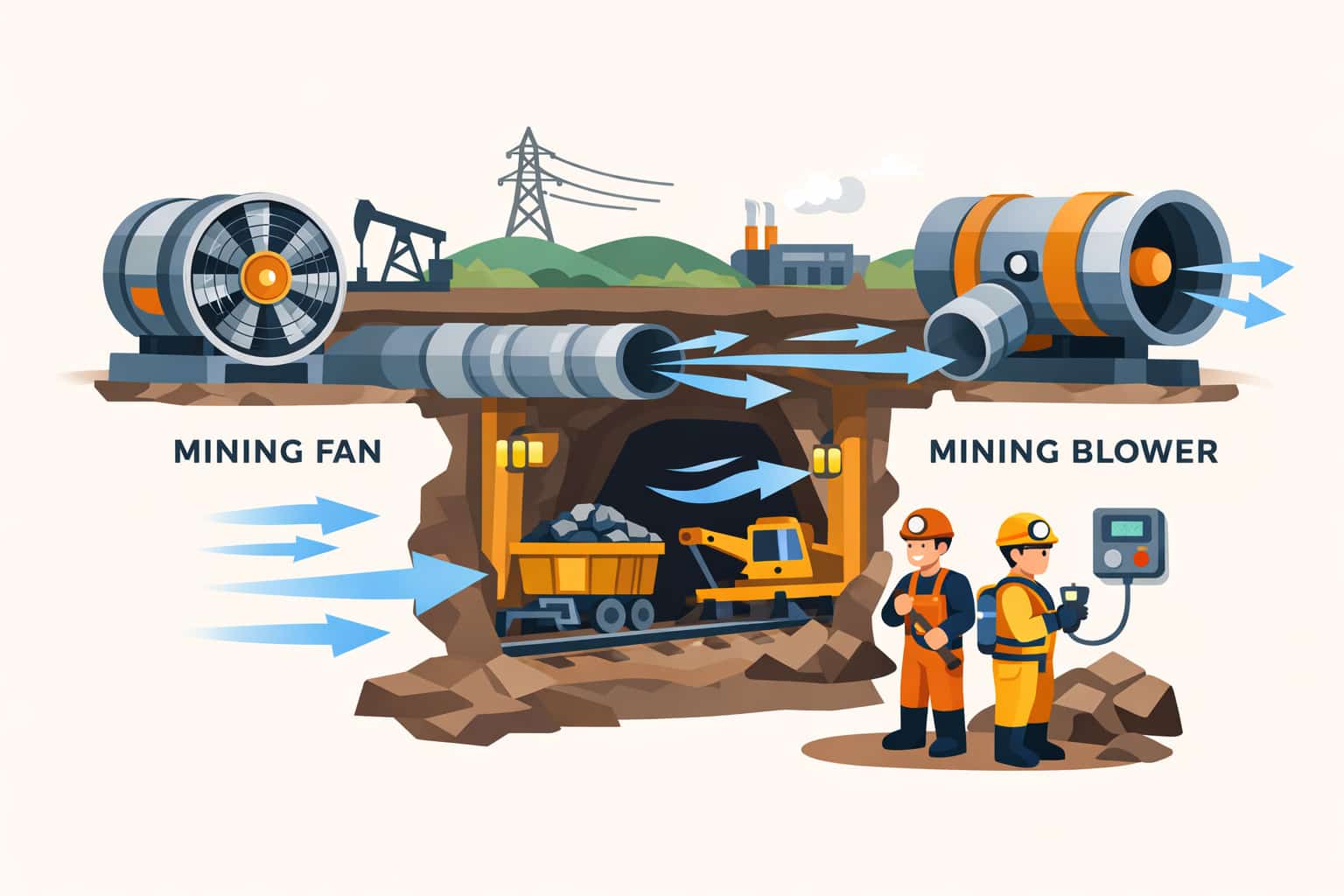
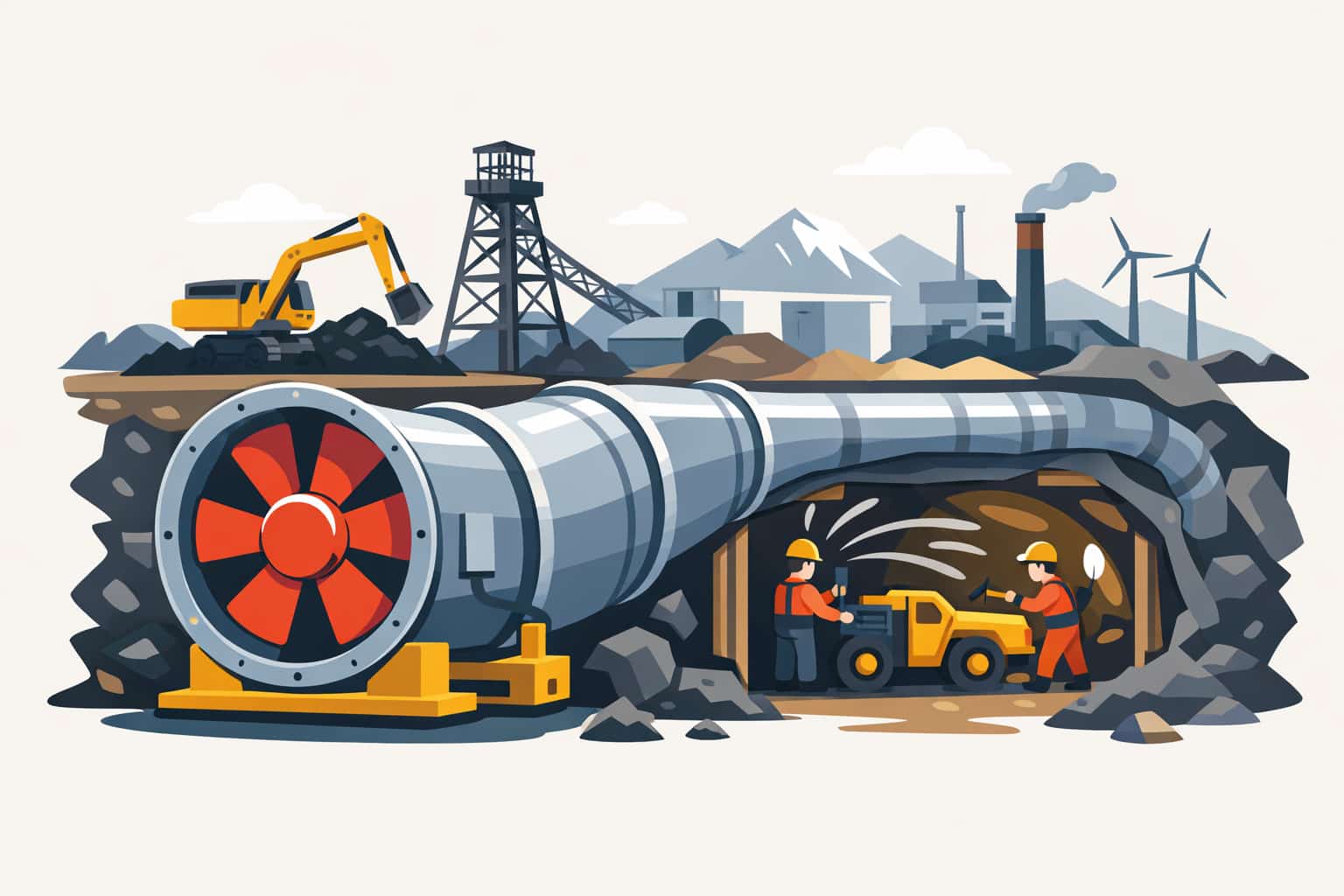
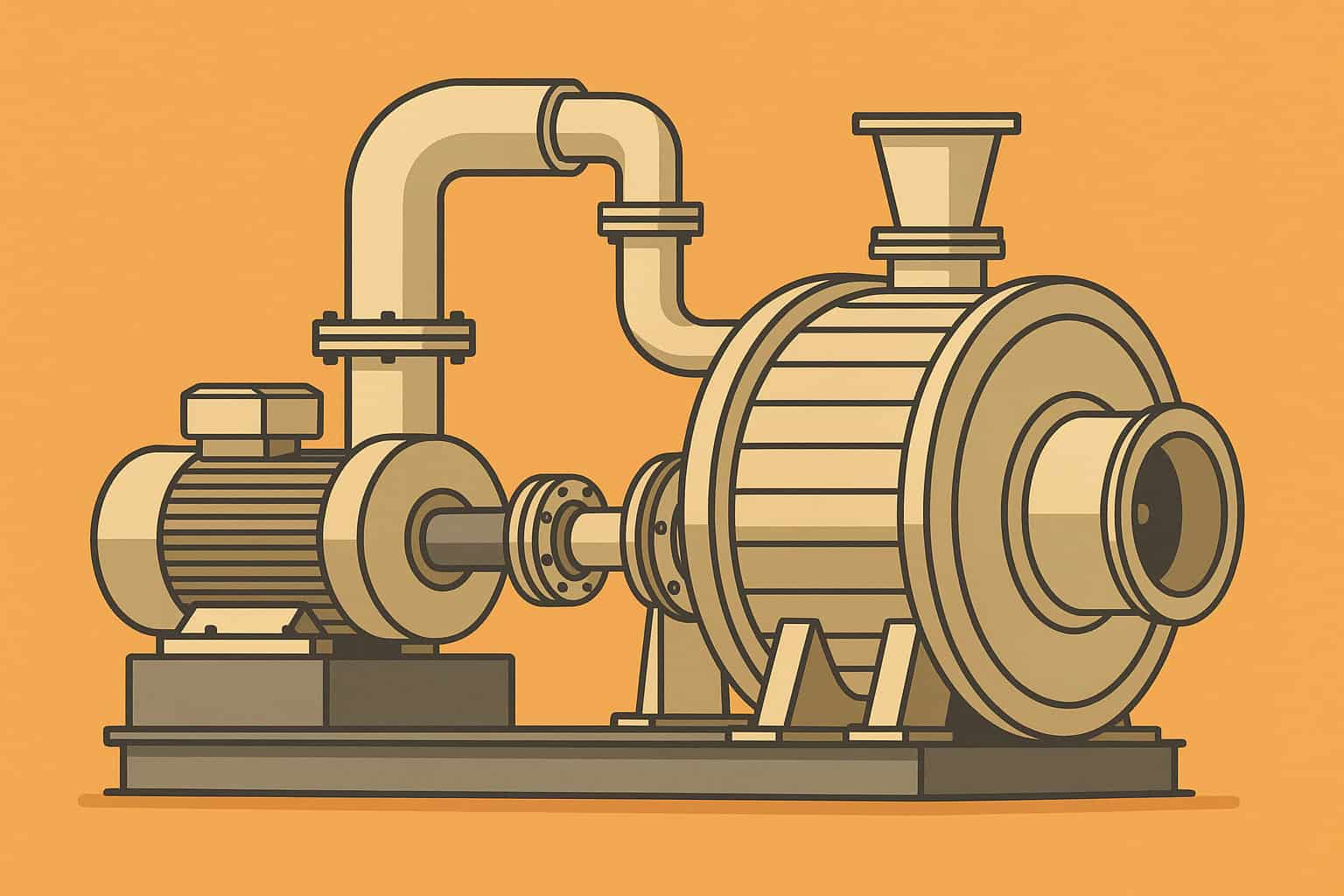

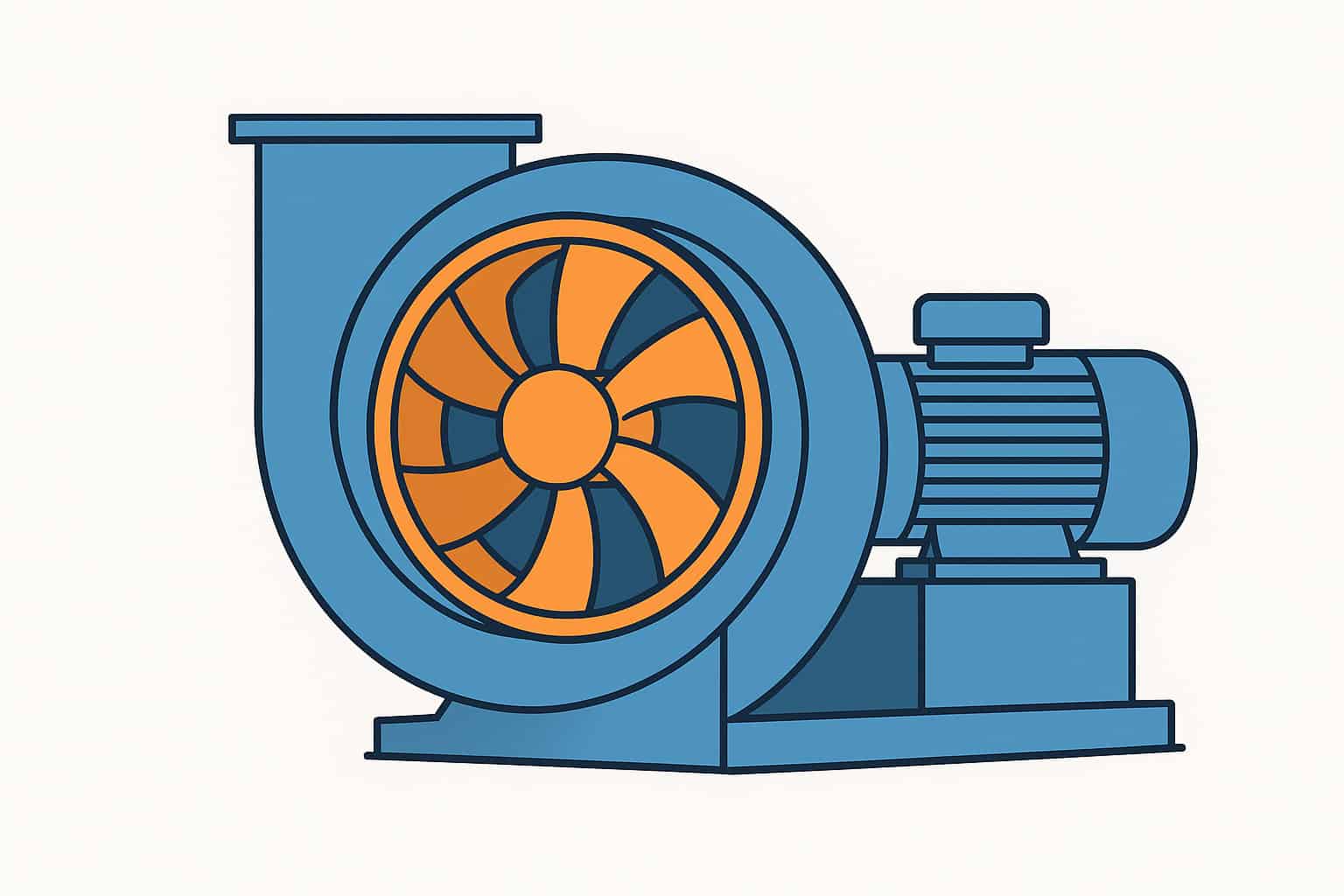
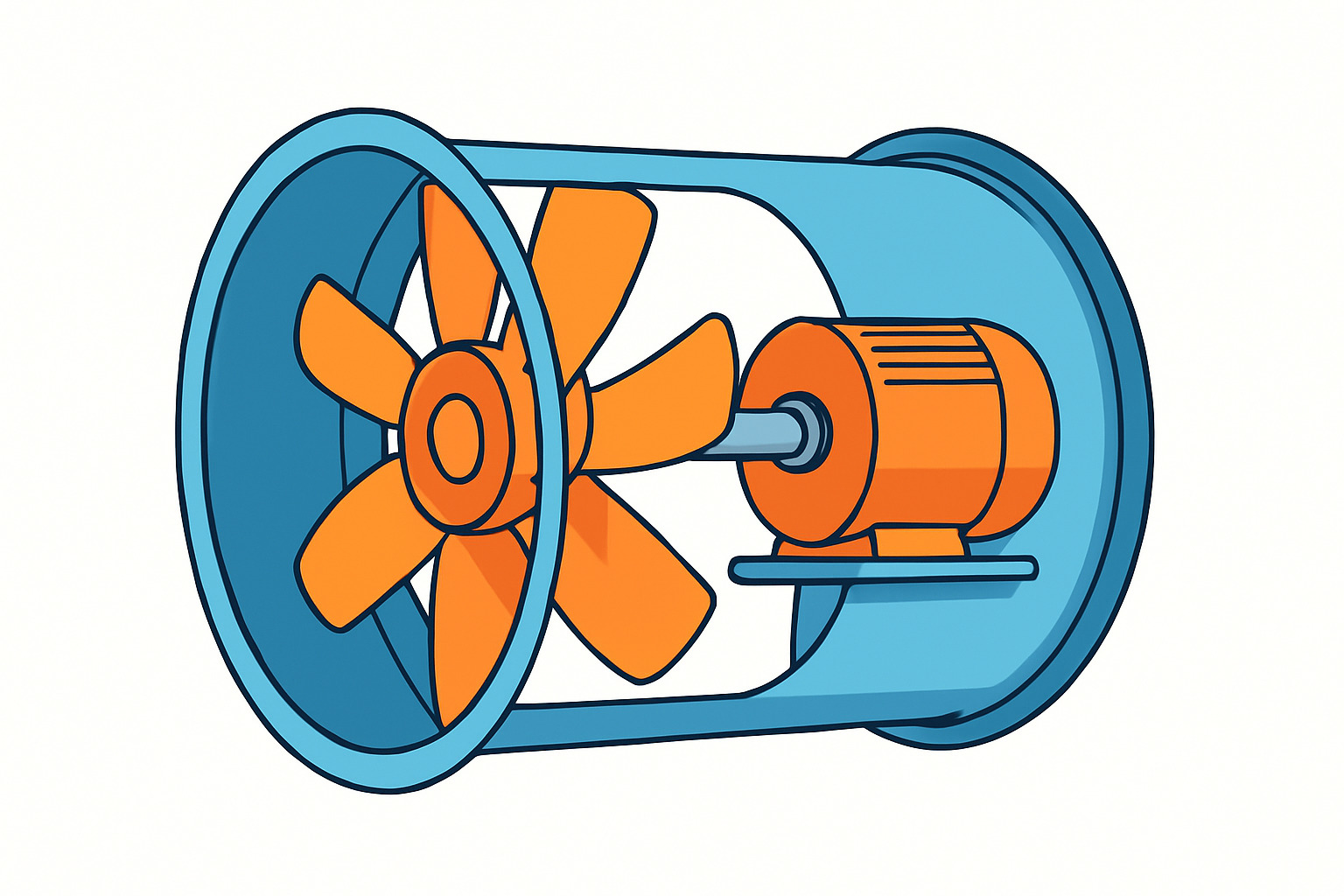
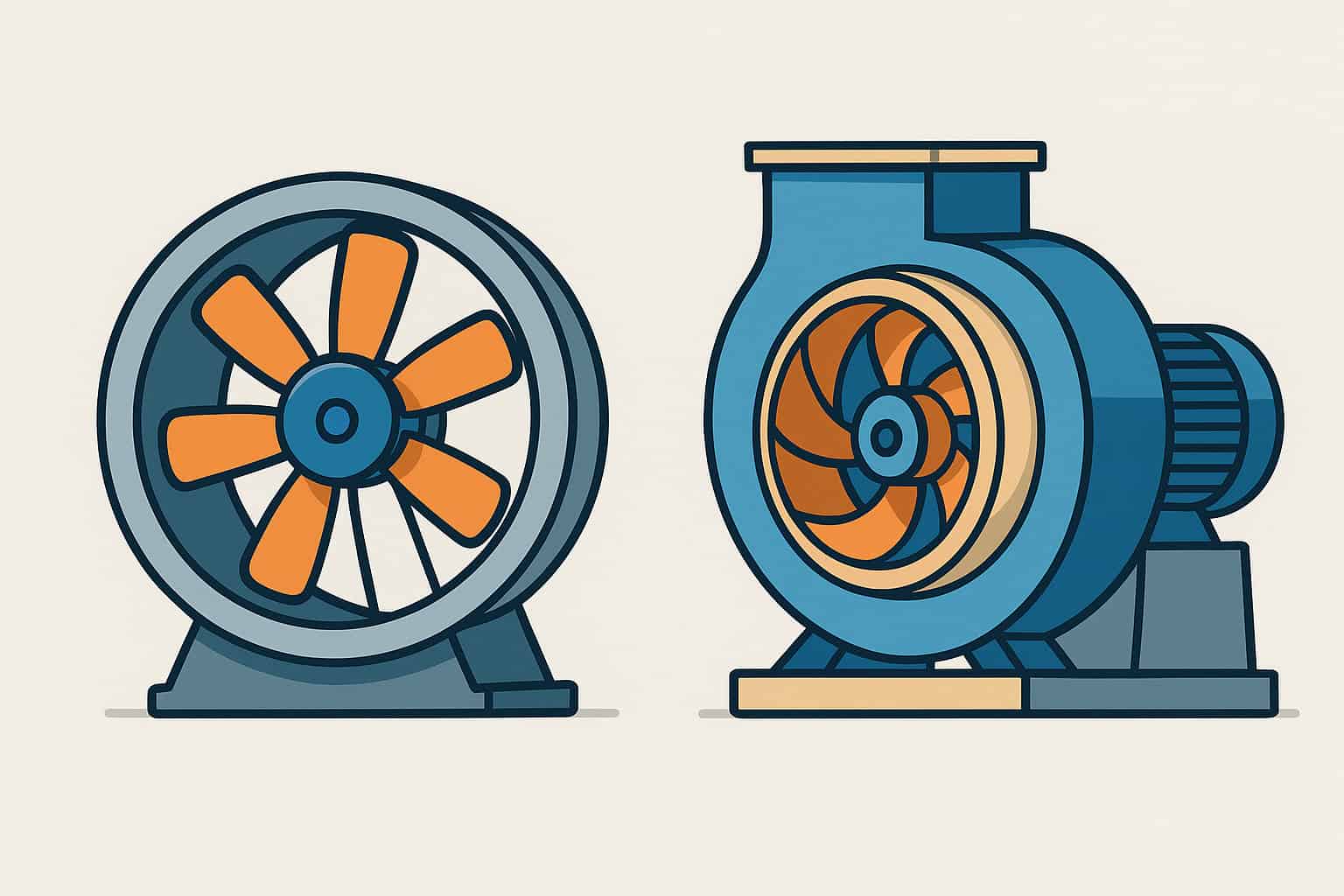
A booster fan in mining is a fan installed within the underground ventilation circuit to provide additional pressure and airflow to a specific district, panel, or branch of the mine. While the main fan establishes the overall pressure difference for the mine, a booster fan is used when certain areas become difficult to ventilate due to increasing resistance, longer airways, deeper workings, or expanded production zones.
Why booster fans are used
- Deep or expanding mines: As mines develop farther from shafts and portals, airway length increases and so does frictional pressure loss.
- High-resistance districts: Complex networks, restrictions, or smaller cross-sections can create local bottlenecks.
- Targeted airflow upgrades: A booster fan can increase airflow to a priority district without forcing the entire mine to operate at a higher main-fan pressure (which may waste energy).
How a booster fan differs from an auxiliary fan
An auxiliary fan typically ventilates a single heading using ducting and affects a relatively small volume. A booster fan, by contrast, is part of the network ventilation and influences pressure distribution across multiple airways. Because it changes the mine’s pressure map, it must be treated as a network component rather than a simple “local blower.”
Typical booster fan configurations
- In-series with the airflow branch: installed in an airway to add pressure along the same flow path.
- Booster fan station: may include fan(s), silencers, doors/regulators, instrumentation, and sometimes parallel standby fans for redundancy.
- Variable speed operation: VFD control can modulate airflow based on real demand and reduce energy use during low production periods.
Key engineering considerations and risks
Booster fans can deliver major benefits, but they must be designed and controlled carefully. If a booster fan is poorly integrated, it can create undesirable outcomes such as recirculation (air looping back into the intake side), unstable airflow splits between branches, or changes in contaminant travel paths. For this reason, booster fan projects typically require:
- Ventilation network analysis: confirm how pressure changes will affect adjacent districts and returns.
- Controls and monitoring: airflow/pressure measurement, interlocks, and alarms to detect abnormal conditions.
- Installation quality: proper foundations, vibration control, guarding, and appropriate electrical and safety ratings.
- Operational rules: clear procedures for start/stop sequencing relative to main fans and regulators, and maintenance isolation practices.
Performance selection
Booster fans are selected by matching required air quantity and added pressure at the target branch, then checking the full network response. The goal is to achieve the desired duty point efficiently while maintaining stable, safe airflow throughout the mine. In many cases, the most cost-effective solution is a combination of booster fans plus resistance reduction measures (improved airway size, smoother linings, fewer restrictions), rather than relying on fan pressure alone.
In summary, a booster fan is a strategic ventilation asset used to support deep or high-resistance mining areas by adding pressure inside the ventilation circuit. Done correctly, it improves airflow where it matters most while keeping the overall system controlled, safe, and energy-aware.