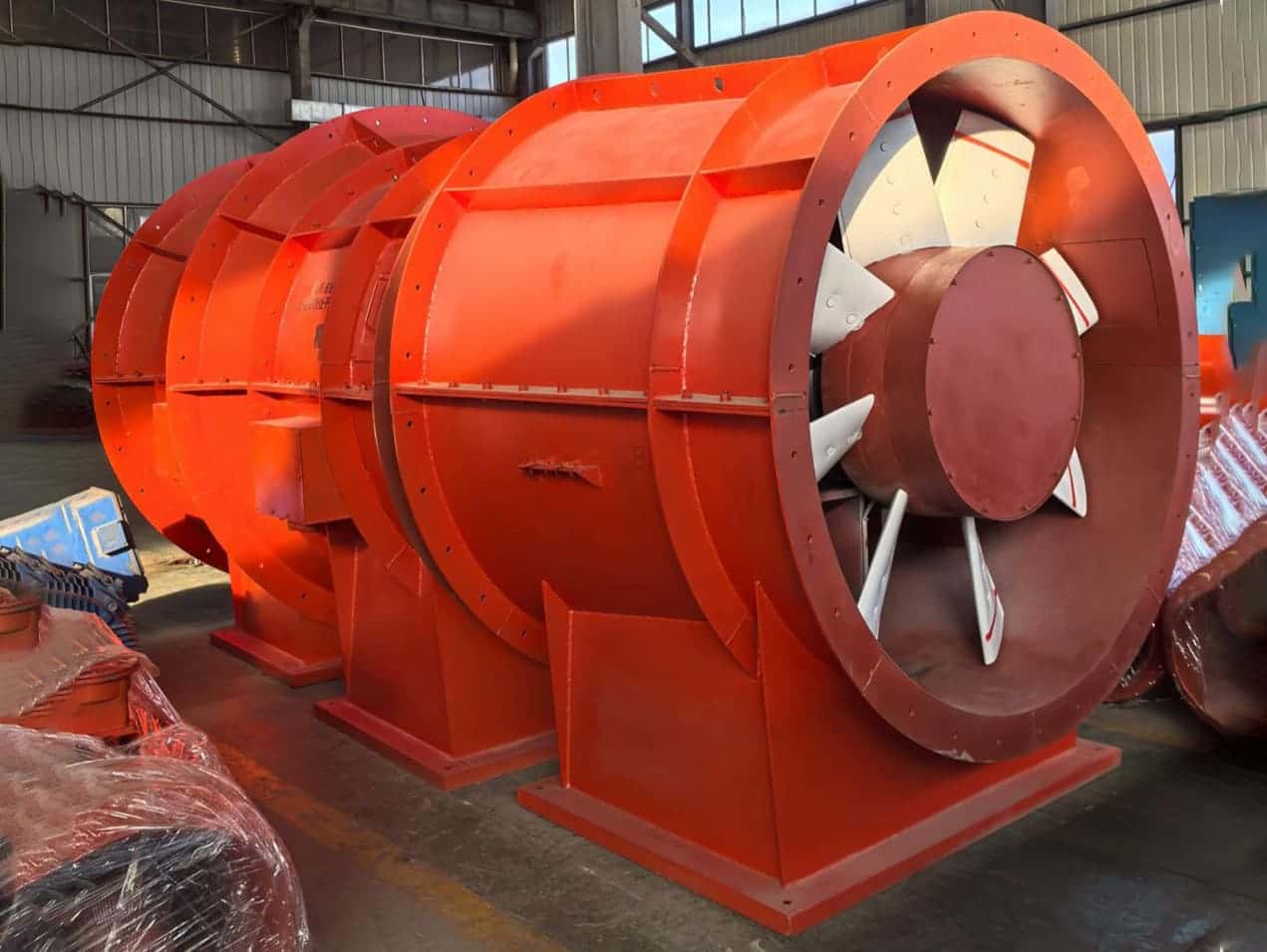
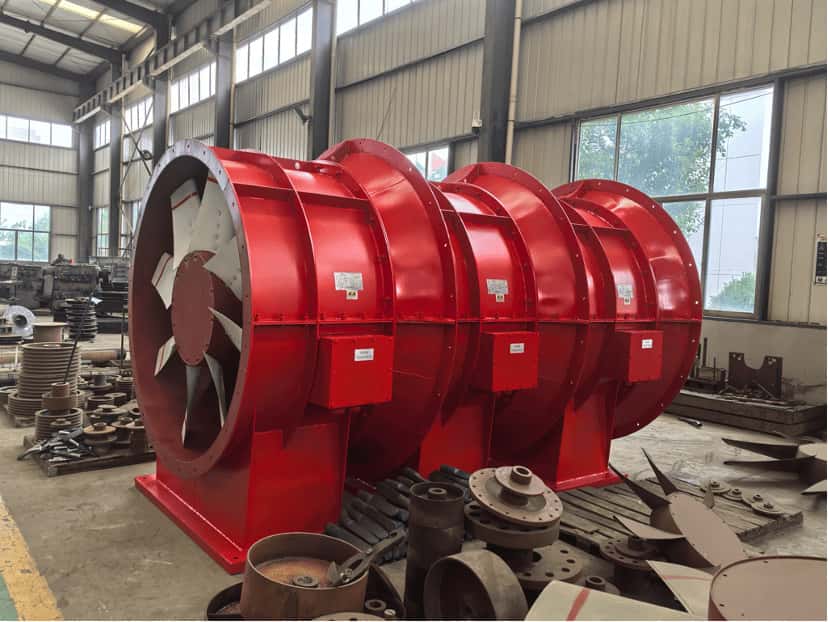
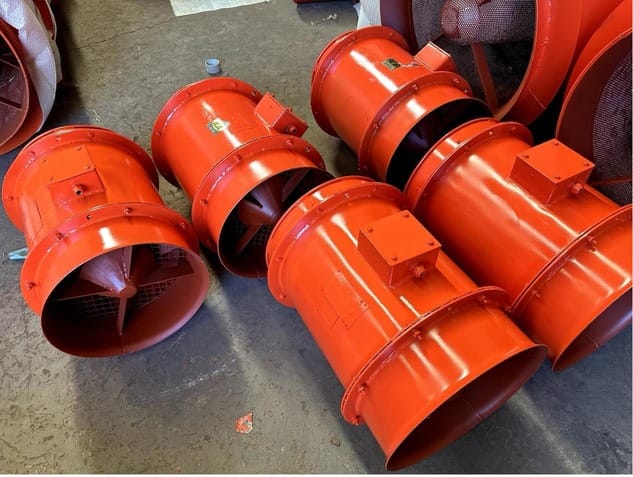
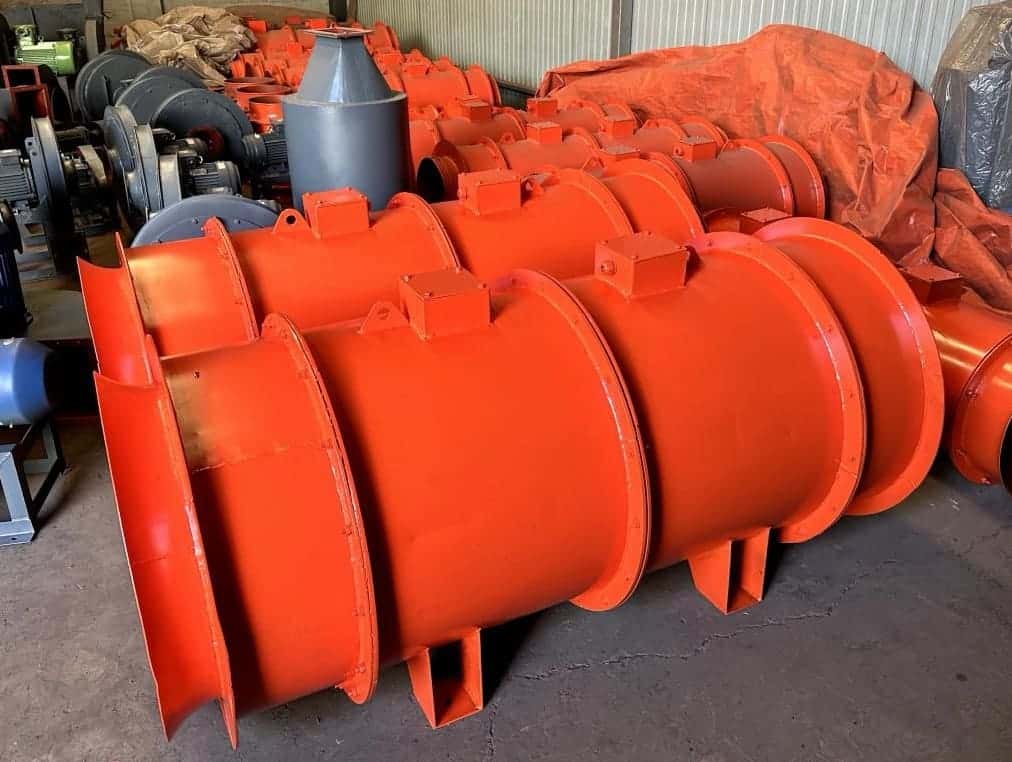
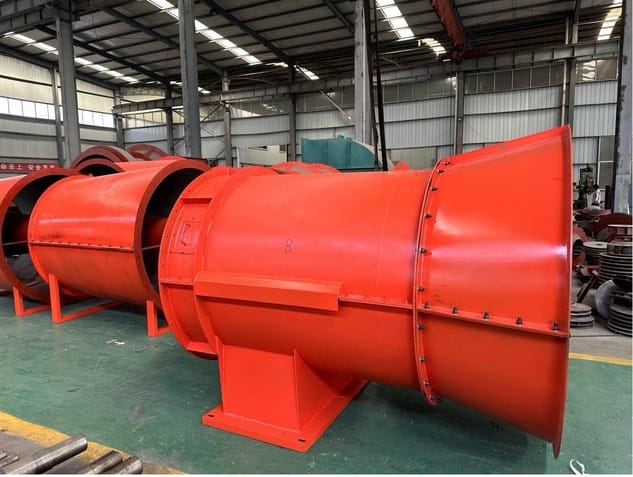
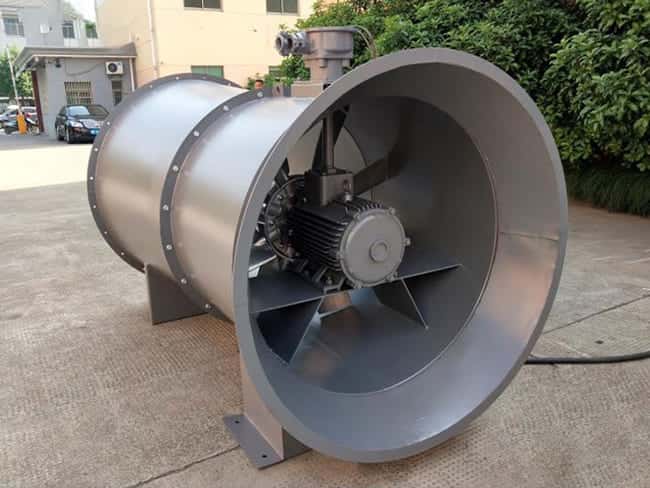
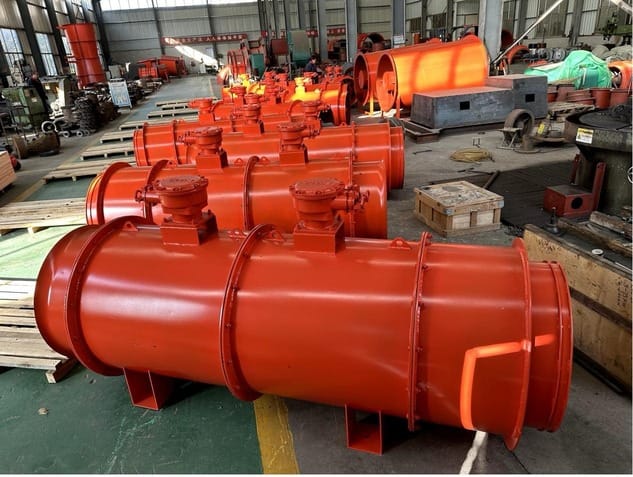
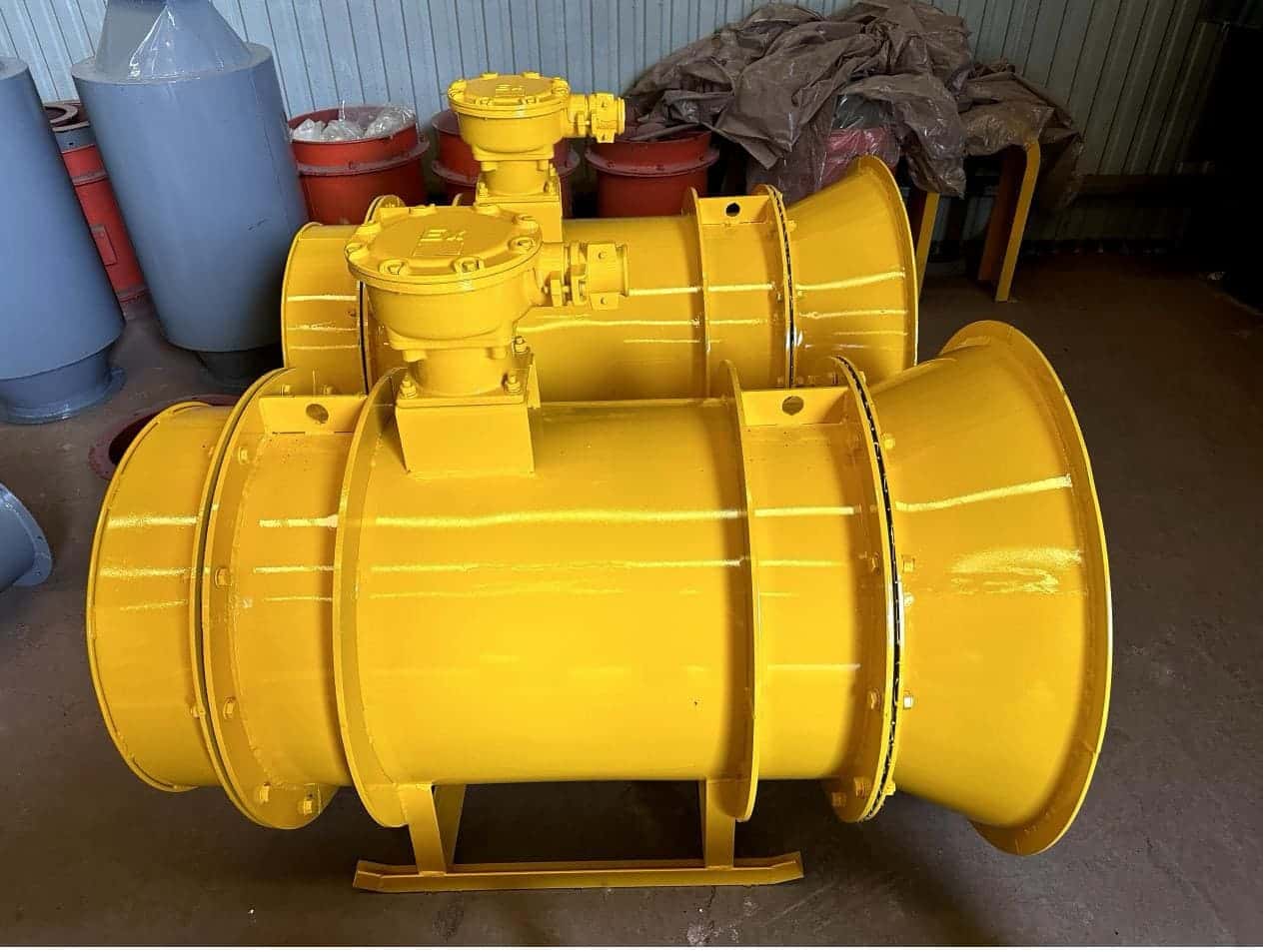
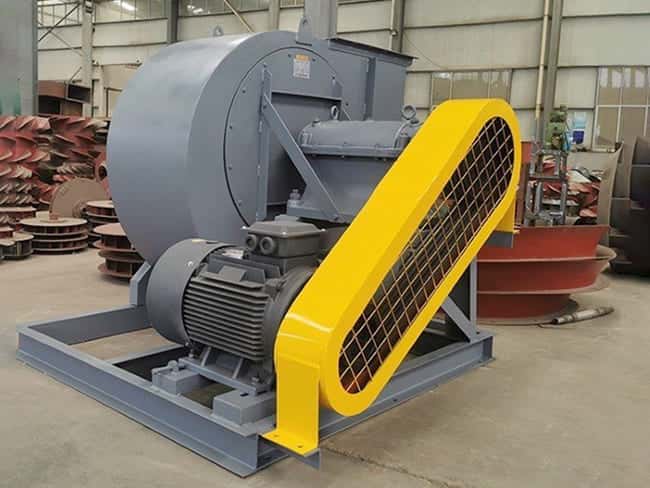
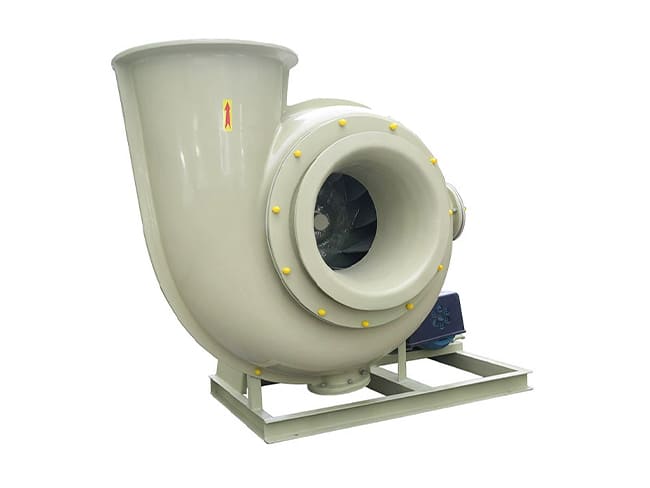
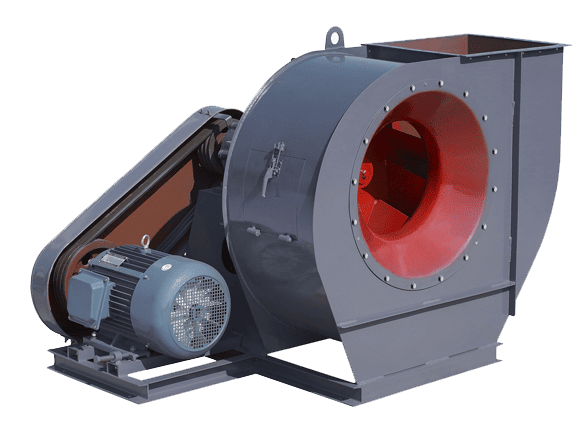
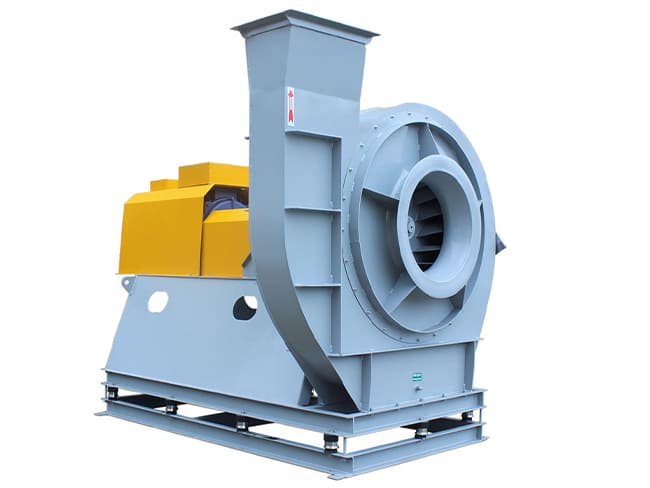
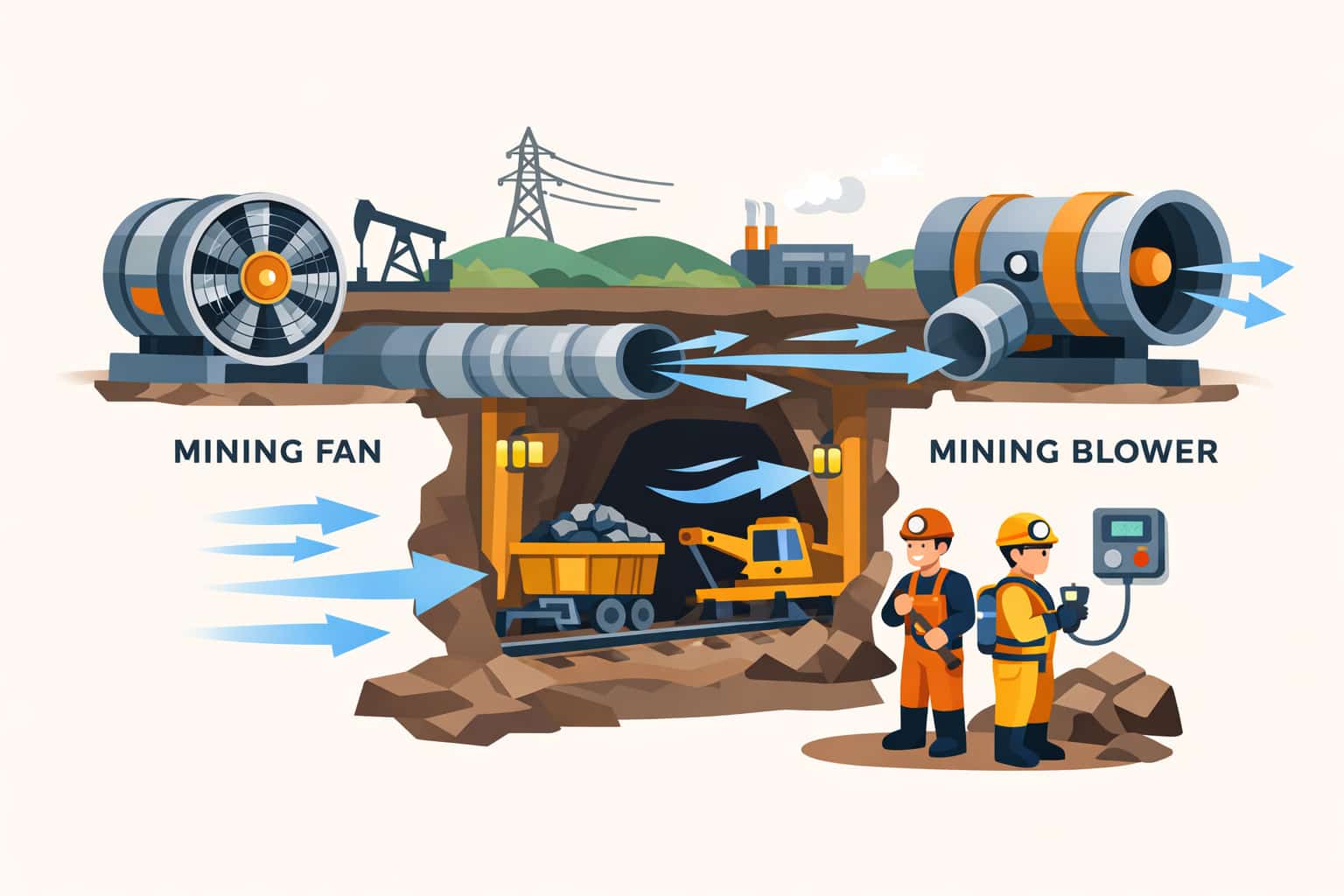
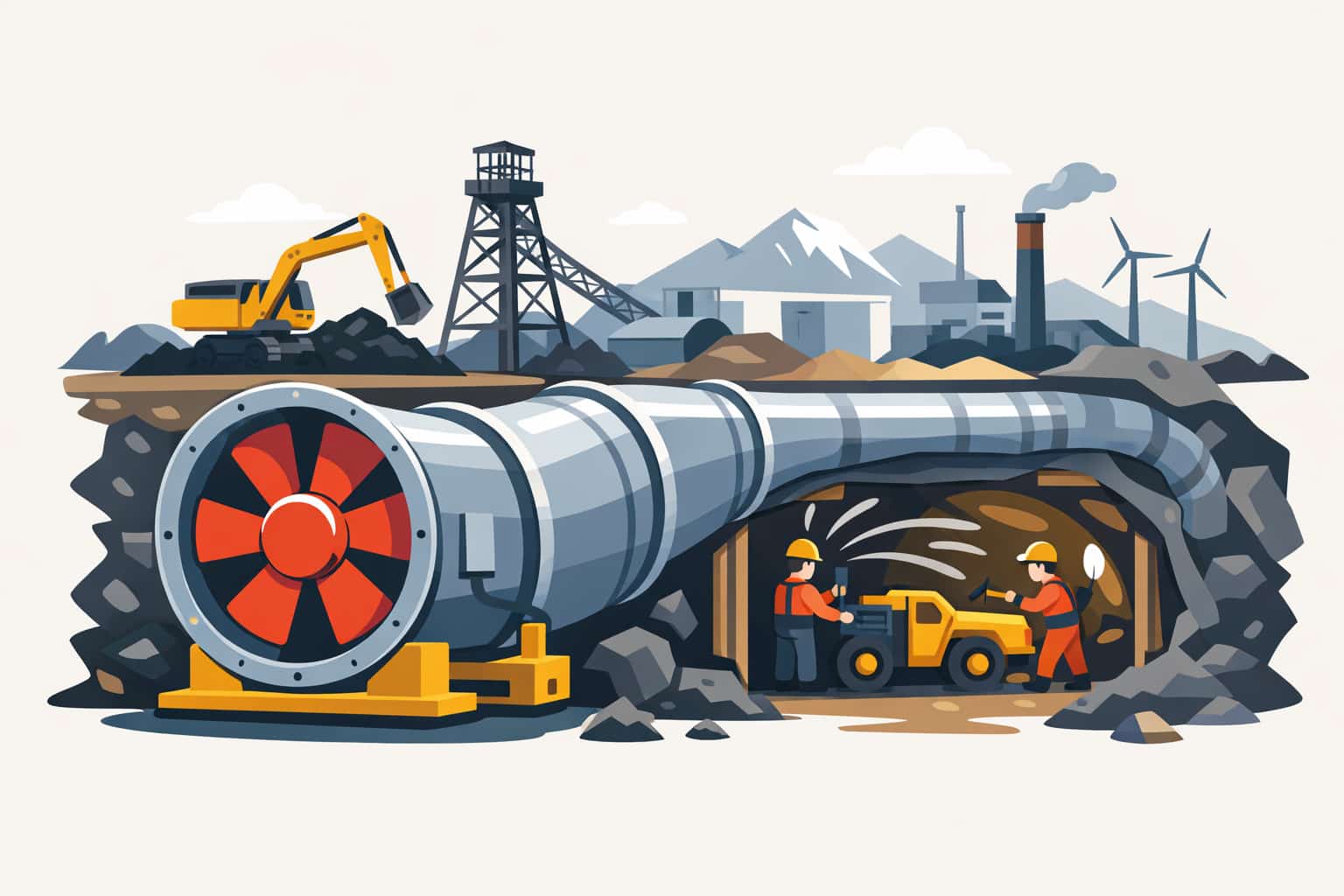
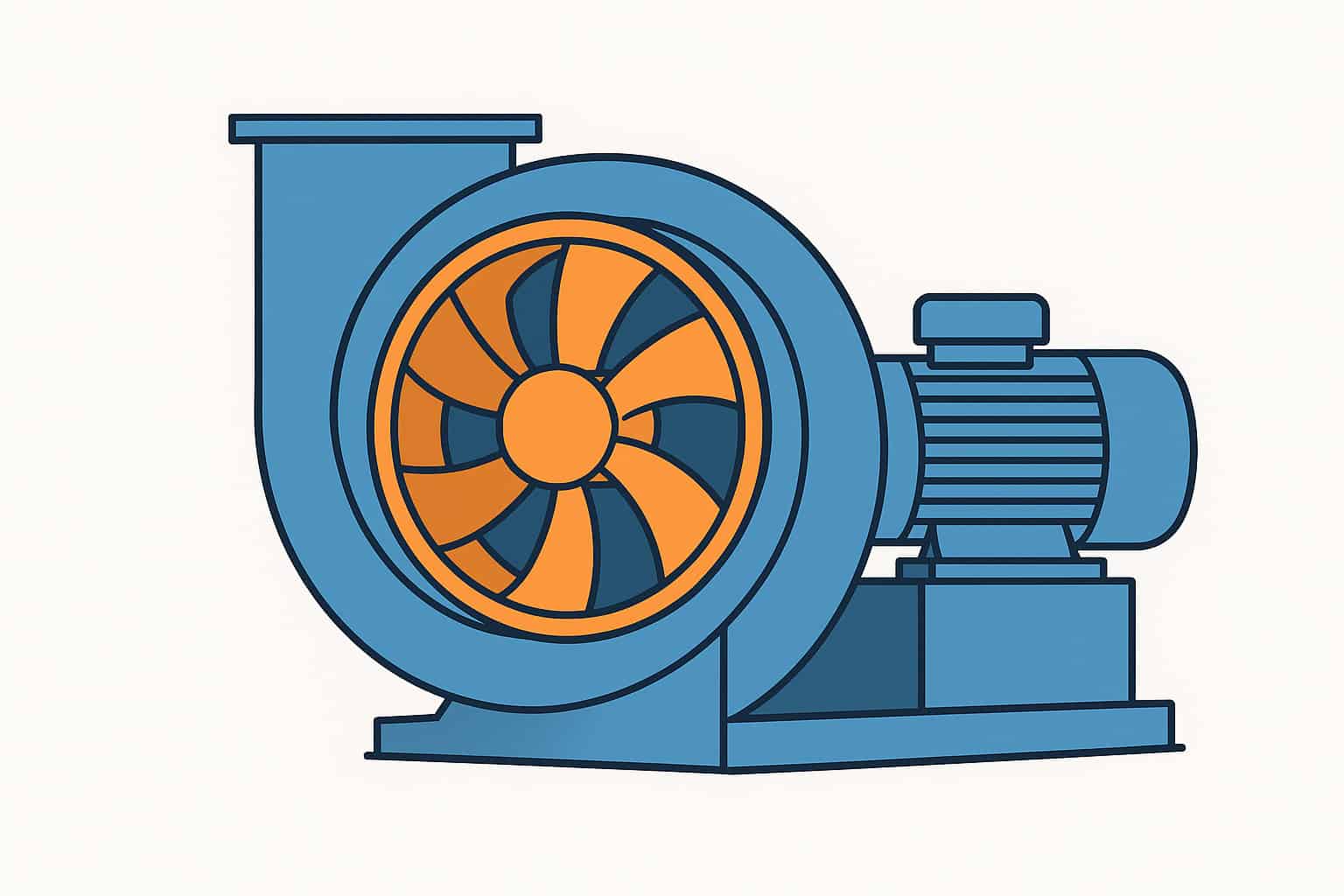
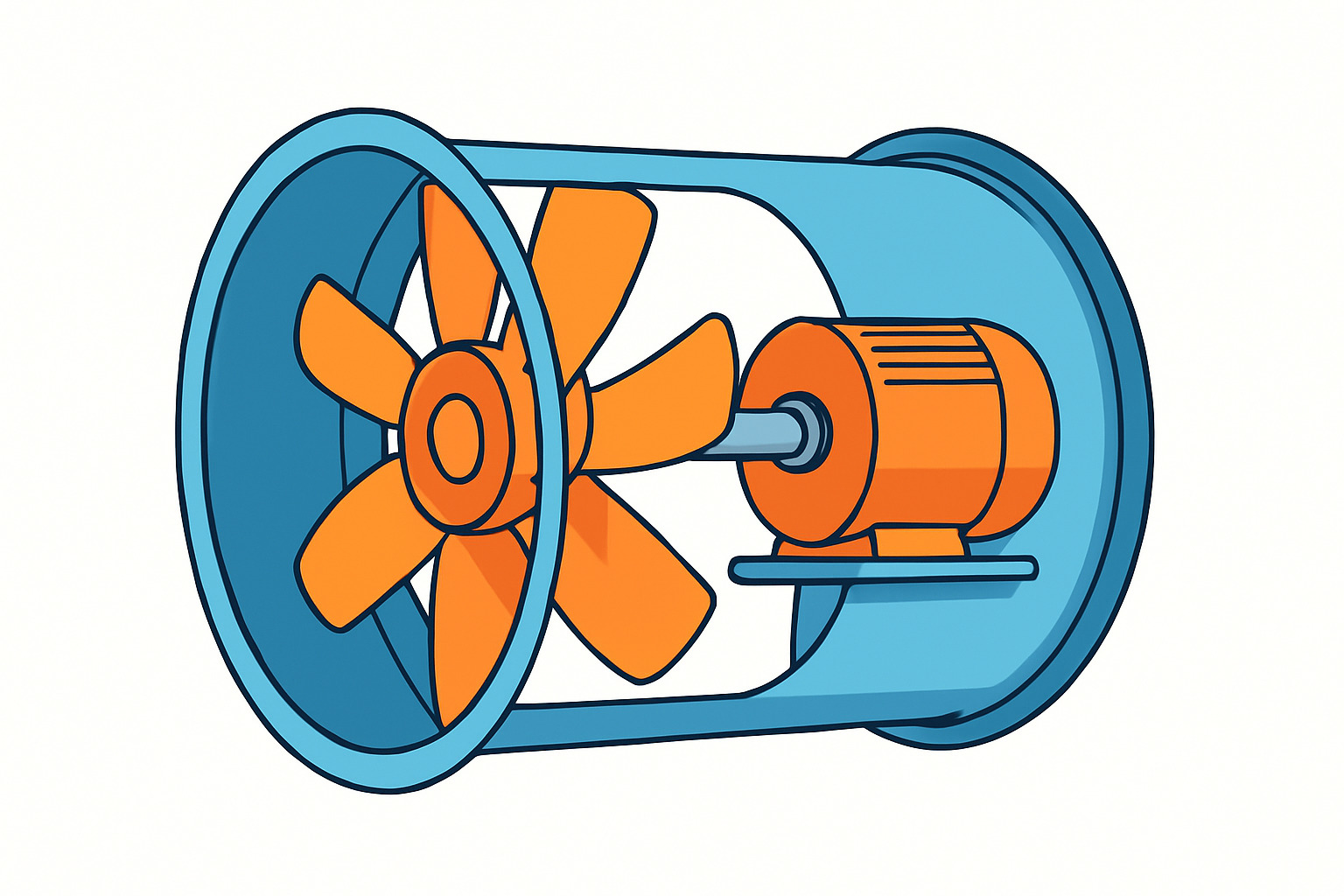
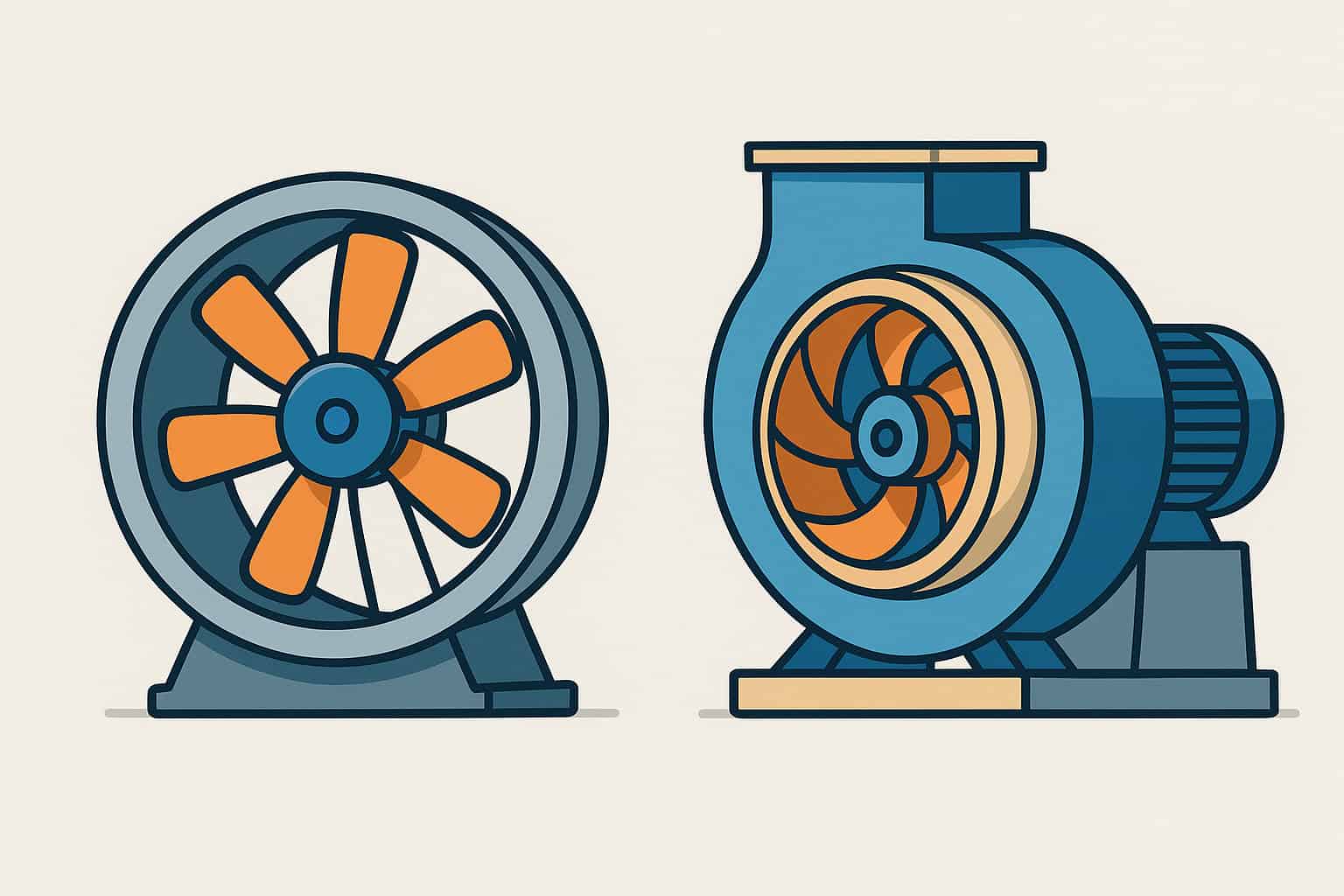
In mining, a fan cut refers to a reduction in ventilation airflow caused by stopping a fan, slowing it down, changing its operating condition, or otherwise reducing the pressure that drives air through the mine. A fan cut may be planned (scheduled) or unplanned (an unexpected outage). Because ventilation is a primary control for airborne hazards underground, the term is taken seriously and usually triggers specific operational rules.
What causes a fan cut? Common causes include electrical power interruptions, motor or drive faults, VFD trips, emergency shutdowns, maintenance isolation, fan station fires or alarms, damaged controls, or changes to regulators/doors that reduce system airflow. Fan cuts can involve main fans (affecting the entire mine) or booster/auxiliary fans (affecting a district or heading).
Why fan cuts matter
Ventilation provides oxygen and removes or dilutes contaminants. When airflow drops, hazards can rise quickly, especially in deep or high-activity areas. Typical risks include accumulation of diesel exhaust, blasting fumes, heat stress, reduced oxygen availability, and buildup of methane or other gases (depending on the mine type and geology). A fan cut can also change pressure relationships in the network and create stagnant zones where air movement is too low to control contaminants.
Planned vs unplanned fan cuts
- Planned fan cut: a scheduled reduction or shutdown for maintenance, inspection, or system modifications. Planned cuts should include an engineered plan that defines duration, affected zones, monitoring requirements, and how personnel will be protected.
- Unplanned fan cut: an unexpected loss of airflow. This typically triggers alarms and an immediate response, which may include evacuation from affected zones, stopping diesel equipment, and restricting entry until airflow is restored and the area is verified safe.
Typical controls used during a fan cut
Mining operations generally treat ventilation as a controlled system. During a fan cut, controls may include:
- Isolation and withdrawal: removing personnel from headings or districts that depend on local fans and ducting.
- Enhanced monitoring: checking airflow, pressure, and gas concentrations, especially in areas with diesel equipment or potential gas emissions.
- Backup ventilation: starting standby fans, switching to redundant fan units, or using alternative airflow paths where the design allows.
- Controlled restart: restarting fans according to procedures that avoid unstable airflow changes and confirm correct regulator/door positions.
Re-entry after a fan cut
Before work resumes, ventilation should be restored to the required condition, and the affected areas should be checked for adequate airflow and acceptable air quality. In practice, this means verifying that the fan is operating correctly at the intended duty point, ducting is intact for auxiliary systems, and the ventilation network is stable. A well-managed fan cut is not just about turning a fan back on, but about confirming the mine atmosphere and airflow are safe for people and equipment.