





There is no single “good” airflow value that fits every fan, because the right airflow depends on what you are trying to ventilate and why. A small office, a welding booth, a kiln and an underground heading all need very different amounts of air. Instead of a universal number, engineers use guidelines and regulations based on people, area, heat and contaminants to define a suitable airflow for a fan.
For general building and light industrial ventilation, airflow is often expressed as air changes per hour (ACH) or airflow per person. For example, a workshop might require 4–8 ACH, while a crowded room might use a guideline of 10–20 litres per second of fresh air per person. The “good” fan airflow is the one that, when distributed correctly, delivers these rates to the space.
In industrial process ventilation, the required airflow is linked to the type and intensity of contaminants. Local exhaust hoods over welding stations, grinding points or chemical mixing tanks are sized based on capture velocities and hood geometry. The main exhaust fan must then provide enough airflow to meet all of these local requirements plus general dilution ventilation, so “good” airflow is the value that keeps contaminant concentrations below occupational exposure limits.
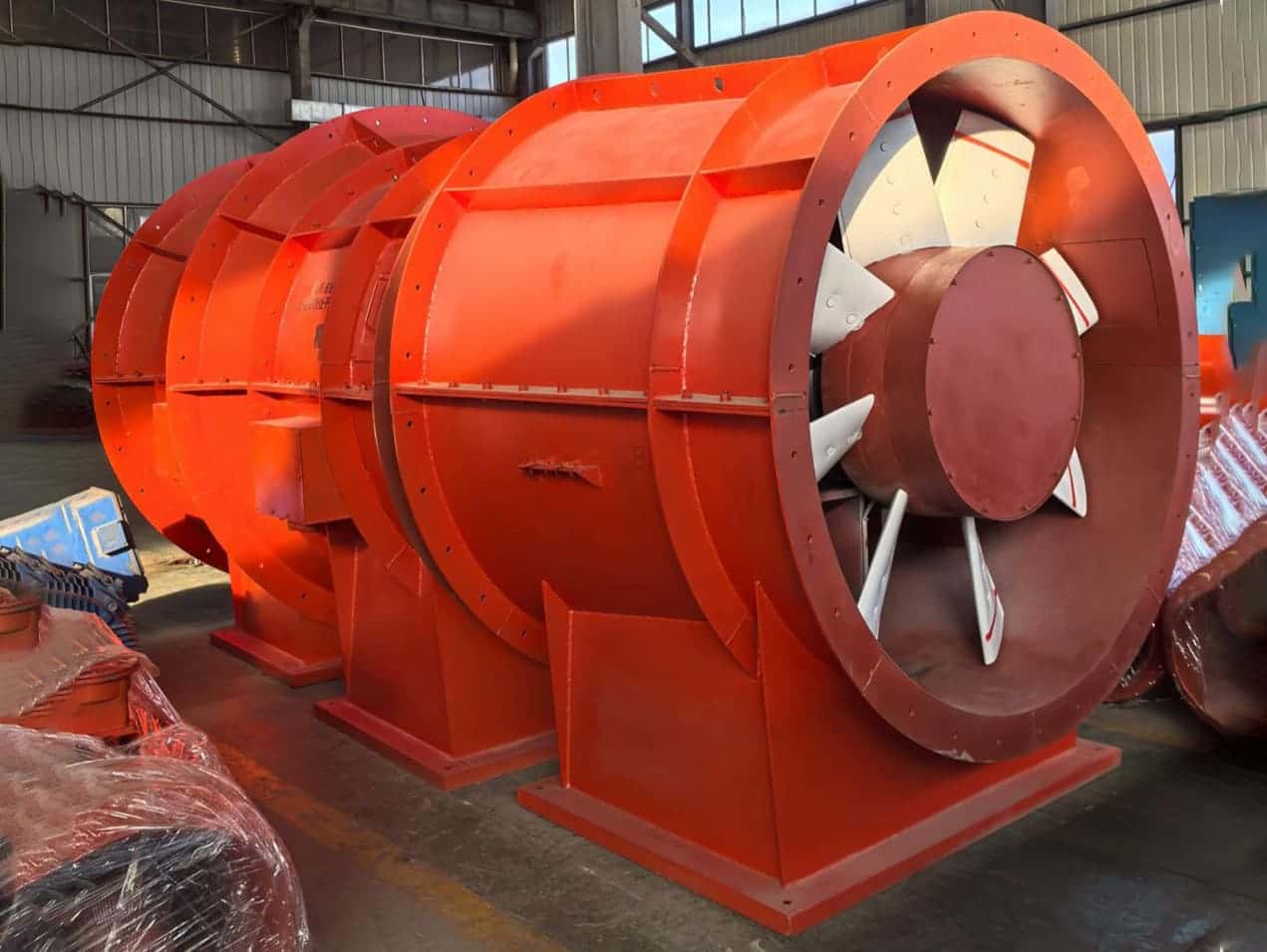
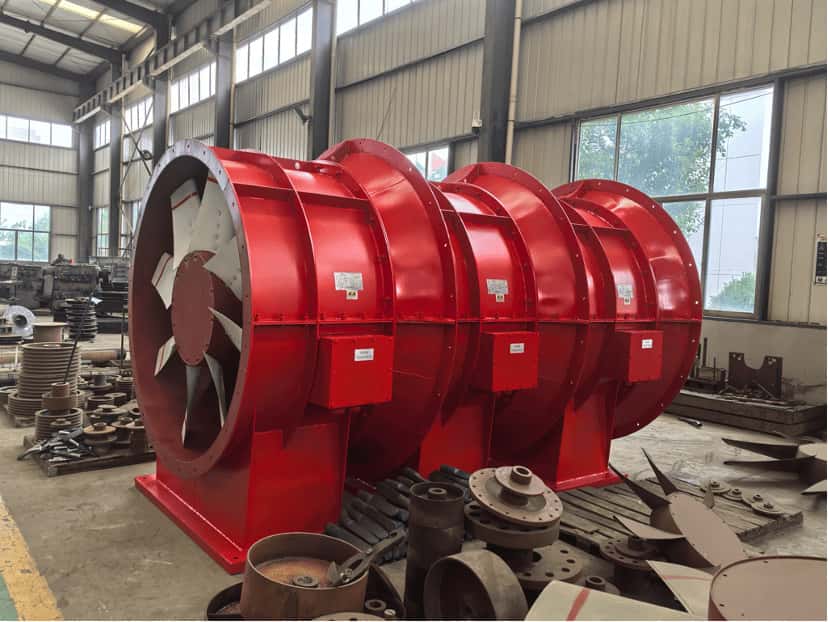
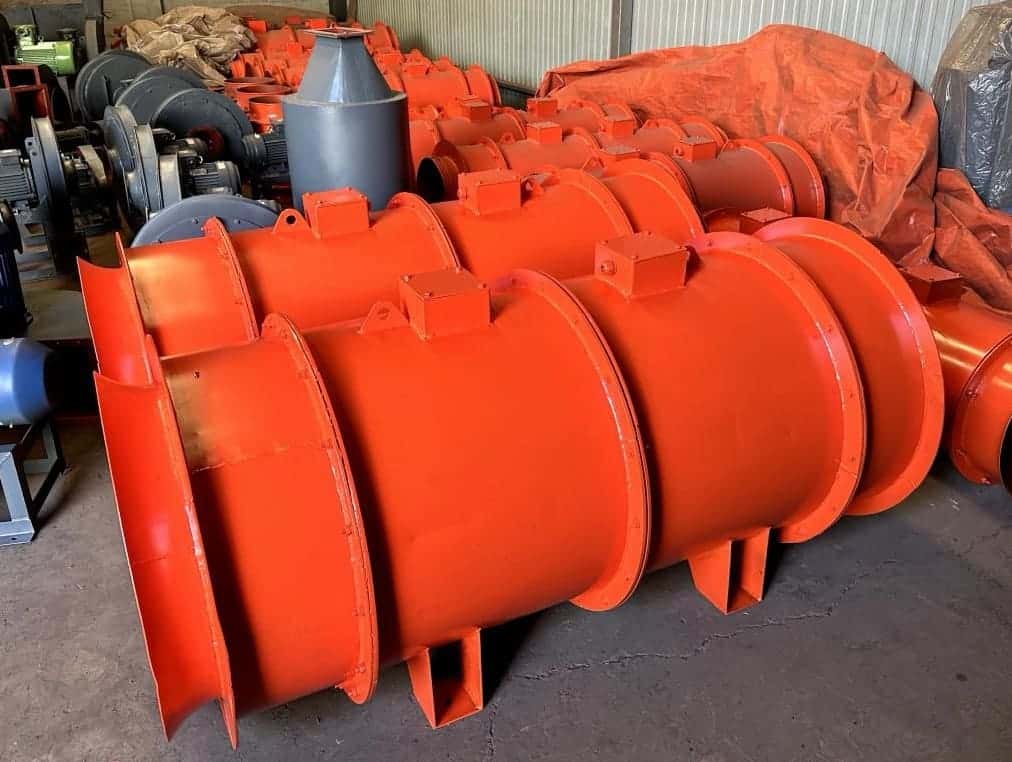
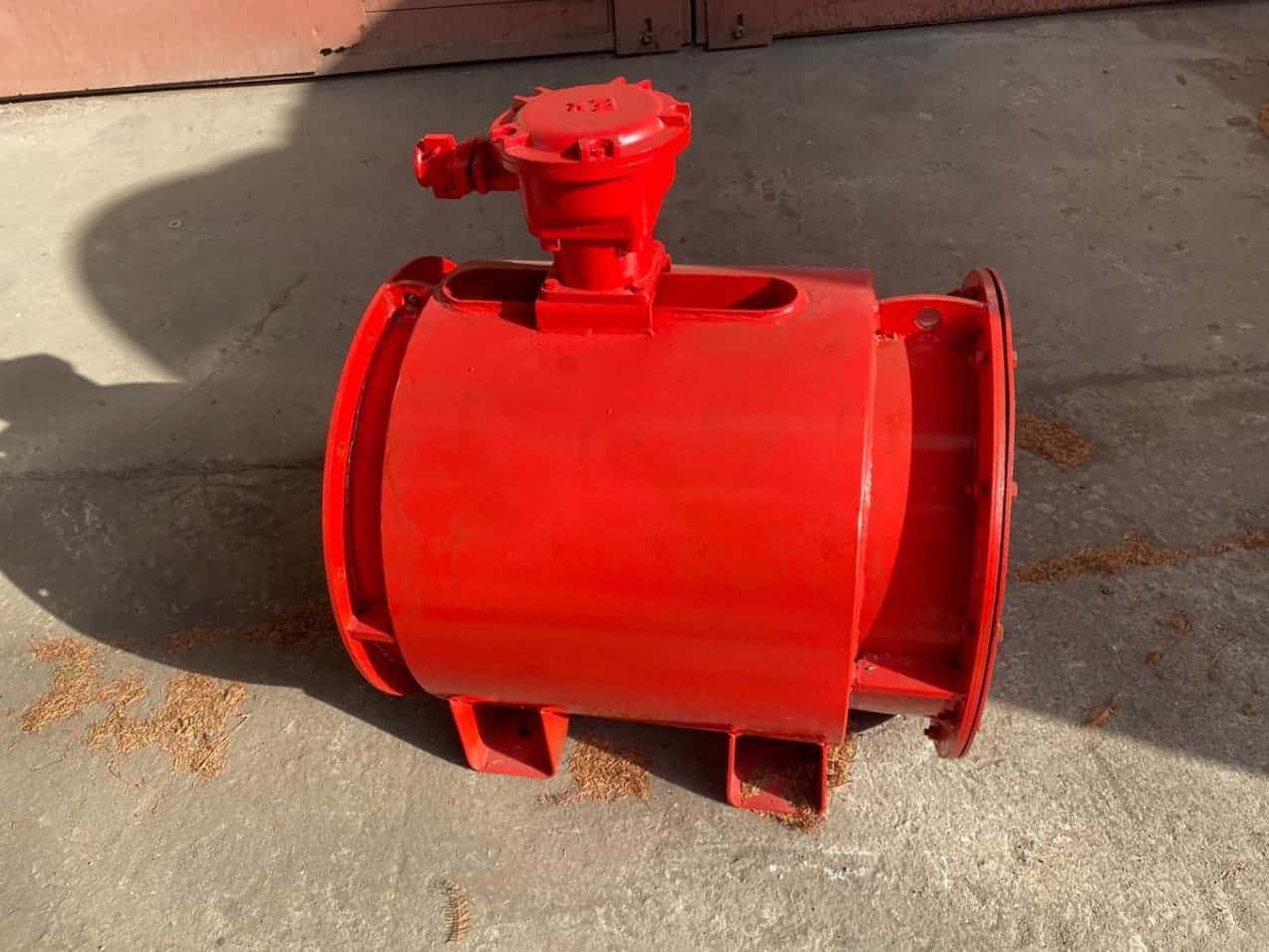
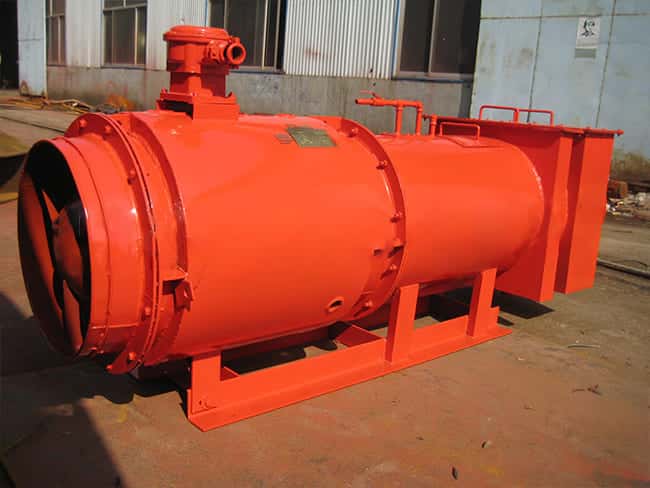
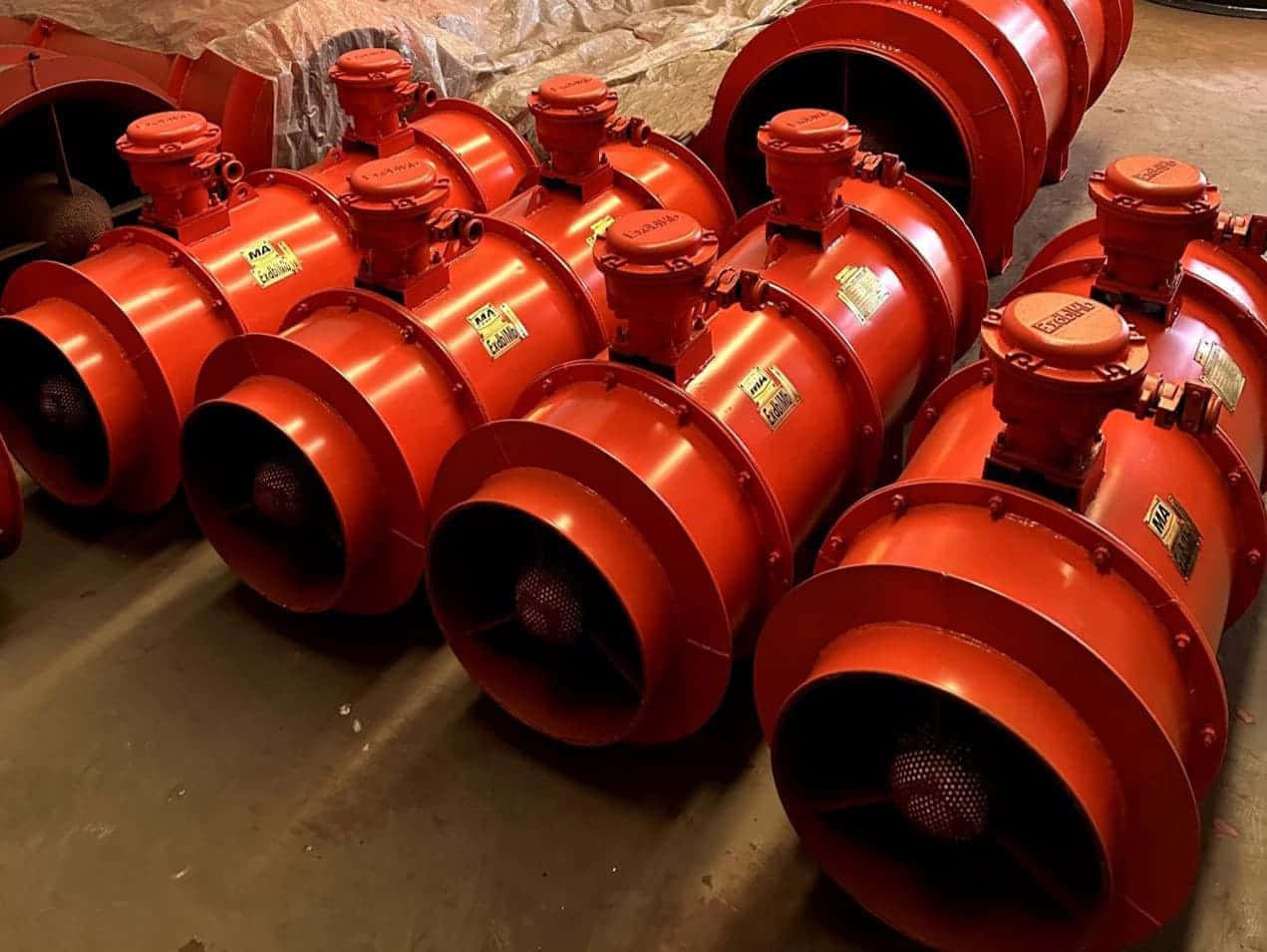
In underground mining, the definition of good airflow is much more strictly regulated. Ventilation codes specify minimum quantities of air per worker, per kilowatt of diesel equipment and per tonne of daily production. They also set limits for gas and dust concentrations. Main and auxiliary fans must deliver enough airflow (in m3/s or CFM) so that these regulatory requirements are met at all working faces and along return airways. In this context, good airflow is any volume that meets or exceeds legal and safety thresholds without wasting excessive energy.
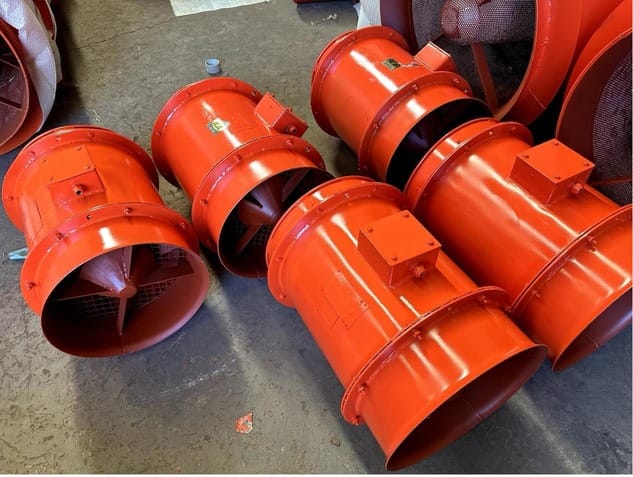
Even for small fans such as comfort or circulation fans, a good airflow is one that provides adequate air movement across occupants or equipment without creating drafts, noise or discomfort. Manufacturers may publish recommended coverage areas for a given CFM rating. Comparing the fan’s airflow to the room size helps determine whether it is appropriately sized.
In summary, a good airflow for a fan is not a fixed number; it is the airflow that satisfies the specific ventilation objectives of the space—whether that means enough fresh air per person, sufficient dilution of fumes and dust, or compliance with strict mining ventilation regulations. Proper calculations and reference to standards are needed to determine this value for each application.